Dog Ear Infection: Causes, Treatment and Prevention
Learn how a dog ear infection develops, what the veterinary examination checks, why episodes return, and how treatment, cleaning and a practical prevention record fit together.

BVMS MRCVS
Medically reviewed by Dr. Pippa Elliott, BVMS MRCVS · Last reviewed

This article contains affiliate links. Webvet may earn a commission when you buy through them, at no extra cost to you.
A dog ear infection can cause itching, pain, odor and discharge, but the visible signs do not tell you which medicine will help. The useful next step is an ear examination, usually with a sample checked under a microscope. Treatment addresses the current episode; preventing repeated episodes means identifying the underlying cause as well.
Arrange a veterinary appointment if an ear suddenly smells different, becomes sore or produces unusual debris. Describe severe pain, a head tilt, stumbling, unusual eye movements or sudden hearing changes when you call so the clinic can assess urgency. Avoid putting unapproved products into the ear while you wait.
- 1An ear examination distinguishes infection from other causes of inflammation.
- 2Yeast and bacteria may occur together; discharge color cannot choose the treatment.
- 3Repeated infections need an underlying cause and prevention plan, not automatic repeat bottles.
- 4Ask for separate medicine, cleaning and follow-up instructions.
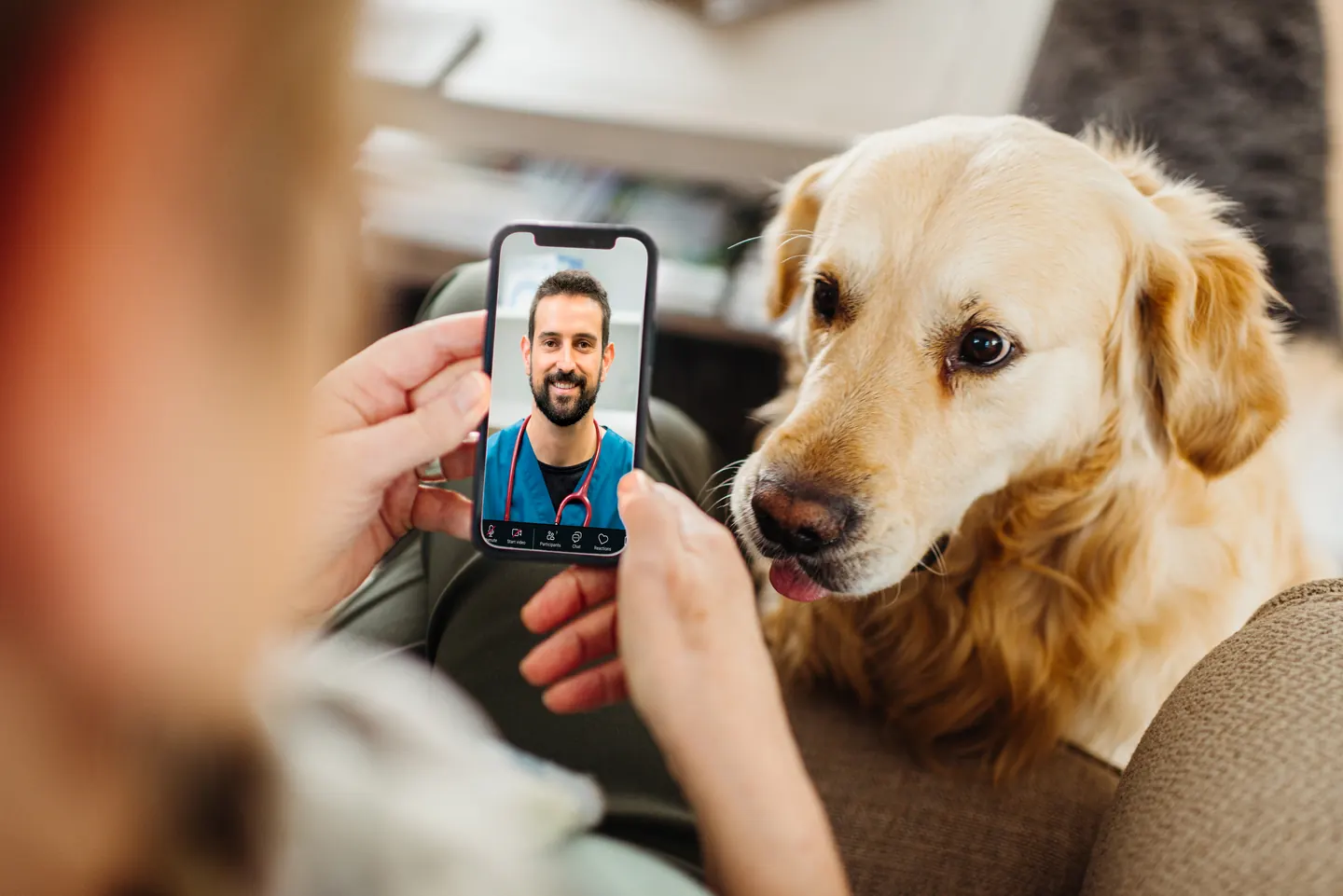
 Sponsored
Have a health question about your dog?
Talk to a licensed vet at Dutch over video or message, including nights and weekends.
Use code Pets30
Plans start at $11/month · covers up to 5 pets
- Licensed vets in most states
- Rx for 150+ conditions
- 4.7 on Trustpilot
What a dog ear infection means
An ear infection involves microorganisms such as bacteria or yeast. Otitis means inflammation.
The two often occur together, but infection and inflammation are not interchangeable: an allergic ear may be inflamed even before an infection develops. That distinction explains why treating organisms alone may not solve a recurring problem.
The location also matters. Otitis externa affects the outer ear canal, the passage leading to the eardrum. Otitis media affects the middle ear, beyond the eardrum. Otitis interna involves the inner ear, where structures important for balance and hearing are located. An owner cannot determine the depth of disease simply by looking at the flap. “Canker” is another name sometimes used for otitis externa, as MSD Animal Health explains. The name describes ear disease; it does not identify bacteria, yeast or a particular treatment.
An earache describes discomfort, not a confirmed infection. A Labrador Retriever with an itchy ear and a small dog with a sore ear may have different underlying problems even when their symptoms seem alike. Let the examination establish the cause before choosing a product.
- One ear or both ears can be affected. A one-sided problem may prompt a search for a foreign object or local change.
- An acute episode starts recently; chronic disease persists or returns and can change the canal over time.
- A puppy ear infection and an adult dog’s infection both need assessment; age or breed does not make a kitchen remedy safe.
Small numbers of microbes can occur in a normal ear. When its environment changes, they may multiply and contribute to disease. The Merck Veterinary Manual’s ear-disorders guide describes this relationship between the underlying problem, inflammation and microbial overgrowth. Pet ear infections therefore are not simply evidence that an owner failed to clean enough.
Recognizing an ear problem
Common dog ear infection symptoms include scratching, head shaking, redness, unusual wax or discharge, odor and discomfort when the ear is touched. Some dogs resist a collar or having their head handled. A dog scratching its ear and shaking its head at night still needs the same assessment; the time of day does not identify the cause.

Brown or black material, pus, red spots and a swollen canal can accompany several conditions.
A sore ear with no strong smell can still be important. Use the symptoms guide for a closer explanation of visible changes and photographs, rather than trying to label yeast, bacteria or mites from a picture. Tell the clinic about vomiting or balance changes as well as the ear signs.
Why dogs get ear infections
Allergies, parasites and foreign material can start inflammation; ear shape, moisture and changes left by earlier disease may make a problem easier to sustain.
The organism found on a swab is only one part of the explanation. For example, controlling bacterial overgrowth may help an episode while leaving allergy-related inflammation untreated.
- Allergic skin disease: ear problems may occur with itchy paws or skin, although not every dog shows the same pattern.
- Foreign objects: a grass awn or other material may cause a sudden problem, especially in one ear.
- Parasites: ear mites require a different approach from a bacterial infection.
- Moisture and canal conditions: swimming, bathing or a narrowed, inflamed canal may contribute in a susceptible dog.
- Other underlying disease: the veterinarian may investigate hormonal, skin or structural problems when the history suggests them.
A detailed history matters because several factors may act together. Veterinary dermatologists explain these overlapping causes when discussing otitis externa. Bring the dates of previous episodes, whether both ears were involved, the treatments used and what happened after each course. A recurrence after swimming is useful information, not proof that swimming was the only cause. The informal term “swimmer’s ear” refers to an ear infection that develops after swimming or bathing. A dog with pain or discharge after water exposure still needs an examination rather than automatic drying drops.
Which breeds are prone to ear infections?
Dogs with long, pendulous ears, narrow canals or a tendency toward allergic skin disease can be more prone to ear problems. Cocker Spaniels and Poodles are examples often discussed in veterinary guidance; Labrador Retrievers and other allergy-prone dogs may also have repeated episodes. This is a risk pattern, not a diagnosis. A dog with upright ears can still develop a severe infection, and a floppy-eared dog does not automatically need daily cleaning. French Bulldogs also had increased odds of otitis externa in UK VetCompass research. Their upright ears do not rule out a problem, and the study does not determine an individual dog’s cleaning schedule.
Ask what matters for your individual dog: the canal examination, skin history, swimming routine and previous response to treatment. Breed alone cannot tell you whether the current problem is bacterial or fungal. It also cannot determine which ear cleaner or medicine is safe when the eardrum has not been assessed.
Yeast and bacterial infections can overlap
A dog ear yeast infection often involves Malassezia, a yeast that can overgrow in an inflamed ear. Bacterial infections may involve different organisms, and yeast and bacteria can occur together. Neither a sweet smell nor dark wax reliably separates these possibilities. The yeast guide explains that condition in more detail, including why photographs cannot replace testing.
This is why a product used successfully for one episode may be wrong for the next.
“Bacterial” is not a promise that any antibiotic will work, and “yeast” does not make every antifungal preparation suitable for an ear canal. Ask the veterinarian what the sample showed and whether the prescribed medicine addresses one organism group or a mixed infection.
 Sponsored
Vet care that's always there
Unlimited video calls and messaging with licensed vets for less than a typical vet visit. One membership covers up to five pets.
Use code Pets30
Plans start at $11/month · covers up to 5 pets
- Licensed vets in most states
- Rx for 150+ conditions
- 4.7 on Trustpilot
How the vet finds the cause
The appointment usually combines your dog’s history, an ear examination and cytology.
An otoscope helps the veterinarian inspect the canal and eardrum. Ear cytology means examining a swab sample under a microscope for organisms and inflammatory cells. You may hear the term cocci, describing a round bacterial shape, or rods, describing another shape; these findings help guide the next step.
Culture is a different test. It may be useful in selected recurrent, difficult or deeper infections, rather than being necessary for every first episode. A painful or obstructed ear may require pain relief or sedation before a full examination and cleaning are possible. VCA’s owner guidance explains why looking at the eardrum and testing the material are important before selecting medication.
- Do not clean away discharge just before the visit unless the clinic asks you to.
- Bring every ear product used recently, or clear photos of its label and ingredients.
- Mention if medication was difficult to give, seemed painful, or was stopped early.
- Ask whether the eardrum could be assessed and whether that affects the home plan.
| Part of the assessment | Useful question for the clinic |
|---|---|
| Otoscope examination | Could you see the canal and eardrum, or was pain or debris limiting the examination? |
| Cytology | Did the ear swab show yeast, bacteria or both? |
| Culture when indicated | What question would this additional test help answer? |
| Follow-up | How and when will you check whether the infection and inflammation have resolved? |
What treatment involves
A dog ear infection treatment plan may include an antibiotic, antifungal, anti-inflammatory medicine, cleaning and pain relief. The combination depends on the examination and testing. Some dogs receive drops at home; selected cases may receive a longer-acting clinic treatment. Oral medicines are not automatically better than topical treatment, and deeper or complicated disease may need a different approach.
Over-the-counter products have different jobs. Zymox Plus Advanced with 1% hydrocortisone is an enzyme-based solution, not a universal substitute for diagnosis. The manufacturer advises against adding other ear preparations before or during its ear-solution course because they may interfere with enzyme activity. Confirm the exact formula and instructions with your veterinarian.
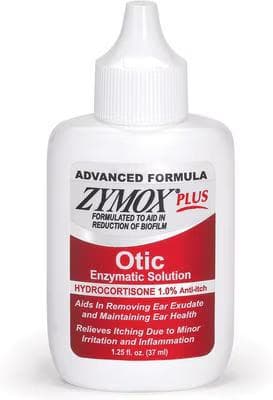
Webvet may earn a commission when you click through to Chewy, at no extra cost to you.
A product such as Dechra TrizULTRA + Keto may be selected as a cleanser or pretreatment in a particular plan. It is not interchangeable with a prescription antibiotic. If your dog already received ear medication in the clinic, ask before adding any flush: cleaning can be inappropriate during the action of some longer-acting products.
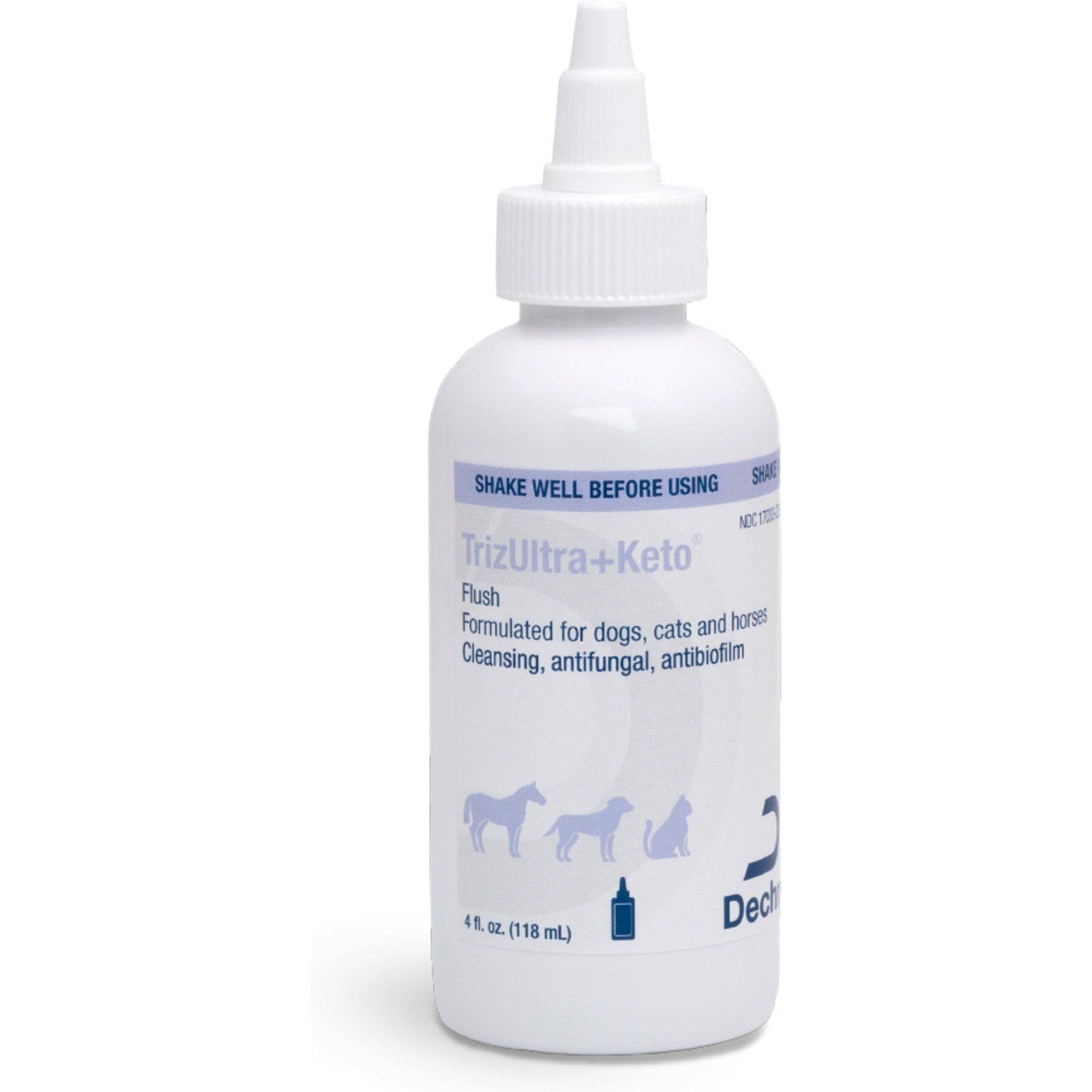
A ketoconazole-containing ear flush to discuss with your veterinarian when routine cleaning is not enough. Use only as directed for your dog.
Webvet may earn a commission when you click through to Chewy, at no extra cost to you.

Follow the prescribed course and keep the follow-up appointment even if odor and scratching improve.
The treatment guide covers medicine choices, recovery and costs in detail. Tell the team if you cannot give the drops or afford the proposed plan; an honest discussion is more useful than stretching doses or substituting a leftover prescription.
What to do at home before the appointment
Until the ear is assessed, keep water out and avoid probing or flushing the canal. Do not use vinegar, hydrogen peroxide, essential oils or human pain medicines on the assumption that they are harmless. The dog ear infection home-remedy guide explains ingredient-specific concerns and practical support while arranging care. Household treatment cannot establish whether the eardrum is intact or which organism is present.
If your dog has already been examined, follow the current written directions rather than a generic cleaning schedule.
Ask what to do if a dose is missed or treatment causes pain. Keep medication packages together and record who gave each dose when several people care for the dog. These simple details reduce uncertainty when you need to call the practice.
Cleaning without creating another problem
Cleaning can be useful when it matches the condition of the ear and the medicine, but more cleaning is not always better.
A healthy ear does not need repeated flushing just to look spotless. A painful infected ear may need professional care before home cleaning is comfortable or appropriate.
A vet-recommended routine cleanser such as Epi-Otic Advanced can be part of maintenance for an appropriate dog. It is a cleanser, not proof that an infection has been treated. Ask for the product, frequency and timing in writing. Follow the ear-cleaning technique guide only once the vet has confirmed cleaning is suitable for this ear.
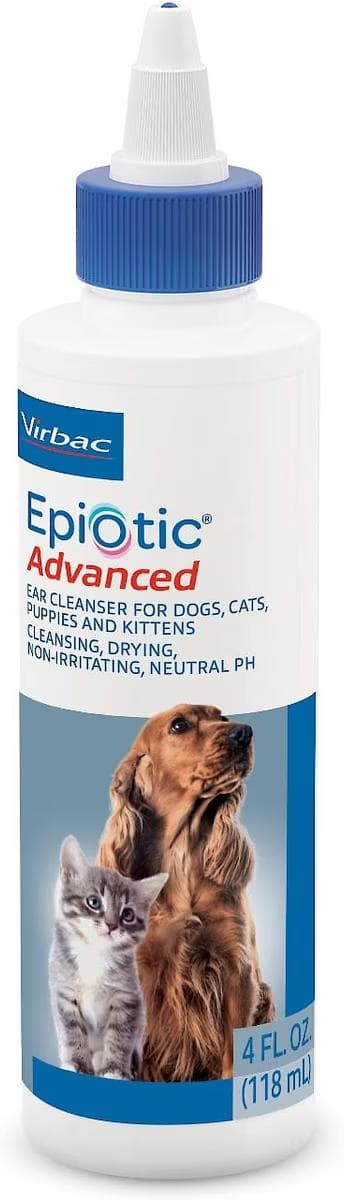
Webvet may earn a commission when you click through to Chewy, at no extra cost to you.
Avoid cotton swabs pushed into the canal and forceful squirting. If cleaning hurts, stop and contact the clinic rather than restraining harder. Cornell’s ear-care guidance explains that severe painful ears may need medication to reduce pain and inflammation before at-home cleaning begins.
When an ear infection becomes dangerous
An untreated infection can mean prolonged pain and inflammation. With chronic disease, the canal may thicken or narrow, making treatment harder.
Middle- or inner-ear involvement is a different level of concern from a straightforward outer-ear episode. Severe ear pain alone does not reveal the depth, so do not assume a dog has only a surface problem because you cannot see much discharge.
A ruptured eardrum can accompany deeper ear disease, but an intact eardrum does not rule out middle-ear infection. This is another reason to have the canal and eardrum examined instead of judging the depth from the amount of discharge. Merck explains this distinction.
- Contact a vet promptly for a head tilt, stumbling, unusual eye movements, facial changes or sudden hearing changes.
- Describe marked lethargy, repeated vomiting or rapidly worsening discomfort when requesting triage.
- A suddenly swollen ear flap may be an ear hematoma and needs assessment; do not puncture it.
An ear infection can become life-threatening in rare, severe cases. VCA explains that a severe inner-ear infection can spread to brain areas that control breathing and heart rate. There is no single timetable for how fast an ear infection becomes dangerous; the current signs and examination matter. A dog that is very unwell or develops neurological changes needs urgent veterinary advice. If the ear problem has lasted weeks or months, tell the clinic even if the latest flare seems familiar.
How to prevent another ear infection
The best way to stop ear infections from returning is to identify and manage what keeps starting or sustaining them.
Prevention might include allergy management, an individual cleaning schedule, moisture precautions and timely rechecks. It does not mean adding every available ear product. A normal-looking flap or a better smell cannot confirm that a deeper canal problem has resolved.
| Record after each episode | Why it helps at the next appointment |
|---|---|
| What happened before the episode | Note swimming, bathing, grooming, skin itching and whether one or both ears changed. |
| What the ear swab showed | Record yeast, bacteria or mixed findings as the clinic described them. |
| Which products were used and when | Keep exact names, course dates, cleaning instructions and any difficulty giving treatment. |
| What the follow-up examination found | Distinguish confirmed resolution from improvement noticed at home. |
An episode record makes a pattern easier to discuss without asking you to diagnose it. For example, two episodes that followed bathing may justify reviewing how water is kept out of the ear; repeated episodes with paw licking may prompt a wider skin discussion. Record what happened, including apparently unrelated symptoms, instead of assigning a cause yourself.
Can changing food prevent ear infections?
There is no single best dry dog food that prevents ear infections in all dogs. Food allergy can be relevant for some patients, but other allergies and non-allergic causes also matter. Repeatedly changing brands or removing an ingredient because the ear smells yeasty is not a reliable diagnostic test. Ask whether the history supports a supervised food-allergy investigation.
When a veterinarian recommends an elimination diet trial, the exact diet, duration and follow-up plan matter. Treats, chews, flavored medicines and food used to give pills can interfere with the trial. Ask what is allowed before buying extras. The useful feeding change is the one that answers your dog’s clinical question while maintaining appropriate nutrition; an “ear health” marketing label cannot make that decision.
For suitable routine outer-ear care, Pet MD Aloe and Eucalyptus Ear Wipes are one format to discuss. The manufacturer’s directions describe gentle accessible-ear use for dogs over 12 weeks. Do not push a wipe down the canal or use it on a painful, raw ear without veterinary advice; it does not replace prescribed treatment.
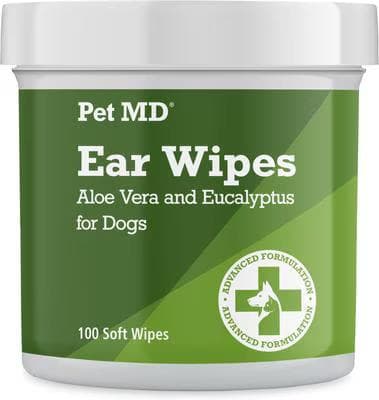
Webvet may earn a commission when you click through to Chewy, at no extra cost to you.
Could it be ear mites instead?
Ear mites in dogs can cause itching and debris, particularly when there has been contact with affected animals. Dark material is not enough to identify mites. The veterinarian examines the ear and tests samples as appropriate; a dog can also have a secondary infection. The mite guide explains transmission and why the household plan may differ from care for a routine bacterial infection.
Questions owners ask
Frequently Asked Questions
Will dog ear infection resolve on its own?
Do not rely on an ear infection clearing by itself. Scratching or odor may fluctuate while inflammation persists. A veterinarian can determine whether there is an infection, an underlying allergy, a foreign object or another problem. If an episode seems to improve before the appointment, describe the original changes and any products you used rather than assuming the cause has disappeared.
What can be mistaken for an ear infection in dogs?
Allergic inflammation, ear mites, foreign material, growths and some ear-flap problems can resemble an ear infection or occur alongside it. A veterinarian uses examination and appropriate testing to separate them. This is why redness or a photograph cannot choose an antibiotic, and why a painful ear should be assessed even when it has little discharge.
What happens if you leave an ear infection untreated in a dog?
An untreated ear infection can prolong pain and inflammation and may become harder to manage. Some dogs develop lasting canal changes or deeper disease. Arrange veterinary care rather than waiting for a particular color or smell. Tell the veterinarian immediately about balance changes, unusual eye movements, severe pain or rapidly worsening illness.
What makes a dog's ear infection worse?
Irritating household mixtures, forceful cleaning, incompatible products and an untreated underlying cause can complicate an ear infection. Stopping prescribed treatment without checking with the veterinarian can also leave the problem unresolved. If a recommended product seems to hurt, stop that attempted application and contact the clinic for instructions rather than adding another product to counteract it.
Can a dog's ear infection spread to humans?
A typical bacterial or yeast ear infection in a dog is not generally considered contagious to people. That does not establish the diagnosis for every itchy ear; parasites and other conditions have their own transmission considerations. Wash your hands after handling ear discharge or medicine, clean shared supplies, and ask the veterinarian about precautions if another pet or a person develops symptoms.

Editor
The Webvet Editorial Team is the in-house group of pet-care editors and writers behind Webvet, operated by Smart Pet Collective. The team researches, writes, and maintains Webvet's pet health, behavior, and medication content. Every article follows a defined editorial process: research from reputable veterinary and scientific sources, careful drafting, mandatory review of medical content by a credentialed veterinarian, and dated publication. Health and medication articles are medically reviewed by a licensed veterinary professional before they go live and are kept current over time.
Veterinarian · BVMS MRCVS
Dr. Pippa Elliott, BVMS, MRCVS, is a veterinarian with nearly 30 years of experience in companion animal practice. Dr. Elliott earned her Bachelor of Veterinary Medicine and Surgery from the University of Glasgow. She was also designated a Member of the Royal College of Veterinary Surgeons. Married with 2 grown-up kids, Dr. Elliott has a naughty Puggle named Poggle, 3 cats and a bearded dragon.
Related reading

Best Dog Boots for Traction, Weather, and Paw Protection

Vestibular Disease in Dogs: Symptoms, Diagnosis, and Recovery Timeline

In Home Pet Euthanasia: Cost, What Happens, and How to Choose a Provider
