Dog Ear Hematoma: Pictures, Treatment and Recovery
Understand a swollen dog ear flap with documented clinical pictures, veterinary treatment options and practical aftercare. Learn why home drainage is unsafe and how to track recovery.

BVMS MRCVS
Medically reviewed by Dr. Pippa Elliott, BVMS MRCVS · Last reviewed

This article contains affiliate links. Webvet may earn a commission when you buy through them, at no extra cost to you.
A dog ear hematoma is a collection of blood within the ear flap, often noticed as a soft, puffy swelling. It needs a veterinary examination because the swelling can hurt and the ear problem behind repeated shaking or scratching also needs attention. Do not puncture, squeeze or drain the ear at home. Treatment may involve a procedure, medical management, or both, chosen for the individual dog.
- Arrange prompt veterinary advice for a newly swollen ear flap.
- Keep the dog from rubbing or scratching the ear while you arrange care.
- Ask about both the blood pocket and the reason for head shaking.
- Follow the written protection, medicine and recheck plan after treatment.
 Sponsored
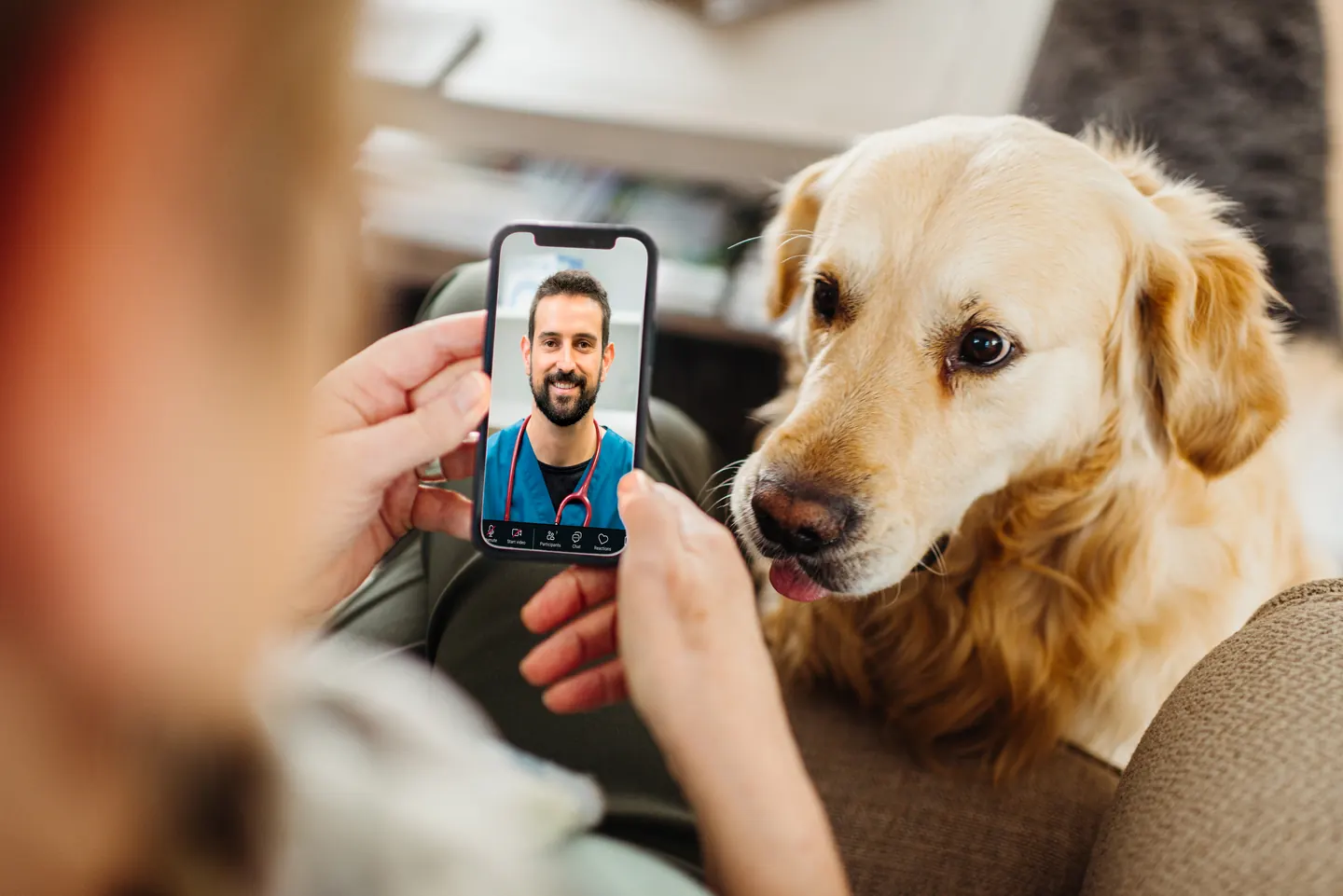
Have a health question about your dog?
Talk to a licensed vet at Dutch over video or message, including nights and weekends.
Use code Pets30
Plans start at $11/month · covers up to 5 pets
- Licensed vets in most states
- Rx for 150+ conditions
- 4.7 on Trustpilot
What a dog ear hematoma is
The visible ear flap is the pinna. In an aural hematoma, blood accumulates within its tissues, separating layers around the supporting cartilage.
An owner may describe a bubble, blood blister, fluid pocket, pillow ear or an ear that feels like a balloon. The swelling can occupy a small area or much of the flap, and the ear may hang differently. It is not simply wax or liquid trapped inside the ear canal. Otohematoma and the British spelling aural haematoma refer to the same type of problem.
A puffed-up ear needs the same careful assessment whether the dog is a Golden Retriever, German Shepherd, French Bulldog or another breed. Breed does not identify what a lump contains. Touch alone cannot identify every dog ear bump. A veterinarian checks whether the swelling is consistent with a hematoma and considers other causes of an enlarged or painful ear. Tell the clinic when the change appeared, whether it is getting bigger, and whether you have seen discharge, bleeding or head shaking. A photograph taken without pulling or pressing the ear can help describe changes between visits, but it cannot replace examination.
When the swelling needs urgent attention
A hematoma is usually a painful local problem rather than a life-threatening condition by itself. That does not establish that a particular swollen ear is safe to leave. Seek urgent veterinary advice if the dog is very distressed, the swelling enlarges rapidly, or the ear is bleeding. Trouble standing, a persistent head tilt, unusual eye movements or marked illness may indicate another problem, including middle or inner ear disease. Do not assume those signs come only from the flap.
Dog ear hematoma pictures and changes over time

The clinical figure above comes from Palagiano and colleagues’ 2023 case series, published in Animals. Image groups 1, 2, 3 and 4 represent study cases 1, 3, 5 and 11. Panels a show the ears before platelet-rich plasma treatment; panels b and c show them after treatment. The calipers record ear thickness. The figure is reproduced unchanged under CC BY 4.0, with the study’s original labels.
These are documented patients, not generated examples or WebVet treatment results. The series concerned recurrent aural hematomas and an ultrasound-supported treatment approach.
It does not prove that platelet-rich plasma is better than surgery or establish a timetable every dog will follow. Different starting injuries, underlying disease and treatments can produce different appearances. These pictures are useful references for change, not instructions to select a procedure from a photograph.
| Situation | What an owner may notice | What the change means for care |
|---|---|---|
| New swelling | A puffy or fluid-filled part of the flap, sometimes with tenderness | Arrange examination; appearance cannot identify the underlying trigger. |
| During treatment | A dressing, drain or sutures, with changing swelling and comfort | Follow that dog's plan; report renewed filling, bleeding or increasing discomfort. |
| After healing | A flatter flap, or lasting thickening and a crumpled shape | Ask whether the canal stays accessible and whether the original ear disease is controlled. |
There is no dependable set of numbered hematoma “stages” that an owner can diagnose by color or a day count. A newly swollen ear can be tense, while an older pocket may become firmer. A smaller swelling is encouraging only when comfort and the underlying ear problem are improving too. Do not press on the ear to compare it with these pictures or try to reproduce the caliper measurements at home.
Why waiting can change the ear
An aural hematoma in a dog can sometimes go away and heal on its own as the body gradually reabsorbs the blood, but that is not the same as a comfortable or uncomplicated recovery. VCA explains that leaving the problem untreated may prolong discomfort and allow scarring that thickens and distorts the flap. Owners often call the resulting crumpled appearance cauliflower ear. In some dogs, the change can also make access to the ear canal more difficult.
If a hematoma isn't drained, it may shrink slowly or leave a thickened flap, but the painful condition and its cause still need a care plan.
Whether a hematoma needs drainage is a veterinary decision. A small swelling, an older organized pocket, the dog's health and the practicalities of aftercare may change the recommendation. Observation is different from ignoring the ear: if the veterinarian advises monitoring, ask what improvement should look like, when the next examination is due, and which changes should trigger an earlier call. A firm old flap is not a reason to try harder to massage or empty it.
Find the reason for head shaking

Head shaking or scratching commonly accompanies an aural hematoma. The American College of Veterinary Surgeons describes underlying problems such as ear infection, allergy, parasites, foreign material and trauma. The mechanism is not identical in every dog. A sudden episode after grooming, removal of ear mats or rough play is useful history, but timing alone does not establish the cause. Persistent itching deserves investigation even if the owner has not noticed odor.
The appointment should address both the swollen flap and the ear canal.
Depending on the findings, the veterinarian may examine the canal, look at an ear sample under a microscope, or recommend other tests. Additional testing can be important if there is unusual bruising or concern about a bleeding disorder. Treating only the visible pocket can leave the reason for repeated trauma in place.
- Bring a list of recent ear products, medicines and grooming events.
- Mention previous hematomas, allergies and recurring ear infections.
- Report whether one or both ears are itchy or producing discharge.
- Ask which finding explains the head shaking and how it will be followed up.
Our dog ear infection guide explains canal disease separately from a blood pocket in the flap. If infection is diagnosed, the infection-treatment guide covers the role of prescribed ear care. A hematoma does not automatically mean the dog needs an antibiotic, and an antibiotic alone does not necessarily resolve the pocket or the itch.
 Sponsored
Vet care that's always there
Unlimited video calls and messaging with licensed vets for less than a typical vet visit. One membership covers up to five pets.
Use code Pets30
Plans start at $11/month · covers up to 5 pets
- Licensed vets in most states
- Rx for 150+ conditions
- 4.7 on Trustpilot
Veterinary treatment options
To treat a dog's swollen ear flap safely, the veterinarian first identifies the problem. Aural hematoma treatment aims to relieve discomfort, manage the blood-filled space and control the underlying ear disease. The Merck Veterinary Manual describes both surgical and medical approaches. A procedure may be appropriate, but surgery is not the only option for every patient. Ask why the proposed approach fits the pocket, the dog's overall health and the care you can provide afterward.
| Approach | Its role | What to discuss |
|---|---|---|
| Needle aspiration | Removes fluid through a needle in the clinic; selected cases may also receive medication | The pocket can refill, so repeat visits or another approach may be needed. |
| Drain placement | Allows continued fluid drainage using a device placed by the veterinarian | How to protect and monitor the drain, and when it will be removed. |
| Surgery with sutures | Opens and drains the pocket, then reduces the space where blood can collect | Anesthesia, dressing care, suture removal and possible changes in ear shape. |
| Medical management | Uses veterinarian-selected medication in suitable cases, including corticosteroid approaches | Expected response, adverse effects, monitoring and when to reconsider the plan. |
Corticosteroids such as prednisolone may be part of veterinary medical management. Searches often use the word prednisone, but choosing a drug, dose or taper requires the prescribing veterinarian.
Other illnesses and current medicines matter. Do not copy a dose from another dog, add leftover steroids, or combine pain medicines without instructions. Ask what to do if doses are missed or unwanted effects appear.
Why a hematoma may fill again
Draining the pocket and controlling head shaking are separate treatment goals. Removing blood does not instantly restore the ear's normal tissue attachments or stop further shaking. A pocket may refill after aspiration, and recurrence can also occur after other treatments. This does not automatically mean that someone performed the treatment incorrectly. Contact the clinic so it can reassess the swelling, the original trigger and the protection plan. Do not repeatedly drain it yourself between appointments.
There is no proven household shortcut that makes a dog ear hematoma dissolve fastest. The small published platelet-rich plasma series shown above is one clinical approach, not a home remedy or proof of general superiority. Ask the veterinarian what improvement to expect with the recommended option and what would prompt a change. A plan with clear follow-up is more useful than a promise that any one method always works.
Helping your dog safely at home
Home care supports a veterinary plan; it does not replace diagnosis or drainage.
Keep activity calm, discourage rubbing against furniture, and use protection exactly as directed. Repeated scratching, vigorous head shaking and rubbing can make a hematoma worse by further traumatizing painful tissue. Follow written instructions for keeping the dog comfortable and preventing renewed injury. If the dog will not tolerate the protection or still reaches the ear, call the clinic instead of tightening a homemade wrap or adding layers of tape.
- Do not lance, puncture, squeeze or drain the ear.
- Do not improvise a head wrap or compression bandage.
- Do not put arnica, essential oils, witch hazel, Preparation H or other home remedies on the ear without approval.
- Do not give human painkillers or leftover prescription medicines.
- Ask before using a warm or cold compress; pressure and moisture may interfere with the individual treatment plan.
Commercial no-flap wraps, soft collars and cones are not interchangeable. The clinic should demonstrate the fit and confirm that the device prevents the dog from traumatizing the affected area while allowing comfortable breathing and swallowing. A SunGrow soft recovery cone is one format to discuss if a soft cone is appropriate. Its name alone cannot establish protection for a particular ear; some dogs require a different design or a clinic-fitted arrangement.
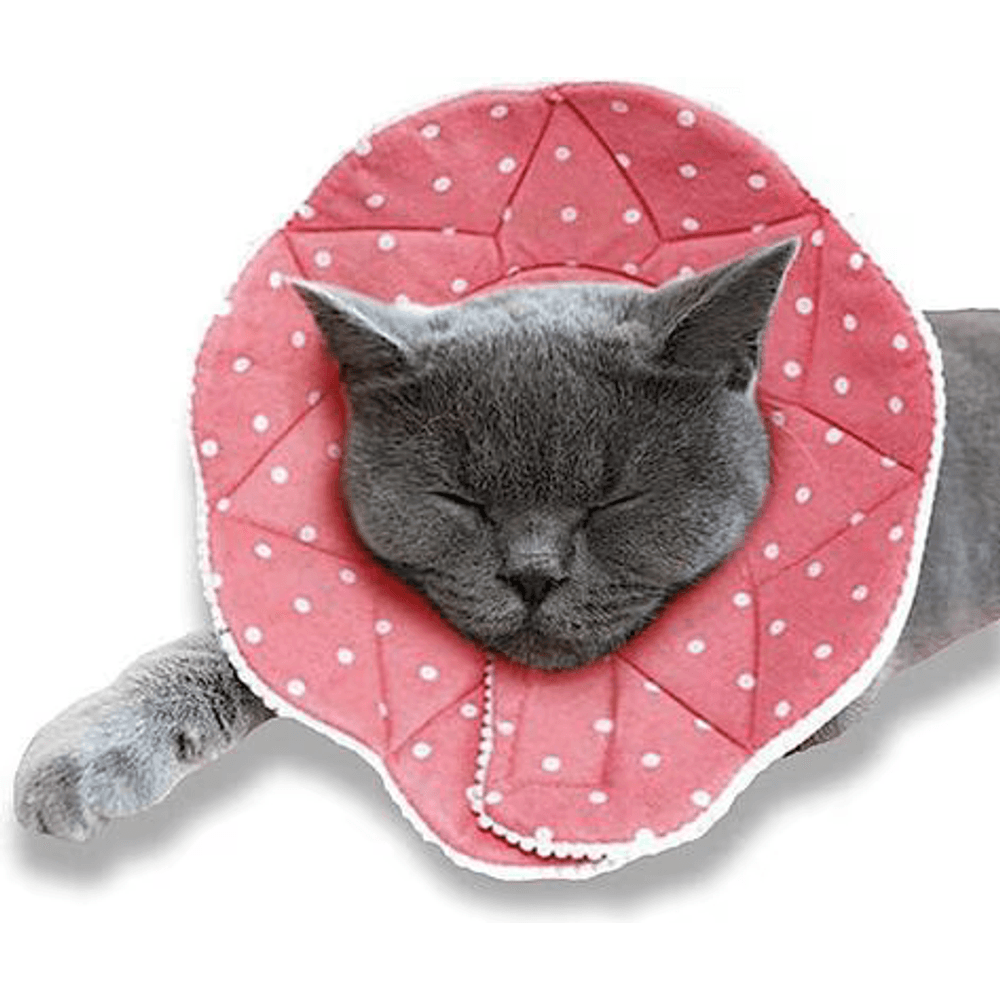
A lightweight, padded fabric cone that gently blocks a pet from pawing, scratching, or rubbing a healing eye, wound, or hot spot, and it is far softer and less stressful than a hard plastic cone.
Webvet may earn a commission when you click through to Chewy, at no extra cost to you.
Transport also needs to protect the ear from rubbing. For a small dog that fits it comfortably, a Frisco travel carrier may help with a planned trip to the clinic. Check the current dimensions, weight guidance and clearance for any prescribed cone before choosing one. Larger dogs need an appropriately sized transport arrangement. Do not force an uncomfortable dog or compress a dressing to make a carrier fit.
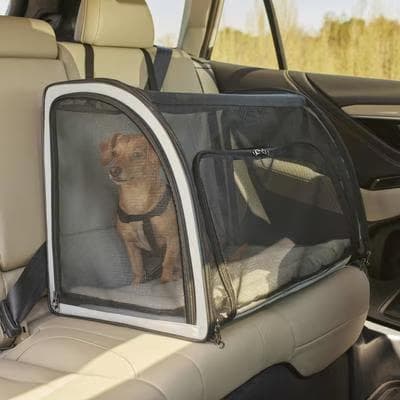
Soft-sided travel safety carrier that keeps a stressed cat secure and well-ventilated on the way to the vet, with mesh panels for airflow and a seat-belt loop.
Webvet may earn a commission when you click through to Chewy, at no extra cost to you.
Dog ear hematoma treatment costs
There is no single national price for fixing a dog's ear hematoma. An initial aspiration visit, surgery under anesthesia and several repeat visits are different services. As one location-specific example, PetVet Animal Hospital in Fishers, Indiana lists aural hematoma repair at $1,500 to $2,500. That is one clinic's published estimate, not a national average or a quote for your dog. Its surgery information notes that patient size, health, diagnostics and other care can affect the total.
Ask for an itemized estimate before comparing options. A lower initial drainage charge may not cover repeat drainage, treatment for the ear canal, or the eventual need for another procedure.
Likewise, a surgical estimate may include services that are listed separately elsewhere. Tell the clinic early if cost affects the plan so it can explain reasonable options and the risks of delay.
- Confirm whether the estimate includes the examination and ear testing.
- Ask about sedation or anesthesia, bloodwork and the procedure itself.
- Check which medicines, protective devices and dressing changes are included.
- Ask about follow-up visits, drain or suture removal, and recurrence costs.
Request written instructions alongside the estimate, not just a total price. Knowing how many visits are expected, who will change a dressing and which problems need an urgent call helps the household plan time as well as money. A treatment that is difficult to carry out at home deserves discussion before the dog leaves the clinic.
Recovery and preventing another swollen ear

If the swelling came back after surgery, arrange a reassessment instead of assuming it is a normal stage of healing.
Recovery time depends on the method, the starting condition of the ear and control of the underlying disease. VCA describes removal of some drains or dressings within roughly 3 to 14 days and suture removal around two weeks when healing permits, sometimes later. These are examples, not permission to remove anything yourself. Your veterinarian's examination and written dates determine the actual schedule.
| Check | Record at home | Contact the clinic about |
|---|---|---|
| Ear flap | Changes in swelling, comfort and any visible discharge | Renewed filling, increasing pain or bleeding. |
| Ear canal | Shaking, scratching, odor and the prescribed treatment schedule | Persistent or returning signs even if the flap looks flatter. |
| Protection | Whether the cone or dressing stays in place and prevents rubbing | Slipping, wetness, bad odor, tightness or continued access to the ear. |
| Recheck | The agreed visit date and who removes drains or sutures | A missed visit or uncertainty about stopping treatment. |
Long-term prevention means controlling the reason for irritation where possible. Cleaning is not automatically appropriate during hematoma treatment, and it does not empty blood from the flap. Once the veterinarian clears it, a routine cleaning technique and an individual schedule may be part of an ongoing ear-care plan. More frequent cleaning is not necessarily better, especially if it irritates the canal or conflicts with prescribed medication.
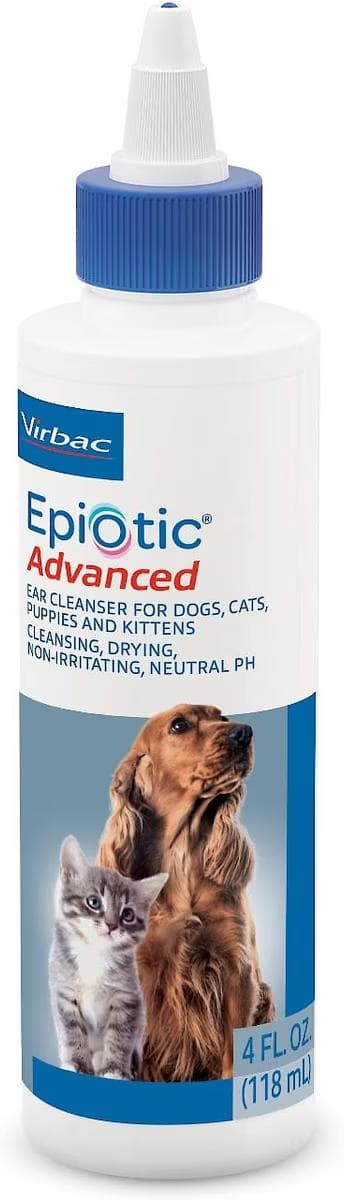
If the clinic recommends a liquid cleanser for later routine care, Virbac Epi-Otic Advanced is a product to discuss. Confirm the exact product, whether the eardrum is safe for its use, which ear to clean and its timing relative to medicine. Do not pour it into a surgical wound or use it as a hematoma remedy. Follow the label and the clinician's directions for that dog.
Webvet may earn a commission when you click through to Chewy, at no extra cost to you.
Veterinary Formula Ear Therapy Wipes are a different format for accessible ear surfaces when the veterinarian approves them. A wipe cannot replace treatment inside the canal or drainage of the flap. Keep it away from an incision, drain and dressing unless the clinic specifically directs otherwise, and stop if handling causes pain. Ask before adding any new product while prescribed ear treatment is underway.

Alcohol-free ear wipes that gently clean and deodorize ears between deep cleanings, an easy maintenance step for itchy or smelly ears. 100 wipes, for dogs and cats.
Webvet may earn a commission when you click through to Chewy, at no extra cost to you.
Questions about dog ear hematomas
Frequently Asked Questions
How long can a dog go with a hematoma?
There is no safe waiting period that applies to every dog. Obtain prompt veterinary advice for new swelling, especially if it is painful or enlarging. The clinic can decide how urgently the dog needs examination from its symptoms and history. If monitoring is recommended after assessment, obtain a recheck date and clear instructions for changes that need an earlier visit.
Will Benadryl help a dog's ear hematoma?
Benadryl does not drain the blood pocket or repair the separated tissues. A veterinarian may address an allergic trigger as part of a broader plan, but an antihistamine is not a substitute for examination and hematoma treatment. Ask before giving it, including whether the exact formulation is suitable and whether it interacts with current medicines.
Can you massage a hematoma to make it go away?
Do not massage or squeeze a suspected dog ear hematoma. Pressing painful tissue is not a reliable way to resolve the pocket and may cause distress or further injury. Keep the dog from rubbing the ear and follow the clinic's protection instructions. A firm swelling or a crumpled old ear needs assessment, not more forceful manipulation.
What if my dog's ear hematoma bursts?
Do not squeeze the swelling or insert anything into an opening. Prevent scratching if you can do so safely and obtain urgent veterinary advice about bleeding and the exposed tissue. A spontaneous opening does not prove that the problem is resolved or that the original ear disease has been treated. Follow the clinic's directions for transport and immediate care.

Editor
The Webvet Editorial Team is the in-house group of pet-care editors and writers behind Webvet, operated by Smart Pet Collective. The team researches, writes, and maintains Webvet's pet health, behavior, and medication content. Every article follows a defined editorial process: research from reputable veterinary and scientific sources, careful drafting, mandatory review of medical content by a credentialed veterinarian, and dated publication. Health and medication articles are medically reviewed by a licensed veterinary professional before they go live and are kept current over time.
Veterinarian · BVMS MRCVS
Dr. Pippa Elliott, BVMS, MRCVS, is a veterinarian with nearly 30 years of experience in companion animal practice. Dr. Elliott earned her Bachelor of Veterinary Medicine and Surgery from the University of Glasgow. She was also designated a Member of the Royal College of Veterinary Surgeons. Married with 2 grown-up kids, Dr. Elliott has a naughty Puggle named Poggle, 3 cats and a bearded dragon.
Related reading

Best Dog Boots for Traction, Weather, and Paw Protection

Vestibular Disease in Dogs: Symptoms, Diagnosis, and Recovery Timeline

In Home Pet Euthanasia: Cost, What Happens, and How to Choose a Provider
