Dog Ear Infection Treatment: Medicines, Home Care and Cost
Understand dog ear infection treatment, including prescription and OTC choices, medicine-specific cleaning instructions, recovery, rechecks, and an itemized clinic cost example.

BVMS MRCVS
Medically reviewed by Dr. Pippa Elliott, BVMS MRCVS · Last reviewed

This article contains affiliate links. Webvet may earn a commission when you buy through them, at no extra cost to you.
Dog ear infection treatment starts with an ear examination and usually a swab checked under a microscope. Those findings help your veterinarian choose an antibiotic, antifungal, anti-inflammatory medicine, or a combination. A cleaner can be part of that plan, but cleaning instructions change with the medicine: some treatments require a clean ear, while others should be left undisturbed.
If your dog already has a prescription, the most useful next step is to confirm which ear to treat, how to give each product, when cleaning is allowed, and when to return. If the ear has not been examined, arrange a visit before trying drops or household remedies.
- 1Cytology helps distinguish yeast, bacteria, and mixed infections; appearance alone cannot choose the medicine.
- 2Ask for separate instructions for medicine, cleaning, pain relief, and the recheck.
- 3Daily drops and longer-acting clinic treatments have different dosing and cleaning schedules.
- 4Tell your vet promptly if treatment hurts, cannot be given, or is not helping.
 Sponsored
Have a health question about your dog?
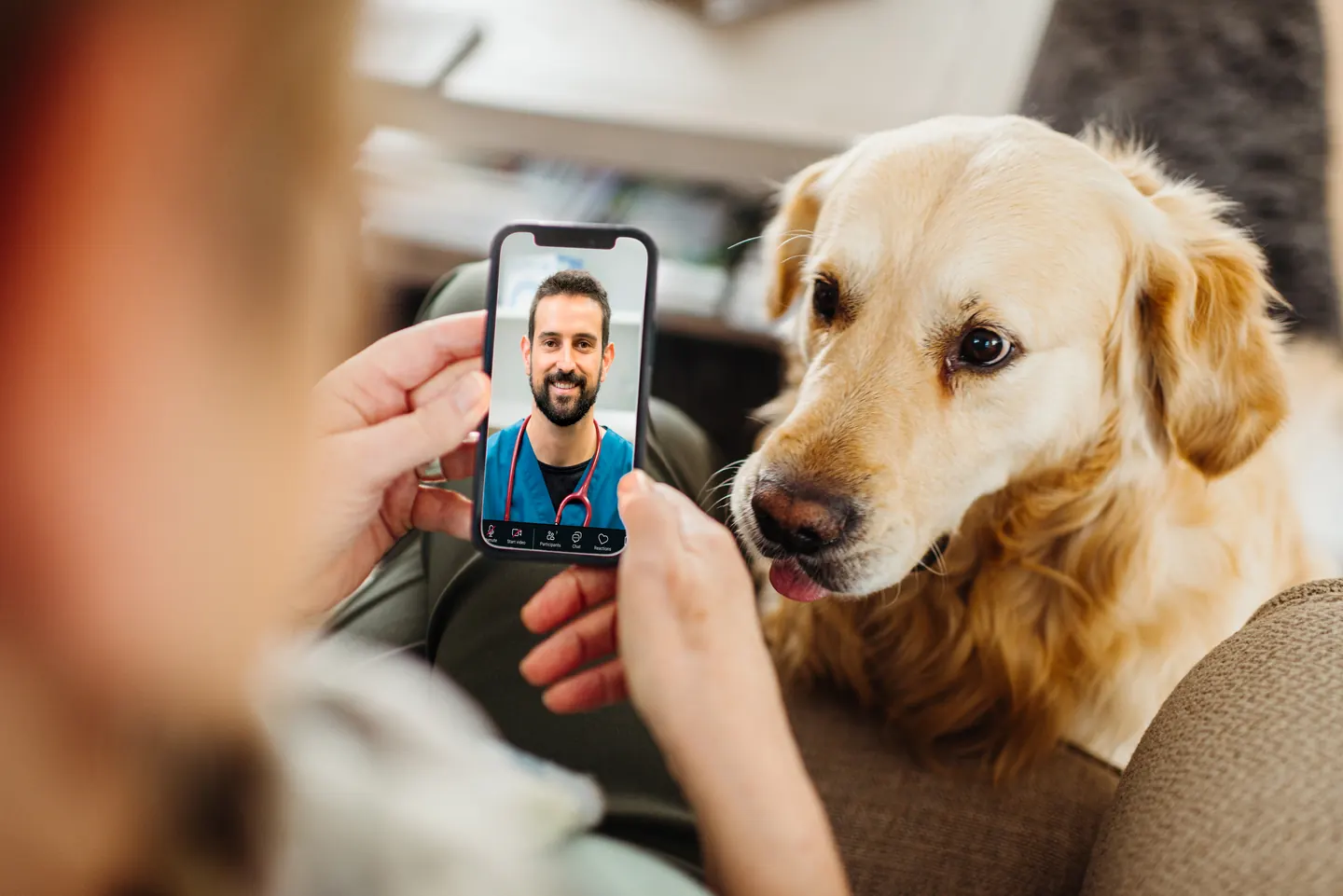
Talk to a licensed vet at Dutch over video or message, including nights and weekends.
Use code Pets30
Plans start at $11/month · covers up to 5 pets
- Licensed vets in most states
- Rx for 150+ conditions
- 4.7 on Trustpilot
How vets choose dog ear infection treatment
When treating a canine ear infection, the first question is what is happening inside the ear, rather than which bottle is strongest.
Your vet checks for painful swelling, debris, a foreign object such as a grass awn, and changes to the ear canal. An otoscope helps examine the canal and eardrum. A dog that is too painful for a safe examination may need pain control or sedation before that examination can be completed.
An ear swab provides material for cytology: a microscope examination for organisms and inflammatory cells. That helps explain why two dogs with smelly, itchy ears might leave with different treatments. A bacterial culture is a separate test that may be useful in selected persistent or complicated cases; it is not simply another name for the routine swab. VCA explains how examination and cytology guide treatment.

Bring the packaging or a written list of every ear product you have already used, including leftover prescriptions, cleaners, and human medicines. Tell the clinic when you last applied them and whether they seemed painful. Do not clean the ear immediately before the visit unless the clinic asks you to; it may want to examine the discharge and collect a sample.
An infected dog ear should not simply be left to go away on its own. The best way to treat it is to identify the cause, relieve discomfort, and deliver the chosen medicine safely. Drainage, a sore canal, or something stuck in the ear may each require a different approach. Tell the clinic if this is your puppy’s first episode or an older dog’s recurring problem.
How this treatment guide fits your dog’s symptoms
A dog ear infection often develops alongside another problem, such as allergy-related inflammation. The treatment visit needs to address the current painful episode; prevention means identifying why episodes return. Ask whether your dog needs a separate follow-up discussion about allergies, swimming, grooming, or another suspected trigger. Repeatedly buying the same drops without reassessment may leave that underlying problem unaddressed.
Recognizing symptoms before choosing treatment
Common dog ear infection symptoms include scratching, head shaking, odor, redness, and discharge. A bacterial infection can look like a yeast infection, and both may be present. Brown, yellow, or bloody material does not reliably tell you which drug to buy. The symptoms guide explains visible signs; your veterinarian uses the examination and testing to decide what those signs mean for treatment.
What over-the-counter ear products can and cannot do
Over-the-counter dog ear infection products include routine cleaners, enzyme-based solutions, and products containing ingredients intended to reduce itching or microbial growth.
They do different jobs. A product being available without a prescription does not tell you whether it suits your dog’s current ear problem, an injured eardrum, or another medicine already in the ear.
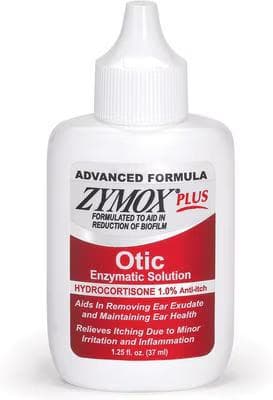
For example, Zymox Plus Advanced Formula with 1% hydrocortisone is an enzyme-based ear solution. Its instructions differ from a routine ear-cleaning routine. The manufacturer’s ear-care guidance says not to use other ear preparations before or during its ear-solution course because they can interfere with enzyme activity. Ask your vet whether this exact formulation is appropriate before starting it or adding it to a prescription.
Webvet may earn a commission when you click through to Chewy, at no extra cost to you.
The useful comparison is not simply OTC versus prescription. It is whether the product addresses the diagnosed problem and whether you can use it safely. Tell the vet if cost or difficulty giving drops is influencing your choice. A less expensive treatment that fits the findings is worth discussing; repeatedly switching products without knowing the cause can prolong the problem.
Which medicine treats yeast, bacteria, or both?
Antibiotics act against bacteria. Antifungals target fungi such as Malassezia yeast.
Anti-inflammatory medicines reduce inflammation and may help make a swollen, painful canal easier to treat. Some prescription ear products combine these functions; others do not. Your vet chooses the ingredients, formulation, and duration for the ear findings, not just the severity of the smell.
Otitis externa means inflammation of the outer ear canal; an infection can be part of that problem. Osurnia is one prescription canine ear gel containing an antibiotic, an antifungal, and an anti-inflammatory ingredient. Its official label specifies veterinary administration and assessment of the eardrum. That example illustrates why a familiar drug name is not enough to select a treatment: the organism, ear findings, administration setting, and cleaning restrictions all matter.
| Treatment component | What it is intended to do | What to clarify |
|---|---|---|
| Antibiotic | Treat a susceptible bacterial infection | Why this antibiotic fits the findings; whether culture is needed |
| Antifungal | Treat a yeast or other fungal infection | Whether yeast alone or a mixed infection was found |
| Anti-inflammatory medicine | Reduce inflammation, swelling, or itching | How it fits with pain control and the antimicrobial plan |
| Cleaner or flush | Remove debris or prepare an ear for a compatible treatment | Exact product, timing, and whether cleaning is currently allowed |
| Recheck examination and cytology | Assess response and whether the infection has cleared | Date of the recheck and signs that justify an earlier visit |
A pure dog ear yeast infection does not automatically need an antibiotic. Conversely, an antifungal product alone may be inadequate for a mixed infection. If you hear several drug names at the appointment, ask the team to label each one by its job. Keep the original packaging so the active ingredients and directions are available if you need to call.
Oral antibiotics are not automatically better than ear drops. A medicine placed in the canal can be appropriate for an outer-ear infection; oral medication may be needed for selected deeper or complicated problems. Never substitute leftover human antibiotics or another pet’s prescription. Ask what the medicine is treating and whether the plan includes separate pain relief.
A vet may select a cleaning or pretreatment product such as Dechra TrizULTRA + Keto as part of a particular plan. It contains ketoconazole and TrizEDTA. Dechra’s product information describes cleansing and pretreatment use, including a specific interval before topical antibiotics. This is a reason to get written timing instructions, not to combine a flush with whichever drops you already have.
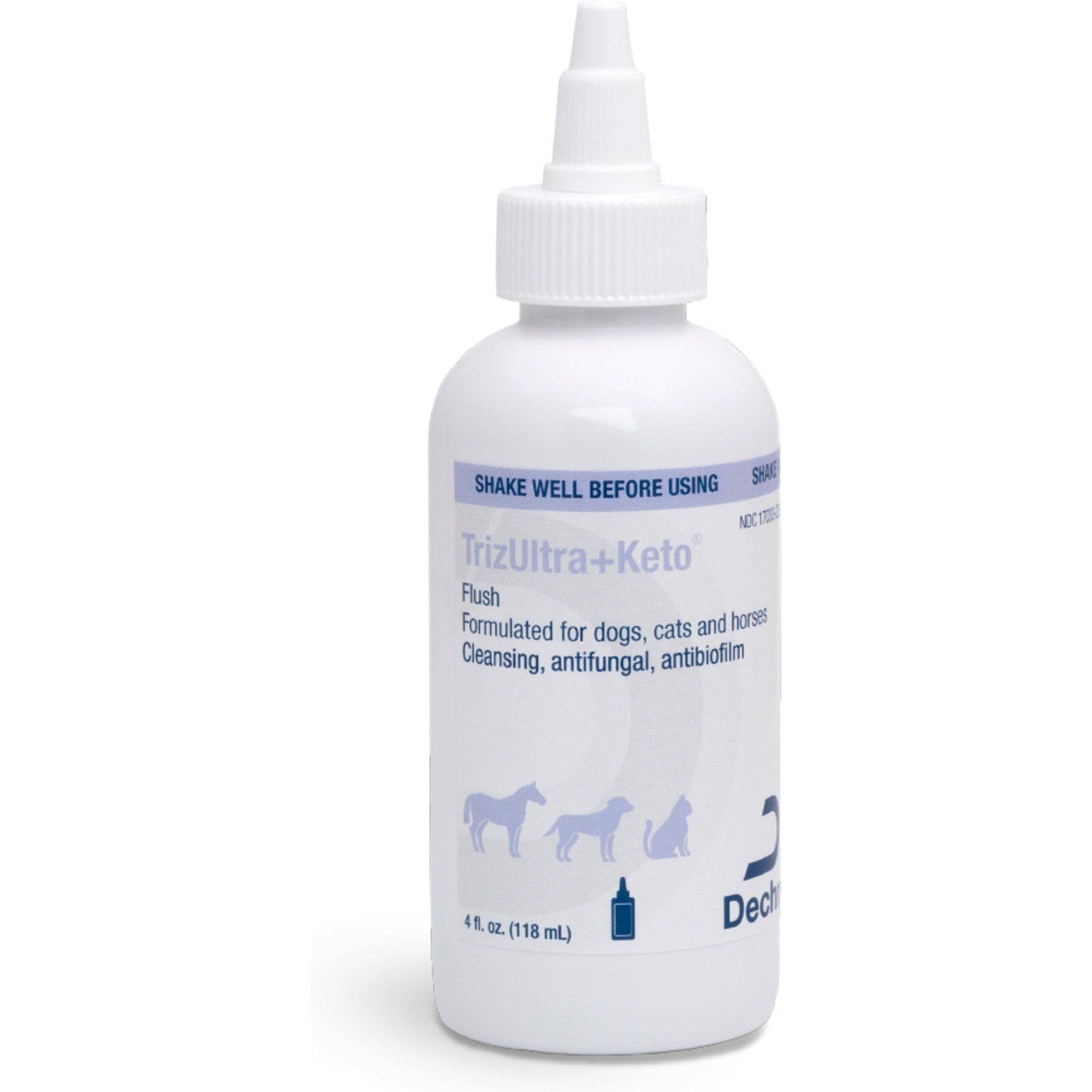
A ketoconazole-containing ear flush to discuss with your veterinarian when routine cleaning is not enough. Use only as directed for your dog.
Webvet may earn a commission when you click through to Chewy, at no extra cost to you.
When the problem is ear mites
An ear-mite infestation in dogs calls for parasite-specific care. An antibiotic is not a substitute for treating mites, though a dog may also have a secondary infection. Tell the vet if another pet is itching or has been diagnosed with mites. The parasite guide covers transmission and diagnosis; the treatment decision still depends on what is actually present in your dog’s ear.
 Sponsored
Vet care that's always there
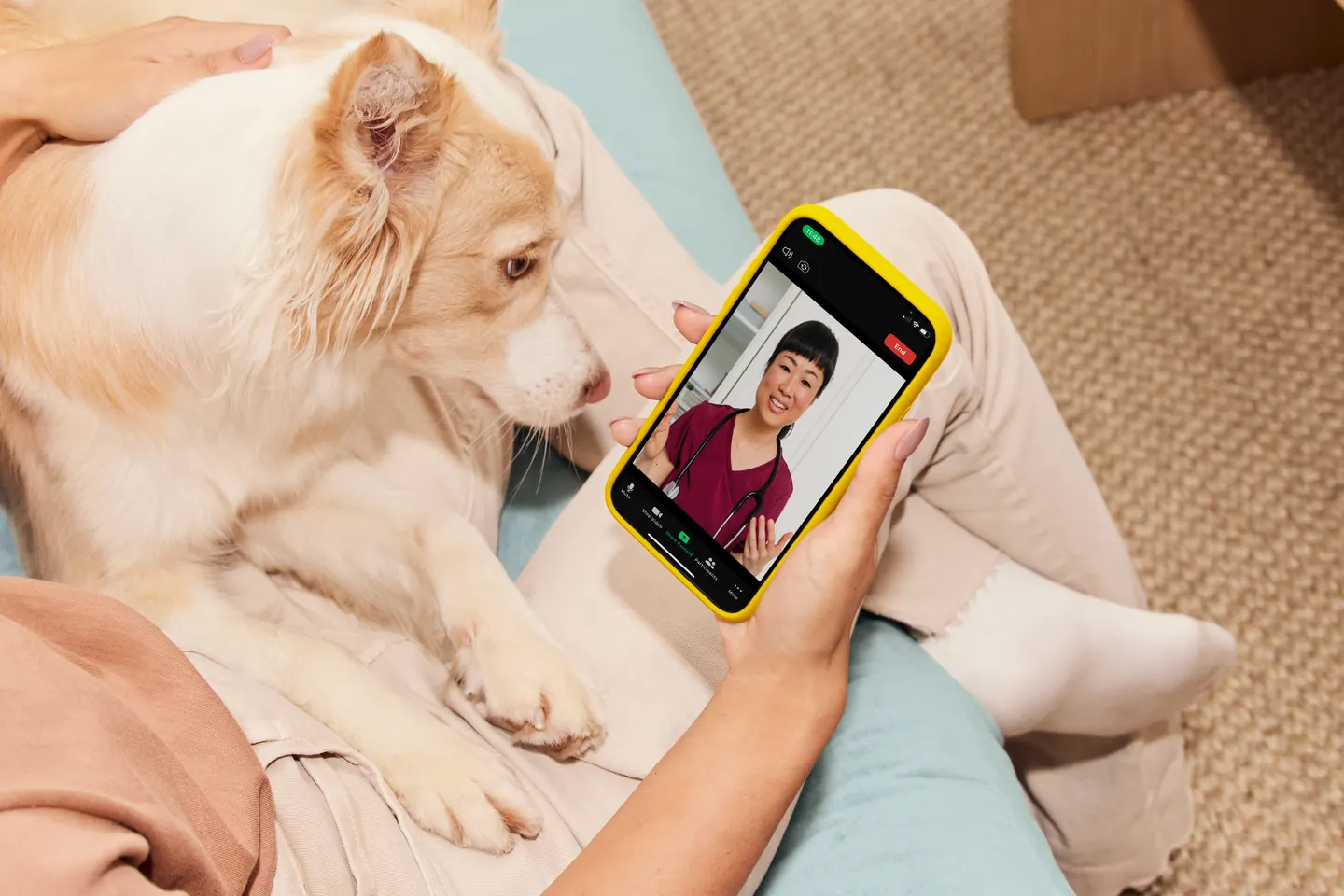
Unlimited video calls and messaging with licensed vets for less than a typical vet visit. One membership covers up to five pets.
Use code Pets30
Plans start at $11/month · covers up to 5 pets
- Licensed vets in most states
- Rx for 150+ conditions
- 4.7 on Trustpilot
Prescription drops, clinic gels, and recovery time
Prescription dog ear infection medicine may be given at home or applied by the veterinary team.
Discuss what you can realistically administer. If your dog panics when its ears are handled, say so before leaving with a daily schedule. The team can demonstrate a technique, address pain, or discuss whether another formulation fits the diagnosis. Do not improvise extra restraint around a painful ear.
Longer-acting products do not all mean one dose. For example, the FDA describes DuOtic as a yeast-specific prescription treatment containing terbinafine and betamethasone acetate. Veterinary personnel administer it twice, seven days apart. Its instructions say not to clean the canal for 45 days after the first administration. That schedule belongs to this product, not every ear gel.

For home drops, have the clinic show you the prescribed amount and where to place it. Check whether both ears need treatment; one ear may have different findings. Ask what to do if a dose is missed or much of the medicine appears to come straight back out. Do not double the next dose without advice. A short written record can prevent two household members accidentally giving the same dose.
- Record the product and the ear being treated.
- Mark the time of each dose or clinic treatment.
- Note changes in discomfort, discharge, odor, and balance.
- Keep the recheck appointment and the clinic’s contact details with the instructions.
How long do dog ear infections typically last?
Dog ear infections often require treatment and monitoring over several weeks, even when scratching or odor improves sooner. The Merck Veterinary Manual describes repeated veterinary checkups until the infection resolves, with treatment commonly taking two to four weeks and chronic cases potentially taking months. Your dog’s recovery time depends on the findings and product. Keep the prescribed recheck; call earlier for worsening pain, new signs, or no improvement within the clinic’s expected window.
Dog ear infection treatment at home
Safe home treatment means carrying out a plan selected after diagnosis: give the prescribed medicine, follow the matching cleaning instructions, keep the ear out of swimming water, and attend the recheck.
It does not mean finding a household substitute for an examination. If you have not seen a vet, call to describe the symptoms and arrange care; avoid putting unapproved liquids or leftover medication into the canal.
There is no single best antibiotic you can safely choose for a dog ear infection without a vet. The problem may involve yeast, a different organism, or a noninfectious cause, and the eardrum matters. Ask the practice to help you obtain an appropriate examination rather than trying to match a drug to an online description.
Choose a quiet, comfortable place for any care the clinic has shown you. Set out the labeled medicine first, then let your dog settle. If it pulls away, cries, growls, or cannot tolerate handling, stop and call the practice. The problem may be pain, a difficult technique, or a plan that needs adapting. Forcing repeated attempts can make the next dose harder.
Check the formulation before adding a flush
A medicated flush is a different product decision from an outer-ear wipe. Vetnique OticBliss Anti-Bacterial and Anti-Fungal Ear Flush contains chlorhexidine and ketoconazole; the manufacturer identifies it as an ear flush. Ask whether those ingredients and this formulation belong in your dog’s treatment plan. Do not combine it with a leave-in medicine or enzyme-based solution unless the prescribing veterinarian specifically approves that combination.
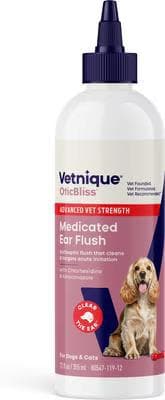
Vet-strength medicated ear flush that clears wax, debris, and odor while its antibacterial and antifungal formula targets the yeast and bacteria behind ear infections. For dogs and cats.
Webvet may earn a commission when you click through to Chewy, at no extra cost to you.
Household remedies that can make care harder
Apple cider vinegar, coconut oil, essential oils, and other natural dog ear infection remedies cannot be selected safely by smell or discharge color. A homemade mixture may irritate inflamed tissue or interfere with the treatment already in place. Our dog ear infection home-remedy guide explains ingredient-specific concerns. A warm rice-filled sock is not an infection treatment; avoid heat or pressure on a painful ear.
Why a homemade cleaner is not a treatment plan
Even a recipe described as a mild homemade dog ear-cleaning solution is not interchangeable with the cleaner in your dog’s prescription plan. You cannot check the eardrum or select a safe concentration from an online recipe. The homemade dog ear-cleaner guide compares those mixtures and their limitations. During an active infection, use only the exact cleaner and schedule the veterinarian has approved.
When to clean an infected ear
Cleaning can remove debris that obstructs treatment, but “always clean before drops” is unsafe advice across all products. Some medicines need a cleaned, dried canal before the clinic applies them. Other products have a no-precleaning instruction or need to remain in place afterward. If a general cleaning article conflicts with your prescription instructions, call the prescribing clinic before cleaning.
A routine cleanser such as Virbac Epi-Otic Advanced can fit some vet-directed plans. Virbac describes it as a routine ear cleanser. That does not make it the right addition during every infection or leave-in treatment. Ask whether to use a cleaner at all, which exact bottle to use, and how much time to leave before any compatible medicine.
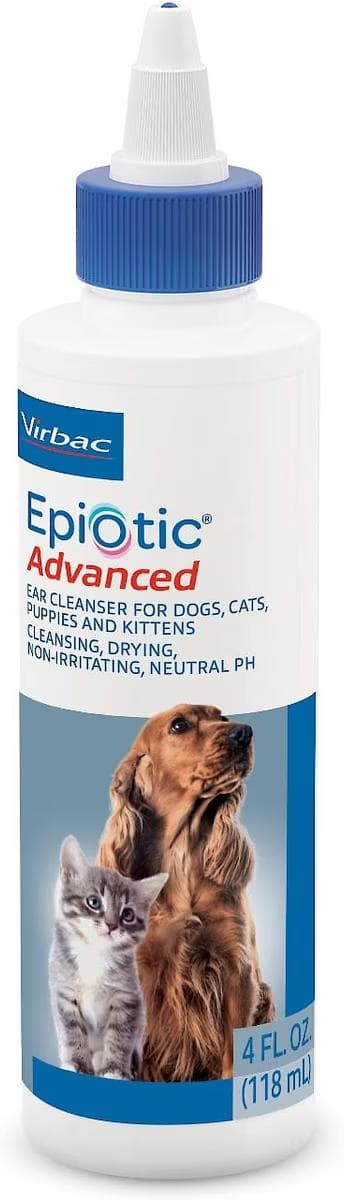
Webvet may earn a commission when you click through to Chewy, at no extra cost to you.
If home cleaning is appropriate, ask for a demonstration and use our step-by-step dog ear-cleaning guide to review the technique. Do not insert cotton swabs into the canal, force the bottle tip down the ear, or attempt a deep flush. A canal blocked by swelling or packed debris may need veterinary care rather than more pressure or a larger volume of cleaner.
- 1Cleaning instructions: permitted now, delayed until a named date, or not needed?
- 2Product order: which bottle first and how long between products?
- 3Home technique: which ear, how much, how often, and when to stop?
- 4Recheck: scheduled date and reasons to call sooner?
When treatment fails or the infection is deeper
If an infection persists or returns, the next step is reassessment rather than an automatically stronger bottle.
Tell your vet whether every dose could be given, whether your dog reacted painfully, and whether there was initial improvement followed by relapse. Those details help distinguish an administration problem from an ongoing cause or a different treatment need. Bring the products back if the directions are unclear.
A dog still shaking its head after ear infection treatment needs a call to the clinic, especially if the shaking is frequent or painful. Explain when it happens: immediately after a dose, throughout the day, or after the course has finished. Do not assume that all remaining discomfort means resistant bacteria or that another round of the same drops will solve it.
Chronic inflammation can narrow the canal and make examination and delivery harder. Allergies, a foreign body, changes in the canal, resistant bacteria, and middle-ear involvement are among the possibilities a veterinarian considers. Veterinary dermatologists writing in Today’s Veterinary Practice explain why persistent otitis requires attention to underlying and perpetuating factors as well as the organisms found on cytology.

An inner- or middle-ear infection is a different problem from a straightforward outer-ear infection. Dogs with balance changes, facial weakness, or other neurologic signs need prompt assessment. Testing, imaging, systemic medication, specialist referral, or surgery may be considered according to the findings. VCA’s inner-ear infection guidance describes the more intensive treatment these cases can require.
Do not measure success only by how clean the ear looks. Ask what the recheck found and whether treatment is complete before storing the bottle for possible future use. If episodes keep returning, request a prevention plan tied to the suspected cause. That may involve a separate allergy assessment or a different maintenance routine once the current episode is controlled.
What dog ear infection treatment costs
A dog ear infection bill may include the consultation, cytology, cleaning, medication, and a recheck.
Additional testing, sedation, treatment of both ears, or deeper disease can change the estimate. Ask for an itemized plan that separates what is recommended today from possible later costs. A bottle price alone is not a useful estimate of the entire episode.
As one transparent example, Red Oak Animal Hospital in Bucyrus, Kansas lists an ear-infection visit starting at $229.11. Its published breakdown, checked September 18, 2026, is shown below. This is one clinic’s starting estimate, not a US average or a quote for your dog.
| Item in the clinic’s example | Listed starting amount |
|---|---|
| Sick examination | $78.00 |
| Ear cytology | $48.77 |
| Ear cleaning | $30.75 |
| Ear-infection medication | $71.59 per ear |
| Example starting total | $229.11 |
Notice the per-ear medication charge. A price for one affected ear may not represent treatment for two. Ask whether a progress examination, repeat cytology, and any take-home cleaner are included. If the clinic offers a choice between home drops and a suitable in-clinic product, compare the full expected course and follow-up costs, not just the initial charge.
If a vet has recommended Epi-Otic Advanced or Zymox Plus with hydrocortisone, compare the cost of the exact formulation and bottle size. A routine cleanser and a medicated or enzyme-based solution are not interchangeable purchases. Ask whether you actually need a second product before adding one to the bill.
If you cannot afford the visit
Tell the practice about the cost barrier when you call, including how much you can manage now. Ask for the examination price, an estimate for initial ear testing, and any local lower-cost clinics or assistance programs it recommends. Availability and eligibility vary. Do not assume a teaching hospital, emergency service, or online consultation will be cheaper.
A phone or video conversation can help you decide where to seek care, but it cannot physically inspect the eardrum or examine a fresh ear swab. Ask what the remote service can actually provide before paying. While arranging an examination, keep water out of the ear and avoid unapproved products. Severe pain, balance changes, or a rapidly worsening dog should be described immediately so the clinic can triage the urgency.
More treatment questions
Frequently Asked Questions
Can you treat a dog's ear infection without a vet?
You cannot reliably choose treatment without knowing what is causing the ear problem and whether the eardrum is intact. A previous prescription does not establish the diagnosis for a new episode. Arrange an examination, especially for pain, discharge, odor, or repeated head shaking. If getting to a clinic is difficult, call to discuss urgency, transport, costs, and what to avoid until your dog can be assessed.
What can be mistaken for an ear infection in dogs?
Ear mites, a foreign object, and allergic inflammation can cause signs that resemble an infection, and an infection may coexist with them. A swollen ear flap is another problem that needs assessment rather than a trial of drops. Your veterinarian uses the history, ear examination, and appropriate tests to distinguish these possibilities. Mention whether one or both ears are affected and whether other pets are itching.
Will Benadryl help a dog's ear infection?
Benadryl’s active ingredient, diphenhydramine, is an antihistamine, not an antibiotic or antifungal. It does not replace treatment of a diagnosed bacterial or yeast infection. A veterinarian may discuss allergy or itch management separately. Ask before giving any human product, since formulations and additional ingredients vary. VCA’s diphenhydramine guidance explains its uses and cautions; do not assume a combination cold medicine is equivalent.
Will hydrogen peroxide help my dog's ear infection?
Do not put hydrogen peroxide into an inflamed ear to try to cure an infection. It can irritate tissue, and a fizzing reaction does not tell you that the underlying problem has been treated. A veterinarian can select a cleaner that fits the ear findings and medication, if cleaning is appropriate. Until you receive those instructions, avoid experimenting with peroxide, alcohol, or mixed household solutions.

Editor
The Webvet Editorial Team is the in-house group of pet-care editors and writers behind Webvet, operated by Smart Pet Collective. The team researches, writes, and maintains Webvet's pet health, behavior, and medication content. Every article follows a defined editorial process: research from reputable veterinary and scientific sources, careful drafting, mandatory review of medical content by a credentialed veterinarian, and dated publication. Health and medication articles are medically reviewed by a licensed veterinary professional before they go live and are kept current over time.
Veterinarian · BVMS MRCVS
Dr. Pippa Elliott, BVMS, MRCVS, is a veterinarian with nearly 30 years of experience in companion animal practice. Dr. Elliott earned her Bachelor of Veterinary Medicine and Surgery from the University of Glasgow. She was also designated a Member of the Royal College of Veterinary Surgeons. Married with 2 grown-up kids, Dr. Elliott has a naughty Puggle named Poggle, 3 cats and a bearded dragon.
Related reading

Best Dog Boots for Traction, Weather, and Paw Protection

Vestibular Disease in Dogs: Symptoms, Diagnosis, and Recovery Timeline

In Home Pet Euthanasia: Cost, What Happens, and How to Choose a Provider
