Dog Ear Infection Home Remedy: Safe Care and What to Avoid
Find safe home support for a dog with an ear problem, ingredient-by-ingredient cautions about popular remedies, and practical questions about pain relief, cleaning and veterinary care.

BVMS MRCVS
Medically reviewed by Dr. Pippa Elliott, BVMS MRCVS · Last reviewed

This article contains affiliate links. Webvet may earn a commission when you buy through them, at no extra cost to you.
A dog ear infection home remedy cannot reliably cure an infection without knowing what is happening inside the ear. What you can do now is keep water out, avoid irritating mixtures, prevent further self-trauma with veterinary advice, and arrange an examination. If your dog already has a diagnosis, effective home care means following the specific treatment and cleaning directions.
This distinction matters when a recipe sounds simple. A sore ear may contain yeast, bacteria, mites or a foreign object, and more than one problem can be present. You cannot see the whole canal or confirm that the eardrum is intact at home. A product that was comfortable in a healthy ear can hurt an inflamed one.
- 1Household mixtures cannot reliably cure a dog’s ear infection.
- 2Do not pour vinegar, peroxide, oil or tea into an unexamined painful ear.
- 3Home care before the appointment differs from care after a prescription.
- 4Call promptly for severe pain, a head tilt, balance problems or a rapidly worsening dog.
 Sponsored
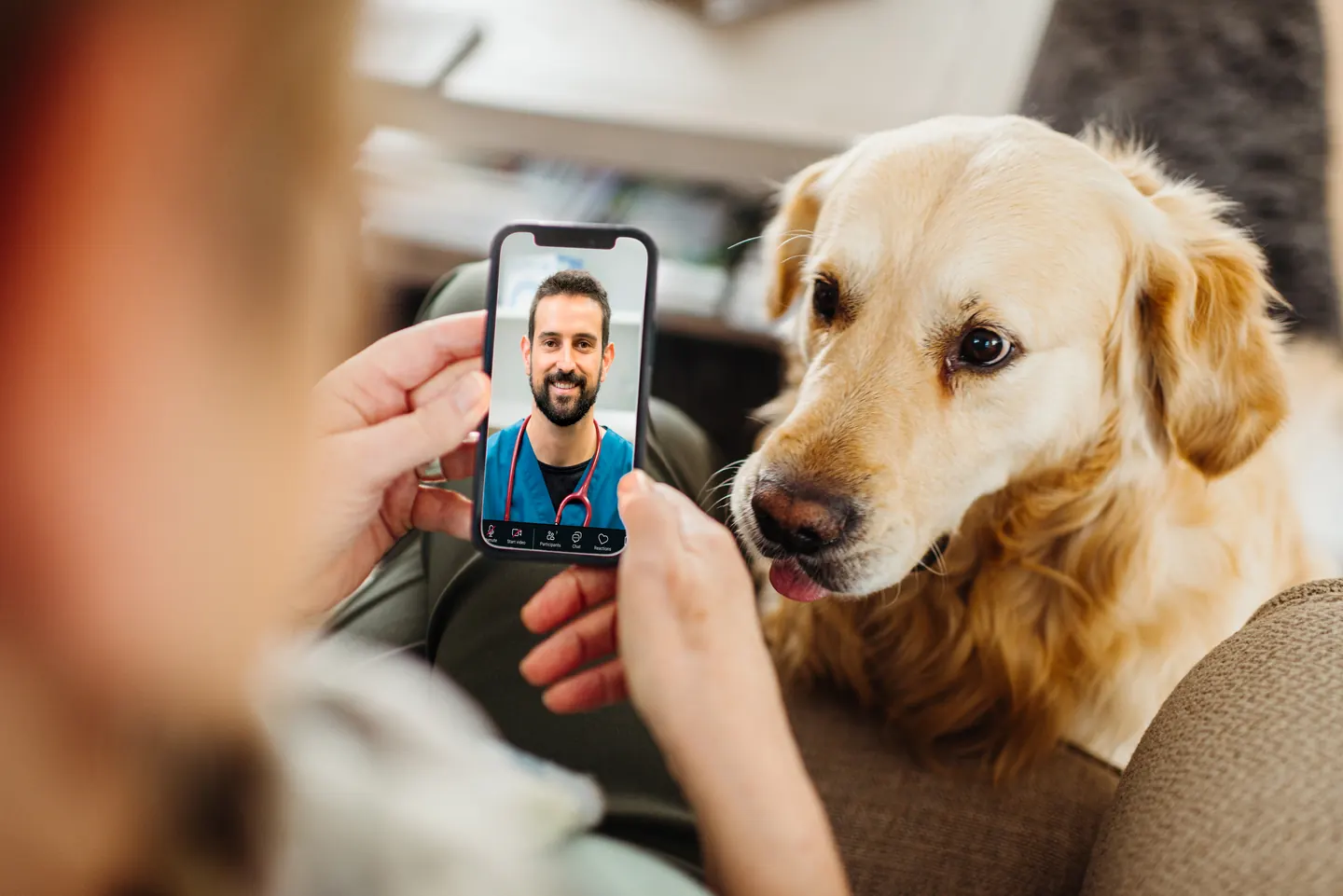
Have a health question about your dog?
Talk to a licensed vet at Dutch over video or message, including nights and weekends.
Use code Pets30
Plans start at $11/month · covers up to 5 pets
- Licensed vets in most states
- Rx for 150+ conditions
- 4.7 on Trustpilot
What you can safely do at home
Start by calling the clinic and describing the signs, how long they have been present and whether one or both ears are involved.
Mention any medicine or home remedy already used. Ask whether you should leave the ear untouched before the appointment so the veterinarian can examine the discharge and obtain a sample.

- Keep bath water and swimming water away from the affected ear.
- Avoid cotton swabs, tweezers, scratching tools and forceful flushing inside the canal.
- Do not force an examination or cleaning when your dog pulls away, cries or may bite.
- Keep the labels of all products used so the clinic can check ingredients and compatibility.
- Ask about a suitable protective collar if scratching is injuring the ear flap; fit and tolerance matter.
| Situation | Useful home action | What requires specific instructions |
|---|---|---|
| Before the ear has been examined | Keep it dry, note changes and arrange care. | Cleaning, flushing, medicines, pain relief and any product placed in the canal. |
| After a vet has prescribed treatment | Give the exact medicine as directed and record doses. | Whether to clean, which product to use, timing around medication and the recheck. |
| Treatment hurts or cannot be given | Stop the attempted application and contact the clinic. | A revised handling or treatment plan; do not improvise a stronger mixture. |
For a puppy, a Basset Hound, a Labrador or another dog with a familiar history of ear trouble, the boundary is the same. Breed and previous episodes do not establish the cause of today’s symptoms. Home treatment is most useful when it supports a current diagnosis, rather than trying to reproduce an old course from memory.
If there is a little debris on the accessible flap, ask whether gentle outer-ear wiping is appropriate while you wait. Do not use this as a reason to reach into the canal, wash out a painful ear or remove material that the veterinarian may need to examine. Brown discharge can occur with several conditions; wiping it away does not prove the infection has cleared.
Vinegar, peroxide, oils and other home remedies
Natural, herbal and holistic ear remedies are not automatically safe. A homeopathic label does not identify the cause or establish whether the eardrum is intact.
There is no strongest natural antibiotic that can be selected for an unexamined ear. The issue is not whether an ingredient has antimicrobial effects in a laboratory; it is whether the exact preparation is appropriate for this dog’s tissues, organisms and eardrum. Household mixtures cannot reliably cure that unknown combination.
Apple cider vinegar, white vinegar and mixed rinses
Vinegar can irritate inflamed tissue. Merck’s veterinary guidance specifically cautions against irritating home remedies such as vinegar mixtures. Diluting apple cider vinegar does not establish a safe treatment for a dog ear infection or a yeast infection. There is no universal household ratio that replaces an examination, and testing a mixture on your own wrist cannot tell you how it will affect a dog’s sore canal.
The same concern applies to white vinegar and combinations such as green tea with apple cider vinegar or olive oil with vinegar. Adding a soothing-sounding ingredient does not validate the mixture. If you have already used one, tell the clinic the ingredients, approximate concentration, amount and time of application. Do not flush the ear again in an attempt to neutralize it unless the clinic instructs you.
Hydrogen peroxide and alcohol
Hydrogen peroxide can irritate an inflamed ear; fizzing is not evidence that an infection is being cured. Alcohol can also sting and irritate. Cornell’s guidance on ear cleaners recommends avoiding both in a general cleaning solution. Do not assume peroxide is suitable for yeast, bacterial infection or suspected ear mites because it is familiar from a household first-aid cabinet.
An ear product selected for a particular patient may have instructions that differ from general household advice. That is a reason to confirm the exact preparation with the clinician, not to substitute rubbing alcohol, mouthwash or a peroxide-and-vinegar recipe. Stop experimenting with concentrations if the ear is painful or the dog resists handling.

Coconut oil, olive oil, tea tree oil and witch hazel
Coconut oil and olive oil are not established substitutes for treatment of a canine ear infection. They do not tell you whether yeast, bacteria or another cause is present, and adding oil can make the next examination and treatment plan harder to interpret. Do not pour them into the canal to smother a suspected organism or to soften debris before the eardrum has been assessed.
Tea tree oil, oregano oil and other concentrated essential oils are particularly poor choices for improvisation around pets; Merck describes essential-oil poisoning in animals. Witch hazel preparations also vary in ingredients, including alcohol in some products. “Natural” does not mean nonirritating or safe if swallowed during grooming. Keep the packaging if an exposure has occurred and contact your veterinarian or an animal poison service for product-specific advice.
Yeast remedies and human antifungal creams
Nothing in a kitchen cupboard reliably kills a diagnosed yeast ear infection while also addressing pain, inflammation and the underlying trigger. A dog may have Malassezia yeast together with bacteria. Mixing a human cream with black tea does not establish a safe canine ear formula. Monistat and other human antifungal products are formulated for different uses; do not place them in a dog’s canal without veterinary instructions. A favorable online story cannot establish the formula, diagnosis or eardrum status for your dog.
The safe natural-care goal is to avoid further irritation while obtaining the right treatment. Once a veterinarian identifies yeast, ask which antifungal preparation is appropriate and how the team will confirm resolution. Food changes, oils and herbal rinses should not replace that plan. Persistent yeast problems also deserve a discussion of underlying skin disease.
 Sponsored
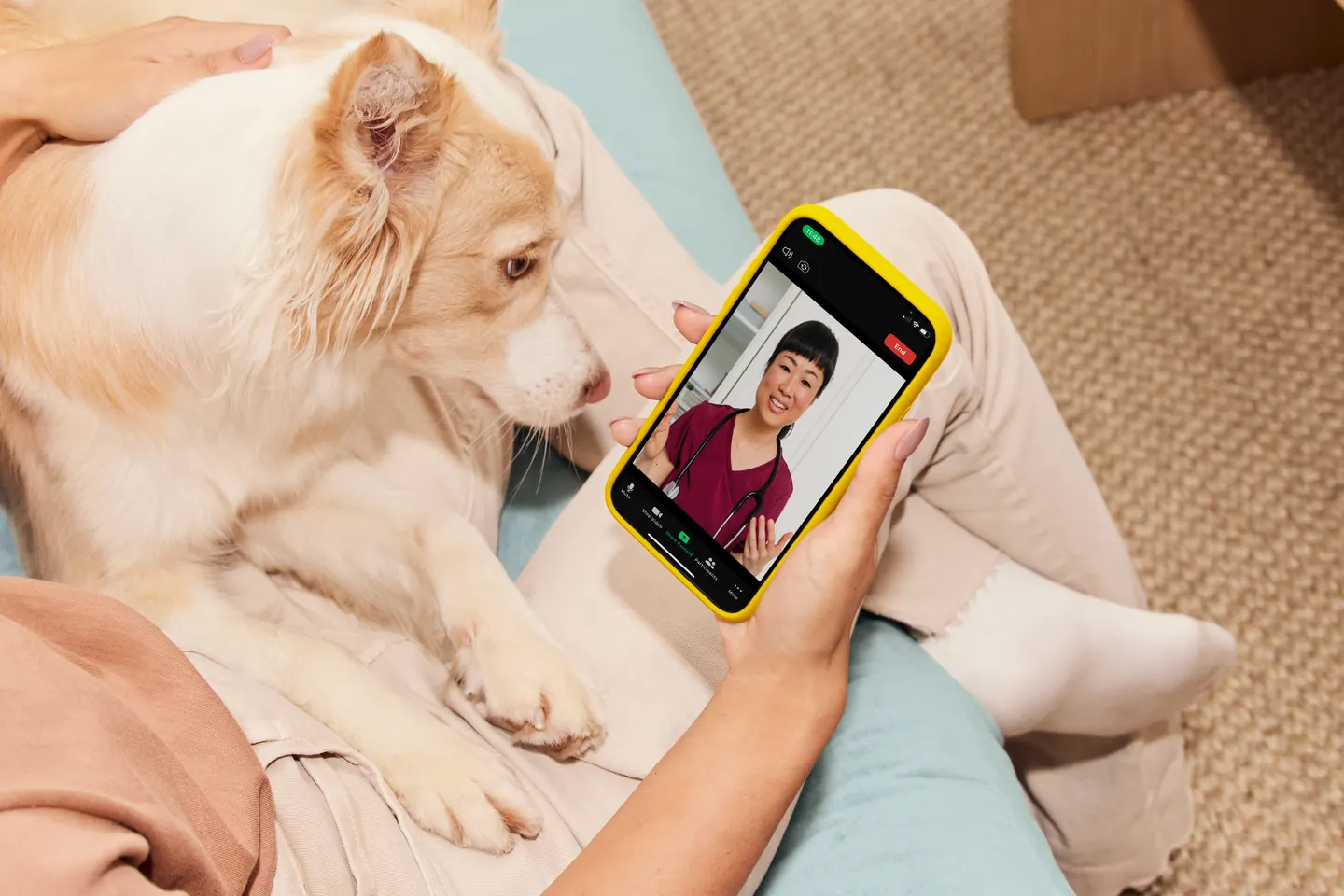
Vet care that's always there
Unlimited video calls and messaging with licensed vets for less than a typical vet visit. One membership covers up to five pets.
Use code Pets30
Plans start at $11/month · covers up to 5 pets
- Licensed vets in most states
- Rx for 150+ conditions
- 4.7 on Trustpilot
Comfort, pain relief and getting veterinary help
To soothe sore ears, do not put unapproved ingredients into the canal.
A dog with an earache who is scratching a red, swollen or sore ear needs relief, but pain medicines and itch medicines are not interchangeable with infection treatment. Call for advice rather than giving a human tablet or putting an anesthetic product into the canal. The safest immediate action may be leaving the ear alone until pain can be controlled.
- Choose a calm place where the dog can rest and avoid repeated handling of the ear.
- Tell the clinic if eating, sleeping or normal activity is disrupted by pain.
- Describe a puffy ear flap, discharge, bleeding or persistent head shaking instead of trying to drain or tightly wrap the ear.
- Ask how quickly the dog should be seen and what changes mean you should seek urgent care.
A cool or warm compress does not treat the infection, and some dogs find any contact painful. Do not press on the canal or hold a compress against a resisting dog. A protective collar may reduce scratching in an individual case, but it is not a substitute for treating pain. Ask the clinic which form and fit are suitable if self-trauma is becoming a problem.
What to do if your dog has an ear infection but can't afford a vet?
Explain the cost barrier when you call. Ask for the examination fee, likely initial ear tests and an itemized estimate before agreeing to a plan. Tell the practice what you can manage now and ask whether local lower-cost services or assistance programs are available. Eligibility, opening hours and what each service can provide vary; do not assume an online consultation or emergency hospital will cost less.
An average cost for a vet visit may exclude cytology, cleaning or medication, so it may not predict an ear-infection bill. Ask what the estimate includes, whether medication is charged per ear, and whether the recheck is separate. The treatment guide includes one identified clinic example; your own practice needs to quote for your dog’s findings.
A remote conversation may help with triage, but it cannot physically examine the canal or inspect a fresh swab under a microscope. Ask what the service can accomplish before paying. Buying several unproven remedies can also consume money without resolving the cause. Severe pain, balance changes or a sick, rapidly worsening dog should be described immediately rather than deferred while comparing product prices.
After the examination: following the treatment plan
The dog ear infection treatment guide explains how findings lead to antibiotic, antifungal or anti-inflammatory medicines and why prescription and over-the-counter products do different jobs. Ask the clinic to write down which ear to treat, the amount and frequency, whether cleaning is allowed and when to return. Keep the original packaging and use the current prescription rather than another pet’s leftovers.
For example, Zymox Plus Advanced with 1% hydrocortisone has product-specific directions. Zymox’s manufacturer advises against combining its ear-solution course with other ear preparations that could interfere with enzyme activity. Do not add vinegar, a separate cleanser or prescribed drops simply because an online home-care routine combines them.
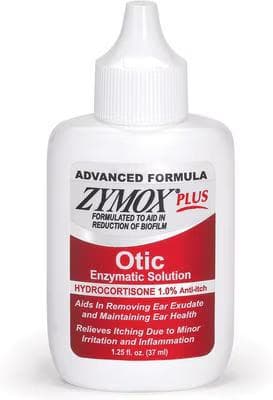
Webvet may earn a commission when you click through to Chewy, at no extra cost to you.
A clinician may choose a cleanser or pretreatment such as Dechra TrizULTRA + Keto for a different plan. Its purpose and timing are not interchangeable with an enzyme-based solution or a long-acting clinic medication. Ask whether it belongs in your dog’s plan, and which instructions take priority if the bottle label and remembered advice appear different.
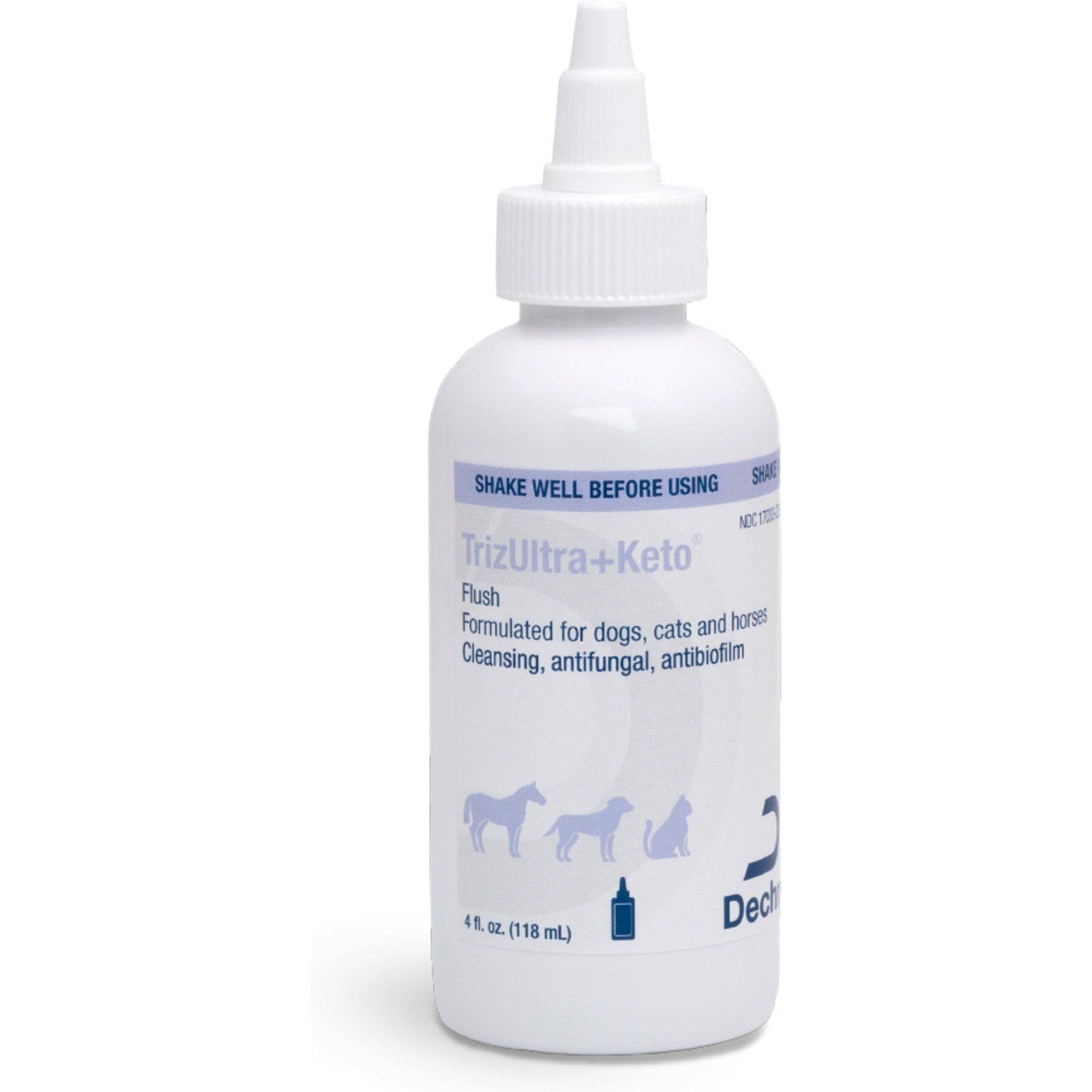
A ketoconazole-containing ear flush to discuss with your veterinarian when routine cleaning is not enough. Use only as directed for your dog.
Webvet may earn a commission when you click through to Chewy, at no extra cost to you.
If a dose is missed, spilled or immediately shaken out, ask what to do rather than repeating an uncertain amount.
If your dog will not tolerate handling, the clinic may need to adjust pain control, demonstrate technique or discuss another suitable treatment approach. Tell the team early; a medicine that cannot be given consistently cannot be evaluated fairly.
- Write the name of the affected ear, or both ears, beside the dosing instructions.
- Keep a simple dose log if more than one person is responsible for treatment.
- Confirm whether a clinic-applied product means the ear should be left alone until a specific date.
- Book the recheck before leaving, and ask which changes should prompt an earlier call.
If instructions are unclear, read the label to the clinic or send a photo through its approved channel. “Ear drops” can refer to products with very different ingredients and schedules. Clarifying one confusing direction is preferable to guessing for several days, especially when more than one pet has medicine at home.
Cleaning is a separate decision
Cleaning may improve delivery of a compatible medicine by removing debris, but an unexamined painful ear should not be flushed on general advice. Some long-acting treatments need to remain undisturbed. The homemade dog ear-cleaner guide compares recipe claims and explains why water, saline or a diluted kitchen mixture should not be assumed suitable for an infected canal.

Cleaning an infected ear
Cleaning an infected ear starts with deciding whether cleaning is appropriate now. Pain, swelling, a blocked canal or medication that must remain in place can change that decision. The dog ear infection treatment guide explains those clinical instructions. Once cleaning is approved, ask the clinic to demonstrate the method and the sequence with medicine. Do not force liquid into a sore ear simply because debris remains visible.
Choosing a formulated cleanser
When the veterinarian approves a routine cleanser, Epi-Otic Advanced is one formulated option to discuss. The useful question is whether this product fits the ear findings and any medication already present. Follow demonstrated technique, avoid pushing cotton swabs into the canal and stop if cleaning hurts. A routine cleanser is not an antibiotic prescription. The dog ear cleaner guide compares the purposes of formulated liquids and wipes.
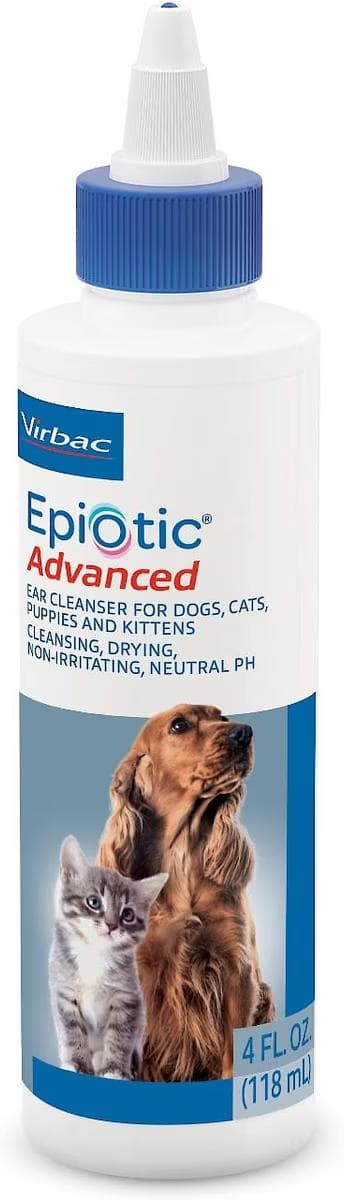
Webvet may earn a commission when you click through to Chewy, at no extra cost to you.
For a suitable dog over 12 weeks, Pet MD Aloe and Eucalyptus Ear Wipes are intended for gentle accessible outer-ear wiping under the manufacturer’s directions. They do not reach or treat all of the ear canal. Because ingredients can irritate sore tissue, ask before using them on an inflamed or raw ear.
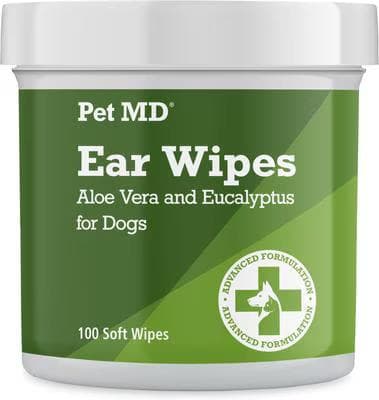
Webvet may earn a commission when you click through to Chewy, at no extra cost to you.
Do not apply several products just to use everything you bought. At the next appointment, bring the bottles and ask the team to separate what is needed now from what might be used later for maintenance.
A written sequence is more useful than vague instructions to keep the ears clean.
When home care is not helping
An ear that remains painful, produces discharge or keeps triggering head shaking needs reassessment.
If your dog has had the problem for months, the canal may have changed or an underlying condition may remain untreated. Switching between home remedies can delay identifying those issues. A middle- or inner-ear problem is particularly unsuitable for a trial of kitchen treatments.
Contact the clinic promptly for worsening symptoms or new balance and hearing changes. VCA’s ear-infection guidance explains the role of examination and testing in selecting treatment. Tell the team what improved, what did not, whether every dose could be given and whether cleaning was comfortable. Those facts help distinguish an unsuitable plan from a plan that was impossible to carry out.
Do not stop a prescription solely because the ear smells better, and do not extend it indefinitely without advice. The scheduled recheck can assess the canal and whether infection remains. If treatment causes new pain, stop that attempted application and call; this is different from quietly abandoning the course and starting another remedy.
Why the same problem keeps returning
Mites need their own diagnosis
Suspected ear mites in dogs require a parasite-specific assessment. Neither peroxide nor vinegar is a reliable home substitute. Dark debris can occur with mites, yeast or mixed problems, so do not choose treatment by color. Tell the veterinarian whether other pets are itching, and ask whether they need assessment or coordinated treatment.
Questions owners ask
Frequently Asked Questions
Can I give my dog anything for an ear infection?
Give only medicines your veterinarian has approved for this dog and this episode. Human pain medicines, leftover antibiotics and human antifungal creams can be inappropriate or harmful; an antihistamine also does not cure an infection. Call the clinic with the exact product name before administering it. If your dog has already received something, report the amount, time and ingredients so the team can advise you.
What is the strongest natural antibiotic for dogs without a vet?
There is no strongest natural antibiotic that safely replaces diagnosis and a suitable prescription for a dog’s ear infection. A product that acts against one organism may not address yeast, mixed infection, inflammation or a damaged eardrum. Keep the ear dry, avoid adding household mixtures and arrange an examination. Ask directly about cost or handling difficulties so the veterinarian can propose a workable plan.
Is there an over the counter version of amoxicillin?
In the United States, approved animal drugs containing amoxicillin require a veterinarian’s prescription. An over-the-counter ear cleaner is not an equivalent antibiotic. FDA warns about unapproved antimicrobials marketed for animals, including products sold without appropriate oversight. Do not choose an antibiotic based on store availability; an ear problem may involve yeast, bacteria, both or a different cause.

Editor
The Webvet Editorial Team is the in-house group of pet-care editors and writers behind Webvet, operated by Smart Pet Collective. The team researches, writes, and maintains Webvet's pet health, behavior, and medication content. Every article follows a defined editorial process: research from reputable veterinary and scientific sources, careful drafting, mandatory review of medical content by a credentialed veterinarian, and dated publication. Health and medication articles are medically reviewed by a licensed veterinary professional before they go live and are kept current over time.
Veterinarian · BVMS MRCVS
Dr. Pippa Elliott, BVMS, MRCVS, is a veterinarian with nearly 30 years of experience in companion animal practice. Dr. Elliott earned her Bachelor of Veterinary Medicine and Surgery from the University of Glasgow. She was also designated a Member of the Royal College of Veterinary Surgeons. Married with 2 grown-up kids, Dr. Elliott has a naughty Puggle named Poggle, 3 cats and a bearded dragon.
Related reading

Best Dog Boots for Traction, Weather, and Paw Protection

Vestibular Disease in Dogs: Symptoms, Diagnosis, and Recovery Timeline

In Home Pet Euthanasia: Cost, What Happens, and How to Choose a Provider
