Holiday hub · Vet-reviewed
Keep the holidays happy for your pets
Holidays bring candy bowls, rich leftovers, new plants and tinsel into the house, and each one is a new way for a dog or cat to get into trouble. This hub collects the hazards that matter most at Halloween, Thanksgiving and Christmas, with a guide for each food, plant and decoration. If your pet has already eaten something, call your veterinarian or a pet poison line now rather than waiting for signs.
Medically reviewed by Dr. Athena Gaffud, DVM · Last reviewed Oct 7, 2026
3 daysuntil Halloween
 Featured tool
Chocolate toxicity calculator
Enter your pet's weight and what they ate to see the estimated combined theobromine and caffeine dose and how serious that dose usually is. If your pet ate chocolate, call your vet or a poison line whatever the result.
- For dogs and cats
- 12 chocolate types, from white chocolate to cocoa bean mulch
- 19 common treats, like brownies and peanut butter cups
- A summary you can read to your vet
Pet ate something toxic? Call now.
Pet Poison Helpline855-764-7661ASPCA Animal Poison Control888-426-4435US poison services, open 24/7. Consultation fees may apply.
What changes for pets each holiday
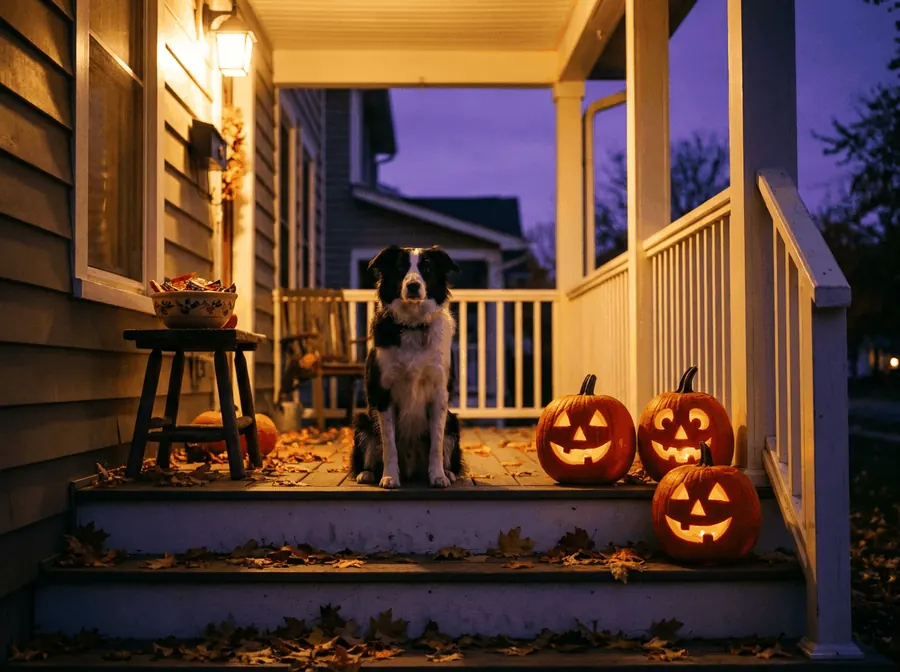 Oct 31
Halloween
Halloween puts candy within easy reach, opens the front door dozens of times and adds costumes, candles and glow sticks to the house. Chocolate, sugar-free candy with xylitol, raisins and wrappers are common problems for dogs, while cats are drawn to glow sticks and string. Use the guides below to check a food or decoration, and call your vet or a pet poison line straight away if your pet has eaten something.
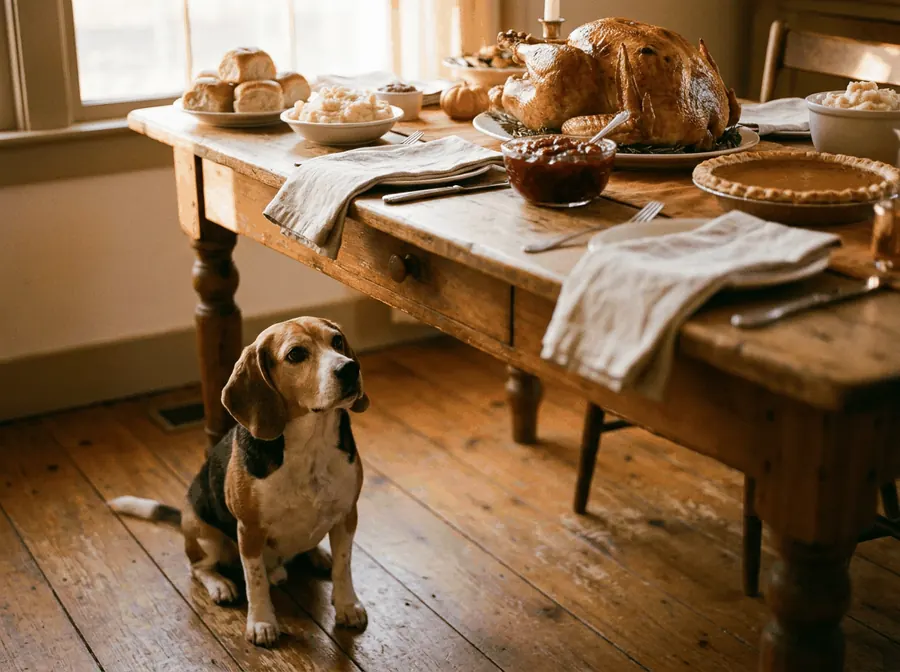 Nov 26
Thanksgiving
Most Thanksgiving dishes start with foods dogs can eat, then add butter, onions, garlic, raisins and spices that change the answer. The bigger risks are the turkey carcass in the trash, rising bread dough on the counter and fatty scraps that can trigger pancreatitis. Plain, skinless, boneless turkey and plain vegetables are the best things to share, in small amounts. Check any dish in the guides below, and call your vet or a pet poison line if your dog has eaten something risky.
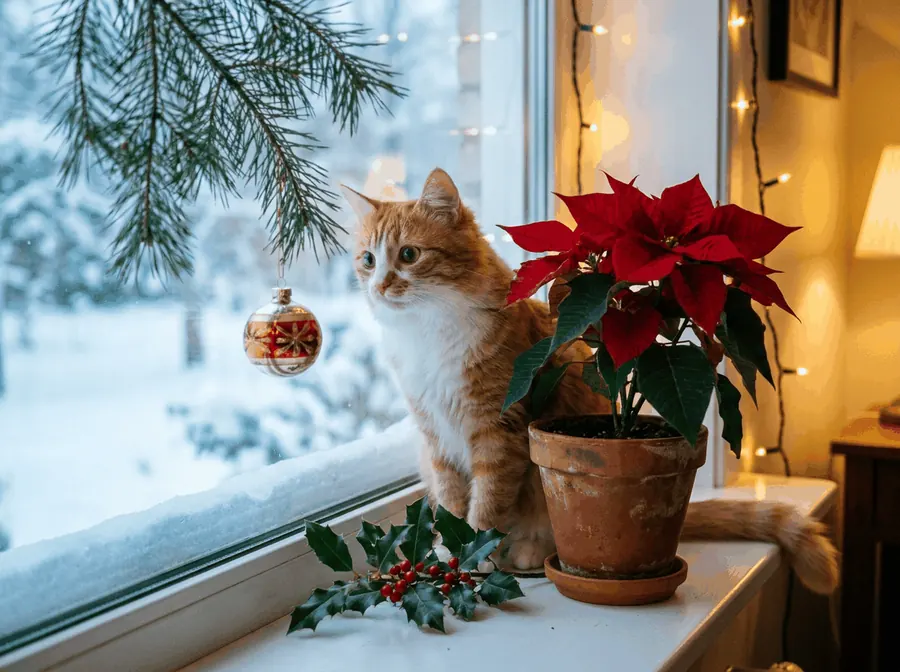 Dec 25
Christmas
Christmas fills the house with new plants, a tree, glass ornaments, tinsel and tins of cookies and chocolate. Cats are drawn to the tree, the ribbon and the plants, while dogs tend to find the food. Lilies are the holiday plant that is an emergency for cats, and tinsel or ribbon can block a cat's intestine. Use the guides below to check a plant, decoration or treat, and call your vet or a pet poison line if your pet has eaten something.
Shopping for your pet this year?
Petful's holiday gift guides cover toys, treats, stocking stuffers and advent calendars for dogs and cats.
Questions
What are the most common holiday hazards for pets?
Food is behind many holiday emergencies. Chocolate, sugar-free candy and baked goods with xylitol, grapes and raisins, onion and garlic dishes, macadamia nuts, alcohol and rising bread dough are all toxic or dangerous to dogs. Cooked bones and fatty scraps can injure the gut or trigger pancreatitis. Lilies are an emergency for cats, and tinsel, ribbon and string can block a cat's intestine.
What should I do if my pet eats something toxic over the holidays?
Move your pet away from the source, keep the packaging or a sample, and note what was eaten, how much and when. Then call your veterinarian, an emergency clinic, or Pet Poison Helpline at 855-764-7661 or ASPCA Animal Poison Control at 888-426-4435. Consultation fees may apply. Do not wait for signs. Do not induce vomiting at home or give any home remedy; leave that decision to your veterinarian.
Which holiday foods are toxic to dogs?
Chocolate, xylitol, grapes, raisins, onions, garlic, macadamia nuts, alcohol and raw yeast dough are toxic or dangerous to dogs. Xylitol can cause dangerously low blood sugar quickly, and grapes and raisins can cause kidney failure. Cooked turkey and ham bones, fatty skin, gravy and rich desserts are risky too. Call your vet if your dog eats any of them, even if they seem normal.
Are holiday plants poisonous to pets?
Some are. Lilies are a life-threatening emergency for cats, even from pollen or vase water. Poinsettias are mildly irritating, and mistletoe, holly, amaryllis and fall mums can cause vomiting and drooling, with mistletoe more serious in large amounts. Christmas cactus is not considered toxic but can upset the stomach. Call your vet or a poison line after any plant is chewed.
Is chocolate dangerous for cats as well as dogs?
Yes. Chocolate is toxic to cats for the same reason it is toxic to dogs: theobromine and caffeine, which cats also clear slowly. Cats eat chocolate less often because they cannot taste sweetness, but any amount eaten by a cat is a reason to call a vet or poison line right away. Webvet's chocolate toxicity calculator tells you to call now for every cat, whatever the amount.
How can I keep my pet safe during holiday gatherings?
Give your pet a quiet room with water and a bed while guests come and go, and check that ID tags and microchip details are current in case the door is left open. Ask guests not to share food, keep bags and coats with gum or medication off the floor, and clear plates and glasses before they reach low tables.