Dog Eye Infection: Symptoms, Causes & When to See a Vet
A vet-reviewed guide to dog eye infections: symptoms, causes, safe home care, treatment options, honest cost ranges, and the red flags that mean an urgent vet visit.

BVMS MRCVS
Medically reviewed by Dr. Pippa Elliott, BVMS MRCVS · Last reviewed

This article contains affiliate links. Webvet may earn a commission when you buy through them, at no extra cost to you.
WebVet may earn a commission from qualifying purchases made through links on this page, at no additional cost to you.
A dog eye infection can look alarming fast: a red, weepy eye your dog keeps squinting shut and pawing at. Most cases clear up with the right care, but the hard part is that several serious eye conditions look almost identical to a simple infection in the first day or two.
This vet-reviewed guide walks you through the symptoms, the real causes, safe home care, honest cost ranges, and the exact red flags that mean you should stop reading and call your veterinarian now.
- 1The most common cause of a dog eye infection is conjunctivitis, often bacterial or triggered by allergies, foreign material, or an underlying eye problem.
- 2The number-one red flag for urgent care is a painful eye: squinting, holding it closed, cloudiness, or constant pawing means see a vet the same day, not a wait-and-see.
- 3A routine vet exam for an eye infection typically costs $50 to $150 before medication, and most cases respond well to prescription drops or ointment.
- 4Never put human eye drops, leftover medication, or steroid drops in your dog's eye without veterinary guidance.
- 5True infections rarely heal on their own; early treatment prevents corneal damage and protects your dog's vision.
 Sponsored
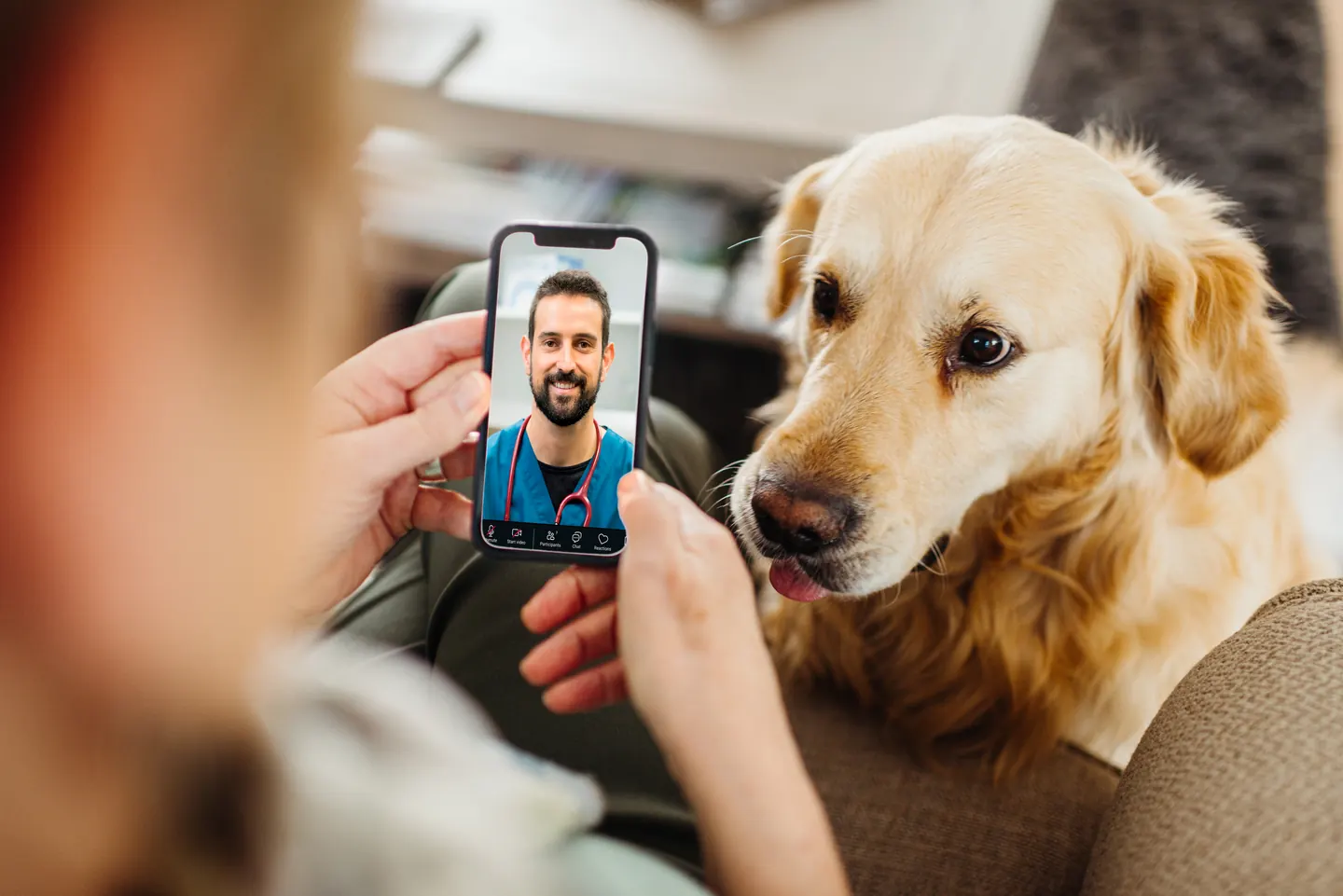
Have a health question about your dog?
Talk to a licensed vet at Dutch over video or message, including nights and weekends.
Use code Pets60
Plans start at $12/month · covers up to 5 pets
- Licensed vets in most states
- Rx for 150+ conditions
- 4.7 on Trustpilot
What Is a Dog Eye Infection?
A dog eye infection is an invasion of the eye's surface or surrounding tissues by bacteria, viruses, or fungi, usually producing redness, discharge, and discomfort. The most common form is conjunctivitis, inflammation of the pink membrane (the conjunctiva) that lines the eyelids and covers the white of the eye.
Here is the catch that trips up most owners: not every red, goopy eye is actually infected. Dog eye problems like allergies, dry eye, a scratched cornea, or a grass seed stuck under the lid can all mimic infection. That is why an accurate diagnosis matters, and why some cases need a vet rather than a cotton ball and hope.
According to the Merck Veterinary Manual, many canine eye infections are secondary, meaning something else (an irritant, an injury, or a tear-film problem) sets the stage and bacteria move in afterward. Treating only the surface infection without finding that root cause is why some eyes keep flaring up.
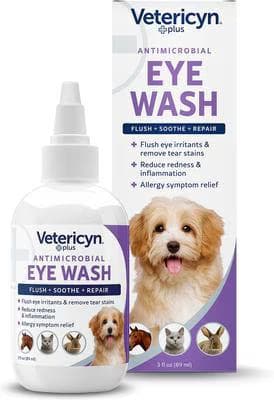
A sterile antimicrobial rinse that flushes irritants, pollen, and discharge out of the eye and helps lift tear stains. A sensible at-home first step for mild irritation, though it does not replace a vet exam for a painful eye.
Webvet may earn a commission when you click through to Chewy, at no extra cost to you.
Nothing over the counter can identify that root cause. While you arrange a vet visit, a sterile canine rinse such as Vetericyn Plus Antimicrobial Eye Wash lifts crust and debris so the eye is easier to assess. It is hygiene only and does not replace veterinary care.
Conjunctivitis: The Most Common Type of Dog Eye Infection
Conjunctivitis (pink eye) is the most common dog eye infection, and it is what most owners are actually describing when they say their dog has an infected eye. Because it has its own diagnostic path and its own treatment rules, we keep the deep dive on conjunctivitis (pink eye) in dogs.
- Which eye drops for dogs conjunctivitis cases genuinely need, and why the effective ones are prescription
- Where dog conjunctivitis home treatment helps, and the exact point at which cleaning stops being enough
- How pink eye is told apart from a corneal ulcer, dry eye, or an allergic flare
One rule carries across every type of eye infection: painful eye, same day. Squinting, cloudiness, or constant pawing suggests the problem sits deeper than the conjunctiva, and same day veterinary care protects the cornea while there is still cornea worth protecting.
Symptoms of Dog Eye Infections
Dog eye infection symptoms usually show up as a cluster, not just one sign. The more of these you see together, and the faster they worsen, the sooner your dog should be seen.
- Redness of the white of the eye or the inner eyelids
- Eye discharge that is watery, cloudy, or thick and green or yellow
- Squinting, blinking a lot, or holding the eye partly closed
- Pawing or rubbing at the eye, or rubbing the face on furniture and carpet
- Swelling or puffiness of the eyelids or the pink conjunctiva
- Excessive tearing or watery eyes
- Light sensitivity or reluctance to open the eye in bright rooms
- Crusting or eye boogers gluing the lids together after sleep

Discharge is one of the most useful clues. Thick yellow or green pus points toward a bacterial infection, while thin, clear, watery discharge leans more toward allergies or early irritation. Because discharge tells you so much, we cover it in depth in our full guide to dog eye discharge.
People often ask what dog conjunctivitis looks like. In short, it looks like a red, inflamed, weepy eye with the inner lids visibly pink and swollen, sometimes with the third eyelid partly raised. Conjunctivitis is the most frequent infection subtype, and the appearance can range from a mild watery eye to a thick, mucky discharge.
Early stage signs are easy to miss because they look minor. Watch for a faint pink tinge to the whites, slightly more blinking than usual, or a small amount of crust in the corner after a nap.
Types & Causes of Dog Eye Infections
Understanding the cause matters because it changes the treatment completely. A grass seed needs removal, allergies need allergy control, and a bacterial infection needs antibiotics. The main causes veterinarians see include:
- Bacterial infection, often secondary to irritation or injury
- Viral infection, including canine distemper, herpesvirus, and adenovirus
- Fungal infection, less common but more likely in certain regions or immune-compromised dogs
- Allergies to pollen, dust, mold, or household irritants
- Foreign bodies such as grass awns, dirt, sand, or a stray hair
- Dry eye (keratoconjunctivitis sicca), where too few tears leave the surface vulnerable
- Structural eyelid problems like entropion (lids that roll inward) or extra lashes
- Blocked tear ducts, trauma, or an underlying corneal ulcer
Chronic dry eye deserves special attention because it both mimics infection and predisposes dogs to it. When the tear film is thin, the surface dries, cracks, and invites bacteria, so recurrent infections are sometimes the first sign of an underlying tear-production problem. A structural eyelid issue works the same way, rubbing the surface raw until it becomes infected.
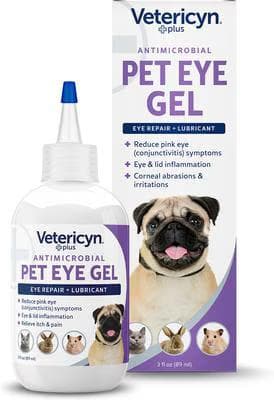
A lubricating antimicrobial gel that clings to the eye surface longer than a rinse, easing conjunctivitis symptoms, lid inflammation, and irritation from minor corneal abrasions. For dogs, cats, and small pets.
Webvet may earn a commission when you click through to Chewy, at no extra cost to you.
Types of Dog Eye Infections, by Tissue Involved
Owners searching for types of dog eye infections are usually trying to work out which part of the eye is involved, because that is what drives treatment and urgency. Veterinarians group infections by location as much as by organism.
- Conjunctivitis: infection or inflammation of the pink membrane lining the lids and covering the white of the eye
- Keratitis: infection or inflammation of the cornea itself, usually painful and the most sight-threatening of the group
- Blepharitis: infection of the eyelid margins, common in dogs with skin allergies or deep facial folds
- Dacryocystitis: infection of the tear sac and tear duct, which leaves the inner corner persistently wet and goopy
- Uveitis: deep inflammation inside the eye, sometimes driven by a body-wide infection rather than a surface one
A dog eye yeast infection is uncommon on the eye surface itself. Far more often, yeast is why the skin and folds around the eye are red, greasy, and itchy, and that inflamed skin then sets up a secondary bacterial infection on the eye.
Dog Eye Infection vs. Other Eye Problems
This is where most owners, and a lot of thin online articles, go wrong. Several conditions get mistaken for conjunctivitis, and a few of them are genuine emergencies. The question is not only "is this an infection" but "what gets mistaken for one."
If the main sign is puffiness rather than discharge, our dog eye swollen guide sorts lid swelling from a bulging or painful eye and explains which pattern needs a vet today.
The most important lookalikes are a corneal ulcer, dry eye, glaucoma, uveitis, cataracts, allergies, and simple cosmetic tear staining. A corneal ulcer in particular can look like a red, weepy infection but is a scratch or erosion of the cornea that can worsen quickly, so we keep its deep dive on a separate page rather than repeating it here.
| Condition | How it can look like an infection | The telling difference |
|---|---|---|
| Conjunctivitis (infection) | Red, weepy, swollen inner lids | Discharge often thick, both surfaces inflamed, usually not intensely painful |
| Corneal ulcer | Redness, squinting, watery eye | Marked pain, squinting, sometimes a visible dull spot on the cornea |
| Dry eye | Red eye with sticky, ropey mucus | Thick stringy discharge, dull surface, worsens without tears |
| Glaucoma | Red, cloudy, painful eye | Enlarged or bulging eye, severe pain, an emergency |
| Allergies | Watery, itchy, red eyes | Usually both eyes, seasonal, thin clear discharge, other allergy signs |
| Tear stains | Reddish-brown streaks below the eye | Cosmetic staining, no pain or active discharge |
The takeaway on dog eye infection vs allergies: allergies typically hit both eyes, come with clear watery discharge and itchiness, and often flare seasonally, while a bacterial infection more often starts in one eye with thicker discharge. If you are chasing recurring reddish streaks rather than active goo, that may be tear stains rather than infection at all.
Is a Dog Eye Infection Contagious?
Contagion is a fair worry, especially in a multi-pet home, and it is something almost no competing article addresses clearly. The honest answer is that it depends entirely on the cause.
- Bacterial and allergic conjunctivitis are generally not very contagious to other dogs and are unlikely to spread pet to pet through normal contact.
- Viral causes, such as canine distemper or herpesvirus, can spread between dogs, which is one reason vaccination and isolating a sick dog matter.
- Whether a dog eye infection is contagious to humans is the most common question, and the reassuring reality is that transmission to people is very rare.
Unlike human pink eye, which spreads easily person to person, most canine eye infections do not readily jump to humans. That said, basic hygiene is still smart: wash your hands after cleaning your dog's eye, do not share towels, and keep the affected dog's face-cleaning cloths separate. If anyone in the home develops eye symptoms, that is a question for a human doctor, not an assumption.
 Sponsored
Vet care that's always there
Unlimited video calls and messaging with licensed vets for less than a typical vet visit. One membership covers up to five pets.
Use code Pets60
Plans start at $12/month · covers up to 5 pets
- Licensed vets in most states
- Rx for 150+ conditions
- 4.7 on Trustpilot
When to See a Vet for a Dog Eye Infection
Knowing when to see a vet for a dog eye infection is the single most valuable skill here, because the eye is unforgiving and a lost day can mean a lost cornea. Use this simple triage split instead of a vague "call your vet" line.
See a veterinarian the same day, or seek emergency care, if you notice any of these:
- Obvious pain: hard squinting, holding the eye shut, or crying when the area is touched
- Cloudiness, a bluish haze, or a visible film over the eye
- Constant pawing or face-rubbing that you cannot redirect
- A bulging or enlarged eye, or one pupil that looks very different from the other
- Sudden loss of vision, bumping into things, or a thick bloody discharge
- Any eye injury, chemical splash, or a foreign object you can see
It is reasonable to book a next-day or routine appointment (rather than rushing in) when your dog is comfortable, eating, and playing normally, has only mild redness or a little clear discharge in one eye, is not squinting or pawing, and the eye looks otherwise clear and open. Even then, gentle cleaning is a bridge to a vet visit, not a substitute for one. Painful, cloudy, or worsening eyes always outrank convenience.
How Vets Diagnose Dog Eye Infections
A proper eye workup is quick, and it is exactly why a vet visit beats guessing. The exam is designed to separate a simple surface infection from the serious lookalikes above.

Typical steps your veterinarian may perform include:
- A full eye and eyelid exam under magnification and bright light
- A fluorescein stain, a harmless dye that glows to reveal scratches or a corneal ulcer
- A Schirmer tear test to measure tear production and rule out dry eye
- Tonometry, which checks eye pressure to catch glaucoma
- Occasionally a swab for culture or cytology when infection is stubborn or severe
The fluorescein stain is the pivotal test, because it decides whether steroid-containing drops are safe (they are dangerous over an ulcer). We keep the procedure-level detail on our corneal ulcer and corneal ulcer symptoms pages so this guide stays focused on infection.
Dog Eye Infection Treatment
Dog eye infection treatment depends on the cause, which is exactly why a diagnosis comes first. Once your veterinarian knows what they are treating, most cases are very manageable.

For safe home care, here is how to treat a dog's eye infection at home in the supportive sense, meaning while you arrange or follow up on a vet visit:
- Gently wipe away discharge with a clean, damp cloth or cotton pad, wiping from the inner corner outward, using a fresh section for each eye.
- Flush loose debris or discharge with a sterile canine eye wash, such as a dog eye wash for infection like Vetericyn Plus Antimicrobial Eye Wash.
- Prevent rubbing with an Elizabethan collar so your dog cannot scratch the surface.
- Keep the surrounding hair trimmed and the face clean and dry.
So what should you give your dog for an eye infection? The real fixes are prescription-strength and cause-specific: a topical antibiotic ointment or drops for bacterial infection, a lubricant like Optixcare Eye Lube Plus for comfort and dry surfaces, and allergy or tear-stimulating medication when those are the driver. A commonly recommended veterinary antibiotic ointment is Terramycin Ophthalmic Ointment; searches for terramycin for dogs eye infection are popular, but it should still be used under veterinary guidance so you are treating the right problem.
| Option | Type | When it fits | Caution |
|---|---|---|---|
| Antimicrobial eye wash (Vetericyn) | OTC rinse | Flushing discharge and debris before a vet visit | Cleans, does not cure a true infection |
| Eye lubricant (Optixcare) | OTC lube | Interim comfort, dry or exposed surfaces | Soothes only, not an antibiotic |
| Antibiotic ointment (Terramycin) | Vet-directed | Confirmed or suspected bacterial infection | Use under vet guidance; wrong for viral or allergy |
| Steroid or combo drops | Prescription | Specific inflammatory cases | Dangerous over a corneal ulcer, vet only |
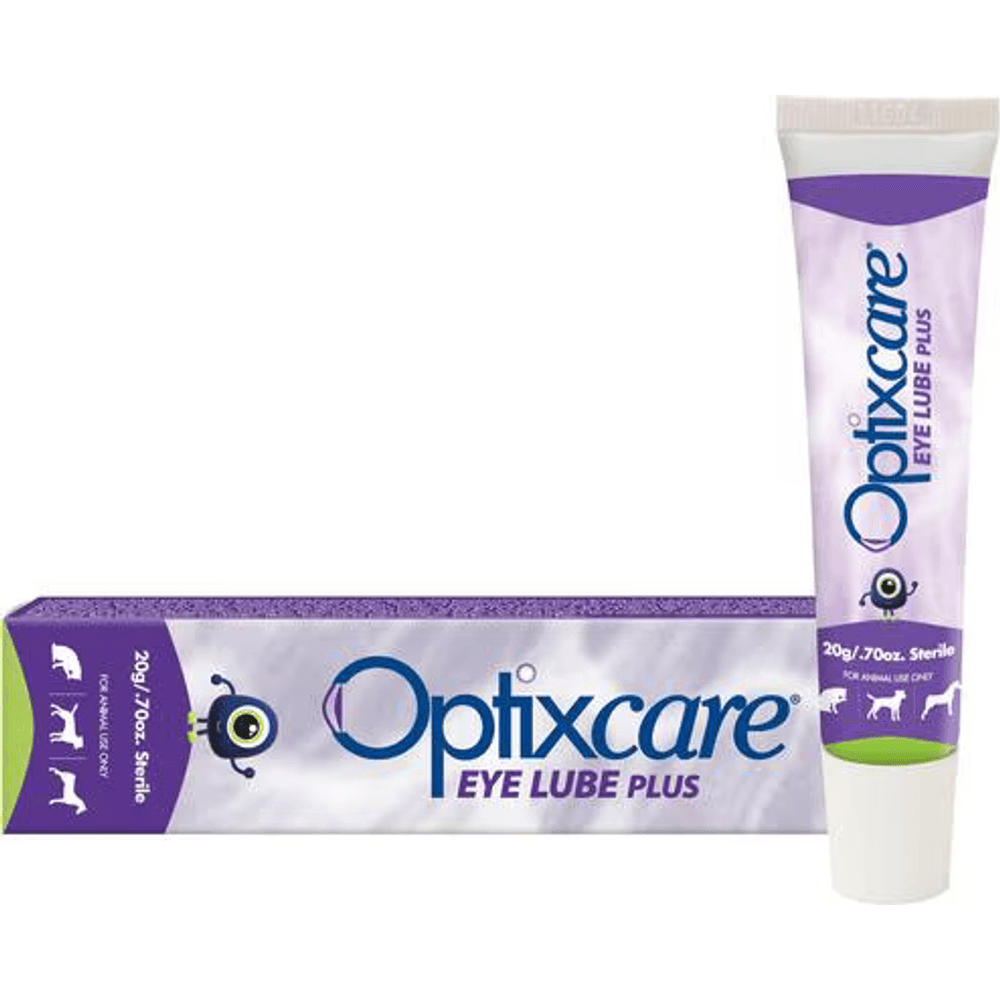
A sterile lubricating gel that soothes and moisturizes dry, irritated eyes and helps support the tear film in dogs and cats prone to dryness. A gentle, vet-shelf staple for everyday eye comfort.
Webvet may earn a commission when you click through to Chewy, at no extra cost to you.
For readers who want a full comparison of the OTC options, we maintain a dedicated roundup of the best dog eye drops for infection so this section can stay focused on the medical picture rather than product-by-product reviews. And for the day-to-day mechanics, our guide on how to clean dog eyes walks through gentle technique step by step.
Antibiotic Eye Drops and Ointments for Dogs: OTC vs. Prescription
Search demand for an antibiotic for dog eye infection is enormous, and the honest answer is an uncomfortable one. In the United States, true antibiotic eye drops and ointments for dogs are prescription products. There is no real over the counter antibiotic category, whatever a shelf label implies.
Terramycin Ophthalmic Ointment (oxytetracycline with polymyxin B) is the product most people mean when they ask about dog eye infection drops. Availability has shifted by state and supplier, and an exam still decides whether a bacterial infection is what you are actually treating.
- Sterile saline and Vetericyn antimicrobial eye wash: these rinse away discharge, pollen, and grit. They are hygiene, not treatment, and they do not clear an infection.
- Lubricating drops and gels: comfort for a dry or exposed surface. They soothe, they do not kill bacteria.
- Prescription antibiotic dog eye drops for infection (tobramycin, neomycin-polymyxin-bacitracin, ofloxacin): these are the products that actually resolve a bacterial infection, usually dosed several times a day.
- Prescription combination steroid drops: appropriate only after a fluorescein stain has ruled out a corneal ulcer.
| Product type | Example | What it actually does | Prescription needed? |
|---|---|---|---|
| OTC rinse | Vetericyn Plus Antimicrobial Eye Wash | Flushes discharge and debris before an exam | No |
| OTC lubricant | Optixcare Eye Lube Plus | Adds surface comfort to a dry eye | No |
| Antibiotic ointment | Terramycin Ophthalmic Ointment | Treats surface bacterial infection | Yes, vet-directed |
| Antibiotic drops | Tobramycin, ofloxacin | Treats bacterial infection, dosed several times daily | Yes |
| Steroid or combination drops | Neomycin-polymyxin-dexamethasone | Controls inflammation in specific diagnosed cases | Yes, only after a stain |
Home Remedies for Dog Eye Infections: What's Safe and What to Skip
The home remedy for dog eye infection question is really two questions: what is genuinely safe supportive care, and what does harm. Supportive care buys comfort and cleanliness while you arrange a diagnosis. It does not cure a bacterial infection.
- Plain sterile saline flush, or a sterile canine eye wash formulated for dogs, to loosen discharge
- A warm compress held gently on the closed lid for a minute or two to soften crust before wiping
- An Elizabethan collar so your dog cannot rub an inflamed surface raw
- Trimming the hair around the eye and keeping the facial folds clean and dry
Skip the following, however often they turn up in home remedy lists. Each one either irritates the surface, hides worsening disease, or wastes the days in which treatment would have worked.
- Chamomile, black tea, or herbal rinses: not sterile, and the tannins irritate an already inflamed eye
- Human eye drops, especially redness-relief formulas: they blanch the redness and mask a worsening problem
- Hydrogen peroxide, vinegar, or diluted shampoo: all are caustic to the cornea
- Coconut oil or breast milk: no antibacterial benefit on the eye surface, and both trap debris
- Leftover antibiotic ointment from another pet, or from a different eye problem months ago
Can a Dog Eye Infection Heal on Its Own?
Owners understandably want to know: can a dog's eye infection heal itself? Sometimes a very mild irritation settles on its own once the trigger is gone, but a true, established infection usually does not clear without treatment, and waiting risks real damage.
The danger of the wait-and-see approach is that an untreated surface infection, or an infection hiding a corneal ulcer, can progress to scarring, deeper infection, or vision loss. That is a steep price for saving one office visit. When redness and discharge last more than a day or two, or any pain appears, treat it as a reason to be seen rather than a reason to wait longer.
Cost to Treat a Dog Eye Infection
Cost is the question nobody else answers, so here is a straight look. These are typical United States ranges and vary by region, clinic type, and how much diagnostic work the eye needs. Your actual bill may fall outside these figures.
| Item | Typical cost range | Notes |
|---|---|---|
| Vet exam / office visit | $50 to $100 | Often higher at emergency clinics |
| Diagnostic tests (stain, tear test, pressure) | $30 to $150 | Depends how many are needed |
| Medication (drops or ointment) | $20 to $60 | Antibiotic or lubricant, per course |
| Specialist ophthalmology referral | $250 to $500+ | For complex, chronic, or surgical cases |
For a straightforward, single-eye bacterial infection caught early, many owners spend somewhere in the range of $75 to $200 all in. Costs climb when the eye needs advanced diagnostics, when an underlying problem like dry eye or an eyelid defect must be managed long term, or when a specialist and surgery enter the picture. Catching it early is not just better for your dog, it is usually cheaper.
One planning note on the figures above: the vet exam office visit is billed whether or not the eye needs tests, so the exam fee is the floor on any cost to treat a dog eye infection.
Most eye cases also need a recheck to confirm the infection cleared, and many clinics fold that follow-up into the original exam fee. It is worth asking when you book, because an unbudgeted second visit is what usually pushes an owner into skipping it.
How to Prevent Dog Eye Infections
Prevention is mostly about hygiene, early attention, and knowing your breed's weak spots. You cannot stop every infection, but you can dramatically cut the frequency of flare-ups.
- Wipe your dog's eyes and face regularly with a clean, damp cloth to clear discharge and debris.
- Keep the hair around the eyes trimmed so it cannot poke or wick moisture onto the surface.
- Use a routine canine eye rinse, such as Nutri-Vet Dog Eye Rinse & Drops, to flush dust and pollen after walks or grooming.
- Manage known allergies and keep the home free of smoke and heavy dust.
- Dry the facial folds of flat-faced breeds so moisture does not sit and breed bacteria.
- Keep vaccinations current to protect against viral causes like distemper.
- Book a vet check at the first sign of redness rather than waiting for it to escalate.


A boric acid rinse that flushes everyday dust and pollen from a dog's eyes and helps reduce the tear staining that follows chronic watering. Not a treatment for infection.
Webvet may earn a commission when you click through to Chewy, at no extra cost to you.
Brachycephalic owners should build eye care into the daily routine the way they would tooth brushing. A quick fold-and-eye wipe each day catches trouble early, and early is the whole game with eyes. Routine grooming plus a fast response to redness will prevent far more infections than any single product.
Everyday Eye Boogers vs. an Infection
Not every crust needs medicine. If you are wondering why does my dog have eye boogers every morning, a small amount of grey or reddish-brown crust in the inner corner overnight is normal tear drainage and shed cells, not an infection.
Routine dog eye boogers treatment is plain hygiene: a damp cloth, a fresh section for each eye, wiping from the inner corner outward. Our guide to cleaning normal dog eye boogers covers the daily routine and where normal discharge becomes a symptom.
- Discharge turns yellow, green, or thick instead of clear, watery, or lightly crusted
- The volume climbs day over day, or one eye suddenly produces far more than the other
- The skin under the eye stays wet, smelly, or inflamed between cleanings
- Squinting, redness, swelling, or pawing joins the discharge
- 1Normal eye boogers are dry, small, and the same in both eyes; infection discharge is wet, colored, and usually one-sided.
- 2Daily wiping prevents far more infections than any product on a shelf.
- 3Any discharge paired with pain or cloudiness stops being a hygiene question and becomes a same-day vet question.
FAQs
How do you treat a dog's eye infection at home?
A: At home you can support recovery by gently wiping discharge from the inner corner outward with a clean damp cloth, flushing debris with a sterile canine eye wash, and using an Elizabethan collar to stop rubbing. This is supportive care only. A true infection usually needs a vet-prescribed antibiotic or cause-specific medication, so home cleaning bridges you to a vet visit rather than replacing it. Never use human eye drops or leftover medication.
Can a dog's eye infection heal itself?
A: Mild irritation can settle once the trigger is removed, and some viral infections run their course in one to two weeks. However, established bacterial infections rarely clear on their own and tend to worsen without treatment. Because you cannot reliably tell viral from bacterial by looking, and because an untreated eye can develop an ulcer or lose vision, the safe move is a veterinary diagnosis rather than waiting it out.
What should I give my dog for an eye infection?
A: The right treatment depends on the cause and is usually prescription-based: a topical antibiotic ointment or drops for bacterial infection, a lubricant for comfort, or allergy medication when allergies drive it. A commonly recommended veterinary ointment is Terramycin, but it should be used under veterinary guidance. Do not give human eye drops, oral antibiotics meant for people, or steroid drops without your vet, since the wrong product can worsen an undetected corneal ulcer.
What gets mistaken for conjunctivitis in dogs?
A: Several conditions mimic conjunctivitis, including corneal ulcers, dry eye, glaucoma, uveitis, cataracts, allergies, and cosmetic tear staining. Some, like glaucoma and corneal ulcers, are painful emergencies that can threaten vision, which is why a red or weepy eye deserves a proper exam. Signs that point away from simple infection include marked pain, a bulging or cloudy eye, both eyes flaring seasonally, or reddish-brown streaks with no active discharge.
What does dog conjunctivitis look like?
A: Dog conjunctivitis looks like a red, inflamed, weepy eye with visibly pink, swollen inner eyelids, often with the third eyelid partly raised. Discharge can range from thin and watery to thick and yellow-green. It can affect one or both eyes and is frequently accompanied by blinking or mild squinting.
Is a dog eye infection an emergency?
A: Not always, but treat it as one if you see pain, squinting, cloudiness, a bulging eye, constant pawing, or sudden vision changes. Those signs suggest a corneal ulcer, glaucoma, or deep inflammation that can damage sight quickly. A comfortable dog with only mild redness and a little clear discharge in one eye can usually wait for a next-day appointment, but any painful or cloudy eye needs same-day veterinary care.
Can I buy antibiotic eye drops for dogs over the counter?
Not in any meaningful sense. In the United States, true antibiotic eye drops and ointments for dogs, including Terramycin Ophthalmic Ointment and tobramycin drops, are prescription or vet-directed products. What you can buy over the counter is a sterile rinse such as a Vetericyn antimicrobial eye wash, or a lubricating drop. Those clean and soothe the eye, but they do not treat a bacterial infection, and using them alone on a painful or worsening eye risks corneal damage.
What are the different types of dog eye infections?
Veterinarians usually name the infection after the tissue involved: conjunctivitis (the membrane lining the lids), keratitis (the cornea), blepharitis (the eyelid margins), dacryocystitis (the tear sac and duct), and uveitis (deep inside the eye). Bacterial causes are the most common, viral causes such as distemper and herpesvirus are less frequent, and a dog eye yeast infection more often involves the skin and folds around the eye than the eye surface itself.
Does a warm compress help a dog eye infection?
A warm compress helps in one specific way: held on the closed lid for a minute or two, it softens crust so discharge wipes away without dragging on inflamed skin. It is comfort and hygiene, not treatment. Use a clean cloth, warm rather than hot, and a fresh cloth for each eye. If the eye is painful, cloudy, or being held shut, skip the compress and get the eye examined the same day instead.
Sources

Editor
The Webvet Editorial Team is the in-house group of pet-care editors and writers behind Webvet, operated by Smart Pet Collective. The team researches, writes, and maintains Webvet's pet health, behavior, and medication content. Every article follows a defined editorial process: research from reputable veterinary and scientific sources, careful drafting, mandatory review of medical content by a credentialed veterinarian, and dated publication. Health and medication articles are medically reviewed by a licensed veterinary professional before they go live and are kept current over time.
Veterinarian · BVMS MRCVS
Dr. Pippa Elliott, BVMS, MRCVS, is a veterinarian with nearly 30 years of experience in companion animal practice. Dr. Elliott earned her Bachelor of Veterinary Medicine and Surgery from the University of Glasgow. She was also designated a Member of the Royal College of Veterinary Surgeons. Married with 2 grown-up kids, Dr. Elliott has a naughty Puggle named Poggle, 3 cats and a bearded dragon.


