How to Clean Dog Eyes Safely at Home (Vet Steps)
A vet-reviewed, step-by-step guide to cleaning your dog's eyes at home: the right eye wash and saline, how to gently soften crusty boogers and tear stains, what to avoid, and the discharge signs that mean a vet visit.

BVMS MRCVS
Medically reviewed by Dr. Pippa Elliott, BVMS MRCVS · Last reviewed

This article contains affiliate links. Webvet may earn a commission when you buy through them, at no extra cost to you.
To clean dog eyes safely, dampen a clean lint-free cloth or cotton ball with warm water or a pet-safe sterile saline, then wipe gently from the inner corner outward, using a fresh section for each eye.
Never use human contact-lens solution, soap, hydrogen peroxide, or medicated wipes near the eye. Learning how to clean dog eyes the right way removes crusty boogers and gunk without scratching the eye, and it helps you spot the discharge changes that actually need a vet.
- 1Use warm water or pet-safe sterile saline on a fresh cotton ball or lint-free cloth, and wipe from the inner corner outward.
- 2Soften dried crust for 10 to 15 seconds with a warm damp cloth before wiping, so you never pick or pull at it.
- 3Skip human contact-lens solution, soap, hydrogen peroxide, vinegar, and hair-dye style whiteners near the eye.
- 4Small amounts of clear or light-brown crust are normal grooming; thick yellow-green discharge, redness, squinting, or cloudiness are not.
- 5See a vet promptly for pain, sudden swelling, a visible film over the eye, or any discharge with a bad smell.
 Sponsored
Have a health question about your dog?
Talk to a licensed vet at Dutch over video or message, including nights and weekends.
Use code Pets30
Plans start at $11/month · covers up to 5 pets
- Licensed vets in most states
- Rx for 150+ conditions
- 4.7 on Trustpilot
How to Clean Dog Eyes Safely at Home: Step by Step
To clean your dog's eyes at home, gather a lint-free cloth or fresh cotton balls, warm water or pet-safe sterile saline, and a calm, well-lit spot. Wipe the fur around the eye from the inner corner outward, and never rub the eyeball itself. The goal is to lift away crust, not to scrub.
This same gentle routine works whether you are cleaning around the eyes, under the eyes, or the inner corners where gunk collects. Go slowly, reward with treats, and stop if your dog resists strongly.
If your dog wiggles or ducks away, do not chase the eye with the cloth. Steady the head with one hand under the chin or resting lightly on the muzzle, and work in one-second touches rather than one long wipe.
For an anxious dog, spend a few sessions just touching the cheek and rewarding, then progress to a damp cloth. A calm dog is safer than a still one you are forcing.

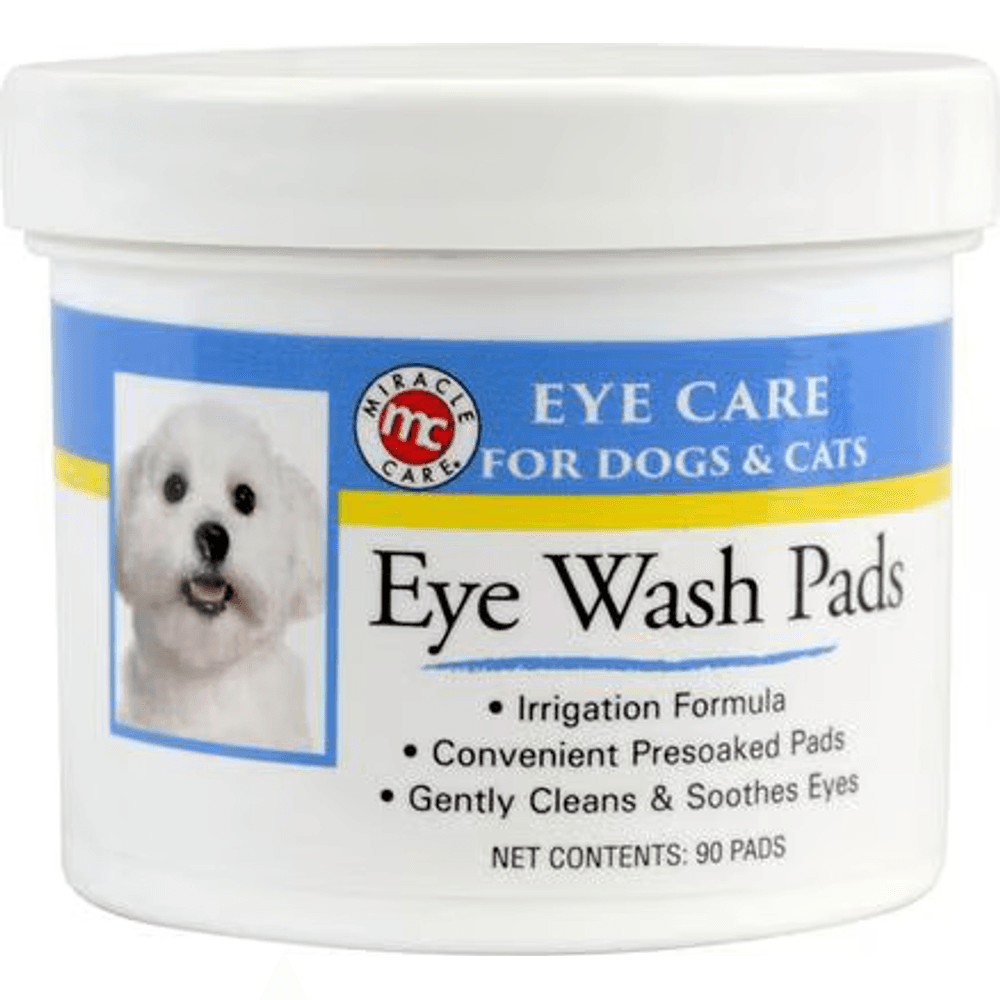
Presoaked sterile pads that gently wipe away everyday debris, discharge, and tear stains from around a dog's or cat's eyes as part of routine grooming. An easy way to keep the eye area clean and comfortable between baths.
Webvet may earn a commission when you click through to Chewy, at no extra cost to you.
Step by step
- Wash your hands, then have your dog sit or lie in a relaxed position with good light.
- Dampen a cotton ball or the corner of a lint-free cloth with warm (not hot) water or pet-safe sterile saline.
- Hold your dog's head steady, approach from the side or from behind rather than straight at the face, and wipe from the inner corner outward.
- Use a fresh cotton ball or a clean section of cloth for the second eye so you never move debris or bacteria from one eye to the other.
- For crust, hold the warm damp cloth against it for 10 to 15 seconds to soften it, then wipe it away gently.
- Dry the surrounding fur with a soft towel, and reward your dog.
The American College of Veterinary Ophthalmologists offers general guidance on cleaning a pet's eyes, and the core principles are the same across dogs: gentle, outward wipes, fresh material per eye, and no harsh products.
How to clean dog under eyes and around the eyes
The skin under and around the eyes traps moisture, dried tears, and food or dust. Wipe this area with a damp cloth in short, gentle strokes, then pat it dry, because a damp fold is where yeast and bacteria grow. In long-coated or wrinkled dogs, this under-eye zone often needs daily attention.
What You Need: Eye Wash, Wipes, and Saline (and What to Avoid)
The safest tools are the simplest ones: warm water, plain pet-safe sterile saline, fresh cotton balls, and a soft lint-free cloth. A dog-safe eye wash or plain sterile saline (the kind with no added cleansers beyond the basic buffer) can be used to flush out dust or a loose hair.
Pre-moistened dog eye wipes are convenient for tear-stain fur, but they are for the skin and coat around the eye, not for squirting into the eye itself.
Is human saline safe, and can I flush my dog's eye with water?
Plain sterile saline (0.9% sodium chloride) sold for rinsing eyes is generally safe to flush a dog's eye, and many vets keep it on hand.
The product to avoid is contact-lens solution, which often contains cleansers and disinfectants meant for lenses, not eyes. If you only have clean lukewarm tap water, you can use it to flush an irritant in a pinch, but sterile saline is preferred. If flushing does not fix the problem quickly, call your vet.
To flush an eye, tilt your dog's head slightly so the affected eye is a little lower, hold the saline an inch or two above the inner corner, and let a gentle stream run across the surface toward the outer corner.
Do not touch the bottle tip to the eye, and do not aim a hard jet at the cornea. A short, steady flush is enough to move out dust, pollen, or a loose eyelash.
If you can see something embedded, stuck under the lid, or scratching the eye, do not keep flushing at home; that is a vet visit.
One more note on eye wash labels: an "antimicrobial" or "antibacterial" dog eye wash is still a cleansing rinse, not a treatment for infection. It does not replace prescription eye drops. If your dog truly has an eye infection, only your vet can confirm it and dispense the right medication.


Presoaked wipes that gently clean the fur and skin around a dog's or cat's eyes, lifting away tear stains, discharge, and daily debris as part of routine grooming. A quick, no-rinse way to keep the eye area clean and tidy between baths.
Webvet may earn a commission when you click through to Chewy, at no extra cost to you.
What to avoid near the eye
- Human contact-lens solution, eye drops, or any medicated eye product not prescribed for your dog.
- Hydrogen peroxide, rubbing alcohol, and soap or shampoo, which burn the surface of the eye.
- Vinegar, baby oil, and home tear-stain concoctions applied to the eyeball.
- Cotton swabs poked toward the eye and sharp-tipped scissors used near the lids.
For trimming stray hairs that poke the eye, use blunt-nose (rounded-tip) scissors or a fine dog eye comb, and only if your dog holds still. If hair regularly irritates the eye, ask your groomer or vet to shape it safely.
 Sponsored
Vet care that's always there
Unlimited video calls and messaging with licensed vets for less than a typical vet visit. One membership covers up to five pets.
Use code Pets30
Plans start at $11/month · covers up to 5 pets
- Licensed vets in most states
- Rx for 150+ conditions
- 4.7 on Trustpilot
How to Remove Crusty Eye Boogers and Sleep Gunk
To remove crusty dog eye boogers, soften them first. Hold a warm, damp cloth or cotton ball against the crust for 10 to 15 seconds, then wipe it away with a gentle outward stroke. Never pick, pull, or scrape dried crust, because it can be stuck to the skin and tugging it hurts.
A small amount of crust in the inner corners after sleep is normal in most dogs. It is the same tear-and-debris mix humans get overnight, and wiping it away daily keeps the area comfortable and clean.
Goopy, matted, and stubborn buildup
For goopy or matted eyes, repeat the warm-compress-then-wipe step a few times rather than forcing it in one pass. If fur is matted with dried discharge, moisten it thoroughly and tease it apart with your fingers or a fine comb; do not cut mats out close to the eye with pointed scissors.
Should you wipe away eye boogers at all? Yes, gentle daily wiping of normal crust is good hygiene and helps prevent staining and skin irritation. What you should not do is aggressively remove thick, colored, or increasing discharge and assume the problem is solved; that pattern needs a vet.
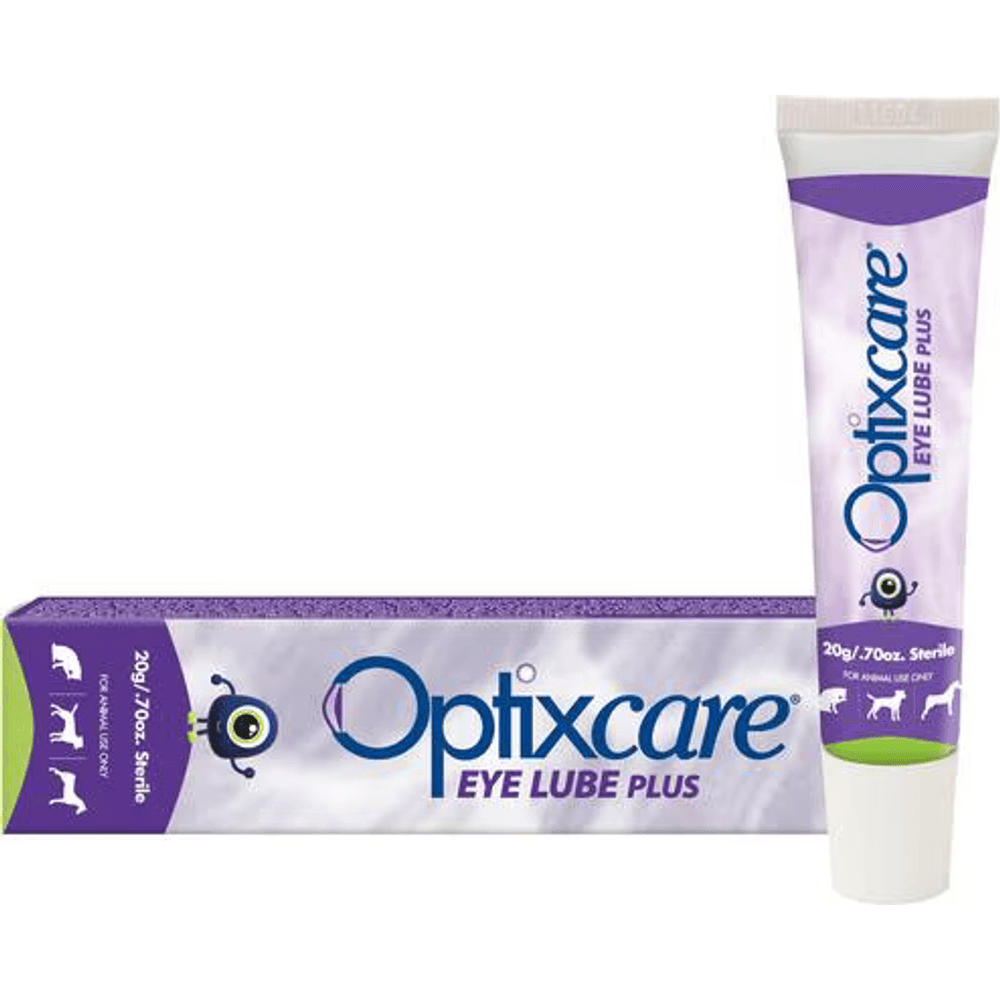
A sterile lubricating gel that soothes and moisturizes dry, irritated eyes and helps support the tear film in dogs and cats prone to dryness. A gentle, vet-shelf staple for everyday eye comfort.
Webvet may earn a commission when you click through to Chewy, at no extra cost to you.
Cleaning Tear Stains and the Brown Marks Around the Eyes
Those reddish-brown tear stains come from porphyrins, natural pigments in tears that oxidize and darken the fur when the area stays wet. To clean tear stains, wipe the stained fur daily with a warm damp cloth or a pet-safe tear-stain wipe, and keep the area dry afterward.
Consistency matters more than any single product, because you are managing ongoing tear wetting, not scrubbing out a stain in one go.
Tear staining has its own causes and long-term management, from tear-duct anatomy to diet and water quality. For a deeper walkthrough of why stains form and how to reduce them, see our full guide to dog tear stains.
How groomers get rid of tear stains
Groomers manage tear stains mechanically, not with harsh bleaches. They clip the stained fur very short with blunt-tip tools, clean the area with pet-safe wipes or a mild tear-stain solution made for the face, and keep the fur trimmed so tears wick away instead of pooling.
Reputable groomers do not use human hair bleach or dye near the eyes, and neither should you, because those products can severely damage the eye.

Preventing eye boogers and stains
- Wipe the eye area and dry the fur daily, especially in white or light-coated breeds.
- Keep the hair around the eyes trimmed so it does not wick tears onto the cheeks.
- Provide clean, fresh water and keep food bowls clean, since some staining tracks with what touches the face.
- Have a vet rule out blocked tear ducts, allergies, or ingrown lashes if staining suddenly worsens.
When Eye Discharge Means a Vet Visit (Not Just Cleaning)
Cleaning solves normal crust and tear staining, but colored, thick, or increasing discharge is a medical sign, not a grooming task. According to VCA's overview of eye discharge in dogs, the color and consistency of discharge, plus redness or squinting, help point to the cause. Yellow or green pus-like discharge often signals infection.
The Merck Veterinary Manual's review of eye disorders in dogs describes how conditions such as conjunctivitis, dry eye, corneal ulcers, and glaucoma can all cause discharge and discomfort. Because these look similar from the outside, a vet exam (not a home rinse) is what safely tells them apart.
You should not try to "clean" a suspected eye infection yourself with home remedies. Gently wiping away discharge to keep your dog comfortable on the way to the clinic is fine, but the infection itself needs a diagnosis and usually prescription medication.
| What You See | What It Often Means | What to Do |
|---|---|---|
| Small clear or light-brown crust in the corners | Normal tears and debris | Wipe gently at home; routine |
| Watery, clear overflow | Irritation, allergy, or a blocked tear duct | Clean and monitor; see a vet if it persists |
| Thick yellow or green discharge | Likely infection (bacterial) | See a vet; do not home-treat |
| Redness, swelling, or squinting | Inflammation, ulcer, or pain | Vet promptly; possible urgent |
| Cloudiness or a bluish film | Corneal problem or glaucoma | Vet urgently |
| Dark brown or black stain on fur | Oxidized tears (tear staining) | Cosmetic; wipe and manage |
| Sudden increase in tearing or wet fur | New irritation, allergy, or blocked duct | Clean, monitor, and book a vet check |
| Pawing at the eye or holding it shut | Pain, foreign body, or ulcer | Stop cleaning; see a vet urgently |
Not sure whether the black gunk or colored goop is normal? Our companion guide breaks down what unhealthy discharge looks like, including green and yellow dog eye discharge, so you can tell hygiene apart from a health problem.
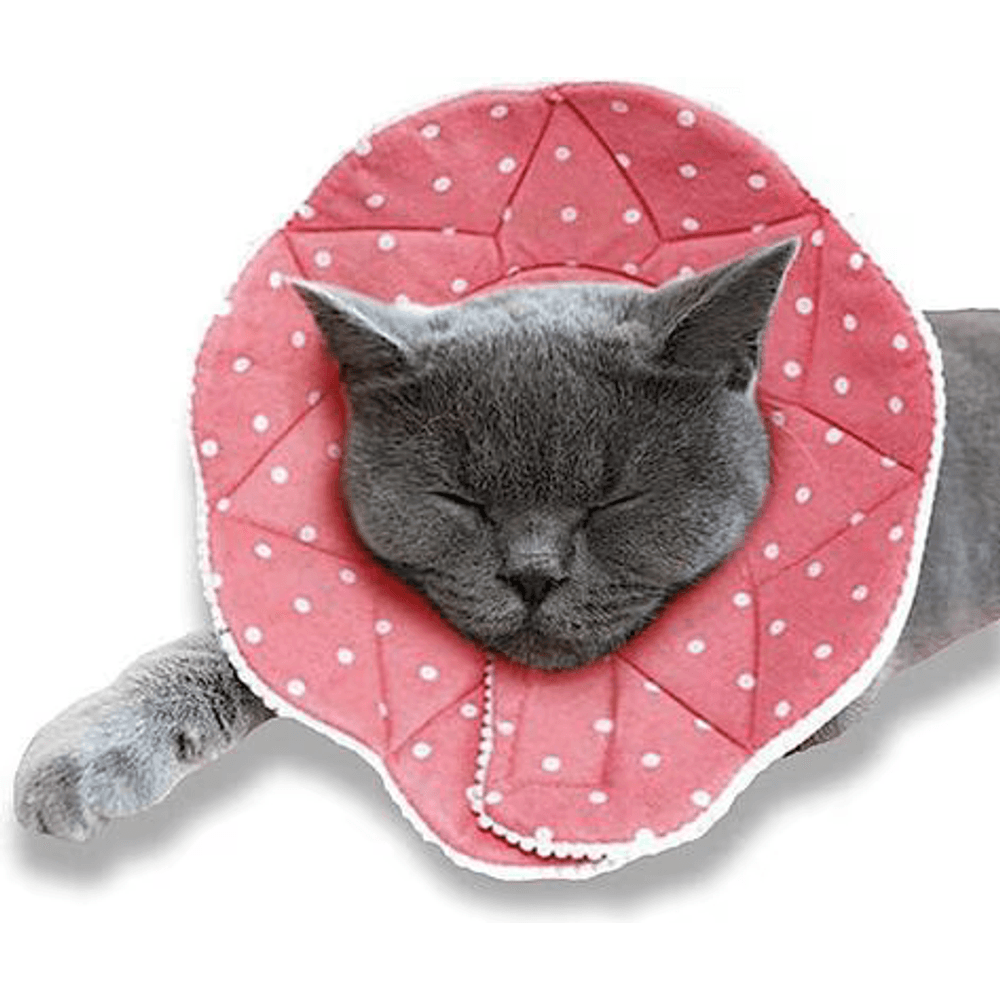
A lightweight, padded fabric cone that gently blocks a pet from pawing, scratching, or rubbing a healing eye, wound, or hot spot, and it is far softer and less stressful than a hard plastic cone.
Webvet may earn a commission when you click through to Chewy, at no extra cost to you.
Breed and Puppy Notes: Brachycephalic, Maltese, and White Coats
Some dogs need eye cleaning more often than others. Flat-faced (brachycephalic) breeds like Pugs, Bulldogs, Shih Tzus, and Boston Terriers have large, exposed eyes and shallow sockets, so they collect more debris and are more prone to irritation.
White and light-coated breeds like the Maltese, Bichon, and Poodle show tear staining vividly, so daily wiping keeps the face clean.
There is no single schedule that fits every dog. A short-faced dog with a nose fold may need a quick wipe once or twice a day, while a healthy long-nosed dog may only need a wipe every few days.
Let the amount of crust and moisture guide you rather than a fixed rule, and always dry the fur afterward so a damp fold does not turn into a skin infection.
Flat-faced breeds also deserve extra caution because their prominent eyes are easier to injure and their corneas are more exposed to drying and scratches.
If a brachycephalic dog suddenly squints, tears heavily, or keeps an eye closed, treat it as urgent rather than a cleaning problem, because corneal ulcers can develop and worsen fast in these breeds.
Cleaning a Maltese and other white-coated dogs' eyes
For a Maltese, wipe the inner corners and the tear-stain tracks once or twice daily with a warm damp cloth or a pet-safe facial wipe, then dry thoroughly. Keep the hair between the eyes trimmed short with blunt-tip scissors so tears do not wick down the muzzle.
The routine is gentle and cosmetic, but it makes a big visible difference on white fur.
Puppies benefit from being introduced to eye handling early and calmly, so cleaning becomes a stress-free habit. If a puppy has persistent goopy eyes, redness, or swelling, have the vet check for infection or an eyelid or lash problem rather than assuming it is just puppy gunk.
Related Reading
If your main concern is figuring out what is normal versus worrying, start with our pillar guide to dog eye discharge, which covers every common type of discharge and its likely cause.
For the specifics of daily gunk, see our guide to dog eye boogers, and if your dog's eyes water constantly, read up on dog watery eyes to find the cause.
And if you notice squinting, cloudiness, or obvious pain rather than simple gunk, learn the warning signs of a corneal ulcer in dogs, which is a painful surface injury that needs prompt veterinary treatment.
Frequently Asked Questions
Should I remove the gunk from my dog's eyes?
Yes, gently removing small amounts of normal crust or gunk is good daily hygiene. Soften it with a warm damp cloth for 10 to 15 seconds, then wipe from the inner corner outward.
If the gunk is thick, yellow-green, foul-smelling, or increasing, or if the eye is red or squinting, stop and see a vet instead of just wiping.
How do I clean the brown stuff around my dog's eyes?
The brown stuff is usually tear staining from oxidized tear pigments. Wipe the stained fur daily with a warm damp cloth or a pet-safe tear-stain wipe, then dry the area so it does not stay wet. Keeping the fur trimmed and the face dry reduces new staining over time; there is no instant fix.
How to get rid of gunky eyes in dogs?
For everyday gunky eyes, use the warm-compress-then-wipe method with warm water or pet-safe saline and a fresh cotton ball per eye. If the gunk keeps coming back thick or colored, that points to an underlying issue such as infection, allergy, or a blocked tear duct, which a vet should evaluate rather than repeated cleaning alone.
What is the black gunk in my dog's eyes?
Small amounts of dark brown or black crust in the corners are usually dried tears and debris (the same oxidized pigment that causes tear stains) and are typically harmless. Wipe it away gently. If the black material is accompanied by redness, swelling, discharge, or discomfort, have a vet check the eye.
What do unhealthy dog eye boogers look like?
Unhealthy discharge tends to be thick and pus-like, colored yellow or green, and often comes with redness, swelling, squinting, cloudiness, or a bad smell. Normal boogers are small, clear-to-light-brown, and cause no discomfort. Colored or increasing discharge with any sign of pain warrants a vet visit.
How do groomers get rid of tear stains?
Groomers manage tear stains by clipping the stained fur short with blunt-tip tools, cleaning the area with pet-safe facial wipes or a mild tear-stain solution, and keeping the hair trimmed so tears wick away. They do not use human hair bleach or dye near the eyes, which is unsafe.
What do groomers use to get rid of tear stains?
Reputable groomers use pet-safe tear-stain wipes or solutions formulated for the face, blunt-nose scissors or clippers, and fine combs. The emphasis is on trimming and keeping the area clean and dry, not on harsh whitening products, which can damage the eye.
Should I wipe away my dog's eye boogers?
Yes. Wiping away normal eye boogers daily keeps your dog comfortable and helps prevent staining and skin irritation. Use a warm damp cloth or fresh cotton ball, wiping outward from the inner corner. Just do not treat colored, thick, or worsening discharge as a purely cosmetic issue, because that needs veterinary attention.

Editor
The Webvet Editorial Team is the in-house group of pet-care editors and writers behind Webvet, operated by Smart Pet Collective. The team researches, writes, and maintains Webvet's pet health, behavior, and medication content. Every article follows a defined editorial process: research from reputable veterinary and scientific sources, careful drafting, mandatory review of medical content by a credentialed veterinarian, and dated publication. Health and medication articles are medically reviewed by a licensed veterinary professional before they go live and are kept current over time.
Veterinarian · BVMS MRCVS
Dr. Pippa Elliott, BVMS, MRCVS, is a veterinarian with nearly 30 years of experience in companion animal practice. Dr. Elliott earned her Bachelor of Veterinary Medicine and Surgery from the University of Glasgow. She was also designated a Member of the Royal College of Veterinary Surgeons. Married with 2 grown-up kids, Dr. Elliott has a naughty Puggle named Poggle, 3 cats and a bearded dragon.
Related reading

FIP in Cats: Symptoms, Diagnosis, and Current Treatment Options

Feline Calicivirus: Symptoms, Treatment, and Managing Multiple Cats

Panleukopenia in Cats: Symptoms, Treatment, and Household Precautions
