Dog Eye Boogers: Causes, Colors & When to Worry
Are your dog's eye boogers normal morning crust or a warning sign? A vet-reviewed guide to what the colors mean, how to clean them safely, and the exact signs that mean it is time to call your vet.

BVMS MRCVS
Medically reviewed by Dr. Pippa Elliott, BVMS MRCVS · Last reviewed

This article contains affiliate links. Webvet may earn a commission when you buy through them, at no extra cost to you.
Dog eye boogers are the normal buildup of dried tears, mucus, oil, and dust that collects in the corner of your dog's eyes, especially overnight.
A small amount of clear or rusty-brown crust in the morning is usually harmless, but yellow or green discharge, thick white gunk, redness, squinting, or a swollen eye can signal infection, allergies, or an eye condition that needs a vet.
This guide walks you through what is normal, what is not, and exactly how to clean and manage it safely.
- 1A little clear or reddish-brown crust in the corner of the eye each morning is typically normal for most dogs.
- 2Yellow or green pus-like discharge often means infection or conjunctivitis and warrants a vet visit.
- 3Thick, gray, ropy mucus can point to dry eye (KCS), a condition that needs veterinary treatment to protect vision.
- 4Sudden squinting, pawing, redness, cloudiness, or a held-shut eye is a same-day emergency, not a booger.
- 5Clean gently with a warm, damp cloth or vet-approved eye wipes; never use human eye drops or leftover medications.
 Sponsored
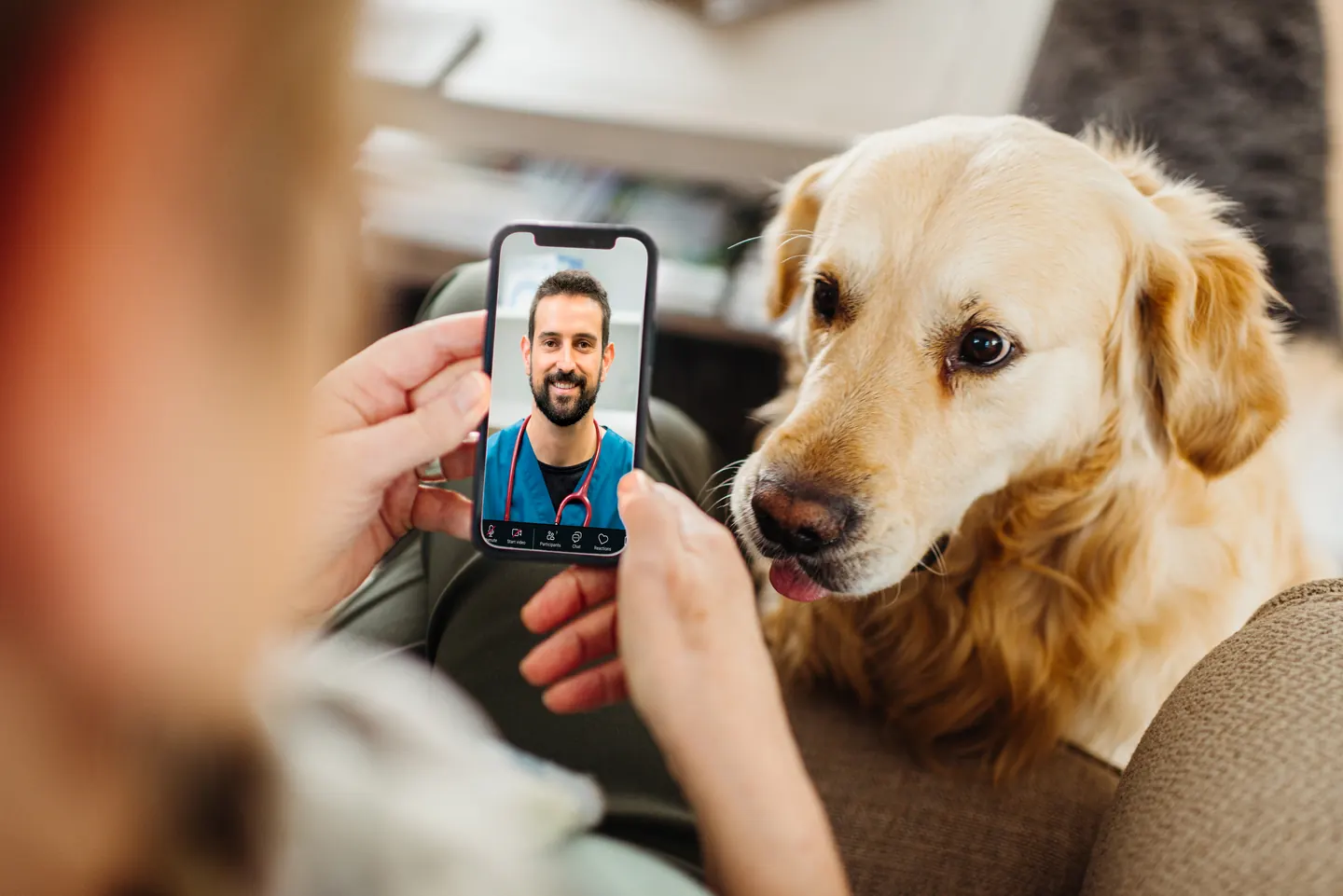
Have a health question about your dog?
Talk to a licensed vet at Dutch over video or message, including nights and weekends.
Use code Pets30
Plans start at $11/month · covers up to 5 pets
- Licensed vets in most states
- Rx for 150+ conditions
- 4.7 on Trustpilot
What Are Dog Eye Boogers? (Normal Morning Crust Explained)
Dog eye boogers are the crust or goop that forms in the inner corner of the eye when tears, mucus, oil, dead cells, and airborne dust dry together.
Tears are constantly produced to keep the eye moist, and any excess normally drains through tiny tear ducts into the nose. When some of that fluid pools and dries at the corner of the eye instead, you get the little crusty clump owners call a booger.
So why do dogs get eye boogers, and why does your dog have eye boogers every morning? During sleep, dogs blink less and tears are not being wiped away, so the mixture of tears and mucus collects and dries overnight.
This is why a dog with eye boogers tends to have the most crust first thing in the morning. A small, symmetrical amount in both eyes is one of the most common and least worrying findings in canine eye care.

Presoaked wipes that gently clean the fur and skin around a dog's or cat's eyes, lifting away tear stains, discharge, and daily debris as part of routine grooming. A quick, no-rinse way to keep the eye area clean and tidy between baths.
Webvet may earn a commission when you click through to Chewy, at no extra cost to you.
What normal dog eye boogers look like
Normal dog eye boogers are usually small, dry, and either clear, pale, or a rusty reddish-brown color.
That reddish tint comes from porphyrins, natural pigments in tears that turn brown when exposed to air. According to the VCA Animal Hospitals, a small amount of clear or slightly colored discharge can be normal, while a change in amount or color is what deserves attention.

Some breeds naturally produce more crust than others. Flat-faced (brachycephalic) breeds like Pugs, Bulldogs, and Shih Tzus have shallow eye sockets and prominent eyes, and long-haired breeds can trap more debris around the eye.
For these dogs, a bit more morning crust can be their normal baseline. The key is knowing what is typical for your individual dog so you can spot a change.
Normal vs. Abnormal: Reading the Color and Texture
The color and texture of the discharge is the single most useful clue to whether your dog's eye boogers are normal or a problem. Clear or reddish-brown, dry, and small usually means normal tear buildup.
Yellow or green, wet, and pus-like usually means infection or conjunctivitis. Thick, gray, and ropy can mean dry eye. Use the guide below as a starting point, not a diagnosis.
| Color / Texture | What It Often Means | What To Do |
|---|---|---|
| Clear or reddish-brown, small, dry | Normal tear and porphyrin buildup | Wipe gently; monitor |
| Watery and clear, but excessive | Allergies, irritation, early tear-duct blockage, wind or dust | Monitor; vet if persistent or one-sided |
| Yellow eye boogers or green discharge, sticky | Bacterial infection or conjunctivitis (pink eye) | Vet visit, usually within a day or two |
| Thick white or gray, ropy mucus | Possible dry eye (KCS) or chronic irritation | Vet visit; dry eye needs treatment to protect vision |
| Black or very dark, dry, one eye | Often dried blood or trapped debris; sometimes a wound | Vet if it recurs, smells, or comes with redness |
| Sudden, heavy, one-sided discharge in an outdoor dog | Possible foreign body such as a grass seed or awn behind the lid | Same-day vet; do not try to fish it out yourself |
| Mild crust in a young puppy, both eyes, otherwise bright | Usually normal, as puppies adjust to a dusty world | Wipe gently; vet if it turns colored or the eye stays shut |
| Any discharge with redness, squinting, or pain | Possible ulcer, glaucoma, or foreign body | Same-day vet or emergency clinic |
Yellow and green dog eye boogers
When your dog has yellow eye boogers or green eye boogers, that pus-like appearance suggests white blood cells fighting an infection. The Merck Veterinary Manual notes that a mucopurulent (mucus-plus-pus) discharge is a classic sign of conjunctivitis and other eye infections in dogs.
Yellow-green discharge, particularly if it is sticky or keeps returning after you wipe it, is a reason to book a vet appointment rather than treat at home. We cover color-specific discharge in more depth in our sibling guide.
For a full breakdown of what yellow-green tinted discharge means and when it is urgent, see our detailed guide to yellow and green dog eye discharge.
Thick white eye discharge in dogs
Thick white or gray, stringy mucus is different from yellow-green pus.
This ropy discharge can be a sign of keratoconjunctivitis sicca (KCS), also called dry eye, where the eye does not make enough tears and produces extra mucus to compensate. Dry eye is uncomfortable and, left untreated, can damage the cornea, so persistent thick white discharge deserves a veterinary tear-production test rather than home management.
Vets confirm dry eye with a quick, painless Schirmer tear test that measures how many tears each eye makes in a minute.
It takes seconds in the exam room and tells your vet whether the thick mucus is from low tear production. Because untreated dry eye can scar the cornea and reduce vision over time, catching it early with that simple test genuinely matters.
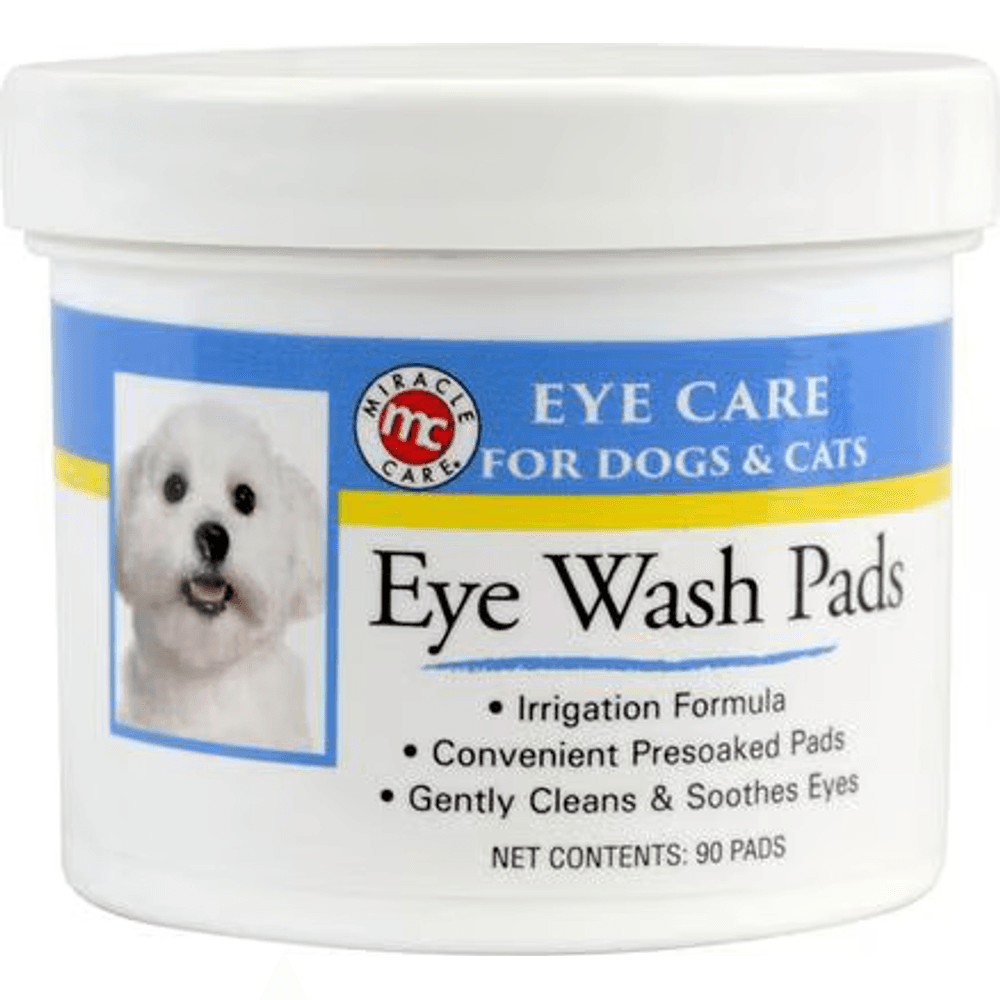
Presoaked sterile pads that gently wipe away everyday debris, discharge, and tear stains from around a dog's or cat's eyes as part of routine grooming. An easy way to keep the eye area clean and comfortable between baths.
Webvet may earn a commission when you click through to Chewy, at no extra cost to you.
Black dog eye boogers
Black or very dark eye boogers are often just crust that has oxidized and darkened, or dried porphyrin-stained tears mixed with dust. Occasionally dark discharge in one eye can contain a little dried blood from irritation or a minor scratch.
If black boogers appear in only one eye, keep returning, smell bad, or come with redness or squinting, have a vet look at the eye.
Truly black, tarry, or bloody discharge is not typical morning crust and should never be scrubbed at home.
Blood in the discharge can follow trauma, a foreign body, or a clotting problem, so it is worth a same-day look rather than guesswork. When in doubt about a dark, one-sided, or bloody discharge, let your vet examine the eye.
 Sponsored
Vet care that's always there
Unlimited video calls and messaging with licensed vets for less than a typical vet visit. One membership covers up to five pets.
Use code Pets30
Plans start at $11/month · covers up to 5 pets
- Licensed vets in most states
- Rx for 150+ conditions
- 4.7 on Trustpilot
Why Does My Dog Have So Many Eye Boogers? (Common Causes)
If you are wondering why your dog always has eye boogers or keeps getting them, the answer is usually one of a handful of common causes: normal breed anatomy, allergies, minor irritation, tear-duct issues, or a low-grade infection.
Excessive eye boogers that are clear and mild often trace back to environment and anatomy, while colored or one-sided discharge points more toward a medical cause.

Allergies
Allergies are a leading reason for dog eye boogers, especially watery, clear discharge that flares seasonally. Pollen, dust, mold, smoke, and even some cleaning products can irritate the eyes and trigger extra tearing.
Dogs with environmental allergies often also have itchy skin, ear issues, or face-rubbing. If you suspect allergies, your vet can help identify triggers and recommend safe management rather than you guessing at treatments.
Anatomy and breed
Brachycephalic breeds with bulging eyes and shallow sockets are prone to extra discharge because their eyes are more exposed and their tear drainage is less efficient.
Some dogs also have entropion (eyelids that roll inward) or distichiasis (extra lashes) that rub the eye and drive up tear production. These structural issues are worth a vet exam because they can be corrected.
Blocked tear ducts and tear stains
When tear ducts are narrow or blocked, tears overflow onto the face instead of draining, causing wetness and the reddish-brown streaks known as tear stains.
This overflow can also mean more crust at the eye corners. If tear staining is your main concern, our guide to dog tear stains covers causes and safe cleanup in detail.
Infection and irritation
Bacterial or viral conjunctivitis, foreign material like grass seeds, and minor scratches can all increase discharge. These causes tend to produce colored, sticky, or one-sided boogers and are often paired with redness or squinting. When irritation is the driver, the underlying problem needs treatment, and the discharge clears once the cause is addressed.
Age: puppies and senior dogs
Age changes what is normal. Puppies often have a little extra crust as they get used to a dusty, pollen-filled world, and mild, clear, symmetrical buildup in a bright, playful puppy is usually nothing to fear.
Watch instead for a puppy that holds an eye shut, has thick colored discharge, or rubs constantly, which points to infection or an eyelid problem.
Senior dogs are a different story. Older dogs are more likely to develop dry eye, and cloudiness in an aging eye may be lens hardening (nuclear sclerosis) or a true cataract.
If an older dog develops new or increasing discharge, especially with any cloudiness or squinting, treat it as a reason for a vet exam rather than assuming it is just age.
One eye vs. both eyes
Which eye is affected is one of the most useful clues you can give your vet. Buildup in both eyes, in equal amounts, usually reflects a whole-body or environmental cause such as breed anatomy, allergies, or dusty air.
Discharge in only one eye is more suspicious, because it often means a local problem in that single eye.
One-sided causes include a foreign body trapped behind the lid, a scratch or ulcer on the surface, a blocked tear duct on that side, or a local infection.
If one eye suddenly produces far more discharge than the other, or looks red or sore while the other looks fine, that asymmetry is worth a same-day call rather than a wait-and-see.

A sterile lubricating gel that soothes and moisturizes dry, irritated eyes and helps support the tear film in dogs and cats prone to dryness. A gentle, vet-shelf staple for everyday eye comfort.
Webvet may earn a commission when you click through to Chewy, at no extra cost to you.
Eye Boogers vs. Tear Stains vs. Eye Discharge: Telling Them Apart
Owners often mix up three related things: eye boogers, tear stains, and eye discharge. They overlap, but knowing the difference helps you describe the problem accurately and decide how urgent it is. All three come back to the tear film, yet each points your attention somewhere slightly different.
Eye boogers are the dried crust that collects at the inner corner, mostly overnight, when tears and mucus dry together. They are a texture, not a diagnosis. A small, dry, symmetrical amount is the everyday normal that most of this guide is about, and gentle daily wiping is usually all it needs.
Tear stains are the reddish-brown streaks that run down the fur below the eye when tears overflow onto the face instead of draining.
They are a staining pattern driven by porphyrins in the tears, most visible on light-colored coats, and they say more about tear overflow than about infection. If staining is your main worry, our dog tear stains guide goes deeper.
Eye discharge is the broad umbrella term for anything coming out of the eye, from clear watering to yellow-green pus to thick gray mucus. It is the category that matters most medically, because its color and texture are what separate a harmless morning crust from an infection or dry eye.
When people ask about eye boogers, what they usually need is a way to read that discharge, which is exactly what the color guide above is for.
- 1Eye boogers = the dried crust in the corner; usually normal in small, symmetrical amounts.
- 2Tear stains = reddish-brown fur streaks from overflowing, porphyrin-rich tears.
- 3Eye discharge = the umbrella term whose color and texture tell you whether to worry.
- 4The single most useful thing you can tell your vet is one eye or both, and what color.
When Should I Worry About Dog Eye Boogers? Signs That Mean a Vet Visit
You should worry about dog eye boogers when the discharge changes color to yellow or green, becomes thick and ropy, appears in only one eye, or comes with any sign of pain or irritation. Normal is small, symmetrical, and stable. Anything sudden, one-sided, colored, or painful is a reason to call your vet.
- Yellow or green pus-like discharge that keeps coming back
- Thick, gray, ropy mucus (possible dry eye)
- Redness of the white of the eye or the inner lids
- Squinting, blinking a lot, or holding the eye shut
- Pawing or rubbing the eye on furniture or carpet
- A cloudy, blue, or hazy look to the surface of the eye
- Swelling around the eye or a bulging eyeball
- Discharge in only one eye that is not clearing
Persistent watery or colored discharge tied to allergies also deserves a vet's input, because chronic eye irritation is uncomfortable and can lead to secondary infection.
When in doubt, a quick exam is cheap insurance for your dog's vision. The American College of Veterinary Ophthalmologists is the specialty body behind board-certified veterinary eye doctors your vet can refer you to for stubborn or serious eye disease.
If your dog's discharge is accompanied by squinting, cloudiness, or pain, an ulcer on the surface of the eye is possible. Learn what these look like in our guide to dog eye ulcer pictures and what to expect from dog eye ulcer treatment.
How to Clean and Remove Dog Eye Boogers Safely
The safest way to clean dog eye boogers is to soften them with a warm, damp cloth and gently wipe outward from the inner corner, using a fresh section of cloth for each eye.
Never pick at dry crust or poke anything into the eye. Done gently, daily wiping keeps the area comfortable and lets you spot changes early.

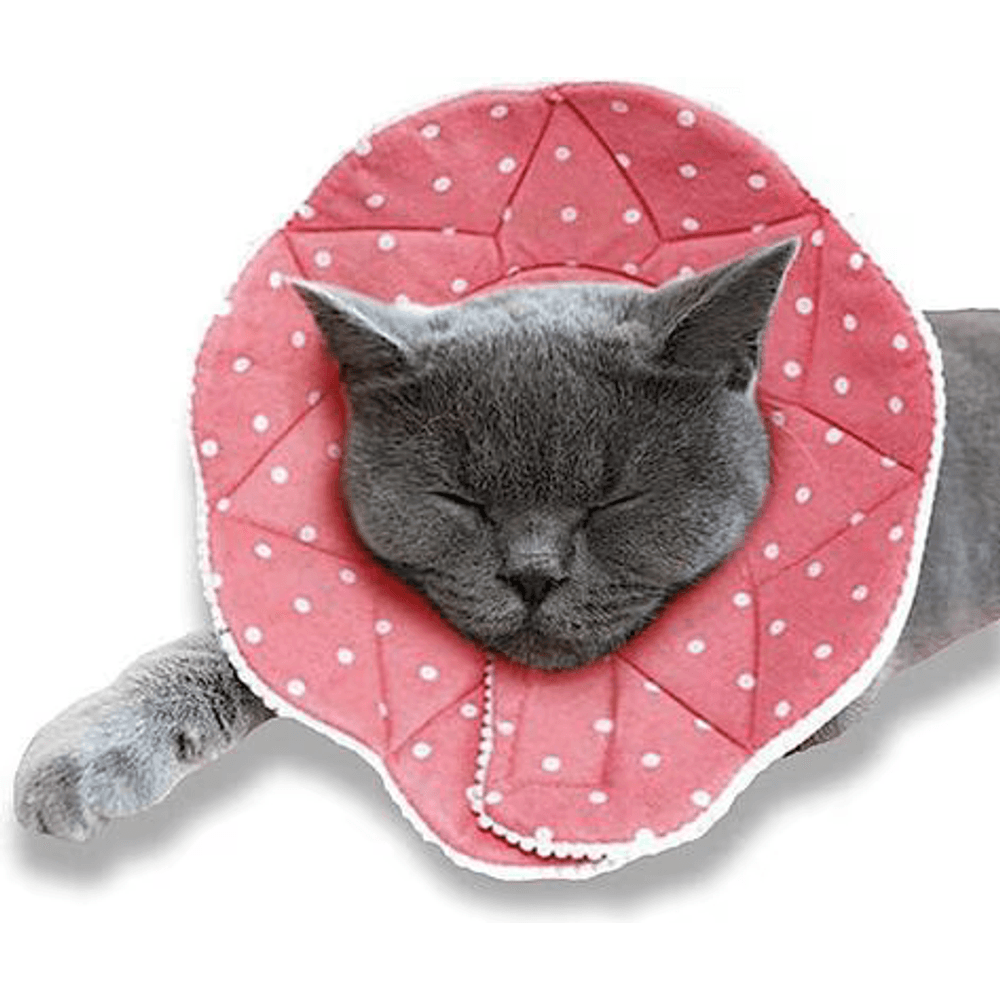
A lightweight, padded fabric cone that gently blocks a pet from pawing, scratching, or rubbing a healing eye, wound, or hot spot, and it is far softer and less stressful than a hard plastic cone.
Webvet may earn a commission when you click through to Chewy, at no extra cost to you.
Step-by-step: how to remove dog eye boogers
- Wash your hands and gather a soft, clean cloth or gauze and lukewarm water.
- Dampen the cloth with warm (not hot) water and hold it against the crust for a few seconds to soften it.
- Wipe gently from the inner corner outward, away from the eyeball, never scrubbing.
- Use a separate clean section or a fresh cloth for the second eye to avoid spreading any infection.
- For long-haired breeds, keep the hair around the eyes trimmed by a groomer so debris does not build up.
- Reward your dog so face-handling stays a positive, low-stress routine.
A vet-formulated dog eye wash or pre-moistened eye wipe labeled for dogs is a good option for a dog eye boogers cleaner. Choose plain, fragrance-free products made for the eye area. For a fuller routine, including tools and technique, see our step-by-step guide on how to clean dog eyes.
Home Remedies and Treatment (With Vet Guardrails)
Home care for dog eye boogers is supportive only: gentle warm-compress cleaning, keeping the face and eye hair trimmed, reducing dust and allergens, and monitoring for changes.
There is no safe home remedy that treats an actual eye infection, ulcer, or dry eye. Colored discharge, pain, or a discharge that will not clear needs a vet, not a home fix.
Safe supportive home care
- Warm compresses to soften and lift crust, followed by gentle wiping.
- Sterile saline eye rinse made for pets to flush out dust, if your vet approves it for your dog.
- Keeping bedding, floors, and the home low-dust to reduce irritants.
- Regular grooming so hair does not poke or trap debris around the eyes.
For yellow, green, or thick white discharge home remedy searches, the honest answer is that there is no home remedy that safely resolves these. Colored or pus-like discharge usually means infection or dry eye that needs prescription treatment.
The AVMA advises pet owners to work with a veterinarian rather than self-treating eye problems, because the wrong treatment can worsen a serious condition. Think of home care as keeping the eye clean and comfortable while you get professional guidance, not as a cure.
If your dog also has watery, runny eyes without much crust, our guide to dog watery eyes explains the tearing side of the picture.
How to Prevent Eye Boogers (Brachycephalic and Long-Haired Breeds)
You cannot stop dog eye boogers entirely, because some tear-and-mucus buildup is normal, but you can keep them minimal and prevent them from turning into a problem.
Consistent gentle cleaning, grooming, allergen control, and prompt vet care for any color change do most of the work. Flat-faced and long-haired breeds simply need a bit more daily attention.

- Wipe the eye corners daily with a warm damp cloth or dog eye wipe to keep crust from hardening.
- Keep facial hair and lashes trimmed by a groomer, especially for Shih Tzus, Maltese, and Poodles.
- For brachycephalic breeds, clean skin folds near the eyes and keep them dry to prevent irritation.
- Reduce household dust, smoke, and strong fragrances that trigger tearing.
- Ask your vet about entropion or extra-lash correction if your dog's eyes are chronically irritated.
- Keep up with routine wellness exams so eye issues are caught early.
If your dog keeps getting eye boogers despite good hygiene, that pattern itself is worth a vet conversation.
A recurring problem often has a fixable underlying cause like a tear-duct issue, an eyelid abnormality, or a low-grade infection. The Cornell Riney Canine Health Center is a reliable, owner-friendly resource for understanding canine eye health from a veterinary-academic source.
Related: The Full Guide to Dog Eye Discharge
Eye boogers are one slice of the broader topic of dog eye discharge, which ranges from clear watering to yellow-green pus and thick mucus.
If you want the complete picture of every discharge type, its causes, and safe home care versus red-flag signs, our pillar guide covers it in full. This spoke focuses on the everyday morning-crust question so the pillar can go deep on the medical detail.
Read the complete overview in our guide to dog eye discharge, which links out to color-specific and condition-specific articles across the cluster.
Frequently Asked Questions
When should I worry about my dog's eye boogers?
Worry when the discharge turns yellow or green, becomes thick and ropy, appears in only one eye, or comes with redness, squinting, cloudiness, swelling, or pawing at the eye. These signs point to infection, dry eye, an ulcer, or another condition that needs veterinary care.
A small amount of clear or reddish-brown crust in both eyes each morning is usually normal and not a cause for concern.
How do I treat my dog's eye boogers?
For normal boogers, treatment is simply gentle cleaning: soften the crust with a warm, damp cloth and wipe outward from the inner corner, using a fresh cloth section for each eye. If the discharge is colored, painful, or persistent, that is not something to treat at home.
See your veterinarian, who can diagnose the cause and prescribe the right medication. Never use human eye drops or leftover prescriptions.
Are you supposed to clean your dog's eye boogers?
Yes. Gently cleaning away eye boogers keeps the area comfortable, prevents crust from matting into the fur, and gives you a daily chance to notice any change in color or amount. Use a warm damp cloth or a dog-safe eye wipe and wipe softly away from the eyeball.
Just avoid picking at dry crust or using any human or homemade products near the eye.
How do you clear a dog's gunky eye?
Soften the gunk with a warm, damp cloth held against the eye corner for a few seconds, then wipe gently outward. A sterile pet eye rinse can help flush loose debris if your vet approves it.
If the eye is producing a lot of thick, colored, or sticky discharge, or looks red or painful, stop home cleaning and have a vet examine it, since that gunk often signals infection or dry eye.
Should I wipe away my dog's eye boogers?
Yes, wiping away normal eye boogers with a soft, warm, damp cloth is a good daily habit. It keeps the fur clean, reduces the chance of skin irritation around the eye, and helps you catch problems early.
Wipe gently from the inner corner outward and never rub the eyeball itself. If the discharge is heavy, colored, or the eye seems sore, wipe less and call your vet instead.
What are signs your dog is going to pass away?
Eye boogers on their own are not a sign that a dog is dying. Signs that a dog may be near the end of life are broader and serious: refusing food and water, extreme weakness or inability to stand, labored breathing, disinterest in surroundings, incontinence, and significant pain.
These are reasons to see a veterinarian urgently for evaluation and comfort care. If you are worried about your dog's overall condition, please contact your vet right away.
When should I worry about dog eye boogers?
Be concerned if eye boogers change color to yellow or green, become thick and gray or ropy, show up in just one eye, or come alongside redness, squinting, cloudiness, swelling, or signs of pain. Any sudden or one-sided change deserves a vet visit.
Normal, stable, symmetrical morning crust that is clear or reddish-brown is generally fine to simply wipe away and monitor.
Why does my dog get eye boogers in only one eye?
Buildup in one eye only is more concerning than symmetrical crust in both, because it usually points to a local problem in that eye rather than a whole-body cause. Common reasons include a foreign body such as a grass seed trapped behind the lid, a scratch or ulcer on the surface, a blocked tear duct on that side, or a localized infection.
If one eye keeps producing more discharge than the other, or looks red or sore, have your vet examine it rather than waiting.
Can I use a warm compress on my dog's eye every day?
Yes. A clean, warm (not hot) damp compress held gently against the eye corner for a few seconds to soften crust is safe to use daily, and it is one of the best routines for flat-faced and long-haired breeds.
Use a fresh cloth or a separate section for each eye, wipe outward away from the eyeball, and never press hard or hold the eye open. If the eye is red, painful, or producing colored discharge, stop and call your vet, because a compress soothes crust but does not treat an infection or ulcer.

Editor
The Webvet Editorial Team is the in-house group of pet-care editors and writers behind Webvet, operated by Smart Pet Collective. The team researches, writes, and maintains Webvet's pet health, behavior, and medication content. Every article follows a defined editorial process: research from reputable veterinary and scientific sources, careful drafting, mandatory review of medical content by a credentialed veterinarian, and dated publication. Health and medication articles are medically reviewed by a licensed veterinary professional before they go live and are kept current over time.
Veterinarian · BVMS MRCVS
Dr. Pippa Elliott, BVMS, MRCVS, is a veterinarian with nearly 30 years of experience in companion animal practice. Dr. Elliott earned her Bachelor of Veterinary Medicine and Surgery from the University of Glasgow. She was also designated a Member of the Royal College of Veterinary Surgeons. Married with 2 grown-up kids, Dr. Elliott has a naughty Puggle named Poggle, 3 cats and a bearded dragon.
Related reading

FIP in Cats: Symptoms, Diagnosis, and Current Treatment Options

Feline Calicivirus: Symptoms, Treatment, and Managing Multiple Cats

Panleukopenia in Cats: Symptoms, Treatment, and Household Precautions
