Dog Tear Stains: Causes, Cleaning & Prevention
Dog tear stains are reddish-brown porphyrin marks from excess tearing. Learn what causes them, how to safely clean and prevent them, and the red flags that mean it is time to see a vet.

BVMS MRCVS
Medically reviewed by Dr. Pippa Elliott, BVMS MRCVS · Last reviewed

This article contains affiliate links. Webvet may earn a commission when you buy through them, at no extra cost to you.
Dog tear stains are the reddish-brown or rusty marks that appear in the fur below a dog's eyes. They are caused by porphyrins, iron-rich pigment molecules in tears and saliva that oxidize and turn a brown-red color when they sit on light fur and are exposed to air.
In most dogs the stains are a cosmetic issue tied to excess tearing (epiphora). But a sudden, worsening, or one-sided stain can signal a real eye problem that needs a vet.
- 1Tear stains are porphyrin pigment (iron-rich) from tears oxidizing on light fur; they are usually cosmetic, not a disease.
- 2Excess tearing has many causes: shallow eye sockets, blocked tear ducts, allergies, ingrown lashes, teething, and irritation.
- 3A stain that appears suddenly, worsens fast, is only on one side, or comes with squinting, redness, or discharge needs a vet, not a home remedy.
- 4Safe cleaning means daily gentle wiping with warm water or a vet-approved wipe; keep bleach, hydrogen peroxide, and human products away from the eye.
- 5Diet, fresh water, and good facial hygiene help prevent stains, but they will not erase an underlying medical cause.
 Sponsored
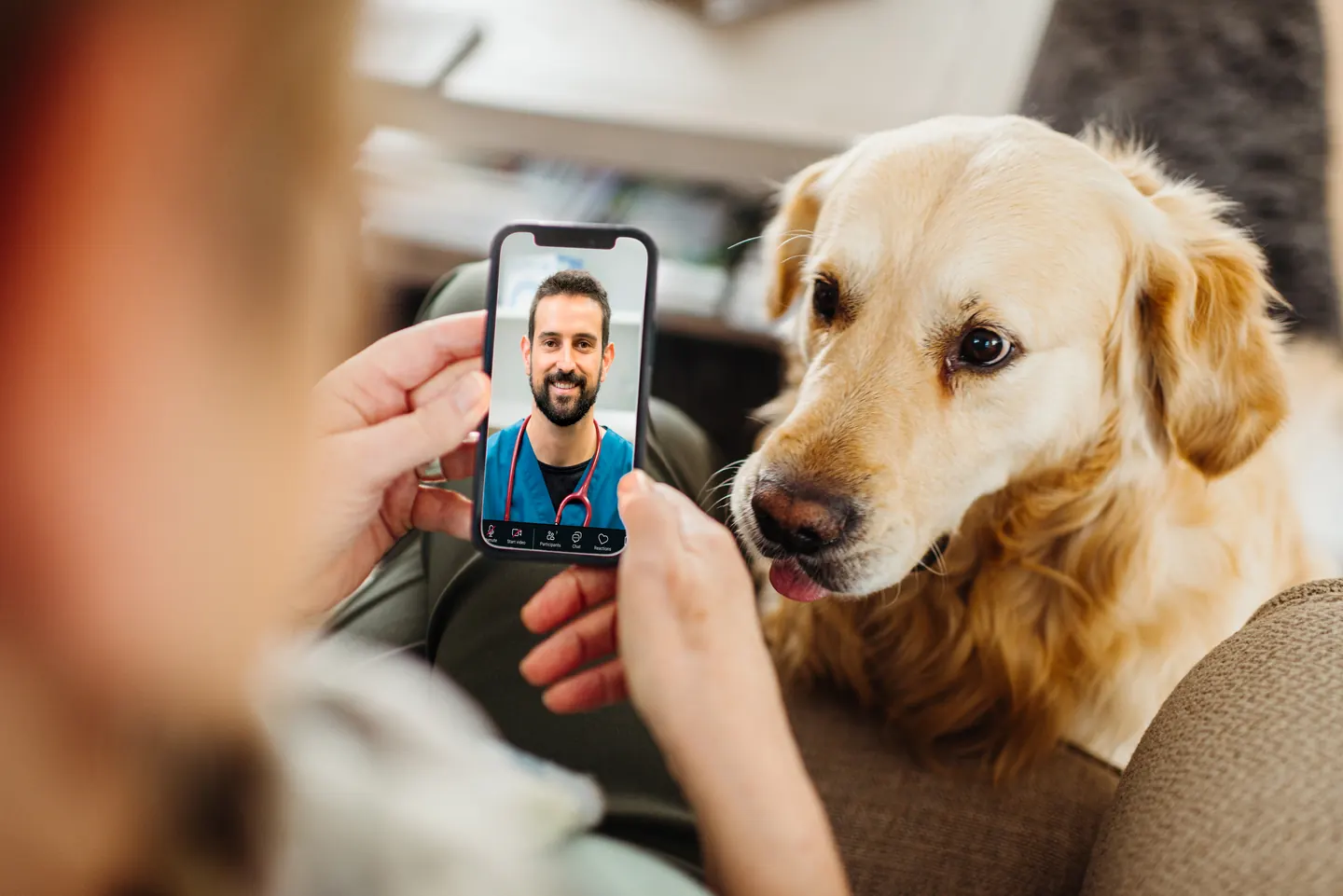
Have a health question about your dog?
Talk to a licensed vet at Dutch over video or message, including nights and weekends.
Use code Pets30
Plans start at $11/month · covers up to 5 pets
- Licensed vets in most states
- Rx for 150+ conditions
- 4.7 on Trustpilot
What Are Dog Tear Stains? (The Porphyrin Science)
Dog tear stains are reddish-brown streaks in the fur beneath the eyes, created when pigments called porphyrins build up on the coat. Porphyrins are iron-rich molecules that a dog's body excretes in tears, saliva, and urine.
When tears carrying porphyrins sit on the fur and meet air and light, the iron oxidizes and leaves that rusty, pinkish-brown color.
This is why the marks show up so clearly on white and light-coated dogs and are almost invisible on dark coats. The stain is the pigment, not the fur itself changing.
Because saliva also carries porphyrins, the same rusty tint often shows up around the mouth and on the paws a dog licks.

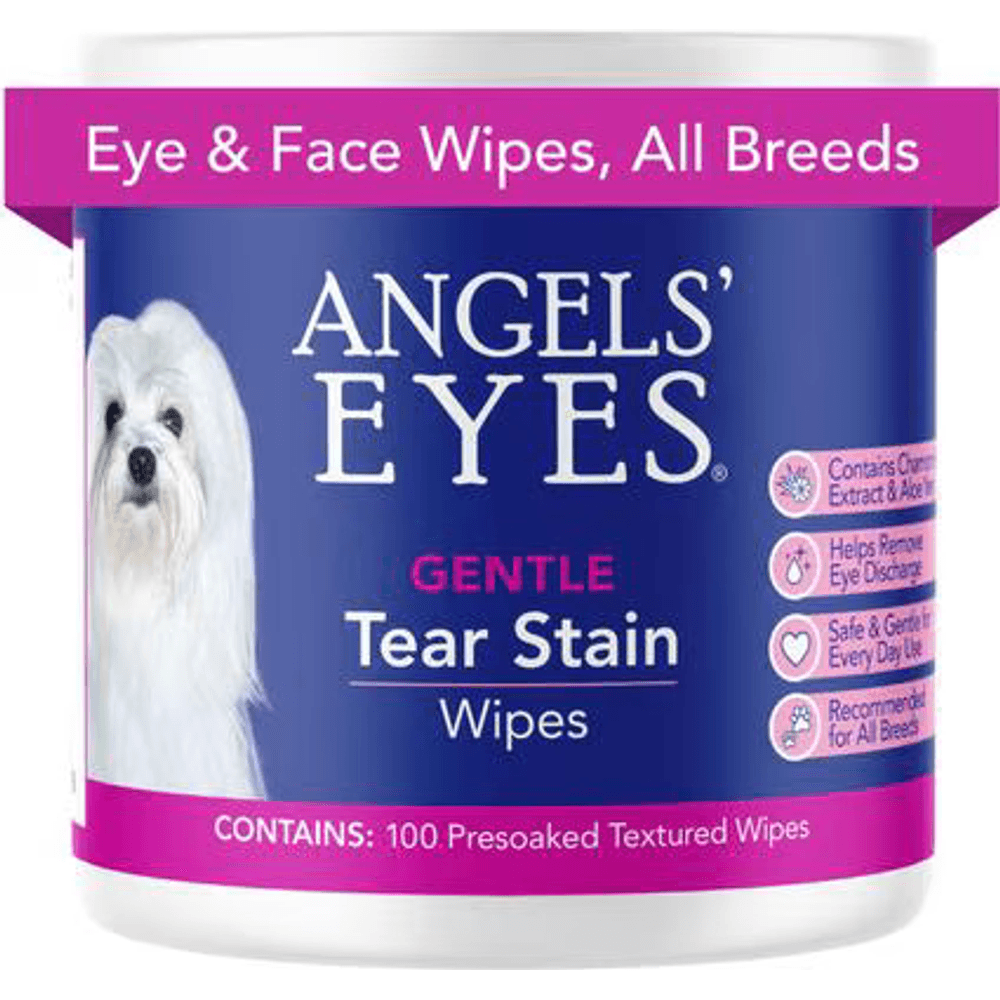
Presoaked wipes that gently clean the fur and skin around a dog's or cat's eyes, lifting away tear stains, discharge, and daily debris as part of routine grooming. A quick, no-rinse way to keep the eye area clean and tidy between baths.
Webvet may earn a commission when you click through to Chewy, at no extra cost to you.
Why Tear Stains Sometimes Smell
When people notice their dog tear stains smell musty or yeasty, the odor usually is not the porphyrin itself. It comes from yeast and bacteria that thrive in the warm, damp fur that stays wet from constant tearing.
That secondary yeast growth can deepen the brown color and add a distinct smell, which is a sign the area needs to be cleaned and dried more often.
So a dog with tear stains that also smell is really dealing with two things: the pigment (a cosmetic issue) and moisture-loving microbes (a hygiene issue). The color is porphyrin. The smell is microbial.
What Causes Dog Tear Stains?
What causes dog tear stains is almost always excess tearing, called epiphora, which keeps porphyrin-rich tears on the fur long enough to oxidize. Anything that makes a dog produce more tears, or that blocks tears from draining through the tear ducts, can trigger staining.
The pigment is the same in every dog; the reason the eyes are overflowing is what varies. Common reasons a dog's eyes tear too much include:
- Facial structure. Flat-faced (brachycephalic) breeds and toy breeds often have shallow eye sockets and hair that wicks tears onto the face.
- Blocked or narrow tear ducts. If tears cannot drain into the nose normally, they spill over the lower lid instead.
- Allergies and irritants. Pollen, dust, smoke, and food sensitivities can inflame the eyes and increase tearing.
- Eyelid and lash problems. Ingrown lashes (distichiasis), extra lashes, or eyelids that roll inward (entropion) constantly scratch the eye.
- Teething. Puppies often tear more while teething; this frequently settles as they mature.
- Infections and inflammation. Eye infections and conjunctivitis drive up tear production and discharge.
The Merck Veterinary Manual notes that persistent tearing and overflow (epiphora) can stem from either overproduction of tears or poor drainage, and that the cause should be identified before treating the surface stain. You can read Merck's overview of eye disorders of dogs for background on the anatomy involved.
| Sign You Notice | What It May Mean | Cosmetic or Medical? |
|---|---|---|
| Even, brown-red staining on both sides, no other symptoms | Normal porphyrin staining from mild tearing | Usually cosmetic |
| Musty or yeasty smell, deeper brown color | Yeast growing in chronically damp fur | Hygiene issue, treatable |
| Mild staining in a teething puppy | Temporary increase in tearing while adult teeth erupt | Usually cosmetic, often resolves |
| Sudden staining on one eye only | Blocked duct, foreign body, ulcer, or infection | Medical, see a vet |
| Squinting, redness, pawing, cloudiness | Painful eye condition (e.g. corneal ulcer) | Medical, urgent |
| Thick yellow or green discharge | Eye infection | Medical, see a vet |
Why Did My Dog Suddenly Develop Tear Stains? (When to See a Vet)
If your dog suddenly developed tear stains, treat it as a change worth investigating rather than a cosmetic fluke. A dog that has always had clean fur and now has staining, especially staining that worsens quickly or is only on one side, may have a new medical trigger.
Likely triggers include a blocked tear duct, an allergy flare, an ingrown lash, a foreign body, or an eye infection.
Chronic, symmetric staining that has been slowly present for years is far less alarming than staining that appears over days. The speed and the symptoms are the tell.
VCA Animal Hospitals advise that new or one-sided eye changes, discharge, or signs of discomfort should be examined rather than managed at home. Their pet health library is a solid starting point for what normal versus abnormal eyes look like.
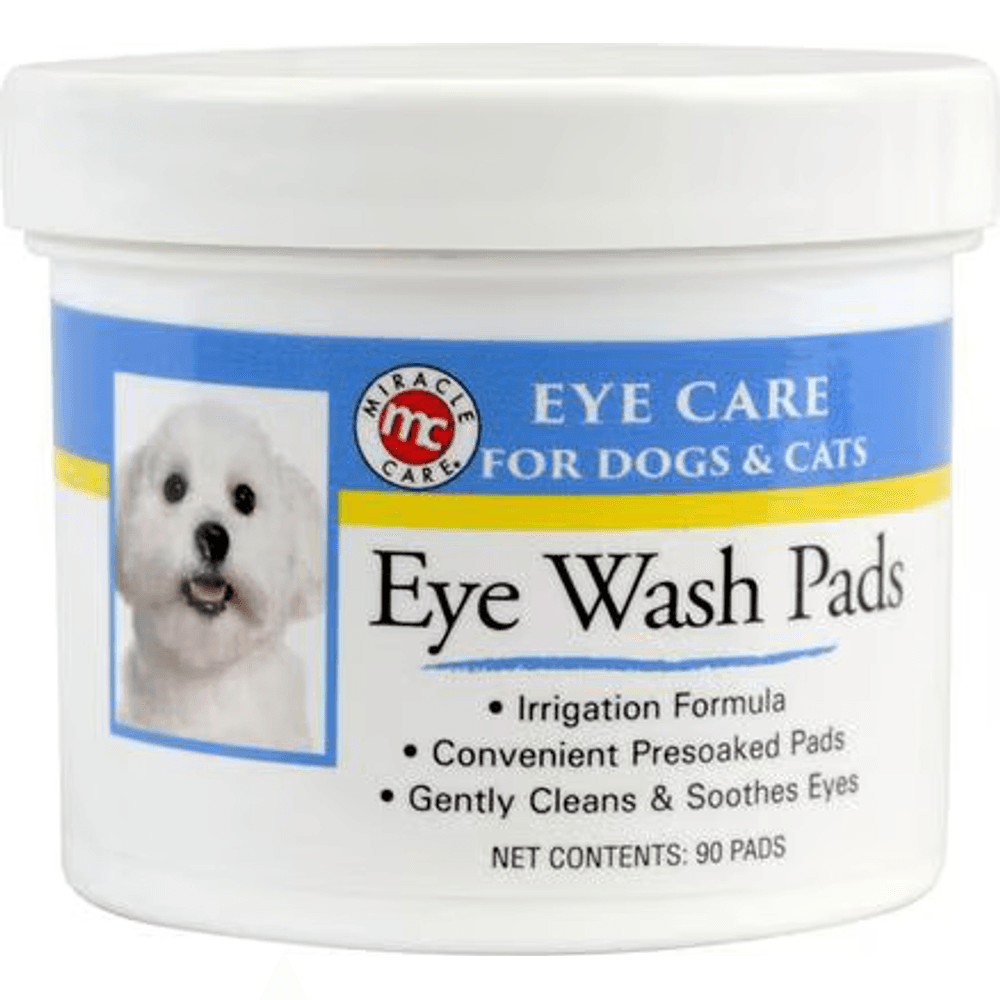
Presoaked sterile pads that gently wipe away everyday debris, discharge, and tear stains from around a dog's or cat's eyes as part of routine grooming. An easy way to keep the eye area clean and comfortable between baths.
Webvet may earn a commission when you click through to Chewy, at no extra cost to you.
Can Dog Tear Stains Be Removed?
Yes, existing tear stains can usually be lightened or removed over time, but you are working on two fronts. The old, oxidized pigment already in the fur has to grow out or be gently cleaned away.
At the same time, the ongoing tearing that keeps depositing new pigment has to be reduced. That is why a real dog tear stains before and after change takes weeks of consistent daily care, not one wash. If the underlying tearing is never addressed, the stain simply comes back.
How to Safely Remove and Clean Dog Tear Stains
To safely clean dog tear stains, wipe the area under the eyes daily with warm water or a vet-approved tear-stain wipe, keep the fur trimmed and dry, and never let any cleaning product touch the eye surface.
Consistency matters more than any single product. The goal is to remove damp, pigment-soaked fur before it oxidizes and to keep the area from staying wet. A simple, safe daily routine looks like this:
- Moisten a soft cloth or cotton pad with warm distilled or filtered water (or a product labeled for canine tear stains).
- Gently wipe the stained fur below the eye, wiping away from the eye, not toward it.
- Pat the area completely dry so moisture does not linger and feed yeast.
- Keep the hair around the eyes trimmed short (by a groomer or vet) so it cannot wick tears onto the face.
- Repeat once or twice daily; the fur will lighten gradually as clean coat grows in.
For a broader step-by-step on facial and eye hygiene, see our guide on how to clean dog eyes. If your dog also has crusty buildup in the corners, our piece on dog eye boogers covers what is normal and what is not.

 Sponsored
Vet care that's always there
Unlimited video calls and messaging with licensed vets for less than a typical vet visit. One membership covers up to five pets.
Use code Pets30
Plans start at $11/month · covers up to 5 pets
- Licensed vets in most states
- Rx for 150+ conditions
- 4.7 on Trustpilot
What Groomers and Vets Use (and What to Avoid)
Groomers get rid of tear stains mainly by trimming the stained fur short, cleaning the area with gentle canine-safe solutions, and keeping the face dry, not by bleaching the coat.
Reputable groomers avoid harsh chemicals near the eye because the tissue is delicate and easily burned. The visible improvement often comes simply from cutting away the old, pigmented hair. Several popular home ingredients are unsafe or not recommended near a dog's eyes:
- Hydrogen peroxide: do not use near the eyes. It can seriously injure the cornea and irritate the skin. It is not a safe tear-stain treatment.
- Boric acid and contact lens solution: sometimes suggested online, but these are not vet-endorsed tear-stain treatments and can irritate. Do not put them in or near the eye without veterinary direction.
- Cornstarch: sometimes dabbed on dried fur to lighten the look, but it does nothing for the cause and can clump in damp fur near the eye. Keep it away from the eye itself.
- Human makeup removers and bleaching products: never use on a dog. Products formulated to whiten fur can contain ingredients that are unsafe around eyes.
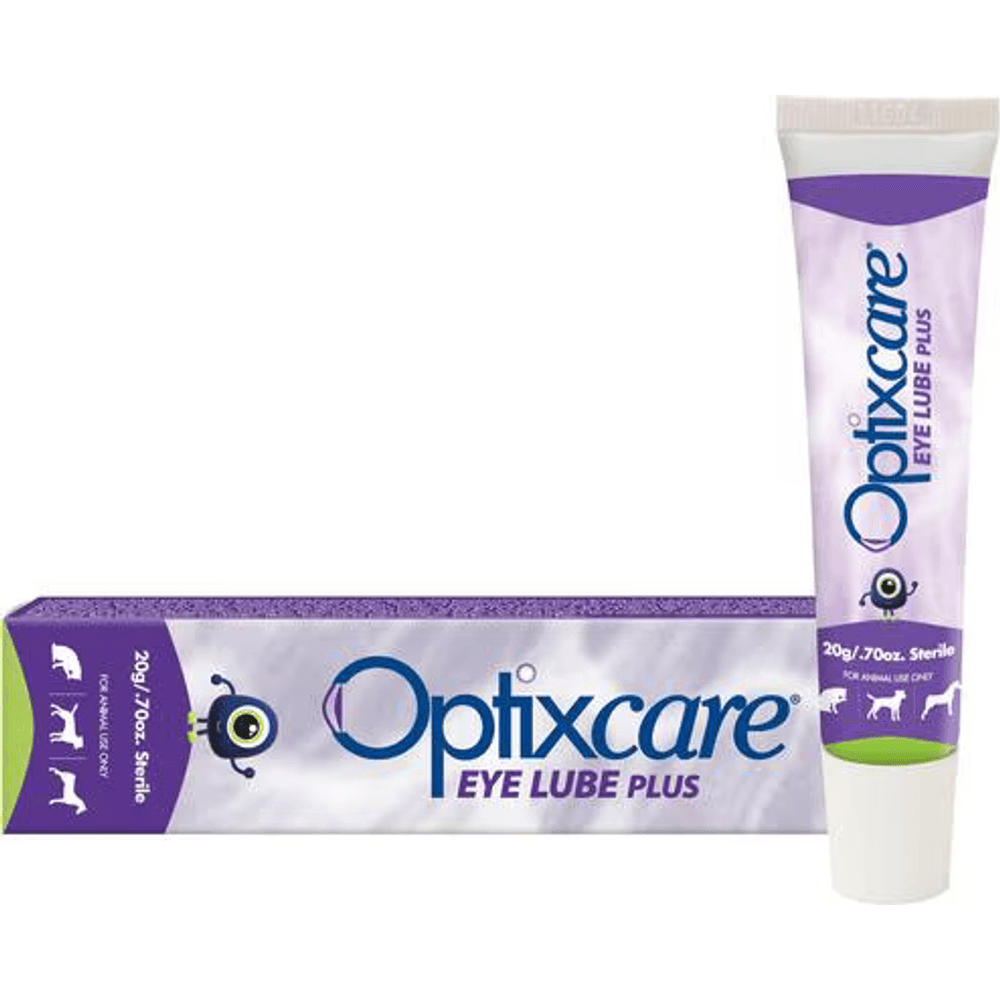
A sterile lubricating gel that soothes and moisturizes dry, irritated eyes and helps support the tear film in dogs and cats prone to dryness. A gentle, vet-shelf staple for everyday eye comfort.
Webvet may earn a commission when you click through to Chewy, at no extra cost to you.
Best Dog Tear Stain Removers, Wipes, and Products
The most effective dog tear stain remover is the one you use consistently that is formulated and labeled specifically for dogs, applied to the fur, not the eye.
Purpose-made wipes and solutions are designed to lift oxidized pigment and are safer around the face than any household substitute. No product will out-work a poor routine or an untreated medical cause. Well-known categories owners reach for include:
- Tear-stain wipes: pre-moistened pads for daily cleaning around the eyes and muzzle. Brands like Angels' Eyes, Eye Envy, and Burt's Bees market canine tear-stain wipes for this.
- Topical liquid removers: applied to the fur with a cotton pad to gently break down pigment over time.
- Sterile canine eye rinses: labeled for flushing the eye to clear irritants; use only products made for dogs and follow the label.
When choosing a product, read the label for whether it goes on the fur or in the eye, avoid anything containing antibiotics unless a vet prescribes it, and stop use if you see any redness or irritation. For actual dog eye drops for tear stains, ask your vet.
True eye medications should be chosen for a diagnosed cause, not bought blind to fade color.
Natural and Home Remedies for Tear Stains
The safest natural approach to dog tear stains is gentle, consistent hygiene: wiping with warm distilled water, keeping fur trimmed, and drying the area. These support the face without introducing risky chemicals near the eye.
Home remedies can help manage staining but cannot cure an underlying medical cause, and none should ever be dripped into the eye. Here is how the popular home options actually stack up:
- Distilled or filtered water: the safest daily cleaner. Warm water on a soft pad lifts fresh pigment before it oxidizes.
- Coconut oil: a thin layer smoothed onto the fur (not the eye) may condition skin and help repel moisture. Keep it out of the eye and use sparingly.
- Apple cider vinegar: often suggested in water, but it is acidic and can irritate. Do not apply near the eyes and talk to your vet before adding it to food or water.
- Baking soda: sometimes made into a paste for dried fur, but keep it well away from the eye; it can irritate on contact.
Rule of thumb: if a home remedy is meant for the eye itself, skip it and call your vet. If it is a fur-only conditioning or cleaning step and your dog tolerates it, it can be a supportive add-on, never a substitute for finding out why the eyes are watering.
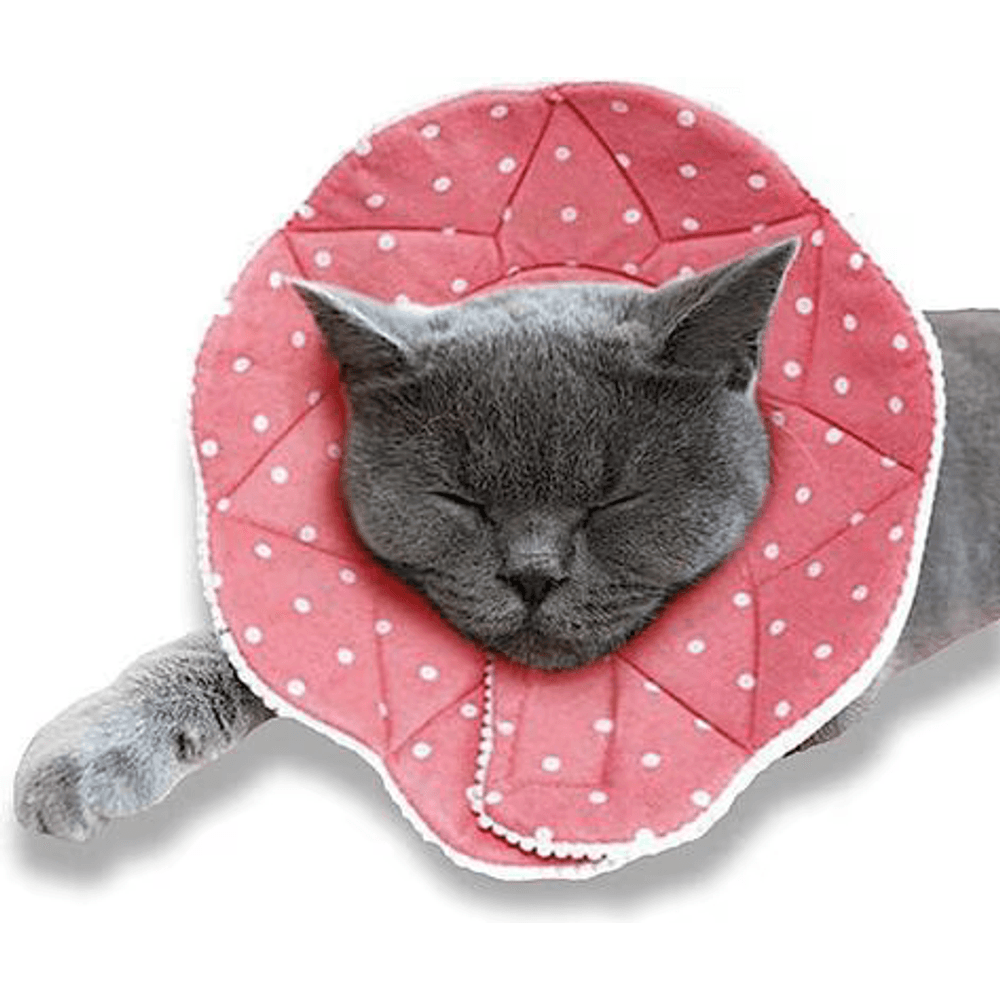
A lightweight, padded fabric cone that gently blocks a pet from pawing, scratching, or rubbing a healing eye, wound, or hot spot, and it is far softer and less stressful than a hard plastic cone.
Webvet may earn a commission when you click through to Chewy, at no extra cost to you.
Diet, Water, and Supplements for Tear Stains
Diet and water quality can influence tear staining because food sensitivities may drive tearing, and because minerals in drinking water are thought to contribute to porphyrin load, though that evidence is largely anecdotal.
A high-quality, complete diet and fresh, clean water support overall eye and skin health, but no single food will erase a stain caused by an anatomical or medical problem.
Does Tap Water Cause Tear Stains?
There is no strong scientific proof that tap water causes tear stains, but many owners switch to filtered or distilled water because minerals and iron in some tap supplies are believed to contribute.
It is a low-risk change: if your water is high in minerals, offering filtered water for dog tear stains is reasonable to try alongside better hygiene. Just make sure your dog keeps drinking enough.
Food, Probiotics, and Supplements
If allergies or food sensitivity are suspected, your vet may suggest a diet trial to see whether tearing improves. Some owners add plain probiotics or small amounts of antioxidant-rich foods like blueberries as treats and report modest improvements, but these are supportive at best.
Avoid any tear-stain supplement that contains antibiotics, and clear new supplements with your vet first, especially for small breeds where dosing matters.
How to Prevent Dog Tear Stains
You prevent dog tear stains mainly by keeping the fur under the eyes clean, trimmed, and dry every day, and by having a vet address any cause of excess tearing early.
Prevention is really about not letting pigment-rich tears sit on the coat long enough to oxidize, and about catching medical triggers before they become chronic. Practical prevention steps:
- Wipe under the eyes daily and dry the area thoroughly.
- Keep facial hair trimmed short so it cannot wick tears onto the fur.
- Provide fresh water and consider filtered water if your supply is mineral-heavy.
- Use shallow, easy-to-clean bowls (stainless steel or ceramic) and wash them daily to limit bacteria.
- Manage allergies with your vet and keep up routine eye exams.
Breeds Prone to Tear Stains (White and Light-Coated Dogs)
Breeds most prone to visible tear stains are small, white, and light-coated dogs, especially the Maltese, Shih Tzu, Poodle, Bichon Frise, Lhasa Apso, and Pekingese, along with flat-faced breeds.
They stain more not because they tear more than every other dog, but because their pale fur shows the porphyrin pigment vividly and their facial structure often channels tears onto the coat.
For a Maltese or any white dog, the removal approach is identical to other dogs, gentle daily cleaning and trimming, but the visual payoff is bigger because the contrast is so stark.
The best food for a Maltese with tear stains is simply a high-quality, complete diet paired with clean water and diligent facial hygiene. There is no magic tear-stain kibble.

Related Eye-Discharge Concerns
Tear staining sits alongside a family of eye-discharge issues, and it helps to know which is which. If your dog has watery overflow, colored discharge, or crusting, those may point to a different problem than simple porphyrin staining, and each is worth its own look.
- General discharge: our overview of dog eye discharge explains normal versus concerning types.
- Colored discharge: thick green or yellow eye discharge often signals infection and needs a vet.
- Excess watering: if the eyes constantly run, see dog watery eyes for the causes behind the tearing itself.
Because the same saliva porphyrins that stain the eyes also tint the muzzle, brown stains around a dog's mouth respond to the same principles: keep the area clean and dry, rule out excessive licking or a skin issue, and see a vet if the skin looks red or inflamed.
If a stain ever comes with squinting or pain, do not treat it cosmetically; conditions like a corneal ulcer need prompt veterinary care.
Frequently Asked Questions
How do you get rid of tear stains on dogs?
Clean the fur under the eyes daily with warm distilled water or a vet-approved canine tear-stain wipe, keep the hair trimmed short, and dry the area thoroughly so it cannot stay damp. At the same time, have a vet identify and treat any cause of excess tearing.
Existing stains fade gradually over weeks as clean coat grows in, and they will return if the underlying tearing is not addressed.
How do groomers get rid of tear stains?
Groomers primarily trim away the stained, pigment-soaked fur, clean the area with gentle canine-safe solutions, and keep the face dry. Much of the visible improvement simply comes from cutting off the discolored hair. Reputable groomers do not bleach the coat or use harsh chemicals near the delicate eye tissue.
Why did my dog suddenly develop tear stains?
A sudden onset of staining, especially on one side or getting worse quickly, usually points to a new trigger for excess tearing: a blocked tear duct, an allergy flare, an ingrown eyelash, a foreign body, or an eye infection.
Because this is a change rather than a lifelong pattern, it should be examined by a vet. Watch for squinting, redness, discharge, or pawing, which make a visit urgent.
Does tap water cause tear stains in dogs?
There is no solid scientific proof that tap water causes tear stains, but minerals and iron in some water supplies are believed to contribute, so many owners switch to filtered or distilled water. It is a low-risk change worth trying alongside good hygiene, particularly if your local water is high in minerals.
Just make sure your dog keeps drinking enough.
What do groomers use to get rid of tear stains?
Groomers use grooming scissors or clippers to trim stained fur, warm water or gentle canine-safe tear-stain solutions and wipes to clean the area, and thorough drying afterward. They avoid hydrogen peroxide, bleach, and human products near the eyes because those can injure the eye and skin.
The main tool is really the trim plus consistent cleaning.
What breeds are prone to tear stains?
Small, white, and light-coated breeds show tear stains most, including the Maltese, Shih Tzu, Poodle, Bichon Frise, Lhasa Apso, and Pekingese, as well as flat-faced breeds with shallow eye sockets. Their pale fur makes the reddish-brown porphyrin pigment very visible, and their facial structure often channels tears onto the coat.
Dark-coated dogs have the same pigment but it barely shows.
What is the most effective dog tear stain remover?
The most effective remover is a product made and labeled specifically for dogs that you use consistently on the fur, never in the eye, paired with trimming and daily drying. Purpose-made wipes and topical solutions from brands like Angels' Eyes, Eye Envy, and Burt's Bees are common choices.
Avoid any product containing antibiotics unless prescribed by your vet, and remember no remover works well if the underlying tearing is untreated.

Editor
The Webvet Editorial Team is the in-house group of pet-care editors and writers behind Webvet, operated by Smart Pet Collective. The team researches, writes, and maintains Webvet's pet health, behavior, and medication content. Every article follows a defined editorial process: research from reputable veterinary and scientific sources, careful drafting, mandatory review of medical content by a credentialed veterinarian, and dated publication. Health and medication articles are medically reviewed by a licensed veterinary professional before they go live and are kept current over time.
Veterinarian · BVMS MRCVS
Dr. Pippa Elliott, BVMS, MRCVS, is a veterinarian with nearly 30 years of experience in companion animal practice. Dr. Elliott earned her Bachelor of Veterinary Medicine and Surgery from the University of Glasgow. She was also designated a Member of the Royal College of Veterinary Surgeons. Married with 2 grown-up kids, Dr. Elliott has a naughty Puggle named Poggle, 3 cats and a bearded dragon.
Related reading

FIP in Cats: Symptoms, Diagnosis, and Current Treatment Options

Feline Calicivirus: Symptoms, Treatment, and Managing Multiple Cats

Panleukopenia in Cats: Symptoms, Treatment, and Household Precautions
