Dog Eye Discharge: Color Chart & When to Worry
Is your dog's eye discharge normal or a warning sign? This vet-reviewed guide decodes clear, white, yellow, and green discharge with a color chart, safe at-home cleaning steps, red-flag emergencies, and exactly when to call the vet.

BVMS MRCVS
Medically reviewed by Dr. Pippa Elliott, BVMS MRCVS · Last reviewed

This article contains affiliate links. Webvet may earn a commission when you buy through them, at no extra cost to you.
Dog eye discharge can be completely normal or a warning sign of a medical problem, and the color and texture of the discharge is the fastest way to tell which.
A small amount of clear or crusty gunk in the morning (often called eye boogers) is usually harmless flushing, while thick yellow or green discharge, redness, squinting, or a cloudy eye points to infection, dry eye, or an emergency that needs a vet.
This guide walks you through the color-coded triage veterinarians use, plus safe at-home cleaning and the exact red flags that mean you should call now.
- 1Clear and watery or a little crusty in the morning is usually normal; thick, colored, or one-sided discharge is not.
- 2Yellow or green discharge almost always signals a bacterial infection (conjunctivitis) and needs a vet visit.
- 3Squinting, a cloudy or bluish eye, visible pain, or a sudden change in one eye can mean a corneal ulcer, an emergency.
- 4At-home care is limited to gentle cleaning with a damp cloth or plain saline; never use human eye drops, hydrogen peroxide, or leftover prescriptions.
- 5When in doubt, a vet exam (including a tear test and fluorescein stain) is the only way to know the true cause.

 Sponsored
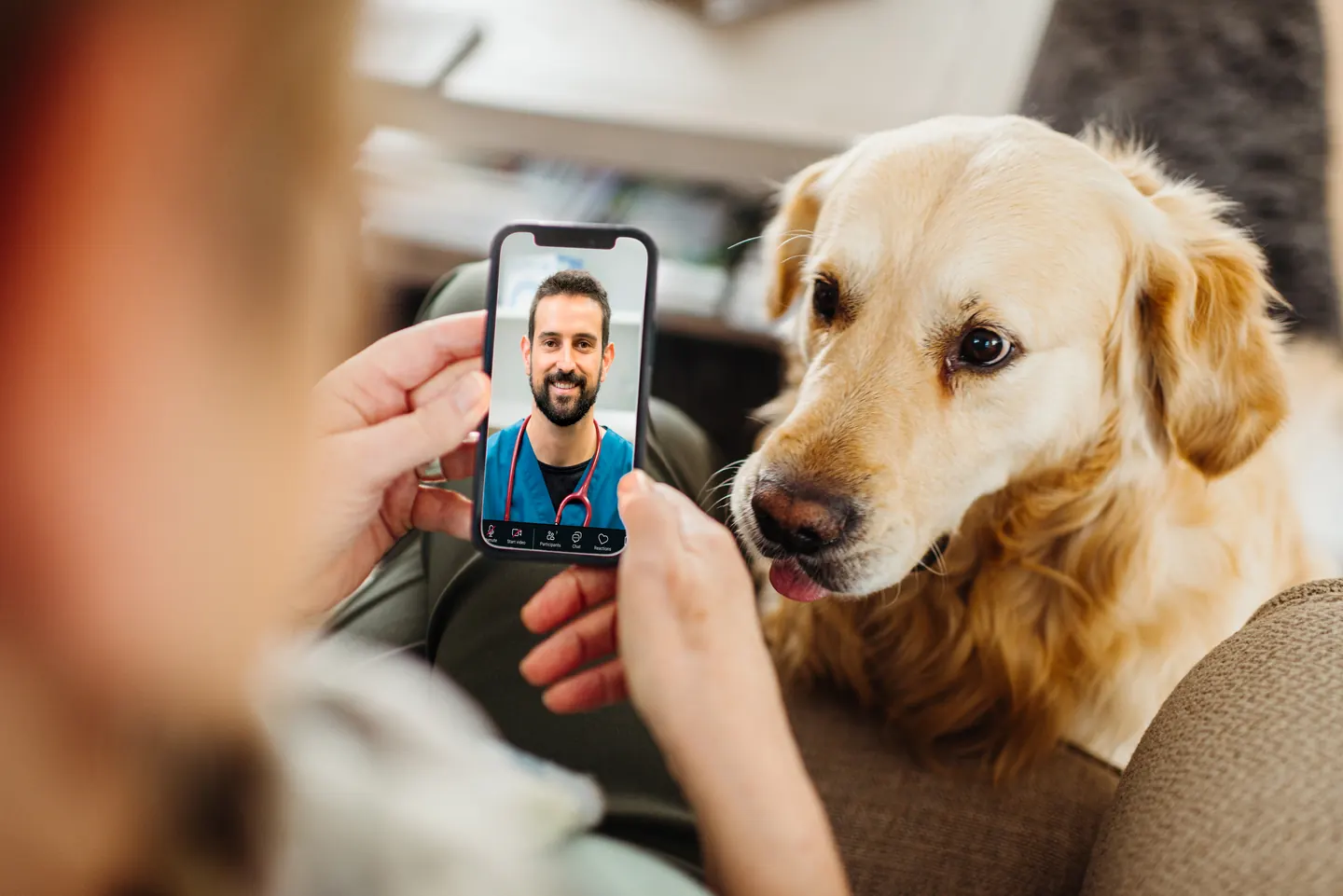
Have a health question about your dog?
Talk to a licensed vet at Dutch over video or message, including nights and weekends.
Use code Pets30
Plans start at $11/month · covers up to 5 pets
- Licensed vets in most states
- Rx for 150+ conditions
- 4.7 on Trustpilot
What dog eye discharge is (and what's normal)
Dog eye discharge is simply the fluid, mucus, or crust that collects in and around the eye. A dog's eyes constantly produce tears and a thin mucus layer to trap dust and debris, then flush it toward the inner corner, so a little buildup is completely expected.
Normal dog eye discharge is small in amount, clear to slightly reddish-brown or gray, and easy to wipe away.
If you notice eye discharge in your dog first thing in the morning, that is usually the overnight version of the same flushing process.
Why does my dog have eye boogers every morning? Because tears and mucus keep working while your dog sleeps and there is no blinking to clear them, so they dry into crust at the corner.
A small, symmetrical amount in both eyes that wipes off easily is generally nothing to worry about.
We cover the harmless morning crust in more detail in our guide to dog eye boogers.
The key question with any dog that has eye discharge is whether it has changed: more of it, a new color, only one eye, or paired with redness, squinting, or pawing all move it from normal to worth checking.
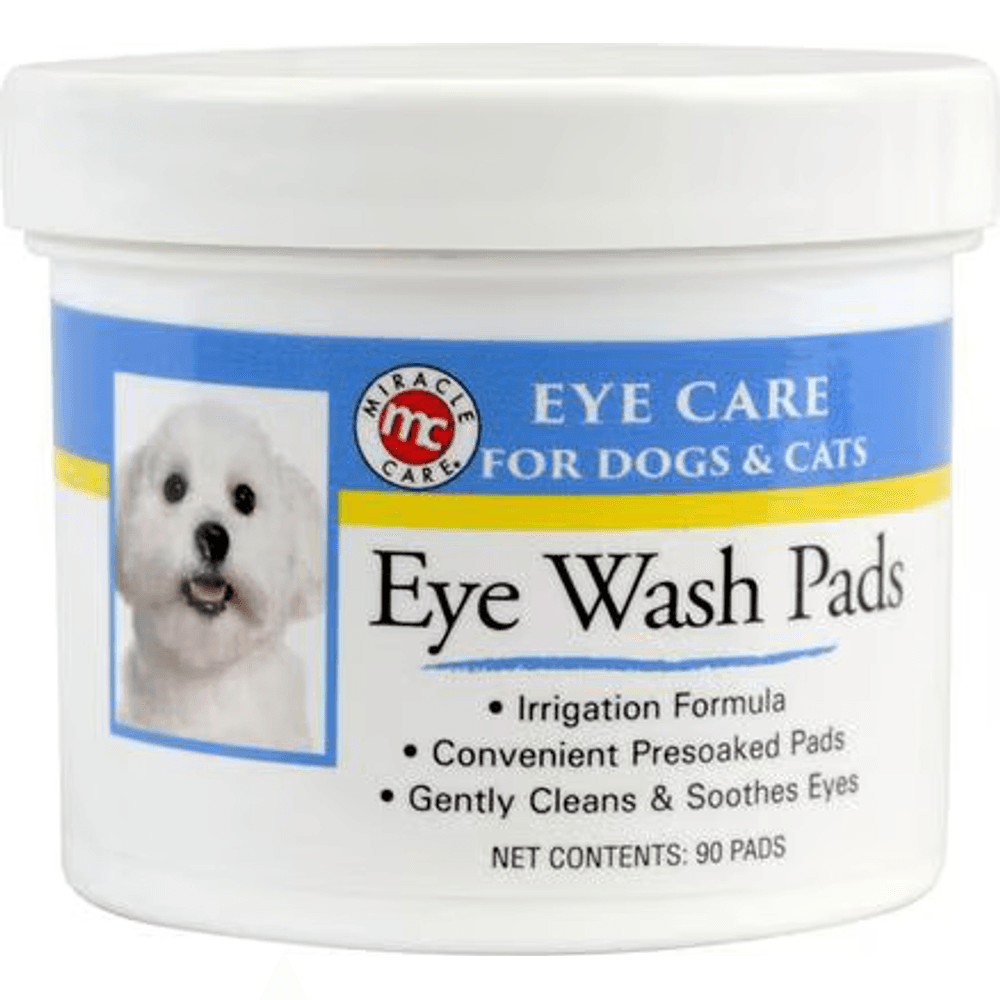
Presoaked sterile pads that gently wipe away everyday debris, discharge, and tear stains from around a dog's or cat's eyes as part of routine grooming. An easy way to keep the eye area clean and comfortable between baths.
Webvet may earn a commission when you click through to Chewy, at no extra cost to you.
Signs the discharge is NOT normal
- A sudden increase in amount, or discharge that keeps coming back after you wipe it
- A color change to yellow, green, or thick white and sticky
- Discharge in only one eye when the other is clear
- Redness, swelling, squinting, cloudiness, or your dog rubbing the eye
Color-coded triage: what the color of your dog's eye discharge means
The color and texture of dog eye discharge is the single most useful clue to what is causing it. Clear and watery usually means irritation or allergies, thick yellow or green usually means a bacterial infection, sticky gray or white can mean dry eye, and reddish-brown staining is often cosmetic tear staining.
Use the chart below as a starting point, not a diagnosis, because more than one problem can overlap and only a vet can confirm the cause.
| Discharge color / type | What it often means | What to do |
|---|---|---|
| Clear and watery | Wind, dust, seasonal allergies, early irritation, or a blocked tear duct | Monitor; see a vet if it persists, worsens, or one eye is affected |
| Clear and crusty (morning boogers) | Normal overnight tear flushing | Wipe gently; no treatment needed if amount is small and even |
| Yellow or green, thick | Bacterial infection or conjunctivitis (pus) | Vet visit; this typically needs prescription treatment |
| Yellow-green with redness | Active infection, possibly with inflammation | Vet visit promptly, especially if painful or one-sided |
| Thick white or gray, sticky, stringy | Chronic dry eye (KCS) or blocked tear ducts | Vet exam and a tear test; dry eye needs long-term care |
| Reddish-brown staining under the eyes | Tear staining (usually cosmetic, from tear pigment) | Usually not urgent; see the tear-stain section below |
| Red eye with any discharge | Inflammation, infection, injury, or glaucoma | Vet visit; red plus painful or cloudy can be an emergency |
Clear, watery discharge
Clear watery dog eye discharge is the mildest kind and most often comes from a passing irritant: wind on a car ride, dust, pollen, or mild seasonal allergies. It can also appear when a tear duct is partially blocked and tears spill over instead of draining.
If it clears up quickly and your dog is comfortable, it is usually minor, but watery eyes that persist for days deserve a vet look.
Yellow, green, and yellow-green discharge
Thick yellow or green discharge is essentially pus and almost always signals a bacterial infection such as conjunctivitis.
This is not something to wait out at home; it needs a vet exam and usually prescription eye medication. For the full breakdown of what yellow and green dog eye discharge means and how it is treated, see our dedicated guide.

Presoaked wipes that gently clean the fur and skin around a dog's or cat's eyes, lifting away tear stains, discharge, and daily debris as part of routine grooming. A quick, no-rinse way to keep the eye area clean and tidy between baths.
Webvet may earn a commission when you click through to Chewy, at no extra cost to you.
White or gray, sticky discharge
Thick white eye discharge in a dog, especially when it is sticky or stringy and shows up in both eyes, is a classic sign of dry eye (keratoconjunctivitis sicca, or KCS).
When the eye does not make enough tears, mucus builds up to compensate. According to the Merck Veterinary Manual, dry eye is diagnosed with a simple tear test and needs ongoing treatment to protect the cornea, so persistent gooey discharge is worth a vet visit rather than repeated wiping.
Brown or reddish staining
Reddish-brown or brown streaks below the inner corners are usually tear stains rather than active discharge. The color comes from pigments in the tears, and it is most visible on light-coated dogs.
It is generally cosmetic, but heavy staining can point to excess tearing that has an underlying cause. Our guide to dog tear stains covers how to tell cosmetic staining from a medical problem.
Red eye with discharge
A dog eye that is red with discharge means the surface or lining of the eye is inflamed. Redness plus discharge can come from conjunctivitis, allergies, a foreign body, injury, or increased pressure inside the eye (glaucoma).
Redness combined with pain, cloudiness, or squinting is a same-day vet issue because some of those causes threaten vision.

 Sponsored
Vet care that's always there
Unlimited video calls and messaging with licensed vets for less than a typical vet visit. One membership covers up to five pets.
Use code Pets30
Plans start at $11/month · covers up to 5 pets
- Licensed vets in most states
- Rx for 150+ conditions
- 4.7 on Trustpilot
Discharge in one eye vs. both eyes
Whether the discharge is in one eye or both is a meaningful clue. Discharge in one eye often points to a localized problem: a foreign body (like a grass seed or a stray hair), a scratch or ulcer, a blocked tear duct, or an early infection on that side.
Discharge in both eyes more often suggests a body-wide cause such as allergies, dry eye, a viral infection, or breed-related anatomy.
That said, the rule is not absolute, and a one-sided problem can spread. If only one eye is affected and your dog is squinting or the eye looks painful, treat it as more urgent, because a single irritated eye is a common presentation of a corneal ulcer or a trapped object that needs prompt removal.
Common causes: allergies, dry eye (KCS), blocked tear ducts, foreign body, breed anatomy
Most non-emergency eye discharge traces back to a handful of common causes. Knowing them helps you describe the problem to your vet and understand why the treatment differs so much from case to case.
Allergies
Allergies are a frequent driver of dog allergy eye discharge, usually producing clear to slightly mucoid, watery discharge in both eyes, often with redness and itchiness. Dogs can react to pollen, dust, mold, or contact irritants.
Allergic eye discharge tends to come and go with the seasons and often appears alongside other allergy signs like itchy skin or paw licking.
Dry eye (KCS)
Dry eye happens when the eye cannot produce enough tears to stay lubricated, so the body compensates with thick, sticky mucus. Left untreated, dry eye can damage the cornea and threaten vision, which is why the thick white eye discharge it causes should never be dismissed as just goop.
It is managed long-term, typically with prescription tear-stimulating medication.
Blocked tear ducts and foreign bodies
When the tear ducts that normally drain tears become blocked, tears overflow onto the face, causing watery discharge and staining. A foreign body such as a grass awn, seed, or eyelash can lodge under the lid and cause sudden one-sided discharge, squinting, and pawing.
This is a common reason a dog develops eye discharge all of a sudden and needs a vet to safely remove it.

A sterile lubricating gel that soothes and moisturizes dry, irritated eyes and helps support the tear film in dogs and cats prone to dryness. A gentle, vet-shelf staple for everyday eye comfort.
Webvet may earn a commission when you click through to Chewy, at no extra cost to you.
Breed anatomy
Flat-faced (brachycephalic) breeds like Pugs, Bulldogs, and Shih Tzus have prominent eyes and shallow sockets, so they tear more and are prone to discharge and staining. Breeds with loose lids, rolled-in lids (entropion), or extra facial folds also collect more discharge.
This anatomy raises the baseline amount of normal gunk but does not make sudden changes any less important to check.
Discharge after grooming
Some dogs show eye discharge or watering after grooming. Loose clipped hair, shampoo, or a stray trimmed whisker can irritate the surface of the eye.
Mild watering that settles within a day is usually just irritation, but persistent redness, squinting, or thick discharge after grooming means a foreign hair or a scratch may be involved and the eye should be checked.

When to worry: red-flag symptoms and emergencies
You should be concerned about your dog's eye discharge when it comes with pain or vision-threatening signs, not just when there is a lot of it.
The most urgent combination is a painful, cloudy, or squinting eye, which can mean a corneal ulcer, a scratch or defect on the surface of the eye that can worsen fast. A dog squinting with one eye held shut, even with little or no discharge, is a red flag on its own.
If your dog has a cloudy or painful eye and is squinting, do not treat it at home; this pattern routes straight to the emergency side of eye care. Read our detailed guide to corneal ulcers in dogs to understand why these cases are time-sensitive and how vets treat them.
For what treatment actually involves once an ulcer is confirmed, see our overview of dog eye ulcer treatment. The bottom line: cloudy, painful, or squinting eyes are not a wipe-and-wait situation.
The American College of Veterinary Ophthalmologists and the Cornell Riney Canine Health Center both emphasize that eye emergencies are best evaluated quickly, because delays can cost vision. When you are unsure, err toward calling.
How to clean and safely treat your dog's eye discharge at home
At home, the only safe treatment for dog eye discharge is gentle cleaning of the area around the eye, not treating the eye itself.
Use a clean, soft cloth or cotton pad dampened with warm water or plain sterile saline (the kind sold for contact lenses or wound rinsing) to wipe the crust away from the eye, moving from the inner corner outward. Use a fresh section of cloth for each eye so you do not spread infection.
Should I wipe my dog's eye discharge?
Yes, gently wiping away visible discharge with a damp cloth is fine and keeps the area comfortable and clean. Wipe the fur and skin, avoid touching the surface of the eyeball, and be gentle if the area looks sore.
Wiping is supportive care only: it does not treat an infection or an ulcer, so if discharge keeps returning, the underlying cause still needs a vet.
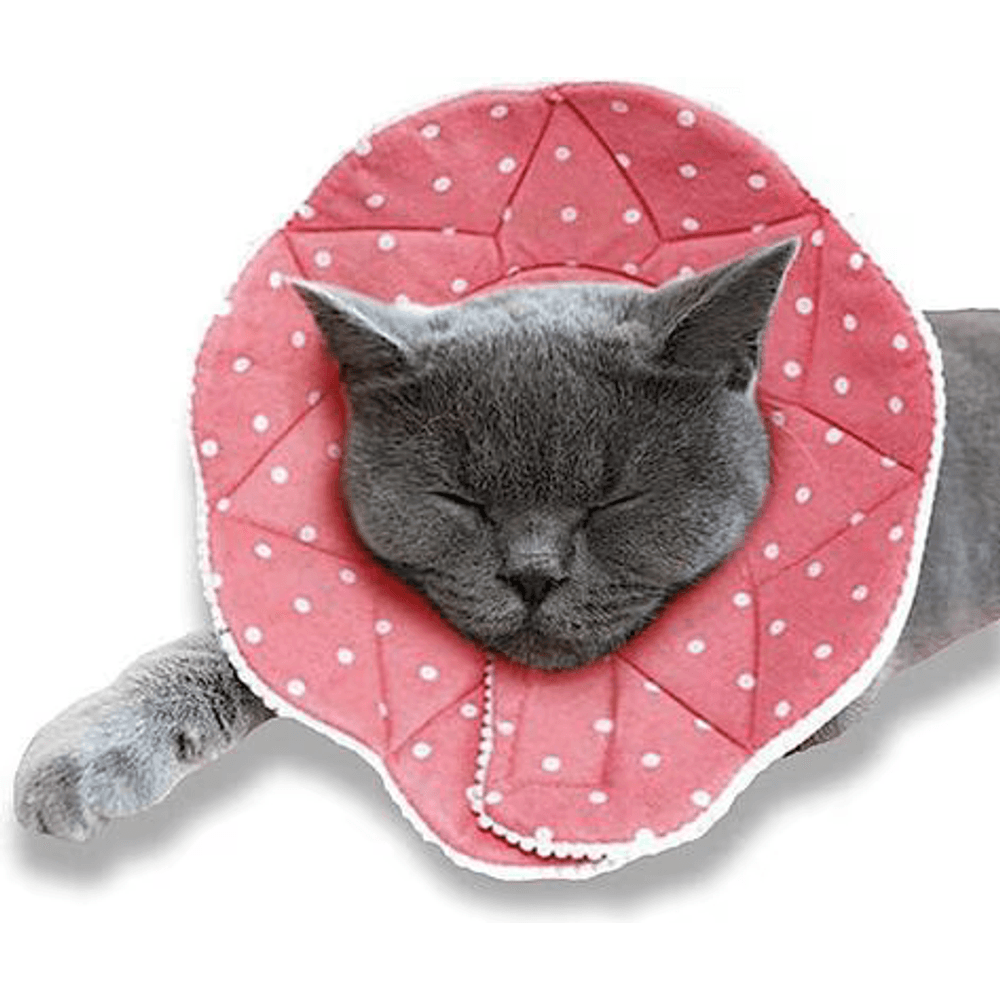
A lightweight, padded fabric cone that gently blocks a pet from pawing, scratching, or rubbing a healing eye, wound, or hot spot, and it is far softer and less stressful than a hard plastic cone.
Webvet may earn a commission when you click through to Chewy, at no extra cost to you.
Home remedies and their limits
When people search for a dog eye discharge home remedy or a home remedy for green dog eye discharge, they are usually hoping to skip a vet visit. Be realistic: green discharge means infection, and there is no safe home cure for that.
The only genuinely helpful home steps are keeping the area clean with saline, trimming long hair away from the eyes, and reducing exposure to dust and irritants. Everything beyond gentle cleaning belongs to the vet.
Eye infections and conjunctivitis
Conjunctivitis is inflammation of the pink lining of the eye, and it is one of the most common infectious causes of colored discharge. It can be bacterial, viral, or allergic, and per resources like VCA Animal Hospitals, it typically shows up as redness, swelling, and yellow-green discharge.
Because eye infection and pink eye are their own topic, we keep the full treatment coverage in a separate guide and only summarize the essentials here.
Will conjunctivitis go away by itself in dogs? Sometimes very mild allergic irritation settles on its own, but true bacterial conjunctivitis usually does not resolve without treatment and can worsen or spread to the other eye.
The main red flag for conjunctivitis is pain, a lot of thick discharge, or a cloudy eye, which suggests the problem is deeper than the surface lining.
Trying to treat a dog eye infection without going to the vet is risky because you cannot tell an ordinary infection from an ulcer at home, and the wrong product can cause harm.
Tear stains vs. discharge (cosmetic vs. medical)
It helps to separate two things people lump together. Tear stains are the reddish-brown streaks that dry under the eyes, caused by pigments in tears, and they are mostly a cosmetic issue. Discharge is the actual wet mucus or pus coming from the eye and can be medical.
A dog with reddish eye discharge might have staining, excess tearing, or an active problem, so look at whether the eye itself is red, painful, or producing thick colored fluid. Our tear stain guide explains how to reduce staining safely.
If the main issue is excess watering rather than thick discharge, that overflow (epiphora) has its own set of causes. Our guide to watery eyes in dogs covers when constant tearing is worth investigating.
How a vet diagnoses and treats dog eye discharge
A vet's exam is what turns guessing into a real diagnosis. Expect a few standard, low-stress tests: a Schirmer tear test to measure tear production (for dry eye), a fluorescein stain that glows to reveal scratches or ulcers on the cornea, and sometimes a check of eye pressure to rule out glaucoma.
Your vet will also look under the lids for foreign bodies and assess the discharge itself.
Treatment for dog eye discharge depends entirely on the cause. Bacterial infections get prescription antibiotic eye drops or ointment, dry eye gets tear-stimulating medication, allergies may get anti-inflammatory drops and allergen management, and a blocked tear duct or foreign body needs a physical fix.
This is why matching the right dog eye drops to the specific problem matters so much: an antibiotic will not help dry eye, and a steroid can be dangerous if there is an undiagnosed ulcer. Never buy medicated drops off the shelf and guess.
Following the exam, your vet may recommend a recheck to confirm the eye is healing, especially after an ulcer or a stubborn infection. Veterinary bodies such as AAHA stress that finishing the full course of prescribed eye medication and returning for follow-up is what prevents relapses and protects long-term vision.

Frequently asked questions
When should I be concerned about my dog's eye discharge?
Be concerned when the discharge is thick and yellow or green, appears suddenly in only one eye, or comes with redness, squinting, cloudiness, pawing, or obvious pain. Those signs point to infection, injury, or an emergency like a corneal ulcer.
A small, even amount of clear or crusty discharge that wipes away easily is usually normal, but any change in color, amount, or comfort is worth a vet call.
How can I treat my dog's eye discharge at home?
At home, limit yourself to gentle cleaning. Use a soft cloth or cotton pad dampened with warm water or plain sterile saline to wipe crust from the inner corner outward, using a fresh section for each eye.
Keep long hair trimmed away from the eyes and reduce dust and irritants. Do not use any medicated or human eye product, and see a vet if the discharge is colored, painful, or keeps returning.
Should I wipe my dog's eye discharge?
Yes, gently wiping visible discharge away with a damp cloth is safe and keeps your dog comfortable. Clean the fur and skin around the eye, avoid touching the eyeball itself, and be gentle if the area seems sore.
Remember that wiping is supportive care only and does not cure an underlying infection or injury, so recurring discharge still needs a vet.
Why does my dog have discharge coming out of his eyes?
Eyes naturally make tears and mucus to trap and flush out debris, so a little discharge is normal. Excess or colored discharge usually comes from allergies, dry eye, a blocked tear duct, a foreign body, an infection, or breed-related eye shape.
The color and whether it is in one or both eyes helps narrow the cause, but a vet exam is the reliable way to know for sure.
Will conjunctivitis go away by itself in dogs?
Mild allergic or irritant conjunctivitis may settle once the trigger is removed, but true bacterial conjunctivitis usually does not clear on its own and can worsen or spread to the other eye. Because you cannot easily tell the type apart at home, and because a painful or cloudy eye can signal something deeper, it is safest to have a vet diagnose and treat it rather than wait it out.
What is a red flag for conjunctivitis?
The main red flags are significant pain, heavy thick discharge, a cloudy or bluish eye, squinting, or signs of vision trouble. Those suggest the problem is more than surface inflammation and could involve a corneal ulcer or increased eye pressure. Any of these means the eye should be examined promptly rather than treated at home.
How can I treat my dog's eye infection without going to the vet?
You cannot safely treat a true eye infection at home, and trying to can make things worse. You cannot distinguish an ordinary infection from an ulcer without a fluorescein stain, and the wrong product (especially a steroid drop) can seriously damage an eye with an undiagnosed ulcer.
The safe home steps are cleaning with saline and keeping the eye free of irritants while you get a vet appointment for proper medication.
Can I use hydrogen peroxide to clean my dog's tear stains?
No. Hydrogen peroxide should never be used near your dog's eyes; it can cause serious irritation and injury to the delicate eye tissue if it gets in. For tear stains, use only products made for pets and applied to the fur (not the eye), or ask your vet for a safe recommendation.
If staining is heavy or the eyes are red or watery, have a vet check for an underlying cause.

Editor
The Webvet Editorial Team is the in-house group of pet-care editors and writers behind Webvet, operated by Smart Pet Collective. The team researches, writes, and maintains Webvet's pet health, behavior, and medication content. Every article follows a defined editorial process: research from reputable veterinary and scientific sources, careful drafting, mandatory review of medical content by a credentialed veterinarian, and dated publication. Health and medication articles are medically reviewed by a licensed veterinary professional before they go live and are kept current over time.
Veterinarian · BVMS MRCVS
Dr. Pippa Elliott, BVMS, MRCVS, is a veterinarian with nearly 30 years of experience in companion animal practice. Dr. Elliott earned her Bachelor of Veterinary Medicine and Surgery from the University of Glasgow. She was also designated a Member of the Royal College of Veterinary Surgeons. Married with 2 grown-up kids, Dr. Elliott has a naughty Puggle named Poggle, 3 cats and a bearded dragon.
Related reading

FIP in Cats: Symptoms, Diagnosis, and Current Treatment Options

Feline Calicivirus: Symptoms, Treatment, and Managing Multiple Cats

Panleukopenia in Cats: Symptoms, Treatment, and Household Precautions
