Dog Eye Discharge Yellow Green: Is It Infected?
Yellow or green eye discharge in dogs usually points to an infection, a corneal ulcer, or dry eye. Learn the causes, the urgent warning signs, how to clean the eye safely, and when a same-day vet visit is essential.

BVMS MRCVS
Medically reviewed by Dr. Pippa Elliott, BVMS MRCVS · Last reviewed

This article contains affiliate links. Webvet may earn a commission when you buy through them, at no extra cost to you.
Dog eye discharge yellow green in color almost always signals a problem that needs a vet, most often a bacterial eye infection, a scratched cornea (corneal ulcer), or dry eye. Clear or slightly reddish tears can be normal, but thick, colored, pus-like gunk is not.
Because untreated eye conditions can worsen within days and threaten vision, book a same-day or next-day appointment rather than waiting it out.
Below, a vet-reviewed breakdown of what the color is telling you, the red-flag signs that mean go now, which breeds are prone to it, and how to clean the eye safely while you arrange care.
- 1Yellow or green discharge is pus, and pus means infection, a corneal ulcer, or dry eye until a vet proves otherwise.
- 2Squinting, holding the eye shut, cloudiness, a bluish film, visible pain, or pawing at the eye are same-day emergencies.
- 3Never reuse old eye drops or leftover prescriptions, and never use human antibiotic ointment unless your vet says to.
- 4Flat-faced (brachycephalic) breeds like Bulldogs, Pugs, and Shih Tzus get eye discharge and infections more often.
- 5Bacterial conjunctivitis rarely clears fully on its own and usually needs prescription drops to resolve safely.
- 6While you wait, clean gently with a warm damp cloth and see a vet promptly, especially if only one eye is affected.
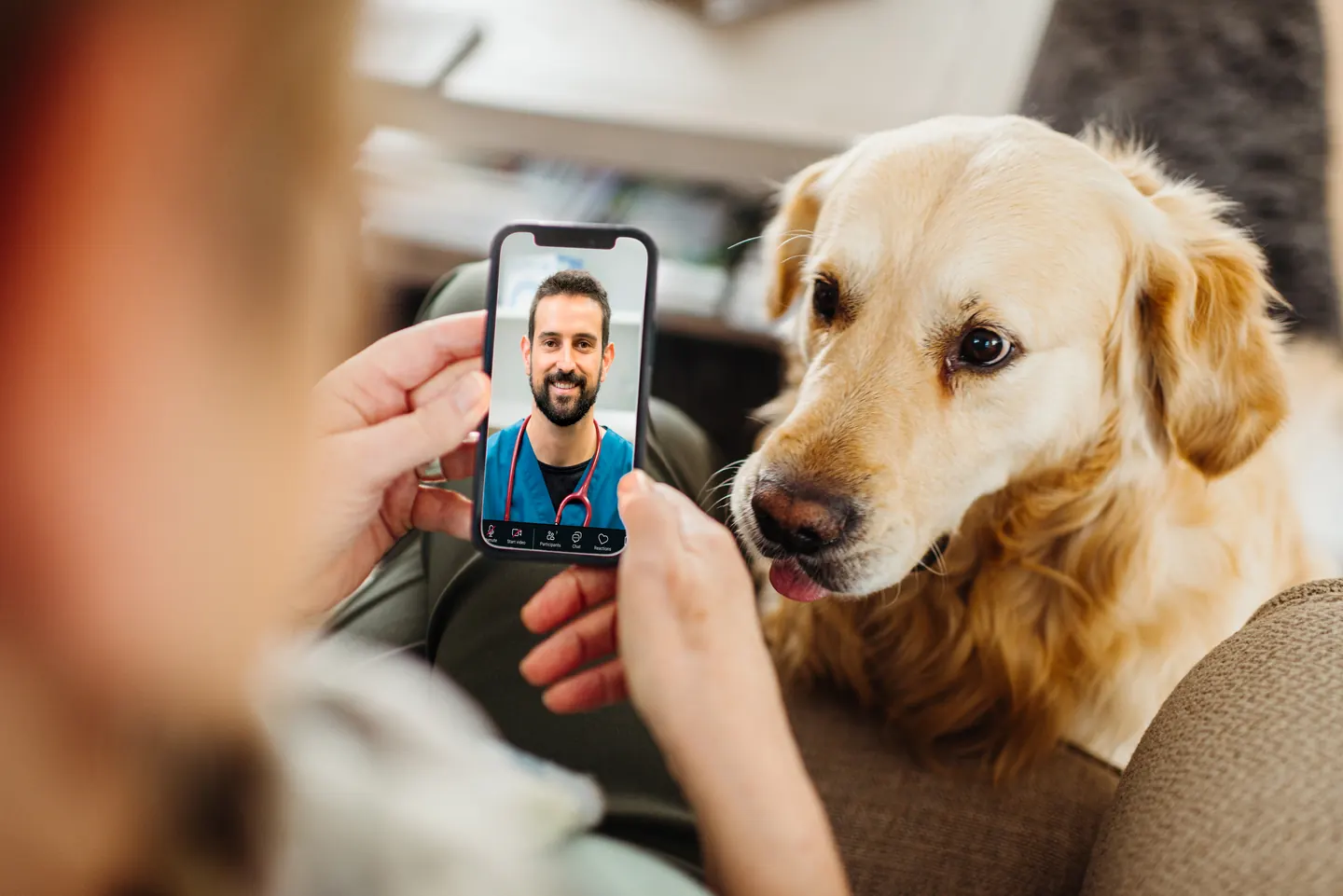
 Sponsored
Have a health question about your dog?
Talk to a licensed vet at Dutch over video or message, including nights and weekends.
Use code Pets30
Plans start at $11/month · covers up to 5 pets
- Licensed vets in most states
- Rx for 150+ conditions
- 4.7 on Trustpilot
Is yellow or green eye discharge in dogs an emergency? (quick answer)
Yellow green eye discharge in dogs should be treated as urgent, not automatically an all-out emergency. The color means the eye is producing pus, which points to infection, a corneal ulcer, or dry eye. Some cases are same-day emergencies; others can safely wait a day for a vet visit.
The signs alongside the discharge decide which.
Go the emergency route if your dog is squinting, holding the eye clamped shut, pawing or rubbing at it, or if the surface looks cloudy, blue-hazed, red, or swollen. Those suggest pain or a corneal injury that can deteriorate fast.
Per the Merck Veterinary Manual, eye problems can progress quickly, so early evaluation protects vision.
If your dog is comfortable, eating normally, keeping the eye open, and the only sign is a bit of yellow green goo, a next-day appointment is usually reasonable. When in doubt, call your vet or an emergency clinic and describe what you see.
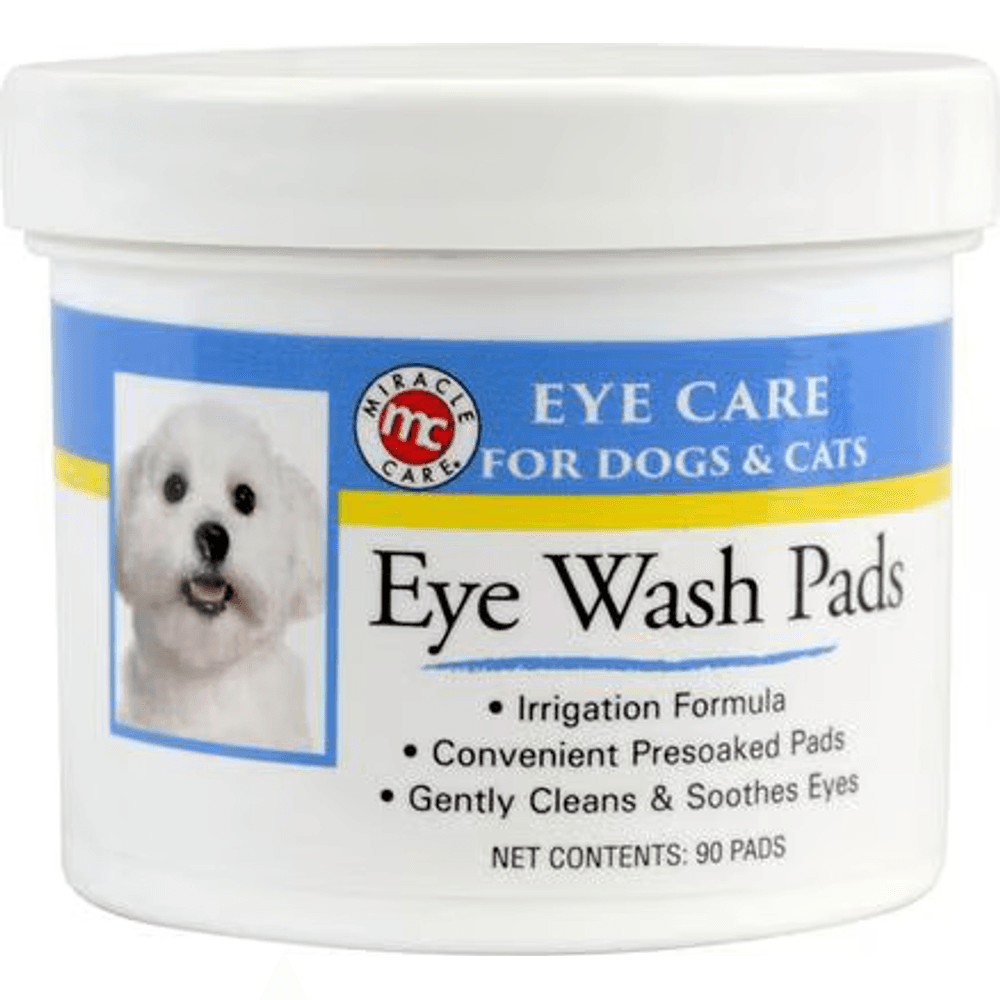
Presoaked sterile pads that gently wipe away everyday debris, discharge, and tear stains from around a dog's or cat's eyes as part of routine grooming. An easy way to keep the eye area clean and comfortable between baths.
Webvet may earn a commission when you click through to Chewy, at no extra cost to you.
What yellow vs green eye discharge means: infection, ulcer, or dry eye
Both yellow and green discharge are pus, so both point to inflammation with a bacterial component. The exact shade is not a reliable diagnosis on its own, but it does narrow the field.
Yellow discharge from a dog eye is often early or mild bacterial involvement; a green discharge from a dog eye tends to mean a heavier, more established bacterial load.

The three culprits behind colored discharge are usually:
- Bacterial infection / conjunctivitis: inflammation of the pink lining of the eye, producing yellow to green pus, often with redness and swelling.
- Corneal ulcer: a scratch or erosion of the eye surface that gets infected. Usually very painful, with squinting and colored discharge. This is the most vision-threatening of the three.
- Dry eye (KCS): keratoconjunctivitis sicca, where the eye does not make enough tears. Without the tear film's cleansing action, thick, sticky, yellow-green mucus builds up, often in both eyes.
People often ask about dog green eye discharge and allergies. Allergies in dogs typically cause clear, watery, itchy eyes, not thick green pus. If allergic irritation is left alone, though, secondary bacterial infection can develop and turn the discharge yellow or green.
So green discharge is not itself an allergy sign, but allergies can set the stage for it.
Contrast this with the harmless stuff: a little clear-to-reddish-brown crust in the morning is usually normal tear residue, and persistent rusty staining down the face is tear staining, not infection. We cover those in our guides to dog eye discharge and dog tear stains.
| Discharge type | What it often means | Typical action |
|---|---|---|
| Clear and watery | Tears, mild irritation, early allergies | Monitor; vet if it persists or worsens |
| Reddish-brown crust (corners) | Normal tear residue or tear staining | Wipe clean; cosmetic, not urgent |
| Yellow, mucoid | Early bacterial infection or dry eye | Vet visit, usually within a day |
| Green, thick, pus-like | Established bacterial infection or infected ulcer | Prompt vet visit; same-day if painful |
| Any color + squinting/cloudiness | Possible corneal ulcer or painful eye | Emergency, see a vet now |

Presoaked wipes that gently clean the fur and skin around a dog's or cat's eyes, lifting away tear stains, discharge, and daily debris as part of routine grooming. A quick, no-rinse way to keep the eye area clean and tidy between baths.
Webvet may earn a commission when you click through to Chewy, at no extra cost to you.
Common causes of colored (yellow/green) eye discharge in dogs
Yellow green discharge is a symptom, not a diagnosis. Several conditions produce it, and a vet exam sorts out which. The most common causes are conjunctivitis, corneal ulcers, dry eye, and blocked or infected structures around the eye.
Conjunctivitis (bacterial or secondary)
Conjunctivitis is inflammation of the conjunctiva, the pink membrane lining the eyelids and eye surface. According to VCA Animal Hospitals, it causes redness, swelling, and discharge that can be watery, mucoid, or purulent (yellow-green). It may start with allergies, irritants, or a foreign body, then pick up a bacterial infection that colors the discharge.
Corneal ulcer
A corneal ulcer is damage to the clear front surface of the eye, often from a scratch, rubbing, a foreign body, or dry eye. Ulcers hurt, and an infected ulcer can produce yellow-green discharge with heavy squinting. Left untreated, deep ulcers can perforate the eye. This is why any painful, colored-discharge eye is treated urgently.
For a full walkthrough, see our guide to corneal ulcers in dogs and dog eye ulcer treatment.
Dry eye (keratoconjunctivitis sicca)
Dry eye (KCS) happens when tear production drops, usually from an immune-mediated process. Without enough tears to flush the surface, the eye produces thick, sticky, yellow-green mucus, frequently in both eyes, along with redness and a dull cornea. It is a chronic condition that needs lifelong management, so getting the diagnosis right matters.
Other causes
- Foreign body (grass seed, dirt, hair) trapped under the lid, causing irritation and secondary infection.
- Blocked tear duct, which changes how tears drain and can lead to buildup.
- Eyelid abnormalities (entropion, extra lashes) that rub the surface and trigger inflammation.
- Eyelid or tear-gland infections such as a prolapsed gland (cherry eye).
 Sponsored
Vet care that's always there
Unlimited video calls and messaging with licensed vets for less than a typical vet visit. One membership covers up to five pets.
Use code Pets30
Plans start at $11/month · covers up to 5 pets
- Licensed vets in most states
- Rx for 150+ conditions
- 4.7 on Trustpilot
Warning signs that mean see a vet now (squinting, cloudiness, pawing)
The discharge color tells you something is wrong; the accompanying signs tell you how fast to act. Certain symptoms point to pain or a corneal injury that can threaten sight within a day or two, so they warrant immediate care rather than a wait-and-see approach.
Get seen the same day if you notice any of these dog eye infection symptoms:
- Squinting or holding the eye partly or fully shut (a top pain signal).
- Cloudiness, a bluish haze, or a spot on the clear surface of the eye.
- Pawing, rubbing on the carpet or furniture, or keeping the head tilted.
- Redness, swelling of the lids, or a bulging or sunken eyeball.
- Blood in or around the eye, or a visible wound near it.
- Signs of vision loss, like bumping into things or hesitation on stairs.
Dog eye discharge and squinting together is the combination that most often signals a corneal ulcer, so do not delay. The American College of Veterinary Ophthalmologists emphasizes that painful, red, or cloudy eyes need prompt professional evaluation to protect vision.
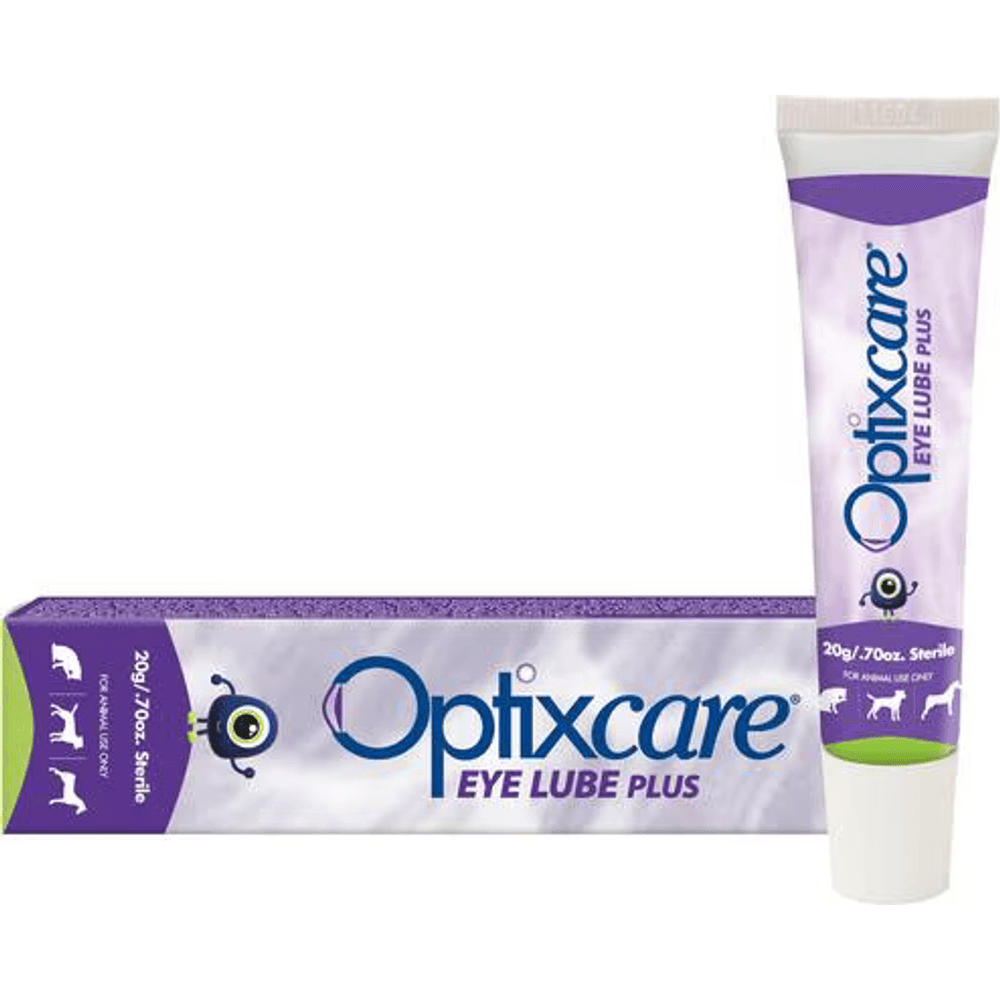
A sterile lubricating gel that soothes and moisturizes dry, irritated eyes and helps support the tear film in dogs and cats prone to dryness. A gentle, vet-shelf staple for everyday eye comfort.
Webvet may earn a commission when you click through to Chewy, at no extra cost to you.
Which dog breeds get eye boogers and infections most (brachycephalic)
Flat-faced (brachycephalic) breeds get eye discharge and infections most often. Their shallow eye sockets, prominent eyes, and facial folds mean the eyes are more exposed, dry out faster, and are easier to scratch, so they collect gunk and pick up infections more readily than long-nosed breeds.
Breeds that commonly deal with eye boogers and infections include:
- Bulldogs (English and French), Pugs, and Boxers.
- Shih Tzus, Lhasa Apsos, Pekingese, and Boston Terriers.
- Cavalier King Charles Spaniels and Maltese (prone to tear staining plus discharge).
Wondering why your dog has eye boogers every morning, or suddenly out of nowhere? A small amount of clear or tan crust after sleep is normal for many dogs and just dried tears.
What is not normal is a sudden change: new yellow-green color, a big increase in volume, or discharge in one eye only. Those shifts deserve a vet look.
We break down the normal-versus-not line in our full dog eye boogers guide.
How to safely clean your dog's eye while you wait for the vet
Yes, you should gently wipe away your dog's eye discharge while you wait for the appointment, but keep it supportive-only: a clean, warm, damp cloth and nothing more. Gentle cleaning keeps the dog comfortable and stops crust from sealing the lids, but it does not treat the underlying cause.

How to clean dog eye discharge safely, including hard or black crust:
- Wash your hands, then soak a clean cloth or cotton pad in warm (not hot) water.
- Hold the warm compress against crusted areas for a few seconds to soften hardened or black crust before wiping. Do not pick or scrape dried crust off dry.
- Wipe gently from the inner corner outward, away from the eyeball. Use a fresh section of cloth for each wipe and each eye.
- For the fur around the eye, a plain saline eye rinse made for pets can help loosen debris. Avoid getting soap, shampoo, or human products near the eye.
What to avoid: do not reuse old eye drops or a previous prescription, do not use human antibiotic ointment or redness-reliever drops, and do not force the eye open if your dog is in pain.
If the eye looks painful or the crust is stuck to the eyeball itself, stop and let the vet handle it.
Our step-by-step how to clean dog eyes guide has more detail.
How vets diagnose and treat dog eye discharge yellow green
Vets treat yellow green eye infections by first finding the cause, then targeting it. The exam is quick and painless, and it prevents the biggest risk: masking a corneal ulcer with the wrong medication. Treatment for a dog eye discharge yellow green problem depends entirely on that diagnosis.
Common diagnostic steps include:
- Fluorescein stain: a harmless dye that glows on any corneal scratch or ulcer.
- Schirmer tear test: measures tear production to check for dry eye (KCS).
- Eye pressure and a look under the lids: to rule out glaucoma and find any foreign body.
Treatment (dog eye discharge medicine) is prescription and cause-specific:
- Bacterial infection: prescription antibiotic eye drops or ointment.
- Corneal ulcer: antibiotics plus pain control, and sometimes an e-collar; steroid drops are avoided because they can worsen an ulcer.
- Dry eye (KCS): tear-stimulating medication (such as a cyclosporine or tacrolimus ointment) plus lubrication, usually long term.
Finish the full course even if the eye looks better in a few days, and go back for a recheck if the vet asks, so they can confirm an ulcer has fully healed.

A lightweight, padded fabric cone that gently blocks a pet from pawing, scratching, or rubbing a healing eye, wound, or hot spot, and it is far softer and less stressful than a hard plastic cone.
Webvet may earn a commission when you click through to Chewy, at no extra cost to you.
Home remedies: what is safe and what to avoid
For yellow green discharge, safe home care is limited to supportive cleaning while you get to a vet. There is no proven safe home remedy that treats a bacterial eye infection or ulcer in dogs, and DIY treatments can delay real care and cause harm.
The one genuinely safe at-home step is the warm-compress cleaning described above, plus a pet-safe saline rinse if your vet approves it. Everything else should wait for a diagnosis. For milder, non-colored discharge, our home-care guidance is folded into the dog eye discharge and dog watery eyes articles, but yellow-green pus is a vet-first situation.
When yellow/green discharge clears vs when it will not go away on its own
Bacterial conjunctivitis in dogs rarely clears fully on its own, and a corneal ulcer or dry eye will not resolve without treatment. While a mild irritation might settle once the trigger is gone, true yellow-green pus usually needs prescription drops to clear safely and to prevent the infection from digging in or scarring the eye.
So will conjunctivitis go away by itself in dogs? Sometimes very mild, irritant-driven cases improve, but you cannot tell by looking whether an ulcer is hiding underneath, and that gamble can cost vision. The safe answer is to have it checked rather than waiting to see if it clears.
Expect improvement within a couple of days once the correct treatment starts. If the discharge is not improving on medication, comes back after you stop, or gets worse at any point, call your vet, because that can mean the wrong bug, a resistant infection, or an underlying problem like dry eye that needs ongoing management.
Frequently asked questions
Can I treat my dog's conjunctivitis at home?
You can support your dog at home by gently wiping discharge with a clean warm damp cloth, but you cannot cure true conjunctivitis at home. Yellow-green discharge usually needs prescription antibiotic drops, and a vet must first rule out a corneal ulcer, which requires different treatment.
Home-only care risks letting a serious eye problem worsen, so see a vet.
What dog breeds are prone to eye boogers?
Flat-faced (brachycephalic) breeds are most prone to eye boogers and infections, including Bulldogs, Pugs, Boxers, Shih Tzus, Lhasa Apsos, Pekingese, and Boston Terriers. Their prominent eyes and facial folds mean more exposure, faster tear evaporation, and easier irritation. Breeds prone to tear staining, like Maltese and Cavalier King Charles Spaniels, also collect more discharge.
Should I wipe away my dog's eye boogers?
Yes. Gently wiping away eye boogers with a clean warm damp cloth keeps your dog comfortable and stops crust from matting the lids. Wipe from the inner corner outward, use a fresh area of cloth per eye, and never pick dried crust off dry.
If wiping seems to cause pain, or the eye is red, cloudy, or squinting, stop and see a vet.
Will conjunctivitis go away by itself in dogs?
Usually not completely. Very mild irritant-driven cases sometimes improve once the trigger is removed, but bacterial conjunctivitis producing yellow-green discharge typically needs prescription treatment to clear. You also cannot tell by looking whether a painful corneal ulcer is hiding underneath. Because eye problems can worsen fast, have it checked rather than waiting.
Will conjunctivitis in dogs go away by itself?
Conjunctivitis in dogs generally does not fully resolve on its own when the discharge is thick and yellow or green, which signals a bacterial component. Prescription eye medication is usually needed. Waiting it out risks a worsening infection, scarring, or a missed corneal ulcer, so a prompt vet visit is the safest choice.
Is there a natural antibiotic for dogs?
There is no reliable natural antibiotic that safely treats a dog's eye infection. Popular DIY options like apple cider vinegar, honey, tea, or essential oils are not proven for eyes and can sting, worsen an ulcer, or delay effective care. Bacterial eye infections need veterinary-prescribed antibiotic drops or ointment, not home substitutes.
Should you wipe your dog's eye boogers?
Yes, gentle, regular wiping with a clean warm damp cloth is good hygiene and keeps crust from sealing the lids shut. Just be gentle, wipe outward away from the eyeball, and use a fresh cloth section for each eye.
If the discharge is yellow-green or the eye looks painful, wiping is supportive only and you should also book a vet visit.
What are signs your dog is going to pass away?
Yellow or green eye discharge on its own is not a sign a dog is dying; it points to a treatable eye problem. General signs of a dog nearing the end of life include profound weakness or collapse, refusing food and water, labored breathing, incontinence, and withdrawal or disinterest in surroundings.
Those are separate from eye symptoms. If you are worried about your dog's overall decline, contact your vet promptly to discuss quality of life and next steps.
The bottom line
Yellow green eye discharge in dogs is pus, and pus means a vet visit. Most cases are a treatable bacterial infection, but the same color can mask a corneal ulcer or dry eye that will not fix itself.
Clean gently with a warm damp cloth, skip the DIY remedies and old prescriptions, and get an exam, sooner rather than later if there is any squinting, cloudiness, or pain.
Reviewed against guidance from the Merck Veterinary Manual, VCA Animal Hospitals, and the American Veterinary Medical Association. This article is educational and does not replace an in-person veterinary exam.

Editor
The Webvet Editorial Team is the in-house group of pet-care editors and writers behind Webvet, operated by Smart Pet Collective. The team researches, writes, and maintains Webvet's pet health, behavior, and medication content. Every article follows a defined editorial process: research from reputable veterinary and scientific sources, careful drafting, mandatory review of medical content by a credentialed veterinarian, and dated publication. Health and medication articles are medically reviewed by a licensed veterinary professional before they go live and are kept current over time.
Veterinarian · BVMS MRCVS
Dr. Pippa Elliott, BVMS, MRCVS, is a veterinarian with nearly 30 years of experience in companion animal practice. Dr. Elliott earned her Bachelor of Veterinary Medicine and Surgery from the University of Glasgow. She was also designated a Member of the Royal College of Veterinary Surgeons. Married with 2 grown-up kids, Dr. Elliott has a naughty Puggle named Poggle, 3 cats and a bearded dragon.
Related reading

Cat Cremation Cost: Private, Communal, and Additional Charges

Cat Euthanasia Cost: Clinic, At-Home Care, and Aftercare

Dog Microchip Cost: Implantation, Registration, and Ongoing Fees
