Dog Watery Eyes: Causes, Treatment & Vet Care
Dog watery eyes (epiphora) usually come from allergies, irritants, or a blocked tear duct. Learn the causes, safe home care, and the red-flag signs that mean it is time to see a vet.

BVMS MRCVS
Medically reviewed by Dr. Pippa Elliott, BVMS MRCVS · Last reviewed

This article contains affiliate links. Webvet may earn a commission when you buy through them, at no extra cost to you.
Dog watery eyes, known medically as epiphora, are most often caused by environmental allergies, irritants like dust or wind, or a blocked tear duct that stops tears from draining normally. Occasional clear watering is usually harmless.
Thick yellow or green discharge, redness, squinting, or a cloudy eye means your dog needs a vet. This guide explains the common causes, safe home care, and the exact warning signs that turn watery eyes into an urgent problem.
- 1Watery eyes (epiphora) happen when a dog makes too many tears or cannot drain them normally.
- 2Clear, occasional watering is usually benign; thick, colored, or foul-smelling discharge is not.
- 3Redness plus squinting or pawing suggests pain and needs same-day veterinary attention.
- 4One watery eye often points to a local problem (blocked duct, foreign object, scratch) rather than allergies.
- 5Flat-faced (brachycephalic) breeds and seniors are prone to chronic tearing due to their eye anatomy.
- 6Home care is limited to gentle cleaning and vet-approved rinses; never use human eye medications.
 Sponsored
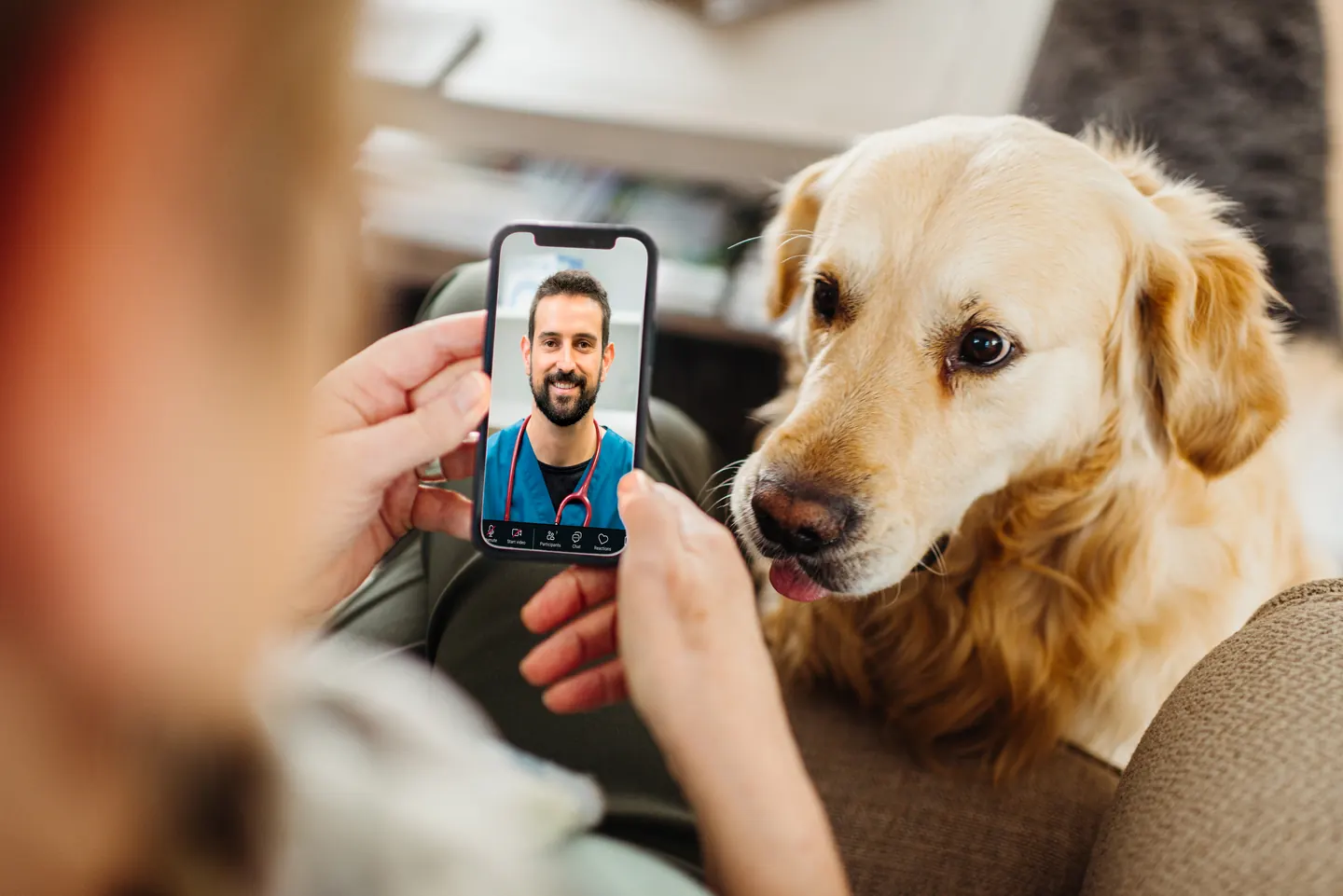
Have a health question about your dog?
Talk to a licensed vet at Dutch over video or message, including nights and weekends.
Use code Pets30
Plans start at $11/month · covers up to 5 pets
- Licensed vets in most states
- Rx for 150+ conditions
- 4.7 on Trustpilot
What are watery eyes (epiphora) in dogs?
Watery eyes in a dog means there is more tear fluid on the surface of the eye and around the lids than the drainage system can handle. The medical term is epiphora, and it describes the overflow of tears down the face rather than a disease on its own.
Healthy dogs constantly produce a thin tear film that lubricates and protects the surface of the eye. Those tears normally drain through tiny openings at the inner corner of each eye into the tear ducts and down into the nose.
When a dog with watery eyes overproduces tears, or when that drainage pathway is blocked, the fluid spills onto the fur instead.
According to the Merck Veterinary Manual, the tear film and its drainage system are what keep the surface of the eye healthy, so watery eyes on a dog are essentially a plumbing signal: either too much fluid is coming in, or not enough is going out.
A dog with watery eyes may show tear-stained fur, a damp muzzle, or reddish-brown streaks below the inner corners of the eyes. On its own, a little clear watering is common and rarely serious. It becomes a concern when it is paired with color, odor, redness, or discomfort, which we cover in detail below.

A sterile lubricating gel that soothes and moisturizes dry, irritated eyes and helps support the tear film in dogs and cats prone to dryness. A gentle, vet-shelf staple for everyday eye comfort.
Webvet may earn a commission when you click through to Chewy, at no extra cost to you.
What causes watery eyes in dogs?
The most common dog watery eyes causes are environmental allergies, physical irritants, and blocked or malformed tear ducts. If you are wondering why your dog has watery eyes all of a sudden, a new irritant (pollen season, dust, smoke, a bath product) or a foreign object such as a grass seed is often the trigger.
Per VCA Animal Hospitals, epiphora in dogs generally falls into two buckets: overproduction of tears from irritation, and impaired drainage. Common causes include:
- Allergies: pollen, mold, dust mites, or household irritants that inflame the eyes.
- Irritants and foreign material: dust, smoke, wind, shampoo, or a grass seed or eyelash on the eye surface.
- Blocked tear ducts: a clogged or malformed drainage duct that prevents tears from clearing.
- Eye infections (conjunctivitis): bacterial or viral inflammation, often with colored discharge.
- Corneal injury or ulcer: a scratch or ulcer on the surface of the eye that causes reflex tearing and pain.
- Anatomical issues: inward-rolling eyelids (entropion), extra eyelashes, or the shallow eye sockets of flat-faced breeds.
- Glaucoma or other painful conditions: increased pressure inside the eye, which is a medical emergency.
If you notice dog eyes with watery discharge, the color and texture of that discharge is one of the most useful clues to the cause, and it helps your vet narrow things down fast. For a deeper breakdown of discharge itself, see our guide to dog eye discharge.

 Sponsored
Vet care that's always there
Unlimited video calls and messaging with licensed vets for less than a typical vet visit. One membership covers up to five pets.
Use code Pets30
Plans start at $11/month · covers up to 5 pets
- Licensed vets in most states
- Rx for 150+ conditions
- 4.7 on Trustpilot
Allergies vs. infection: telling watery eyes apart
Dog watery eyes from allergies usually produce clear, watery tears in both eyes, along with itching, sneezing, or paw-licking, while an infection more often causes thick yellow or green discharge in one or both eyes.
Allergies tend to flare seasonally or after exposure. Infections tend to get progressively worse and may include redness, swelling, and discomfort.
Dog eye allergy symptoms often appear alongside other allergy signs: itchy skin, ear infections, or licking the feet. The tears are typically clear and both eyes are affected at once. Colored discharge, especially green or yellow, points more toward a bacterial infection and is a reason to see a vet.
Use the table below as a starting point, not a diagnosis. Only a veterinarian can confirm whether watery eyes are from allergies, an infection, or something else.
| What you see | Points toward | What to do |
|---|---|---|
| Clear, watery tears in both eyes, itching, sneezing | Allergies or irritants | Reduce exposure; ask your vet about allergy management |
| Thick yellow or green discharge | Bacterial infection | See a vet; may need prescription eye medication |
| White or gray mucus, mild | Irritation or mild conjunctivitis | Gentle cleaning; vet if it persists or worsens |
| Watering plus redness and squinting | Pain, ulcer, or glaucoma | Same-day vet visit |
| One eye only, sudden onset | Foreign object, scratch, blocked duct | Vet check; do not try to remove objects yourself |
If your dog has green or yellow discharge specifically, our companion article on green and yellow dog eye discharge walks through what those colors mean and how vets treat them. Allergy-specific eye care is covered in our dog eye boogers guide.
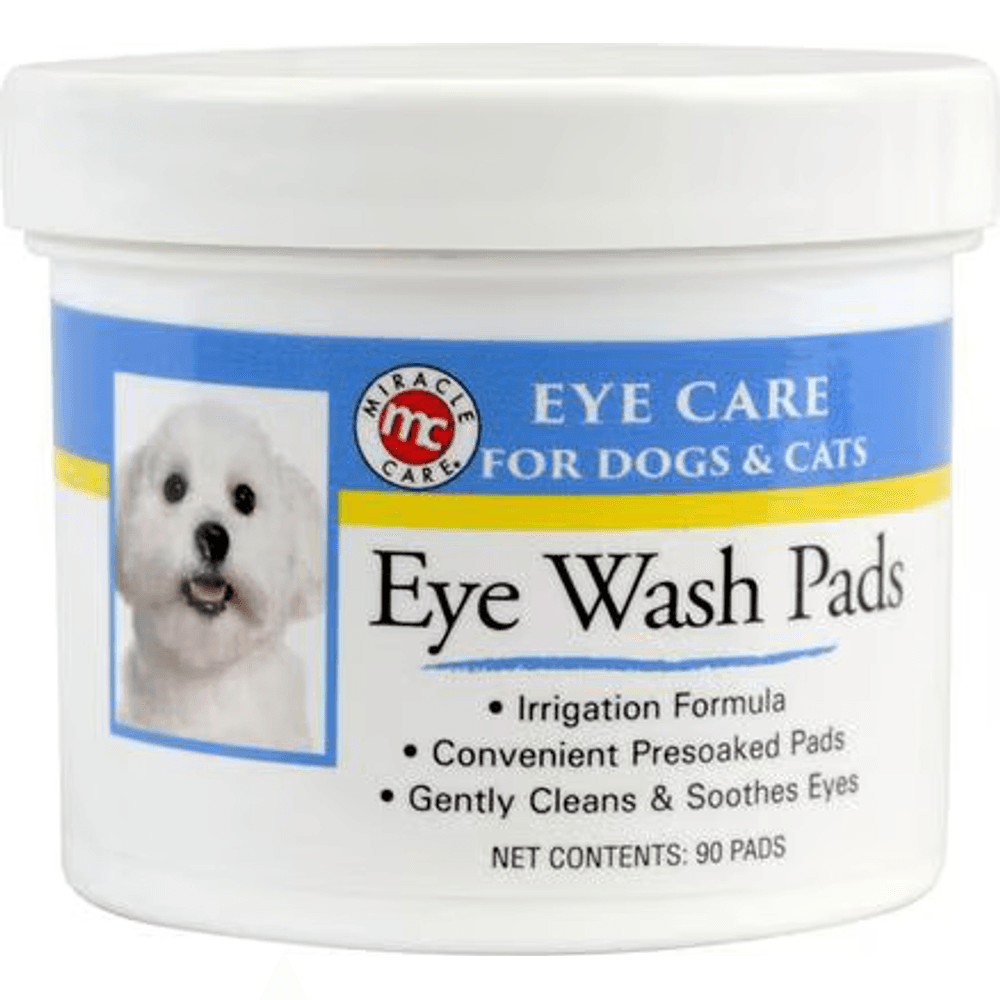
Presoaked sterile pads that gently wipe away everyday debris, discharge, and tear stains from around a dog's or cat's eyes as part of routine grooming. An easy way to keep the eye area clean and comfortable between baths.
Webvet may earn a commission when you click through to Chewy, at no extra cost to you.
Red, watery, or squinting eyes: what the pairing signals
When your dog has red and watery eyes, or is squinting along with the watering, that combination usually signals irritation, pain, or inflammation rather than a harmless overflow.
Red plus watery plus squinting is a pattern that warrants prompt veterinary attention because it can indicate a corneal ulcer, glaucoma, or an object stuck on the eye.
Red and watery eyes
Redness means blood vessels in the eye or lids are inflamed. Paired with watering, it commonly reflects conjunctivitis, allergies, or irritation.
If the redness is intense, sudden, or the eye looks bloodshot, treat it as more urgent, as the American College of Veterinary Ophthalmologists notes that a red, painful eye can reflect serious conditions like glaucoma.
Squinting or holding one eye shut
Squinting (blepharospasm) is a reliable sign of eye pain. A dog that suddenly squints in one eye, keeps it partly closed, or paws at it may have a scratch, ulcer, or foreign body. This is not a wait-and-see situation.
A corneal ulcer left untreated can deepen and threaten the eye, so see our guides on the corneal ulcer in dogs and dog eye ulcer treatment for what to expect at the vet.
Watery eyes with white discharge
A small amount of white or grayish mucus at the inner corner can be normal tear residue. Larger amounts, or white discharge with redness or squinting, suggest irritation or early conjunctivitis. Clean it gently and monitor; if it thickens, turns yellow or green, or the eye becomes painful, book a vet visit.

Presoaked wipes that gently clean the fur and skin around a dog's or cat's eyes, lifting away tear stains, discharge, and daily debris as part of routine grooming. A quick, no-rinse way to keep the eye area clean and tidy between baths.
Webvet may earn a commission when you click through to Chewy, at no extra cost to you.
Why is only one of my dog's eyes watering?
When only one of your dog's eyes is watering, the cause is usually something local to that eye rather than a body-wide issue like allergies. A single watery eye most often points to a foreign object, a scratch or ulcer, a blocked tear duct, or an eyelid problem on that side.
Allergies and infections that spread through the air tend to affect both eyes, so one-sided watering shifts suspicion toward a mechanical cause. Common culprits for a single watery eye include:
- A foreign object such as a grass seed, dust, or eyelash trapped under the lid.
- A corneal scratch or ulcer causing reflex tearing and pain.
- A blocked or narrowed tear duct on that side.
- An eyelid abnormality such as entropion or a small growth.
Dog blocked tear duct treatment is handled by a veterinarian, who may flush the duct under sedation to confirm and clear the blockage. Do not attempt to flush a tear duct or remove a lodged object at home, as you can injure the eye.
If one eye is watering with redness, squinting, or discharge, have it examined promptly.
Watery eyes in senior dogs and brachycephalic breeds
Some dogs are simply built to tear more. Flat-faced (brachycephalic) breeds and many senior dogs develop chronic watery eyes because of their eye and eyelid anatomy, not because anything is acutely wrong. That said, a new change in an old dog's eyes should still be checked.
Breeds like Bulldogs, Pugs, Shih Tzus, and Boston Terriers have shallow eye sockets, prominent eyes, and skin folds that interfere with normal tear drainage. Small breeds such as Poodles and Maltese also commonly show tear staining.
This chronic tearing is often cosmetic, but it can predispose the eyes to irritation and infection, so keeping the area clean matters.
For an old dog, watery eyes can also accompany age-related changes such as reduced tear quality, eyelid laxity, or early eye disease. Because seniors are more prone to conditions like glaucoma and dry eye, do not assume new watering is just aging.
If your senior dog develops watering that is new, one-sided, colored, or painful, have your veterinarian examine the eye. Persistent tear staining can be managed with gentle daily cleaning, covered in our dog tear stains guide.
When to worry: signs your dog needs a vet
You should worry about your dog's watery eyes when the watering comes with pain, color, or a change in the eye's appearance. Brief, clear watering that resolves on its own is usually fine, but colored discharge, redness, squinting, cloudiness, or swelling means it is time to take your dog to the vet.
Take your dog to the vet for watery eyes if you notice any of the following:
- Thick yellow, green, or bloody discharge.
- A red, bloodshot, or swollen eye.
- Squinting, holding the eye shut, or pawing and rubbing at it.
- A cloudy, hazy, or bluish surface, or a visibly different-looking eye.
- Watering in only one eye that appears suddenly.
- Watering that lasts more than a day or two, or keeps coming back.
The reason to act quickly is that some causes of watery eyes, including corneal ulcers and glaucoma, can permanently damage vision if untreated. As resources like the Cornell Riney Canine Health Center emphasize, a painful or changing eye is an urgent problem. When in doubt, call your vet.

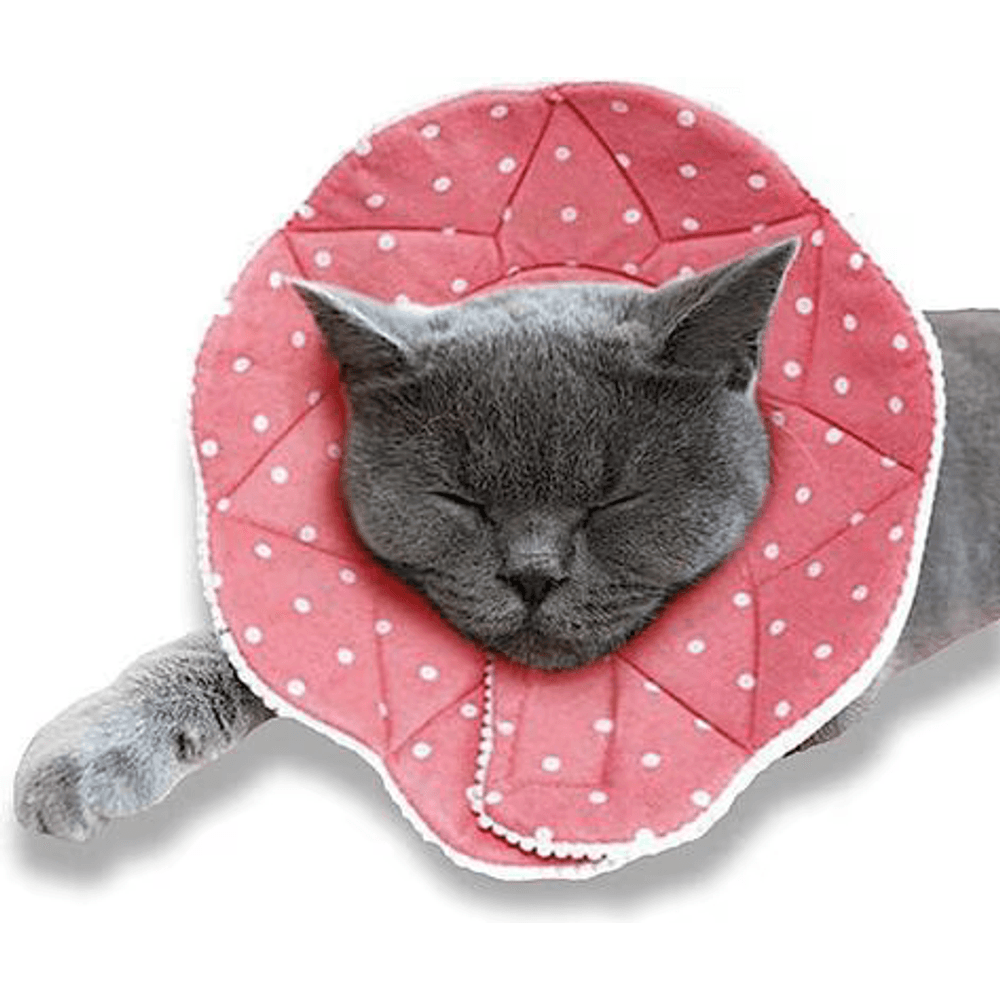
A lightweight, padded fabric cone that gently blocks a pet from pawing, scratching, or rubbing a healing eye, wound, or hot spot, and it is far softer and less stressful than a hard plastic cone.
Webvet may earn a commission when you click through to Chewy, at no extra cost to you.
Home care and how to treat watery eyes in dogs
To care for a dog's watery eyes at home, keep the area clean and dry, remove obvious irritants, and let your veterinarian handle any underlying cause. Home care is supportive only; it does not replace a vet visit when the eye is painful, red, or discharging color.
Safe, vet-friendly steps to fix your dog's watery eyes include:
- Wipe gently: use a clean, damp cotton pad or soft cloth to wipe away discharge from the inner corner outward, using a fresh pad for each eye.
- Keep fur trimmed: ask a groomer to keep hair around the eyes short so it does not poke or wick moisture.
- Reduce irritants: limit dust and smoke, rinse off pollen after walks, and avoid getting shampoo in the eyes during baths.
- Use only vet-approved rinses: a sterile canine saline eye rinse can flush mild debris. Do not use homemade salt solutions of your own recipe or human medicated products.
There is no safe DIY cure for a dog watery eyes home remedy when the cause is an infection, ulcer, or blocked duct; those need veterinary treatment such as prescription drops, duct flushing, or surgery. For a full step-by-step cleaning routine, see our guide on how to clean your dog's eyes.
Eye drops and eye washes for dogs with watery eyes
The right eye drop for a dog with watery eyes depends entirely on the cause, so it should be chosen by your veterinarian. Sterile saline rinses can help clear mild debris and irritants, while medicated drops (antibiotic, anti-inflammatory, or anti-glaucoma) require a prescription and a diagnosis.
For allergy-related watering, vets may recommend specific dog-safe eye drops or address the underlying allergy directly rather than only treating the eye.
Because product selection and safe use matter, we cover this in a dedicated companion article on how to clean and rinse your dog's eyes, and you should confirm any drop with your vet before use. Avoid grabbing an over-the-counter human allergy drop, which is not formulated for dogs.
Frequently asked questions about dog watery eyes
Frequently Asked Questions
How do you treat watery eyes in dogs?
Treatment depends on the cause. At home you can gently clean the area, trim eye fur, and reduce irritants like dust and pollen. Any watering with pain, redness, or colored discharge needs a vet, who may prescribe eye drops, flush a blocked tear duct, or treat an infection or ulcer. Never use human eye products.
When should I take my dog to the vet for watery eyes?
See a vet if the watering comes with thick yellow or green discharge, redness, squinting, cloudiness, swelling, or pain, if only one eye is suddenly affected, or if it lasts more than a day or two. Because problems like corneal ulcers and glaucoma can threaten vision, a painful or changing eye is urgent.
Why is only one of my dog's eyes watering?
One watery eye usually means a local problem on that side rather than allergies, which typically affect both eyes. Common causes are a foreign object, a scratch or ulcer, a blocked tear duct, or an eyelid abnormality. Have it examined, and do not try to flush the duct or remove an object yourself.
Why does my dog keep having watery eyes?
Recurring watery eyes often trace back to ongoing allergies, chronic irritants, or anatomy, especially in flat-faced and small breeds prone to poor tear drainage. Persistent tearing can also signal a partially blocked duct or an eyelid problem. If it keeps returning, ask your vet to find and treat the root cause.
Should I be worried if my dog has watery eyes?
Occasional clear watering is usually not a cause for concern, especially in breeds that tear easily. You should worry if the watering is paired with colored discharge, redness, squinting, cloudiness, pain, or swelling, or if it affects one eye suddenly. Those signs warrant a same-day veterinary visit.
What are some signs that your dog is passing away?
Watery eyes are not a sign that a dog is dying. Signs of a dog nearing the end of life are systemic and unrelated to tearing: loss of appetite, extreme lethargy, difficulty breathing, inability to stand, incontinence, and withdrawal. If you are worried about your dog's health, speak with your veterinarian.
How do I fix my dog's watery eyes?
For mild, clear watering, keep the area clean and dry, trim surrounding fur, and limit irritants such as dust, smoke, and pollen. A vet-approved sterile saline rinse can clear minor debris. If watering is persistent, colored, painful, or one-sided, the fix requires a veterinary diagnosis and targeted treatment rather than home care alone.
What is the silent killer in dogs?
In an eye-health context, glaucoma is sometimes called a silent thief of sight because rising pressure can damage vision quickly and painfully, and watery, red eyes can be an early clue. More broadly, heart and kidney disease are called silent killers because they progress with few early signs. Regular vet checkups help catch them early.
Watery eyes in dogs are common and often minor, but the eye is a delicate organ and some causes are serious. When you see clear, occasional tearing, gentle cleaning and reducing irritants is usually enough.
When you see color, redness, squinting, cloudiness, or a single sudden watery eye, treat it as a reason to call your veterinarian promptly.

Editor
The Webvet Editorial Team is the in-house group of pet-care editors and writers behind Webvet, operated by Smart Pet Collective. The team researches, writes, and maintains Webvet's pet health, behavior, and medication content. Every article follows a defined editorial process: research from reputable veterinary and scientific sources, careful drafting, mandatory review of medical content by a credentialed veterinarian, and dated publication. Health and medication articles are medically reviewed by a licensed veterinary professional before they go live and are kept current over time.
Veterinarian · BVMS MRCVS
Dr. Pippa Elliott, BVMS, MRCVS, is a veterinarian with nearly 30 years of experience in companion animal practice. Dr. Elliott earned her Bachelor of Veterinary Medicine and Surgery from the University of Glasgow. She was also designated a Member of the Royal College of Veterinary Surgeons. Married with 2 grown-up kids, Dr. Elliott has a naughty Puggle named Poggle, 3 cats and a bearded dragon.
Related reading

Cat Cremation Cost: Private, Communal, and Additional Charges

Cat Euthanasia Cost: Clinic, At-Home Care, and Aftercare

Dog Microchip Cost: Implantation, Registration, and Ongoing Fees
