Dog Eye Swollen: Causes, First Aid, and When It Is an Emergency
A swollen dog eye can be as simple as an insect sting or as urgent as glaucoma. Here is how to read the swelling (one eye or both, lid or eyeball, painful or not), what to do at home, and when to go in today.

BVMS MRCVS
Medically reviewed by Dr. Pippa Elliott, BVMS MRCVS · Last reviewed

This article contains affiliate links. Webvet may earn a commission when you buy through them, at no extra cost to you.
When you find a dog eye swollen overnight, the first job is to work out what kind of swelling it is. A puffy eyelid from a bug bite and a bulging, painful eyeball are very different problems, and they need very different responses.
This guide reads a dog eye swollen by where the swelling sits, whether the eye hurts, and whether one eye or both are affected. It then covers safe first aid, when Benadryl is reasonable, and the signs of glaucoma, trauma, or infection that cannot wait.
 Sponsored
Have a health question about your dog?
Talk to a licensed vet at Dutch over video or message, including nights and weekends.
Use code Pets60
Plans start at $12/month · covers up to 5 pets
- Licensed vets in most states
- Rx for 150+ conditions
- 4.7 on Trustpilot
Why is my dog's eye swollen?
Most cases of a swollen eye on a dog come down to four common causes:
- An allergic reaction, often to an insect bite or sting, which puffs up the eyelids and face.
- Eyelid inflammation (blepharitis), from allergy, infection, an inflamed eyelid gland, or trauma.
- Conjunctivitis, where the pink lining around the eye swells, turns red, and produces discharge.
- Injury or a problem behind the eye, such as a scratch, a bite, a foreign object, or a tooth root abscess.
Two emergency rules come before everything else. First, a painful, cloudy, or bulging eye can mean acute glaucoma, which the Merck Veterinary Manual calls an ophthalmic emergency. Second, an eye that is swollen shut, or that your dog will not open, needs a vet the same day.
- 1Check eyelid swelling versus eyeball swelling first: a puffy lid over a normal-looking eye is usually less urgent than a bulging or cloudy eye.
- 2Compare one eye versus both eyes: one eye often points to a local problem, both eyes to something affecting the whole dog.
- 3A red, painful, squinting, or swollen shut eye needs a vet the same day.
- 4Rinse only with sterile saline eye wash, and never use human eye drops or contact lens solution.
If your dog's eye is swollen and red but your dog is acting normal, eating, and keeping the eye open, you usually have a little time to observe. A dog eye swollen and watery, itchy, or pink after a walk, a bath, or grooming is often irritation or allergy. Soap or shampoo in the eye can be flushed out with sterile saline.
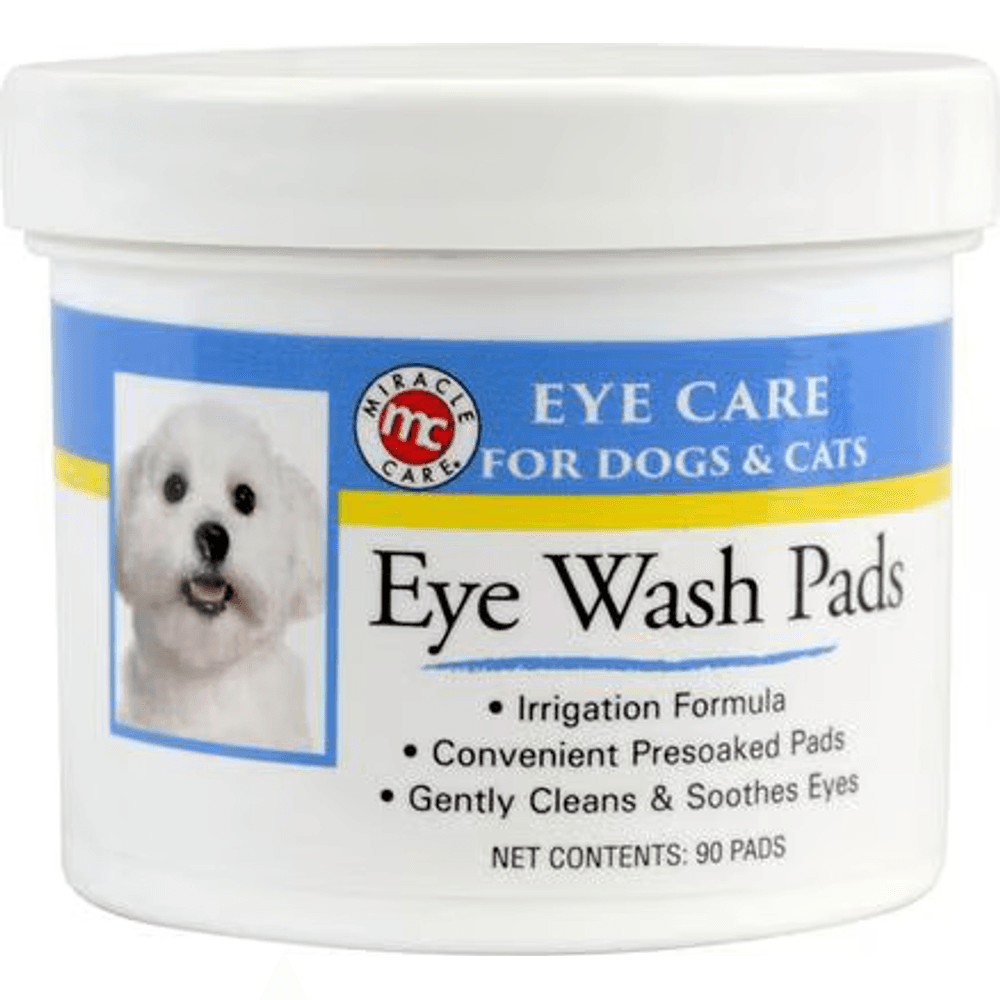
Sterile pre-moistened pads for gently wiping discharge from the eyelids during daily care.
Webvet may earn a commission when you click through to Chewy, at no extra cost to you.
Watch the rest of the picture too. A swollen eye with discharge (green, yellow, or goopy), a cloudy eye, swelling of the eye and mouth together, or a swollen eye in a dog who is vomiting or lethargic is not a wait-and-see situation. Dogs whose eyes swell all of a sudden, leaking or not, should be checked the same day.
Small details help your vet. Note when you first saw the swelling, whether the inner corner of the eye, the eye gland area, or the tear duct region looks puffiest, and whether the swollen tissue is the lid, the eye membrane, or the lining. A quick phone photo in good light is useful too.
Swollen eyelid vs. swollen eyeball: where the swelling sits
Location is the single most useful clue. Look closely in good light and decide which tissue is puffy: the eyelid, the pink tissue around the eye, the eyeball itself, or the face under the eye.

Eyelid swelling
A puffy eyelid is the most common pattern. VCA Animal Hospitals explains that blepharitis means inflammation of the eyelid and that the affected lid is usually red, swollen, and itchy. Dogs often squint, blink, or rub the face.
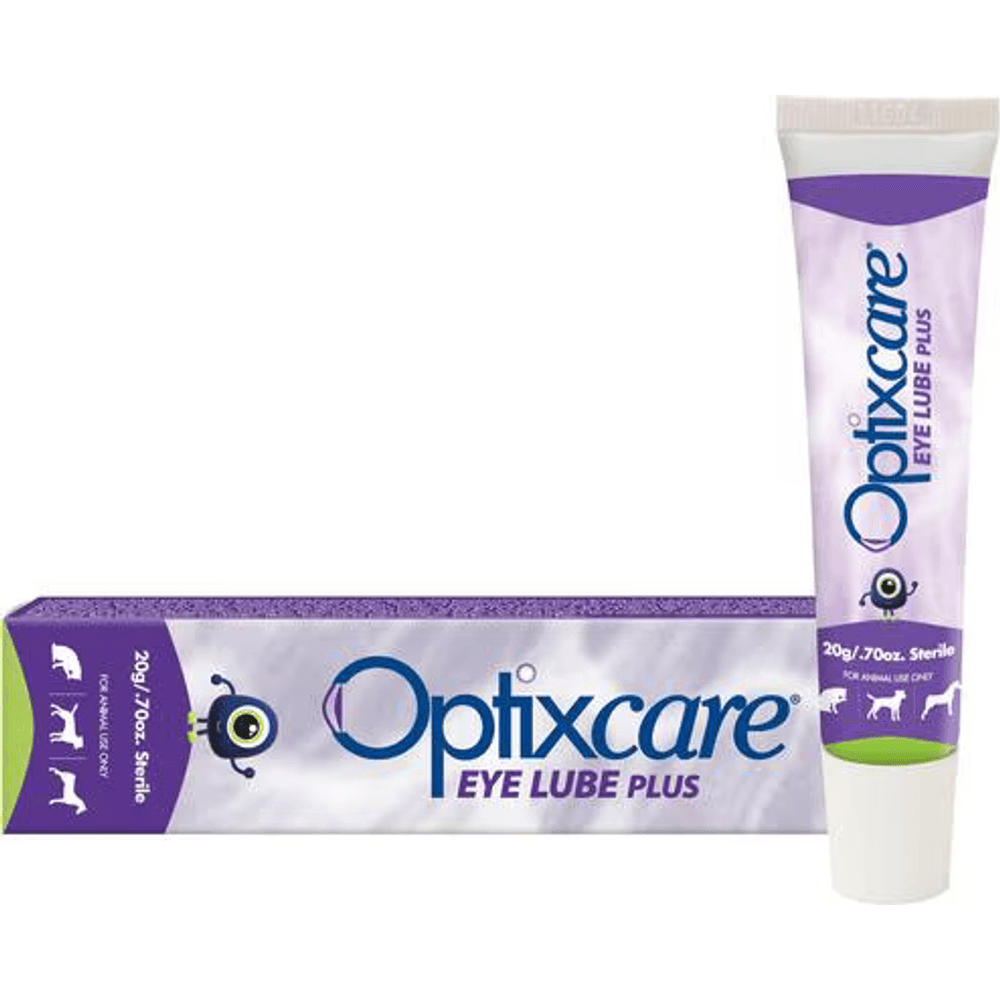
A lubricating eye gel vets often suggest for comfort on dry or irritated eyes.
Webvet may earn a commission when you click through to Chewy, at no extra cost to you.
Causes of swollen around eye tissue include:
- Allergies to insect bites, environmental allergens, or food.
- A bacterial infection that forms small abscesses in the eyelid glands.
- A chalazion, a swelling from an inflamed meibomian gland. The Merck owner manual also names a stye as a short-term gland infection.
- Trauma to the lids, including scratches and bites.
- Eyelid tumors, which in dogs typically start in the meibomian glands.
Swelling of the tissue around the eyeball
Sometimes the eyelids look normal, but the pink lining around the eye bulges and looks like jelly over the white part of the eye. This is conjunctival swelling (sometimes called chemosis). The Merck Veterinary Manual owner guide notes that this swelling happens to some degree in every case of conjunctivitis.
Swelling of the eyeball itself
A swollen eye socket, or an eyeball that looks bigger or pushed forward, is more serious. An enlarging eye can be glaucoma, while an eye pushed forward can mean an abscess or cellulitis behind the eye. Merck describes orbital cellulitis signs as acute pain on opening the mouth, eyelid swelling, a protruding third eyelid, and a globe pushed forward.
Swelling under the eye
A swollen face under the eye, or a swollen cheek under the eye on one side, is often a tooth problem rather than an eye problem. Today's Veterinary Practice reports that facial swelling below the eye is often of dental origin and typically involves the upper fourth premolar, the large carnassial tooth.
A dog under eye swollen but acting normal can still have this tooth problem, because abscessed teeth are painful even when dogs hide it. VCA suggests watching for chewing on one side or pawing at the face. Home treatment will not fix a swollen under eye tooth abscess; it needs dental X-rays.
If your dog is swollen under his eye, or swollen on the head above the eye, have it examined rather than treated at home. A cool compress is fine for comfort while you arrange the visit, but the cause behind the swelling still needs a diagnosis.
Dog eye swollen in one eye vs. both eyes
The second clue is whether the left eye, the right eye, or both are affected. Vets commonly look at this pattern as a reasoning aid, not a hard rule.
When only one eye is swollen on one side, vets often think first about something local to that eye or that side of the face:
- A foreign object, such as a grass awn or thorn.
- A scratch, bite, or blow to that eye.
- An insect sting on that side of the face.
- A tear sac problem or dry eye in that eye.
- A tooth root abscess, which can make a dog face swollen on one side under the eye.
- Glaucoma, which often starts with subtle signs in a single eye.
The Merck owner manual supports this for conjunctivitis: one-eye cases may come from a foreign object, tear sac inflammation, or dry eye. When both eyes are red and swollen, the cause is more often something affecting the whole dog, such as viral or bacterial conjunctivitis or allergy.
VCA adds that allergic conjunctivitis is common in pets with inhalant or seasonal allergies, and that conjunctivitis often involves both eyes. So a dog with one eye red and swollen after a walk through long grass deserves a careful look for something stuck in that eye.
 Sponsored
Vet care that's always there
Unlimited video calls and messaging with licensed vets for less than a typical vet visit. One membership covers up to five pets.
Use code Pets60
Plans start at $12/month · covers up to 5 pets
- Licensed vets in most states
- Rx for 150+ conditions
- 4.7 on Trustpilot
Common causes of a swollen dog eye
Why has my dog's eye swollen?
A dog's eye usually swells because of an allergic reaction to an insect bite or sting, inflammation or infection of the eyelid, conjunctivitis, or an injury. Less often, the cause is glaucoma, an infection behind the eye, or a tooth root abscess. Pain, cloudiness, or a closed eye means a same-day vet visit.
Insect stings and allergic reactions
A dog stung by a bee with a swollen eye is one of the most common reasons owners search for help. Merck notes that most hives in animals come from insect bites, and that severe cases cause gross swelling of parts of the body, including the face.
VCA's insect sting guidance says allergic reactions usually appear within 20 minutes of a bite but can be delayed for hours. A dog eye swollen from a bug bite usually has soft, puffy lids, sometimes with bumps on the muzzle. Severe swelling around the head and neck, or any trouble breathing, needs the emergency clinic now.
Eye infection and conjunctivitis
A swollen dog eye infection often shows redness, discharge, and mild discomfort. Merck lists the signs of conjunctivitis as redness, swelling of the tissue around the cornea, discharge, and mild eye discomfort. Our guide to dog conjunctivitis and pink eye covers that condition, and our page on dog eye discharge explains what different discharge can suggest.
Bites, scratches, and foreign objects
A dog bite near the eye, or a scratch from a cat, can swell the lids quickly. Merck's owner manual also lists foreign objects, such as a porcupine quill, thorn, or grass awn, as causes of disease around and behind the eye.
Tooth abscess
A dog tooth abscess with a swollen eye is easy to mistake for an eye infection. VCA explains that the tissue below the eye usually becomes swollen and inflamed just before the abscess bursts, and that an abscess of the upper fourth premolar or first molar can mimic an eye infection.
Other causes
A pink mass in the inner corner of the eye is a different problem, often cherry eye, which our cherry eye surgery cost guide covers. Dog allergy symptoms with a swollen eye can also come from environmental or food allergies rather than a single sting.
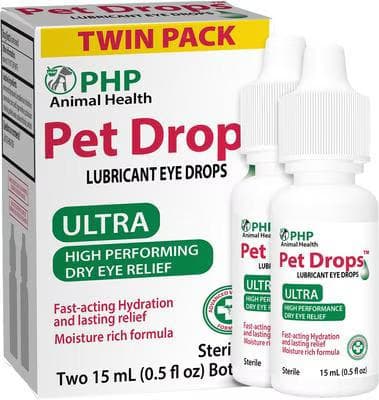
Lubricating eye drops for comfort between prescribed treatments, if your vet recommends them.
Webvet may earn a commission when you click through to Chewy, at no extra cost to you.
When a swollen dog eye is an emergency
Some swollen eyes cannot wait until tomorrow. VCA's urgent care guidance lists signs that need prompt care, and Merck stresses that eye emergencies need rapid, often aggressive treatment to keep vision.
Go to a vet now if you see any of these:
- A dog eye is swollen shut, or your dog is squinting hard and will not open it.
- The eye suddenly bulges or looks pushed forward.
- The eye is cloudy, bluish, or hazy, or the pupils are suddenly unequal.
- The white part of the eye is very red, or the pink tissue over the white swells like jelly.
- Your dog was hit in the eye and it is now swollen, or the eye is swollen and bleeding.
- The eye is swollen from a scratch, bite, or cut to the lid.
- The eye is swollen shut with discharge, especially colored discharge.
- The face and neck are swelling, or your dog has any trouble breathing.
Glaucoma
Glaucoma is the emergency owners most often miss. VCA's glaucoma page says blindness can occur very quickly unless the pressure inside the eye is reduced. Signs include a cloudy or bluish cornea, a bulging eyeball, red whites of the eye, and eye pain.
Cornell University College of Veterinary Medicine notes that glaucoma starts with subtle signs, maybe a slightly red eye and some squinting. Later, the eye becomes bright red and bulging, with a hazy cornea, dilated pupils, and a lethargic dog. Merck calls glaucoma a common cause of irreversible blindness in dogs.
VCA also advises treating suddenly unequal pupils as an emergency, because glaucoma, an ulcer, or a nerve problem can be behind them.
Trauma and proptosis
When a dog hit her eye and it's swollen, the concern is damage to the eyeball itself, which VCA lists as an emergency. In proptosis, the eyeball is pushed forward out of the socket. Today's Veterinary Practice calls it a serious ocular emergency, and flat-faced breeds have shallow sockets that make it easier, even from pressure on the neck.
If the eye has come forward, keep it moist with sterile saline and go to a vet now. Do not try to push it back. The outlook for vision after proptosis is guarded to poor, so speed matters. A boxer dog eye swollen shut after rough play deserves the same urgency.
Triage by location, pain, and one or both eyes
| Where the swelling sits | Pain signs | One or both eyes | What to do |
|---|---|---|---|
| Eyelids puffy, eye itself looks normal | None or mild itch | Both eyes, often with face swelling | Watch for 24 hours after first aid; go now if breathing changes |
| One eyelid puffy, small lump | Mild | One eye | Watch for 24 hours; see a vet today if it grows or the dog squints |
| Pink tissue around the eye, red with discharge | Mild discomfort | One or both eyes | See a vet today |
| Eye swollen shut or squinting hard | Clear pain | Usually one eye | See a vet today, same day |
| Eyeball bulging, cloudy, or bluish | Severe pain | Usually one eye | Emergency vet now |
| Under the eye, cheek, or face | May hide pain; chewing on one side | One side | See a vet today for a dental check |
| After a hit, bite, or scratch | Any | One eye | See a vet today; emergency if the eyeball is injured or bulging |
Dog eye swollen shut treatment depends on the cause, so a vet examination comes first. The same applies to any dog swollen eye from injury.

A rigid recovery cone that stops pawing and rubbing at a sore eye.
Webvet may earn a commission when you click through to Chewy, at no extra cost to you.
First aid for a swollen dog eye at home
Safe first aid is limited, and its goal is comfort and protection until a vet can look. If your dog fits any of the emergency signs above, skip home care and go.
For mild lid swelling in a dog who is otherwise acting normal, these steps are reasonable:
- Flush the eye with sterile saline eye wash. ACVO says saline eye wash can be used to rinse the eye surface copiously and frequently.
- Gently wipe discharge from the lids with a clean, damp pad.
- For a sting, apply a cool compress or wrapped ice pack for about 10 minutes, as VCA advises; a cooled towel works better for larger areas.
- Look carefully for a stinger, grass seed, or other object, but do not dig for it.
- Stop the rubbing and pawing so the eye is not damaged further.

Pre-moistened sterile pads make lid cleaning easier on a squirming dog. Our guide on how to clean dog eyes walks through the technique, and a pack such as Miracle Care Sterile Eye Wash Pads for Dogs & Cats, 90 count keeps a fresh pad ready for each wipe.
Rubbing is a real risk. VCA notes that most dogs with a painful eye rub it with a paw or on the carpet, and that dogs with a corneal ulcer must wear an Elizabethan collar to stop them rubbing the eye. A cone protects the eye on the way to the vet and afterward.
What are some home remedies for swollen eyes?
The safe home remedies for a dog's swollen eye are simple: rinse with sterile saline eye wash, wipe the lids with a clean pad, use a cool compress for a sting, and prevent rubbing with a cone. VCA also lists warm compresses for eyelid inflammation once a vet has confirmed the cause.
How to treat a confirmed eye infection at home, and whether it can clear on its own, is covered in our guide to dog eye infection; in short, most infections need vet-prescribed medication.
Can you give a dog Benadryl for a swollen eye?
Benadryl (diphenhydramine) is an antihistamine that vets use for allergic reactions, so it can be reasonable for a swollen eye caused by a sting or allergy. It does nothing for glaucoma, ulcers, infection, injury, or a tooth abscess, which is why the cause matters first.
Can I give Benadryl to my dog for swollen eyes?
Only after your vet agrees the swelling is allergic. Merck lists diphenhydramine for dogs at 2 to 4 mg/kg every 8 hours. A common home figure is roughly 1 mg per pound, inside Merck's 2 to 4 mg/kg range, and only after your vet agrees it is an allergic swelling. VCA says to consult your vet first for proper dosing.
VCA's diphenhydramine page notes that it takes about 1 to 2 hours to start working. That delay is another reason a dog eye swollen shut, or a face swelling fast, should go straight to the vet rather than wait on Benadryl at home.
When you are wondering what you can give your dog for a swollen eye, keep these limits in mind:
- Use plain diphenhydramine only. Merck warns that human cold and allergy combination products with decongestants can poison animals.
- Do not use Benadryl as a dog eye swollen shut home remedy for a painful, cloudy, or bulging eye.
- Pair it with safe local care, such as a saline rinse and a cool compress, for a dog eye red and swollen from a sting.
- Call the vet if the swelling spreads or your dog has any trouble breathing.
Our full guide to Benadryl for dogs covers forms and safety in more detail.
How vets diagnose and treat a swollen eye
The vet examines the eyelids, the pink tissue, the eyeball, and the mouth, then runs simple tests to separate surface problems from deeper ones.

Common tests include:
- Fluorescein stain, a dye that turns green where the cornea is ulcerated or injured. Our dog eye ulcer pictures show what ulcers look like.
- Schirmer tear test, which measures tear production to check for dry eye.
- Tonometry, which measures the pressure inside the eye. Merck advises measuring it in every dog with eye pain, and Cornell says pressures above 40 to 50 mm need emergency treatment.
- Culture and sensitivity or biopsy, for eyelid infections or suspected tumors.
- Dental X-rays, which VCA says are required to diagnose a tooth root abscess.
Treatment follows the cause:
- Conjunctivitis: topical antibiotic ointments or drops are commonly prescribed, according to VCA.
- Eyelid inflammation: warm compresses for 5 to 15 minutes several times a day, cleaning, and antibacterials for infection.
- Glaucoma: urgent medication to lower eye pressure rapidly and preserve as much vision as possible.
- An abscess or cellulitis behind the eye: Merck says systemic antibiotics and anti-inflammatories are generally curative, sometimes with drainage behind the last molar.
- Tooth root abscess: root canal or extraction; antibiotics alone will not cure it.
So treatment for a dog eye swollen all of a sudden, or a dog eye swollen and red, always starts with the exam. Prescription antibiotic eye drops need a vet; our best dog eye drops guide explains which drops you can buy over the counter and which you cannot.
During recovery, your vet may recommend a lubricating gel to keep a dry or irritated eye comfortable. A gel such as Optixcare Eye Lube Plus is a lubricant for comfort, not a treatment for infection or glaucoma.
For dogs whose vet suggests liquid drops instead of gel, a lubricant drop plays the same comfort role between prescribed medications. Ask your vet how to space it around any medicated drops.
Can a dog's eye heal on its own?
Some swelling does. Mild allergic lid swelling from hives often settles without treatment, generally within 12 to 48 hours according to Merck. Many eyelid conditions can be controlled but not always cured. Ulcers, glaucoma, infections, and abscesses need treatment, so any swollen eye home treatment should come with a plan to recheck.
Dog eye swollen questions
Frequently Asked Questions
Why is my dog's eye swollen shut?
An eye swollen shut usually means pain, from an injury, an ulcer, a severe allergic reaction, or glaucoma. Because glaucoma can take vision very quickly, a dog that will not open its eye needs a vet the same day, even if the swelling looks like a simple sting.
Why is only one of my dog's eyes swollen?
One swollen eye often points to a local cause, such as a foreign object, a scratch, a sting on that side, a tooth root abscess, or early glaucoma. Swelling in both eyes more often reflects allergy or conjunctivitis affecting the whole dog. Either way, a painful or cloudy eye needs a vet.
How long does a swollen dog eye take to go down?
Allergic lid swelling from hives usually settles within 12 to 48 hours. Re-check at 24 hours and call if it is worsening, spreading, or your dog starts squinting. Swelling from infection, injury, or a tooth problem will not resolve without treating the cause.
Can a dog's tooth abscess make the eye swell?
Yes. An abscess of the upper carnassial tooth, the large upper fourth premolar, often causes swelling under the eye on one side. VCA notes the tissue usually swells just before the abscess bursts, and it can be mistaken for an eye infection. Treatment is extraction or a root canal.
Is a swollen eye painful for a dog?
It can be. Mild lid swelling may only itch, but squinting, holding the eye closed, rubbing the face, and pawing at the eye are signs of pain. VCA describes eye ulcers as intensely painful, so any of these signs means a vet visit.
Veterinarian · BVMS MRCVS
Dr. Pippa Elliott, BVMS, MRCVS, is a veterinarian with nearly 30 years of experience in companion animal practice. Dr. Elliott earned her Bachelor of Veterinary Medicine and Surgery from the University of Glasgow. She was also designated a Member of the Royal College of Veterinary Surgeons. Married with 2 grown-up kids, Dr. Elliott has a naughty Puggle named Poggle, 3 cats and a bearded dragon.
Related reading

Seizures in Cats: Signs, Causes, What to Do, and Treatment

How to Make a Dog Throw Up Safely: Hydrogen Peroxide Dose by Weight and When Not To

Reverse Sneezing in Dogs: Causes, How to Stop an Episode, and When to Worry
