Cherry Eye Surgery Cost: What the Quote Includes
Understand what a cherry-eye surgery estimate includes, compare a published clinic fee example, and plan for anesthesia, medicines, recovery supplies and follow-up care.

BVMS MRCVS
Medically reviewed by Dr. Pippa Elliott, BVMS MRCVS · Last reviewed

This article contains affiliate links. Webvet may earn a commission when you buy through them, at no extra cost to you.
The most useful cherry eye surgery cost is an itemized estimate for your dog, not a single online average. One Virginia surgery clinic lists procedure fees of $465 to $725 by dog weight, with required bloodwork listed separately. Your total depends on the affected eye or eyes, the operation, anesthesia, medicines and follow-up care.
Start by asking whether the quoted procedure preserves and repositions the third eyelid gland. A lower price for removing that gland is not an equivalent treatment choice. The goal is a comfortable eye with useful tear production, as well as a manageable bill.
Cherry eye surgery cost: compare the full estimate
An estimate should state whether it covers one eye or both eyes and identify what is included versus additional. Ask for a written low-to-high total, the reasons that total might change, and how the clinic obtains permission for extra work. This makes comparing two clinics much more meaningful than comparing their surgery line alone.
- 1Confirm whether the estimate covers one eye or both eyes.
- 2Compare gland replacement, anesthesia, medicines and rechecks together.
- 3Budget separately for supplies, travel and any additional treatment the clinic identifies.
A protective cone is one small but practical budget item. Ask whether the clinic supplies it before buying another. A Dogswell Remedy+Recovery Rigid E-Collar is an option to discuss when a rigid collar is prescribed; the small size fits only dogs within its measurements. Your team should check that its length and fit protect this dog's eye.
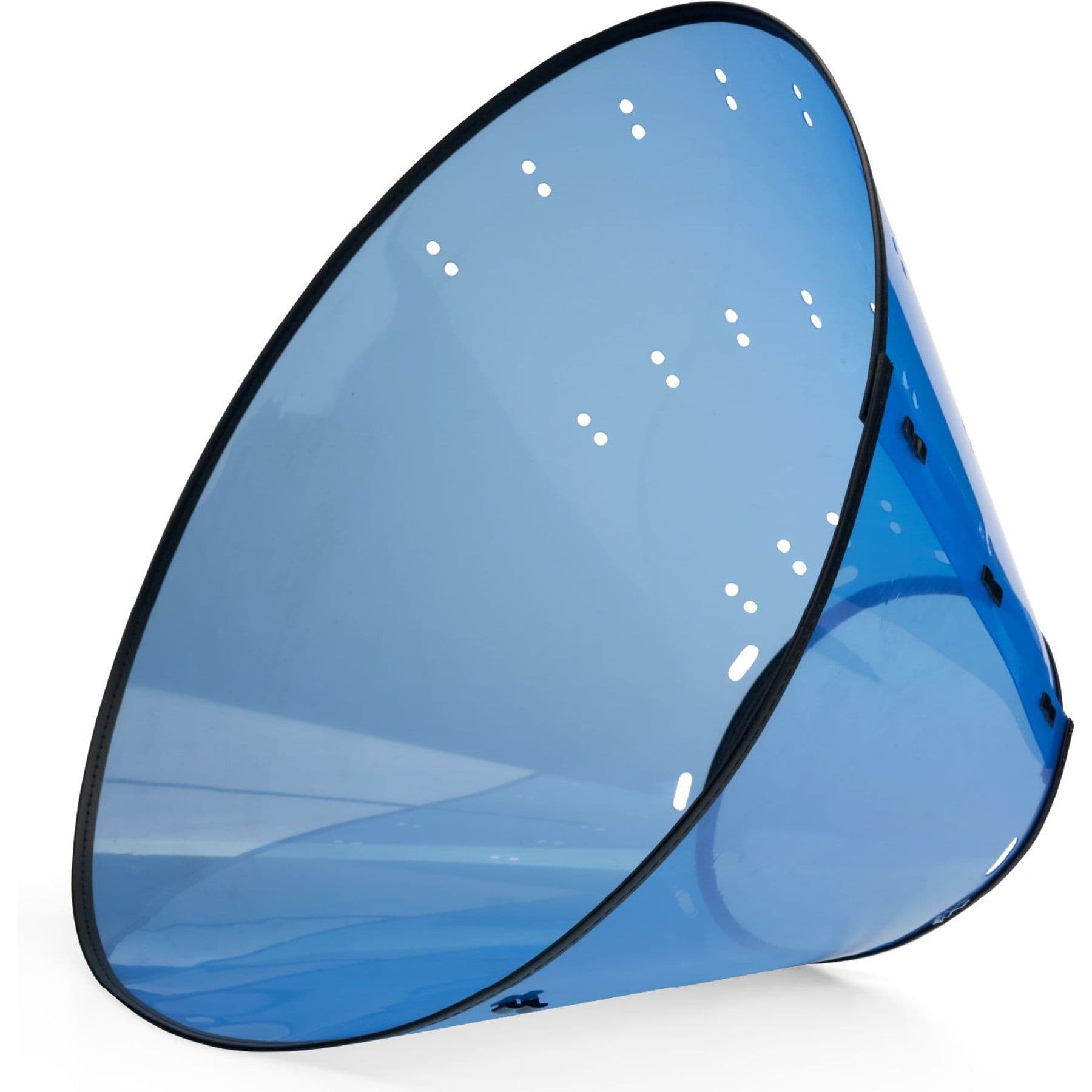
Discuss this rigid recovery collar with your veterinary team and select the size and length that protect your dog's eye.
Webvet may earn a commission when you click through to Chewy, at no extra cost to you.
A published clinic fee is a starting point
The Helping Hands Veterinary Surgery and Dentistry April 2026 price guide, from Richmond, Virginia, lists cherry-eye procedures at $465 for dogs up to 35 pounds, $635 for dogs weighing 36 to 89 pounds, and $725 for dogs weighing at least 90 pounds. Required bloodwork is separately listed at $125 and an E-collar at $22.38.
For the smallest weight bracket, those three listed items add to $612.38. That arithmetic is an illustration, not a complete quote: the fee sheet also lists other potential charges, and it does not establish whether that cherry-eye entry covers one eye or both. Confirm the current price, eligibility and all inclusions with the clinic. These are one clinic's fees, not a national average or a promise of what your veterinarian charges.

| Estimate item | Ask whether included | Possible additional expense to clarify |
|---|---|---|
| Consultation and eye examination | Initial examination and treatment planning | Specialist consultation or repeat examination |
| Tests | Preanesthetic bloodwork and necessary eye tests | Tests prompted by other health concerns |
| Surgery | Gland replacement for the named eye or both eyes | Revision surgery or a different procedure |
| Anesthesia | Monitoring, drugs and recovery supervision | Extra care identified for this patient |
| Home care | Prescribed medicines and correctly fitted cone | Refills, replacement equipment or extra visits |
| Follow-up | Number and timing of routine rechecks | Urgent reassessment or treatment of complications |
Compare practical costs too: transporting a dog to a distant low-cost clinic, missing work and returning for rechecks may affect the amount you can realistically spend. If the surgeon approves short leashed toilet trips, check your existing walking equipment before purchasing anything. A correctly sized Frisco Comfort Padded Dog Harness can be a useful alternative to attaching the leash to the recovery cone; it is ordinary walking equipment, not eye protection.
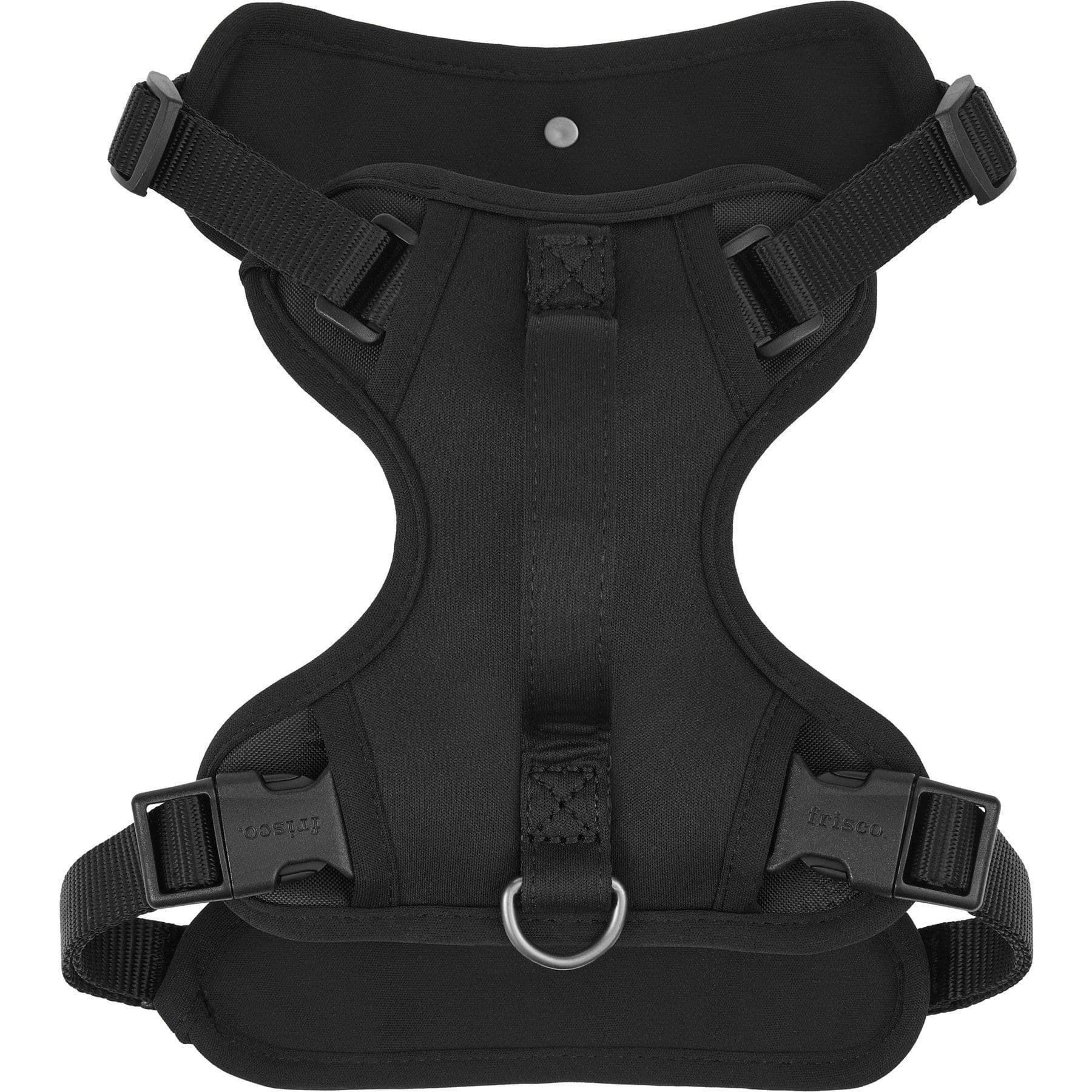
A padded harness for veterinarian-approved toilet trips. Choose the size for your dog and keep the recovery cone in place.
Webvet may earn a commission when you click through to Chewy, at no extra cost to you.
Why one dog's quote costs more than another
Two dogs with a similar red swelling may need different plans. One may have a first prolapse in a comfortable eye; another may have a recurrent prolapse, irritated eye surface or another eyelid problem. The examination establishes the diagnosis and identifies which concerns belong in the estimate. A photograph alone cannot determine the operation your dog needs.
The medical name is prolapse of the third eyelid gland. An early sign may be a small pink or red swelling at the inner corner of the eye. VCA notes that the mass can be only periodically visible or become large enough to cover part of the cornea. If the cherry eye seems to have gone away on its own, the dog still needs assessment; disappearance between observations does not establish a lasting repair. General redness and discharge can accompany it, but those signs also occur with other eye disorders.
Questions that explain a price difference include:
- Is this a first repair or a revision after previous surgery?
- Does one eye need repair, or are both affected now?
- Is a general practitioner or a veterinary ophthalmologist performing the procedure?
- What anesthesia assessment and monitoring does this individual dog need?
- Are other eyelid or eye-surface problems being treated at the same visit?
- Which medicines, rechecks and after-hours arrangements are included?
Inherited susceptibility can contribute to the gland slipping out of position; that does not let an owner diagnose a particular genetic defect from appearance. Breed can affect the clinical discussion without creating a universal breed price. An English Bulldog, Cocker Spaniel or Beagle still needs an individual estimate based on weight, health and the planned operation. Do not multiply a one-eye price by two without asking: some appointment and anesthesia costs may be shared, while the second repair adds work.
If unrelated health findings lead to proposed imaging, ask what question the test answers. Our guide to dog X-ray and ultrasound costs explains those separate estimates. Imaging is not an automatic line item every cherry-eye patient needs.
 $65 · no membership
Have a health question about your dog?
A licensed vet can assess your dog over video and prescribe online when it's appropriate.
 Talk to a vet
- Licensed vets
- All 50 states
- same-day Rx
Webvet may earn a commission if you book.
What the operation does and what can recur
Gland replacement means moving the dog's own prolapsed gland back into position, not implanting an artificial gland. Surgeons use techniques that hold it within the third eyelid. If the estimate names a pocket procedure, including a Morgan pocket, ask the surgeon to explain why that approach suits your dog and how a previous repair changes the choice.
VCA's veterinary guidance favors preserving the gland because it contributes substantially to the watery tear film. Routine removal increases the risk of dry eye, which can threaten the eye's surface and vision. Cherry eye does not automatically cause blindness, but protecting tear production helps avoid potentially sight-threatening complications. A rare severely damaged or abnormal gland can require a different decision, but removal should not be selected simply because it looks cheaper.
Plan for the possibility of a second procedure
VCA reports that approximately 5% to 20% of patients may have another prolapse and need additional surgery. This broad clinical range does not predict your dog's personal result or prove one clinic has a particular success rate. Ask about the surgeon's expectations for this case and the charges that would apply if revision is needed.
- Request a clear distinction between expected postoperative swelling and a suspected recurrent gland prolapse.
- Ask who assesses a problem if it occurs outside the clinic's normal hours.
- Keep the first surgical record so a referral surgeon can see which technique was used.
For home preparation, a familiar clean bed is usually enough; a new bed is optional. If you need a washable resting surface, the FurHaven NAP Ultra Plush Full Support Deluxe Bed has a removable cover and a flat sleeping area. The listed jumbo model needs floor space, including room for a cone. Choose it for a workable rest area, not an expectation that it changes surgical success.
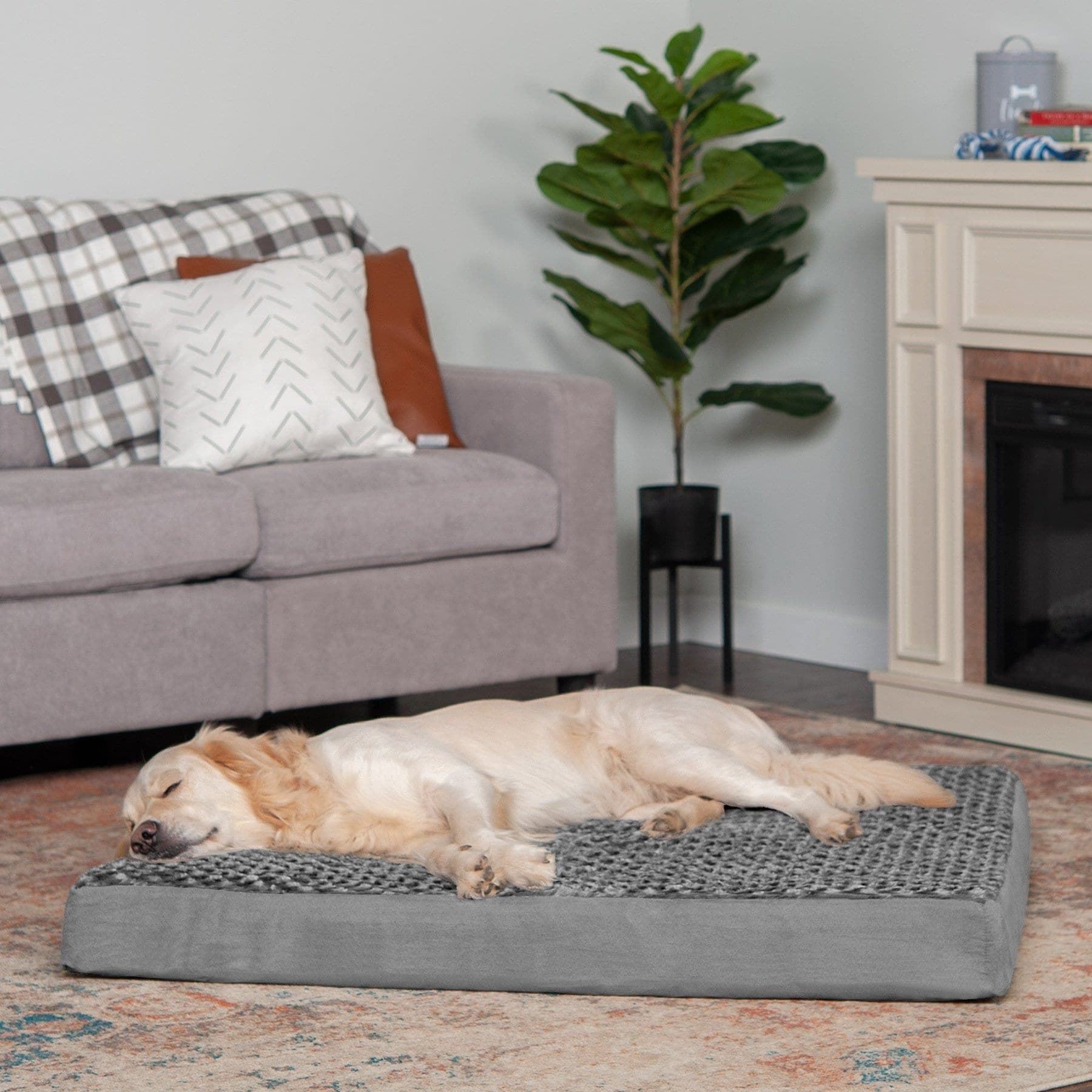
An optional flat bed with a removable cover for a clean, quiet resting space. Check the jumbo size fits your room and dog.
Webvet may earn a commission when you click through to Chewy, at no extra cost to you.
Planning for recovery at home
Arrange care around the discharge instructions rather than an internet day-by-day photograph sequence. VCA describes return of the gland toward normal within a few weeks, but that is not permission to stop medicines or remove protection on a preset day. Your surgeon sets the recheck schedule and decides when the eye can safely go unprotected.

Before going home, have someone demonstrate the prescribed drops or ointment and explain how to use them without touching the eye with the bottle or tube. Confirm the order and spacing if more than one product is prescribed. Only use medicines selected for this dog's current eye examination. An old steroid ointment or a human redness-relief drop is not an interchangeable substitute.
Set up a simple routine:
- Record each prescribed medicine, dose and time on the discharge sheet.
- Assign one person to confirm doses have been given when several people share care.
- Keep the sleeping area clean and allow space to turn while wearing the cone.
- Check that the dog can reach food and water with the fitted protection.
- Follow the clinic's instructions for activity, bathing and return visits.
If oral tablets are prescribed and the clinic confirms they may be stored outside their packaging, an Ezy Dose Weekly 7-Day Dog Pill Organizer can help separate scheduled tablets. Keep the original labels and a written administration record. The organizer is for suitable pills, not eye drops, ointment or medication that must remain in its original container.
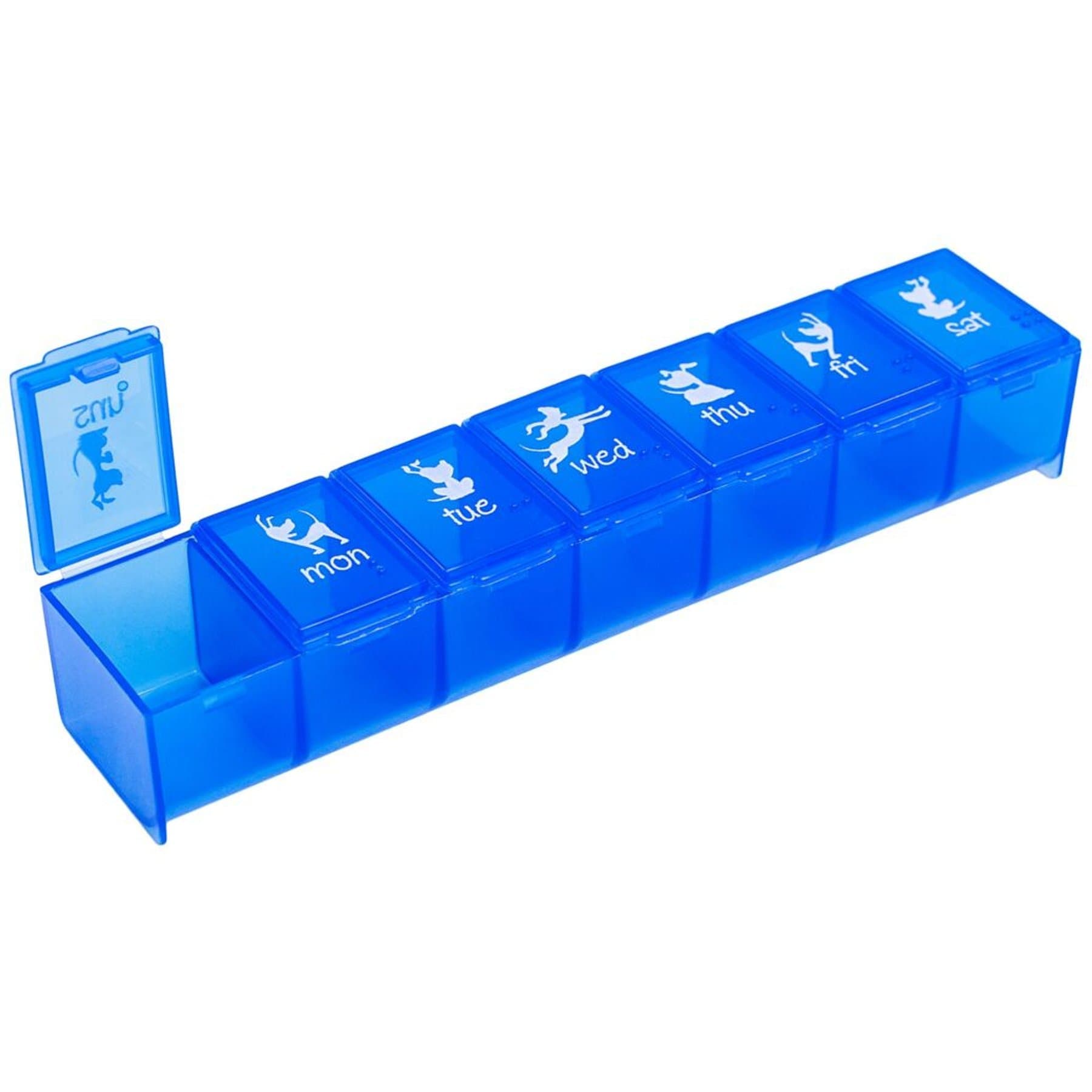
Organize suitable prescribed tablets only after checking storage instructions. Keep eye drops and ointment in their original containers.
Webvet may earn a commission when you click through to Chewy, at no extra cost to you.
Know what needs a call
Ask the clinic what appearance and behavior to expect on the first evening. A comparison photo taken without touching the eye can help you describe a change, but pictures cannot confirm healing or rule out a corneal ulcer. New cloudiness, marked squinting, worsening swelling, bleeding or thick discharge deserves a prompt call, particularly if the dog rubs the eye despite the cone.
An eye-surface injury follows its own treatment plan. See dog eye ulcer healing stages if your veterinarian diagnoses an ulcer as well. General postoperative incision care offers household recovery principles, but abdominal-surgery timelines do not replace eye-specific instructions.
Insurance, payment options and questions for the clinic
Treat insurance reimbursement as a separate question from the clinic's bill. Ask your insurer to review the diagnosis and estimate under your existing policy, including the onset of signs, applicable waiting periods, exclusions, deductible and reimbursement rules. A scheduled operation is not proof it is covered, and buying a policy after signs appear does not establish coverage for that condition.
Before booking, ask the practice for these details:
- The deposit and amount due on the procedure date.
- Whether you pay the clinic first or it accepts an approved direct-payment arrangement.
- Any lower-cost referral options appropriate to your dog's clinical needs.
- Written finance terms, including fees, interest and what happens if promotional payments are late.
- What the routine recheck costs and what an unplanned revisit might add.
Explain your actual budget early. The useful question is, “What safe treatment options fit this situation, and what must happen first?” A clinic may be able to prioritize assessment, explain an appropriate referral or discuss staged payments where available. Do not change prescribed medicines or delay a worsening eye to make an estimate fit a number without discussing it with the veterinary team.
Make two estimates genuinely comparable
Write each clinic's answers beside the same checklist. If one package includes medicines and two rechecks while another lists only surgery, request the missing amounts before deciding which is less expensive. Also ask who provides continuing care after a low-cost or visiting surgical service performs the operation. A lower procedure fee can still be useful, but only if you can arrange the required follow-up.
Keep these distinctions on the written comparison:
- An estimate range is not the same as a guaranteed maximum bill.
- A finance approval is not an insurance coverage decision.
- A routine recheck allowance may not cover a new complication or repeat operation.
- A price for the affected eye does not automatically cover the opposite eye later.
Save the final estimate with the discharge paperwork. When a charge is unclear, ask the clinic to identify the service it represents rather than assuming it duplicates another line.
Cherry eye surgery cost questions
Frequently Asked Questions
Is cherry eye surgery worth it?
For many dogs, gland replacement is worthwhile because it protects a tear-producing structure as well as improving the visible swelling. The decision should consider the eye examination, comfort, anesthesia assessment and likely need for follow-up. Ask for those expected benefits alongside the estimate; a cosmetic improvement alone is not the reason veterinary guidance favors preserving the gland.
How urgent is cherry eye surgery?
Contact your veterinarian promptly when you notice the swelling so the eye can be examined and protected. The operation's timing depends on discomfort, surface damage and the gland's condition. PDSA notes that selected small, comfortable prolapses may initially receive veterinary monitoring and drops. That individualized decision is different from leaving a painful or deteriorating eye untreated.
How much does a vet charge to fix a cherry eye?
There is no single fee that applies to every veterinarian. The published Virginia example above starts at $465 for the procedure in the smallest weight bracket, before separately listed bloodwork and other applicable items. Request a current written total for your dog's weight and affected eyes, and confirm whether the quoted surgery, anesthesia, medicines and follow-up are bundled.
How painful is cherry eye in dogs?
Discomfort varies. A dog may mainly show a visible lump, while another rubs, squints or develops discharge. The appearance does not measure pain reliably, and a second eye problem can make the situation more serious. Tell the clinic about behavior as well as redness, especially rubbing, keeping the eye closed or avoiding normal activities, so it can set the assessment priority.
How long can dogs live with cherry eyes?
Cherry eye does not supply a meaningful life-expectancy countdown. The concern is preserving eye health and comfort over time, not predicting how many years a dog can survive with a lump. A dog appearing otherwise healthy still needs assessment, because chronic gland exposure and inadequate tears can lead to problems that require ongoing treatment rather than simple observation.
Can I push my dog's cherry eye back in?
Do not try to push or massage the gland yourself. Handling an uncomfortable eye can hurt the dog, damage the surface and expose you to a bite. A swelling that temporarily disappears also does not prove the supporting attachment is repaired. Let the veterinarian confirm the diagnosis and show any safe care required while you arrange the recommended treatment.
What happens if I don't fix my dog's cherry eye?
An exposed gland can remain inflamed and function poorly, increasing concern about dry eye and damage to the eye surface. The course differs between dogs, so a veterinarian may occasionally recommend monitored medical care first. If surgery is advised but cost is a barrier, discuss alternatives and interim care directly rather than relying on the swelling staying the same.
What triggers cherry eye in dogs?
The gland slips out of its normal position when its supporting attachment does not hold it securely. Breed and inherited susceptibility appear to matter; it is not simply a sign that the eye needs cleaning. English Bulldogs, Cocker Spaniels and several other breeds are predisposed. Another prolapse may develop in the opposite eye, which is useful to discuss when planning future care and insurance questions.
$65 · no membershipHave a health question about your dog?
A licensed vet can assess your dog over video and prescribe online when it's appropriate.
Talk to a vet- Licensed vets
- All 50 states
- same-day Rx
Webvet may earn a commission if you book.
Veterinarian · BVMS MRCVS
Dr. Pippa Elliott, BVMS, MRCVS, is a veterinarian with nearly 30 years of experience in companion animal practice. Dr. Elliott earned her Bachelor of Veterinary Medicine and Surgery from the University of Glasgow. She was also designated a Member of the Royal College of Veterinary Surgeons. Married with 2 grown-up kids, Dr. Elliott has a naughty Puggle named Poggle, 3 cats and a bearded dragon.


