CBD Oil for Dogs: Vet-Reviewed Evidence, Safety, and Dosing
CBD oil is widely sold for dogs, but no CBD product is FDA-approved for animals and only a handful of dog studies exist. What that research shows, side effects and drug interactions, how a vet thinks about dosing, and why hemp oil is not CBD.

BVMS MRCVS
Medically reviewed by Dr. Pippa Elliott, BVMS MRCVS · Last reviewed

This article contains affiliate links. Webvet may earn a commission when you buy through them, at no extra cost to you.
CBD oil for dogs is an extract of cannabidiol, a compound from the hemp plant, sold as drops, chews, and treats. No CBD product is FDA-approved for dogs or any animal, and the main evidence comes from a few small studies at Cornell and Colorado State.
Those studies point to possible help with arthritis comfort and seizure frequency, but CBD also raised liver enzymes and can interact with other medicines. Hemp seed oil is a different product with no meaningful CBD. If you are weighing CBD oil for dogs, bring your veterinarian into the decision before the first dose.
 Sponsored
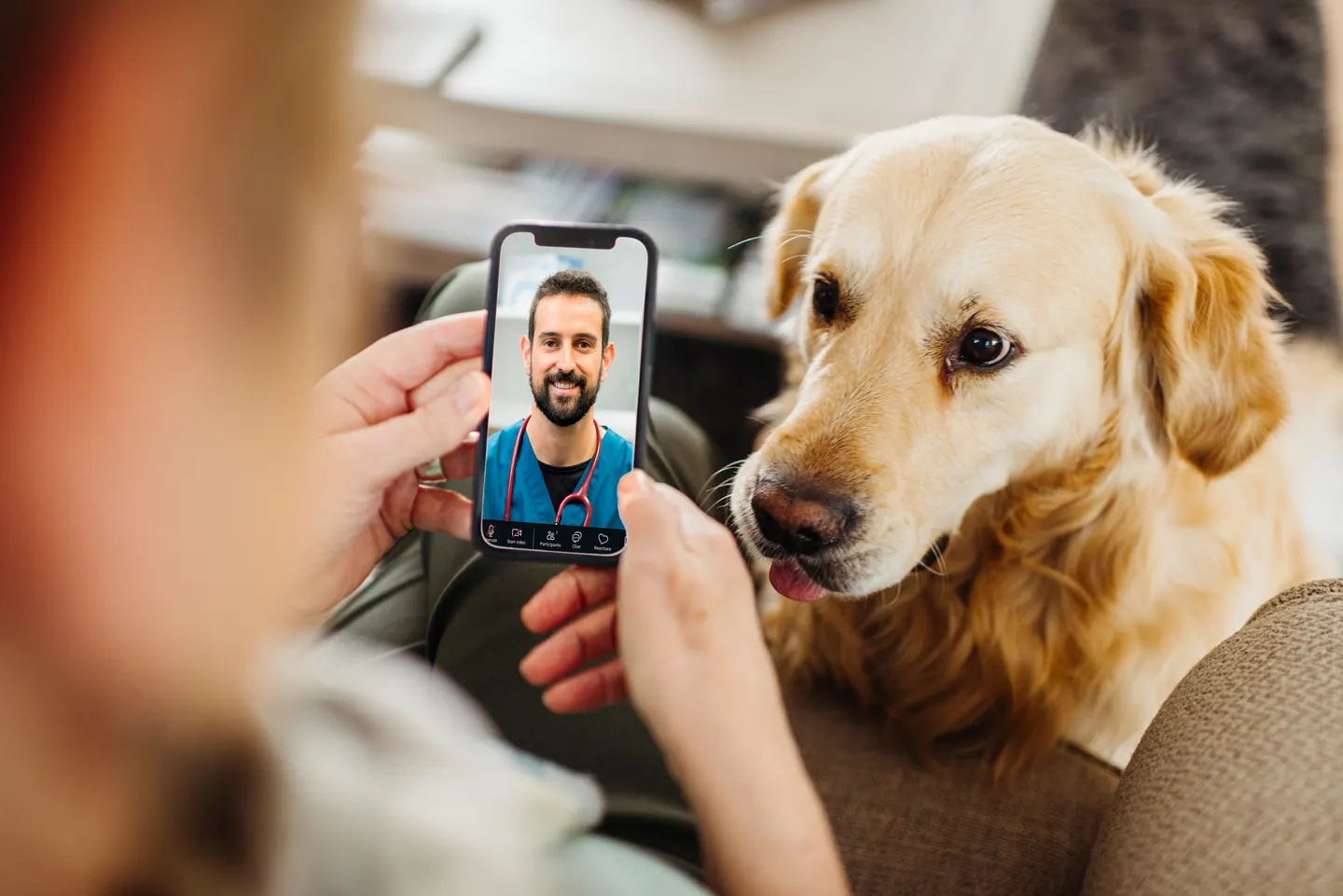
Have a health question about your dog?
Talk to a licensed vet at Dutch over video or message, including nights and weekends.
Use code Pets60
Plans start at $12/month · covers up to 5 pets
- Licensed vets in most states
- Rx for 150+ conditions
- 4.7 on Trustpilot
CBD oil for dogs: what it is, what the evidence shows, and why to talk to your vet first
- 1What CBD oil is: cannabidiol extracted from hemp, usually in an oil carrier, with little or no THC.
- 2Where the FDA stands: it has approved no CBD product for dogs or any other animal.
- 3Best dog evidence: small trials on arthritis comfort and add-on seizure control, plus mixed anxiety results.
- 4Main risks: a rise in the liver enzyme alkaline phosphatase, stomach upset, and possible drug interactions.
- 5Next step: ask your vet whether CBD fits your dog, and never treat hemp seed oil as CBD.

According to the Cornell University College of Veterinary Medicine, CBD stands for cannabidiol, an oil extracted from hemp plants, and hemp usually carries no more than 0.3% tetrahydrocannabinol (THC). That low THC limit is what separates hemp-derived canine CBD from marijuana.
Pet CBD products come in MCT oil or fish oil carriers, peppermint and bacon flavors, blends with turmeric, and labels that promise 100 percent pure CBD. A CBD product sold online has not been reviewed by FDA for safety, strength, or purity, whatever the bottle claims. So is there CBD for dogs that a vet has signed off on? Not in the regulatory sense. Labels such as vet recommended, veterinarian formulated, or vet CBD describe marketing, not an FDA finding.
The hemp products for dogs listed on Chewy when checked in November 2026 are hemp seed products, which contain hemp seed or hemp seed oil and no CBD. NaturVet Quiet Moments chews are one example: a calming chew that contains hemp seed and no CBD, so it is not CBD oil.
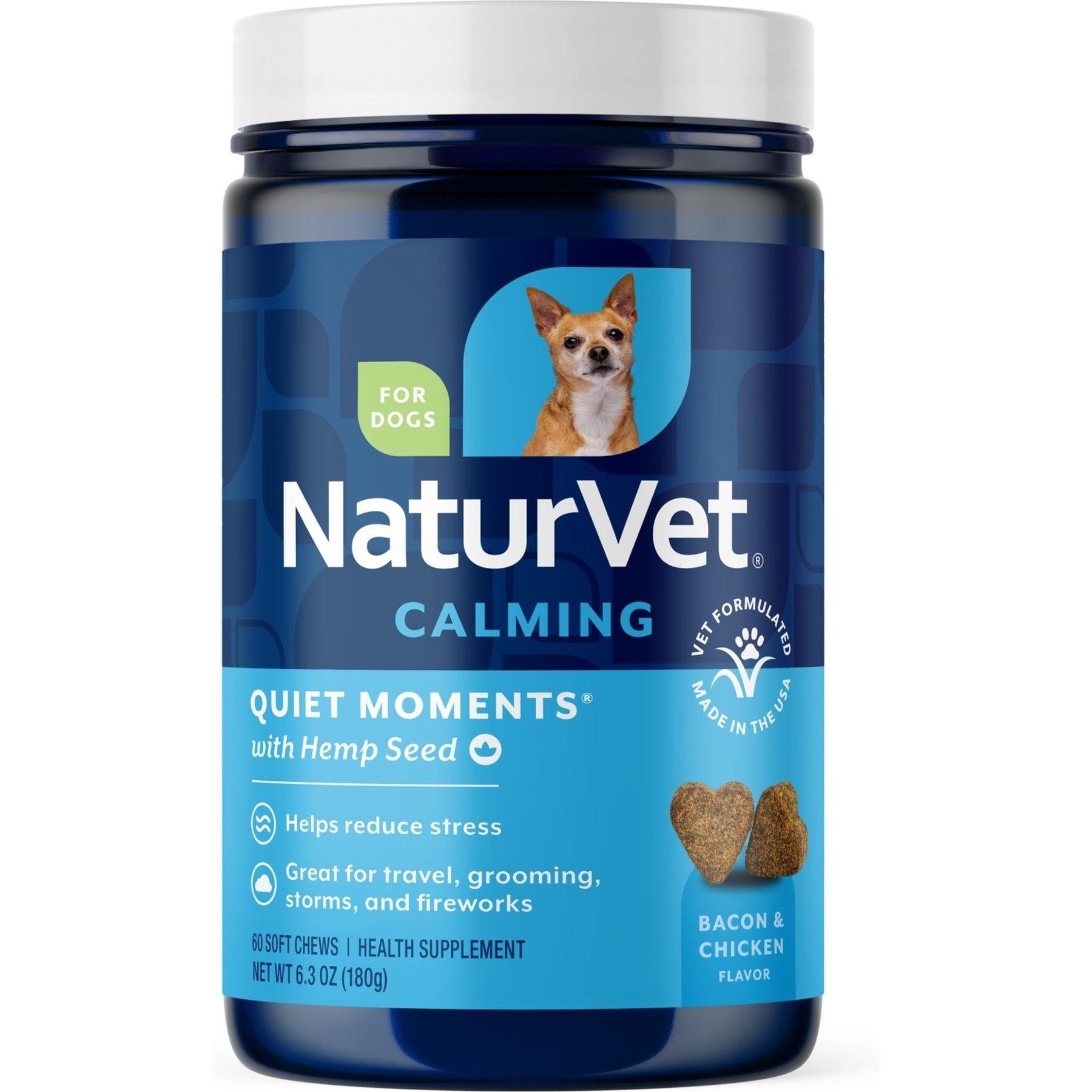
A hemp seed calming chew with melatonin and L-tryptophan; it contains hemp seed and no CBD, so it is not CBD oil.
Webvet may earn a commission when you click through to Chewy, at no extra cost to you.
Do vets recommend CBD for dogs? Some do discuss it, and Cornell's advice to owners is plain: check with your veterinarian before giving CBD to your dog, and ask how it might affect your dog's health. The FDA also recommends talking with your veterinarian about treatment options.
If you raise CBD with your vet, the useful questions are specific:
- What condition are we trying to help, and what does the dog evidence say about it?
- Could CBD interact with any medicine my dog already takes?
- Should my dog have baseline and follow-up liver bloodwork, since CBD can raise liver enzymes?
- How would we judge whether it is working, and when would we stop?
Can a dog be given CBD oil?
A dog can be given CBD oil, and dog studies have used measured doses. It is not an approved drug, though, so there is no labeled dose, product, or condition. As for how long it takes to work, CBD is absorbed and cleared within hours, but the trials that found benefits judged results after 4 to 12 weeks of consistent twice-daily dosing. The safest path is a veterinarian who knows your dog's medicines and liver values, a product with third-party test results, and a clear goal for what CBD should change.
Where the FDA stands on CBD for dogs, and hemp seed oil vs CBD oil
The FDA states that it has not approved CBD for any use in animals. On its regulation page, the agency adds that it cannot ensure the safety or effectiveness of cannabis products marketed for animal health and cautions pet owners against using them.
So no CBD oil for dogs is FDA approved, and a vet approved label does not mean a government review took place. Industry seals, such as NASC membership, are not FDA approval either.
Recent FDA actions point the same way:
- In an April 2025 FDA warning letter to a pet CBD seller, the agency called the company's CBD pet products unapproved new animal drugs and cited published concerns about liver and male reproductive toxicity in animals.
- In January 2025 the FDA Center for Veterinary Medicine asked the public, especially veterinarians, for information on cannabis-derived products in animals to learn about potential safety signals.
Is CBD oil legal in the USA?
The 2018 Farm Bill set the federal definition of hemp as cannabis with no more than 0.3 percent delta-9 THC on a dry weight basis, according to the FDA.
Legal hemp is not the same as a legal medicine, though. FDA treats CBD pet products sold with health claims as unapproved animal drugs. The only FDA-approved CBD drug is Epidiolex, a human epilepsy medicine.
Hemp seed oil vs CBD oil: not the same product
The difference between hemp oil and CBD oil comes down to the plant part. CBD extracts come from the hemp plant itself, while hemp seed oil is pressed from the seeds, and the FDA says hemp seed ingredients contain only trace amounts of THC and CBD, which the seeds may pick up during harvesting and processing.
So are they the same? No. It is a comparison between a food oil rich in fatty acids and a cannabinoid extract. When a label says hemp oil, check the cannabinoid content in milligrams. If none is listed, it is likely a seed oil.
For anxiety, the dog studies tested CBD extracts, not hemp seed oil. NaturVet's drops contain hemp seed oil and no CBD, and are sold as a calming supplement with ginger.
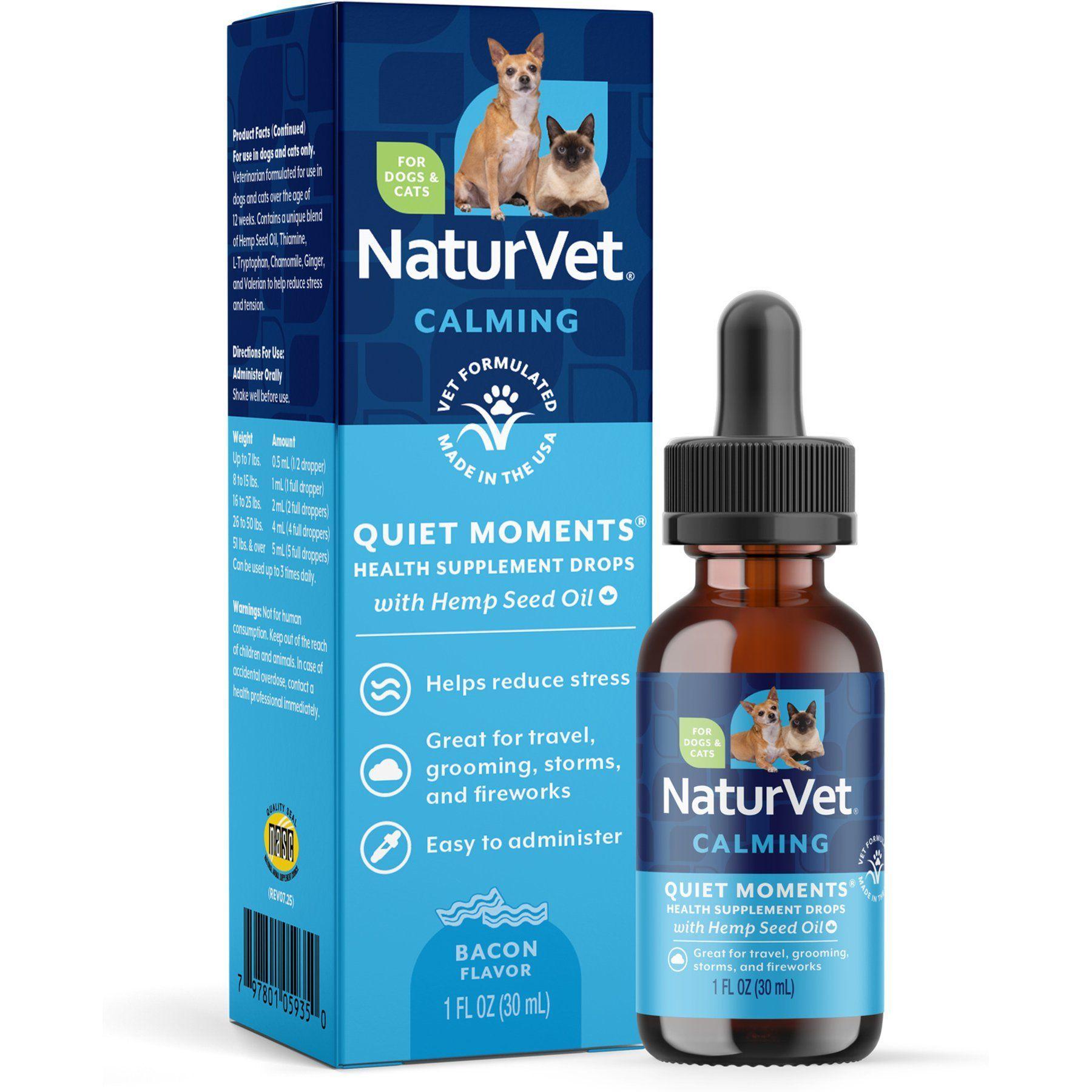
Hemp seed oil calming drops with ginger for dogs and cats; it is hemp seed oil with no CBD, not a CBD extract.
Webvet may earn a commission when you click through to Chewy, at no extra cost to you.
Hemp seed oil does supply fatty acids, which is a different job from CBD. Owners who want fatty acid support for skin and coat can compare it with omega-3 fatty acids for dogs, which have their own evidence base.
What label terms like full spectrum, broad spectrum, and THC-free mean
CBD labels use terms that sound regulated but are not. Cornell's Riney Canine Health Center explains full spectrum, broad spectrum, and CBDA; the rest are common label terms:
- Full spectrum: keeps other plant molecules such as flavonoids and terpenes.
- Broad spectrum: primarily CBD plus other plant molecules.
- Isolate: marketed as CBD alone, with the other plant compounds removed.
- CBD and CBDA: CBDA is the plant's precursor to CBD, and Cornell notes CBDA and THCA are not the same as CBD and THC.
- THC-free: this claim should be confirmed on a lab report, because a blend can still contain measurable THC.
- Organic and natural: organic and natural describe farming or marketing, not safety or strength.
Cat owners face the same label questions, and WebVet's guide to CBD for cats covers the separate feline evidence.
What the evidence shows: the Cornell and Colorado State dog studies
| Claim | Dog evidence | Evidence level | Risk for a dog on other medication or with liver disease |
|---|---|---|---|
| Eases arthritis pain | Cornell crossover trial, 2 mg/kg twice daily, pain scores fell and activity rose | Moderate: one small blinded trial, industry funded | ALP rose during CBD; liver-metabolized drugs need a vet review |
| Reduces seizures | Colorado State trial added CBD to antiepileptic drugs, median 33% fewer seizures | Low to moderate: small trial, responder rate similar to placebo | ALP rose; ataxia in 2 dogs; dose changes to seizure drugs need a vet |
| Calms anxiety | Fireworks test showed no effect; car travel studies showed partial effects | Low and mixed | Sedation reported; check interactions with anxiety medicines |
| Relieves itch and allergies | Small studies summarized by Cornell; 2025 review calls results inconclusive | Low | Interactions with allergy drugs not studied |
| Treats cancer | Lab and early research only | Very low: no dog treatment trials | May interact with chemotherapy; oncology team must decide |
| General wellness | No dog studies | None | ALP rise and cost with no proven benefit |
Even the best-supported claim earns only a moderate evidence level, because each trial enrolled small numbers of dogs, and no claim has the kind of trial evidence an approved drug needs.
What is CBD oil for dogs, and how does it work?
What CBD does in a dog's body is still being worked out. A 2025 review of CBD for itchy skin in dogs in Veterinary Sciences notes that limited placebo-controlled trials and dose variations in dogs prevent firm conclusions. Its use therefore rests on a handful of trials.
The Cornell osteoarthritis study (Gamble et al. 2018)
The best-known Cornell work is the 2018 study by Gamble and colleagues in Frontiers in Veterinary Science. Dogs with osteoarthritis received CBD oil at 2 mg/kg or a placebo oil every 12 hours, each for 4 weeks, with a 2-week washout. Veterinarians and owners were both blinded.
Canine Brief Pain Inventory and Hudson activity scores showed less pain and more activity with CBD oil, and veterinary exams found decreased pain. Owners reported no side effects, but bloodwork showed a rise in alkaline phosphatase, a liver enzyme, during CBD treatment. The half-life of CBD was 4.2 hours.
The full text adds context worth knowing:
- 22 dogs were enrolled and 16 finished, and the authors describe a small sample and short study duration.
- The oil was an equal mix of CBD and CBDA with a small amount of THC.
- The study was financially supported by ElleVet Sciences, a pet CBD company.
Pain and arthritis questions get their own deep dive in WebVet's guide to CBD for dog pain and arthritis.
The Colorado State epilepsy and safety studies (McGrath et al.)
At Colorado State University, neurologist Stephanie McGrath led a randomized, blinded trial published in the Journal of the American Veterinary Medical Association in 2019. It enrolled 26 dogs with intractable idiopathic epilepsy. The CBD group received CBD oil at 2.5 mg/kg (1.1 mg/lb) twice daily for 12 weeks, on top of their existing antiepileptic drugs.
Results were promising but limited:
- Dogs on CBD had a median 33% drop in seizure frequency compared with placebo.
- The share of dogs with at least a 50% drop, the usual bar for a responder, was similar in both groups.
- Two dogs on CBD developed ataxia, a wobbly gait, and were withdrawn; 9 CBD and 7 placebo dogs were analyzed.
- Higher blood CBD levels tracked with bigger seizure reductions, and serum alkaline phosphatase rose in the CBD group.
Colorado State's announcement reported that 89 percent of CBD dogs had fewer seizures and disclosed that McGrath had a 5% ownership in the company that made the oil.
Colorado State also ran safety work. A pharmacokinetic study by Bartner, McGrath, and colleagues in 30 healthy dogs found that an oral CBD-infused oil gave the most favorable absorption, ahead of microencapsulated beads and a skin cream.
A 36-week study in the Journal of Veterinary Internal Medicine gave 18 healthy beagles 0, 5, or 10 mg/kg a day. The 5 mg/kg dose was better tolerated than 10 mg/kg, and both raised ALP. The authors saw no sign of liver damage but recommend monitoring liver function in dogs on long-term CBD.
Pros and cons of CBD oil for dogs
Weighing the benefits against the risks, the research shows:
- Possible pros: more comfort and activity in arthritic dogs in one trial, fewer seizures as an add-on in another, and a short half-life.
- Known cons: no FDA approval, rising ALP in nearly every trial that measured it, possible drug interactions, inconsistent product strength, and industry funding behind key studies.
For cancer, there are no dog treatment trials, so that claim has the weakest support of all. For anxiety, the answer to whether CBD works is mixed: one blinded noise test found no effect, while car travel studies found partial benefits.
 Sponsored
Vet care that's always there
Unlimited video calls and messaging with licensed vets for less than a typical vet visit. One membership covers up to five pets.
Use code Pets60
Plans start at $12/month · covers up to 5 pets
- Licensed vets in most states
- Rx for 150+ conditions
- 4.7 on Trustpilot
CBD oil for dog anxiety, seizures, allergies, and cancer: what owners use it for

Owners reach for CBD for many reasons. In a US survey of 1,238 pet owners published in the Journal of Small Animal Practice, anxiety and stress was the most common reason, at 67.4 percent, and doses used by many owners were inconsistent.
CBD oil for allergies and itching in dogs
Interest in CBD for itchy, allergic dogs is growing. Cornell reports a study in which 65% of dogs given CBD had at least a 50% decrease in itching and chewing. The 2025 Veterinary Sciences review calls the overall results encouraging but too limited for firm conclusions.
So CBD for itching remains an unproven add-on. Hemp seed skin chews are a separate category: NaturVet's Allergy Aid contains hemp seed and hemp seed oil with omegas and turmeric, and it contains no CBD.
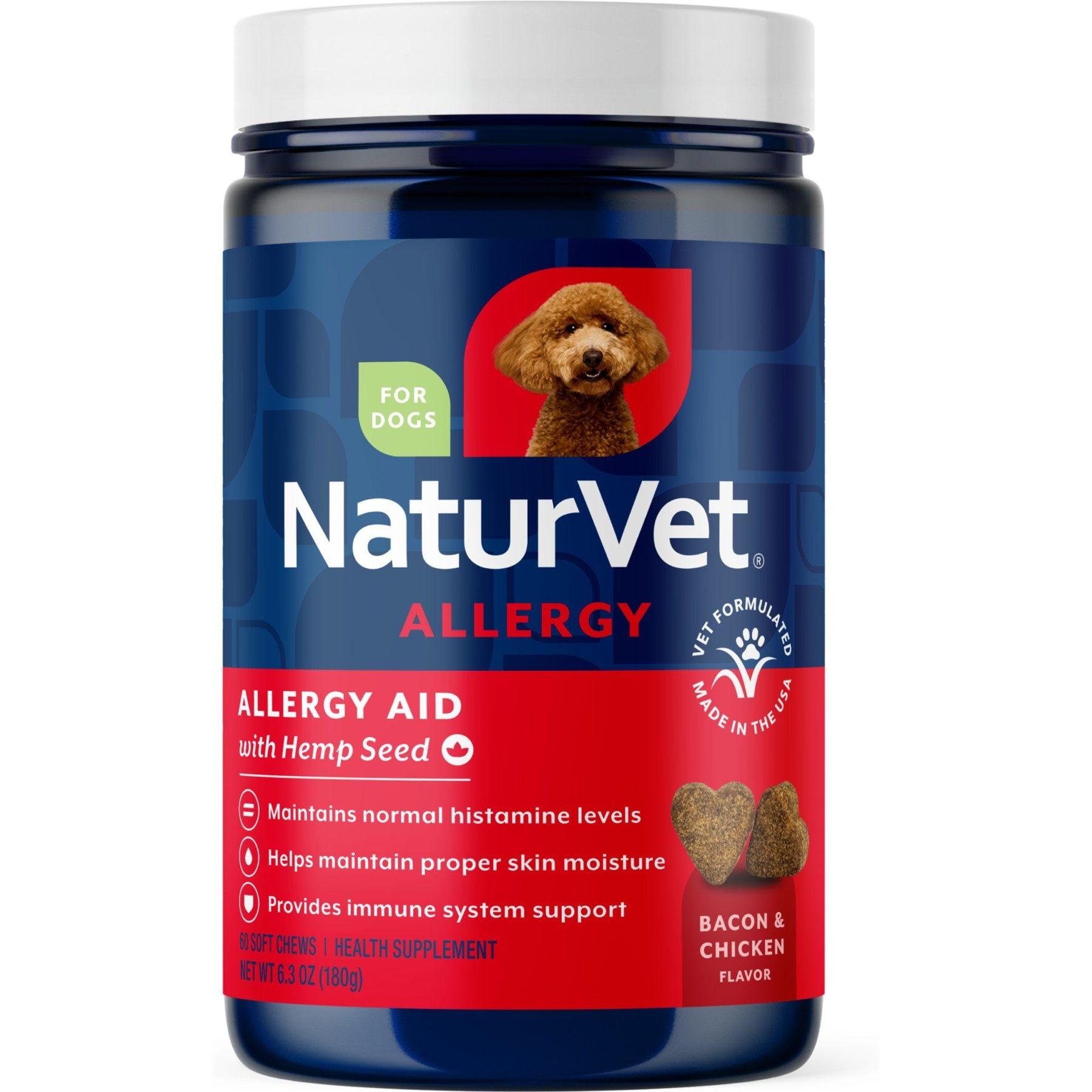
A hemp seed skin and coat chew with omegas, DHA, EPA, and turmeric; it contains hemp seed and no CBD.
Webvet may earn a commission when you click through to Chewy, at no extra cost to you.
CBD for dog anxiety and calming
The anxiety evidence pulls in two directions. Cornell's Riney Canine Health Center describes a study in which 83% of dogs given CBD chews before a stressful event showed fewer stress or anxiety-related behaviors. Cornell also notes that no double-blind, placebo-controlled clinical anxiety study had been done.
Controlled tests since then are mixed:
- In a blinded fireworks noise test in Frontiers in Veterinary Science, CBD treats at about 1.4 mg/kg a day did not reduce fear in 16 dogs, while trazodone lowered stress hormones.
- A single dose of THC-free CBD in a 2023 study reduced some stress measures during separation and car travel, with effects varying by measure.
- Six months of daily CBD in a 2024 Journal of Animal Science study of 19 dogs lowered cortisol, whining, and lip licking at one or more car trips versus placebo.
So does CBD calm a dog down? For some stress situations it may help a little; for noise fear, the one blinded test found no effect. CBD is best treated as one tool alongside training and environment changes.
When anxiety is severe, a vet may prescribe medication with real trial evidence. WebVet's overview of dog anxiety meds explains those options, and a dog already on one needs a vet check before adding CBD.
None of these studies tested CBD for hyperactive or reactive dogs. Other approaches are worth a look:
- Routines, training, and supplements in WebVet's guide to anxiety relief for dogs.
- Restlessness and pacing after dark in dog anxiety at night.
Hemp seed calming chews are not CBD. ThunderBites chews contain hemp seed oil with thiamine and L-tryptophan and no CBD, so any calming effect would not come from cannabidiol.
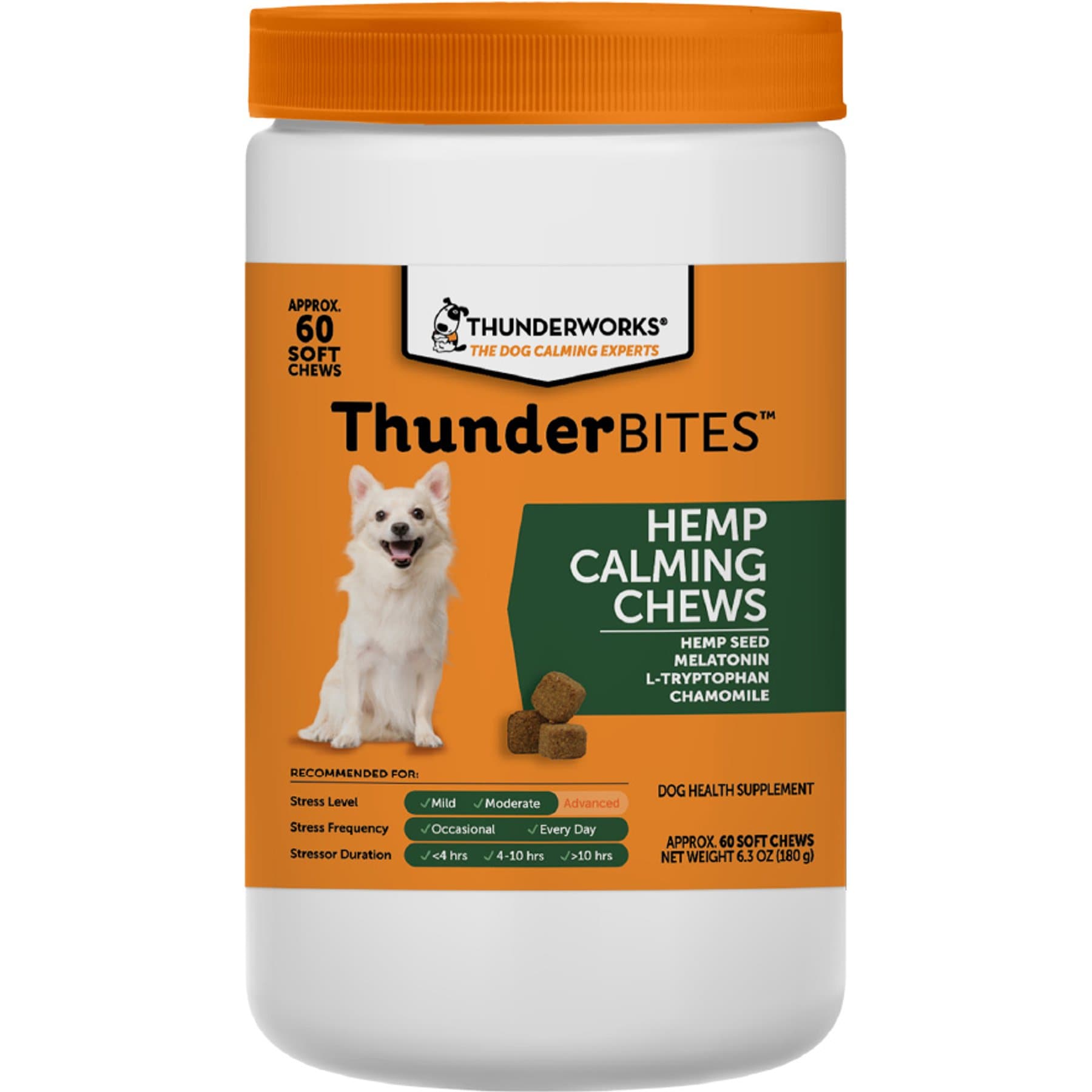
A hemp seed oil calming chew with thiamine and L-tryptophan; it contains hemp seed oil and no CBD.
Webvet may earn a commission when you click through to Chewy, at no extra cost to you.
CBD for dogs with seizures
Seizures are where the most careful dog trial sits. The Colorado State trial tested CBD only as an add-on to existing antiepileptic drugs in dogs with idiopathic epilepsy, not as a replacement. Cornell's summary puts the reduction at 25-30 percent compared with placebo.
For a dog with both seizures and anxiety, the same rule applies: never stop or reduce a seizure medicine to try CBD. WebVet's guide to seizures in dogs explains causes, workups, and standard treatment.
CBD oil for dogs with cancer and other conditions
Cornell says CBD appears synergistic with some standard chemotherapy drugs in research, but more research must be done. CBD is not a cancer treatment, and any use belongs in a plan made with the dog's oncology team.
None of the dog studies tested CBD for a collapsed trachea, and a chronic cough needs a veterinary diagnosis first.
CBD side effects, liver enzymes, and drug interactions in dogs

Is CBD oil safe for dogs? In short-term studies at measured doses, most dogs tolerated it, but nearly every trial that checked bloodwork found the same change: a rise in alkaline phosphatase (ALP), a liver enzyme. That pattern showed up at Cornell and in three Colorado State studies.
The most common side effects reported in studies and by veterinary sources include:
- Raised ALP: seen in the Cornell arthritis trial, the epilepsy trial, the 36-week study, and the phenobarbital study.
- Soft stools and diarrhea: the 10 mg/kg group in the 36-week study had more soft feces, and VCA Animal Hospitals lists vomiting and diarrhea as the most common signs of CBD overdose.
- Sedation and appetite changes: Cornell says owners most often noted increased appetite and sedation.
- Wobbliness: two dogs in the epilepsy trial developed ataxia.
Is it safe overall? Many dogs tolerate it under a vet's eye, and the risk rises with higher doses, long-term use, liver disease, and other medicines. Are CBD treats safe? The same cautions apply to treats as to oil, so store chews out of reach.
Drug interactions: phenobarbital, prednisone, and other medicines
Cornell explains that CBD can affect liver enzymes, specifically cytochrome P450s and alkaline phosphatase, and warns of a risk that CBD combined with other drugs will cause them to interact. The FDA says CBD may increase or decrease the effects of other medications.
The dog data on phenobarbital is more reassuring but small. A 2021 Colorado State study in 9 healthy beagles found no significant pharmacokinetic interaction between CBD and phenobarbital, though mild stomach signs appeared in 5 dogs and ALP rose in 4 at higher doses.
Because many medicines are cleared by the liver, a vet should review CBD with any of these:
- Seizure medicines, such as phenobarbital.
- Steroids such as prednisone; no dog study has measured CBD and prednisone together.
- Pain and anxiety drugs such as gabapentin, where CBD's reported sedation could add up.
- Heart medicines for a dog with a heart murmur or heart disease, which no CBD study here tested.
Is CBD hard on the liver or kidneys?
In dogs, the liver signal is consistent: CBD raised ALP in Cornell and Colorado State trials. The 36-week study found no liver damage and kept other blood values in the normal range, but its authors advise monitoring liver function on long-term CBD. No dog study measured effects in dogs that already have kidney disease.
Who should not take CBD oil?
Some dogs need extra caution or a clear no from their vet before any CBD:
- Dogs with liver disease or abnormal liver values, given the consistent ALP rise.
- Dogs on liver-metabolized drugs, including seizure, steroid, heart, and anxiety medicines.
- Dogs with kidney disease, kidney failure, or pancreatitis, since CBD has not been studied in them.
Kidney disease and pancreatitis have no dog trial answers yet, which is the main reason to make that call with your vet.
When your dog needs a vet instead of CBD, including THC exposure

VCA notes that CBD has a wider margin of safety than THC, and that recovery from CBD poisoning is excellent, with signs usually resolving within 24 hours. Can too much CBD kill a dog? The outlook for CBD alone is excellent, and too much CBD mainly causes vomiting and diarrhea; the dog deaths in case reports involved THC.
THC is the bigger danger. Human edibles and gummies can contain THC, and VCA warns that some CBD products can be contaminated with it. In a Colorado case series of 125 dogs with marijuana toxicosis, two dogs that ate baked goods made with medical-grade marijuana butter died.
Pet Poison Helpline lists incontinence or dribbling urine, tremors, seizures, and potentially coma among marijuana toxicity signs. Signs can appear anywhere from 5 minutes to 12 hours after exposure, and VCA notes signs can start within an hour of eating THC.
A CBD gummy made for people can hurt a dog, mainly because it may hold THC or more product than a dog dose. A large amount of CBD causes stomach upset, and the vet will want the package to check for THC.
How a vet approaches CBD dosing, how to read a label, and what Chewy actually sells in this lane

How much CBD oil should you give your dog? Cornell's position is that no standard therapeutic dose has been established. What exists instead are doses used in studies, and a veterinarian uses them as reference points, not as a chart for owners.
Doses used in dog research include:
- Arthritis: 2 mg/kg of CBD oil every 12 hours in the Cornell trial; Cornell notes arthritis products were given at 1-2 mg per kg.
- Seizures: 2.5 mg/kg (1.1 mg/lb) twice daily in the Colorado State trial.
- Long-term safety: 5 and 10 mg/kg once daily for 36 weeks, with 5 mg/kg better tolerated.
When a vet weighs a dose, the decision usually turns on the dog's weight, the condition, the product's tested strength, other medicines, and liver values.
That is why dosing a small dog is not a matter of guessing from a dropper. A per-pound tincture dosage chart on a bottle is the maker's suggestion, not a tested regimen.
How to give CBD oil to dogs, and which form
The way CBD is given matters, because form changes absorption. The Colorado State pharmacokinetic study found oral CBD-infused oil gave the most favorable profile compared with beads and a skin cream. In practice:
- Oil drops: absorbed best in that study and easiest to measure in milligrams.
- Chews and treats: convenient, but the dose per chew is fixed, which matters for small dogs.
- Pills: measured, but strength still depends on lab testing.
- Salves: a topical option; the cream tested at Colorado State gave lower blood levels than oil.
Extra strength simply means more milligrams per serving, which raises the stakes for side effects and ALP changes.
Do CBD treats work? The survey found frequency and length of use were linked to whether owners felt CBD worked, and the anxiety trials used fixed, consistent dosing. Any CBD product works only as well as its true dose.
How to read a CBD label
Label accuracy is a real problem. FDA testing found many CBD products did not contain the CBD levels they claimed. In an analysis of 29 veterinary hemp products in Veterinary Medicine: Research and Reports, only 10 of 27 products were within 10% of their label claim, and 4 of 29 had heavy metal contamination, mostly lead.
Before buying, check the label and the lab report with your vet:
- CBD milligrams: total CBD per bottle and per milliliter or chew, not just hemp extract.
- Certificate of analysis: a third-party lab report matching the batch number, which 22 of 29 products could supply in the 2020 study.
- THC result: below the 0.3 percent hemp limit, and ideally not detected for a THC-free claim.
- Contaminants: heavy metals, pesticides, and solvents tested and passed.
- Other ingredients: carrier oil, flavorings, and any added herbs your vet should know about.
- Claims: walk away from any product promising to cure disease.
Cornell's advice fits here: a good company will provide a third-party analysis that you and your vet can examine. The 2020 study authors likewise urge owners and vets to obtain a certificate of analysis before calculating a dose.
What is the most trusted brand of CBD?
No CBD brand for dogs is FDA-approved, so trust has to be checked. Look for a batch-matched certificate of analysis, accurate milligram labeling, and no disease claims. Keep in mind that key dog studies were funded by or tied to the makers of the products tested. Your vet can review a specific brand's lab report with you.
What Chewy actually sells in this lane
The hemp products for dogs on Chewy covered here are hemp seed products, which contain hemp seed or hemp seed oil and no CBD. These products work through ingredients like fatty acids, melatonin, or L-tryptophan, not cannabidiol:
- NaturVet Quiet Moments with Hemp Seed Bacon & Chicken Flavored Calming Supplement for Dogs, 60 count: hemp seed with melatonin, L-tryptophan, thiamine, and ginger, no CBD, listed at $18.99 on Chewy when checked in November 2026.
- NaturVet Quiet Moments with Hemp Seed Oil Bacon Flavored Calming Supplement Drops for Dogs & Cats, 1-fl oz bottle: hemp seed oil drops with ginger, no CBD, listed at $17.97 on Chewy when checked in November 2026.
- Hemp Well Immune Liquid Supplement for Dogs & Cat, 2-fl oz bottle: an organic hemp seed oil supplying omega-6 and omega-3 fatty acids, no CBD, listed at $29.99 on Chewy when checked in November 2026.
- NaturVet Joint Care with Hemp Hip & Joint Bacon & Chicken Flavored Supplement for Dogs, 60 count: glucosamine, chondroitin, MSM, and hemp seed, no CBD, listed at $19.88 on Chewy when checked in November 2026.
None of these delivers CBD effects, so they are not a substitute for the CBD studied at Cornell or Colorado State.
CBD oil for dogs questions
Frequently Asked Questions
Is hemp oil the same as CBD oil for dogs?
No. Hemp seed oil is pressed from seeds and, according to the FDA, carries only trace amounts of cannabidiol. CBD oil is an extract made to deliver cannabidiol in measured milligrams. Check the label for CBD content rather than the word hemp.
Can CBD oil help a dog with seizures?
It may help some dogs as an add-on. In the Colorado State trial, CBD given alongside antiepileptic drugs cut seizures by a median 33 percent, but the share of dogs with seizures halved was similar to placebo. Never swap or lower antiepileptic medicine for CBD without your vet.
How long does CBD oil take to work in a dog?
CBD is absorbed and cleared within hours: the Cornell study measured a half-life of 4.2 hours. Clinical trials that found benefits used consistent twice-daily dosing for 4 to 12 weeks, and owners in the US survey were more likely to see an effect with regular, longer use.
Can CBD cause diarrhea in dogs?
Yes. Soft stools were more frequent at the higher 10 mg/kg dose in the 36-week Colorado State study, and VCA lists vomiting and diarrhea as the most common signs of too much CBD. If diarrhea appears, ask your vet whether the dose or product should change.
Is CBD oil FDA approved for dogs?
No. The FDA has not approved CBD for any use in animals, and it has called CBD pet products sold with health claims unapproved new animal drugs. The only FDA-approved CBD drug is Epidiolex, which is approved for people.
Veterinarian · BVMS MRCVS
Dr. Pippa Elliott, BVMS, MRCVS, is a veterinarian with nearly 30 years of experience in companion animal practice. Dr. Elliott earned her Bachelor of Veterinary Medicine and Surgery from the University of Glasgow. She was also designated a Member of the Royal College of Veterinary Surgeons. Married with 2 grown-up kids, Dr. Elliott has a naughty Puggle named Poggle, 3 cats and a bearded dragon.
Related reading

CBD for Cats: Safety, Dosing, and Where the FDA Stands

Yunnan Baiyao for Dogs: Uses, Dosing, and What Vets Actually Know

Taurine Deficiency in Cats: Signs, Heart and Eye Damage, and Treatment
