Reverse Sneezing in Dogs: Causes, How to Stop an Episode, and When to Worry
Reverse sneezing is a sudden bout of loud, snorting inhalations that usually ends in under a minute. Here is what triggers it, how to calm an episode, how to tell it from collapsed trachea or choking, and when repeated episodes need a vet.

BVMS MRCVS
Medically reviewed by Dr. Pippa Elliott, BVMS MRCVS · Last reviewed

This article contains affiliate links. Webvet may earn a commission when you buy through them, at no extra cost to you.
Reverse sneezing in dogs sounds alarming: a sudden burst of loud, snorting inhales that can make it seem your dog cannot breathe. In most dogs it is a brief reflex that passes on its own, and veterinarians describe it as usually harmless.
This guide covers how to recognize reverse sneezing in dogs, what sets it off, how to calm an episode safely, how to tell it apart from collapsed trachea, choking, and kennel cough, and which changes in frequency or new signs mean it is time for a veterinary visit.
 Sponsored
Have a health question about your dog?
Talk to a licensed vet at Dutch over video or message, including nights and weekends.
Use code Pets60
Plans start at $12/month · covers up to 5 pets
- Licensed vets in most states
- Rx for 150+ conditions
- 4.7 on Trustpilot
What is reverse sneezing in dogs?
Reverse sneezing is a reflex in which a dog rapidly pulls air in through the nose in a series of loud, sudden inhalations. Its medical name is paroxysmal respiration, and it is sometimes called the pharyngeal gag reflex. It is usually harmless, but two look-alikes, collapsed trachea and choking, need ruling out.
The Cornell Riney Canine Health Center explains that irritation of the nasopharynx, the space behind the nose above the soft palate, sets off the reflex. During an episode the airflow is inward, the opposite of a normal sneeze that pushes air out.
A 2022 observational study of 30 dogs in Veterinary Sciences defines reverse sneezing as a mechanosensitive aspiration reflex triggered by nasopharyngeal irritation. In plain terms, something tickles or inflames the back of the nose, and the body tries to clear it by pulling air hard through the nostrils.
- 1What a reverse sneeze is and why it happens: a reflex of rapid, loud inhales through the nose, set off by irritation at the back of the nose and throat.
- 2The snorting inhale sound and stiff stance are the classic signs: the dog stands still with its head and neck stretched forward.
- 3Most episodes last seconds to about a minute and end on their own with no lasting effects.
- 4Calm the dog, try a gentle neck stroke or a brief nostril hold to prompt a swallow, and never put fingers in the mouth.
- 5See a vet if episodes become frequent, change, or come with coughing, nasal discharge, breathing trouble, or blue gums.
What to do when your dog is reverse sneezing
When your dog reverse sneezes, the most useful thing to do is stay calm. Most episodes stop by themselves, and simple steps that prompt a swallow can shorten one. Fixing the problem over the long term means finding what makes your dog reverse sneeze, which the causes and treatment sections cover.
Do all dogs reverse sneeze, and does it go away?
Not all dogs reverse sneeze, but any breed can, and boxer and lab owners report it too. Cornell notes it is reported more often in dogs under 15 kg. Single episodes go away within seconds to minutes. Chronic reverse sneezing that keeps coming back usually has an underlying trigger worth investigating.
Reverse sneezing symptoms are the snort, the stance, and a quick return to normal. Episodes lasting hours, or episodes that come with throwing up, before or after, do not fit the usual pattern. Any of these deserves a call to your veterinarian rather than waiting it out.
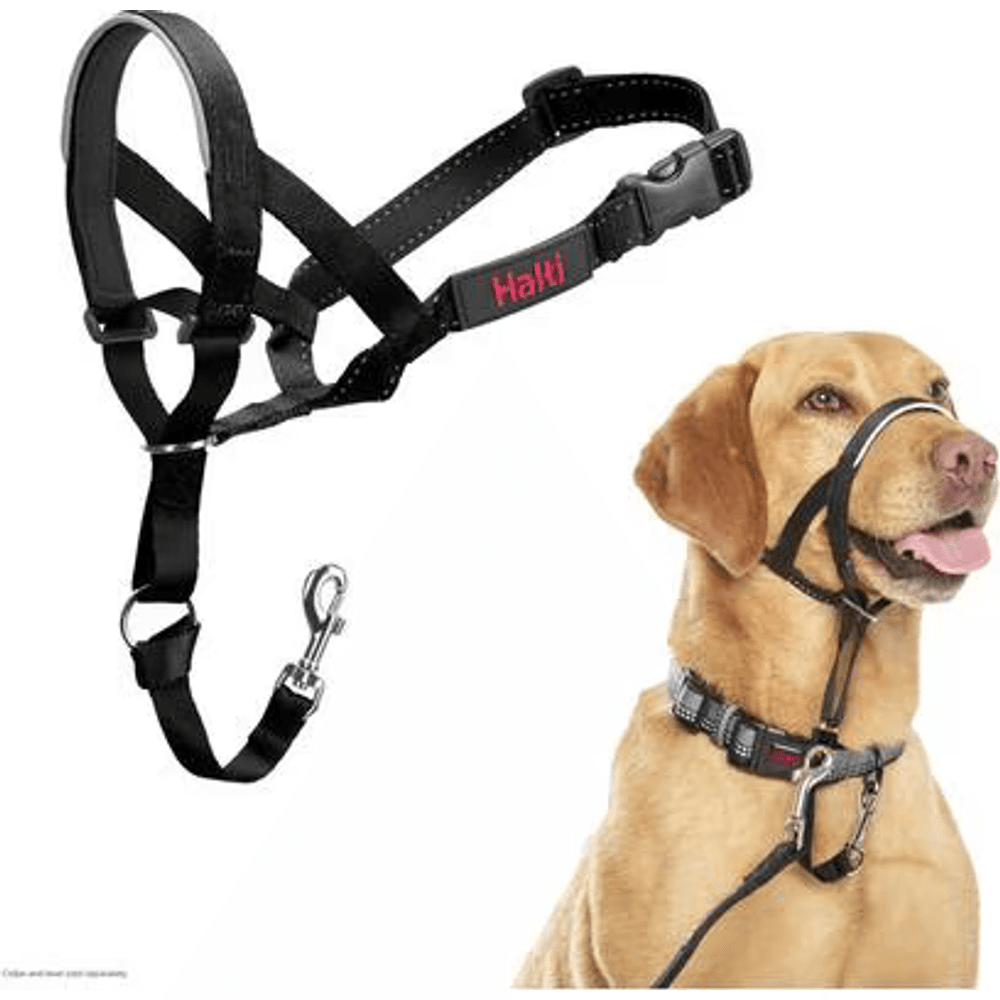
A padded no-pull headcollar steers from the nose and takes leash pressure off the throat, a common trigger for reverse sneezing on walks.
Webvet may earn a commission when you click through to Chewy, at no extra cost to you.
Read first if any of these match your dog:
- Episodes come with a runny nose or nasal discharge: see the section on reverse sneezing getting worse.
- Episodes start right after vomiting: see the timing section on episodes after eating or vomiting.
- Episodes happen several times a day: see the frequency guidance in the same section.
- You need to tell it apart from laryngeal paralysis: see the look-alike comparison.
What reverse sneezing sounds and looks like
What does a reverse sneeze sound like in a dog? VCA Animal Hospitals describes a loud snorting sound that may sound like the dog has something caught in the nose or throat. The American Kennel Club also describes a loud snorting sound as the dog extends its head and neck.
The reverse sneezing sound is a rapid run of noisy inhales, not exhales. Many owners say the dog sounds congested, as if trying to clear a blocked nose by sniffing hard. Because each pull is inward, the noise has a harsh, rattling quality that is very different from an ordinary sneeze.

What dogs look like during an episode is just as recognizable. According to Cornell, the dog typically stands with the neck extended. Signs owners commonly describe include:
- A stiff, braced stance, sometimes described as standing with the elbows out
- Head and neck stretched forward
- Chest and belly moving with each forceful inhale
- Stillness during the episode, as if concentrating on breathing
- A quick return to normal behavior once the episode ends
How long does it last? Cornell says episodes last from a few seconds to minutes and can recur at variable intervals. VCA puts a typical episode at several seconds to a minute, and PetMD says most last about 30 seconds or less.
Reverse sneezing video: why recording helps
A reverse sneezing video on YouTube can show you what the sound is like in small dogs such as a Maltese, but your own dog's recording matters more. PetMD notes that a video of the episode helps the veterinarian, because episodes rarely happen in the exam room. Record from the side so the stance and the sound are both captured.

Soft chews made to support dogs with allergies; ask your vet whether a supplement fits your dog's plan.
Webvet may earn a commission when you click through to Chewy, at no extra cost to you.
What causes reverse sneezing in dogs
What causes reverse sneezing in dogs is anything that irritates the nasopharynx. Cornell lists these common reverse sneeze causes:
- Excitement
- Pulling too hard against a leash
- Eating or drinking too quickly
- Foreign material, infections, and masses in the nose or throat
VCA adds these irritants:
- Nasal mites
- Secretions
- Foreign bodies such as seeds
- Pollens and grasses
- Allergies
A secondary source, Purina, also mentions household products such as perfume, cleaning products, and air fresheners, though the primary sources reviewed for this article do not list them.
Leash pressure is one of the easiest triggers to change. Switching from a flat collar to a front-clip harness or a no-pull headcollar such as the Halti Nylon Padded No Pull Dog Headcollar takes the pressure off the throat on walks, which is the one trigger owners can remove on their own.
Excitement, stress, and anxiety
Can excitement cause reverse sneezing in dogs? Yes. The AKC notes episodes can follow periods of over-excitement, such as greeting visitors or play. Owners often ask whether stress or anxiety can cause reverse sneezing; the sources reviewed tie it to excitement and arousal but do not name anxiety as a separate cause.
Breed and anatomy
Certain breeds come up again and again. Cornell says reverse sneezing is more common in brachycephalic (flat-faced) breeds, and PetMD links it to an elongated soft palate, which is common in those breeds. Small, flat-faced breeds such as pugs, Boston terriers, and Shih Tzus are reported most often, while VCA notes long-nosed dogs can be affected too.
Small dogs are overrepresented too. In the 30-dog Veterinary Sciences series, half were toy breeds under 5 kg, including Yorkshire terriers, Chihuahuas, Maltese, and Shih Tzus. Anatomical problems explained 8 of 30 cases, including elongated soft palate in 3 dogs and cervical tracheal collapse in 2.
VCA, by contrast, says dogs with narrow nasal passages (long noses) seem more commonly affected. The sources differ here, so both are worth knowing: flat-faced and small breeds per Cornell and the AKC, long-nosed breeds per VCA. Is reverse sneezing common in beagles? As a longer-nosed breed, beagles fit VCA's note about narrow nasal passages, though no source reviewed gives breed-specific rates for them.
Nasal mites, discharge, and airway inflammation
Reverse sneezing and nasal mites are often linked online. Cornell and VCA list mites as a possible cause, and the Merck Veterinary Manual says rhinoscopy and nasal lavage are the most useful tests. Yet no dog in the 30-dog referral series had nasal mites, so they are possible but uncommon.
Airway inflammation was the most common finding in that study, in 57% of dogs (17 of 30), and 10% had foreign bodies. Reverse sneezing and nasal discharge in dogs together point toward inflammation, infection, or something lodged in the nose, so that combination should be checked by your veterinarian.
Nasal flushes for canine reverse sneezing appear in the sources only as nasal lavage, a test your vet performs, not a home remedy. Owners also ask whether acid reflux causes reverse sneezing, or whether reverse sneezing can cause vomiting. The sources reviewed do not establish either link, so raise vomiting with your vet as a separate sign.
 Sponsored
Vet care that's always there
Unlimited video calls and messaging with licensed vets for less than a typical vet visit. One membership covers up to five pets.
Use code Pets60
Plans start at $12/month · covers up to 5 pets
- Licensed vets in most states
- Rx for 150+ conditions
- 4.7 on Trustpilot
How to stop a reverse sneezing episode
Knowing how to calm an episode without harm starts with knowing that most episodes stop by themselves, but a few gentle steps can help them end sooner. The goal is to prompt your dog to swallow, which often interrupts the reflex. Respected sources recommend slightly different methods, so here are the options and who recommends each.

What do you do when your dog has a reverse sneeze?
Stay calm and stay close. Cornell and the AKC suggest briefly holding the nostrils closed for a second or a few seconds to prompt a swallow, then lightly massaging the throat. VCA instead recommends gently stroking the neck or head and offering something to lick or drink. Either approach is reasonable; stop if your dog resists.
Here is how to stop your dog from reverse sneezing, step by step:
- Keep your own voice and movements calm, since excitement is a known trigger.
- Gently stroke or massage the throat and neck (Cornell, VCA, AKC).
- Option one: briefly hold the nostrils closed for a second or a few seconds to prompt a swallow (Cornell, AKC).
- Option two: offer something to lick or a little water to drink to encourage swallowing (VCA).
- PetMD notes some owners gently blow in the dog's face for a few seconds.
- Never put your fingers in your dog's mouth; Merck warns you could be bitten.
Flat-faced and toy breeds
French bulldogs, pugs, and Chihuahuas respond to the same gentle steps. If a pug's reverse sneeze won't stop, or your dog alternates normal sneezes with reverse sneezes in one long spell, do not escalate force. Note how long it lasts, and if it runs past a few minutes or breathing looks labored, call your veterinarian.
How to stop dog reverse sneezing at night
Night episodes are handled the same way: turn on a light, stroke the throat, and offer water once your dog is settled. Prevention matters more than any single trick, so reduce known triggers, walk on a harness if leash pulling sets it off, and slow down fast eaters and drinkers.

Omega-3 fish oil softgels for pets to discuss with your vet as part of an allergy plan.
Webvet may earn a commission when you click through to Chewy, at no extra cost to you.
Reverse sneezing vs. collapsed trachea, choking, and kennel cough
Telling reverse sneezing apart from tracheal collapse, choking, or kennel cough matters most, because the look-alikes can be serious. The table below separates them by sound, duration, and what your dog does afterward, with a see-a-vet column for each.
| Condition | Sound | Duration | Behavior afterward | See a vet |
|---|---|---|---|---|
| Reverse sneeze | Loud snorting inhales through the nose | Usually ends within a minute | Back to normal right away | If frequent, worsening, or with other signs |
| Collapsed trachea | Dry, harsh goose honk cough | Recurring, often with excitement or collar pressure | May tire easily or breathe hard | Yes; immediately for blue gums or fainting |
| Choking | Gagging, coughing, struggling | Continues until the object moves | Pawing at mouth, drooling, agitation | Emergency now |
| Kennel cough | Loud, high-pitched, honking cough | Days; most recover in 7 to 10 days | May seem well between coughs | Yes, especially with fever or lethargy |
| Laryngeal paralysis | Noisy breathing, bark change | Ongoing and progressive | Gagging or coughing with eating or drinking | Yes; emergency for breathing distress |

What is the difference between reverse sneezing and collapsed trachea in dogs?
A reverse sneeze is a run of snorting inhales through the nose that ends within a minute, after which the dog is normal. Collapsed trachea causes a persistent, dry, harsh cough that VCA says is sometimes called a goose honk, often worse with excitement or collar pressure. Merck adds labored breathing, and Cornell notes it is progressive.
Separating a reverse sneeze from a collapsed trachea matters most in toy breeds. Cornell notes tracheal collapse mostly affects toy and small breeds that are middle-aged or older, the same dogs prone to reverse sneezing, which is why Chihuahua owners so often wonder which one they are hearing. Read more about the dog honking cough of collapsed trachea.
Why is my dog breathing heavily through the nose?
Heavy breathing through the nose in short, loud bursts that stop within a minute is typical of a reverse sneeze. Steady heavy breathing, effort that does not settle, or noisy breathing with coughing points elsewhere, such as airway inflammation, tracheal collapse, or laryngeal paralysis. Merck lists trouble breathing as an emergency needing immediate care.
Reverse sneeze or kennel cough?
Owners often mix up kennel cough and reverse sneezing because both are loud. The real difference is direction: kennel cough is a cough pushing air out, while a reverse sneeze pulls air in through the nose. Cornell describes the Bordetella cough as loud, high-pitched, persistent, and honking, so kennel cough can sound like a reverse sneeze to an anxious ear.
Kennel cough symptoms also last longer. Most dogs recover in 7 to 10 days, and Cornell says they can stay contagious for up to eight weeks after signs resolve. The AVMA describes a frequent honking cough that can include gagging. See our guide to kennel cough in dogs for care details.
Do dogs reverse sneeze with kennel cough, and can kennel cough cause reverse sneezing? Cornell lists infections among the causes of reverse sneezing, so reverse sneezing during or after kennel cough is plausible. If your dog has both, treat the cough as the main problem and read why your dog is coughing.
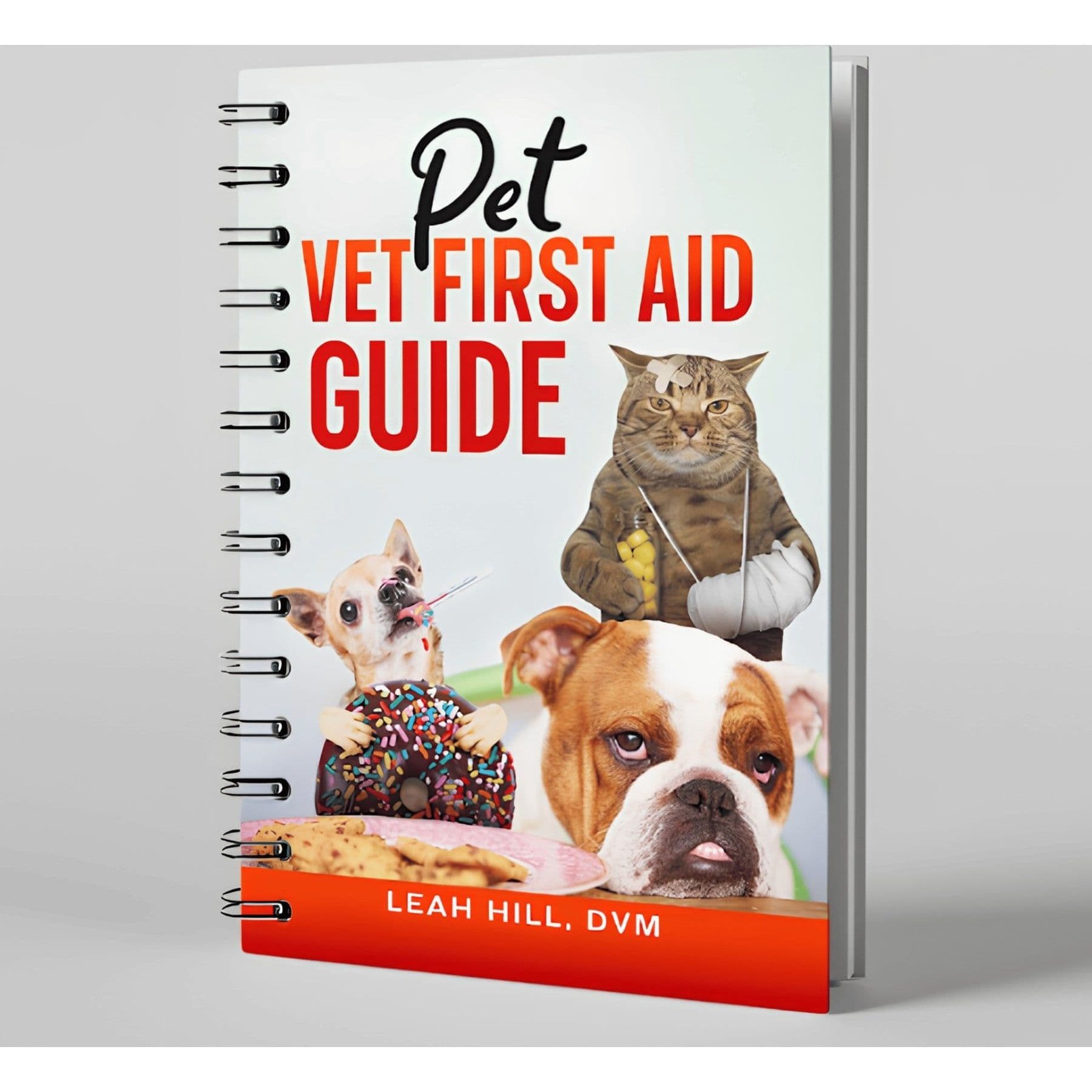
A spiral-bound pet first aid reference to keep at home for breathing, choking, and other urgent situations.
Webvet may earn a commission when you click through to Chewy, at no extra cost to you.
Reverse sneezing and gagging
A dog that keeps reverse sneezing and gagging may have throat irritation, a foreign body, kennel cough, or laryngeal paralysis, which VCA links to gagging or coughing with eating or drinking. If you wonder whether your dog is having an asthma attack instead, the sources reviewed do not cover asthma, so ask your vet.
Laryngeal paralysis is another look-alike vets rule out. VCA describes noisy breathing, gagging or coughing with eating or drinking, and a change in bark, mostly in middle-aged or older Labradors, Golden Retrievers, and St. Bernards. It can progress to respiratory distress, so it needs a veterinary exam.
Choking is different and urgent. Merck lists these choking signs:
- Coughing
- Drooling
- Gagging
- Pawing at the mouth
- Holding the mouth open and being agitated
A choking dog keeps struggling instead of relaxing, and needs emergency help rather than waiting it out.
Reverse sneezing at night, after eating, or getting worse
My dog keeps reverse sneezing: is that normal? How often dogs reverse sneeze varies widely. Cornell says episodes recur at variable intervals, and most cases are sporadic and mild. In the 30-dog referral series, 26.7% had episodes at least daily, 33.3% at least weekly, and 40% had signs for six months or more.
Those were dogs referred for investigation, so constant episodes are not typical of the average pet. Still, PetMD says a dog with frequent reverse sneezing, or one reverse sneezing a lot lately, should see a veterinarian promptly. A change from your dog's normal is the key signal.
Reverse sneezing in dogs at night
Owners often notice a dog reverse sneezing a lot at night or right after waking. Purina, a secondary source, says episodes sometimes follow a long nap, possibly from dust inhaled during sleep. Primary sources do not explain night episodes specifically, so a new night pattern is worth mentioning to your veterinarian.
After eating or drinking water
Reverse sneezing after drinking water or eating fits Cornell's trigger of eating or drinking too quickly. Slowing meals and offering water in smaller amounts can help. Gagging or coughing that regularly comes with meals or drinking is different, because VCA lists that pattern as a sign of laryngeal paralysis.
Vomiting then reverse sneezing is another pattern owners notice. The sources reviewed do not explain it, but vomiting is a separate sign, so if episodes repeatedly follow vomiting, tell your vet about both.
When it is getting worse
Episodes that are getting worse deserve attention, whether in a senior dog, a Chihuahua, or a pug reverse sneezing more than usual. If episodes now happen several times a day, start a log of dates, times, and triggers, and watch for these changes:
- Sudden onset of reverse sneezing in dogs that never did it before
- Episodes that are longer, closer together, or harder to interrupt
- New coughing, nasal discharge, or sneezing alongside it
- Tiring easily on walks or breathing hard at rest
A French bulldog with reverse sneezing and a runny nose is a typical example worth a visit: a brachycephalic dog with new nasal discharge may have inflammation or infection on top of its anatomy. In the referral series, 63.3% of dogs had another respiratory sign, such as cough, exercise intolerance or breathing difficulty, sneezing, or nasal discharge.
When to worry about reverse sneezing and see a vet
Is reverse sneezing in dogs dangerous? For most dogs, no. VCA says it is not a harmful condition and has no ill effects, and the AKC says it is not known to be harmful in dogs without underlying conditions. So is reverse sneezing normal in dogs? An occasional brief episode in an otherwise healthy dog generally is.
Is reverse sneezing painful for dogs, and do reverse sneezes hurt? None of the sources reviewed say it is painful, and veterinarians describe it as harmless. Can reverse sneezing hurt my dog, or can a dog die from reverse sneezing? Reverse sneezing itself is not fatal, but conditions that mimic it, like choking or tracheal collapse, can be dangerous.
When to worry about reverse sneezing?
Worry when reverse sneezing is frequent, more severe, or comes with other signs. Cornell describes frequent or more severe episodes as the cases veterinarians address. Book a visit for episodes that are increasing, last longer than a minute or two, or come with coughing, nasal discharge, sneezing, or tiring easily.
Merck lists trouble breathing among emergencies that need immediate veterinary care, and Cornell flags breathing difficulty, blue gums or tongue, and fainting in dogs with tracheal collapse. When reverse sneezing is serious, it is usually because a different problem is involved.
What your vet will check
VCA says diagnosis is based on history and clinical signs, so your notes and video matter. For persistent cases, Cornell says your vet may do a sedated oral exam, x-rays of the head, and rhinoscopy. PetMD adds that x-rays and rhinoscopy can rule out a collapsing trachea or nasal tumors. Many cases are idiopathic, meaning no specific cause is found.
Bring these to the appointment:
- A video of a typical episode, recorded from the side
- A log of dates, times, length, and what happened just before
- Any new signs, such as cough, discharge, or changes in energy
- Recent kennel, daycare, or grooming visits
A printed first aid reference can help you stay organized between visits and keep emergency signs in view at home. The Pet Vet First Aid Guide-Spiral Bound is one option to keep with your episode log.
Treatment, allergies, and antihistamines
Is there a treatment for reverse sneezing? For most dogs, no treatment is needed. Cornell says most cases are sporadic and mild, and VCA says most cases need no medical treatment. Treatment targets the underlying trigger when episodes are frequent or severe, so the right treatment depends on what your vet finds.

Home remedies for reverse sneezing
At home, the best remedy for reverse sneezing in dogs is calm handling plus prevention. Ways to help your dog:
- Use the swallow-prompting steps above during an episode.
- Swap a collar for a harness if leash pulling triggers it.
- Slow down fast eating and drinking.
- Reduce exposure to known irritants such as pollens and grasses where you can.
- Keep a log so your vet can spot patterns.
None of the sources reviewed describe a remedy that cures reverse sneezing. When episodes start suddenly, treatment begins with a veterinary exam to look for a foreign body, infection, or other cause before anything else is tried.
Can reverse sneezing be caused by allergies?
Yes, allergies can cause reverse sneezing in dogs. VCA lists pollens, grasses, and allergies among irritants, and Cornell says vets may treat for allergies and mites in recurring cases. Allergies are one possible trigger, not the cause in every dog.
If allergies are the trigger, your vet may approve a supplement alongside any prescribed medication. These are supportive allergy options, not a treatment for reverse sneezing itself.
Omega-3 fatty acids are another supplement some owners ask their vet about as part of an allergy plan. As with any supplement, check with your vet first, especially if your dog takes other medication.
Prescription options
VCA says that in certain cases a vet may prescribe anti-inflammatory, antihistamine, or decongestant medication. Cornell says surgery to shorten an elongated soft palate may help dogs with signs of respiratory distress. In the referral series, corticosteroids were the main treatment, yet 14 of 23 followed dogs still had episodes.
For confirmed nasal mites, Merck says no drug is approved specifically, but several antiparasitic medications, including ivermectin, milbemycin oxime, and topical selamectin, appear effective in more than 85% of cases. Your vet will choose the medication and dose.
Will Benadryl help reverse sneezing in dogs?
Benadryl may help reverse sneezing only when allergies are the trigger, and only under veterinary direction. The AKC says some veterinarians recommend antihistamines if the problem is serious, chronic, and allergy-related. It will not help episodes caused by excitement, leash pressure, or anatomy. See Benadryl for dogs for safety details.
The AKC also warns that some human diphenhydramine products contain xylitol, alcohol, or acetaminophen, so always consult a veterinarian first. PetMD notes vets may prescribe cetirizine instead; our Zyrtec for dogs guide compares it with Benadryl, and both pages cover what owners can safely consider before a vet visit.
Breed-specific questions and related problems
Treating a Yorkie that reverse sneezes follows the same approach as any breed: manage triggers, rule out tracheal collapse, and treat allergies if present. If your dog also has sneezing and nasal discharge, read about the dog cold. Cats can reverse sneeze too, and our page on reverse sneezing in cats covers it.
Reverse sneezing in dogs questions
Frequently Asked Questions
Is reverse sneezing painful for dogs?
Veterinarians describe it as harmless and not painful in itself, although it clearly startles many dogs. VCA says it is not a harmful condition and has no ill effects. It is startling to watch, but most dogs return to normal as soon as the episode ends.
Can reverse sneezing kill a dog?
Reverse sneezing itself is not fatal, but the conditions that mimic it can be. Choking, tracheal collapse, and laryngeal paralysis can cause serious breathing trouble. If episodes are frequent or come with other signs, your vet should look for an underlying cause.
Why does my dog reverse sneeze at night?
Owners often report more episodes at night or after waking. Purina suggests dust inhaled during sleep may play a role. Owners sometimes suspect dry air or a particular sleeping position, but no veterinary source confirms those links, so mention a new night pattern to your vet.
What breeds reverse sneeze the most?
Cornell and the AKC say it is more common in brachycephalic breeds and small breeds, including miniatures and terriers. VCA says long-nosed dogs with narrow nasal passages seem more affected. In one 30-dog study, half were toy breeds under 5 kg.
Veterinarian · BVMS MRCVS
Dr. Pippa Elliott, BVMS, MRCVS, is a veterinarian with nearly 30 years of experience in companion animal practice. Dr. Elliott earned her Bachelor of Veterinary Medicine and Surgery from the University of Glasgow. She was also designated a Member of the Royal College of Veterinary Surgeons. Married with 2 grown-up kids, Dr. Elliott has a naughty Puggle named Poggle, 3 cats and a bearded dragon.
Related reading

Seizures in Cats: Signs, Causes, What to Do, and Treatment

Dog Eye Swollen: Causes, First Aid, and When It Is an Emergency

How to Make a Dog Throw Up Safely: Hydrogen Peroxide Dose by Weight and When Not To
