Zyrtec for Dogs: Dosage Chart by Weight, Side Effects, and Safety
Zyrtec for Dogs explained: see the vet-reviewed dosage-by-weight chart, side effects, safety warnings, cost, and when to call your veterinarian.

BVMS MRCVS
Medically reviewed by Dr. Pippa Elliott, BVMS MRCVS · Last reviewed

Drug facts
Rx Database sponsored by
Cetirizine
Cetirizine is the medication or medication group covered in this vet-reviewed WebVet consumer safety guide.
 Sponsored
Is Cetirizine right for your dog?
Ask a licensed vet at Dutch over video before you start Cetirizine. Unlimited calls and messaging are included.
Use code Pets30
Plans start at $11/month · covers up to 5 pets
- Licensed vets in most states
- Rx for 150+ conditions
- 4.7 on Trustpilot
Zyrtec for dogs should only be used under a veterinarian-confirmed plan for that animal. Zyrtec is a human brand of cetirizine, an antihistamine that veterinarians sometimes use for allergic signs in dogs. Confirm the exact product, amount, and schedule with your veterinarian before giving it. Never give Zyrtec-D, because the added pseudoephedrine can be dangerous to dogs.
Zyrtec Dosage for Dogs by Weight
When considering zyrtec for dogs, use the veterinarian-confirmed product and plan for that animal. Merck lists cetirizine for dogs at 1 mg/kg or 10 to 20 mg per dog by mouth every 12 to 24 hours as needed. These are veterinary reference ranges, not a home prescription. The veterinarian must decide which approach applies to the individual dog and confirm that the product contains cetirizine alone.
| Weight and treatment situation | Veterinary dose framework | What must be confirmed |
|---|---|---|
| Dog whose veterinarian chooses weight-based dosing | 1 mg/kg by mouth | Current measured weight, indication, frequency, and kidney or liver health |
| Dog whose veterinarian chooses the per-dog range | 10 to 20 mg per dog by mouth | Why a fixed per-dog amount is appropriate and the exact frequency |
| Any dog receiving repeated doses | Every 12 to 24 hours as needed appears in the veterinary table | The written interval and maximum duration for this dog |
| Dog presented with a Zyrtec-D or other combination product | Do not use | The added active ingredient, especially pseudoephedrine, changes the safety decision |
Confirm with your vet before using any row. Do not convert the range into a tablet count until the active ingredient and tablet strength have been checked.

Webvet may earn a commission when you click through to Chewy, at no extra cost to you.

How much Zyrtec can a dog have per day? The answer depends on whether the veterinarian chose the weight-based or per-dog framework and how often it is given. Do not combine the top of the amount range with the shortest interval on your own. Do not repeat a dose because itching continues after the first tablet.
Before giving cetirizine, verify:
- The front and back label say cetirizine as the only active drug.
- The package does not say Zyrtec-D or list pseudoephedrine.
- The tablet or liquid strength matches the veterinary instruction.
- The dog has not already received another antihistamine or cold medicine.
- The veterinarian knows about kidney or liver disease and all other medication.
- The written instructions state the amount, interval, and duration.
If a dose is missed, follow the clinic's instructions rather than doubling. If more than the prescribed amount may have been swallowed, call the veterinarian or an animal poison service with the package, strength, estimated amount, time, and dog weight.
What Zyrtec Helps With in Dogs
- 1Cetirizine is an antihistamine, not a cure for canine allergies.
- 2It may help selected dogs with mild allergic signs or hives.
- 3Response varies, and moderate or severe atopic itch often needs a broader plan.
- 4Zyrtec-D is unsafe because it adds pseudoephedrine.
- 5Cetirizine cannot replace diagnosis of fleas, mites, infection, food-responsive disease, or another cause of itch.

Cetirizine blocks histamine signaling. Histamine contributes to hives and some allergic reactions, but it is only one part of chronic canine atopic dermatitis. That is why an antihistamine can help one dog and make little difference for another.
Veterinarians may consider cetirizine for:
- Mild seasonal itching in a selected dog.
- Hives or another histamine-associated reaction after urgent causes are assessed.
- An adjunct to parasite control, topical care, or another allergy plan.
- Situations where a less-sedating antihistamine is being considered.
Zyrtec does not kill fleas or mites, treat bacterial or yeast infection, remove a food trigger, or protect an allergic dog from anaphylaxis. Facial swelling, breathing difficulty, collapse, or rapidly spreading hives needs urgent veterinary care rather than a home antihistamine trial.
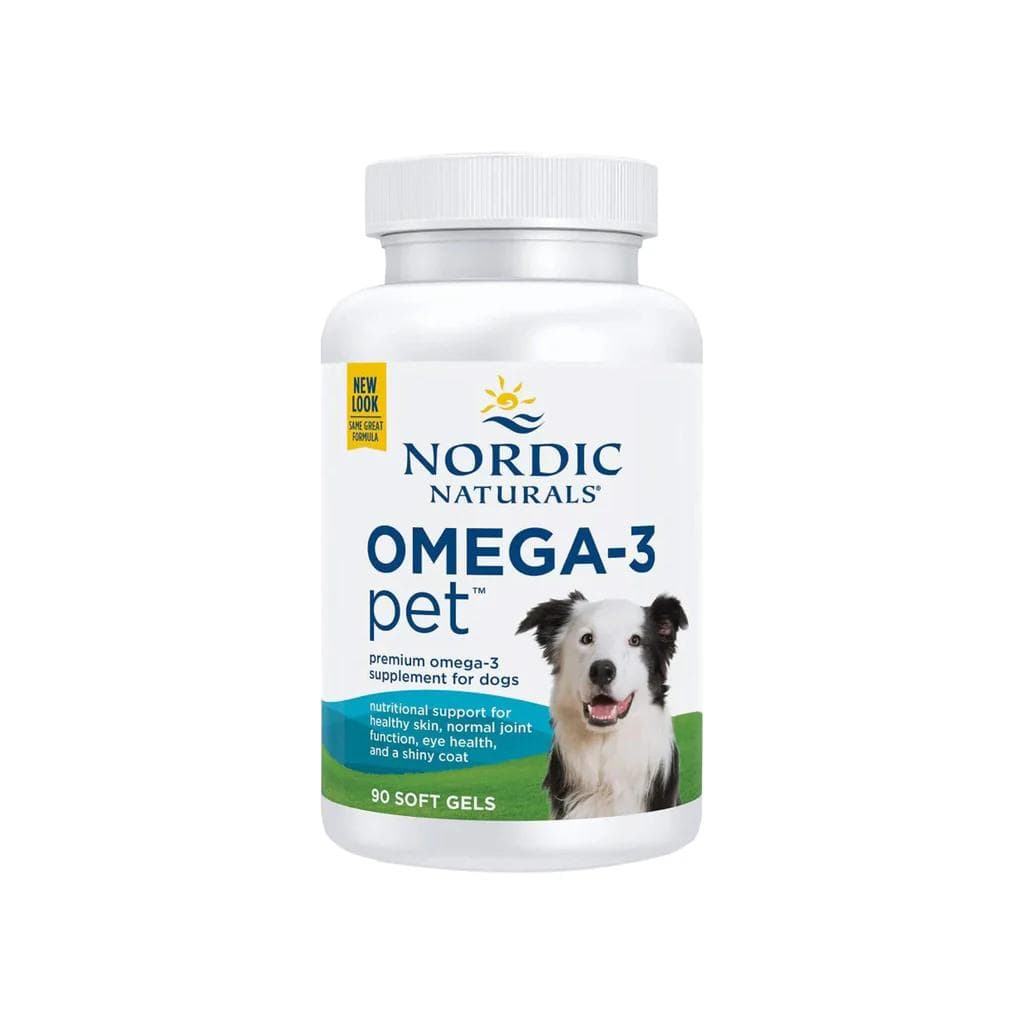
Third-party-tested omega-3 softgels (EPA and DHA) that support skin, coat, and joint health in dogs. Fish oil is one of the first things many vets suggest for a dull, dry, or flaky coat.
Webvet may earn a commission when you click through to Chewy, at no extra cost to you.
Is Zyrtec or Benadryl better for dogs?
Neither is universally better. Cetirizine and diphenhydramine are different antihistamines with different dosing, duration, and sedation patterns. The useful choice depends on the allergic problem, other medication, health history, and the dog's previous response. Do not switch between them using the same tablet count.
Which is better, Claritin or Zyrtec?
Loratadine and cetirizine also differ. A veterinarian should confirm the active ingredient and decide whether either antihistamine fits the dog's problem. Combination products marketed with a decongestant create a separate toxicity risk and should not be treated as interchangeable with plain antihistamine.
VCA states cetirizine generally takes effect in 1 to 2 hours. That onset does not mean every allergic disease will noticeably improve within that window. If the dog is damaging its skin, cannot sleep, has an infection, or continues to worsen, call the clinic rather than adding another dose.
Zyrtec Side Effects and Why Zyrtec-D Is Unsafe
Plain cetirizine is often tolerated, but dogs can develop sleepiness, vomiting, increased salivation, or another change. A new sign deserves context: the veterinarian needs to know the product, amount, timing, other drugs, and whether the dog was already ill.
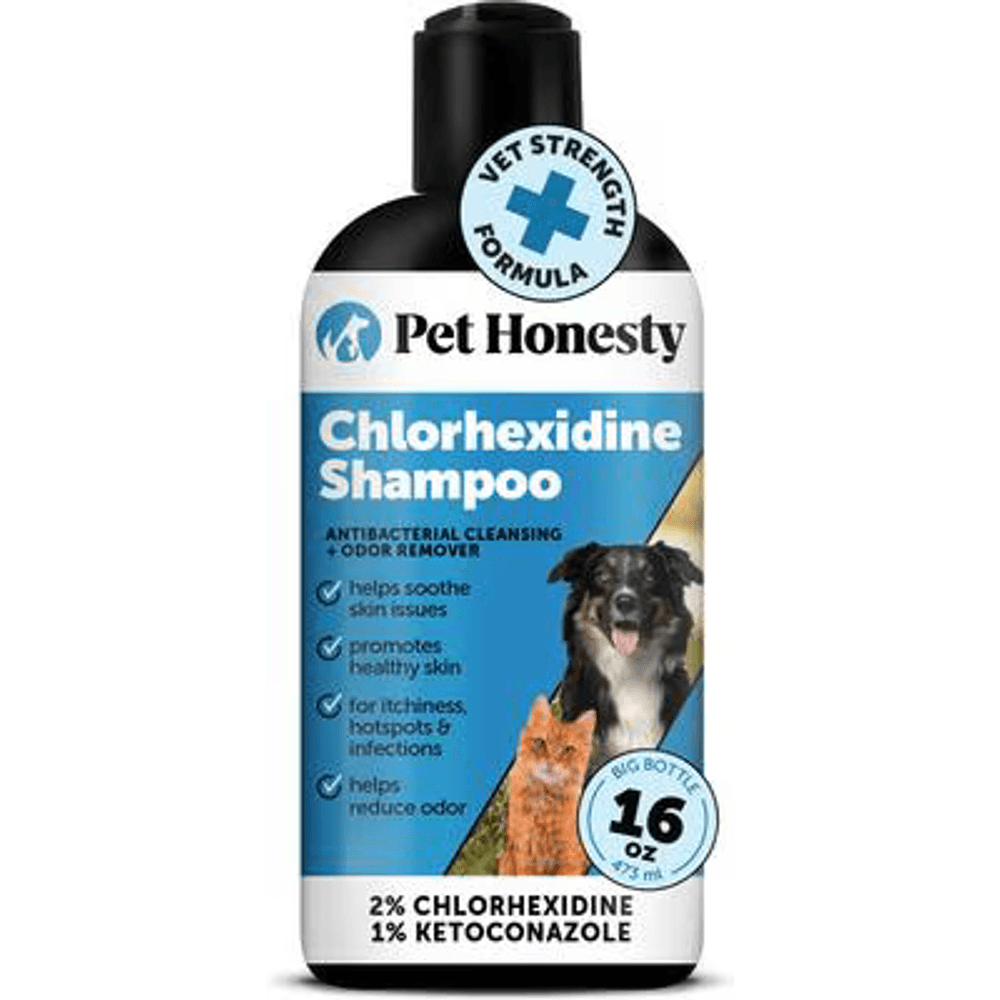
A vet-strength medicated shampoo with 2% chlorhexidine and 1% ketoconazole, the antifungal and antibacterial combination vets use to help clear ringworm and skin infections and to cut fungal spore shedding during treatment.
Webvet may earn a commission when you click through to Chewy, at no extra cost to you.

Product-form errors to prevent
The word Zyrtec on the front is not enough. Check every active ingredient. Human allergy aisles contain plain cetirizine, cetirizine with pseudoephedrine, liquids with different concentrations, dissolving tablets, and products with flavoring or sweeteners. The veterinary instruction applies only to the verified formulation.
Do not use:
- Zyrtec-D or any product listing pseudoephedrine.
- A multi-symptom cold or allergy medicine.
- A liquid unless the concentration and inactive ingredients were approved.
- A product from a damaged or unreadable package.
- Another household member's prescription without label review.
When to call after plain cetirizine
Call the clinic for marked sleepiness, repeated vomiting, unusual drooling, poor appetite, agitation, urinary changes, or an allergic problem that is not improving as expected. Seek urgent care for collapse, seizure, breathing difficulty, facial swelling, severe weakness, or a suspected large ingestion.
Dogs with kidney or liver disease may handle medication differently. Tell the veterinarian about sedatives, behavior medicine, seizure medicine, and every antihistamine or supplement. An over-the-counter label does not remove interaction or patient-specific risk.
Before starting an antihistamine trial
An itch medicine is easier to judge when the starting problem is documented. Note where the dog scratches, how often it wakes at night, whether the feet are chewed, and whether the ears, belly, armpits, face, or tail base are affected. Photograph visible redness or hives in consistent light.
Tell the veterinarian about:
- The date the itching began and whether it is seasonal.
- Flea prevention for every animal in the home.
- New food, treats, supplements, bedding, cleaners, or outdoor exposure.
- Ear odor, discharge, greasy skin, pustules, crusts, or hair loss.
- Previous antihistamines and whether they caused sedation or helped.
- Every current medicine and any recent vaccine or injection.
Cetirizine can reduce one part of an allergic response without treating parasites or infection. If the dog's skin smells, oozes, forms crusts, or becomes painful, an examination may be more useful than extending the antihistamine trial.
 Sponsored
Vet care that's always there
Unlimited video calls and messaging with licensed vets for less than a typical vet visit. One membership covers up to five pets.
Use code Pets30
Plans start at $11/month · covers up to 5 pets
- Licensed vets in most states
- Rx for 150+ conditions
- 4.7 on Trustpilot
Measuring whether Zyrtec is helping
Ask the veterinarian how long to trial cetirizine before judging it. Use the prescribed amount and interval consistently. Do not add Benadryl, Claritin, Apoquel, a steroid, or a topical human allergy medicine to make the trial work faster.
Track:
- Scratching, licking, chewing, and rubbing episodes.
- Night waking and ability to rest.
- New skin wounds or hot spots.
- Ear shaking, odor, or discharge.
- Sleepiness, vomiting, drooling, appetite, and energy.
- The date and time of every dose.
The meaningful outcome is improved comfort without unacceptable adverse effects. A dog that scratches slightly less but continues to damage the skin still needs a stronger or more complete plan. A dog that improves only while another infection remains untreated also needs reassessment.
Hives and rapidly changing allergic signs
Raised welts or hives can appear suddenly. Contact the veterinarian because the cause, severity, and progression matter. Plain cetirizine may be part of a vet-directed response for a stable dog, but it is not emergency treatment for airway swelling or shock.
Go to emergency care for:
- Trouble breathing or noisy breathing.
- Rapid facial or throat swelling.
- Collapse, severe weakness, or pale gums.
- Repeated vomiting with swelling or hives.
- A rapidly worsening reaction after a sting, medication, food, or vaccine.
Do not force an oral tablet into a dog that is struggling to breathe or swallow. Call ahead while traveling so the clinic can prepare.
Accidental ingestion of plain cetirizine
Take the package away and count what may be missing. Check whether the product is truly cetirizine alone. Many apparent Zyrtec exposures become more urgent when the back label reveals pseudoephedrine or another active ingredient.
Provide the veterinarian or poison service with:
- Exact product name and active ingredients.
- Strength and formulation.
- Maximum possible number swallowed.
- Time of exposure.
- Dog weight, age, and health conditions.
- All current medication.
- Sleepiness, agitation, vomiting, drooling, tremors, heart-rate change, or collapse.
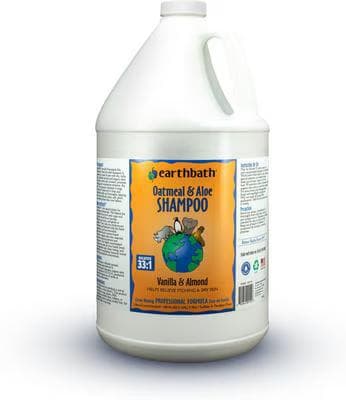
Webvet may earn a commission when you click through to Chewy, at no extra cost to you.
Do not wait for signs after a possible Zyrtec-D exposure. Do not induce vomiting, give activated charcoal, or use another home remedy unless a professional directs it. The safest response depends on product, amount, timing, and symptoms.
Giving a tablet safely
Use the exact tablet fraction or count written by the veterinarian. If the dog refuses pills, ask whether the approved plain-cetirizine tablet can be placed in a small amount of food or whether another formulation is safer. Do not switch to a flavored liquid without ingredient and concentration review.
After giving a dose:
- Confirm the dog swallowed it.
- Record the time immediately.
- Keep the package and remaining tablets secured.
- Watch for the expected response and adverse effects.
- Prevent another household member from repeating the dose.
If the dog vomits soon after dosing, do not automatically give another tablet. Call with the timing and whether the tablet was visible.
Why an antihistamine may stop seeming effective
The allergic disease can change even when the medicine has not. Pollen exposure may increase, fleas may appear, a secondary infection may develop, or repeated licking may damage the skin enough to perpetuate inflammation. A dog may also have food-responsive disease or mites that were not obvious at the first visit.
Do not respond by shortening the interval or increasing the amount. Recheck the skin, ears, parasite plan, adherence, and diagnosis. The veterinarian may treat infection, recommend testing, change the medication class, or add topical care.
Zyrtec Cost and Dog-Safe Product Choices
Cetirizine is widely available and often inexpensive, but the honest cost answer begins with the correct product. A cheap combination tablet is not a substitute for plain cetirizine. Prices vary by brand, generic status, strength, quantity, pharmacy, and region, so a national monthly estimate would be misleading.
Ask the veterinarian or pharmacist to write down:
- The active ingredient: cetirizine only.
- The strength per tablet or concentration per milliliter.
- The quantity needed for the trial period.
- Whether a generic plain-cetirizine product is acceptable.
- When lack of response should end the trial.
The full allergy-care cost can include an examination, skin or ear testing, parasite control, infection treatment, diet trials, bathing, and prescription itch control. The least expensive tablet may not be the least expensive plan if it delays treatment of infection or severe atopic dermatitis.
Storage and household handoff
Keep cetirizine in the original package so the active ingredient and strength remain visible. Store it separately from combination cold medicines and behind a closed door. A pill organizer or loose tablet removes the information a poison service needs after an accident.
If more than one person cares for the dog, use one medication record. Write the date and time immediately after each dose and note any vomiting or adverse effect. During travel or boarding, send the original labeled product and the veterinarian's instructions rather than a bag of tablets.
Tell the caregiver:
- Never substitute Zyrtec-D, a liquid, or another antihistamine.
- Do not repeat a dose after uncertain administration.
- Do not give a human cold medicine for new signs.
- Call the veterinary contact for facial swelling, breathing trouble, collapse, severe sleepiness, agitation, or vomiting.
When the trial should end
An antihistamine should not continue indefinitely without measurable benefit. At the planned review, compare itch, sleep, skin damage, infection, and adverse effects with the starting record. If there is no useful improvement, ask the veterinarian to end or change the trial rather than increasing the dose or adding another product.
If the dog improves, still address the cause. Continue veterinarian-directed parasite control, infection treatment, topical care, or allergy workup. Cetirizine can be one component without becoming the whole plan.
When Dog Allergies Need Prescription Treatment
Can Zyrtec replace Apoquel? Not by default. Cetirizine is an antihistamine, while Apoquel is a prescription JAK inhibitor used for allergic itch and atopic dermatitis in qualifying dogs. The drugs are not dose-for-dose substitutes.
The Apoquel for dogs guide covers the chronic-itch prescription choice, long-term monitoring, and affordability decision. Contact the veterinarian when itch disrupts sleep, causes wounds, returns after every antihistamine trial, or is accompanied by infection. Do not stop Apoquel and begin Zyrtec without a transition plan.
Comfort measures such as preventing chewing, keeping nails short, using veterinarian-approved bathing, and maintaining parasite control can support the dog while the treatment plan is reviewed. If the veterinarian recommends a non-medicated oatmeal bath, Earthbath Oatmeal & Aloe Itch Relief dog shampoo is one product to ask about. These measures do not replace urgent care for a severe allergic reaction.
Zyrtec for Dogs FAQs
Frequently Asked Questions
What is the best anti-itch medicine for dogs?
The best anti-itch medicine for a dog depends on the cause, so there is no single product that fits every itchy dog. Fleas, mites, infection, food-responsive disease, and environmental allergy need different treatment. Cetirizine may help selected mild cases, while moderate or severe atopic itch may need prescription therapy, infection treatment, topical care, or immunotherapy. A veterinarian should match treatment to the diagnosis.
Which kind of Zyrtec is best for dogs?
The best kind of Zyrtec for dogs is a veterinarian-approved product containing cetirizine as the only active ingredient. Never use Zyrtec-D because it contains pseudoephedrine. Check active and inactive ingredients and the strength on the exact package before every new purchase, since brands and formulations can change. Ask before giving any product when the ingredient panel is unclear.
How long does Zyrtec take to work in dogs?
How long Zyrtec takes to work in dogs varies, but it generally begins acting within 1 to 2 hours, according to VCA; visible itch relief depends on the allergy cause and severity. Do not repeat a dose early or combine antihistamines because the dog still scratches during that period. Call the clinic if signs worsen or the expected response does not appear within the plan the veterinarian provided.

Editor
The Webvet Editorial Team is the in-house group of pet-care editors and writers behind Webvet, operated by Smart Pet Collective. The team researches, writes, and maintains Webvet's pet health, behavior, and medication content. Every article follows a defined editorial process: research from reputable veterinary and scientific sources, careful drafting, mandatory review of medical content by a credentialed veterinarian, and dated publication. Health and medication articles are medically reviewed by a licensed veterinary professional before they go live and are kept current over time.
Veterinarian · BVMS MRCVS
Dr. Pippa Elliott, BVMS, MRCVS, is a veterinarian with nearly 30 years of experience in companion animal practice. Dr. Elliott earned her Bachelor of Veterinary Medicine and Surgery from the University of Glasgow. She was also designated a Member of the Royal College of Veterinary Surgeons. Married with 2 grown-up kids, Dr. Elliott has a naughty Puggle named Poggle, 3 cats and a bearded dragon.


