Dog Cold Symptoms: Treatment and How to Tell It From Kennel Cough
Sneezing, a runny nose, and a mild cough can mean a dog cold. Learn how it differs from kennel cough and canine flu, how long it lasts, safe home care, and when to see the vet.

BVMS MRCVS
Medically reviewed by Dr. Pippa Elliott, BVMS MRCVS · Last reviewed

This article contains affiliate links. Webvet may earn a commission when you buy through them, at no extra cost to you.
Dog cold symptoms usually mean sneezing, a runny nose, and a mild cough in a dog who is still eating and acting like themselves. Most of these mild cases settle with rest and simple home care, but the same signs can also be the start of kennel cough, canine flu, or pneumonia.
This guide covers how to read dog cold symptoms at home, which human cold medicines are dangerous for dogs, how to keep other dogs safe, and the red flags that mean it is time to call your vet.
Can dogs get colds?
Yes, dogs do get colds, but not the same ones people get. What owners call a dog cold is a mild case of canine infectious respiratory disease complex (CIRDC). A review in Veterinary Clinics of North America describes CIRDC as a syndrome caused by several viruses and bacteria that are often highly contagious, with coinfections common.
The Merck Veterinary Manual lists the usual causes as Bordetella bronchiseptica, canine parainfluenza virus, canine adenovirus 2, canine influenza, and less likely distemper virus. Canine respiratory coronavirus also belongs to the complex and is linked to mild signs such as nasal discharge, cough, and sneezing.
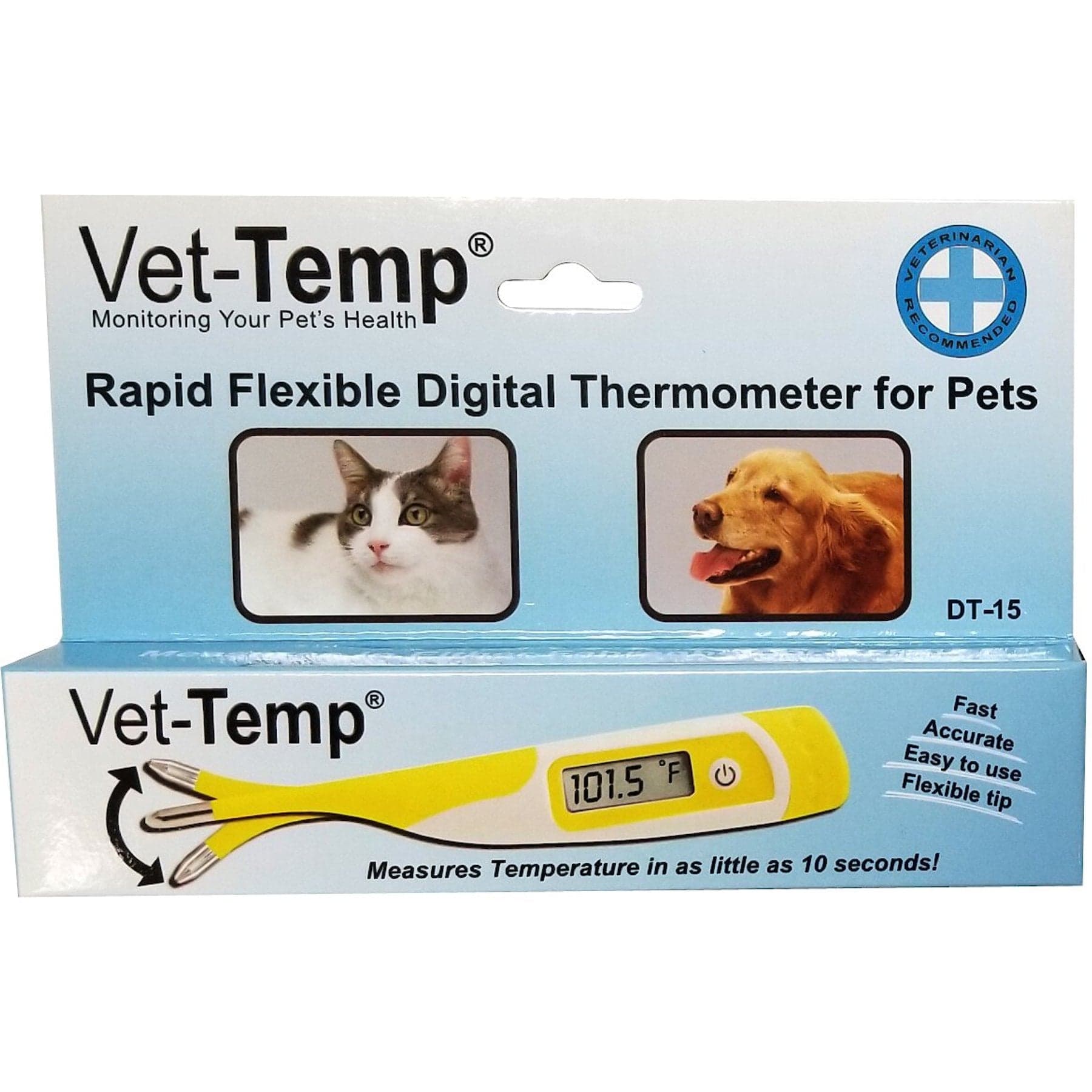
A flexible digital pet thermometer helps you check for fever before you call the vet.
Webvet may earn a commission when you click through to Chewy, at no extra cost to you.
So the honest answer to "do dogs get colds" is that they get mild respiratory infections from the same germ family that causes kennel cough. Whether a given dog has a mild cold or something more serious depends on how the illness behaves over the next few days.
- 1What a dog cold is: a mild case of canine infectious respiratory disease complex, not a human cold.
- 2Dog cold symptoms are sneezing, a runny nose, and a mild cough in a dog who still eats and plays.
- 3Rest, warmth, good food, and distance from other dogs are the core of home care.
- 4Never give human cold medicine; call your vet for fever, lethargy, labored breathing, or no improvement.
Dog cold symptoms
The common signs of a cold in dogs, and in puppies, are:
- Sneezing, sometimes in bursts
- A runny nose with watery nasal discharge
- A mild, dry cough
- Mild loss of appetite while energy stays mostly normal
Canine respiratory coronavirus, one cold virus behind these signs, causes mostly nasal discharge, cough, and sneezing, per the Veterinary Clinics review. Uncomplicated kennel cough usually brings few other signs beyond some appetite loss, with a normal temperature, according to the Merck Veterinary Manual owner guide.

Soft sterile pads make it easy to wipe away crust around the eyes of a sneezy dog.
Webvet may earn a commission when you click through to Chewy, at no extra cost to you.
A head cold in a dog is the same picture, centered on the nose. The veterinary sources do not list drooling, diarrhea, or shivering as signs of a dog cold virus. If your dog caught a cold and shows any of these with it, treat that as a different problem and call your vet.
Signs that point beyond a simple cold:
- Thick, yellow, or green nasal discharge
- Fever and lethargy, or refusing food
- A moist, productive cough or labored breathing
Merck notes that fever, pus-containing nasal discharge, depression, appetite loss, and a productive cough suggest bronchopneumonia rather than a simple respiratory infection. Puppy and senior dog cold symptoms deserve a lower bar for a vet call, for reasons covered below.
Dog cold vs. kennel cough, canine flu, and allergies
You cannot reliably tell a cold from kennel cough or flu by looking. ASPCApro explains that CIRDC viruses and bacteria often cause the same signs, and many dogs carry more than one. Still, dog cold symptoms vs kennel cough and flu signs tend to follow different patterns:
- Cold: sneezing and a runny nose lead, with a mild cough at most.
- Kennel cough: a honking cough, like a goose, that may end in retching or gagging, per Merck. It appears 5 to 10 days after exposure.
- Canine influenza: about 80 percent of exposed dogs get a mild cough lasting 1 to 3 weeks, but some develop fever and lethargy, a high fever of 104 to 106 F, and pneumonia.
- Allergies: itching of the feet, face, ears, legs, and belly is the typical sign, often seasonal, per the Merck allergy guide.
| Illness | Signs you can see at home | How urgently to call the vet |
|---|---|---|
| Mild cold | Sneezing, runny nose, mild cough, still eating and playing | Monitor at home; call if not improving within 2 weeks |
| Kennel cough | Honking cough, often followed by retching or gagging | Call for advice, sooner for puppies, seniors, or flat-faced breeds |
| Canine influenza | Cough lasting 1 to 3 weeks; some dogs show fever and lethargy | Call promptly, the same day if fever and lethargy appear |
| Allergies | Itchy feet, face, ears, and belly, often seasonal | Book a routine visit to confirm and manage |
| Pneumonia | Labored breathing, moist cough, thick nasal discharge, high fever | Emergency care now |
Do dogs get colds or flu more? The sources give no comparison, and both look alike early. Only about 15 percent of allergic dogs develop nasal inflammation, Merck notes, so a dog that sneezes without itching is less likely to have allergies. PetMD adds that the symptoms of dog cold and flu overlap with allergies, heart disease, and cancer. For more on the cough itself, see our guides on kennel cough in dogs and why your dog is coughing.
 $65 · no membership
Have a health question about your dog?
A licensed vet can assess your dog over video and prescribe online when it's appropriate.
 Talk to a vet
- Licensed vets
- All 50 states
- same-day Rx
Webvet may earn a commission if you book.
Can dogs catch a cold from humans?
Dogs do not catch colds like humans, and they generally cannot get your cold. A veterinarian quoted in a vet-reviewed PetMD article says the viruses and bacteria behind human colds typically do not affect dogs. No Merck, Cornell, or CDC page addresses human cold viruses in dogs directly.
The reverse is also reassuring. VCA Animal Hospitals says there is no evidence the kennel cough complex spreads from dogs to humans. The CDC reports no evidence of canine flu passing from dogs to people and no reported human infection. Dogs passing colds to humans, or humans giving dogs a cold or flu, is not a documented risk.
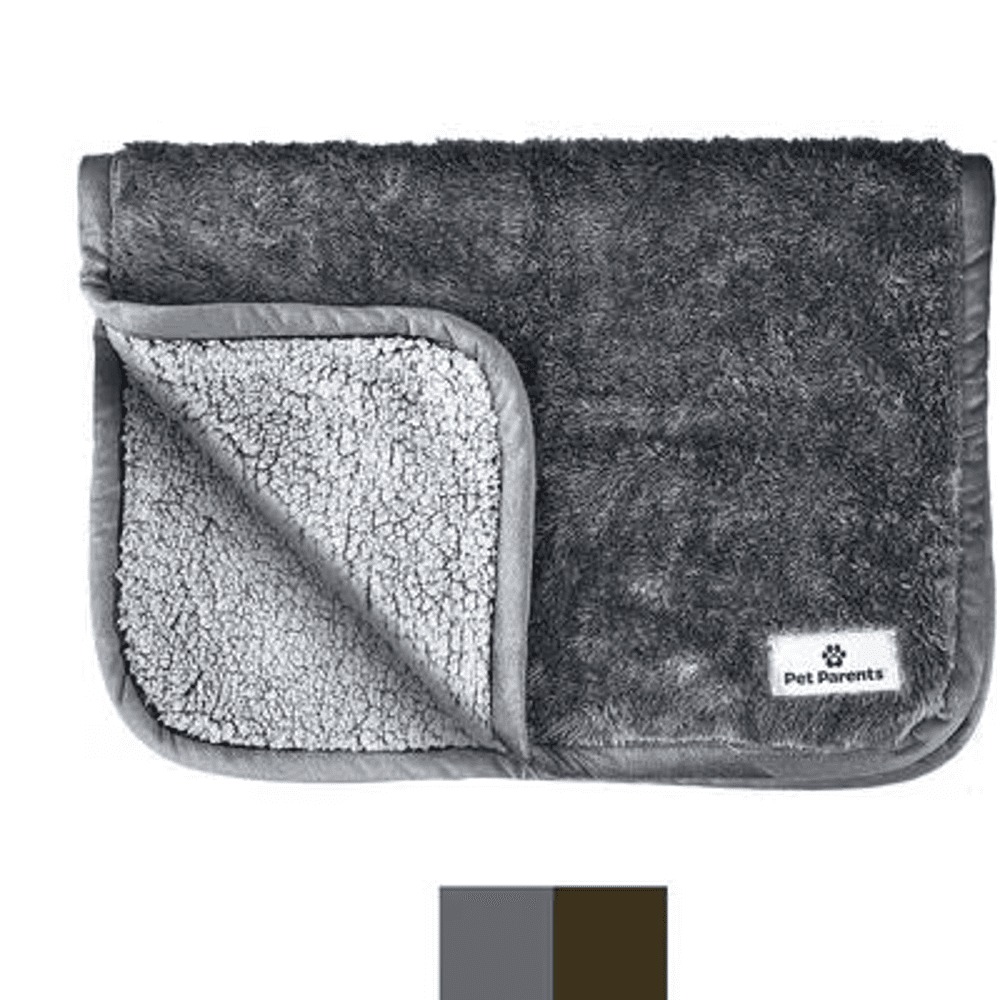
A washable waterproof blanket gives a dog you are keeping apart from housemates its own clean, warm bedding.
Webvet may earn a commission when you click through to Chewy, at no extra cost to you.
One exception is worth knowing. The Cornell Riney Canine Health Center says Bordetella bronchiseptica also infects cats and has infrequently made people sick, usually those with weakened immunity. Can dogs catch cat colds, or can cat colds be passed to humans? Bordetella is the one shared germ the sources name. Our guide to the cat cold covers feline signs.
How to treat a dog cold at home and how long it lasts
Dog cold symptoms and treatment go together: most mild cases need supportive care rather than medicine. Cornell says most dogs with Bordetella recover with supportive care and rest, and mild cases may need only monitoring.

How do you treat a dog with a cold?
Treat a dog with a cold by keeping them rested, warm, fed, and away from other dogs. Offer good food and fresh water, keep the home clean, and cut back on exercise. Merck says recovery may be hastened by good nutrition, hygiene, and a better living environment. Watch daily for fever, lethargy, or labored breathing. A Vet-Temp Rapid Flexible Digital Dog & Cat Thermometer lets you check for a fever at home before you decide whether to call.
Home remedies for dog cold and cough that fit the sources:
- Rest: keep play calm and walks short.
- Use a harness: ASPCApro says excitement, exercise, leash pulling, and barking worsen coughing.
- Steam: Merck notes vets may prescribe mist or steam from a hot shower to loosen secretions. Ask your vet before trying it.
- Clean the face: wipe a runny nose or crusty eyes gently with a soft damp cloth.
- Warm bedding: a cozy bed out of drafts helps a sneezing dog settle.
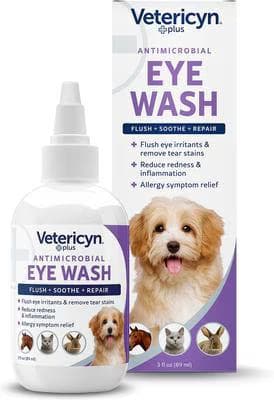
A gentle eye wash rinses away discharge and debris from irritated eyes during a cold.
Webvet may earn a commission when you click through to Chewy, at no extra cost to you.
Treating a dog with a cold naturally means this kind of support, not herbal products with no evidence behind them. Antibiotics are not routine either: Cornell says most kennel cough is viral, so antibiotics are not warranted unless the risk of secondary bacterial infection is high.
Will dog colds go away on their own?
Most mild dog colds do go away on their own. VCA says most cases resolve in 7 to 10 days with supportive care. Merck notes kennel cough can last 10 to 20 days, though it usually eases over the first 5. See a vet if the cough is not better within 2 weeks.
How long does a dog cold last as a contagion risk? Longer than the sneezing. Cornell says dogs with Bordetella can stay contagious for up to eight weeks or longer after signs resolve, and Merck says dogs exposed to flu should be considered contagious for up to 4 weeks.
Dog cold medicine: what is safe and what is dangerous
There is no safe over-the-counter dog cold medicine to borrow from your own cabinet. The Merck Veterinary Manual says ibuprofen, aspirin, naproxen, and acetaminophen should not be used in pets unless a veterinarian directs it.
What can I give my dog for the cold?
Give your dog rest, good food, fresh water, and a warm place to sleep, then call your vet before giving any medicine. Merck says common human pain relievers should not be used in pets without veterinary direction. Your vet can tell you whether a cough suppressant or other treatment suits your dog.
Why human cold medicine for a runny nose or congestion is risky:
- Mixed ingredients: the ASPCA says cold and flu products often combine acetaminophen, ibuprofen, phenylephrine, pseudoephedrine, dextromethorphan, diphenhydramine, and doxylamine.
- Decongestants: Merck says pseudoephedrine overdose can cause rapid heartbeat, high blood pressure, agitation, tremors, vomiting, and death.
- Acetaminophen: toxicity occurs mainly at very high doses, but repeated lower doses can also cause harm, per Merck.
- Xylitol: the ASPCA says xylitol in cough drops can cause low blood sugar and life-threatening liver damage. Merck adds that sugar-free syrups often contain it.
When a dog cold needs a vet
Call your vet promptly for any of these red flags:
- Labored or fast breathing, or a moist cough
- Fever and lethargy, or refusing food
- Thick, colored nasal discharge
- A cough that is not better within 2 weeks
- Any respiratory signs in a puppy, senior dog, or flat-faced breed

Cornell warns that severe cases can progress to pneumonia in dogs, with labored breathing, a moist cough, high fever, and nasal discharge. If you are unsure what counts as a high reading, see our guide to fever in dogs.
Vaccines lower the risk of a bad outcome. Cornell calls the Bordetella vaccine non-core but highly recommended for at-risk dogs, and says it lessens severity rather than preventing infection. ASPCApro says the flu vaccine likewise reduces severity and duration. Ask your vet about the Bordetella vaccine for dogs and the dog flu vaccine.
Dog cold questions
Frequently Asked Questions
Can a dog get sick from being cold and wet?
Cold weather is not one of the causes veterinary sources list for a dog cold. Respiratory illness comes from a viral infection or bacteria passed between dogs. A runny nose, sneezing, or cough in cold weather still deserves the same watch, and a dog who is cold and wet should be dried and warmed.
Should a dog with a cold stay away from other dogs?
Yes. The germs behind a cold spread easily to other dogs, and some dogs stay contagious for weeks after signs fade. Skip daycare and boarding, dog parks, and shared water bowls until your vet says your dog is no longer a risk.
Should I still walk my dog when it has a cold?
Yes, but keep to short walks for bathroom breaks and give extra rest for the remainder of the day while the dog recovers. Exercise, excitement, and leash pulling can set off coughing, so a harness and a slow pace help.
Are puppies and senior dogs at higher risk from a cold?
Yes. Young puppies and senior dogs have weaker immune defenses, so a mild cold can turn serious faster. Merck says kennel cough is usually mild but may progress to bronchopneumonia in puppies or chronic bronchitis in weak or aged adults. Call your vet early for puppies and senior dogs with cold signs. A vet quoted by PetMD says flat-faced breeds such as Bulldogs and Pugs are also more vulnerable.
$65 · no membershipHave a health question about your dog?
A licensed vet can assess your dog over video and prescribe online when it's appropriate.
Talk to a vet- Licensed vets
- All 50 states
- same-day Rx
Webvet may earn a commission if you book.
Veterinarian · BVMS MRCVS
Dr. Pippa Elliott, BVMS, MRCVS, is a veterinarian with nearly 30 years of experience in companion animal practice. Dr. Elliott earned her Bachelor of Veterinary Medicine and Surgery from the University of Glasgow. She was also designated a Member of the Royal College of Veterinary Surgeons. Married with 2 grown-up kids, Dr. Elliott has a naughty Puggle named Poggle, 3 cats and a bearded dragon.
Related reading

In Home Pet Euthanasia: Cost, What Happens, and How to Choose a Provider

Dog Dementia: Signs, Stages, Treatment, and When to Say Goodbye

Cat Cold: Symptoms, How Long It Lasts, and When to See a Vet
