Pneumonia in Dogs: Symptoms, Treatment and Recovery
Pneumonia can affect a dog’s breathing, appetite and energy. Learn about aspiration and infection, veterinary treatment, and a practical home recovery record with clear reasons to seek urgent help.

BVMS MRCVS
Medically reviewed by Dr. Pippa Elliott, BVMS MRCVS · Last reviewed

This article contains affiliate links. Webvet may earn a commission when you buy through them, at no extra cost to you.
Pneumonia in dogs is inflammation within the lungs that can interfere with breathing and oxygen delivery. Coughing, tiredness, poor appetite and faster breathing can occur, but labored breathing is an emergency. Treatment depends on the cause and severity, and home care begins only when the veterinarian considers the dog stable enough to leave hospital.
Some dogs develop pneumonia after inhaling food, vomit or other material. Others have an infection or a less common inflammatory condition. Understanding that distinction helps explain why one dog needs oxygen and intensive monitoring while another can recover at home with a prescribed plan and careful follow-up.
Pneumonia in dogs: signs and urgency
Severe pneumonia symptoms include the breathing distress described below. The urgency comes from the dog’s breathing effort and overall condition, even when a cough seems mild.
Watch the dog's breathing and overall condition, not just the cough. Pneumonia can cause a dry cough or a wetter-sounding cough, and dogs may swallow material rather than visibly cough up phlegm. A recording of the sound can help the clinic, but no cough sound confirms pneumonia on its own.
The Merck Veterinary Manual describes respiratory distress, lethargy, reduced appetite and coughing among the possible signs. Fever may occur, but its absence does not rule the condition out. A dog that looks less energetic than usual and breathes faster at rest needs veterinary advice even without a dramatic cough.
- 1Labored breathing, collapse or blue-gray gums needs emergency veterinary care.
- 2Aspiration and infection can both cause pneumonia, but their prevention and treatment plans differ.
- 3Home supplies support a prescribed recovery routine; they do not treat the lung disease.
Breathing effort matters more than a single number
Look for an abdomen working hard with each breath, flared nostrils, an extended neck or an inability to settle comfortably. A dog may stand or sit rather than lie down because breathing is difficult. Do not force a position or make the dog walk around to see how breathless they become.
For a dog already assessed as stable, ask what activity is allowed while recovering. Short toilet trips may be appropriate, but they should follow the discharge plan. A properly fitted Frisco Comfort Padded Dog Harness can provide a practical leash attachment for those permitted outings. It is not a breathing aid, and fit should allow comfortable movement without chest restriction.
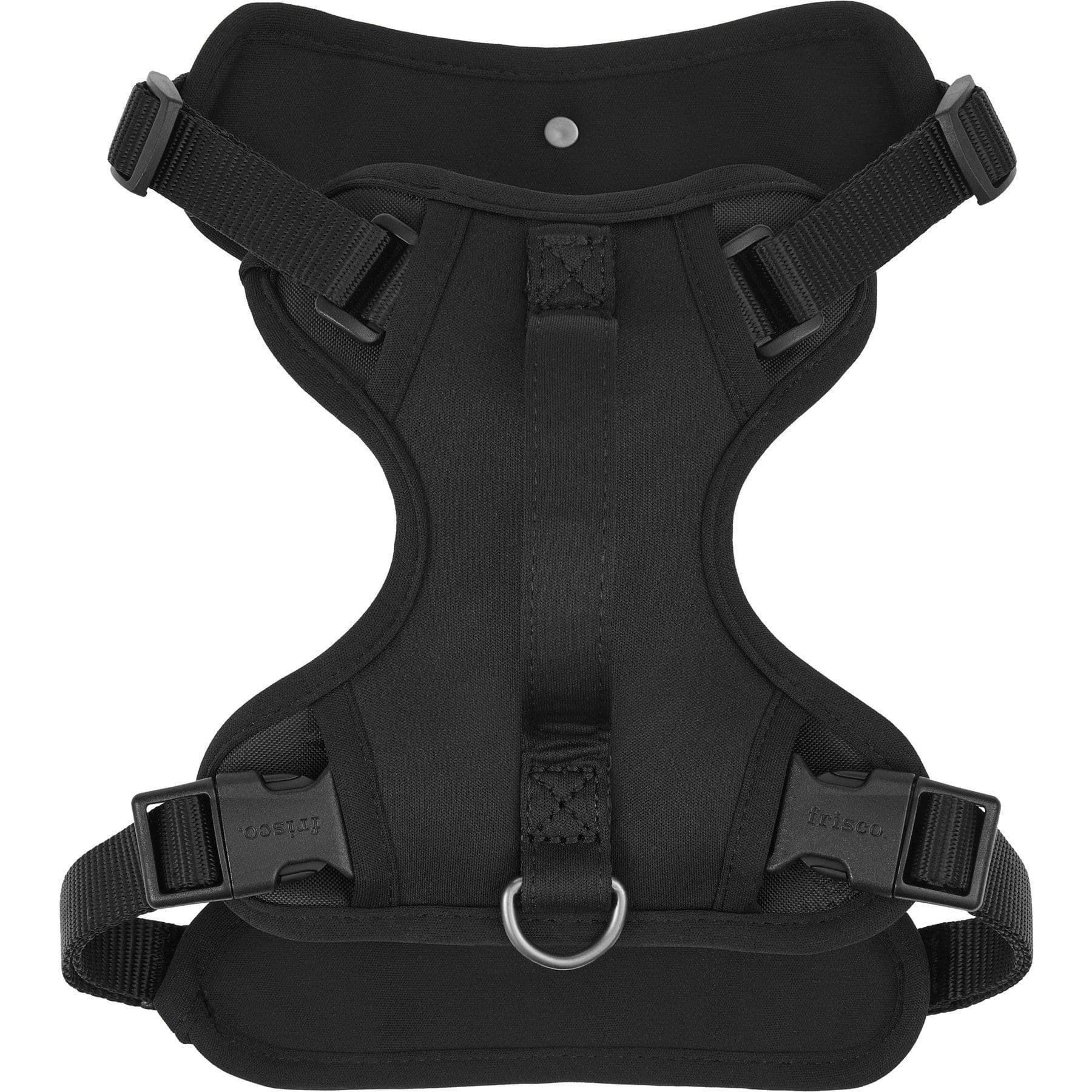
A padded harness for short toilet trips permitted by the veterinarian. Measure for a comfortable fit that allows unrestricted chest movement.
Webvet may earn a commission when you click through to Chewy, at no extra cost to you.
Resting breathing versus panting
Count breathing when the dog is asleep or quietly resting, not panting after activity or while excited. One rise and fall of the chest is one breath. Record the rate together with breathing effort and the circumstances, because a number without context can be misleading.
Our guide to normal respiratory rate for dogs explains the measurement more fully. For a dog with pneumonia, ask the treating clinic for that dog's action threshold and how often to check. A rising trend or new effort deserves attention even if a reading looks close to a general reference range.
Other changes worth reporting include:
- Refusing meals or drinking less than usual.
- A cough that becomes more frequent or disrupts rest.
- Unusual weakness, withdrawal or reluctance to move.
- Vomiting or regurgitation before the breathing changes began.
- A new cough following anesthesia, a swallowing problem or a respiratory illness.

A quiet place for an assessed, stable dog
When the vet has approved care at home, a comfortable resting area makes observation and the daily routine easier. Choose a low, accessible bed in a quiet room, with enough space for the dog to change position. Keep the route to water and the outside door simple, particularly for a weak or older dog.
The flat FurHaven NAP Ultra Plush Full Support Deluxe Dog & Cat Bed has a removable washable cover. The listed jumbo size may suit a larger dog; measure the available space and your dog's usual resting position before choosing. Washable bedding helps maintain a clean recovery area, but it does not improve lung function or replace medical treatment.

A flat resting surface with a removable washable cover for the home recovery area. Check the jumbo size against your dog and available space.
Webvet may earn a commission when you click through to Chewy, at no extra cost to you.
Dogs described as having “walking pneumonia” still need an individual assessment. Being able to walk does not establish mild disease. Puppies, older dogs and dogs with existing airway or swallowing problems can need additional support, and breed labels alone do not predict severity or survival.
Aspiration, infection and other causes
Aspiration means material enters the airway instead of traveling safely down the digestive tract. Food, liquid, vomit or regurgitated material can irritate the lungs and may introduce bacteria. Aspiration pneumonia can follow repeated vomiting, disorders such as megaesophagus, impaired swallowing or complications around anesthesia.
Force-feeding and improperly giving liquid medication can also create an aspiration risk. This is why a dog with pneumonia that will not eat needs veterinary advice rather than food or water being syringed into the mouth. The clinic may need to manage nausea, swallowing, hydration or nutrition using a safer approach.
Aspiration is an event, not a contagious diagnosis
A dog cannot pass the act of aspirating to another dog. However, the team still needs to establish whether a respiratory infection or another condition is also present. An owner should not assume that every pneumonia patient can safely mix with other pets simply because aspiration is suspected.
Signs after aspiration can include coughing, reduced appetite, lethargy and faster or more difficult breathing. They do not follow a dependable day-by-day sequence that can be used to stage the illness at home. If symptoms occur after choking, vomiting or a recent procedure, call the vet and mention that history immediately.
Ask about the underlying risk as well as the lung treatment:
- Does vomiting or regurgitation need its own investigation?
- Is there a swallowing or esophageal problem?
- Does the dog's feeding position or food consistency need a prescribed change?
- Should future anesthetic teams know about this episode?
French Bulldogs and English Bulldogs deserve particular attention to aspiration risk when airway, reflux or swallowing problems are present. A referral-hospital study found aspiration pneumonia more often in the studied Pugs, French Bulldogs and Bulldogs than in other breeds; affected Bulldogs and French Bulldogs included young dogs. It does not give an individual puppy's risk, but it supports taking new respiratory signs seriously rather than dismissing them as usual breed noises. Do not adopt another dog's feeding posture solely because both dogs have had aspiration pneumonia.
Infectious pneumonia and contact with other dogs
Bacterial or viral respiratory infections can progress into the lungs. Exposure to other dogs can matter, particularly in young dogs or those with other health problems. Kennel cough in dogs describes a respiratory disease complex rather than one single organism, and an uncomplicated cough is different from a dog developing pneumonia and systemic illness.
Whether pneumonia is contagious depends on the underlying cause. Until the veterinarian provides guidance, avoid daycare, boarding, dog parks and shared bowls with other dogs. Tell the clinic about recent boarding, shelter exposure or a coughing housemate so they can advise on testing and separation.
Vaccination can reduce risks from particular infectious agents, but there is no universal vaccine that prevents every cause of canine pneumonia. Ask which respiratory vaccines fit your dog's lifestyle and when a recovering dog can return to group activities. Do not use the disappearance of the cough as the sole clearance criterion.
Bacteria, fungi and unfamiliar names on a report
Different organisms require different treatment decisions. A culture may identify bacteria such as Klebsiella, Streptococcus or Mycoplasma, but the symptoms do not reliably tell you which organism is present. Searching for Klebsiella pneumoniae or Streptococcus pneumoniae cannot establish that either species caused your dog's pneumonia. Ask what organism the laboratory actually identified and how its antibiotic sensitivity affects treatment; do not choose medication from a name or a similar-looking case online.
Fungal and parasitic diseases can also affect the lungs. Travel, geographic exposure and immune status may guide additional tests. An antibacterial drug will not automatically address a fungal infection, and failure to improve should prompt reassessment rather than simply extending a prescription at home.
Terms such as interstitial, granulomatous or eosinophilic describe a pattern or type of inflammation that needs clinical interpretation. They do not all mean the same disease or carry the same prognosis. Cold weather alone does not explain pneumonia; the vet looks for the underlying infectious, aspiration-related or inflammatory cause.
 $65 · no membership
Have a health question about your dog?
A licensed vet can assess your dog over video and prescribe online when it's appropriate.
 Talk to a vet
- Licensed vets
- All 50 states
- same-day Rx
Webvet may earn a commission if you book.
How veterinarians diagnose pneumonia
Diagnosis combines the history, physical examination and tests. The veterinarian listens to the lungs, assesses breathing and may measure oxygenation. Chest radiographs, also called chest X-rays, help identify changes consistent with pneumonia and show which areas are affected. Stabilization may come before extensive handling or imaging if the dog is struggling to breathe.
An X-ray pattern is not a picture of the specific germ. Alveolar or interstitial changes can support the investigation, while their distribution and the dog's history help the veterinarian consider aspiration or other explanations. The report must be interpreted alongside the patient, rather than compared with a single image online.

Why more than an X-ray may be needed
Blood tests can assess systemic illness and other health problems. Depending on stability and suspected cause, the team may collect an airway sample for cell examination and culture. A respiratory pathogen test or fungal testing may also be useful in the right circumstances.
The point of culture and sensitivity testing is to identify bacteria and guide antimicrobial selection. As discussed in Today's Veterinary Practice, airway sampling is particularly helpful in hospitalized patients or cases where resistant infection is a concern. The clinician balances the information gained against the patient's ability to tolerate the procedure.
Bring the history that tests cannot reconstruct:
- Recent anesthesia, vomiting, choking or regurgitation.
- Contact with coughing dogs and recent boarding or travel.
- All recent antibiotics, other medicines and underlying illnesses.
- The first change you noticed and whether it is worsening.
Ask what the estimate covers
Pneumonia treatment cost varies with severity, location, diagnostic needs and length of hospitalization. An outpatient examination and medication plan is a different financial situation from oxygen support, repeated imaging or intensive care. A single online price cannot responsibly represent both.
Ask for an itemized estimate that separates initial stabilization, tests, ongoing hospital care and follow-up. Our guide to dog X-ray and ultrasound costs explains imaging expenses, but the hospital must estimate this dog's overall care. If cost limits your options, say so early so the team can discuss an appropriate prioritized plan.
Treatment in hospital and at home
Treatment addresses both the lung problem and what caused it. A dog with low blood oxygen may require supplemental oxygen and hospital monitoring. Fluids, nutrition and other support are adjusted to the individual patient; giving more fluid is not automatically better when the lungs are compromised.
Antibiotics are used when bacterial infection is suspected or confirmed, with the selection reassessed as test results and the clinical response become available. Antifungal or other treatment may be needed for different causes. A dog with recurring aspiration also needs attention to vomiting, regurgitation or swallowing, or the lung problem may recur.
Following the prescribed medicine schedule
Before discharge, confirm the name, dose, timing, storage instructions and expected duration of each medicine. Ask whether it should be given with food, what to do after a missed dose, and whom to contact if the dog vomits a dose or refuses it. Do not guess whether to repeat the medication.
An Ezy Dose Weekly 7-Day Dog Pill Organizer can help arrange suitable prescribed tablets if the veterinary team or pharmacist confirms they may be removed from their original packaging. Keep the original labeled containers and written schedule. A day compartment does not replace separate instructions for medicines given more than once daily.

A weekly organizer for suitable prescribed tablets, if the veterinarian or pharmacist approves. Keep labels and a separate dose log.
Webvet may earn a commission when you click through to Chewy, at no extra cost to you.
Use a written administration log so everyone can see what was actually given. Store medicines and any organizer securely away from pets and children. Do not crush or split tablets, mix medicines together or move refrigerated or light-sensitive medication into a general organizer without specific instructions.
Antibiotic duration is an individual decision
There is no universal antibiotic course for every pneumonia patient. Traditional longer treatment recommendations and newer evidence supporting shorter courses in selected uncomplicated cases do not produce one schedule suitable for all dogs. The treating veterinarian considers the cause, response, examination and any follow-up results.
Follow the prescribed course until the veterinarian changes it. A dog that seems brighter may still need treatment, while a dog that is not improving needs reassessment rather than automatic extra days of the same drug. If improvement does not match the discharge expectations, call the clinic; breathing deterioration requires urgent care immediately.
For an older dog not responding to antibiotics, the team may reconsider resistant bacteria, ongoing aspiration, the original diagnosis or another complicating condition. Age alone does not tell you which explanation applies. Bring the administration record so missed doses or difficulty swallowing can be addressed without guesswork.
Nebulization and other respiratory support
The veterinarian may recommend nebulization or a specific airway-clearance technique for selected patients. Ask for a demonstration, the exact solution, treatment duration and cleaning instructions. A household humidifier is not interchangeable with a medical nebulizer, and neither replaces oxygen support when blood oxygen is low.
Do not put essential oils, disinfectants or unprescribed medicines into a nebulizer or diffuser around a dog with pneumonia. Essential oils do not treat pneumonia, and the Merck Veterinary Manual identifies respiratory irritation among diffuser-related hazards. Do not create a hot, steamy enclosure or restrict airflow. A dog that becomes distressed during a prescribed session needs the session stopped and the veterinary team contacted.
Other treatments require the same individual decision:
- Do not start a human cough suppressant; coughing may help clear respiratory material.
- Use chest physiotherapy only if the clinic has shown you how and confirmed it is appropriate.
- Do not improvise an oxygen enclosure or home ventilation setup.
- Ask before adding a supplement or a so-called holistic remedy to the prescribed plan.
Setting up the recovery room

Keep the resting area quiet, comfortably ventilated and free of smoke, strong fragrances and aerosols. Arrange food, water and bedding so the dog does not need repeated trips up stairs. Follow the veterinarian's activity advice, including whether brief supervised movement or changes of resting position are appropriate.
A Carlson Pet Products Extra Tall Walk-Thru Gate with Pet Door can help keep active pets from interrupting a calm recovery area. Check the current fit instructions for your opening and whether the dog can safely remain behind it without jumping or becoming distressed. A gate manages movement; it does not prevent airborne infection or replace the clinic's isolation advice.
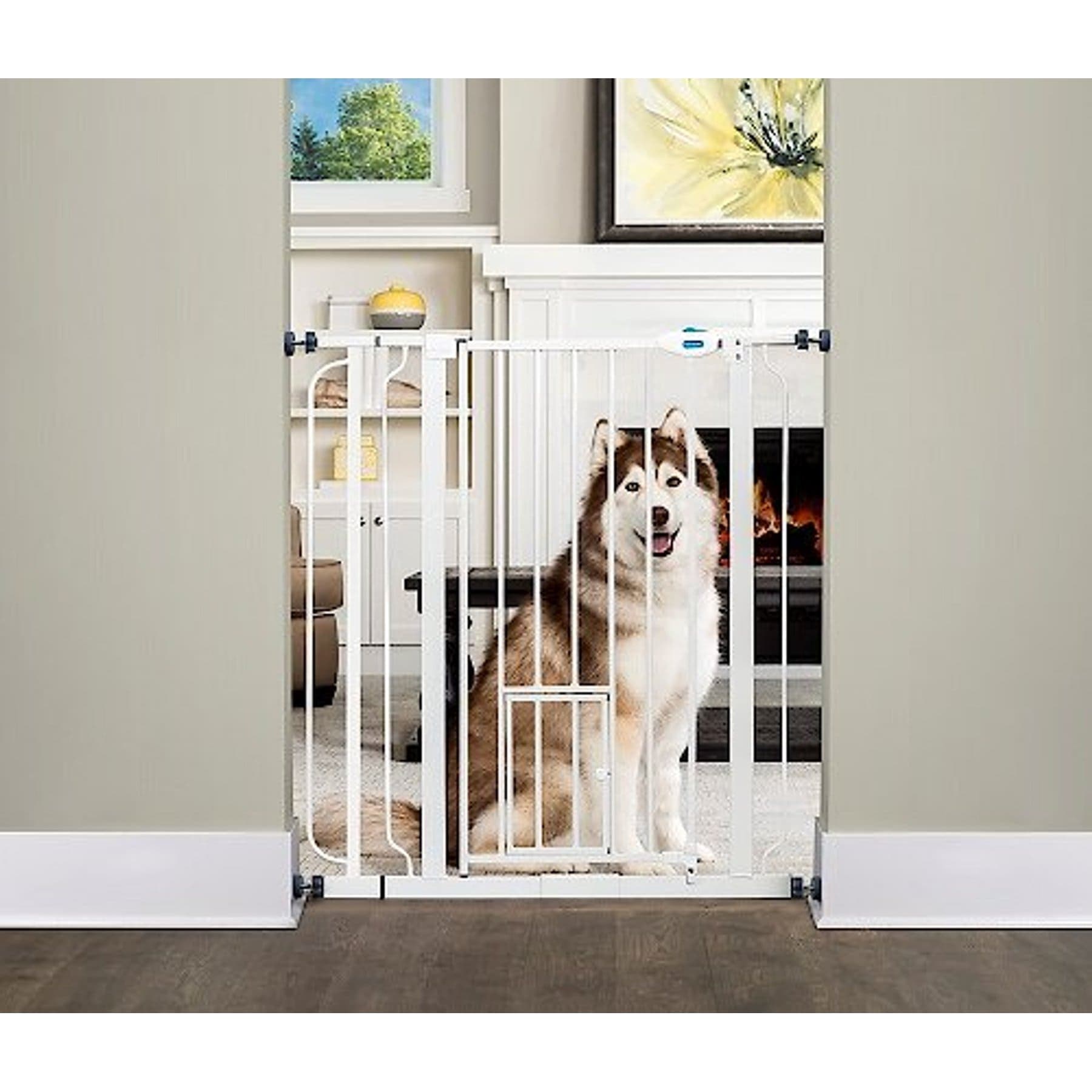
A walk-through gate can help manage a quiet recovery area away from active pets. Check fit and supervise; it does not prevent airborne infection.
Webvet may earn a commission when you click through to Chewy, at no extra cost to you.
Choose an arrangement you can supervise and clean. If separation makes your dog frantic, ask the clinic how to balance rest with companionship. Keep another animal from taking the recovering dog's food or medication, and let the dog rest without children or visitors repeatedly approaching the bed.
Recovery monitoring and follow-up
Recovery is a trend assessed over time, not the moment the cough stops. Breathing should become more comfortable, appetite and energy should move toward normal, and the dog should tolerate the prescribed home routine. The order and speed of those changes vary, so ask which improvement the team expects to see first.
Use the same observation conditions each day where possible. A sleeping breathing count is easier to compare with another sleeping count than with a reading after a toilet trip. Record effort as well as rate, and note whether the dog can rest in a comfortable position without repeatedly getting up.
A daily observation record for recovery
The following record keeps treatment and observation together. Write the veterinarian's specific action threshold at the top of your own copy. If a warning sign appears, call rather than waiting to complete the day's entries.
| Record | What to write down | What to raise with the clinic |
|---|---|---|
| Resting breathing | Time, asleep or awake, breaths per minute | A rising trend or the clinic's action threshold |
| Breathing effort | Comfortable, abdominal effort, posture changes | Any new or worsening effort is urgent |
| Cough | Frequency, sleep disruption, change from yesterday | Worsening cough or a new associated symptom |
| Food and water | Amount offered and taken, swallowing comfort | Refusal, vomiting, regurgitation or inability to take medication |
| Prescribed medicines | Drug, dose and time actually given | Missed or vomited dose, side effects, supply running low |
| Activity and comfort | Ability to settle and manage permitted toilet trips | New weakness, distress or reduced tolerance |
| Recheck questions | Changes since discharge and practical difficulties | Confirm timing, tests and the plan for returning to normal activity |
Keep observations factual. “Ate half the usual breakfast” is more informative than “appetite okay.” “Needed to stop on the short toilet trip” communicates a change that may otherwise be missed. If a family member covers part of the day, ask them to record their entry rather than relay it from memory later.
For example, a comfortable sleeping count that stays close to the discharge baseline, alongside improving appetite, gives the clinic a different picture from a similar count with obvious abdominal effort and difficulty settling. Record both observations rather than reporting only the more reassuring number. Do not wake or repeatedly reposition a resting dog to obtain a perfect measurement; explain the conditions under which you counted.
Make the hospital-to-home handover explicit
Before leaving, ask the veterinary team to explain why home care is appropriate now and which problems still need monitoring. Write down the next appointment, the daytime contact number and the after-hours destination. If another person will help, share the discharge instructions directly rather than summarizing them from memory.
Have the clinic demonstrate anything that requires a technique, such as administering a difficult medicine or an approved respiratory treatment. Then explain the steps back in your own words. This gives the team a chance to correct a misunderstanding while help is available, rather than after the first missed dose at home.
Confirm these practical details:
- When the next dose is due, including medicines already given in hospital.
- Whether each medicine goes with food and how it must be stored.
- What level of activity and separation from other dogs is required.
- What to do if the dog will not eat, vomits or cannot take a dose.
- Which breathing change means an immediate return rather than a routine phone call.
At home, assign one person to check the medication record before any dose is given. Mark it afterward, not in advance. A prepared pill compartment and an administered dose are different things, especially when several family members are helping. If a dose is uncertain, ask the clinic rather than risking an extra one.
When eating becomes the difficult part
If your dog has pneumonia and will not eat, contact the treating team rather than waiting through repeated refused meals. Reduced appetite can accompany recovery, but inadequate intake and an inability to take prescribed oral medication may require a change in support. Record what was offered and actually eaten. Mention coughing, gagging, regurgitation or obvious difficulty swallowing during the attempt, because those details change the advice.
Follow the prescribed diet and feeding method, particularly when aspiration was involved. Do not add large amounts of rich food to tempt the dog or force liquid into the mouth. Ask whether warming the approved food or offering a different permitted texture is appropriate for this patient before improvising.
Contact the clinic before the situation becomes a series of missed meals and doses. The plan may need support for nausea, a different medication formulation, reassessment of swallowing or a return to hospital. A dog refusing food is not being stubborn, and successful home care does not require the owner to solve a swallowing problem alone.
Rechecks and repeat imaging
Attend the veterinary recheck even if the dog appears brighter. The veterinarian may repeat the examination, chest radiographs or other tests to assess progress and decide when treatment can change. The timing depends on the original severity and how the dog is responding; it should be agreed with the treating team.
Ask what each result means for the plan. Clinical improvement and radiographic improvement may not move at the same pace, and a remaining image change does not automatically mean you should independently extend medication. Equally, reduced coughing does not prove that oxygenation, appetite or the underlying aspiration risk has normalized.
Bring the recovery record and ask:
- Is the breathing trend consistent with the expected recovery?
- Does treatment need changing or further testing?
- When can walks, training and group activities restart?
- Is an underlying swallowing, airway or digestive problem controlled?

Recovery time and prognosis
Some dogs improve noticeably after treatment starts but need longer for full recovery and a return to normal activity. Severe disease, repeated aspiration or another illness can prolong the course. There is no reliable recovery countdown based only on the day antibiotics began.
Bacterial and aspiration pneumonia can have a good outcome with appropriate care, but published survival figures describe particular groups of treated dogs. They cannot predict one elderly dog's outcome, apply automatically to fungal pneumonia or estimate survival without treatment. Ask the team to explain this dog's oxygen needs, response and underlying disease when discussing prognosis.
For pneumonia after surgery, tell both the treating veterinarian and the original surgical team about the episode. Future anesthesia planning may need to take the history into account. If aspiration recurs, controlling the predisposing problem is part of recovery rather than an optional extra after the lungs improve.
When recovery moves backward
Contact the veterinarian for reduced appetite, medication difficulties, a new fever if the team has instructed you to measure it, increasing cough or declining energy. Do not wait for every sign to worsen together. A dog may seem better in one respect while developing another problem that needs attention.
Labored breathing, collapse or a major change in responsiveness is an emergency at any point, including after several apparently good days. These signs cannot safely be labeled the “end stage” at home, and they do not prove that recovery is impossible. They do mean the dog needs urgent reassessment and support.
Pneumonia questions
Frequently Asked Questions
Can a dog recover from pneumonia?
Yes, dogs can recover with appropriate treatment, and many bacterial or aspiration cases have a favorable outcome. The individual outlook depends on severity, oxygen needs, underlying disease and response to treatment. Keep the follow-up appointments and monitor resting breathing as directed. A brighter attitude is encouraging, but the veterinary team should decide when medication and activity restrictions can change.
What are the first signs of pneumonia in dogs?
Early signs can include tiredness, reduced appetite, coughing and a faster resting breathing rate. Sometimes the initial signs are those of the underlying problem, such as vomiting before aspiration or a respiratory infection. There is no single first symptom in every dog. Contact the vet for a concerning pattern and seek emergency care if breathing becomes labored.
What are the four danger signs of pneumonia?
There is no official four-sign home scoring system for dogs. Four particularly concerning changes are labored breathing, blue-gray gums, collapse and rapidly worsening weakness. Any one can justify emergency care, and you should not wait for all four. The dog's breathing effort and overall condition matter more than matching a checklist or hearing a particular cough sound.
What are the four stages of pneumonia in dogs?
Dogs do not follow a reliable four-stage timeline that owners can use to diagnose or manage pneumonia at home. Descriptions of tissue changes are not a day-by-day care schedule. Veterinary decisions depend on breathing, oxygenation, examination and tests. Ask where your dog is in the treatment plan and what changes require reassessment instead of trying to assign a stage.
What is the survival rate for dogs with pneumonia?
There is no single survival rate that applies to every dog with pneumonia. Published figures differ with the cause, severity, treatment and patients included, and they do not establish an untreated dog's odds. Your veterinarian can give a more meaningful prognosis from this dog's oxygen requirements, underlying illness and response. Age matters in context, rather than providing a stand-alone percentage.
What can help a dog with pneumonia at home?
After the veterinarian approves home care, provide the prescribed medicines, a quiet clean resting area and the recommended food, water and activity routine. Keep a daily record of resting breathing, effort, appetite and doses, and attend follow-up. Do not force-feed, add cough medicines or use essential oils. Worsening breathing requires urgent veterinary care, not another home remedy.
$65 · no membershipHave a health question about your dog?
A licensed vet can assess your dog over video and prescribe online when it's appropriate.
Talk to a vet- Licensed vets
- All 50 states
- same-day Rx
Webvet may earn a commission if you book.
Veterinarian · BVMS MRCVS
Dr. Pippa Elliott, BVMS, MRCVS, is a veterinarian with nearly 30 years of experience in companion animal practice. Dr. Elliott earned her Bachelor of Veterinary Medicine and Surgery from the University of Glasgow. She was also designated a Member of the Royal College of Veterinary Surgeons. Married with 2 grown-up kids, Dr. Elliott has a naughty Puggle named Poggle, 3 cats and a bearded dragon.


