Kennel Cough in Dogs: Symptoms, Treatment, and When to Worry
Kennel cough is a highly contagious canine respiratory infection with a hallmark honking cough. Here is what it sounds like, how long it lasts, how it is treated, and the warning signs that mean your dog needs a vet now.

BVMS MRCVS
Medically reviewed by Dr. Pippa Elliott, BVMS MRCVS · Last reviewed

This article contains affiliate links. Webvet may earn a commission when you buy through them, at no extra cost to you.

If your dog has suddenly developed a harsh, honking cough that sounds like something is stuck in the throat, kennel cough is one of the most common culprits. Kennel cough is a highly contagious respiratory infection that spreads easily wherever dogs gather, from boarding kennels and daycare to dog parks and grooming salons. The good news is that most cases are mild and clear up on their own. The important caveat is that a few cases are not mild at all, and telling the difference is exactly why this guide exists.
This article covers what kennel cough is, what the cough sounds like, how dogs catch it, how long it lasts, how it is treated, the Bordetella vaccine, contagion risk to people and other pets, and the red flags that mean you should stop reading and call your vet.
What Is Kennel Cough in Dogs?
Kennel cough is a contagious infection of the upper airway (the windpipe and voice box) caused by several bacteria and viruses acting together. It is the everyday name for what veterinarians now call canine infectious respiratory disease complex (CIRDC), a term that better reflects that no single germ is to blame (AVMA). You may also see it written as canine infectious tracheobronchitis, canine kennel cough, or simply "kennel cough canine."
The name is a bit of a historical accident. Dogs do not have to visit a kennel to catch it. Any place where dogs share air or surfaces can spread the infection. The label stuck because outbreaks were first noticed in boarding facilities, where lots of dogs are housed close together.
Kennel cough in dogs ranges from a nuisance cough in an otherwise happy pet to a more serious lower-airway infection. In healthy adult dogs it usually behaves like a bad cold: irritating, self-limiting, and gone within a couple of weeks. Kennel cough in puppies, seniors, and dogs with other health problems deserves closer attention because their infections are more likely to progress.
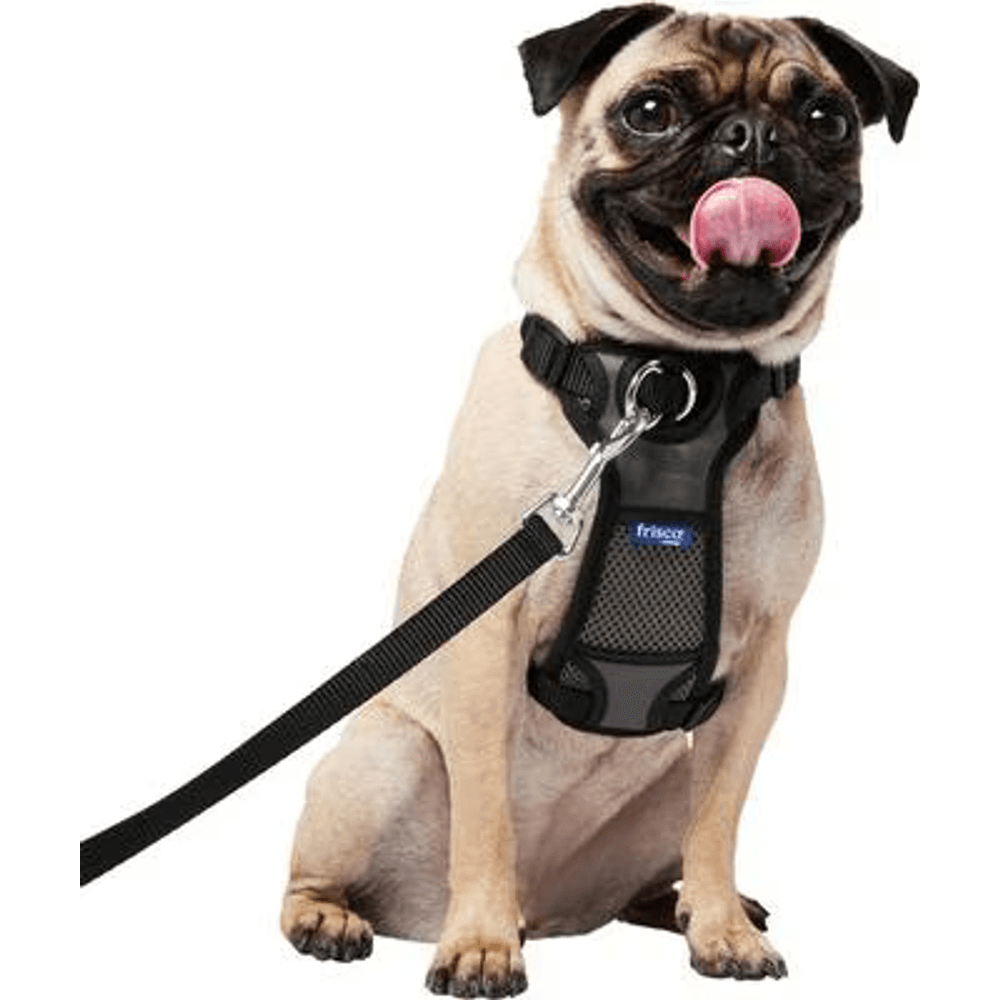
A budget-friendly padded no-pull harness that keeps leash pressure off a coughing dog's neck and windpipe by distributing it across the chest. A simple, affordable way to protect an irritated airway or a collapsing trachea on every walk.
Webvet may earn a commission when you click through to Chewy, at no extra cost to you.
Why "complex" matters
Because kennel cough is caused by a mix of organisms rather than one, two things follow. First, no single vaccine can prevent every case. Second, a dog can be re-exposed to a different pathogen and get sick again later. Understanding that kennel cough is a complex of germs explains a lot of the confusion owners run into, including why a vaccinated dog can still cough.
Kennel Cough Symptoms and What the Cough Sounds Like

The classic sign of kennel cough is a sudden, dry, forceful cough that sounds like a goose honk, often followed by a gag or a retch as if the dog is trying to bring something up. According to the Merck Veterinary Manual, the hallmark is "a cough that sounds like a goose honk that may be followed by retching and gagging."
If you are asking how can I tell if my dog has kennel cough, the cough itself is the biggest clue. It tends to be:
- Loud, harsh, and honking, not soft or wet
- Triggered by excitement, exercise, pulling on the collar, or pressure on the windpipe
- Worse at night or when the dog first gets up and moves around
- Followed by a gag or a swallow, which owners often mistake for choking
Beyond the cough, kennel cough symptoms in dogs and kennel cough symptoms in puppies can include:
- Occasional sneezing
- Mild clear discharge from the nose or eyes
- A slightly reduced appetite or energy in the first day or two
- A low-grade sense that your dog is "off"
What does kennel cough sound like in a puppy versus an adult? The kennel cough sound is similar across ages, a dry honk with a gag at the end, but a puppy's smaller airway can make it sound sharper or more strained. In every case, the dog kennel cough sound is distinctive enough that many vets can make a strong preliminary guess from a phone recording.
Here is the line that matters most. In uncomplicated kennel cough, your dog is bright, alert, eating, and comfortable between coughing fits. A dog that is dull, off its food, breathing hard, or running a fever is showing signs of kennel cough that has gone beyond mild, and that dog needs a veterinarian.
What Causes Kennel Cough and How Dogs Catch It
Kennel cough is caused by a co-infection of several agents: the bacterium Bordetella bronchiseptica plus viruses including canine parainfluenza virus, canine adenovirus type 2, canine influenza, and, less commonly, canine distemper virus. The characteristic cough usually appears 5 to 10 days after exposure (Merck Veterinary Manual). Bordetella and canine parainfluenza are the two names owners hear most often, and they frequently attack together.
So how do dogs get kennel cough, and how do dogs contract kennel cough in real life? The germs travel three ways (Cornell Riney Canine Health Center):
- Respiratory droplets launched into the air when an infected dog coughs or sneezes
- Direct dog-to-dog contact, such as nose-to-nose greetings
- Contaminated objects (fomites) like shared water bowls, toys, leashes, and door handles
Kennel cough transmission is fast and efficient, which is why one coughing dog at daycare can seed an outbreak. Cornell notes an incubation period of 2 to 10 days, meaning your dog can look perfectly healthy for over a week after picking up the infection and still be brewing it.
Dogs at the highest risk of how does a dog get kennel cough exposure are those that board, visit the groomer, attend daycare, or play at dog parks (Cornell). Crowding, shared air, and stress all raise the odds.
 $65 · no membership
Have a health question about your dog?
A licensed vet can assess your dog over video and prescribe online when it's appropriate.
 Talk to a vet
- Licensed vets
- All 50 states
- same-day Rx
Webvet may earn a commission if you book.
Stages of Kennel Cough, How Long It Lasts, and When to Worry

Owners often ask about the stages of kennel cough. It is less a series of formal stages and more a predictable arc: an incubation window, an active coughing phase, and recovery.
| Phase | Timing | What is happening |
|---|---|---|
| Incubation | 2 to 10 days after exposure | Dog is infected and contagious but not yet coughing |
| Onset | Around days 5 to 10 | The honking cough appears, often abruptly |
| Peak | First several days of coughing | Cough is most frequent; energy may dip briefly |
| Recovery | Roughly 1 to 3 weeks | Cough gradually fades in a healthy dog |
So how long does kennel cough last? In most healthy dogs, the illness is mild and dogs fully recover within about 7 to 10 days (AVMA). An uncomplicated case commonly runs a bit longer, on the order of one to two weeks (Veterinary Partner), and the full course including a lingering cough can run 10 to 20 days (Merck Veterinary Manual). A residual cough that trails off over a few extra days is common and not automatically a cause for alarm. That range answers how long does kennel cough last in dogs and how long does the cough last with kennel cough: plan for one to three weeks, not one to three days.
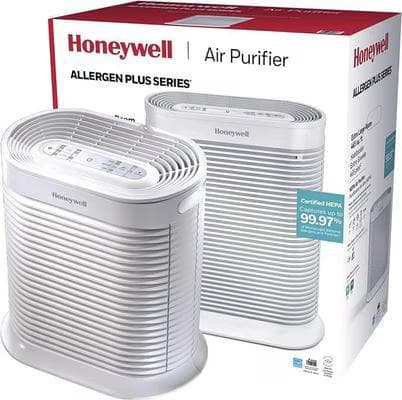
Certified True HEPA air purifier that captures 99.97% of airborne dust, dander, pollen, and smoke, reducing the airborne triggers behind feline asthma and respiratory irritation.
Webvet may earn a commission when you click through to Chewy, at no extra cost to you.
Will kennel cough go away on its own?
Often, yes. Uncomplicated kennel cough is frequently self-limiting, meaning a healthy adult dog's immune system clears it with rest and supportive care (Merck Veterinary Manual). But "often" is not "always," which is why a vet visit to confirm the diagnosis is still worth it, especially for the vulnerable dogs described below.
Kennel cough when to worry
This is the load-bearing section. Kennel cough when to worry and kennel cough when to worry puppy come down to watching for progression to pneumonia. The signs that a simple cough is turning into something serious include appetite loss, difficulty breathing, low energy, and fever, alongside a productive cough (Merck Veterinary Manual). Call your veterinarian promptly, or seek same-day emergency care, if you see any of the following:
- Loss of appetite or refusal to drink (Merck Veterinary Manual)
- Lethargy or unusual dullness (Merck Veterinary Manual)
- Fever (Merck Veterinary Manual)
- Labored or rapid breathing, or any blue or gray tint to the gums. A bluish or gray color to the gums (cyanosis) reflects inadequate oxygen and is always an emergency that needs immediate care (VCA Animal Hospitals)
- A wet, moist, or productive cough rather than a dry honk (Merck Veterinary Manual)
- A cough that is worsening or lasting beyond about 2 to 3 weeks
- Coughing up blood, or bringing up foam or fluid. This is not a feature of ordinary kennel cough and always warrants same-day veterinary attention
Puppies, senior dogs, brachycephalic breeds (like Bulldogs and Pugs), and immunocompromised dogs are more likely to slide from a simple cough into bronchopneumonia, so their threshold for a vet visit should be much lower (Merck Veterinary Manual).
If the cough progresses or your veterinarian suspects lung involvement, our pneumonia in dogs guide explains diagnosis, hospital versus home treatment, and recovery monitoring. Labored breathing needs urgent veterinary attention.
Kennel Cough Treatment: Antibiotics, Medicine, and Home Care

Let us answer the most-searched question head on. What is the fastest way to cure kennel cough for dogs? Honestly, there is no instant cure. The kennel cough treatment that actually helps is rest, humidified air, a harness instead of a collar, isolation from other dogs, and time, with prescription medications added only when your vet decides they are needed.
Are antibiotics needed? Usually not. For uncomplicated cases, antibiotics for kennel cough are typically unnecessary because the illness is often self-limiting. When there is evidence of a secondary bacterial infection or pneumonia, veterinarians reach for doxycycline or amoxicillin-clavulanate, generally for 7 to 14 days (Merck Veterinary Manual). So questions like kennel cough antibiotics for dogs and kennel cough treatment doxycycline have the same answer: only when a vet confirms they are warranted, not as a default.
Kennel cough treatment options at a glance
| Option | What it is | When it is used |
|---|---|---|
| Rest and isolation | Limiting exercise and separating from other dogs | Every case, from day one |
| Humidified air | A humidifier or steamy bathroom to soothe the airway | Home care for the dry cough |
| Harness (not a collar) | Removes pressure on the irritated windpipe | Every case while walking |
| Cough suppressant | Vet-prescribed anti-tussive | Only if the dry cough is severe and vet-approved |
| Antibiotics (doxycycline, amoxicillin-clavulanate) | Target secondary bacterial infection | Only with evidence of infection or pneumonia |
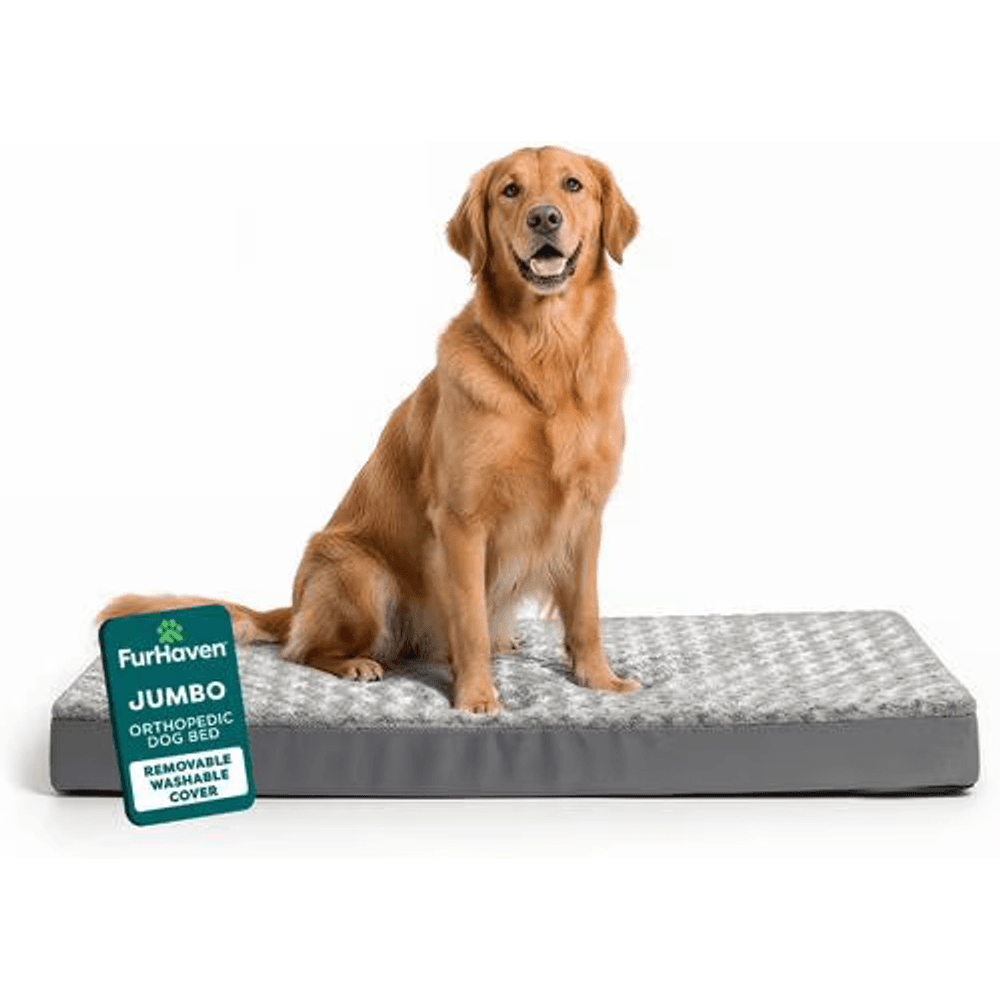
A plush orthopedic foam mattress that cushions aging joints and pressure points, giving a stiff or trembling senior dog warm, supportive rest.
Webvet may earn a commission when you click through to Chewy, at no extra cost to you.
Kennel cough treatment at home
Supportive kennel cough treatment at home is where most owners can genuinely help:
- Rest your dog. No hard play, no long runs. Exertion triggers coughing fits.
- Add moisture to the air. Run a humidifier, or let your dog sit in a steamy bathroom for 10 to 15 minutes.
- Switch to a harness. Collar pressure on an inflamed trachea makes the cough worse.
- Isolate from other dogs to avoid spreading it.
- Keep water and food easily accessible so a sore-throated dog keeps eating and drinking.
A critical safety warning: do not reach for kennel cough medicine over the counter or the human medicine cabinet without veterinary guidance. Many human products marketed as a cough suppressant for kennel cough are dangerous for dogs. Some contain xylitol or acetaminophen, both of which can be toxic. Rather than hunting for the best kennel cough medicine or a kennel cough medicine for dogs on a store shelf, call your vet, who can prescribe a canine-safe anti-tussive if one is appropriate. That is the responsible answer to how do you treat kennel cough and kennel cough treatment for dogs. See WebVet’s guide to marketed as a cough suppressant for.
Kennel Cough Vaccine and How to Prevent It

The kennel cough vaccine is the single most effective prevention tool, especially for social dogs. The core product is the Bordetella vaccine, and combination vaccines can also cover canine parainfluenza and adenovirus.
Here is the honest framing owners need. The kennel cough vaccine for dogs reduces the severity and spread of illness, but it does not guarantee your dog will never catch it, because kennel cough involves multiple pathogens and no vaccine covers them all (AVMA). This is exactly why you can see kennel cough in vaccinated dogs: they are protected against the biggest players, not every germ. Even so, a vaccinated dog that does get sick usually has a milder course and is less likely to develop pneumonia (Cornell).
The vaccine comes in injectable, intranasal, and oral forms. The kennel cough vaccine schedule and whether boosters are annual or more frequent depend on your dog's risk level and your vet's protocol, so ask your veterinarian to tailor it. Cornell notes the Bordetella vaccine is available for dogs at least 12 weeks old (Cornell).
Two practical questions come up constantly:
- How long after kennel cough vaccine before boarding? Many facilities require the vaccine given at least several days to two weeks in advance so protection has time to build. Because requirements vary, confirm the exact window with both your vet and your boarding facility before you book.
- Kennel cough vaccine side effects and kennel cough vaccine cost are best discussed with your vet. Side effects are generally mild (a day of low energy, mild sneezing after the intranasal form), and cost is modest compared with treating a full-blown case.
Beyond vaccination, reduce exposure by avoiding communal water bowls, choosing well-ventilated boarding and daycare, and keeping a coughing dog home until your vet clears it.
Is Kennel Cough Contagious to Humans, Cats, or Other Dogs?
Short answer: kennel cough is extremely contagious between dogs, low-risk for humans, and only occasionally a concern for cats. Let us break it down.
Is kennel cough contagious to humans? The risk is very low but not zero. Bordetella bronchiseptica rarely causes illness in healthy people. The people who should be cautious are those who are immunocompromised, such as anyone on chemotherapy or living with a serious chronic illness. If that describes someone in your home, mention the dog's diagnosis to a physician. This is the accurate answer to kennel cough in humans and can humans get kennel cough: possible in rare, specific circumstances, not a routine worry for the average household.
Can cats get kennel cough from dogs? Bordetella bronchiseptica can infect cats, so kennel cough transmission to cats is possible, particularly in multi-pet homes or shelters. Keep a coughing dog separated from cats, especially kittens and cats with existing health issues.
Kennel cough transmission to dogs is the real headline. It is one of the most contagious canine respiratory infections there is, spreading through air, contact, and shared objects. Isolate a coughing dog from all other dogs until your vet says the contagious window has passed.
Two questions owners always ask:
- Can I still cuddle with my dog with kennel cough? For most healthy adults, gentle affection is fine, and dogs benefit from calm comfort while they recover. Wash your hands afterward, avoid face-to-face contact, and skip the cuddles if you are immunocompromised. Comfort your dog, just keep it low-key and away from your face.
- Do I need to clean my house if my dog has kennel cough? For a single-dog household, deep decontamination is not usually necessary because the germs do not survive long on surfaces. Sensible hygiene helps: wash food and water bowls, launder bedding, and clean shared toys, especially if you have other dogs at home. If you have multiple dogs, focus cleaning on shared water bowls, toys, and bedding, since those are the fomites most likely to pass it along. We keep a fuller cleaning walkthrough in a sibling guide on how to clean your house after dog illness when a more thorough reset is warranted.

360-degree Wi-Fi pet camera so you can watch your cat's resting breathing rate and behavior from your phone and catch worrying changes early.
Webvet may earn a commission when you click through to Chewy, at no extra cost to you.
Is Kennel Cough Dangerous? Can It Be Deadly?
In the vast majority of healthy adult dogs, kennel cough is not dangerous and is not deadly. The AVMA notes that in most cases the illness is mild and dogs fully recover within about 7 to 10 days (AVMA), and the broader course, including a lingering cough, still resolves on its own within roughly one to three weeks in an otherwise healthy dog (Merck Veterinary Manual). That is the reassuring truth, and it is accurate.
But the honest answer to is kennel cough deadly and can kennel cough kill a dog is that it can, in specific circumstances, which is why is kennel cough dangerous deserves a nuanced reply rather than a flat "no." The danger comes from progression. Kennel cough can advance to bronchopneumonia in puppies or chronic bronchitis in debilitated or aged dogs (Merck Veterinary Manual). Pneumonia is a genuine, sometimes life-threatening complication, and it is treatable when caught early.
The dogs most at risk are:
- Young puppies with immature immune systems
- Senior dogs and those with chronic illness
- Brachycephalic (flat-faced) breeds with compromised airways
- Immunocompromised dogs
For these dogs, and for any dog showing the red flags listed earlier, kennel cough is a "call the vet today" situation, not a "wait and see" one. Reassurance where it is true, vigilance where it counts.
What Else Could It Be? Kennel Cough vs. Reverse Sneezing and Other Causes

A honking cough is not always kennel cough. Plenty of other conditions mimic it, which is why a vet exam matters. Here is a quick guide to what gets mistaken for kennel cough and what can be mistaken for kennel cough.
| Condition | How the sound differs | Where to learn more |
|---|---|---|
| Reverse sneezing | Rapid snorting inhale, not a cough; benign and brief | Distinct from kennel cough (see below) |
| Collapsed trachea | Dry "goose honk," often in small breeds, triggered by excitement | Collapsed trachea and the honking cough: https://www.webvet.com/dog-honking-cough-collapsed-trachea/ |
| Heart disease | Soft, often nighttime cough, sometimes with heavy breathing | Coughing linked to heart failure: https://www.webvet.com/dog-heart-cough-congestive-heart-failure/ |
| Coughing and gagging | Cough that ends in a gag or retch | Dog coughing and gagging: https://www.webvet.com/dog-coughing-and-gagging/ |
| Coughing up white foam | Foam or froth brought up with the cough | Dog coughing up white foam: https://www.webvet.com/dog-coughing-up-white-foam/ |
| Night cough | Coughing that spikes after lying down | Dog coughing at night: https://www.webvet.com/dog-coughing-at-night/ |
For a full walk-through of every cough type and how to triage them, see our pillar guide on why your dog is coughing.
Kennel cough vs. reverse sneezing
This is the mix-up owners make most. Kennel cough is a genuine cough: a forceful, honking sound on the exhale, often triggered by exercise, excitement, or collar pressure, and frequently ending in a gag. Reverse sneezing is the opposite motion, a rapid series of snorting inhales through the nose, usually lasting only a few seconds and stopping on its own. Reverse sneezing is benign and needs no treatment, while kennel cough is an infection that should be diagnosed. If you cannot tell which one you are seeing, record it on your phone and show your vet.
What is the pinch test for kennel cough?
The "pinch test," sometimes called the tracheal pinch or trachea test, is a simple check some owners try: gently pressing or lightly squeezing the windpipe (trachea) at the front of the neck to see whether it triggers the honking cough. In dogs with kennel cough or an irritated trachea, that light pressure often sets off a coughing fit because the airway is inflamed. It is a rough clue, not a diagnosis. Never press hard on your dog's throat, and do not rely on this test to decide whether your dog needs care. A veterinarian confirms kennel cough through history, a physical exam, and, when needed, chest X-rays or lab tests, which also rule out pneumonia, canine distemper, canine influenza, collapsed trachea, and heart disease that can imitate it.
Frequently Asked Questions About Kennel Cough
Not sure kennel cough is the cause? Our guide to why your dog is coughing walks through every cause, sound, and red flag to help you tell them apart.
Dog parks and daycare can spread more than coughs. Dog warts (canine papillomavirus) pass between young dogs through the same close contact, so a new cluster of small growths after boarding or park visits is worth a look too.
Frequently Asked Questions
Will kennel cough go away on its own?
Often, yes. Uncomplicated kennel cough in a healthy adult dog is usually self-limiting and resolves with rest and supportive care in about one to three weeks. But puppies, seniors, flat-faced breeds, and dogs with other illnesses can develop pneumonia, so a vet visit to confirm the diagnosis is still recommended, and any red-flag symptoms (labored breathing, fever, lethargy, refusal to eat) mean call your vet right away.
How can I tell if my dog has kennel cough?
The biggest clue is the cough itself: a sudden, dry, honking cough that often ends in a gag and is triggered by excitement, exercise, or collar pressure. Your dog usually stays bright, alert, and eating between coughing fits. If your dog is dull, off its food, feverish, or breathing hard, the infection has gone beyond simple kennel cough and needs a veterinarian.
What is the fastest way to cure kennel cough for dogs?
There is no instant cure. The fastest safe path to recovery is rest, humidified air, a harness instead of a collar, isolation from other dogs, and time, with vet-prescribed cough suppressants or antibiotics added only when needed. Never give human over-the-counter cough medicine, since many contain xylitol or acetaminophen that are toxic to dogs. Call your vet for a canine-safe plan.
Do I need to clean my house if my dog has kennel cough?
In a single-dog home, deep decontamination usually is not necessary because the germs do not survive long on surfaces. Wash food and water bowls, launder bedding, and clean shared toys as basic hygiene. In multi-dog households, focus cleaning on shared bowls, toys, and bedding, which are the objects most likely to pass the infection to another dog.
What gets mistaken for kennel cough?
Reverse sneezing, collapsed trachea, heart disease, canine influenza, canine distemper, and airway irritants are all commonly mistaken for kennel cough. That is why a veterinary exam matters: several conditions, some harmless and some serious, produce a similar honking or hacking sound, and only a vet can confirm which one is causing it.
Can I still cuddle with my dog with kennel cough?
For most healthy adults, gentle affection is fine and your dog benefits from calm comfort while it recovers. Wash your hands afterward, avoid face-to-face contact, and skip close contact if anyone in your home is immunocompromised, since human infection with Bordetella is very rare but not impossible. Keep the coughing dog separated from other dogs.
What can be mistaken for kennel cough?
Besides reverse sneezing and collapsed trachea, kennel cough is often confused with canine influenza, canine distemper, heart disease, and even a foreign object stuck in the throat. Because these range from harmless to life-threatening, do not self-diagnose a persistent or worsening cough; have your vet confirm it and rule out pneumonia.
What is the pinch test for kennel cough?
The pinch test is when you gently press the windpipe at the front of the neck to see whether it triggers the honking cough, which often happens when the trachea is inflamed. It is a rough clue, not a diagnosis, and you should never press hard on a dog's throat. A veterinarian confirms kennel cough with a proper exam and, when needed, chest X-rays or lab tests to rule out pneumonia and other causes.
$65 · no membershipHave a health question about your dog?
A licensed vet can assess your dog over video and prescribe online when it's appropriate.
Talk to a vet- Licensed vets
- All 50 states
- same-day Rx
Webvet may earn a commission if you book.

Editor
The Webvet Editorial Team is the in-house group of pet-care editors and writers behind Webvet, operated by Smart Pet Collective. The team researches, writes, and maintains Webvet's pet health, behavior, and medication content. Every article follows a defined editorial process: research from reputable veterinary and scientific sources, careful drafting, mandatory review of medical content by a credentialed veterinarian, and dated publication. Health and medication articles are medically reviewed by a licensed veterinary professional before they go live and are kept current over time.
Veterinarian · BVMS MRCVS
Dr. Pippa Elliott, BVMS, MRCVS, is a veterinarian with nearly 30 years of experience in companion animal practice. Dr. Elliott earned her Bachelor of Veterinary Medicine and Surgery from the University of Glasgow. She was also designated a Member of the Royal College of Veterinary Surgeons. Married with 2 grown-up kids, Dr. Elliott has a naughty Puggle named Poggle, 3 cats and a bearded dragon.


