How to Clean Your House After Dog Ringworm: A Vet-Informed Step-by-Step Guide
Dog ringworm spores can linger in a home for months. Here is the vet-informed, step-by-step protocol for decontaminating surfaces, laundry, and furniture, plus which disinfectants actually work and which do not.

BVMS MRCVS
Medically reviewed by Dr. Pippa Elliott, BVMS MRCVS · Last reviewed

This article contains affiliate links. Webvet may earn a commission when you buy through them, at no extra cost to you.
Learning how to clean your house after dog ringworm is one of the most important things you can do to stop the infection from bouncing between your pets and your family. Ringworm is not a worm at all. It is a contagious fungal skin infection called dermatophytosis, and the fungus sheds microscopic spores on infected hair and skin flakes that settle onto your floors, bedding, and furniture. Those spores are what re-infect your dog and put the people in your home at risk.
The good news: environmental decontamination is very doable at home, and it does not require harsh specialty chemicals. According to the Merck Veterinary Manual, the single most important step is thorough mechanical cleaning (removing hair and debris, then washing surfaces until visibly clean), not the disinfectant itself. This guide walks you through the exact protocol, what kills ringworm on surfaces, how to handle laundry and upholstery, and when to bring in help.

Before you deep-clean: confirm it is actually ringworm
Do not start a full house decontamination on a guess. A round, crusty, hairless patch on a dog is not automatically ringworm. It can also be a hot spot, mange, an allergic skin reaction, or a bacterial infection, and the treatment (and cleaning burden) for each is completely different.
Only a veterinarian can confirm ringworm. Per VCA Hospitals, diagnosis is made with a Wood's lamp (an ultraviolet light that makes some ringworm species glow), a fungal culture, and/or PCR testing. A round lesion is worth a vet visit before you commit to weeks of cleaning. If you are trying to tell the two apart, read ringworm vs hot spot on dogs, and if you want to see what the lesions look like, our ringworm on dogs pictures page shows real examples.
One more critical point: cleaning is adjunctive. It supports your dog's medical treatment (oral antifungals, lime sulfur dips, or medicated shampoo prescribed by your vet), but it does not replace it. For the treatment side, see ringworm in dogs treatment. Keep cleaning for the entire treatment course, not just until the lesions look better. The environment is only truly clear once your vet confirms a cure, which usually means two consecutive negative fungal cultures or a negative PCR.
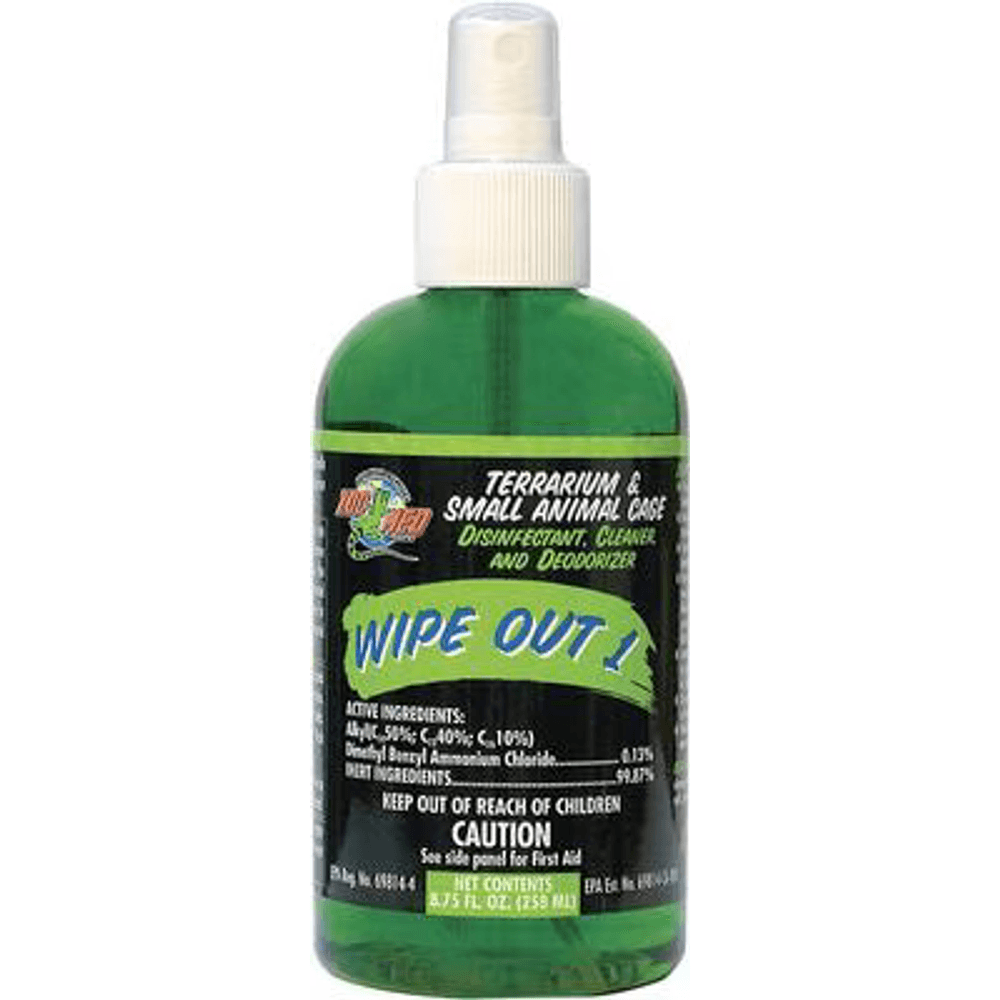
A spray-and-wipe disinfectant, cleaner, and deodorizer for crates, floors, bowls, and other hard surfaces the pet uses.
Webvet may earn a commission when you click through to Chewy, at no extra cost to you.
How to clean your house after dog ringworm (the 4-step protocol)

If you want the short version of how to clean your house after dog ringworm, it comes down to four repeatable steps you run once or twice a week for the length of treatment. This is the core cleaning-house-after-ringworm workflow, and it is how you decontaminate a house without chasing spores in circles.
- Confine the dog to one easy-to-clean room to shrink the contaminated zone.
- Mechanically clean every surface: vacuum, damp-wipe, and Swiffer up hair and skin flakes.
- Detergent-wash and rinse hard surfaces until they are visibly clean.
- Disinfect non-porous surfaces with the right product left wet for the full contact time.
The order matters. If you skip straight to spraying disinfectant on a hairy, dusty floor, the organic material shields the spores and the product cannot reach them. The Merck Veterinary Manual is explicit that disinfectant alone is not enough and that thorough cleaning once or twice weekly is adequate for most homes. Below, each step is broken down in detail.
Step 1: Confine your dog and remove the source
The fastest way to keep ringworm from spreading in the house is to stop scattering new spores. Every day your infected dog roams the whole home, it drops contaminated hair and flakes across more square footage for you to clean.
- Pick one containment room with hard, wipeable floors (tile, vinyl, sealed hardwood, or laminate). Avoid carpeted rooms if you can.
- Remove non-essential soft items from that room: extra blankets, plush toys, rugs, and cushions that would be hard to disinfect repeatedly.
- Give your dog washable bedding you can launder frequently, and a bowl and toys that can be wiped or bleached.
- Set up a "clean out" step: keep gloves and a lidded laundry hamper by the door so you are not carrying spores through the house.
This also answers a common worry about how dogs get ringworm at home in the first place. Dogs pick it up by direct contact with an infected animal or by contact with a contaminated environment (soil, bedding, grooming tools, a shared crate). A dog that keeps living in a spore-heavy environment can keep re-infecting itself, which is exactly why confinement plus cleaning works together. If you have a puppy, be extra careful, because young dogs are more susceptible; see ringworm in puppies for age-specific guidance.
Step 2: Mechanical cleaning first, vacuum, Swiffer, and detergent-wash (why this matters most)

This is the step that does the heavy lifting, and it is where most people underinvest. Learning how to clean ringworm from surfaces really means learning to physically remove the spore-carrying material before any chemical touches the surface.
The Merck Veterinary Manual identifies mechanical removal of organic material and hair, followed by washing surfaces with detergent until visibly clean, as the single most important step in environmental decontamination. In plain terms: you are removing spores, not just killing them in place.
How to do the mechanical pass right:
- Vacuum thoroughly and often. Hit floors, along baseboards, upholstery seams, and under furniture. Empty the canister (or bag it and bin it) after each session so you are not redistributing spores. VCA Hospitals recommends daily vacuuming and mopping of all areas the dog can access.
- Damp-wipe and Swiffer hard floors rather than dry-sweeping, which just launches spores into the air. A disposable damp cloth or Swiffer pad traps hair and flakes.
- Wash hard surfaces with detergent until they look clean. This ringworm house cleaning step lifts the greasy organic film that spores cling to.
- Rinse after washing so leftover detergent residue does not later interfere with your disinfectant.
- Use disposable or dedicated cloths for the infected room, and wash or discard them separately.
Do this cleaning-ringworm-from-house pass first, every time, before you disinfect. A clean surface is one a disinfectant can actually reach.
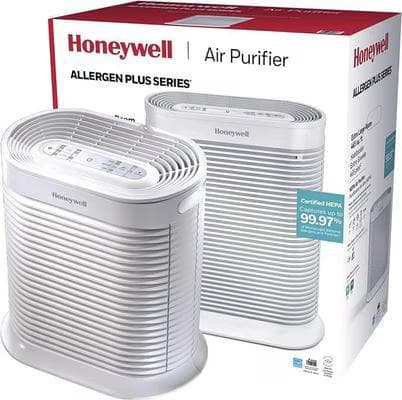
Certified True HEPA air purifier that captures 99.97% of airborne dust, dander, pollen, and smoke, reducing the airborne triggers behind feline asthma and respiratory irritation.
Webvet may earn a commission when you click through to Chewy, at no extra cost to you.
 $65 · no membership
Have a health question about your dog?
A licensed vet can assess your dog over video and prescribe online when it's appropriate.
 Talk to a vet
- Licensed vets
- All 50 states
- same-day Rx
Webvet may earn a commission if you book.
Step 3: Disinfect non-porous surfaces the right way (contact time)

Once a surface is physically clean and rinsed, you disinfect it. The number one mistake people make when they try to disinfect a house after ringworm is spraying and immediately wiping. Fungal spores are tough, and the product needs time sitting wet on the surface to work.
Here is exactly how to disinfect your house from ringworm on hard, non-porous surfaces, following the protocol from RSPCA South Australia:
- Mechanically clean and detergent-wash first (Step 2), then rinse, because leftover residue can inactivate the disinfectant.
- Apply a disinfectant labeled effective against dermatophytes, or a 1:10 household bleach solution (one part bleach to ten parts water).
- Leave the surface visibly wet for a full 10-minute contact time. If it dries early, reapply so it stays wet the whole time.
- Rinse or wipe as directed by the product, and keep pets and children off the wet surface until it is done.
VCA Hospitals recommends a bleach solution of one pint (500 ml) of chlorine bleach per gallon (4 L) of water for home use. Whichever route you take, contact time is what separates a surface that is actually disinfected from one that just looks wiped down.
What actually kills ringworm on surfaces: Lysol, bleach, vinegar, and Dawn

This is the question that sends most people searching: what is the best disinfectant spray for ringworm, and do the products already under your sink work? Here is the honest, source-backed breakdown of what kills ringworm on surfaces.
The core principle from the Merck Veterinary Manual is simple: any bathroom or household disinfectant labeled effective against Trichophyton (a common dermatophyte) will kill the spores. Spores do not multiply or invade like mildew, and they are readily removed by cleaning. That is why the label matters more than the brand name.
| Product | Kills ringworm on surfaces? | How to use it | Notes |
|---|---|---|---|
| Chlorine bleach (1:10 solution) | Yes, reliable | 1 part bleach to 10 parts water; leave wet 10 minutes, then rinse | Vet-recommended standard for hard surfaces. Never mix with other cleaners. |
| Disinfectant labeled against Trichophyton / dermatophytes | Yes, reliable | Follow the label's full contact time | Look for "kills Trichophyton" on the label. Some accelerated hydrogen peroxide cleaners qualify. |
| Lysol (label-dependent) | Sometimes | Only if the specific product lists a dermatophyte or Trichophyton; full contact time | See the Lysol section below. Do not assume. |
| White vinegar | Not reliable | Not recommended as your disinfectant | No vet source lists vinegar as a proven surface disinfectant against dermatophyte spores. |
| Dawn dish soap | No (as a disinfectant) | Useful for the detergent-wash step only | It is a detergent that helps physically remove spores, not a disinfectant that kills them. |
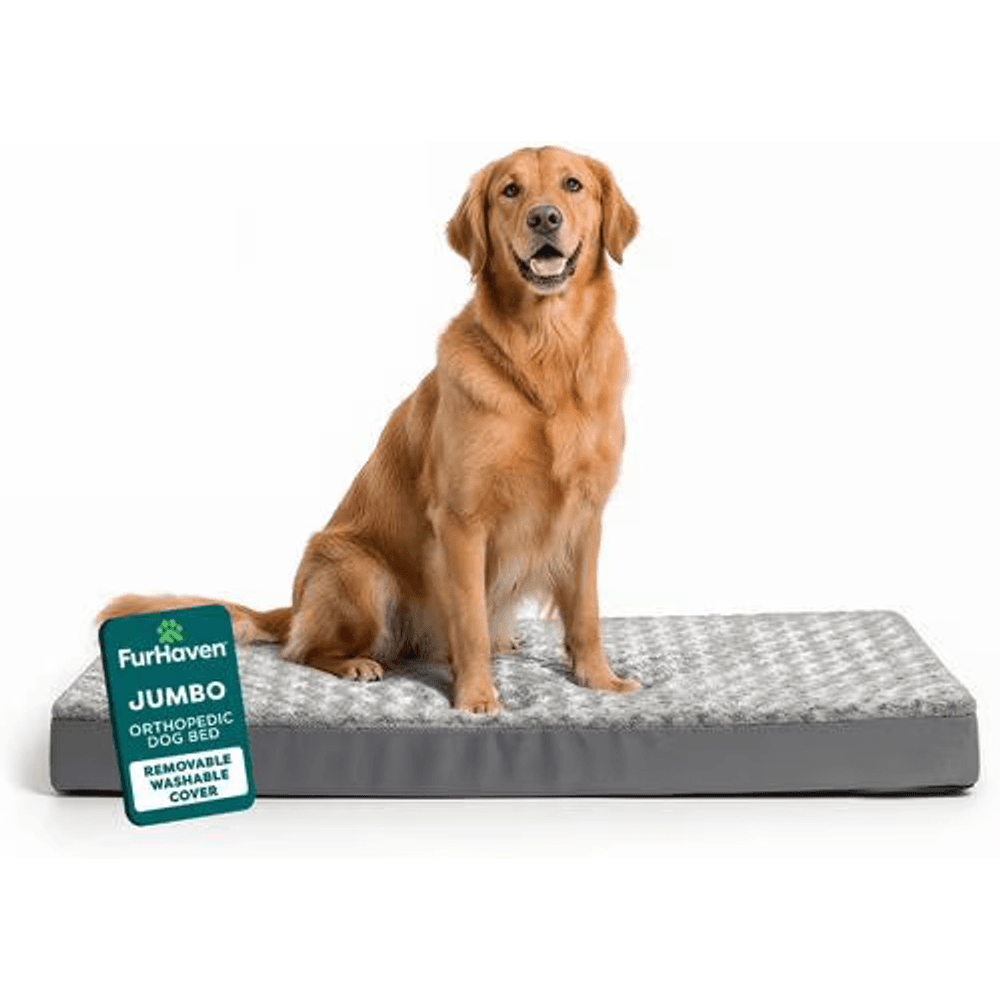
A plush orthopedic foam mattress that cushions aging joints and pressure points, giving a stiff or trembling senior dog warm, supportive rest.
Webvet may earn a commission when you click through to Chewy, at no extra cost to you.
Does Lysol kill ringworm, and will Lysol kill ringworm on furniture?
Some Lysol products can kill fungal spores and some cannot, so the answer depends entirely on the label. A Lysol product only counts as effective if it specifically lists a dermatophyte such as Trichophyton. If it does, spray a clean, non-porous surface, leave it wet for the product's stated contact time, and it can be a valid choice, because per the Merck Veterinary Manual any household disinfectant labeled against Trichophyton will kill the spores.
For furniture, the same rule applies but with a catch: a Lysol wipe or spray works on the hard, non-porous parts of furniture (wood frames, plastic, metal legs). It does not reliably penetrate fabric upholstery or cushions, so soft furniture needs the laundry and upholstery approach in the next section, not a surface spray.
Does vinegar or Dawn dish soap kill ringworm?
Vinegar is a popular home remedy, but it is not a validated surface disinfectant for ringworm spores, and no primary vet source lists it as one. Skip it as your disinfectant.
Dawn dish soap is a detergent, not a disinfectant. It genuinely helps in the mechanical cleaning step because it lifts the greasy organic film spores cling to, which is exactly what the Merck Veterinary Manual says matters most. But use it to wash, then follow with a real disinfectant. Do not rely on Dawn alone to kill ringworm.
The takeaway on the best ringworm spray for furniture and floors: reach for a 1:10 bleach solution or a product that explicitly lists a dermatophyte on the label, and give it the full contact time.
Laundry, bedding, and upholstery: what to wash, disinfect, or throw out

Soft items are where ringworm loves to hide, so this is a make-or-break part of the job. Yes, ringworm can live on bed sheets. Spores shed onto any fabric your dog contacts, including sheets, blankets, dog beds, throw rugs, and clothing, and those spores stay infective for a long time.
Here is what to do with soft items.
Machine-washable fabrics (sheets, blankets, most dog bedding, clothing):
- Wash them separately from the family's laundry, in their own load.
- Use the hottest water the fabric allows and the longest cycle.
- Per the Merck Veterinary Manual, bleach is not required for machine-washable soft items. Ordinary laundering removes spores from washable fabrics, so you do not need to bleach every load.
- The RSPCA South Australia guidance adds a smart habit: clean the washer and dryer after handling contaminated laundry, so you are not seeding the next load.
Fabric furniture and upholstery you cannot put in the machine:
- Vacuum thoroughly (this is your mechanical-removal step) and empty the vacuum afterward.
- Steam clean or have upholstery professionally cleaned where possible.
- Remember that surface disinfectant sprays are formulated for non-porous surfaces, so how to clean furniture fabric upholstery after ringworm is mostly about mechanical removal and heat, not spraying bleach into your couch.
Items to throw out:
- The RSPCA advises tossing what cannot be bleached or laundered. Cheap, heavily contaminated, or hard-to-clean soft items (old dog beds, worn plush toys) are often not worth the repeated effort. Bag them and bin them.
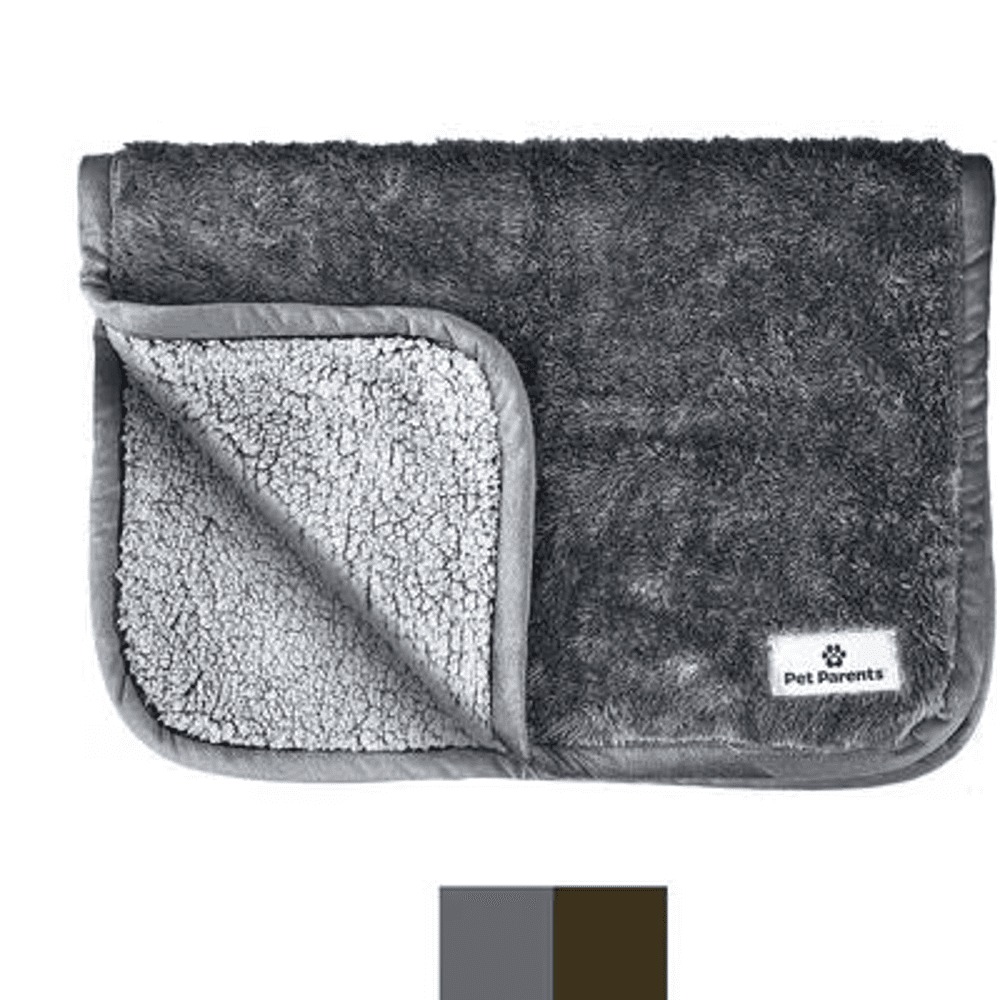
A plush, waterproof sherpa blanket that gives a cold or shivering dog a warm, cozy layer to curl into. The hidden waterproof lining protects the bed, couch, or car seat, and the whole thing is machine washable.
Webvet may earn a commission when you click through to Chewy, at no extra cost to you.
How long ringworm spores survive in your home (and how to get them out)
This is the fact that alarms most owners, and it is worth understanding so you clean long enough. How long does ringworm stay in a house? A long time if you do nothing. According to VCA Hospitals, fungal spores can remain dormant and infective for up to 18 months on brushes, bowls, furniture, bedding, carpet, and other surfaces.
That is why "the lesions healed, so we stopped cleaning" is a trap. Knowing how to get rid of ringworm spores in your house is really about consistency over weeks, not one dramatic scrub.
How to get rid of ringworm in the house and keep it gone:
- Repeat the 4-step protocol once or twice weekly for the full treatment course. The Merck Veterinary Manual notes that thorough cleaning once or twice weekly is adequate, so you do not need to disinfect every surface every day.
- Vacuum and mop daily in the areas your dog accesses, as VCA recommends, to keep pulling shed spores out of circulation.
- Contain, then expand. Keep the dog confined so the spore load stays in a small, controllable zone.
- Do not stop early. The environment is only clear once your vet confirms the dog is cured (commonly two negative cultures or a negative PCR). Cleaning that ends when lesions fade is how re-infection happens.
There is no single magic spray to get ringworm out of a house. It is mechanical removal plus disinfection plus laundering, repeated, until the source (your treated dog) tests negative and the shedding stops.
When to call a professional cleaner or your veterinarian
Most households can handle ringworm decontamination themselves with the protocol above. But some situations call for backup.
Call your veterinarian when:
- You have not confirmed the diagnosis. Do not deep-clean on a guess; get the Wood's lamp, culture, or PCR first.
- The lesions are spreading, not improving on treatment, or new pets or people in the home develop skin lesions.
- You are unsure whether your dog is cured. Environmental cleaning ends based on your vet's negative test results, not your eyeballs.
Consider a professional cleaner when:
- You have wall-to-wall carpet, large amounts of upholstered furniture, or a very large home that is impractical to hand-clean once or twice a week.
- Someone in the household is immunocompromised and needs the spore load driven down as fast and completely as possible.
- You have a multi-pet home or a recent outbreak. The same principles apply if a cat has ringworm and you need to clean the house; ringworm crosses between dogs and cats, so treat and clean for all affected animals at once and loop in your vet.
Professional cleaners cannot substitute for your dog's medical treatment, but for carpet, drapery, and heavy upholstery, professional-grade vacuuming and steam cleaning can shorten the job considerably.
For the big-picture overview of the infection itself, its causes, symptoms, and course, see our pillar guide on ringworm in dogs.
Key takeaways
- 1Ringworm is a contagious, zoonotic fungus, not a worm. Wear gloves, wash your hands, and keep kids and immunocompromised people away from the dog and the cleaning.
- 2Confirm the diagnosis with your vet before you deep-clean. A round lesion could be a hot spot or another skin condition entirely.
- 3Mechanical cleaning is the most important step. Remove hair and flakes and detergent-wash surfaces before you disinfect.
- 4Disinfect non-porous surfaces with a 1:10 bleach solution or a Trichophyton-labeled product, left wet for a full 10-minute contact time.
- 5Wash fabrics separately on the hottest safe setting; bleach is not required for machine-washable soft items. Toss what you cannot clean.
- 6Spores can survive up to 18 months, so clean once or twice weekly for the whole treatment course and stop only when your vet confirms a cure.
Frequently Asked Questions
How long does ringworm stay in a house?
Ringworm spores can survive in your home for a long time if you do nothing about them. According to VCA Hospitals, fungal spores can remain dormant and infective for up to 18 months on brushes, bowls, furniture, bedding, carpet, and other surfaces. That is why you need to clean once or twice weekly for the full treatment course rather than stopping when lesions heal.
Does a Lysol wipe kill ringworm fungus?
Only if that specific Lysol product lists a dermatophyte such as Trichophyton on its label. Per the Merck Veterinary Manual, any household disinfectant labeled effective against Trichophyton will kill ringworm spores. Check the label first, and if it qualifies, wipe a clean, non-porous surface and leave it wet for the product's full stated contact time. Do not assume every Lysol product works.
How do you disinfect your house after ringworm?
Disinfect in four steps: confine the dog to one easy-to-clean room, mechanically remove hair and flakes by vacuuming and Swiffering, wash hard surfaces with detergent until visibly clean and then rinse, and finally apply a 1:10 bleach solution or a dermatophyte-labeled disinfectant left wet for a full 10-minute contact time. Mechanical cleaning matters most; disinfectant alone is not enough, per the Merck Veterinary Manual.
Will Lysol kill ringworm on furniture?
On the hard, non-porous parts of furniture (wood frames, plastic, metal legs), a Lysol product that lists a dermatophyte on its label can kill ringworm if left wet for the full contact time. It does not reliably penetrate fabric upholstery or cushions, though. Soft furniture needs vacuuming, steam cleaning, or professional cleaning instead of a surface spray.
Does ringworm live on bed sheets?
Yes. Ringworm spores shed onto any fabric your dog contacts, including bed sheets, blankets, dog beds, and clothing, and they stay infective. Wash affected sheets separately from the family's laundry in the hottest water the fabric allows on the longest cycle. Per the Merck Veterinary Manual, bleach is not required for machine-washable soft items; ordinary hot laundering removes the spores.
How to disinfect a house after ringworm?
Run the same four-step protocol repeatedly: confine the dog, mechanically clean (vacuum, Swiffer, damp-wipe), detergent-wash and rinse hard surfaces, then disinfect non-porous surfaces with a 1:10 household bleach solution or a Trichophyton-labeled product left wet for 10 minutes. Vacuum and mop daily where the dog goes, wash fabrics separately on hot, and keep it up for the full treatment course until your vet confirms a cure.
Does Dawn dish soap kill ringworm?
No, not as a disinfectant. Dawn is a detergent, not a disinfectant, so it does not reliably kill ringworm spores on its own. It is genuinely useful in the mechanical cleaning step because it lifts the greasy organic film spores cling to, which the Merck Veterinary Manual says is the most important part of decontamination. Use it to wash, then follow with a real disinfectant such as diluted bleach.
$65 · no membershipHave a health question about your dog?
A licensed vet can assess your dog over video and prescribe online when it's appropriate.
Talk to a vet- Licensed vets
- All 50 states
- same-day Rx
Webvet may earn a commission if you book.

Editor
The Webvet Editorial Team is the in-house group of pet-care editors and writers behind Webvet, operated by Smart Pet Collective. The team researches, writes, and maintains Webvet's pet health, behavior, and medication content. Every article follows a defined editorial process: research from reputable veterinary and scientific sources, careful drafting, mandatory review of medical content by a credentialed veterinarian, and dated publication. Health and medication articles are medically reviewed by a licensed veterinary professional before they go live and are kept current over time.
Veterinarian · BVMS MRCVS
Dr. Pippa Elliott, BVMS, MRCVS, is a veterinarian with nearly 30 years of experience in companion animal practice. Dr. Elliott earned her Bachelor of Veterinary Medicine and Surgery from the University of Glasgow. She was also designated a Member of the Royal College of Veterinary Surgeons. Married with 2 grown-up kids, Dr. Elliott has a naughty Puggle named Poggle, 3 cats and a bearded dragon.


