Ringworm in Dogs: Symptoms, Diagnosis, and When to See a Vet
Ringworm in dogs is a contagious fungal skin infection, not a worm. Here is what it looks like, how vets confirm it with culture and a Wood's lamp, and why prompt care matters.

BVMS MRCVS
Medically reviewed by Dr. Pippa Elliott, BVMS MRCVS · Last reviewed

This article contains affiliate links. Webvet may earn a commission when you buy through them, at no extra cost to you.
Despite the name, ringworm in dogs is not caused by a worm at all. It is a contagious fungal skin infection called dermatophytosis, and one of its most important features for any pet owner to understand is that it is zoonotic: it can spread from your dog to you, your children, and your other pets. That single fact is why a suspected case deserves prompt attention rather than a wait-and-see approach.

This guide is the anchor for our full ringworm library. Here you will learn exactly what ringworm in dogs looks like, where it shows up on the body, how it is different from look-alikes such as hot spots and mange, and how veterinarians confirm it. Because the round, circular lesion people picture can be caused by several unrelated conditions, the most important message is simple: do not self-diagnose, and see a vet to confirm before you treat.
What Is Ringworm in Dogs? (It's Not a Worm)
Ringworm in dogs is a fungal infection of the skin, hair, and nails, medically known as dermatophytosis. It is caused by a group of fungi called dermatophytes that feed on keratin, the protein in the outer layers of skin, hair, and claws. There is no worm involved anywhere in the process. The name comes only from the classic ring-shaped lesion the infection can produce.
A ringworm infection in dogs typically appears as one or more roughly circular patches of hair loss, often with a scaly or crusty surface and, sometimes, redness at the edges. The center may look like it is healing while the border keeps expanding outward. Not every case is a perfect ring, though, which is part of why the condition is so easy to mistake for something else.
Because dermatophytes live on the surface layers rather than deep in the body, ringworm is usually a skin-level problem in otherwise healthy dogs. That does not make it trivial. According to the Merck Veterinary Manual, dermatophytosis is a fungal infection of skin, hair, and nails, and while infections in healthy adults may clear up on their own, treatment speeds recovery and decreases the spread of the fungus in the environment. Merck also notes that diluted bleach can be used to clean the pet's environment. In other words, the fungus lives in your home as well as on your pet, so clearing a case fully means addressing both the dog and its surroundings.
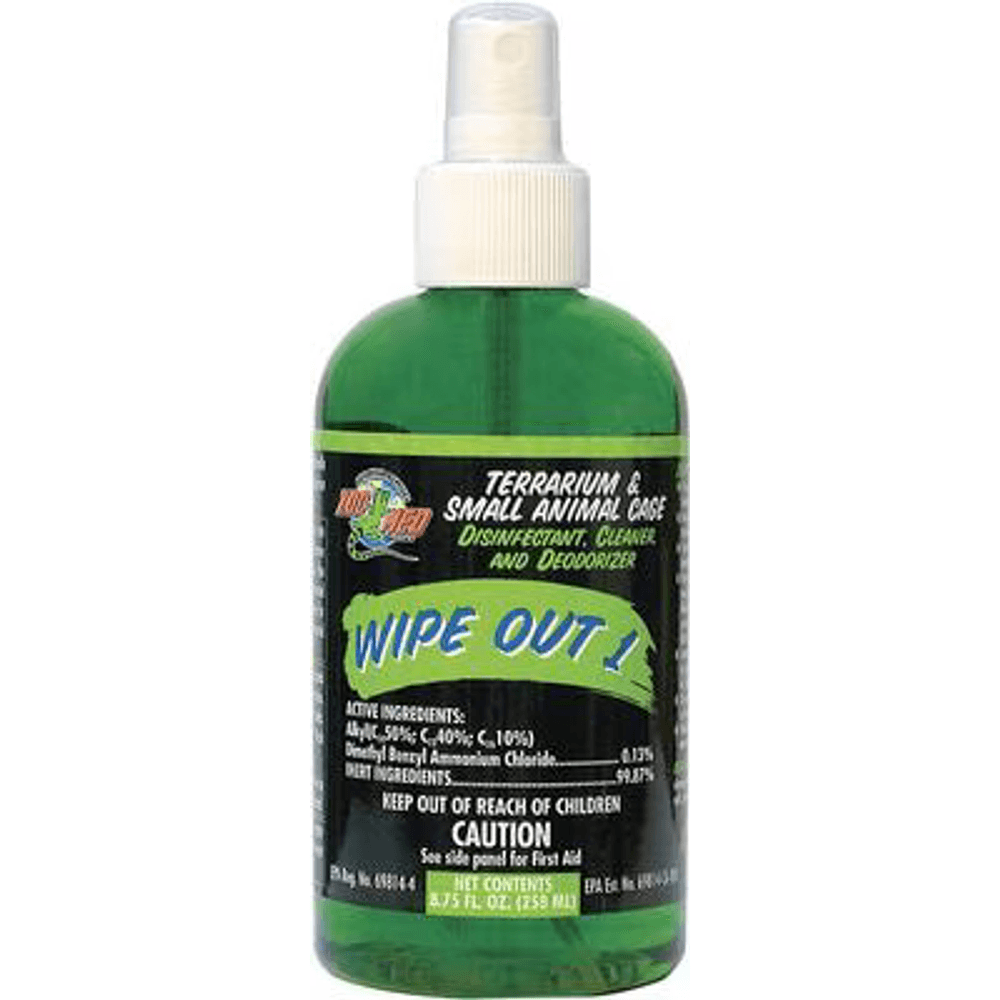
A spray-and-wipe disinfectant, cleaner, and deodorizer for crates, floors, bowls, and other hard surfaces the pet uses.
Webvet may earn a commission when you click through to Chewy, at no extra cost to you.
What Causes Ringworm and How Dogs Catch It
Ringworm in dogs is caused by dermatophyte fungi, and dogs catch it through direct contact with an infected animal or with contaminated objects and environments. The fungus spreads as microscopic spores that cling to hair and skin, so a dog can pick it up from another pet, from soil, or from shared items like bedding, brushes, towels, and collars.
How do dogs get ringworm?
The most common routes of transmission are:
- Direct contact with an infected dog, cat, or other animal (including wildlife and rodents).
- Contaminated objects, known as fomites: grooming tools, bedding, carpet, crates, toys, and even furniture.
- The environment, especially soil, where some species of the fungus naturally live.
Spores are the reason ringworm is so persistent. According to VCA Animal Hospitals, the fungal spores may remain dormant for up to 18 months on combs, brushes, food bowls, furniture, bedding, carpet, or other environmental surfaces. That long survival window is exactly why cleaning and disinfection are essential, not optional, and why a dog can seem to recover only to get reinfected from its own bedding.
What are the different types of ringworm fungi that infect dogs?
Not all dermatophytes are the same, and the species matters for how the infection is likely to have been picked up. In dogs, three species account for nearly all cases. According to the Merck Veterinary Manual, about 70% of ringworm cases are caused by Microsporum canis, 20% by Microsporum gypseum, and 10% by Trichophyton mentagrophytes.
| Dermatophyte species | Share of dog cases | Typical source |
|---|---|---|
| Microsporum canis | ~70% | Other animals, especially cats (a "reservoir" species) |
| Microsporum gypseum | ~20% | Soil (picked up while digging or rooting) |
| Trichophyton mentagrophytes | ~10% | Rodents and their environment |
Source: Merck Veterinary Manual
Any dog can get ringworm, but puppies, seniors, and dogs with weakened immune systems are more vulnerable, and infections may be more widespread in those patients. The incubation period, the gap between exposure and visible lesions, generally runs one to a few weeks, which means a dog can be carrying and spreading spores before you see the first patch.
Symptoms of Ringworm in Dogs: What to Look For

The most common symptom of ringworm in dogs is one or more circular patches of hair loss with flaky, scaly, or crusty skin. The lesions are often, but not always, ring-shaped. Some dogs show only mild changes, while others develop widespread, irregular areas of thinning fur.
Watch for these signs of ringworm in dogs:
- Circular hair loss (alopecia) that may spread outward over time
- Scaly, flaky, or crusty skin, sometimes with reddened edges
- Broken, brittle hairs at the margins of a patch
- Dry, roughened skin or dandruff-like flaking
- Brittle, misshapen, or discolored claws when nails are involved (a condition called onychomycosis)
- Small raised bumps or pustules in some cases
How do you tell if a dog has ringworm?
You often cannot tell for certain by looking, and that is the honest answer. A round, hairless, scaly patch is suggestive of ringworm, but the same picture can be produced by mange, allergies, bacterial infection, or other issues. The only reliable way to tell if a dog has ringworm is a veterinary diagnosis. If you notice expanding circular hair loss, especially on the face, ears, paws, or legs, treat it as a "confirm with the vet" situation rather than a "diagnose at home" one.

Wearable glove wipes that let you freshen and wipe down a dog's or cat's coat and skin without a full bath, while a fabric layer stays between your hand and the pet.
Webvet may earn a commission when you click through to Chewy, at no extra cost to you.
Is ringworm itchy in dogs?
Ringworm in dogs can be mildly itchy, but often it is only slightly bothersome or not itchy at all. This is actually a useful clue: intensely itchy, oozing, painful patches point more toward hot spots, allergies, or mange than toward classic ringworm. Level of itch is one of the features vets weigh when they compare ringworm against its look-alikes.
For a closer look at how lesions actually appear across different dogs and coat types, see our photo reference at ringworm on dogs pictures. Because young dogs are especially prone to widespread infection, puppy-specific signs are covered in ringworm in puppies.
 $65 · no membership
Have a health question about your dog?
A licensed vet can assess your dog over video and prescribe online when it's appropriate.
 Talk to a vet
- Licensed vets
- All 50 states
- same-day Rx

Webvet may earn a commission if you book.
Where Ringworm Shows Up: Belly, Nose, Paws, Ears, and Tail

Ringworm in dogs most often appears on the face, ears, paws, and tail, but it can develop anywhere on the body, including the belly. These areas tend to have direct contact with the ground, other animals, or contaminated objects, so they pick up spores easily.
Here is what tends to stand out by location:
- Ringworm in dogs on the face and nose: patches around the muzzle, bridge of the nose, and eyes are common and highly visible. Because facial skin is thin and close to the eyes, lesions here warrant careful handling and prompt vet confirmation.
- Ringworm in dogs on the ears: the ear margins and the skin at the base of the ears can show crusting and hair loss.
- Ringworm in dogs on the paws: the feet and lower legs are frequent sites, and involvement can extend into the nail beds, leaving claws brittle or deformed.
- Ringworm in dogs on the belly and stomach: the underside can develop scaly patches, sometimes overlooked because the fur is thinner and the area is out of easy view.
- Ringworm in dogs on the tail: the tail is another exposed area where circular lesions appear.
Wherever it appears, the underlying infection is the same, and so is the plan: confirm the diagnosis, then follow a vet-directed treatment and cleaning protocol. Location can affect how obvious the lesion is, but it does not change the need for a proper diagnosis.
Ringworm vs. Look-Alikes: Hot Spots, Mange, and Allergies

Several common skin conditions can be mistaken for ringworm in dogs, including hot spots, mange, yeast infections, and allergies. This overlap is the single biggest reason not to self-diagnose. Treating a hot spot as if it were ringworm (or vice versa) wastes time, and using the wrong product can make things worse or prolong the period your dog is contagious.
| Condition | Typical appearance | Itch level | Contagious to humans? | How it's confirmed |
|---|---|---|---|---|
| Ringworm (dermatophytosis) | Circular hair loss, scaly/crusty edges, broken hairs | Mild or none | Yes (zoonotic) | Fungal culture, Wood's lamp, PCR |
| Hot spot (acute moist dermatitis) | Red, moist, oozing, painful patch that spreads fast | Intense | No | Clinical exam |
| Mange (mites) | Patchy hair loss, redness, thick or crusty skin | Often intense | Some forms cause temporary reactions | Skin scraping under microscope |
| Yeast infection | Greasy, red, often smelly skin, thickened in chronic cases | Moderate to intense | No | Cytology (skin swab) |
| Allergies | Generalized itch, redness, recurrent skin/ear infections | Intense | No | History, diet trials, allergy testing |
A few practical takeaways from that table. Ringworm is usually less itchy than its look-alikes and is the only one on the list that spreads to people. Hot spots come on fast, look wet and angry, and are painful, which is a very different picture from the dry, scaly ring of dermatophytosis. Mange requires a microscope to confirm and is treated completely differently.
Because hot spots are the look-alike people confuse with ringworm most often, we cover that comparison in depth at ringworm vs. hot spot on dogs. Mange is a separate condition with its own workup, so we keep it to a single differential line here rather than treating it in detail.
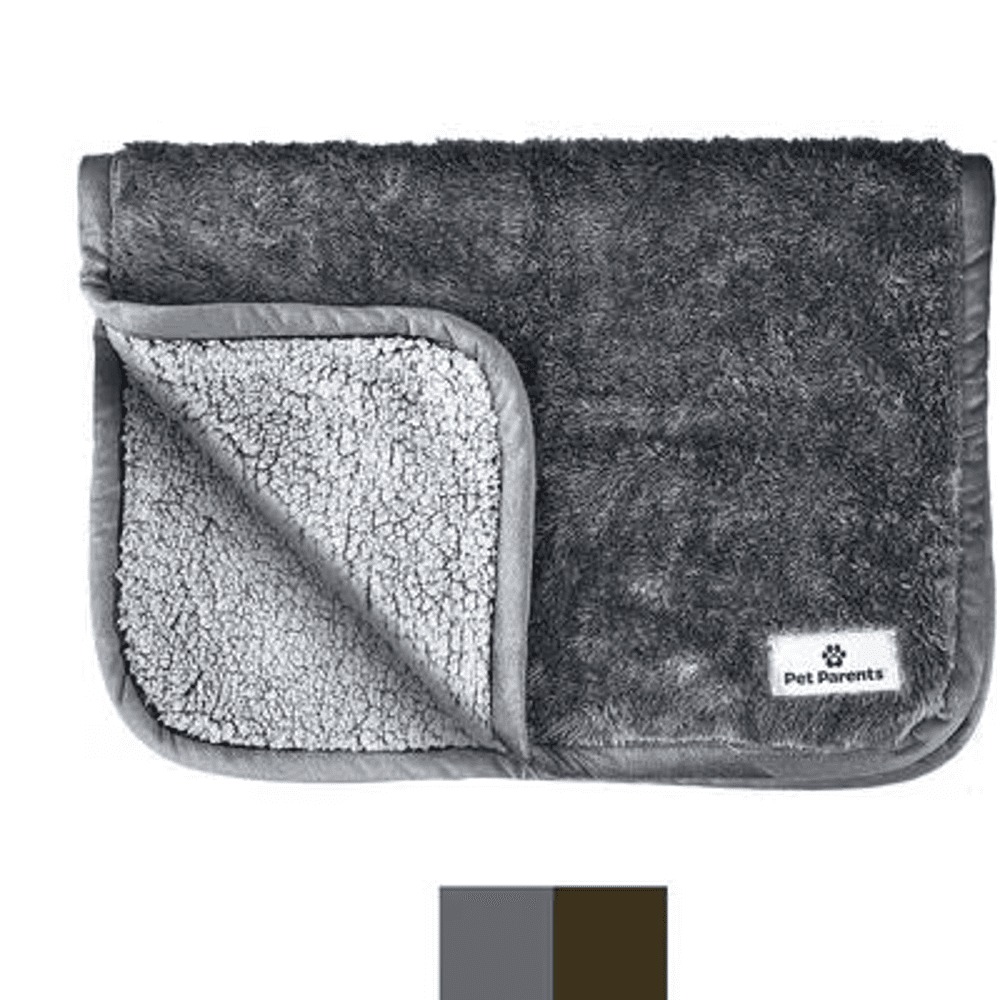
A plush, waterproof sherpa blanket that gives a cold or shivering dog a warm, cozy layer to curl into. The hidden waterproof lining protects the bed, couch, or car seat, and the whole thing is machine washable.
Webvet may earn a commission when you click through to Chewy, at no extra cost to you.
How Vets Diagnose Ringworm (Why You Can't Self-Diagnose)

Ringworm in dogs is diagnosed by fungal culture, examination under an ultraviolet Wood's lamp, and direct microscopic examination of hair or skin, with PCR testing also available. According to the Merck Veterinary Manual, ringworm is diagnosed by fungal culture, examination with an ultraviolet lamp, and direct microscopic examination of hair or skin scale, and fungal culture is the most accurate method for confirming the infection. VCA Animal Hospitals notes that PCR testing, which looks for fungal DNA, may also be recommended because it is faster than culture.
Here is how each test contributes:
- Fungal culture (the gold standard): the vet collects hair and skin samples and grows them on a special medium. This confirms whether a dermatophyte is present and can identify the species. Cultures take time to grow, so results are not instant, but they are the most reliable answer.
- Wood's lamp (UV light): in a darkened room, some strains of Microsporum canis fluoresce a characteristic apple-green under ultraviolet light. A glow is a useful clue, but a negative result does not rule ringworm out, because not every infection fluoresces.
- Direct microscopy: the vet examines hairs and skin scale under a microscope, looking for fungal spores and infected hair shafts.
- PCR testing: a rapid DNA-based test that detects dermatophyte genetic material, offering faster answers than culture in many clinics.
How is ringworm diagnosed in dogs, and why can't I just treat it at home?
You cannot reliably diagnose ringworm at home because the tools that confirm it, culture, UV fluorescence, microscopy, and PCR, all require veterinary equipment and expertise. A Wood's lamp alone is not enough, and the internet cannot tell a ring of ringworm from a ring of mange. Guessing wrong means the wrong treatment, a longer contagious period, and continued exposure for everyone in the household. This is why our entire ringworm library treats confirmation by a veterinarian as step one.
Treating Ringworm in Dogs: Overview
Treatment for ringworm in dogs almost always combines topical antifungal therapy, systemic (oral) antifungal medication for many cases, and thorough environmental cleaning. Because dermatophytes live in the environment as well as on the dog, cleaning the home matters. The Merck Veterinary Manual notes that diluted bleach can be used to clean the pet's environment, and that while ringworm in healthy adults may clear up without treatment, treatment speeds recovery and decreases the spread of the fungus in the environment. Because the spores that cause reinfection persist on household surfaces, veterinarians treat environmental decontamination as an important step in clearing a case and preventing it from coming back, rather than an optional add-on.
At a high level, a vet-directed plan usually includes:
- Topical antifungals such as medicated shampoos, dips, or creams applied to affected areas and often the whole coat.
- Oral antifungal drugs for more extensive or stubborn cases, prescribed and monitored by your veterinarian.
- Environmental cleaning to remove spores from bedding, floors, and grooming tools and to prevent reinfection.
- Recheck testing, often with follow-up cultures, to confirm the infection is truly gone before treatment stops.
This is a diagnosis-and-see-a-vet hub rather than a treat-at-home page. For the complete drug options, dosing considerations, medicated-bath schedules, and at-home care steps, see our dedicated guide at ringworm in dogs treatment.
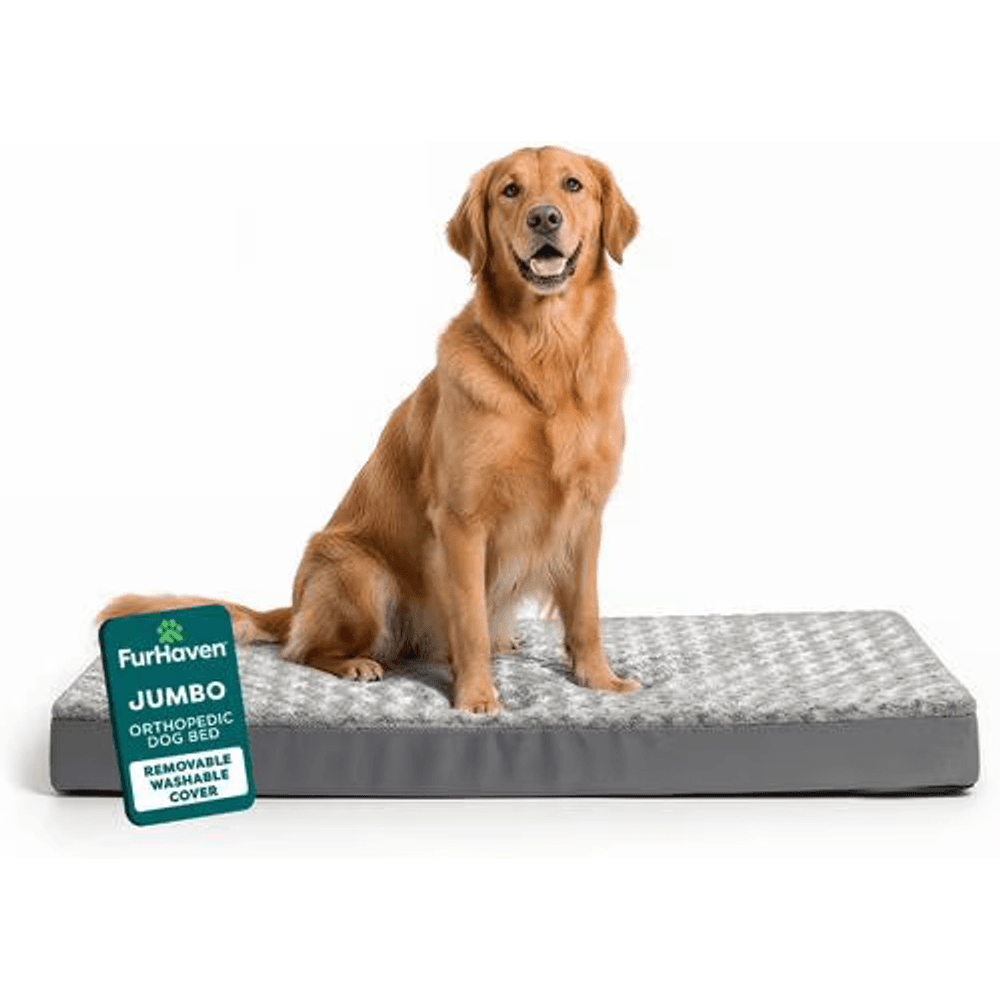
A plush orthopedic foam mattress that cushions aging joints and pressure points, giving a stiff or trembling senior dog warm, supportive rest.
Webvet may earn a commission when you click through to Chewy, at no extra cost to you.
Is Dog Ringworm Contagious to Humans and Other Pets?
Yes. Ringworm in dogs is contagious to humans and to other pets, which is what makes it a genuine household health issue rather than just a cosmetic skin problem. According to VCA Animal Hospitals, ringworm is zoonotic and can be easily transmitted from dogs to humans, especially children and immunocompromised people, and to other animals, so infected pets should be handled with precautions.
Basic precautions while a case is being confirmed and treated:
- Wear disposable gloves when handling your dog, applying medication, or cleaning up.
- Wash your hands thoroughly after any contact, even with gloves on.
- Isolate the infected dog to an easy-to-clean area when practical, away from other pets and from high-traffic living spaces.
- Do not share bedding, towels, or grooming tools between the infected dog and other animals or people.
- Watch household members, especially kids, the elderly, and anyone immunocompromised, for scaly, itchy, ring-shaped patches on the skin, and have a doctor evaluate any that appear.
Can I touch my dog if she has ringworm?
You can still care for and touch your dog, but do it with sensible precautions: wear gloves when handling her or her lesions, wash your hands afterward, and keep contact with vulnerable family members limited until treatment is underway. Avoid face-to-face contact and letting her sleep in shared beds during active infection. The goal is not to reject your dog but to protect the humans and pets she shares a home with.
Because human transmission is such a common and worrying question, we cover the person-to-pet risk in full, including how to spot ringworm on yourself and what to tell your doctor, at is dog ringworm contagious to humans. Ringworm also passes readily between dogs and cats, so every animal in a multi-pet home may need to be checked.
Preventing Ringworm and Cleaning Your Home

Preventing ringworm in dogs comes down to limiting exposure and, once a case appears, aggressively decontaminating the environment. Because spores are so hardy, cleaning is where many households drop the ball and end up with reinfection.
Key prevention and cleanup principles:
- Reduce exposure to known infected animals and to environments (like shelters or boarding facilities) where the fungus circulates.
- Clean and disinfect bedding, crates, floors, and grooming tools regularly, and especially during and after an active case.
- Wash textiles that touch the dog, and be aware they can harbor spores.
- Vacuum frequently to remove infected hairs and skin flakes, and discard the contents promptly.
Does ringworm live on bed sheets?
Yes, ringworm spores can live on bed sheets, blankets, and other fabric. According to VCA Animal Hospitals, the fungal spores may remain dormant for up to 18 months on combs, brushes, food bowls, furniture, bedding, carpet, or other environmental surfaces. That is why washing bedding in hot water, cleaning shared surfaces, and repeating the process throughout treatment is essential to prevent reinfection and to stop the fungus from spreading to people.
Environmental cleanup is detailed enough to deserve its own playbook. For a room-by-room decontamination protocol, including what to wash, what to disinfect, and what to discard, see how to clean house after dog ringworm.
When to See a Vet
See a veterinarian any time you suspect ringworm in dogs, because confirmation is the whole point and self-treatment carries real risk. Ringworm is rarely a life-threatening emergency in an otherwise healthy adult dog, but it is contagious, it mimics other conditions, and untreated infections can spread and worsen.
Contact your vet promptly if:
- Your dog has an expanding or multiplying circular, scaly, or hairless patch.
- The patient is a puppy, a senior, or immunocompromised, since these dogs can develop more widespread infection.
- A person or another pet in the home develops a suspicious skin lesion.
- Lesions are on the face, near the eyes, or involving the nails.
- The problem does not resolve with the plan your vet prescribed, or it comes back after treatment ends.
The safest path is always the same: get a diagnosis first, then treat under veterinary guidance and clean your environment thoroughly. Guessing at a round patch on your dog's skin is how contagious infections linger and spread.
Frequently Asked Questions
How do you tell if a dog has ringworm?
You often cannot tell for sure just by looking, because ringworm mimics mange, hot spots, and allergies. Circular hair loss with scaly, crusty skin and broken hairs is suggestive, but only a vet can confirm it using fungal culture, a Wood's lamp, or PCR testing. Treat any suspected lesion as a reason to book a vet visit rather than to start home treatment.
Can I touch my dog if she has ringworm?
Yes, you can still touch and care for your dog, but use precautions because ringworm is contagious to people. Wear gloves when handling her or applying medication, wash your hands afterward, and limit close contact with children, elderly, or immunocompromised family members until treatment is underway.
What kills ringworms on dogs?
Ringworm is treated with antifungal therapy, not worming, because it is a fungus. Vets typically use topical antifungal shampoos, dips, or creams plus oral antifungal medication in many cases, alongside thorough environmental cleaning to kill spores in the home. The specific products and doses should come from your veterinarian.
What cures ringworm fast?
There is no instant cure. The fastest reliable route is a vet-confirmed diagnosis followed by the full prescribed protocol, usually combining topical and oral antifungals with diligent home decontamination. Skipping the diagnosis or stopping early tends to make ringworm last longer, not shorter.
What kills ringworm fast on dogs?
The most effective approach combines veterinary antifungal medication (topical and, when needed, oral) with aggressive cleaning of bedding, floors, and tools to remove spores. No single product works alone, because a dog can be reinfected from its own environment. Your vet will match the specific treatment to your dog's case.
Does ringworm live on bed sheets?
Yes. According to VCA Animal Hospitals, ringworm spores may remain dormant for up to 18 months on combs, brushes, food bowls, furniture, bedding, carpet, or other environmental surfaces. This is why washing bedding in hot water and repeatedly cleaning shared surfaces throughout treatment is essential to prevent reinfection and human spread.
What are the symptoms of ringworm in dogs?
The classic symptoms are circular patches of hair loss, scaly or crusty skin, reddened edges, brittle broken hairs, and sometimes misshapen or brittle claws. Ringworm is often only mildly itchy or not itchy at all, which helps distinguish it from hot spots and allergies. Signs appear most often on the face, ears, paws, belly, and tail.
How long does it take to treat ringworm in dogs?
Ringworm treatment commonly takes several weeks to a few months, depending on severity, the dog's overall health, and how thoroughly the environment is cleaned. Because spores persist in the home, treatment usually continues until follow-up fungal cultures confirm the infection is gone. Ask your vet for a timeline specific to your dog.
How is ringworm diagnosed in dogs?
Per the Merck Veterinary Manual, vets diagnose ringworm using fungal culture (the most accurate method), examination under an ultraviolet Wood's lamp, and direct microscopic examination of hair or skin. VCA Animal Hospitals notes that PCR testing, which looks for fungal DNA, is also available and is faster than culture. A single test is not always conclusive, so vets may combine methods and confirm a cure with repeat cultures.
How can ringworm be prevented in dogs?
Prevention means limiting contact with infected animals and contaminated environments, and, once a case appears, disinfecting bedding, floors, crates, and grooming tools to remove long-lived spores. Regular vacuuming, washing textiles in hot water, and isolating an infected pet all reduce spread. Because spores survive up to 18 months in the environment, cleaning is central to prevention.
What are the different types of ringworm fungi that infect dogs?
Three dermatophyte species cause nearly all canine cases. Per the Merck Veterinary Manual, about 70% of cases are caused by Microsporum canis, 20% by Microsporum gypseum, and 10% by Trichophyton mentagrophytes. M. canis usually comes from other animals (especially cats), M. gypseum from soil, and T. mentagrophytes from rodents.
$65 · no membershipHave a health question about your dog?
A licensed vet can assess your dog over video and prescribe online when it's appropriate.
Talk to a vet- Licensed vets
- All 50 states
- same-day Rx
Webvet may earn a commission if you book.

Editor
The Webvet Editorial Team is the in-house group of pet-care editors and writers behind Webvet, operated by Smart Pet Collective. The team researches, writes, and maintains Webvet's pet health, behavior, and medication content. Every article follows a defined editorial process: research from reputable veterinary and scientific sources, careful drafting, mandatory review of medical content by a credentialed veterinarian, and dated publication. Health and medication articles are medically reviewed by a licensed veterinary professional before they go live and are kept current over time.
Veterinarian · BVMS MRCVS
Dr. Pippa Elliott, BVMS, MRCVS, is a veterinarian with nearly 30 years of experience in companion animal practice. Dr. Elliott earned her Bachelor of Veterinary Medicine and Surgery from the University of Glasgow. She was also designated a Member of the Royal College of Veterinary Surgeons. Married with 2 grown-up kids, Dr. Elliott has a naughty Puggle named Poggle, 3 cats and a bearded dragon.
Related reading

Best Cat Litter Mats for Tracking, Cleaning, and Sensitive Paws

Best Cat Harnesses: Fit, Adjustability, and Escape Resistance

Best Cat Carriers for Vet Visits, Travel, and Difficult Loaders
