Ringworm vs Hot Spot on Dogs: How to Tell Them Apart
Ringworm and hot spots look nothing alike once you know the tells: one is a dry, contagious fungal ring, the other a red, moist bacterial sore. Here is how to tell them apart and when to call the vet.

BVMS MRCVS
Medically reviewed by Dr. Pippa Elliott, BVMS MRCVS · Last reviewed

This article contains affiliate links. Webvet may earn a commission when you buy through them, at no extra cost to you.
You spotted a raw patch on your dog and now you are staring at it trying to decide: is this ringworm, or is it a hot spot? The stakes are not the same for each. Understanding ringworm vs hot spot on dogs matters because one of them can spread to you, your kids, and your other pets, while the other cannot. This guide walks you through exactly how to tell them apart by appearance, onset, itch, and location, then tells you the two things you must never do and when a round lesion needs a vet.
The short version: a hot spot is a red, moist, angry sore that erupts fast because your dog licked or chewed one itchy spot raw. Ringworm is a slow, dry, scaly, roughly circular patch of hair loss caused by a fungus. Hot spots stay on your dog. Ringworm can jump to humans. That single difference is why guessing wrong is risky.

Ringworm vs. hot spot on dogs: the fast answer
Here is the hot spot vs ringworm dog answer in one breath. A hot spot appears suddenly, over hours, as a red, wet, painful, oozing sore, usually where your dog can reach to lick or chew. Ringworm appears slowly, over days to weeks, as a dry, flaky, roughly circular patch where hair thins or falls out, and it is often not very painful or even very itchy.
The mechanisms are completely different. A hot spot is a self-inflicted bacterial infection: your dog scratches or chews an itchy trigger (fleas, an allergy, an ear infection, a mat), breaks the skin, and bacteria move in fast, per VCA Animal Hospitals. Ringworm is not a worm at all. It is a fungal infection that invades the hair and outer skin, and in dogs it is most often caused by the fungus Microsporum canis, which accounts for roughly 70 percent of canine cases, per the Merck Veterinary Manual.
So can hot spots look like ringworm? At a glance, a small early hot spot and an inflamed ringworm patch can both look like an angry red spot with missing hair, which is exactly why so many owners mix them up. But once you know the texture cues (wet and painful vs. dry and scaly) and the timeline (hours vs. weeks), the difference between ringworm and hot spot on dog lesions becomes much clearer. The rest of this article gives you those cues in detail, plus the one thing appearance can never tell you: which fungus or bacteria is actually there.

A lightweight, padded fabric cone that gently blocks a pet from pawing, scratching, or rubbing a healing eye, wound, or hot spot, and it is far softer and less stressful than a hard plastic cone.
Webvet may earn a commission when you click through to Chewy, at no extra cost to you.
Side-by-side comparison chart: ringworm vs. hot spot

When people search for a dog hotspot vs ringworm pictures or hotspot vs early stage ringworm in dogs pictures comparison, what they really want is a quick decision grid. Here is the hot spot vs ringworm dog symptoms breakdown side by side. Use it to narrow things down, not to make a final call.
| Feature | Hot spot (acute moist dermatitis) | Ringworm (dermatophytosis) |
|---|---|---|
| Cause | Bacterial; self-inflicted from licking/chewing an itchy trigger | Fungal (Microsporum canis most often) |
| Onset speed | Very fast, hours to a day | Slow, days to weeks |
| Texture | Moist, oozing, weepy, often crusted at edges | Dry, flaky, scaly, sometimes crusty |
| Shape | Irregular, spreading blotch | Roughly circular patch, may clear in the center |
| Color | Bright, angry red, inflamed | Grayish, reddish, or normal-toned with scale |
| Hair | Matted, wet, or clipped away by chewing | Broken, thinning, or bald in a patch |
| Pain/itch | Very painful and itchy; dog fixates on it | Often mildly itchy or not itchy at all |
| Typical spots | Cheek, neck, hip, base of tail, near an ear | Face, ear tips, paws, legs, anywhere |
| Contagious to other pets/people | No | Yes, zoonotic |
| Smells? | Often a foul, infected odor | Usually no strong odor |
One caveat that trips people up on hot spot vs ringworm dog vs ringworm pictures searches: photos flatten the two biggest tells, moisture and pain. A still image cannot show you that a hot spot is wet to the touch and that your dog flinches when you go near it, or that a ringworm patch is dry and your dog barely notices it. Those hands-on and behavioral cues matter as much as color and shape.
For a full gallery of what each stage of a fungal infection looks like, see our dedicated photo guide at ringworm on dogs pictures.
What a hot spot looks like on a dog (acute moist dermatitis)

A hot spot on dog skin is medically called acute moist dermatitis or pyotraumatic dermatitis. What does a hot spot look like on a dog? Picture a coin-to-palm-sized area of skin that is bright red, wet, and raw, often with a rim of matted, moist fur and sometimes a yellowish crust or a hot spot scab on dog surfaces at the edge. It looks angry because it is: this is an active bacterial infection. For photos of each healing stage and the body areas where they appear, see our pictures of hot spots on dogs.
Hot spot symptoms and behavior
The hot spot on dog symptoms are as much behavioral as visual. Classic signs include:
- Sudden appearance. It was not there yesterday and now it is spreading.
- Obsessive licking, chewing, or scratching at one specific spot.
- Moisture and oozing. The surface is wet, not dry.
- Pain. Your dog may yelp, growl, or pull away when you touch near it.
- Odor. Infected hot spots often smell foul.
- A spreading blotch, not a clean circle.
What causes a hot spot
The cause of hot spot on dog flare-ups is almost always an underlying itch trigger. VCA notes that fleas, allergies, ear infections, matted or moisture-trapped coats, and even boredom-driven licking can start the cycle: something itches, the dog chews, the skin breaks, and bacteria colonize the raw area within hours, per VCA Animal Hospitals. Because the root cause is often an allergy or parasite, hot spots tend to recur until that trigger is addressed.
Is a hot spot on dog contagious? No. A hot spot is a localized bacterial infection driven by your individual dog's skin and behavior. It will not spread to your other dog, your cat, or you. That is one of the cleanest ways to separate it from ringworm.
What ringworm looks like on a dog (dermatophytosis)

Ringworm, or dermatophytosis, is the fungal impostor. Despite the name, no worm is involved. The classic dog ringworm symptoms are a roughly circular patch of hair loss with dry, scaly, sometimes crusty skin, and the fur around the edge may look broken off. The center can look like it is healing while the ring expands outward, though not every case forms a textbook ring.
Because early lesions are subtle, early stage ringworm in dogs pictures often show nothing more dramatic than a small, dime-sized area of thinning hair with a little flaking, easy to dismiss as a scratch or dry skin. Common locations include the face, ear tips, paws, and legs, but ringworm can appear anywhere.
How do dogs get ringworm? They pick up the fungus mainly through direct contact with an infected animal. Contaminated objects and surfaces such as bedding, brushes, furniture, and carpet can also carry spores, which is why environmental cleaning is part of treatment, according to the Merck Veterinary Manual. That same source notes the spores do not multiply in the environment and are readily removed with thorough mechanical cleaning and disinfection, and that transmission from environmental spores alone is inefficient unless the skin has small breaks. Even so, one infected pet plus contaminated surfaces gives ringworm more ways to spread through a household than a hot spot, which stays on the one dog. Puppies, seniors, and dogs with weaker immune systems are more susceptible.
For the complete visual progression, from a faint early patch to a fully developed lesion, see our staged photo walkthrough at ringworm on dogs pictures, and read the full condition overview on our pillar page, ringworm in dogs. If your patient is very young, ringworm in puppies covers the extra precautions.
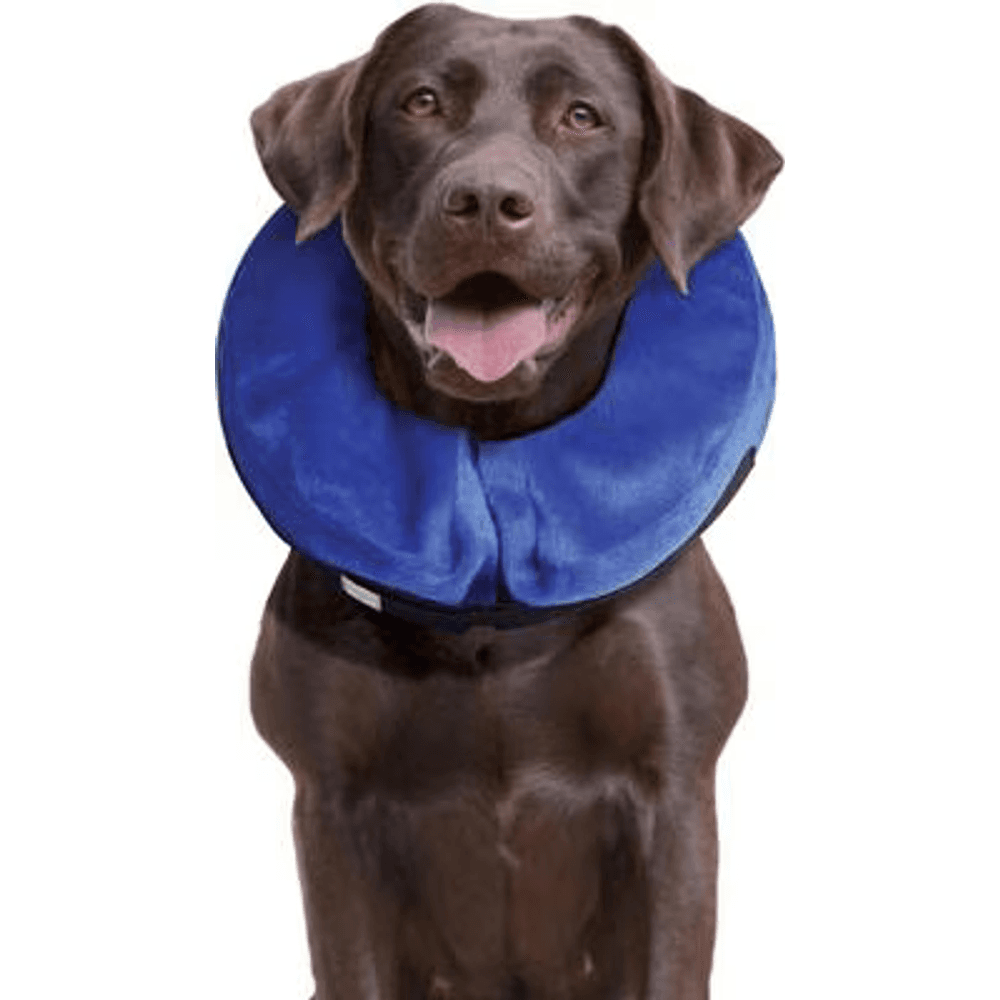
A soft, inflatable donut-style recovery collar that keeps many pets from licking or biting at a healing surgical incision or hot spot while still letting them eat, drink, and sleep in comfort.
Webvet may earn a commission when you click through to Chewy, at no extra cost to you.
 $65 · no membership
Have a health question about your dog?
A licensed vet can assess your dog over video and prescribe online when it's appropriate.
 Talk to a vet
- Licensed vets
- All 50 states
- same-day Rx

Webvet may earn a commission if you book.
Key differences: appearance, onset, itch, and location
If you strip everything down, four axes separate these two conditions. Master these and you can usually tell which camp a lesion falls into, though you still need a vet to confirm.
Appearance and texture. This is the single most useful tell. A hot spot is wet, red, and raw. Ringworm is dry, scaly, and pale to grayish. Run through the shape too: hot spots are irregular, spreading blotches, while ringworm tends toward a circular patch.
Onset speed. Hot spots explode in hours. Ringworm creeps in over days to weeks. If a lesion appeared overnight and is spreading fast, bet on a hot spot. If it has been slowly growing for a week or two, think ringworm.
Itch and pain. Hot spots hurt and itch intensely; your dog cannot leave the spot alone. With ringworm, ringworm is generally not itchy, or only mildly so, which is why a dog can carry it for a while before you notice.
Location. A hot spot on dog leg, hip, neck, or the area near an ear is common because those are spots a dog can reach to chew. Ringworm ignores reachability and can show up on the face, ear margins, or paws. Owners often search for pictures of ringworm on dogs belly because thin-haired areas can make the scaly patch easier to see there.
A quick gut check: is it wet and painful, or dry and ignored? Wet and painful leans hot spot. Dry and ignored leans ringworm. But the next section is the one that actually keeps your family safe.
Is it contagious? Ringworm is zoonotic; hot spots are not

This is the most important practical difference, and it is where a wrong guess can cost you. Ringworm is zoonotic, meaning it spreads from animals to people. Hot spots do not spread to anyone.
Ringworm passes to humans and other pets through spores on the dog's skin and hair and on contaminated bedding, brushes, and surfaces, per the Merck Veterinary Manual. People can easily be infected by these fungi, and the pet-owner guidance is to have your veterinarian advise you on treatment and on the precautions you should take to avoid ringworm in yourself and your family, per the Merck Veterinary Manual pet-owner guide. Anyone can catch ringworm, but people with weakened immune systems may be especially at risk, according to the CDC, so extra caution around young children and immunocompromised household members is sensible until the infection is controlled.
Can I still pet my dog with ringworm? You can still care for and comfort your dog, but you should minimize skin-to-skin contact with the lesions, wear gloves when handling affected areas, wash your hands thoroughly afterward, and keep the dog away from young children and immunocompromised household members until a vet confirms and treatment is underway. This is not a reason to abandon or fear your dog. It is a reason to be careful and get a diagnosis fast.
How contagious is ringworm from dog to human, and how do dogs get ringworm from humans? Transmission goes both directions, animal to person and person to animal, and even other household pets can catch it. Because the spores linger in the home, one infected pet can become a household-wide problem if untreated. We cover the human side in depth at is dog ringworm contagious to humans, and the cleanup that stops reinfection at how to clean house after dog ringworm.
By contrast, hot spot on dog contagious worries are unfounded. A hot spot is a bacterial infection driven by one dog's own itch-scratch cycle and cannot be caught by touch, so you do not need to isolate a dog with a confirmed hot spot from your family or your other pets.
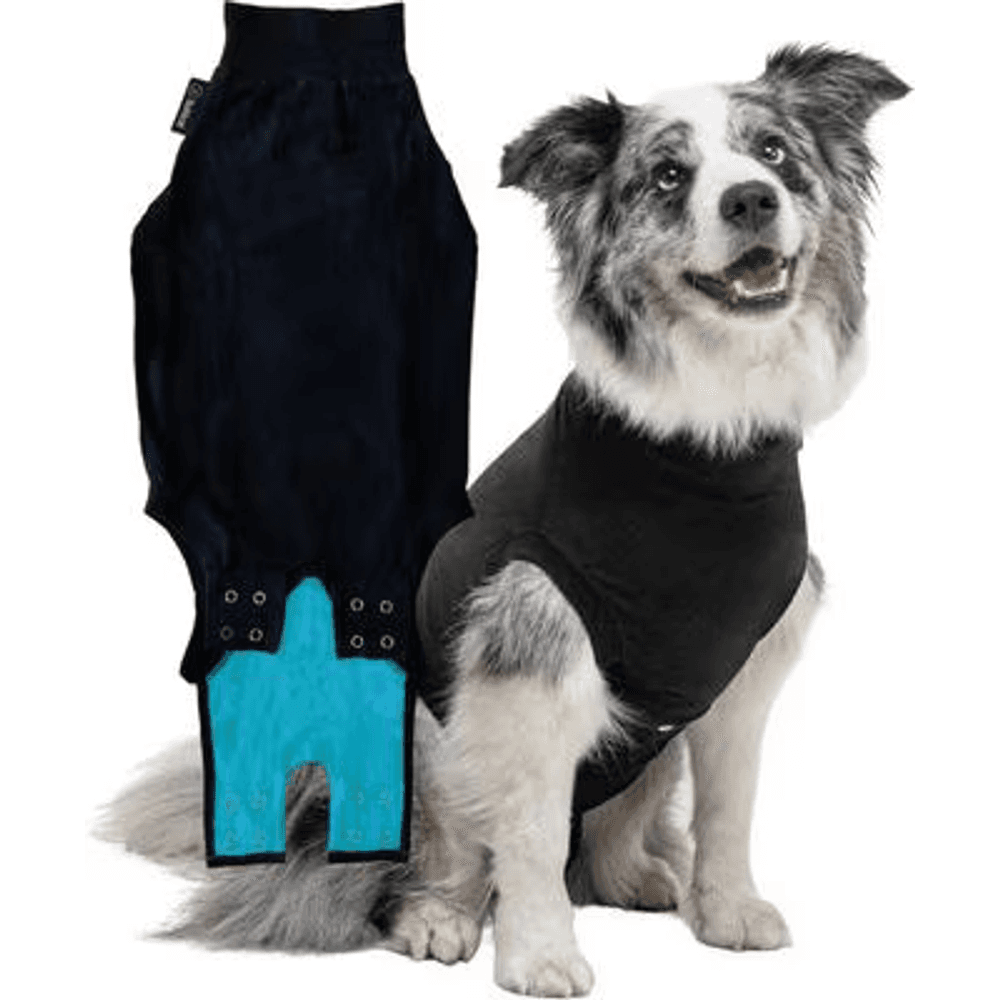
A breathable full-body recovery suit that covers a spay or abdominal incision, the vet-recommended cone alternative that lets a dog rest, walk, and go potty normally without licking or scratching the wound.
Webvet may earn a commission when you click through to Chewy, at no extra cost to you.
Could it be something else? Mange, allergies, lumps, or cancer
Here is the humbling truth: a raw, round, or hairless patch on a dog has a long list of possible causes, and ringworm and hot spots are only two of them. This is why "it looks like ringworm" or "it looks like a hot spot" is a starting hypothesis, not a diagnosis.
Other conditions that can masquerade as either lesion include:
- Mange (mites), which causes hair loss, crusting, and intense itch.
- Allergic skin disease (flea, food, or environmental), which can trigger the exact itch-scratch cycle that produces hot spots.
- Bacterial folliculitis and other pyodermas.
- A hot spot lump on dog skin or a raised mass that turns out to be a skin tumor, including a mast cell tumor, which can be red, raw, and change quickly.
That last one is why searches like hot spot or cancer on dog deserve a serious answer. Most red, moist sores are hot spots, and most circular scaly patches are ringworm, but a lesion that is a firm lump, keeps recurring in the same spot, will not heal, changes size or color, or bleeds should be checked by a vet to rule out something more serious. A hot spot rash on dog that spreads across large areas or keeps coming back also points to an underlying allergy that needs its own workup.
We are not going to build out the full mange or allergy differential here, because those deserve their own dedicated guides. The takeaway for this page is simpler: when a home guess and the reality can differ this much, you confirm with diagnostics rather than assuming.
How a vet tells them apart (Wood's lamp, culture, PCR)

How is ringworm diagnosed in dogs? Not by eye, and this is the crux of the whole ringworm vs. hot spot question. A veterinarian confirms ringworm with actual testing, because appearance alone is unreliable, per the Merck Veterinary Manual. The common tools for a dog ringworm test are:
- Wood's lamp examination. A special ultraviolet light makes many ringworm-infected hairs glow apple-green. It is a useful screening tool: an evidence-based review found that 91 to 100 percent of untreated, infected animals show fluorescing hairs, per the Merck Veterinary Manual. It is still not a stand-alone diagnosis, because the fluorescence fades as the infection resolves and only the hair shafts glow (not crusts or scale), so suspect hairs found under the lamp must be confirmed by microscopy, culture, or PCR.
- Fungal (dermatophyte) culture. Hairs and scale are grown on dermatophyte test medium and examined daily. A positive result can sometimes appear within a couple of days, but slow-growing spores mean a culture can take up to three weeks to fully report, according to VCA Animal Hospitals.
- PCR testing. A faster molecular test that detects fungal DNA on the hair coat, per the Merck Veterinary Manual. One caveat: PCR cannot distinguish live, infective spores from dead ones, so it confirms fungal DNA is present rather than proving an active, contagious infection.
- Direct microscopy. Examining plucked hairs under a microscope for fungal elements.
How are hot spots diagnosed? A hot spot is usually a clinical diagnosis: the vet recognizes the characteristic acute moist, painful, self-inflicted sore, then works to identify and treat the underlying itch trigger (fleas, allergy, ear infection). The vet may take skin cytology to check for bacteria and yeast and to confirm the infection type.
The practical point: the same lesion you are unsure about, your vet can settle with a Wood's lamp screen plus a culture or PCR. That is the difference between a guess and an answer, and with a zoonotic disease on the table, an answer is worth it.
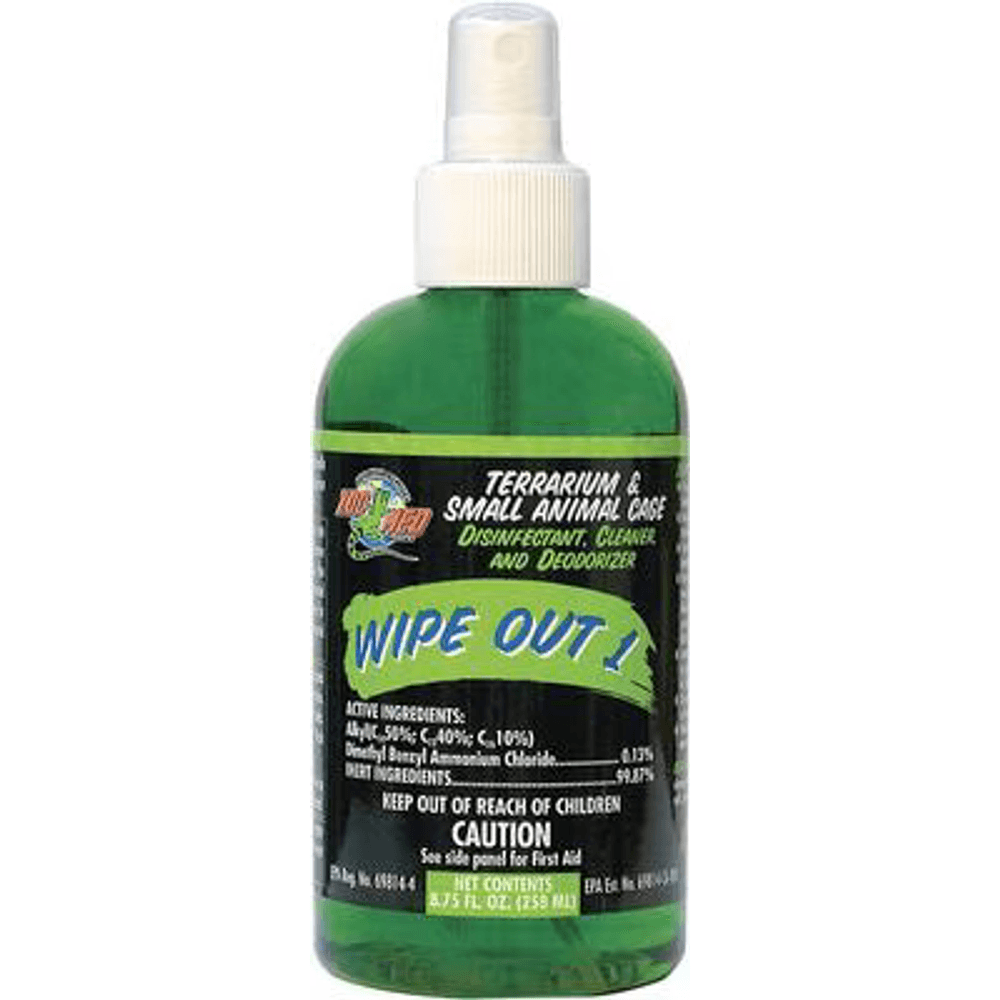
A spray-and-wipe disinfectant, cleaner, and deodorizer for crates, floors, bowls, and other hard surfaces the pet uses.
Webvet may earn a commission when you click through to Chewy, at no extra cost to you.
Treatment: what differs for a hot spot vs. ringworm
Treatment is where guessing wrong really hurts, because the correct approach is opposite for each condition. This is a hot spot vs ringworm dog treatment overview; always follow your vet's plan for your specific dog.
Hot spot treatment
For a hot spot, care centers on stopping the itch-scratch-lick cycle and clearing the bacterial infection. A vet will typically clip the hair around the sore to let it dry and breathe, clean it, and prescribe topical or oral treatment, often an antibiotic plus something to reduce inflammation and itch, and address the underlying trigger, per VCA Animal Hospitals. An e-collar to prevent further licking is frequently part of the plan.
How to quickly heal a hot spot on a dog: the fastest, safest path is a vet visit for proper clipping, cleaning, and prescription treatment, because an infected sore left alone tends to spread. Will a hotspot on a dog heal itself? A very minor, freshly formed hot spot may settle if you immediately stop the licking and keep it clean and dry, but once infection sets in (often within a day) it usually needs treatment, which is exactly why Cornell advises veterinary attention when a sore is more than 24 hours old, per the Cornell Riney Canine Health Center.
A word on human creams: will Neosporin help a hotspot on a dog? It depends entirely on how new the sore is. For a brand-new, non-infected hot spot caught in the first day, the Cornell Riney Canine Health Center says you can trim the fur, clean the area, and apply a first-aid cream such as Neosporin cream (the cream, not the ointment), and that a generic 1 percent hydrocortisone cream from the human first-aid shelf is safe and usually effective for healthy dogs. The important qualifier is that this only applies to a fresh, non-infected sore: once the spot is more than 24 hours old, oozing, spreading, or clearly infected, Cornell says an infection is likely and a vet visit is in order, so skip the drugstore creams and get it treated. Avoid greasy ointments and petroleum jelly (Vaseline), which trap moisture and tempt the dog to lick, and never dig through the internet for a home remedy for hot spot on dog wounds once a sore looks infected; the wrong product on an infected sore can make it worse.
Ringworm treatment
Ringworm treatment is longer and multi-pronged because you are fighting a fungus that also contaminates the environment. Treatment usually combines topical antifungal therapy (medicated shampoos, dips, or creams) with oral antifungal medication for many cases, plus aggressive environmental decontamination to remove spores, per the Merck Veterinary Manual. Courses often run several weeks and are guided by follow-up cultures to confirm the fungus is truly gone.
We keep the full protocol on its own page so it stays current and complete: see ringworm in dogs treatment for the step-by-step, and how to clean house after dog ringworm for the decontamination side that prevents reinfection.
The reassuring news, where it is true: most hot spots resolve well with prompt veterinary care, and most ringworm is curable with a complete treatment course. Neither is usually a crisis. But ringworm untreated keeps spreading to your household, and a hot spot smeared with the wrong human cream keeps getting worse, so the "which is it" question genuinely changes what you should do next.
When to see a vet (and why not to self-treat a round lesion)
Because you cannot reliably distinguish these conditions by sight, and because one is contagious to your family, the safest rule is simple: do not self-diagnose or self-treat a round or expanding lesion. Get it confirmed.
How do I heal my dog's hot spot at home safely while you wait for an appointment? Keep it clean and dry and stop the licking, since an Elizabethan collar or light wrap keeps the dog from making the sore worse, per the Cornell Riney Canine Health Center. For a fresh, non-infected sore, Cornell notes a first-aid cream such as Neosporin cream or a 1 percent hydrocortisone cream can help; but if the sore is older than 24 hours or shows any sign of infection, hold off on creams and let a vet direct the healing.
See a vet promptly if any of the following are true:
- The sore is more than 24 hours old, which makes infection likely, per the Cornell Riney Canine Health Center.
- The lesion is oozing, spreading, hot, swollen, or clearly painful.
- The lesion is a firm lump, keeps recurring, will not heal, changes, or bleeds (rule out a tumor).
- Your dog is lethargic, off food, or otherwise unwell.
- People or other pets in the home develop itchy, circular, scaly rashes, a red flag for zoonotic ringworm spread.
The bottom line on ringworm vs hot spot on dogs: a hot spot is a fast, wet, painful, non-contagious bacterial sore, and ringworm is a slow, dry, scaly, contagious fungal patch. Those tells will usually point you in the right direction. But the only way to be sure, and the only responsible move with a zoonotic disease on the table, is a veterinary diagnosis with the right test.
- 1A hot spot is a fast, wet, red, painful, non-contagious bacterial sore your dog licked or chewed raw; ringworm is a slow, dry, scaly, roughly circular fungal patch that IS contagious.
- 2Ringworm is zoonotic: handle affected areas with gloves, wash your hands, and keep the dog away from kids and immunocompromised family until a vet confirms it.
- 3You cannot reliably tell the two apart by sight, so a vet uses a Wood's lamp, culture, or PCR to diagnose ringworm and confirm hot spots.
- 4See a vet if a sore is more than 24 hours old, oozing or spreading, a firm lump that will not heal, or if people or pets develop itchy circular rashes.
- 5Never smear human ointments or Vaseline on an infected sore, and never assume a round lesion is harmless without a diagnosis.
Frequently asked questions
Will a hotspot on a dog heal itself?
A tiny, brand-new hot spot may settle on its own if you immediately stop the licking and keep it clean and dry. But most hot spots become infected within about a day and then need veterinary treatment to heal, which is why Cornell advises getting a sore more than 24 hours old checked. Do not count on it clearing itself, and never cover it with a human cream.
Will Neosporin help a hotspot on a dog?
It depends on how new the sore is. Cornell's canine health center says that for a brand-new, non-infected hot spot you can clean the area and apply a first-aid cream such as Neosporin cream (the cream, not the ointment), or a 1 percent hydrocortisone cream for healthy dogs. But once the sore is more than 24 hours old, oozing, or infected, skip the drugstore creams and see a vet, who can clip, clean, and prescribe the right treatment. Avoid greasy ointments and Vaseline, which trap moisture and encourage licking.
Can hot spots look like ringworm?
Yes, at a glance. A small, inflamed hot spot and a red ringworm patch can both look like an angry spot with missing hair. But hot spots are wet, painful, and appear in hours, while ringworm is dry, scaly, roughly circular, and develops slowly over days to weeks. Because they can overlap, a vet should confirm which it is.
Can I still pet my dog with ringworm?
You can still care for your dog, but minimize contact with the lesions: wear gloves when handling the affected skin, wash your hands afterward, and keep the dog away from young children and immunocompromised household members until a vet confirms and treatment begins. Ringworm is zoonotic and spreads to people, so careful handling matters until it is controlled.
How to quickly heal a hot spot on a dog?
For anything beyond a brand-new sore, the fastest safe route is a vet visit, where the hair is clipped, the sore is cleaned, and appropriate medication (often an antibiotic plus anti-itch treatment) is prescribed, along with fixing the underlying trigger. At home, stop the licking with an e-collar and keep the area dry. Skip greasy ointments and Vaseline on an infected sore, since trapped moisture and licking slow healing.
What is the silent killer in dogs?
That phrase is used for several serious canine conditions rather than skin sores. In the context of skin lesions, the concern is that a raw or round patch that looks like a harmless hot spot could occasionally be a skin tumor such as a mast cell tumor. Any lesion that is a firm lump, keeps recurring, will not heal, or changes should be examined by a vet to rule out cancer.
How do I heal my dog's hot spot at home?
While you wait for a vet appointment, keep the area clean and dry and prevent all licking and chewing (an e-collar is the reliable way). Cornell notes that for a fresh, non-infected sore a first-aid cream such as Neosporin cream or 1 percent hydrocortisone can help, but avoid greasy ointments and Vaseline. If the sore is older than 24 hours or looks infected, hold off on creams and let a vet guide the healing, since infected hot spots need prescription treatment.
What is a good home remedy for hotspots on dogs?
The safest home step is not a remedy but management: stop the licking, keep the spot clean and dry, and see a vet rather than applying human products or internet-sourced treatments that can worsen an infected sore. Because hot spots are usually already infected and driven by an underlying trigger like fleas or allergies, they typically need veterinary care to resolve and to stop recurring.
$65 · no membershipHave a health question about your dog?
A licensed vet can assess your dog over video and prescribe online when it's appropriate.
Talk to a vet- Licensed vets
- All 50 states
- same-day Rx
Webvet may earn a commission if you book.

Editor
The Webvet Editorial Team is the in-house group of pet-care editors and writers behind Webvet, operated by Smart Pet Collective. The team researches, writes, and maintains Webvet's pet health, behavior, and medication content. Every article follows a defined editorial process: research from reputable veterinary and scientific sources, careful drafting, mandatory review of medical content by a credentialed veterinarian, and dated publication. Health and medication articles are medically reviewed by a licensed veterinary professional before they go live and are kept current over time.
Veterinarian · BVMS MRCVS
Dr. Pippa Elliott, BVMS, MRCVS, is a veterinarian with nearly 30 years of experience in companion animal practice. Dr. Elliott earned her Bachelor of Veterinary Medicine and Surgery from the University of Glasgow. She was also designated a Member of the Royal College of Veterinary Surgeons. Married with 2 grown-up kids, Dr. Elliott has a naughty Puggle named Poggle, 3 cats and a bearded dragon.
Related reading

Best Cat Litter Mats for Tracking, Cleaning, and Sensitive Paws

Best Cat Harnesses: Fit, Adjustability, and Escape Resistance

Best Cat Carriers for Vet Visits, Travel, and Difficult Loaders
