Is Dog Ringworm Contagious to Humans? A Vet-Reviewed Guide
Yes, dog ringworm is contagious to humans. This vet-reviewed guide explains how the zoonotic fungus spreads dog to person, who is most at risk, and the exact hygiene steps that stop it from moving through your household.

BVMS MRCVS
Medically reviewed by Dr. Pippa Elliott, BVMS MRCVS · Last reviewed

This article contains affiliate links. Webvet may earn a commission when you buy through them, at no extra cost to you.
If you have just spotted a crusty, ring-shaped bald patch on your dog and someone in the house has an itchy new rash, you are asking the right question. Is dog ringworm contagious to humans? Yes, it is. Ringworm is not a worm at all. It is a fungal skin infection (dermatophytosis) that passes readily between dogs and people, which makes it a genuine household-health issue rather than a pet-only problem.
The honest, vet-first answer matters here because ringworm is a zoonotic disease, meaning it moves between animals and humans. According to the Merck Veterinary Manual, limiting spread to people is an explicit goal of treating an infected dog, not an afterthought. This guide, reviewed by a veterinarian, explains exactly how it spreads, who in your home is most at risk, and the concrete steps that stop it.
This article focuses on the contagious-to-humans (zoonotic) angle. For the full picture on canine ringworm itself, diagnosis, and treatment, we link to our dedicated guides throughout.
Is dog ringworm contagious to humans? (short answer)
Yes. You can catch ringworm from a dog. A human can get ringworm from a dog through direct skin contact with an infected animal, or by touching objects the dog has contaminated. If your dog has ringworm, you can get it, and so can other people and pets in the home.
Ringworm is one of the most common skin infections there is, and the CDC confirms it spreads easily between people and from pets to people. So if you are wondering "can I get ringworm from my dog" or "if my dog has ringworm can I get it," treat the answer as a firm yes and act accordingly.
The good news: in a healthy adult, ringworm is typically mild, itchy, and treatable. The bad news: it is stubborn, it spreads through the household quietly, and the fungal spores linger in the environment for a long time. That combination is why getting a real diagnosis and cleaning properly both matter.
Here is the quick-reference version.
| Question | Short answer |
|---|---|
| Can you catch ringworm from a dog? | Yes, by direct contact or contaminated objects |
| Is ringworm from a dog contagious to people? | Yes, it is zoonotic |
| Is it dangerous? | Usually mild in healthy adults, riskier for children, seniors, and immunocompromised people |
| Can it spread dog to dog? | Yes |
| Can a dog get ringworm from a human? | Yes, it goes both directions |
| How do you stop it? | Vet-confirmed treatment for the dog, plus household hygiene and cleaning |
The word "ringworm" is one of the most misleading names in medicine. There is no parasite and no worm involved at any stage. The ring shape simply describes how the fungus grows outward from a central point, clearing the middle as it expands and leaving a raised, scaly border. The organisms responsible are a group of fungi called dermatophytes, which feed on keratin, the protein in skin, hair, and nails. Because dogs, cats, and people all have keratin, the same fungus can move comfortably between species, and that is precisely what makes it zoonotic.
Where does a dog pick it up in the first place? Usually from another infected animal or from a spore-laden environment such as a shelter, boarding kennel, grooming salon, dog park, or a home where an infected pet lived before. Puppies, senior dogs, and animals under stress or with other illnesses are more susceptible, which is part of why the infection so often shows up after a big life change like adoption. Knowing the likely source helps you spot a household pattern early: if a new puppy arrives and a child's arm breaks out in an itchy ring a couple of weeks later, those two events are probably connected, and both the pet and the person need proper care.
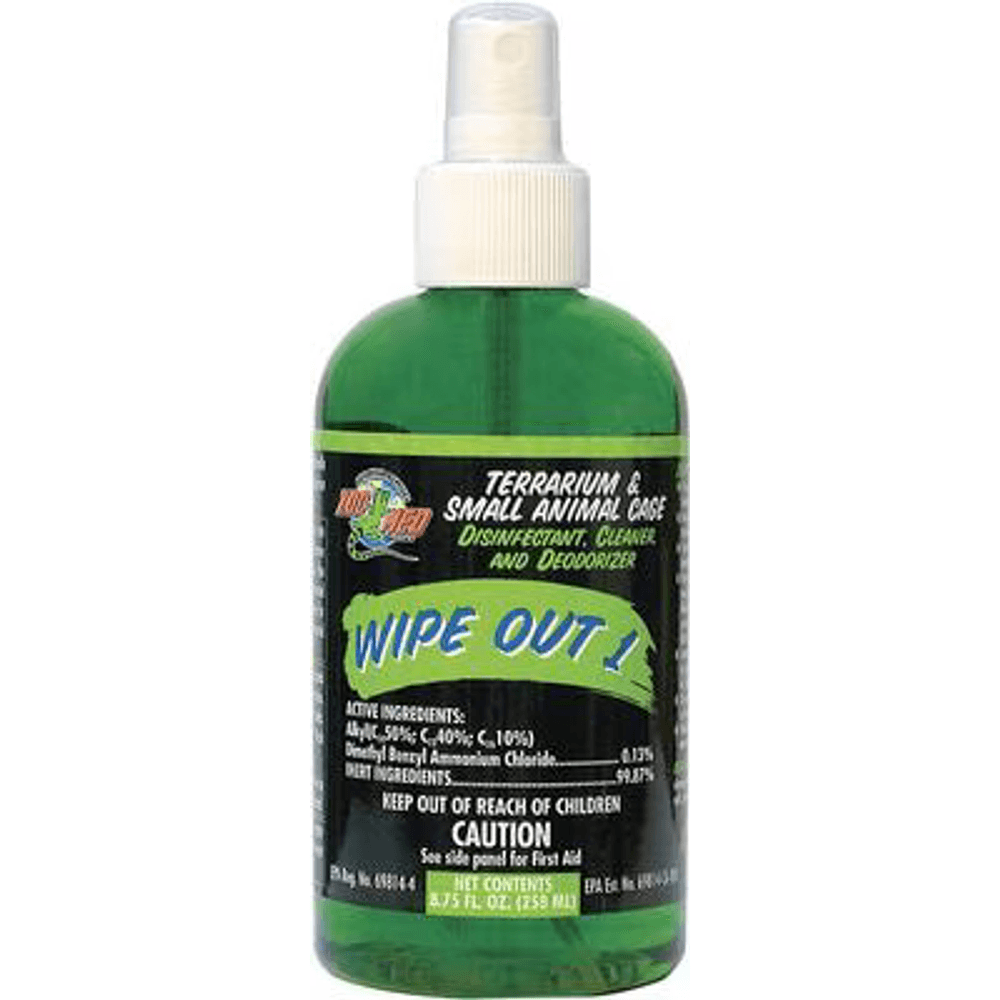
A spray-and-wipe disinfectant, cleaner, and deodorizer for crates, floors, bowls, and other hard surfaces the pet uses.
Webvet may earn a commission when you click through to Chewy, at no extra cost to you.
How ringworm spreads from dogs to people

Ringworm spreads through fungal spores shed by the infected dog. Understanding the routes tells you exactly where to break the chain.
The two main transmission paths are:
- Direct contact: Touching, petting, holding, or being licked by an infected dog transfers spores from the dog's coat and skin to yours.
- Indirect (fomite) contact: Spores fall off the dog onto bedding, blankets, furniture, carpet, grooming tools, collars, and toys. Touch a contaminated surface and you can pick up the infection without ever touching the dog directly.
So how contagious is ringworm from dog to human? Very. The CDC notes ringworm spreads easily, passing between people and from animals to people through skin-to-skin contact and shared objects like towels and bedsheets. Because the fungus moves between animals and humans, the Merck Veterinary Manual classifies dermatophytosis as a zoonotic disease. The spores are tiny, durable, and easy to move around a home on hands, clothing, and shared surfaces.
Here is how the main routes compare, and what each one means for stopping the spread.
| Transmission route | How it works | How to break the chain |
|---|---|---|
| Direct skin contact | Petting, cuddling, or handling the infected dog moves spores from coat to skin | Limit contact during active infection, wear gloves, wash hands after |
| Contaminated bedding and fabric | Shed hair and spores collect on blankets, beds, and soft furnishings | Launder frequently on a hot cycle, keep the dog off shared beds |
| Grooming tools and collars | Brushes, clippers, and collars carry spores between uses and between pets | Do not share tools, disinfect after each use |
| Shared furniture and carpet | Loose infected hair settles into upholstery and flooring | Vacuum daily, confine the dog to easy-to-clean rooms |
| Being licked | Contact with spore-carrying fur around the mouth or a spore-laden coat | Discourage licking during active infection, wash the contacted area |
A few common specific questions:
- Ringworm from dog licking: A lick itself is a contact event. If the dog's saliva or the fur around its mouth carries spores, that contact can transmit ringworm. The bigger risk is usually the coat, not the saliva.
- Can you get ringworm from dog poop? Ringworm is a skin-and-coat fungus, not an intestinal parasite, so feces is not a primary route. The real exposure is the dog's skin, hair, and the surfaces it touches.
Spores can also lodge in hard-to-clean places. The CDC notes the fungus can even lodge under fingernails, which is one reason thorough handwashing matters after any contact.
Why it spreads so easily in a home
Infected dogs shed spores onto everything they rub against, and those spores do not need a live host to survive. That is what makes a single infected pet capable of seeding an entire household. It also means the problem is not solved the moment the dog looks better. The environment stays a reservoir until it is cleaned.
There is also a hidden multiplier: infected hairs. Every time an infected dog scratches, sheds, or rubs against a surface, it drops microscopic broken hairs loaded with spores. Those hairs drift into carpet fibers, settle on baseboards, and cling to clothing. One dog can quietly distribute spores across every room it is allowed into, which is why controlling where the dog goes during treatment is as important as treating the dog itself.
Who is most at risk of catching it
Ringworm can infect anyone, but some people catch it more easily and have a harder time clearing it. VCA Animal Hospitals notes the fungus is easily transmitted to humans, especially young children, and standard veterinary and public-health guidance flags immunocompromised people as the other group most likely to develop more extensive infection.
The households and individuals to watch most closely:
- Young children. Kids handle pets constantly, press their faces into fur, and are less careful about handwashing, so ringworm from a pet is common in children.
- Adults over roughly 65. Aging skin and immune changes raise susceptibility, making ringworm from a pet in an elderly family member worth extra caution.
- Immunocompromised people. Anyone on chemotherapy, immune-suppressing medication, or living with an immune-weakening condition faces higher immunocompromised ringworm risk and can develop more extensive infections.
- Pregnant people. Not because ringworm harms a pregnancy directly, but because treatment options may be limited, so a doctor should guide care.
- Anyone with broken skin. Cuts, scrapes, eczema, or irritated skin give spores an easy entry point.
If someone in one of these groups develops a rash after contact with an infected dog, do not wait it out. Loop in a human doctor promptly.
It is worth being specific about why these groups matter, because it changes how carefully you manage the dog. A healthy adult with intact skin has a robust barrier and a fast immune response, so many exposures never turn into an infection at all. A toddler who sleeps with the dog, an adult on immunosuppressants, or a family member recovering from surgery does not have that same margin. In those homes, the sensible move is to treat the infected dog as off-limits for close cuddling until your vet confirms it is no longer contagious, and to keep the most vulnerable family members out of the rooms the dog uses most.

Wearable glove wipes that let you freshen and wipe down a dog's or cat's coat and skin without a full bath, while a fabric layer stays between your hand and the pet.
Webvet may earn a commission when you click through to Chewy, at no extra cost to you.
 $65 · no membership
Have a health question about your dog?
A licensed vet can assess your dog over video and prescribe online when it's appropriate.
 Talk to a vet
- Licensed vets
- All 50 states
- same-day Rx

Webvet may earn a commission if you book.
What ringworm looks like on humans (and when to see a doctor)

What happens if I touch a dog with ringworm? Not every contact leads to infection, but if spores take hold, a rash usually appears within one to two weeks. The CDC puts the typical window at 4 to 14 days after the skin contacts the fungus. On people, ringworm typically shows up as an itchy, red, scaly patch that grows outward into a ring shape with a raised, clearer center. That classic ring is where the name comes from.
Typical human ringworm signs include:
- Round or oval red, scaly patches
- A raised, sometimes blistered border with clearer skin in the middle
- Itching
- On the scalp, patchy hair loss (more common in children)
- Patches that slowly enlarge if untreated
The way ringworm presents differs between the dog that carried it and the person who caught it, which sometimes causes confusion. This quick comparison helps you match what you are seeing to the right species.
| Sign | On a dog | On a person |
|---|---|---|
| Classic appearance | Circular patch of hair loss, often crusty or scaly | Red, scaly ring with a raised border and clearer center |
| Location | Head, ears, paws, and along the body | Arms, hands, trunk, face, or scalp (scalp more common in kids) |
| Itching | Sometimes mild or absent | Usually itchy |
| Onset after exposure | Variable; can carry it with few signs | Typically 1 to 2 weeks |
| Confirmation | Vet testing (Wood's lamp, culture, PCR) | Doctor's exam, sometimes a skin scraping |
If you are asking "ringworm symptoms in humans from a pet," this is the picture to match against, but do not stop at self-diagnosis. Several other skin conditions mimic a ring, and a doctor should confirm and treat a persistent or spreading rash.
What kills ringworm on skin fast? In people, ringworm is usually treated with antifungal creams, and prescription oral antifungals for stubborn, widespread, or scalp cases. There is no legitimate instant cure, and OTC remedies alone often fail on scalp or extensive infections. A pharmacist or doctor can point you to the right antifungal and tell you how long to use it, which is typically a couple of weeks past when the rash clears.
See a doctor if:
- The rash is spreading, painful, or not improving with OTC antifungal cream
- It appears on the scalp or face
- It shows up on an infant, a pregnant person, or someone immunocompromised
- There are signs of secondary bacterial infection (increasing pain, pus, warmth, fever)
Prescription antifungals for people require a professional, just as they do for dogs. Do not share a pet's medication with a person or vice versa.
Not everything round is ringworm
Before you treat a spot on your dog as ringworm and start scrubbing the house, it is worth pausing on a common trap: many things that look like ringworm are not. A round, red, or hairless patch on a dog can just as easily be a hot spot, a patch of mange, an allergic or bacterial skin infection, or a reaction to a fleabite. Some of those are barely contagious to people, and some need completely different treatment.
This matters for your family for a practical reason. If you assume a lesion is not ringworm and it turns out to be, you keep spreading a zoonotic infection. If you assume it is ringworm and it is not, you spend weeks on antifungal cleaning and worry while the real problem, which may be uncomfortable or worsening for your dog, goes untreated. The safe move is to have a vet confirm the diagnosis rather than guessing from the shape alone. If your dog's spot looks more raw and weepy than ring-shaped, our guide on ringworm vs hot spot on dogs walks through the most common look-alike.
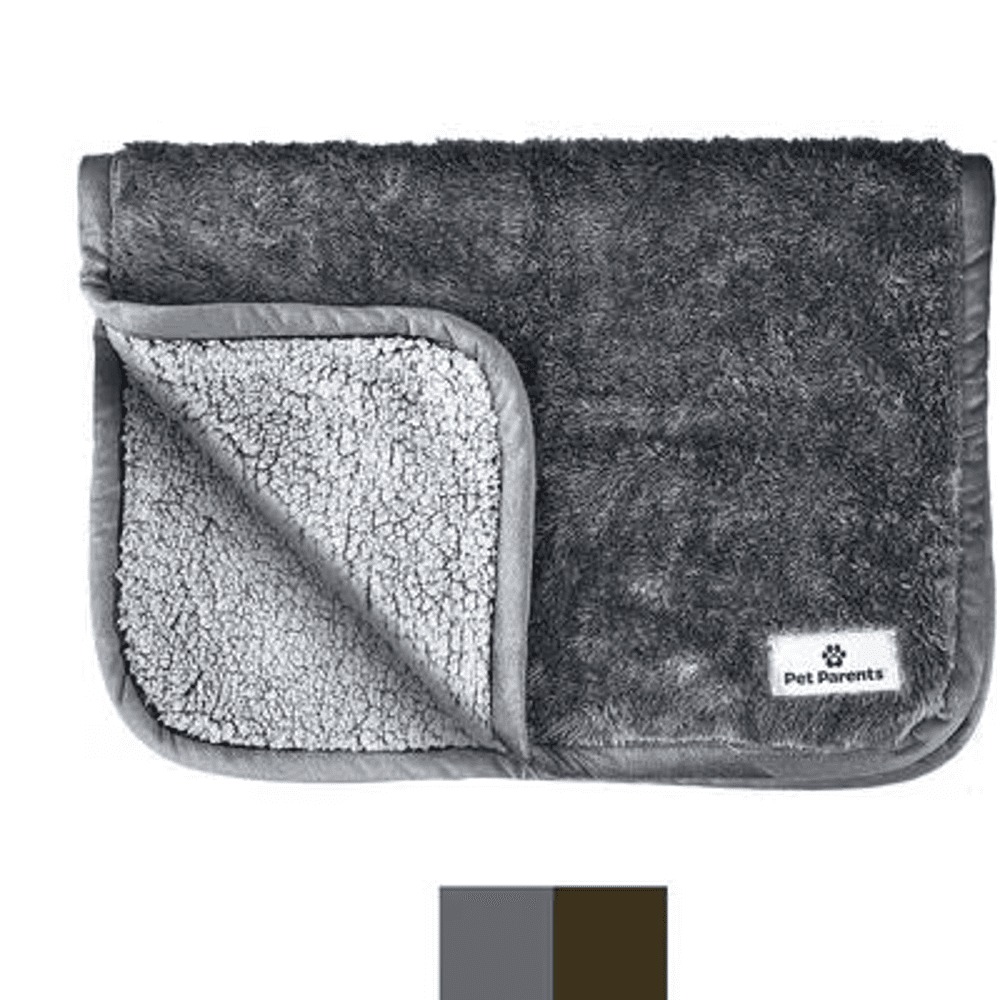
A plush, waterproof sherpa blanket that gives a cold or shivering dog a warm, cozy layer to curl into. The hidden waterproof lining protects the bed, couch, or car seat, and the whole thing is machine washable.
Webvet may earn a commission when you click through to Chewy, at no extra cost to you.
Can it spread back to your dog or to other pets?

Yes, ringworm travels in every direction, which is why treating one family member (human or animal) in isolation often fails.
- Can a dog get ringworm from a human? Yes. If a person has ringworm, they can pass it to a dog through the same contact and shared-object routes. Ringworm from human to dog is real, so a person's active infection is a reason to be careful around pets, too.
- Is ringworm contagious from dog to dog? Yes. Ringworm can spread from dog to dog easily, and to cats, which are especially efficient carriers and sometimes show few obvious signs.
This two-way, multi-species spread is exactly why the Merck Veterinary Manual frames controlling contagion as part of the treatment plan, not a separate concern. In a multi-pet home, your vet may want to examine or treat all the animals, even ones that look healthy, because a symptom-free carrier can keep reinfecting everyone else.
The practical takeaway: treat the whole household as one connected system. Clean the shared environment, treat the confirmed cases, and check the other pets with your vet. Cats deserve special mention here. They can carry and shed ringworm with almost no visible signs, so in a home with both a dog and a cat, an untreated cat can quietly reinfect the dog (and the people) even after the dog appears cured. If you have multiple pets, tell your vet, because a plan that treats only the obviously affected animal often fails.
How long is dog ringworm contagious?
This is the question that trips up most households, because the answer has two parts: the dog, and the environment.
On the dog: A dog with ringworm is contagious until treatment has worked and cure is confirmed. That is usually a matter of weeks, but it varies with the individual dog and the treatment plan. Do not assume the dog is no longer contagious just because the visible lesion has shrunk. How long is dog ringworm contagious to humans depends on when the fungus is actually cleared, which your vet confirms with follow-up testing, not on how the skin looks.
In the environment: This is the part people underestimate. Ringworm spores are remarkably hardy. According to VCA Animal Hospitals, environmental spores can remain infective for up to 18 months. That means a contaminated but uncleaned home can keep infecting people and pets long after the dog itself is cured.
| Source of contagion | How long it can stay contagious |
|---|---|
| The infected dog | Until treatment works and cure is confirmed by the vet (often several weeks) |
| Bedding, carpet, furniture, tools | Spores can stay infective up to ~18 months if not cleaned (VCA) |
The lesson: do not relax your hygiene routine based on the dog's appearance alone. Ask your vet when the dog is confirmed clear, and keep cleaning the environment throughout. The reason vets rely on follow-up fungal cultures rather than eyeballing the skin is that a dog can look completely healed on the surface while still shedding live spores. A common protocol is to keep treating and cleaning until the dog produces one or more negative cultures in a row, and only then to consider the household truly out of the woods.
How to protect your family: hygiene, gloves and home decontamination

You cannot make a home 100% risk-free overnight, but a consistent routine dramatically cuts the odds of ringworm moving to a person or another pet. The goals: reduce direct contact, remove spores from surfaces, and wash them off your hands.
Handle the dog carefully
- Wear disposable gloves when applying topical treatment, bathing, or handling an infected dog. VCA recommends gloves plus handwashing precisely because ringworm is easily transmitted to people.
- Wash your hands thoroughly after any contact, even with gloves on. Scrub under the fingernails, where spores can lodge (CDC).
- Limit contact during active infection, especially for children and high-risk family members. Keep the dog off beds and couches while it is contagious.
- Long sleeves when holding the dog add a simple barrier layer.
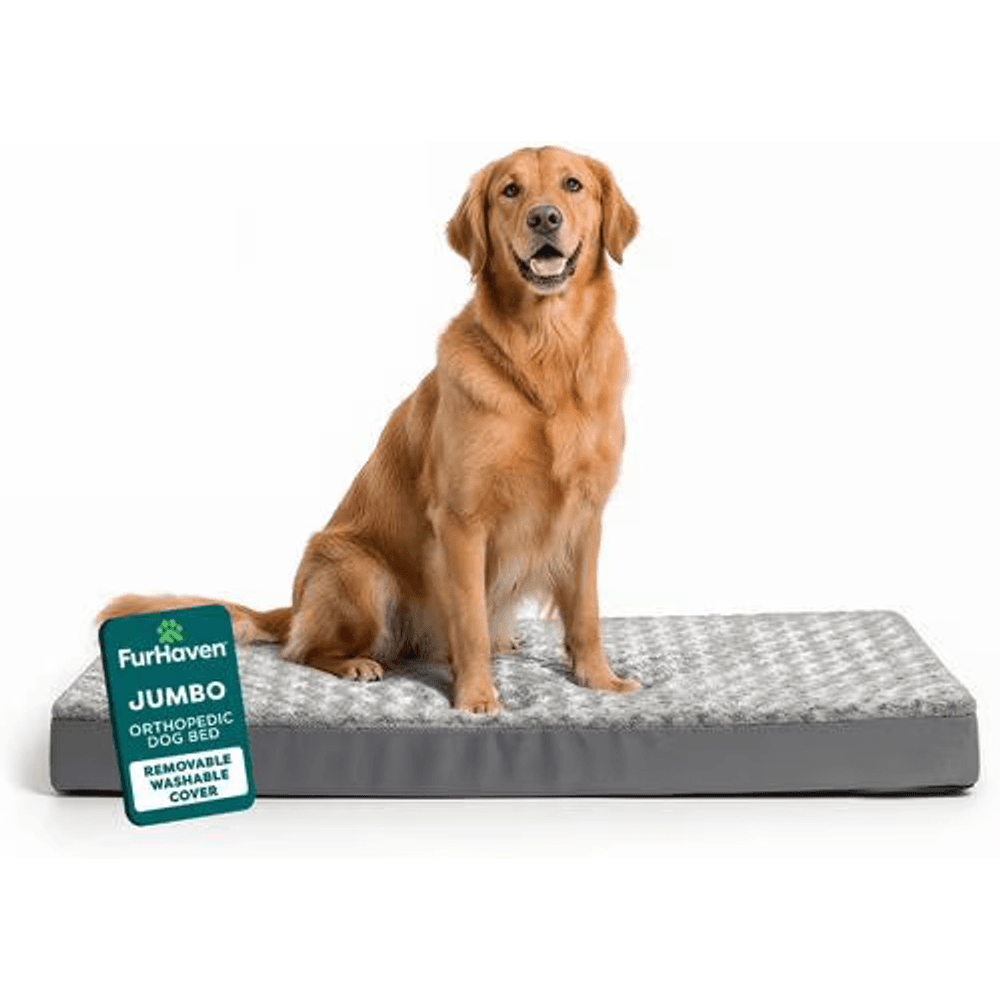
A plush orthopedic foam mattress that cushions aging joints and pressure points, giving a stiff or trembling senior dog warm, supportive rest.
Webvet may earn a commission when you click through to Chewy, at no extra cost to you.
Clean the environment
- Wash the dog's bedding, blankets, and any washable fabric frequently on a hot cycle. This directly answers does ringworm live on bed sheets and do I have to wash everything if my dog has ringworm: spores absolutely collect on fabric, and regular washing of the items the dog contacts is essential. You do not have to wash the entire house daily, but bedding and high-contact fabrics need routine, thorough laundering.
- Vacuum daily and discard or seal the vacuum contents to remove shed hair and spores from floors and furniture. Loose, infected hair is a major carrier.
- Disinfect hard surfaces the dog uses. Your vet can recommend an appropriate antifungal disinfectant.
- Confine the dog to easy-to-clean rooms when possible during treatment, which shrinks the area you have to decontaminate.
The single most useful mindset shift is to think in terms of reducing spore load rather than achieving instant perfection. You are not trying to sterilize your home in a day. You are trying to remove more spores than the dog adds, consistently, so the total keeps dropping until the dog is cured and a final deep clean finishes the job. Two habits do most of the heavy lifting: daily vacuuming (because loose infected hair is the biggest carrier) and frequent hot-water laundering of everything soft the dog touches. Everything else is supporting cast.
Because spores persist for up to 18 months (VCA), keep the routine going until your vet confirms the dog is cured, then do a final deep clean. For a room-by-room, exhaustive post-infection cleaning checklist, see our full guide on how to clean your house after dog ringworm.
See a vet to confirm it is ringworm (Wood's lamp, culture, PCR)

Here is the single most important step people skip: you cannot confirm ringworm by eye. A round, crusty, hairless patch could be ringworm, but it could also be a hot spot, mange, an allergic reaction, or a bacterial skin infection. The Merck Veterinary Manual is clear that a round lesion alone cannot confirm ringworm, which is why veterinary testing is required.
Vets confirm ringworm using one or more of these methods, described by the Merck Veterinary Manual:
- Wood's lamp: A specialized ultraviolet light that makes some ringworm species fluoresce. Useful as a screening tool, but not all strains glow, so a negative result does not rule ringworm out.
- Fungal culture (dermatophyte test medium): Growing a sample from the coat to identify the fungus. This is a definitive test but takes days to weeks.
- PCR testing: A rapid molecular test that detects fungal DNA.
Why this matters for your family: guessing wrong cuts both ways. If you assume a rash is not ringworm and it is, you keep spreading it. If you assume it is ringworm and it is not, you waste time on the wrong treatment while the real problem goes untreated. How to know if your dog has ringworm and what to do if your dog has ringworm both start with the same step: book a vet visit for proper diagnosis.
The confirmation step is also what tells you when you can stand down. Because a fungal culture can be repeated, your vet can use it to prove the dog has actually cleared the infection rather than just looking better, which is the green light to ease up on the gloves-and-cleaning routine and to reassure worried family members. That is a level of certainty no home test or visual check can give you, and it is why the vet visit is worth it even when the lesion seems obvious.
For the full diagnostic workup in depth, see our pillar guide on ringworm in dogs. For treatment protocols such as topical antifungals, oral medication, and lime-sulfur dips, see ringworm in dogs treatment. If you want to compare what the lesion actually looks like, our guide on ringworm on dogs pictures shows real examples, and ringworm vs hot spot on dogs covers the most common look-alike. Puppies are especially prone to it, as covered in ringworm in puppies.
What to do the moment you suspect ringworm
If you think your dog has ringworm and you are worried about the people at home, a calm, ordered response beats panic. Here is the sequence that protects your family while you get answers.
First, stop assuming and start containing. Until a vet says otherwise, treat the dog as contagious. Keep it off beds and shared furniture, wash your hands after every interaction, and pull the most vulnerable family members (young kids, anyone immunocompromised, a pregnant household member) back from close contact. These steps cost nothing and lose nothing if the diagnosis turns out to be something else.
Second, book the vet visit. This is the step that turns guesswork into a plan. A confirmed diagnosis tells you whether you are dealing with a zoonotic fungus at all, and if so, exactly what treatment the dog needs. It also tells you when the dog is truly clear, which is the only reliable signal that the household risk has passed.
Third, watch your own skin, and act if a rash appears. Anyone in the home who develops an itchy, ring-shaped patch after contact should see a human doctor rather than self-treating, especially if the rash is on the scalp or face, is spreading, or appears on a child or an immunocompromised person. Human and canine ringworm are treated by different professionals with different medications, so do not cross-use a pet's antifungal on a person.
Fourth, clean as you go. Start the laundry-and-vacuum routine immediately rather than waiting for lab results. If it is ringworm, you have a head start on the environment. If it is not, you have simply done some cleaning. There is no downside to lowering the spore load early.
The bottom line
Is dog ringworm contagious to humans? Yes, without question. It is a zoonotic fungal infection that passes dog to person, person to dog, and pet to pet, through direct contact and contaminated objects. Healthy adults usually get a mild, treatable rash, but children, seniors, pregnant people, and immunocompromised family members face higher risk and should see a doctor if a rash appears.
Your action plan is simple and effective: get the dog properly diagnosed by a vet, treat every confirmed case, wear gloves and wash your hands after contact, and clean the environment consistently until the vet confirms a cure. Because spores can linger up to 18 months, do not let the dog's appearance alone tell you the coast is clear. When in doubt, ask your vet and your doctor.
- 1Yes, dog ringworm is contagious to humans: it is a zoonotic fungus that spreads dog to person, person to dog, and pet to pet.
- 2It spreads by direct skin contact and by contaminated objects like bedding, grooming tools, and furniture.
- 3Young children, adults over 65, pregnant people, and immunocompromised family members are most at risk and should see a doctor if a rash appears.
- 4A vet must confirm ringworm with a Wood's lamp, fungal culture, or PCR: a round lesion alone is not proof.
- 5Environmental spores can stay infective for up to 18 months, so keep cleaning until your vet confirms a cure.
Frequently Asked Questions
Do I have to wash everything if my dog has ringworm?
You do not have to wash your entire house every day, but you do need to regularly and thoroughly launder everything the dog contacts, especially bedding, blankets, and high-contact fabrics, on a hot cycle. Ringworm spores collect on fabric and can stay infective for up to 18 months, so consistent washing of contaminated items is essential, along with daily vacuuming and disinfecting hard surfaces the dog uses. Think of it as steadily lowering the spore load until your vet confirms a cure, then finishing with a final deep clean.
What happens if I touch a dog with ringworm?
Touching an infected dog can transfer fungal spores to your skin, and if they take hold you may develop an itchy, red, ring-shaped rash. The CDC puts the typical onset at 4 to 14 days after the skin contacts the fungus, so a rash usually shows up within one to two weeks. Not every contact leads to infection, but you lower your risk by washing your hands thoroughly afterward, scrubbing under the fingernails where spores can lodge. Wear gloves when handling or treating an infected dog, and see a doctor if a rash appears, especially on a child, a pregnant person, or someone immunocompromised.
What kills ringworm on skin fast?
In people, ringworm is usually treated with antifungal creams, with prescription oral antifungals for stubborn, widespread, or scalp infections. There is no legitimate instant cure, and treatment typically continues for a couple of weeks past when the rash clears. A doctor or pharmacist can recommend the right antifungal, so avoid relying on unproven home remedies like vinegar or tea tree oil, and see a doctor if the rash spreads, is on the scalp or face, or does not improve.
Does ringworm live on bed sheets?
Yes. Ringworm spores readily collect on bed sheets, blankets, and other fabrics an infected dog or person contacts. Environmental spores can remain infective for up to 18 months, so wash contaminated bedding frequently on a hot cycle and keep an infected dog off beds while it is contagious. Regular laundering of high-contact fabric is one of the most important steps to stop household spread, alongside daily vacuuming to remove shed, spore-carrying hair.
What kills ringworm fast on dogs?
Dog ringworm is treated with vet-prescribed antifungals, which may include topical creams, medicated shampoos or lime-sulfur dips, and oral antifungal medication, often used together. There is no safe instant home cure, and DIY remedies are unproven and sometimes harmful. Only a veterinarian can confirm ringworm through a Wood's lamp, fungal culture, or PCR and prescribe the right treatment, so book a vet visit rather than guessing. See our ringworm in dogs treatment guide for the full protocol.
Can a dog get ringworm from a human?
Yes. Ringworm is zoonotic and spreads in both directions, so a person with an active ringworm infection can pass it to a dog through the same routes: direct skin contact and shared objects like bedding and towels. It can also spread dog to dog and between dogs and cats. That two-way, multi-species spread is why vets often want to check and, if needed, treat every pet in the home, even ones that look healthy, and why an infected person should be careful around pets until cleared.
$65 · no membershipHave a health question about your dog?
A licensed vet can assess your dog over video and prescribe online when it's appropriate.
Talk to a vet- Licensed vets
- All 50 states
- same-day Rx
Webvet may earn a commission if you book.

Editor
The Webvet Editorial Team is the in-house group of pet-care editors and writers behind Webvet, operated by Smart Pet Collective. The team researches, writes, and maintains Webvet's pet health, behavior, and medication content. Every article follows a defined editorial process: research from reputable veterinary and scientific sources, careful drafting, mandatory review of medical content by a credentialed veterinarian, and dated publication. Health and medication articles are medically reviewed by a licensed veterinary professional before they go live and are kept current over time.
Veterinarian · BVMS MRCVS
Dr. Pippa Elliott, BVMS, MRCVS, is a veterinarian with nearly 30 years of experience in companion animal practice. Dr. Elliott earned her Bachelor of Veterinary Medicine and Surgery from the University of Glasgow. She was also designated a Member of the Royal College of Veterinary Surgeons. Married with 2 grown-up kids, Dr. Elliott has a naughty Puggle named Poggle, 3 cats and a bearded dragon.
Related reading

Best Cat Litter Mats for Tracking, Cleaning, and Sensitive Paws

Best Cat Harnesses: Fit, Adjustability, and Escape Resistance

Best Cat Carriers for Vet Visits, Travel, and Difficult Loaders
