What Does Ringworm in Dogs Look Like? A Vet-Reviewed Picture Guide
A vet-reviewed visual guide to what ringworm in dogs looks like: circular hair loss, scaly red skin, early-stage patches, and where it shows up, plus why only a vet can confirm it.

BVMS MRCVS
Medically reviewed by Dr. Pippa Elliott, BVMS MRCVS · Last reviewed

This article contains affiliate links. Webvet may earn a commission when you buy through them, at no extra cost to you.
If you have spotted a bald, crusty spot on your dog and are wondering what does ringworm in dogs look like, you are in the right place. This guide walks through the real, photo-backed appearance of ringworm on dogs: the classic circle of hair loss, the scaly reddened skin, the earliest faint patches, and how it shows up on the face, belly, ears, nose, paws, and nails.
Here is the single most important thing to know first. A round, hairless, scaly patch is a clue, not proof. Ringworm is easy to confuse with hot spots, mange, yeast infections, and allergies, and even veterinarians cannot reliably diagnose it by eye. So use this page to learn what to look for, then take your dog to a vet to confirm it before you treat anything.
What does ringworm look like on a dog? (the short answer)

Ringworm in dogs usually looks like a roughly circular or irregular patch of hair loss with scaly, crusty, reddened or darkened skin in the middle, often with broken, brittle hairs around the edge. It is not always a perfect ring, and it is not a worm at all: it is a fungal skin infection called dermatophytosis.
In dogs specifically, lesions commonly appear as circular areas of hair loss (alopecia). As a lesion enlarges, the center may start to heal and regrow hair while the edge stays active, which is what can create the "ring" shape people expect. The hair shafts in and around the patch are fragile and break off easily (VCA Animal Hospitals).
The catch: appearance is highly variable. The classic circular, scaly patch of hair loss is only one presentation, and because the look is so inconsistent, a definitive diagnosis requires a fungal (dermatophyte) culture rather than eyeballing it (Merck Veterinary Manual). That is why "what does ringworm in dogs look like" can only ever get you partway to an answer.
Quick visual checklist of what ringworm in dogs looks like:
- A round or oval patch of missing or thinning fur
- Scaly, flaky, or crusty skin in the affected area (can look like heavy dandruff)
- Reddened, inflamed, or darkened skin
- Dry, brittle, broken-off hairs at the border
- Often on the face, snout, ear tips, tail, and paws, though it can appear anywhere
- Sometimes mild itch, sometimes none at all
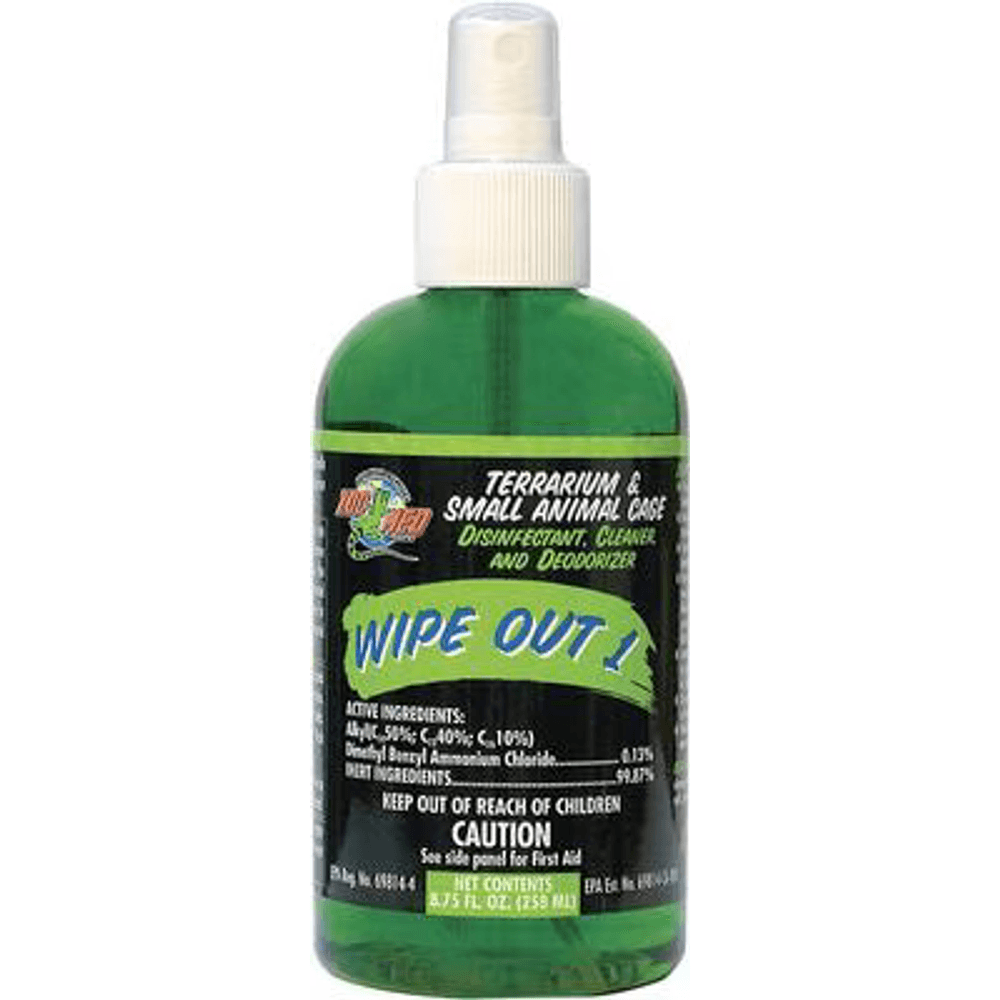
A spray-and-wipe disinfectant, cleaner, and deodorizer for crates, floors, bowls, and other hard surfaces the pet uses.
Webvet may earn a commission when you click through to Chewy, at no extra cost to you.
Ringworm in dogs: pictures of what to look for

When people search for pictures of ringworm in dogs, they are usually trying to match a patch on their own dog to a photo. Photos help you know what to look for, but remember that many skin problems look nearly identical in a picture. Use the images below as orientation, not diagnosis.
Across the images and descriptions in this guide, here is the range of appearances you may see in real ringworm photos of dogs:
- The "classic" lesion: a clearly circular bald spot with a scaly, red, slightly raised edge and a somewhat clearer center.
- The scaly/crusty variant: a patch that mostly looks like grey flaking, dandruff, or crust with less obvious hair loss.
- The subtle/early variant: a small area of thinning hair with faint scaling that has not yet formed an obvious circle.
- The irregular variant: an odd-shaped, patchy area of hair loss with no neat ring at all.
Because these overlap heavily with other skin conditions, a photo cannot confirm ringworm. The fungus, its variable look, and the need for lab testing are exactly why the veterinary literature relies on culture, a Wood's lamp, and microscopy instead of visual appearance (Merck Veterinary Manual). Treat the pictures as "this is worth a vet visit," not "this is definitely ringworm."
Signs and symptoms of ringworm in dogs
The symptoms of ringworm in dogs center on the skin and coat. Most affected dogs are not severely sick, and some show only mild changes, which is one reason the infection is easy to miss or misread.
Common signs and symptoms of ringworm in dogs:
- Circular or irregular hair loss in one or more spots
- Scaling and flaking, sometimes heavy enough to look like dandruff
- Crusting over the affected skin
- Redness or inflammation, or skin that looks darker than normal
- Brittle, broken hairs in and around the lesion
- Changes to the nails if the fungus involves the claws (brittle, misshapen, or deformed nails)
- Variable itching: some dogs itch, many do not, so a lack of itching does not rule ringworm out
Two points are worth bolding. First, ringworm does not always itch, which surprises many owners. Second, the "ring" is often absent: the enlarging-and-central-healing pattern that creates a ring is just one way lesions evolve, and the classic circular scaly patch of alopecia is only one of several looks (Merck Veterinary Manual). If you are trying to figure out how to spot ringworm in dogs, look for the combination of hair loss plus scaling plus broken hairs, then get it confirmed.

Wearable glove wipes that let you freshen and wipe down a dog's or cat's coat and skin without a full bath, while a fabric layer stays between your hand and the pet.
Webvet may earn a commission when you click through to Chewy, at no extra cost to you.
 $65 · no membership
Have a health question about your dog?
A licensed vet can assess your dog over video and prescribe online when it's appropriate.
 Talk to a vet
- Licensed vets
- All 50 states
- same-day Rx

Webvet may earn a commission if you book.
Early-stage ringworm in dogs (what it looks like when it starts)

Early-stage ringworm in dogs often looks like a small, subtle patch of thinning hair with faint scaling, before any obvious circle or redness develops. At this point it is very easy to mistake for a minor scrape, a bug bite, dry skin, or the start of a hot spot.
Early signs of ringworm in dogs to watch for:
- A small round or oval area of thinning fur, sometimes only a coin's width
- Fine flaking or scale over that spot
- A few broken or stubbly hairs
- Minimal or no redness yet
- Little to no itching
Because early lesions are small and mild, this is exactly the stage where a photo comparison is least reliable and a vet visit is most valuable. Catching it early also limits spread to other pets and people. Since the border of a lesion is where the fungus is most active and the center may begin to clear as it grows (VCA Animal Hospitals), an early patch may not yet show that "clearing center" look at all, which is one more reason not to wait for a textbook ring before acting.
Stages of ringworm in dogs: from first patch to healing (and untreated)
Owners often ask about the stages of ringworm in dogs. Ringworm does not follow a rigid, universal timeline, but a lesion typically moves through a rough progression. Keep in mind this is a general pattern, not a diagnostic rulebook.
| Stage | What it typically looks like | What it means |
|---|---|---|
| Early / onset | Small patch of thinning hair, faint scaling, little redness | Fungus is establishing; easy to miss or misread |
| Developing | Enlarging area of hair loss with more scaling, crusting, redness | Lesion is expanding outward from an active edge |
| Classic / active | Circular or irregular bald patch, scaly red rim, sometimes a clearer center | The recognizable "ring-like" appearance may form here |
| Untreated / spreading | More or larger lesions, possible secondary infection, involvement of face, paws, or nails | Higher risk of spread to other pets and people |
| Healing (with treatment) | Reduced scaling and redness, hair regrowing from the center outward | Response to appropriate veterinary treatment |
A quick word on untreated ringworm in dogs. Left alone, lesions can enlarge, multiply, and spread to other areas of the body, to other animals, and to humans, and the skin can develop a secondary bacterial infection. Some cases in otherwise healthy adult dogs may eventually self-resolve, but that can take a long time and keeps a contagious infection circulating in your home, which is why waiting it out is not a safe plan. For what actually clears it and how long that takes, see our dedicated guide on ringworm in dogs treatment.
Where ringworm shows up: belly, face, ears, nose, paws and nails

Ringworm can appear anywhere on a dog, but the most common sites affected are the face, ear tips, tail, and feet (paws) (Merck Veterinary Manual). Where a lesion sits can change how it looks, so here is a location-by-location breakdown.
Ringworm on a dog's face and nose
On the face and muzzle, ringworm often appears as a round area of hair loss near the nose, around the eyes, or on the cheeks, with scaling and redness. Facial lesions can be small and are easy to mistake for a scratch, an insect bite, or a rub sore from a collar or bowl. On the nose itself, you may see crusting and hair loss at the edge of the nasal skin.
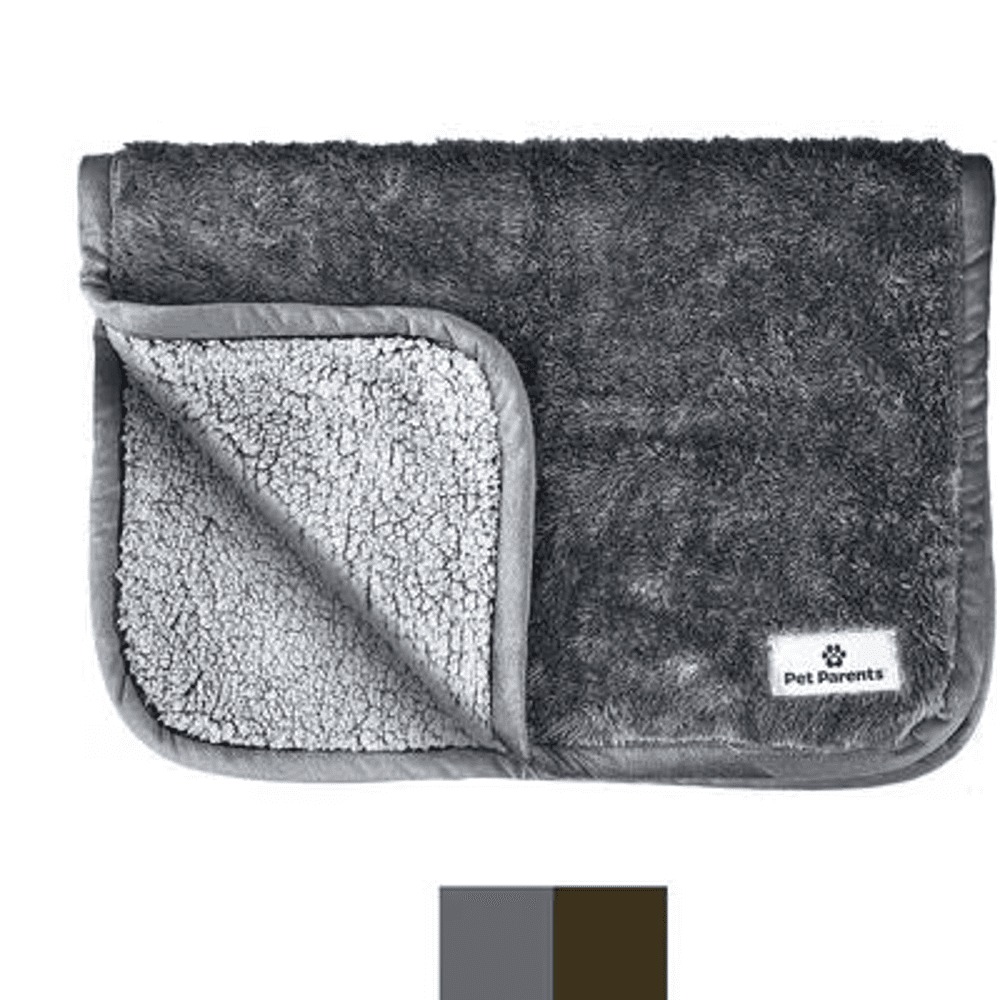
A plush, waterproof sherpa blanket that gives a cold or shivering dog a warm, cozy layer to curl into. The hidden waterproof lining protects the bed, couch, or car seat, and the whole thing is machine washable.
Webvet may earn a commission when you click through to Chewy, at no extra cost to you.
Ringworm on a dog's ears
On the ears, ringworm tends to show up on the outer ear flap and around the ear tips as scaly, crusted, hairless patches. Because dogs scratch their ears for many reasons (allergies, ear infections, mites), ear lesions in particular should not be assumed to be ringworm without a vet check.
Ringworm on a dog's belly and legs

On the belly, groin, and inner legs, where hair is thinner, ringworm can look like reddened circular patches of missing fur that are often easier to see against pale skin. Photos of ringworm on dogs' legs and belly frequently show this clearer, more classic ring appearance simply because the skin is more visible there.
Ringworm on a dog's paws and nails

On the paws, look for crusty, inflamed, scaly skin between or around the toes. When the fungus involves the nail beds (a form called onychomycosis), the nails can become brittle, rough, misshapen, or deformed. Nail and paw involvement can be stubborn and is a strong reason to get veterinary care rather than trying to manage it at home.
Is it ringworm or something else? Hot spot, mange, yeast and allergies

This is the part that trips up almost everyone. Many common dog skin problems look like ringworm, and telling them apart by sight is unreliable even for professionals. Below is a quick differential table to orient you. It is not a diagnosis, and every one of these still needs a vet to confirm.
| Condition | How it can resemble ringworm | Typical clues it might not be ringworm |
|---|---|---|
| Ringworm (dermatophytosis) | Circular scaly hair loss, broken hairs, crusting | Fungal cause; confirmed only by culture/lab testing |
| Hot spot (acute moist dermatitis) | Round patch of hair loss with red, irritated skin | Usually wet, oozing, painful, appears fast, often intensely itchy |
| Mange (mites) | Patchy hair loss, crusting, redness | Often very itchy (sarcoptic) or greasy/patchy (demodectic); diagnosed by skin scrape |
| Yeast (Malassezia) infection | Scaly, red, sometimes greasy skin, hair thinning | Often itchy, musty odor, greasy feel, common in skin folds and ears |
| Allergic dermatitis | Redness, scaling, hair loss from scratching | Usually itchy, often seasonal or food-related, more widespread |
| Bacterial pyoderma | Crusts, redness, circular "target" lesions | Pustules or crusts, may respond to antibiotics, often secondary to another problem |
For the deep dive on the single most common mix-up, read our full comparison of ringworm vs hot spot on dogs. If mange is on your mind, note the key distinction in the table above and then have a vet do a skin scrape, since mange is a separate condition with its own testing and treatment. Our mange in dogs pictures show how sarcoptic and demodectic mange look from the first crusts to advanced skin changes.
The bottom line here is the safety point restated: because these conditions overlap so heavily, and because hot spots, mange, yeast, pyoderma, and allergies can all mimic ringworm, do not self-diagnose from a photo. The visual similarity is precisely why laboratory confirmation exists. To compare ringworm with other common conditions side by side, see our dog skin problems pictures guide.
How a vet confirms ringworm (why you can't diagnose it by looks alone)

You cannot confirm ringworm at home, and neither can a vet by sight alone. Diagnosis relies on laboratory methods, not appearance (Merck Veterinary Manual).
How a vet confirms ringworm in dogs:
- Fungal (dermatophyte) culture: the most accurate single test. A sample of hair and skin scale is cultured to grow and identify the fungus, and it can take days to a couple of weeks to fully develop. No single test is treated as a stand-alone gold standard, so vets typically combine culture with clinical findings and other tests to confirm infection (Merck Veterinary Manual).
- Wood's lamp (UV light): a quick screening tool for Microsporum canis, the most common cause. An evidence-based review cited by the Merck Veterinary Manual found that 91 to 100 percent of untreated, infected animals show glowing (apple-green fluorescing) hairs, but that fluorescence becomes less common as the infection is treated and resolves, and the other ringworm fungi (Trichophyton, Nannizzia) do not fluoresce at all. So a negative Wood's lamp does NOT rule out ringworm (Merck Veterinary Manual).
- Direct microscopy: examining plucked hairs under a microscope for fungal spores and infected hair shafts.
- PCR testing: a DNA-based test that detects dermatophyte fungal DNA on the hair coat. It cannot tell live spores from dead ones, so a positive result is interpreted alongside the exam and other findings rather than on its own (Merck Veterinary Manual).
Say this out loud to yourself if you are tempted to skip the vet: a negative Wood's lamp, or a patch that "doesn't look like a perfect ring," does not mean it isn't ringworm. The reverse is also true: a round patch is not proof that it is. Confirmation matters because the treatment, the household cleanup, and the contagion risk all differ depending on what your dog actually has.
Ringworm is also a well-recognized infection that vets diagnose with culture, Wood's lamp, and microscopy rather than by looks, and it is transmissible between animals and people (the fungus spreads easily in the environment, and people can easily be infected with it) (Merck Veterinary Manual). For how ringworm spreads specifically from dogs to humans and what to do if you have touched an infected dog, see is dog ringworm contagious to humans.
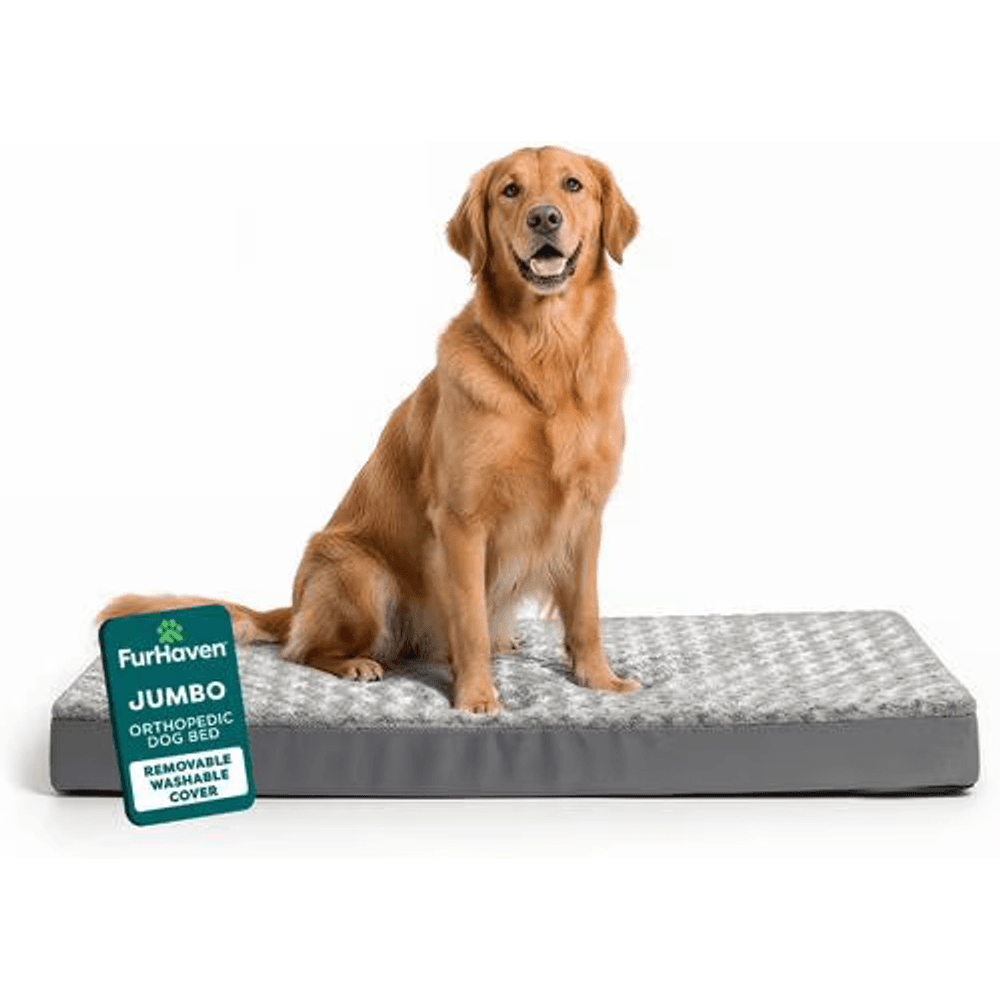
A plush orthopedic foam mattress that cushions aging joints and pressure points, giving a stiff or trembling senior dog warm, supportive rest.
Webvet may earn a commission when you click through to Chewy, at no extra cost to you.
What to do if you think your dog has ringworm
If a patch on your dog matches what ringworm in dogs looks like, here is a calm, safe action plan. The theme throughout: confirm first, treat second.
- Do not panic, and do not start random treatments. Guessing wrong can delay real treatment and let the infection spread.
- Handle your dog carefully. Because ringworm is zoonotic, wear gloves when touching the suspected area, wash your hands thoroughly afterward, and keep the dog away from young children, elderly, and immunocompromised household members until a vet advises otherwise.
- Limit contact with other pets to reduce the chance of spread while you get a diagnosis. Ringworm passes readily between animals and to humans, and most cases are spread by contact with infected animals or contaminated objects such as furniture or grooming tools (Merck Veterinary Manual).
- Book a vet visit. Ask specifically about a fungal culture, since it is the definitive test.
- Take a photo of the patch to show the vet, and note when you first saw it and whether it has changed.
- Ask the vet about home cleanup. Ringworm spores can persist in the environment, so disinfecting bedding, floors, and grooming tools matters. We cover the how-to in how to clean house after dog ringworm.
See a vet promptly (do not wait) if: the lesions are spreading, your dog is itchy or painful, the nails or paws are involved, you have multiple pets, there are children or immunocompromised people at home, or your dog is a puppy or senior. Puppies in particular are more susceptible and the appearance can differ slightly, which we cover in ringworm in puppies.
For the full picture of causes, transmission, and management, our pillar guide on ringworm in dogs ties everything together. And for treatment specifics (antifungal shampoos, dips, oral medication, and what actually kills the fungus), head to ringworm in dogs treatment.
The one takeaway to keep
- 1A patch that looks like ringworm might not be ringworm, and ringworm doesn't always look like a ring.
- 2Only a vet can confirm it with a culture, and confirmation protects both your dog and everyone (human and animal) in your home.
- 3Use the photos to know when to act; use your vet to know what you are actually dealing with.
Frequently Asked Questions
How do I tell if my dog has ringworm?
You can't tell for certain at home, but the classic clues are a roughly circular or irregular patch of hair loss with scaly, crusty, reddened skin and brittle, broken hairs, most often on the face, ears, paws, or belly. Because hot spots, mange, yeast, and allergies look nearly identical, the only reliable way to know is a veterinary fungal culture. Take a photo and see your vet to confirm before treating.
What can I give my dog to get rid of ringworm?
Do not start any treatment before a vet confirms the diagnosis, because the wrong treatment for the wrong condition wastes time and lets the infection spread. Vet-directed treatment usually combines antifungal shampoos or dips with oral antifungal medication, plus household cleanup. For the full breakdown of what works and how long it takes, see our guide on ringworm in dogs treatment.
What happens if I touch a dog with ringworm?
Ringworm is zoonotic, so touching an infected dog can spread the fungus to you, especially to children, the elderly, and anyone immunocompromised. Wash your hands thoroughly with soap and water, avoid touching your face, and watch your own skin for round, itchy, scaly patches. For details on the human risk and prevention, read is dog ringworm contagious to humans.
Will my dog's ringworm go away?
Some cases in otherwise healthy adult dogs may eventually resolve on their own, but that can take a long time and keeps a contagious infection active in your home, so it is not a safe plan. With veterinary treatment, lesions typically improve and hair regrows from the center outward. See a vet to confirm the diagnosis and get a treatment plan rather than waiting it out.
What kills ringworm fast on dogs?
There is no reliable instant cure, and the fungus lives in the hair and skin, so it takes consistent treatment over weeks. Vets generally combine topical antifungals (shampoos or dips) with oral antifungal medication for the fastest, most complete clearance. Because the specifics depend on the case, get a diagnosis first and see ringworm in dogs treatment for the details.
Does ringworm live on bed sheets?
Yes. Ringworm spores can shed from an infected dog and survive on bedding, sheets, blankets, and other surfaces in the environment, which is how reinfection and spread to people happen. That is why cleaning and disinfecting fabrics and hard surfaces is a key part of getting rid of it. See how to clean house after dog ringworm for a step-by-step cleanup plan.
Can I treat my dog for ringworm without going to the vet?
It is not recommended, because ringworm looks like several other skin conditions and only a vet can confirm it with a fungal culture. Treating blindly can miss the real problem, delay proper care, and let a contagious infection spread to other pets and people. Get a veterinary diagnosis first, then follow the vet's treatment plan.
Will rubbing alcohol dry out ringworm?
Do not use rubbing alcohol on your dog's ringworm. It does not reliably kill the fungus in the hair and skin, and it can irritate, sting, and damage already inflamed skin, potentially making things worse. Ringworm needs proper antifungal treatment prescribed by a vet, so see your veterinarian and check our ringworm in dogs treatment guide.
$65 · no membershipHave a health question about your dog?
A licensed vet can assess your dog over video and prescribe online when it's appropriate.
Talk to a vet- Licensed vets
- All 50 states
- same-day Rx
Webvet may earn a commission if you book.

Editor
The Webvet Editorial Team is the in-house group of pet-care editors and writers behind Webvet, operated by Smart Pet Collective. The team researches, writes, and maintains Webvet's pet health, behavior, and medication content. Every article follows a defined editorial process: research from reputable veterinary and scientific sources, careful drafting, mandatory review of medical content by a credentialed veterinarian, and dated publication. Health and medication articles are medically reviewed by a licensed veterinary professional before they go live and are kept current over time.
Veterinarian · BVMS MRCVS
Dr. Pippa Elliott, BVMS, MRCVS, is a veterinarian with nearly 30 years of experience in companion animal practice. Dr. Elliott earned her Bachelor of Veterinary Medicine and Surgery from the University of Glasgow. She was also designated a Member of the Royal College of Veterinary Surgeons. Married with 2 grown-up kids, Dr. Elliott has a naughty Puggle named Poggle, 3 cats and a bearded dragon.
Related reading

Best Cat Litter Mats for Tracking, Cleaning, and Sensitive Paws

Best Cat Harnesses: Fit, Adjustability, and Escape Resistance

Best Cat Carriers for Vet Visits, Travel, and Difficult Loaders
