How Much Do Dogs Sleep? Hours by Age, Breed & Health
Vets explain how much dogs sleep by age and breed, what is normal, when too much sleep signals a problem, and how to help your dog rest better.

BVMS MRCVS
Medically reviewed by Dr. Pippa Elliott, BVMS MRCVS · Last reviewed

This article contains affiliate links. Webvet may earn a commission when you buy through them, at no extra cost to you.
How much do dogs sleep? Most healthy adult dogs sleep 12 to 14 hours a day, puppies need 16 to 20 hours, and seniors often drift back up to 14 to 18 hours. That total can sound alarming next to a human 7 to 9 hour night, but dogs are built differently. They nap in short bursts around the clock instead of banking one long block. This guide breaks down normal sleep by age, size, and breed, then shows you exactly when too much (or too little) sleep is a red flag worth a vet visit.
- 1Adult dogs sleep about 12 to 14 hours a day; puppies 16 to 20 hours; seniors 14 to 18 hours.
- 2Dogs are polyphasic sleepers: they rest in many short naps rather than one long stretch.
- 3A sudden change in sleep (much more or much less) matters more than the raw hour count.
- 4Excess sleep plus lethargy, appetite loss, or confusion warrants a veterinary exam.
- 5Exercise, a consistent routine, and a quiet dark sleep space are the fastest ways to improve dog sleep.
How Much Do Dogs Sleep? (Quick Answer)
The short answer: a healthy adult dog sleeps roughly 12 to 14 hours out of every 24. That figure comes from decades of veterinary and behavioral observation and is the number most vets quote. It counts every nap, not just overnight sleep.
Worth knowing: study-based estimates vary. Sleep researchers using activity monitors (actigraphy) have measured some adult dogs sleeping closer to 8 to 13.5 hours, lower than the classic 12 to 14 figure. The takeaway is not a single magic number. It is a defensible range, and your dog's personal baseline matters more than any average.
Sleep needs shift across a dog's whole life. Age, size, breed, activity level, and health all move the number. The chart below is your reference point.
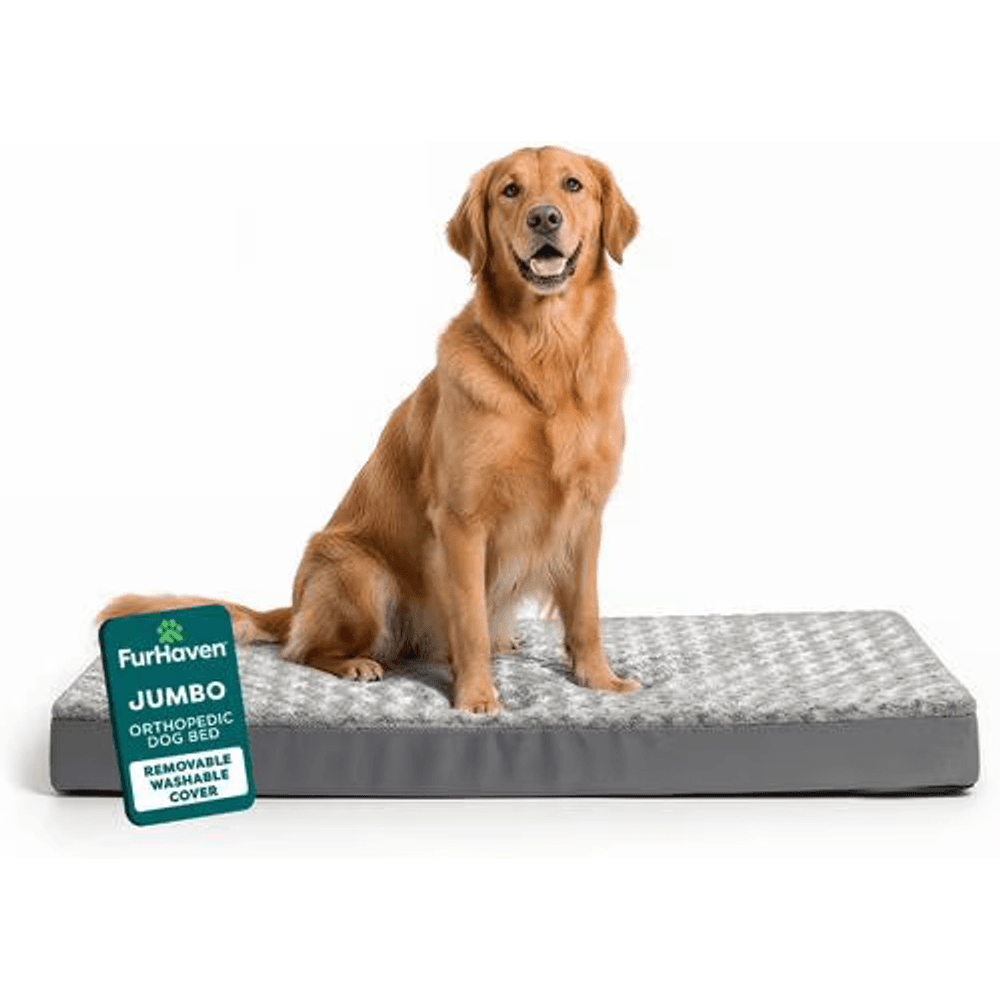
A plush orthopedic foam mattress that cushions aging joints and pressure points, giving a stiff or trembling senior dog warm, supportive rest.
Webvet may earn a commission when you click through to Chewy, at no extra cost to you.
Dog Sleep Needs by Age (Chart)
Use this table as a quick baseline. These are typical daily totals across a full 24 hours, including daytime naps.
| Life Stage | Age | Typical Sleep per Day | What Is Going On |
|---|---|---|---|
| Puppy | 0-6 months | 16-20 hours | Rapid brain and body growth; short bursts of play then hard crashes |
| Adolescent | 6-18 months | 13-16 hours | High energy, still needs long rest to consolidate learning |
| Adult | 1-7 years | 12-14 hours | Stable baseline; varies with breed and exercise |
| Senior | 7+ years | 14-18 hours | Slower metabolism, arthritis, or cognitive change increase rest |

How Much Do Puppies Sleep? (0-6 Months)
Puppies sleep a lot: 16 to 20 hours a day is completely normal. All that rest fuels explosive physical growth and helps a young brain lock in everything it is learning. Expect a classic puppy pattern: a burst of frantic play, then an almost instant crash into deep sleep, often mid-activity.
Do not wake a sleeping puppy to play. Interrupted rest makes puppies cranky and can slow house-training. Give them a quiet, safe spot (a crate works well) and let them sleep on demand.
How Much Do Adult Dogs Sleep? (1-7 Years)
Adult dogs settle into the 12 to 14 hour baseline. Working and highly active dogs may sleep a little less because they are mentally and physically engaged during the day. Dogs left alone with little stimulation often sleep more simply out of boredom, which is normal as long as they are bright and eager when something interesting happens.
This is the age to learn your dog's normal. A five-year-old who reliably sleeps 13 hours gives you a baseline you can compare against later, which is how you catch problems early. Sleep tends to track daytime activity, so if you want to compare it against energy patterns, see our guide to dog energy levels by age.

How Much Do Senior Dogs Sleep? (7+ Years)
Senior dogs often climb back to 14 to 18 hours, and some sleep even more. A slower metabolism, less stamina, and the aches of arthritis all push an older dog toward more rest. That is largely normal aging.
Watch for a specific pattern, though: sleeping much more during the day but pacing, whining, or getting restless at night. In older dogs that flipped schedule can signal canine cognitive dysfunction (a dementia-like condition) and is worth raising with your vet. For a broader look at aging, see our senior dog health guide.
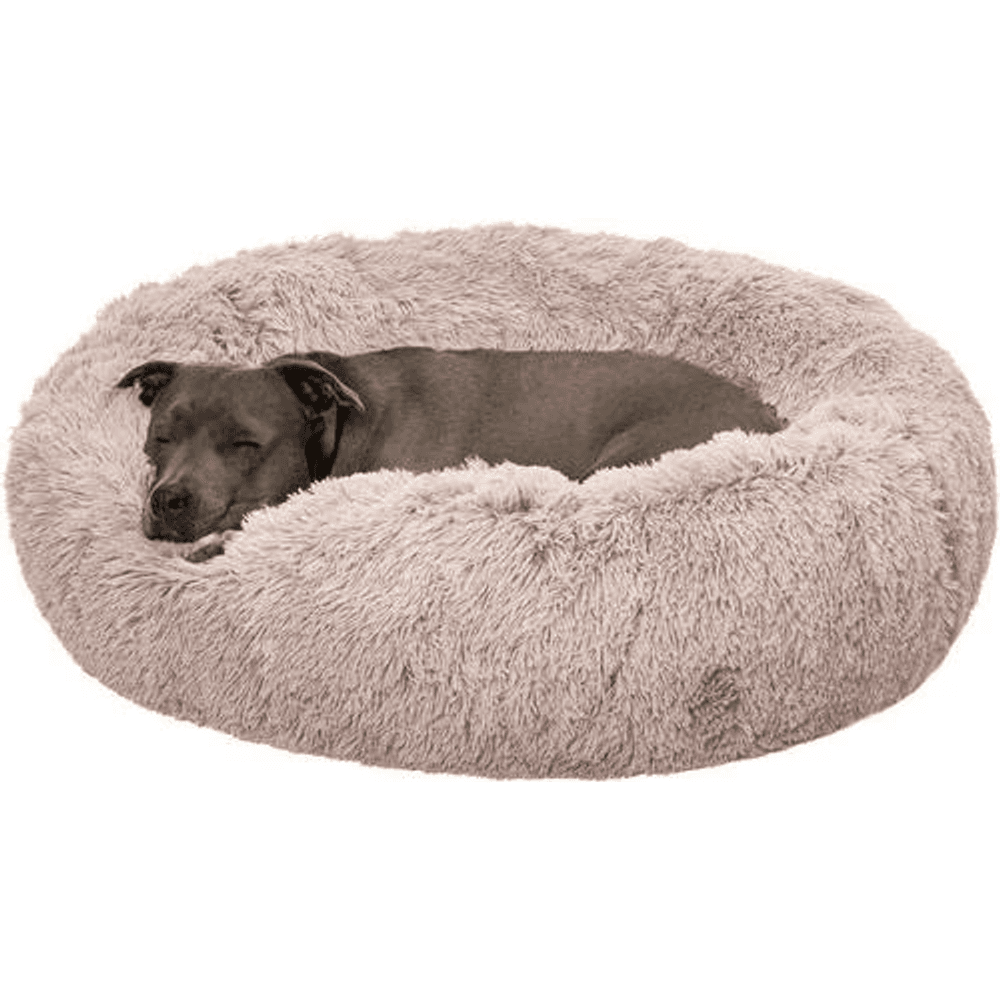
A plush, long-fur donut bolster bed with a raised rim that gives a recovering pet a secure, cushioned place to curl up during the crucial 10 to 14 days after surgery.
Webvet may earn a commission when you click through to Chewy, at no extra cost to you.
Does Breed and Size Change How Much a Dog Sleeps?
Yes. Size and breed both shift the number, though individual personality still rules.
- Large and giant breeds sleep more. Great Danes, Mastiffs, Saint Bernards, and Newfoundlands are famous couch occupants and can sleep 16 to 18 hours a day.
- Working and herding breeds sleep less. Border Collies, Australian Shepherds, and Jack Russell Terriers are wired to stay busy and often log fewer sleep hours when engaged.
- Flat-faced breeds may sleep hard but poorly. Bulldogs and Pugs sleep a lot, but their airway shape can fragment sleep and cause loud snoring.
Snoring is common in flat-faced dogs, but loud or new snoring in any dog can point to an airway issue. Our guide to dog snoring covers when it is harmless and when it is not.
How Much Do Dogs Sleep at Night vs. During the Day?
Most dogs get the bulk of their sleep overnight, commonly 8 to 10 hours, and top up the rest with daytime naps. Unlike people, dogs do not need one unbroken block to feel rested. They wake easily, check their surroundings, and settle back down all day long.

Why Dogs Are Polyphasic Sleepers
Dogs are polyphasic sleepers, meaning they sleep in multiple episodes across the day rather than one long human-style night. It is an inherited survival trait: a wild canine that could rest lightly and wake fast was safer. That is why your dog can nap 20 times a day and still spring to the door at the first jingle of a leash.
Dog Sleep Cycles and REM Explained
A dog's sleep cycle is shorter than a human's, roughly 45 minutes, and cycles through light sleep, deep sleep, and REM (rapid eye movement). REM is when dreaming happens. If you have seen your dog twitch, paddle its legs, or make soft muffled barks while asleep, that is REM, and it is a sign of healthy sleep.
Because dogs spend a smaller share of sleep in REM than we do, some researchers think they need more total sleep to get enough restorative rest. It is another reason those big daily totals are normal.
 $65 · no membership
Have a health question about your dog?
A licensed vet can assess your dog over video and prescribe online when it's appropriate.
 Talk to a vet
- Licensed vets
- All 50 states
- same-day Rx
Webvet may earn a commission if you book.
Why Do Dogs Sleep So Much?
For most dogs, sleeping a lot is simply normal biology, not a problem. Common, healthy reasons include:
- Age. Puppies and seniors both need far more sleep than adults in their prime.
- Boredom. A dog with nothing to do will nap the day away. More enrichment usually means less idle sleeping.
- Recovery. A big hike, a training day, or a new environment all earn extra sleep afterward.
- Weather. Dogs often sleep more on cold or very hot days.
The key is context. Sleeping a lot and waking bright, hungry, and happy to engage is normal. Sleeping a lot alongside other changes is the version worth investigating, which is the next section.

Probiotic supplement formulated to help dogs maintain calm behavior, with the BL999 strain. Liver-flavored powder in 30 daily sachets.
Webvet may earn a commission when you click through to Chewy, at no extra cost to you.
Is My Dog Sleeping Too Much? Warning Signs to Watch
The number that matters is not the hour count, it is the change from your dog's normal. A dog that always slept 13 hours and is suddenly hard to rouse for 20 hours deserves attention. So does true lethargy, which is different from sleeping: a lethargic dog is sluggish and disengaged even while awake.
Health Problems That Cause Excess Sleep or Lethargy
Several treatable conditions show up as more sleep or new lethargy:
- Hypothyroidism (an underactive thyroid): sluggishness, weight gain, and coat changes.
- Arthritis and pain: a sore dog moves less and rests more, especially older dogs.
- Diabetes: often paired with increased thirst, more urination, and appetite changes.
- Anemia or infection: low energy, pale gums, or fever can all drive extra sleep.
- Depression or anxiety: grief, boredom, or a major routine change can flatten a dog's activity.
Note that some sleepiness overlaps with other symptoms. Heavy panting during rest, for example, is not always heat or exertion. If your dog pants a lot when trying to settle, our guide to dog panting at night explains the causes worth ruling out.

When to Call Your Veterinarian
Is My Dog Not Sleeping Enough? Signs of Poor Sleep
Too little sleep is a real problem too. A dog that cannot settle, wakes constantly, or paces at night may be under-rested, and chronic sleep loss shows up as irritability, poor focus, and a weaker immune response. Watch for these signs of poor sleep:
- Restlessness, pacing, or repeatedly circling before lying down and getting up again.
- New irritability or a shorter fuse than usual.
- Waking frequently overnight, whining, or wanting to go out repeatedly.
Common culprits are pain, itchy skin, a full bladder, anxiety, or an uncomfortable or noisy sleep spot. Environmental discomfort matters more than owners expect. A dog that overheats at night will sleep badly, which is one reason it helps to know the signs of heat stress in dogs and to keep the sleeping area cool.
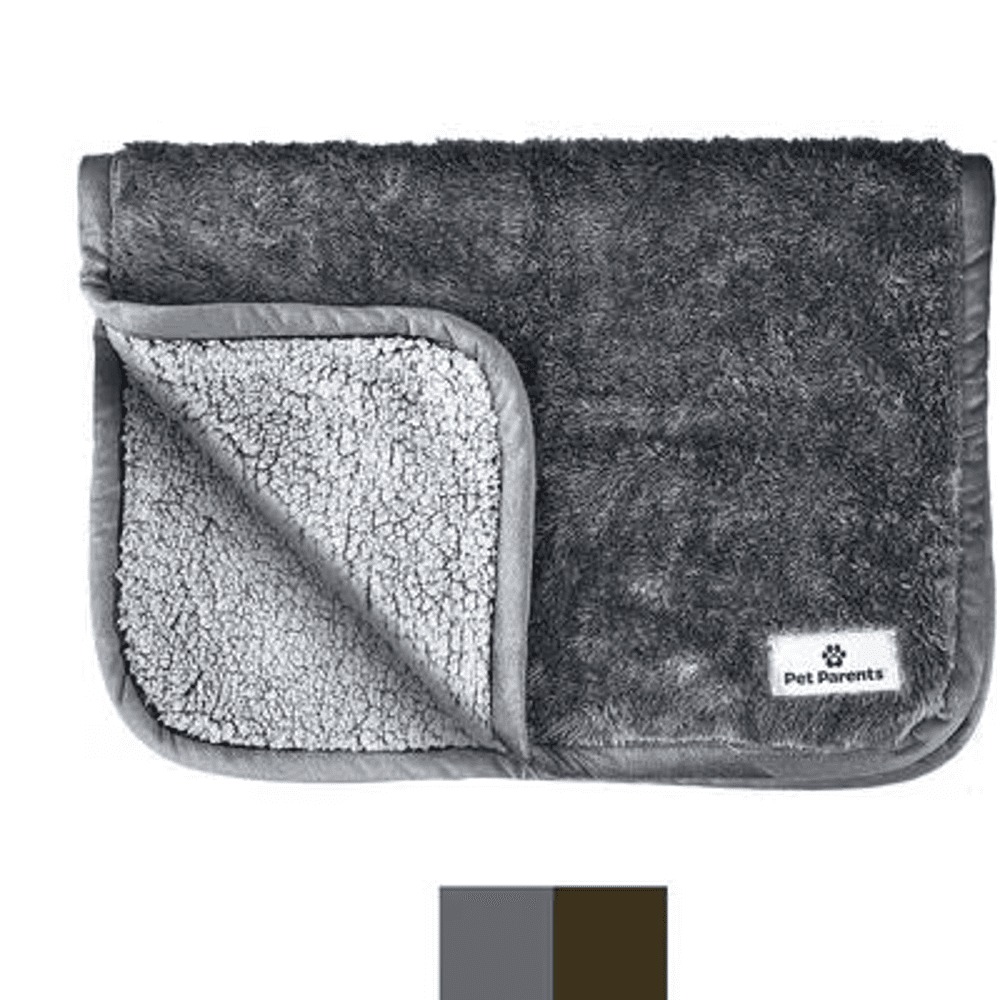
A plush, waterproof sherpa blanket that gives a cold or shivering dog a warm, cozy layer to curl into. The hidden waterproof lining protects the bed, couch, or car seat, and the whole thing is machine washable.
Webvet may earn a commission when you click through to Chewy, at no extra cost to you.
Can Dogs Have Sleep Disorders?
Yes, though true sleep disorders are uncommon. The main ones your vet may discuss:
- Narcolepsy: sudden collapse into sleep during activity, sometimes triggered by excitement or food. It is rare and often shows up in young dogs.
- Sleep apnea: interrupted breathing during sleep, most common in flat-faced breeds and overweight dogs. Loud snoring and gasping are clues.
- REM behavior disorder: acting out dreams with violent movement rather than the normal gentle twitching. It differs from a passing dream and can risk injury.
If you suspect any of these, record a short video of an episode. It gives your vet far more to work with than a description alone.
How to Help Your Dog Sleep Better: 8 Vet-Backed Tips
- Exercise daily. A physically and mentally tired dog sleeps deeper. Match the activity to the breed and age.
- Keep a consistent routine. Regular meal, walk, and bedtimes help a dog's internal clock settle.
- Give a proper bed. A supportive bed, orthopedic for seniors or large breeds, protects joints and improves rest.
- Make the space quiet and dark. Dim light and low noise signal that it is time to wind down.
- Control the temperature. A cool, well-ventilated spot prevents the overheating that breaks up sleep.
- Wind down before bed. Avoid rowdy play right at bedtime; a calm last potty trip works better.
- Add mental enrichment. Puzzle feeders and training tire the brain, which reduces restless boredom-napping.
- Treat the underlying issue. If pain, itch, or anxiety is wrecking sleep, work with your vet to address the root cause.
Frequently Asked Questions About Dog Sleep
Frequently Asked Questions
What is the 7 7 7 rule for dogs?
The 7-7-7 rule is a socialization guideline for puppies, not a sleep rule. It suggests that by 7 weeks of age a puppy should have experienced 7 different surfaces, 7 different objects, 7 different locations, 7 new people, 7 challenges, eaten from 7 types of containers, and been in 7 different situations. It is a memory aid for well-rounded early exposure. It is worth knowing because good socialization builds a calmer, more secure dog, and secure dogs tend to settle and sleep more easily.
Is it true happy dogs sleep a lot?
Largely, yes. A dog that feels safe, well-exercised, and content will sleep readily and deeply, so plentiful, relaxed sleep is generally a good sign. The important qualifier is behavior while awake: a happy, healthy dog is bright, engaged, and eager when something interesting happens. If a dog is sleeping a lot but also withdrawn, off its food, or hard to rouse, that is not contentment and deserves a vet check.
What is "I love you" in dog language?
Dogs express affection through body language rather than words. Soft eye contact with a slow blink, leaning against you, relaxed ears and a loose wagging tail, bringing you a toy, and choosing to sleep near or on you all signal trust and attachment. That last one ties back to sleep: a dog that sleeps pressed against you is showing it feels safest at your side. You can return the sentiment with calm petting, a gentle voice, and reliable routine.
Is it normal for my dog to sleep all day?
Often, yes. Adult dogs sleep 12 to 14 hours a day and puppies and seniors more, so a lot of daytime napping is usually normal, especially for a bored or under-stimulated dog home alone. What matters is the contrast: a dog that sleeps all day but is bright, hungry, and playful when engaged is fine. A dog that has suddenly started sleeping far more than its own normal, or seems lethargic even when awake, should be seen by a vet.
What smell do dogs hate?
Dogs generally dislike strong citrus (lemon, orange, grapefruit), vinegar, chili or hot peppers, and many concentrated essential oils such as citronella, eucalyptus, and tea tree. Their sense of smell is far more sensitive than ours, so these scents can be genuinely overwhelming. This matters for sleep and rest: keep strong-smelling cleaners, air fresheners, and essential oil diffusers away from your dog's bed so the sleeping area stays comfortable. Note that some essential oils are toxic to dogs, so never apply them to a dog directly.
What breed of dog sleeps the most?
Large and giant breeds are the champion sleepers. Great Danes, Mastiffs, Saint Bernards, Newfoundlands, and Greyhounds (nicknamed the 45-mile-per-hour couch potato) commonly sleep 16 to 18 hours a day. Very small toy breeds and flat-faced breeds like Bulldogs and Pugs also sleep heavily. At the other end, high-drive working breeds such as Border Collies and Australian Shepherds sleep the least when they have a job to do.
How much do dogs sleep compared to cats?
Cats out-sleep dogs. The average adult dog sleeps 12 to 14 hours a day, while the average cat sleeps 15 to 16 hours and some seniors reach 20. Both species are polyphasic nappers rather than single-block sleepers. If you share your home with both, our companion guide on how much cats sleep breaks down the feline numbers by age.
Bottom line: how much do dogs sleep is best answered by your own dog's baseline. Learn what normal looks like for your dog's age and breed, and treat a clear, lasting shift, in either direction, as the signal to check in with your veterinarian.
$65 · no membershipHave a health question about your dog?
A licensed vet can assess your dog over video and prescribe online when it's appropriate.
Talk to a vet- Licensed vets
- All 50 states
- same-day Rx
Webvet may earn a commission if you book.

Editor
The Webvet Editorial Team is the in-house group of pet-care editors and writers behind Webvet, operated by Smart Pet Collective. The team researches, writes, and maintains Webvet's pet health, behavior, and medication content. Every article follows a defined editorial process: research from reputable veterinary and scientific sources, careful drafting, mandatory review of medical content by a credentialed veterinarian, and dated publication. Health and medication articles are medically reviewed by a licensed veterinary professional before they go live and are kept current over time.
Veterinarian · BVMS MRCVS
Dr. Pippa Elliott, BVMS, MRCVS, is a veterinarian with nearly 30 years of experience in companion animal practice. Dr. Elliott earned her Bachelor of Veterinary Medicine and Surgery from the University of Glasgow. She was also designated a Member of the Royal College of Veterinary Surgeons. Married with 2 grown-up kids, Dr. Elliott has a naughty Puggle named Poggle, 3 cats and a bearded dragon.


