Dog Heatstroke: Warning Signs and What to Do Right Away
Dog heatstroke is a life-threatening emergency that can damage organs in minutes. Learn the warning signs, the right way to cool your dog, what not to do, the recovery timeline, and when an emergency vet visit can save your dog's life.

BVMS MRCVS
Medically reviewed by Dr. Pippa Elliott, BVMS MRCVS · Last reviewed

This article contains affiliate links. Webvet may earn a commission when you buy through them, at no extra cost to you.
Dog heatstroke is a life-threatening emergency in which a dog's body temperature climbs dangerously high, faster than the body can cool itself, and it can damage the brain, kidneys, and other organs within minutes.
If you suspect heatstroke, start cooling your dog with cool (not ice-cold) water right now, then get to a vet immediately. Cooling your dog before transport can dramatically improve survival, so act first and call your veterinarian on the way.
Below is a vet-reviewed guide to the warning signs, the exact first-aid steps, what not to do, and how recovery works.
- 1Heatstroke is an emergency. A body temperature of 104°F or higher with signs like frantic panting, bright red gums, drooling, vomiting, wobbliness, or collapse means act now.
- 2Cool first, then transport. Move your dog to shade or AC and pour cool (not ice-cold) water over the belly, armpits, groin, and paws while you head to the vet.
- 3Cooling before the vet saves lives. Starting first aid at home has been linked to a large jump in survival, so do not skip it to get there faster.
- 4Stop cooling at about 103°F. Overcooling can swing a dog into dangerous hypothermia, so ease off once the temperature comes down.
- 5Always see a vet, even if your dog rallies. Serious complications can appear hours later, so a checkup is essential after any suspected heatstroke.
What Is Heatstroke in Dogs?
Heatstroke, also written as heat stroke in dogs, is severe hyperthermia: the body overheats until its natural cooling system is overwhelmed and organs begin to suffer.

Dogs do not sweat the way people do. They shed heat mainly by panting, plus a little sweating through the paw pads, which works well until the air is too hot or too humid for that system to keep up.
Because dogs rely so heavily on panting, anything that interferes with airflow or breathing, such as a flat face, a muzzle, or a hot, stuffy car, pushes them toward danger quickly.
Understanding how dogs cool themselves helps explain why heatstroke can come on so fast and why a humid day is so risky.
Heatstroke vs. heat exhaustion vs. heat cramps
Heat-related illness is a progression, not a single event, and catching it early is what keeps it from becoming a crisis. Veterinarians describe three overlapping stages, and a dog can move from the first to the last in minutes on a hot day.
- Heat cramps. The mildest stage. Muscles may twitch or cramp as the dog loses fluids and electrolytes through heavy panting. An early warning to stop, rest, and cool down.
- Heat exhaustion. The middle stage. Heat exhaustion in dogs brings heavy panting, drooling, weakness, and a faster heartbeat. The dog is distressed and struggling to cool down but still conscious and responsive.
- Heatstroke. The most severe stage. The temperature is high enough to harm organs, and you may see vomiting, diarrhea, disorientation, collapse, or seizures. This is a true emergency that needs cooling and a vet without delay.
In practice the line between heat exhaustion and heatstroke can blur, and you do not need to label the stage perfectly. If your dog is overheated and getting worse rather than better, treat it as an emergency and start cooling.
What body temperature counts as heatstroke?
A dog's normal body temperature runs warmer than a person's. Here is a simple way to read the numbers if you can safely take a rectal temperature.
The cold-weather mirror of this emergency is covered in our hypothermia and frostbite in dogs guide, including the body temperature bands and safe rewarming.
| Temperature | What it means |
|---|---|
| 100.5-102.5°F | Normal canine body temperature |
| 103°F and up | Elevated; reason for concern and active cooling |
| 104-105°F and up | Heatstroke range; treat as an emergency |
| Above 109°F | Risk of severe, life-threatening organ damage |
You do not need a thermometer to act. If your dog is showing the warning signs below, begin cooling and head to the vet regardless of the exact reading.
Warning Signs and Symptoms of Heatstroke in Dogs
The signs of heat stroke in dogs build in a recognizable order, from frantic panting early on to collapse and seizures at the most severe stage. Dog heat stroke symptoms can escalate within minutes, so knowing both ends of that range lets you step in before things turn critical.
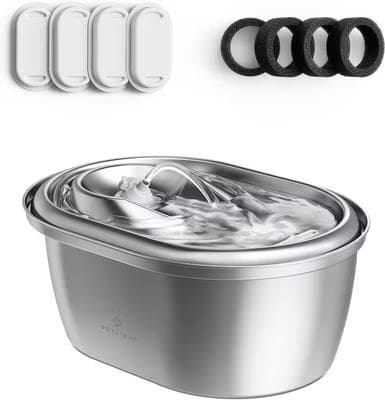
304 food-grade stainless steel pet water fountain, 101 oz. The circulating, filtered water encourages cats to drink more, which supports urinary tract and kidney health.
Webvet may earn a commission when you click through to Chewy, at no extra cost to you.

Early warning signs
The first signals are easy to dismiss as a dog just being hot. Take them seriously, especially on a warm or humid day:
- Heavy, frantic, or relentless panting that does not slow down with rest
- Excessive drooling, sometimes thick or ropey saliva
- Bright red gums and tongue
- Skin that feels hot to the touch
- A rapid heart rate and restlessness or pacing
Advanced and emergency signs
Once heatstroke is advanced, organs are under real stress. These signs mean you should already be cooling your dog and moving toward emergency care:
- Vomiting or diarrhea, which may contain blood
- Gums turning pale, gray, blue, or purple
- Disorientation, stumbling, or trouble standing and walking
- Collapse, muscle tremors, or seizures
- Loss of consciousness or unresponsiveness
How overheated dogs behave
Often the behavior changes before anything else. An overheating dog may seem anxious, pace and struggle to settle, or seek out shade, cool tile, or water.
Some slow down, lag behind, or lie down and refuse to move. A dog who is normally eager to keep going but suddenly stops is telling you something. You may also see fussing at the body, much like the paw and comfort signals dogs use when something feels off. Trust these behavioral cues and respond before the physical signs worsen.
What to Do Right Away: Dog Heatstroke First Aid (Step by Step)
Knowing how to treat heat stroke in dogs at the scene can be the difference between a scare and a tragedy. The goal is to lower the temperature steadily while you get to care.

Work through these steps in order. If someone is with you, have them drive or call the vet while you cool your dog.
- Stop, move to shade or AC, and call your vet. End the activity at once and get your dog out of the heat, ideally indoors with air conditioning or into deep shade. Call your veterinarian or the nearest emergency clinic so they can prepare for your arrival.
- Start cooling with cool, not cold, water. Pour or run cool (not ice-cold) water over your dog, focusing on the belly, armpits, groin, inner thighs, neck, and paws, where blood vessels are close to the surface. A hose, shower, or buckets all work. Keep the water moving and refreshed.
- Add airflow and offer small sips of water. Point a fan at your wet dog or use the car AC, since moving air over damp skin speeds cooling. If your dog is alert and able to drink, offer small amounts of cool water. Do not force water into the mouth.
- Check the temperature if you safely can, and stop cooling at about 103°F. If you have a thermometer and your dog tolerates it, monitor the rectal temperature and stop active cooling once it reaches roughly 103°F to avoid overshooting into hypothermia. If you cannot check, cool for a few minutes and then transport.
- Transport to the vet immediately, even if your dog seems better. Get your dog to the clinic right away. Heatstroke can cause internal damage that is not visible at first and worsens over the following hours, so every suspected case needs to be examined, even a dog that perks up.
What NOT to do
Well-meaning mistakes can make heatstroke worse. Cooling too aggressively or in the wrong way can cause blood vessels to constrict, trap heat in the core, or trigger dangerous overcooling. Avoid these common errors:
- Do not use ice, ice baths, or ice-cold water. Extreme cold makes surface blood vessels constrict and can actually slow the release of core heat, and it risks overcooling.
- Do not fully immerse a weak or unconscious dog in water, which is a drowning and aspiration risk.
- Do not drape wet towels over the top of your dog and leave them there. Trapped against the back, they can hold heat in. Place cool, wet cloths beneath the body or keep rewetting and replacing them instead.
- Do not use rubbing alcohol on the body to try to cool your dog.
- Do not force-feed water or pour it into the mouth of a groggy or collapsed dog, which can lead to choking or aspiration.
- Do not assume your dog has recovered and skip the vet. The most dangerous complications can show up hours later.
Why Cooling Before the Vet Matters
It can feel counterintuitive to spend any time cooling when your instinct is to rush to the clinic, but the evidence is clear.

Veterinary research has linked active cooling before arrival at the hospital with a large jump in survival, from roughly half of severely affected dogs to the large majority.
The reason is simple. Heatstroke damage is driven by how high the temperature climbs and how long it stays there, so the sooner cooling begins, the less harm is done.
The best approach is to cool and transport at the same time: get the water going, then move with the AC running. Do not delay the trip to keep cooling, and do not skip cooling to shave a few minutes off the drive.
What Causes Heatstroke in Dogs?
Most cases of heat stroke in dogs trace back to a handful of avoidable situations. Knowing the common triggers helps you head off trouble before it starts:

360-degree Wi-Fi pet camera so you can watch your cat's resting breathing rate and behavior from your phone and catch worrying changes early.
Webvet may earn a commission when you click through to Chewy, at no extra cost to you.

Hot cars
A parked car is one of the deadliest places for a dog. On a warm day the inside temperature can climb by around 40°F within an hour, with most of that rise in the first 10 to 20 minutes, and cracking the windows barely helps.
Even on a mild, partly cloudy day a car can become an oven. Never leave your dog in a parked vehicle, not even for a quick errand.
Exercise and exertion in heat
Hard play, running, or even a long walk in hot weather can overwhelm a dog's cooling system, especially in dogs who do not know when to quit.
A game of fetch on a hot afternoon can push a dog into trouble fast, because the drive to chase overrides the urge to rest.
Humidity is the hidden danger here. Panting cools a dog through evaporation: moisture leaves the airways and tongue and carries heat away. When the air is already saturated, that evaporation slows down and panting becomes far less effective.
This is why a humid 80°F day can be more dangerous than a dry 90°F day. The thermometer alone does not tell the whole story, so always factor in humidity before exercising your dog.
Environment
Heatstroke does not always involve a car or a workout. A dog left outside without shade or fresh water, tied up in the sun, or kept in a hot, poorly ventilated space such as a sunroom, garage, or greenhouse can overheat from the surroundings alone.
Hot pavement adds radiant heat and can burn the paws at the same time. Even prolonged exposure to a hot hair dryer at the groomer has caused overheating in sensitive dogs.
Which Dogs Are Most at Risk?
Any dog can develop heatstroke in the wrong conditions, but some are far more vulnerable and tip over the edge much sooner. If your dog falls into one of these groups, be extra cautious in warm weather.

Brachycephalic (flat-faced) breeds
Flat-faced breeds such as Pugs, French Bulldogs, English Bulldogs, Boxers, and Boston Terriers are at the highest risk. Their shortened airways make panting much less efficient, so they cannot shed heat the way a longer-nosed dog can.
They can overheat on a day other dogs handle comfortably, so they need special care and firm limits in the heat.
Other high-risk dogs
Several other factors raise the risk of heat stroke in dogs:
- Senior dogs and very young puppies, who regulate temperature less efficiently
- Overweight and obese dogs, since extra body fat acts as insulation
- Thick-coated and double-coated breeds built for cold climates, such as Huskies, Malamutes, and Newfoundlands
- Dogs with heart disease or any condition that affects breathing or circulation
- Dogs with laryngeal paralysis or tracheal collapse, which narrow the airway
Medications and conditions that raise risk
A few medical factors owners rarely think about can also raise the risk. Diuretics such as furosemide increase water loss, which can compound dehydration in the heat, and certain heart medications, including beta-blockers, can blunt the body's normal response to overheating.
Previous heat illness, a fever from an infection, or recent seizures can leave a dog more vulnerable too. If your dog takes daily medication or has a chronic illness, ask your veterinarian whether it changes how careful you should be in hot weather.
How Vets Diagnose and Treat Heatstroke
Home first aid is only the first half of care. Knowing how vets treat heat stroke in dogs shows why the clinic visit is essential even after your dog cools down.
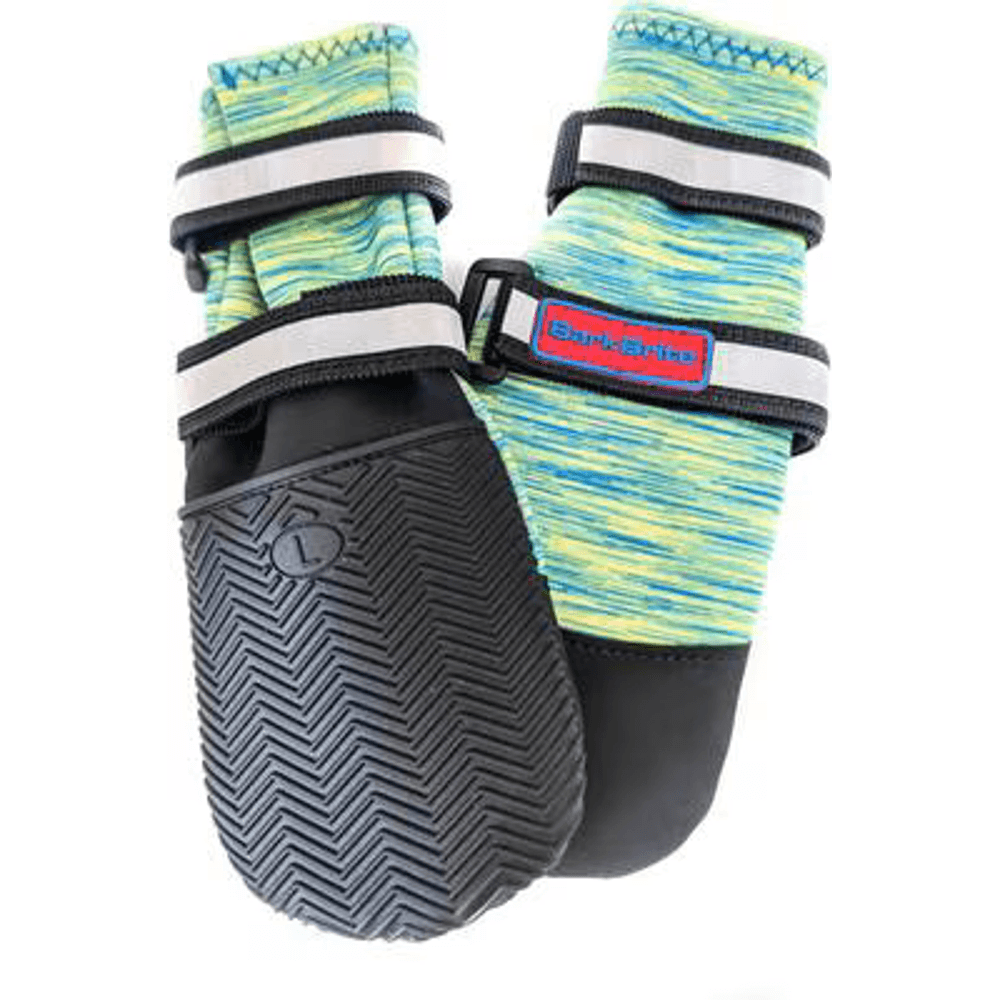
All-weather neoprene dog boots with grippy rubber tread soles that protect paws from cold, ice, and hot pavement and add traction on slick floors. Reflective straps aid visibility, with a secure hook-and-loop fit.
Webvet may earn a commission when you click through to Chewy, at no extra cost to you.
What happens at the emergency vet
At the clinic, the team will check a rectal temperature and continue controlled cooling if needed. From there, treatment is tailored to how sick the dog is and often includes:
- Intravenous (IV) fluids to support blood pressure, circulation, and the kidneys
- Oxygen support for dogs struggling to breathe
- Bloodwork to check organ function, clotting, and electrolytes
- Blood-pressure and ECG monitoring to catch heart-rhythm changes
- Anti-nausea medication, and sedation when needed to ease distress
Many dogs are hospitalized for monitoring because problems can develop after the temperature is back to normal. This observation period is one of the most important parts of treatment.
Possible complications vets watch for
Heatstroke can injure the body well beyond the obvious overheating, and some of the most serious effects show up hours after a dog looks stable. That delayed window is exactly why monitoring matters. Veterinarians watch for:
- Acute kidney injury and other organ damage
- Clotting disorders such as DIC, where the blood's clotting system goes haywire
- Brain swelling, which can cause seizures or lasting neurological effects
- Damage to the gut lining, leading to bloody vomiting or diarrhea
- Shock and a dangerous drop in blood pressure
These complications are the single biggest reason never to treat heatstroke at home and call it done. A dog that seems fully recovered can still be quietly heading toward kidney failure or a clotting crisis, which only monitoring will catch.
Recovery, Prognosis, and Long-Term Effects
Recovery from dog heatstroke depends on how high the temperature climbed, how long it stayed there, and how quickly treatment began. Many dogs do recover, especially with prompt cooling and care, but heatstroke can leave lasting effects, so it deserves respect even after the crisis passes.

How long does it take a dog to recover?
A mild case caught early may resolve within 24 to 48 hours once the dog is cooled, rested, and checked over.
A severe case is different: these dogs are often hospitalized for two to three days of intensive care, and full recovery can take weeks as organs heal. Some recover completely while others have lingering effects, so your veterinarian will base the prognosis on your dog's bloodwork and response to treatment.
Can heatstroke cause permanent damage?
Yes, it can. Severe heatstroke may cause lasting damage to the kidneys, liver, brain, or other organs. It can also harm the body's internal thermostat, the temperature-regulation center in the brain, making it harder for that dog to handle heat in the future.
The risk is highest when the temperature was very high or stayed elevated for a long time before cooling, one more reason fast action matters so much.
Are dogs more prone to heatstroke after one episode?
Often, yes. A dog that has had heatstroke once is generally considered more susceptible to it again, partly because of possible damage to its cooling and temperature-regulation systems.
If your dog has survived an episode, treat them as high-risk from then on and be especially conservative with heat, exercise, and time outdoors.
When can my dog exercise again?
Go slow. After heatstroke your dog needs rest, and you should not jump back into normal walks or play until your veterinarian gives the go-ahead.
Many vets recommend a recheck and repeat bloodwork around one to two weeks later to confirm the kidneys and other organs have fully recovered before resuming exercise.
When you do restart, keep it gentle, stick to the cool parts of the day, and watch closely for any early signs of overheating, since this dog is now more vulnerable.
How to Prevent Heatstroke in Dogs
The best outcome is the heatstroke that never happens. A few consistent habits keep your dog safe through the hottest months.

Daily hot-weather rules
On warm days, shift your routine to protect your dog. Walk in the early morning or late evening when it is cooler, never leave your dog in a parked car, and provide constant shade and fresh, cool water whenever your dog is outside.
Check the pavement first with the seven-second test: press the back of your hand to the ground for seven seconds. If it is too hot for your hand, it is too hot for paws, so take a grassy route or wait.
Cooling tools and heat acclimatization
Simple cooling gear helps on hot days, including cooling mats, cooling vests, a kiddie pool to wade in, and frozen treats or ice in the water bowl.
Just as important, and often overlooked, is heat acclimatization. A dog's body adapts to heat gradually over days to weeks, so a dog that has lounged in air conditioning all summer is not ready for a sudden hot, active outing.
Build up heat exposure slowly, and never ask an out-of-condition dog to exert itself hard on the first hot day. Above all, learn your individual dog's limits and respect them, because a flat-faced, senior, or heavy dog may handle far less heat than an athletic young one.
Hot-weather safety checklist
Keep this quick checklist in mind whenever the temperature rises:
- Never leave your dog in a parked car, even briefly
- Walk early or late, and check pavement temperature first
- Provide constant shade and fresh, cool water outdoors
- Factor in humidity, not just the temperature, before activity
- Limit exercise for flat-faced, senior, overweight, or thick-coated dogs
- Watch for early signs and stop at the first hint of overheating
When to Call the Vet (Bottom Line)
Any suspected dog heatstroke is an emergency, full stop. If your dog is panting frantically, drooling heavily, vomiting, wobbly, or collapsed on a hot day, begin cooling with cool water right away and get to a vet without delay.
Even if your dog bounces back, call your veterinarian and have them examined, because the most serious complications can surface hours later.
When you are unsure whether it is serious enough, treat it as if it is. Acting fast and erring on the side of caution is exactly what saves dogs from heatstroke.
Frequently Asked Questions
What are the three stages of heat exhaustion in dogs?
Heat illness progresses through three overlapping stages: heat cramps (mild muscle cramping from fluid and electrolyte loss), heat exhaustion (heavy panting, drooling, weakness, and a fast heart rate while still conscious), and heatstroke (the severe stage with vomiting, collapse, or seizures and organ damage). A dog can move from the first to the last within minutes.
How do dogs act when they are overheated?
An overheated dog often pants heavily and cannot settle, paces or seems anxious, and seeks out shade, cool surfaces, or water. Some slow down, lag behind, or lie down and refuse to move. You may also see heavy drooling and bright red gums. These behavior changes are an early cue to stop, cool your dog, and watch closely.
How long does it take a dog to recover from heatstroke?
A mild case caught early may resolve within 24 to 48 hours with cooling and rest. A severe case often means two to three days of hospitalized care, and full recovery can take weeks while organs heal. Your veterinarian may recommend a recheck and repeat bloodwork in one to two weeks before your dog returns to normal activity.
Can heatstroke in dogs be treated at home?
No. Home cooling is only emergency first aid, not a cure. Start cooling your dog with cool water and get to a vet right away. Heatstroke can cause internal organ damage and clotting problems that appear hours later, so every suspected case needs veterinary evaluation, even if your dog seems to recover.
What temperature is too hot for a dog?
There is no single cutoff, because humidity and the individual dog matter as much as the air temperature. As a rule, take real care above the mid-80s°F, and be very cautious in the 90s, especially when it is humid. Flat-faced, senior, overweight, or thick-coated dogs can struggle at lower temperatures than other dogs.
Can a dog recover from heatstroke on its own?
You should never count on it. Even if a dog cools down and looks better, heatstroke can trigger delayed organ damage, brain swelling, and clotting disorders over the next several hours. A dog that appears to recover on its own can still become critically ill, so always cool your dog and get veterinary care promptly.
Does heatstroke in dogs cause permanent damage?
It can. Severe heatstroke may cause lasting damage to the kidneys, liver, brain, or other organs, and it can harm the brain's temperature-regulation center, making future overheating more likely. The risk is highest when the temperature was very high or stayed elevated for a long time, which is why fast cooling and treatment are so important.
How quickly can a dog get heatstroke?
Very quickly, sometimes within minutes. In a hot parked car, the temperature can climb roughly 40°F in an hour, with much of that rise in the first 10 to 20 minutes. Hard exercise on a hot or humid day can also push a dog into heatstroke fast. High-risk dogs, such as flat-faced breeds, can overheat even faster.
Should I still take my dog to the vet if they seem fine after cooling down?
Yes, always. A dog that looks fully recovered after cooling can still develop serious complications such as kidney injury or clotting problems in the hours that follow. A veterinary exam, often with bloodwork and monitoring, is the only way to catch these early. Treat any suspected heatstroke as a reason to see the vet.
The Bottom Line
Dog heatstroke moves fast and turns deadly quickly, but your response in the first few minutes carries enormous weight. Recognize the warning signs, start cooling with cool (not ice-cold) water over the belly, armpits, groin, and paws, and get to a veterinarian right away, cooling as you go.
Skip the ice, ease off around 103°F, and always follow up with the vet even if your dog rallies.

Collapsible silicone travel bowl with a carabiner that clips to a leash or bag, so your dog always has fresh water on walks, hikes, and car trips.
Webvet may earn a commission when you click through to Chewy, at no extra cost to you.
Prevent the next scare with shade, water, cooler walk times, and a healthy respect for heat and humidity, especially if your dog is flat-faced, senior, overweight, or has had heatstroke before. When in doubt, treat it as an emergency and call your veterinarian.
Veterinarian · BVMS MRCVS
Dr. Pippa Elliott, BVMS, MRCVS, is a veterinarian with nearly 30 years of experience in companion animal practice. Dr. Elliott earned her Bachelor of Veterinary Medicine and Surgery from the University of Glasgow. She was also designated a Member of the Royal College of Veterinary Surgeons. Married with 2 grown-up kids, Dr. Elliott has a naughty Puggle named Poggle, 3 cats and a bearded dragon.
Related reading

Matted Cat Fur: How to Remove Mats Safely

Pet Safe Roach Killer: What Works Without Poisoning Your Pet

Pet Safe Pest Control: What Is Safe to Use Around Dogs and Cats
