The Hidden Dangers of Bones for Dogs
Why Bones Pose a Serious Threat to Your Dog's Well-being

BVMS MRCVS
Medically reviewed by Dr. Pippa Elliott, BVMS MRCVS · Last reviewed

This article contains affiliate links. Webvet may earn a commission when you buy through them, at no extra cost to you.
As dog owners, we often find joy in treating our furry companions to special treats and chews. Among the popular choices for many pet owners are bones, seemingly harmless and instinctually satisfying for dogs. To give a dog a bone is a fairly normal thing to do, after all.
However, what appears as a simple pleasure may pose a serious threat to our beloved canine friends. This article from Webvet discusses the potential dangers bones can pose to dogs, shedding light on the risks and health hazards associated with this seemingly innocent practice.
What Are Dangers of Bones For Dogs?
Can dogs eat bones? Well, yes. While seemingly harmless, bones possess inherent dangers that pose significant risks to a dog's well-being. Understanding the anatomy of these hazards is crucial for dog owners to grasp the potential dangers associated with bone chewing.
- Splintering Risks. Bones, especially cooked or brittle ones, can splinter into sharp fragments when chewed by dogs. These splinters can cause severe injuries to a dog's mouth, gums, and tongue, leading to lacerations and pain. Additionally, when swallowed, bone splinters scratch and irritate the delicate tissues of the throat and esophagus
- Sharp Edges. When chewing on bones, dogs may break off sharp edges or fragments. These sharp edges can cause cuts or abrasions to the mouth, potentially leading to infections. If swallowed, these jagged pieces damage the gastrointestinal tract, resulting in internal injuries.
- Obstructions in the Digestive System. Bones also pose a threat of blocking your dog’s digestive system, particularly if your pup ingests a large or irregularly-shaped bone.
When owners become aware of these risks, we can make informed decisions to prioritize our dogs' safety and well-being.
Dental Risks and Fractured Teeth
While dogs enjoy the act of chewing bones, the potential dental risks and complications far outweigh the benefits.
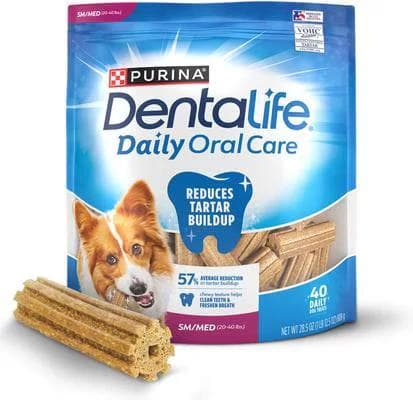
Daily dental chews with a porous, ridged texture designed to help clean teeth and reduce tartar buildup as part of an at-home oral-care routine.
Webvet may earn a commission when you click through to Chewy, at no extra cost to you.
Bone chewing has detrimental effects on a dog's dental health, leading to various dental risks and potentially causing broken or fractured teeth.
- Tooth Fractures and Breakages. Bones might cause tooth fractures and breakages. These fractured teeth not only cause immediate pain but can also lead to long-term complications such as tooth infections and abscesses.
- Bone Lodging. When breaking, there’s a chance bone fragments get lodged between teeth, causing discomfort and irritation to the gums and surrounding tissues.
- Infections and Diseases. They also might cause oral infections and periodontal disease. Periodontal disease is a severe condition that affects the structures supporting the teeth, including the gums and jawbone, potentially leading to tooth loss if left untreated.
Gastrointestinal Complications
When dogs consume bones, there’s also a chance to develop a range of gastrointestinal complications, presenting risks that extend beyond dental hazards.
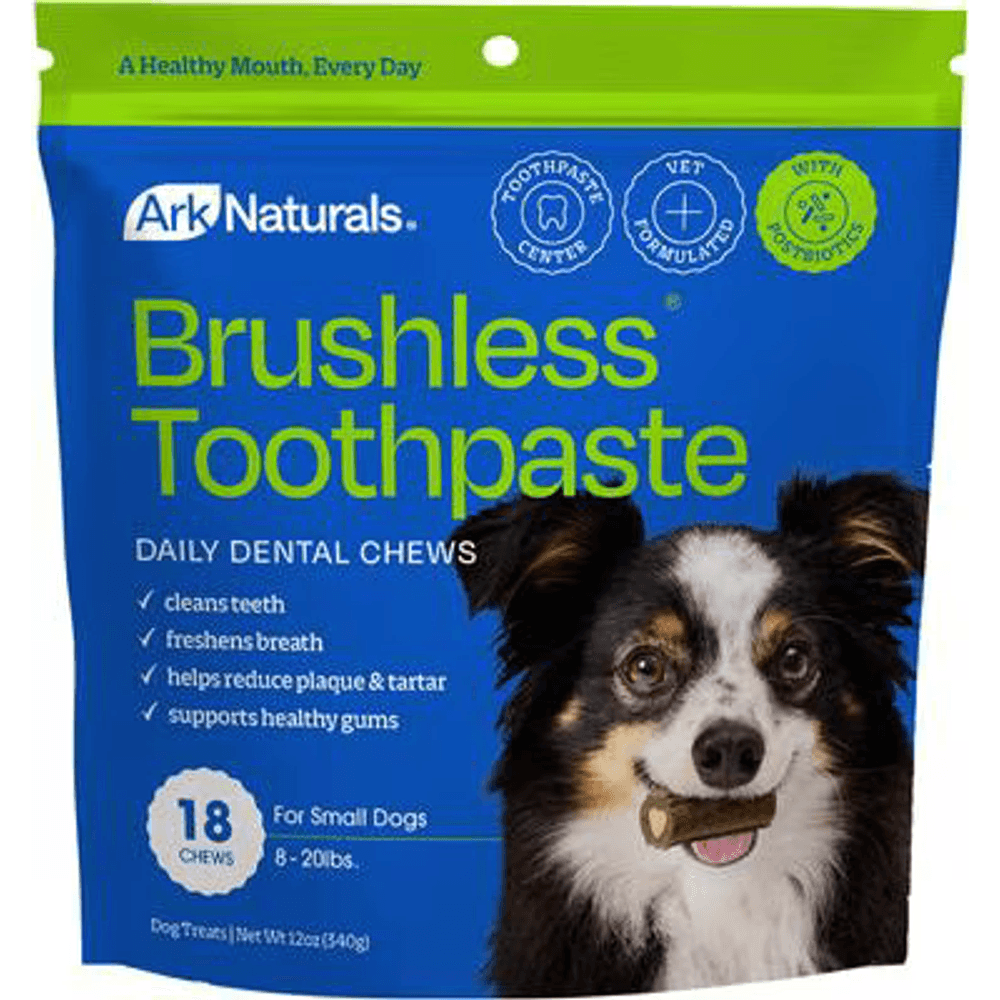
Brushless dental chews for small dogs with a toothpaste center that cleans teeth, reduces plaque and tartar, and freshens breath as they chew. A no-brushing daily option for dogs 8 to 20 pounds.
Webvet may earn a commission when you click through to Chewy, at no extra cost to you.
Let's explore the potential digestive issues associated with bone chewing:
- Blockages and Obstructions. As mentioned earlier, dogs that consume bones, particularly large or indigestible ones, risk developing blockages or obstructions in their gastrointestinal tract. Blockages lead to severe abdominal pain, bloating, and constipation. In some cases, surgical intervention is needed to remove the lodged bone.
- Constipation and Gastrointestinal Discomfort. The ingestion of bones may disrupt the normal functioning of the digestive system, causing constipation and discomfort for dogs. Bone fragments are a challenge for the digestive system to process, leading to slowed or obstructed bowel movements. This constipation results in straining during defecation, abdominal discomfort, and loss of appetite.
- Vomiting and Irritation. Dogs that consume bones can experience vomiting as the body attempts to expel the bone fragments or handle the digestive distress caused by bone ingestion. The sharp edges of bones, especially, irritate the stomach lining, leading to inflammation and an increased risk of gastric ulcers.
- Pancreatitis and Life-Threatening Conditions. The high-fat content in certain bones, particularly marrow-filled bones, can trigger pancreatitis, a condition characterized by inflammation of the pancreas. This is a painful and potentially life-threatening condition that requires immediate veterinary attention. On the same note, bone consumption exacerbates existing conditions such as gastrointestinal diseases or pancreatitis, worsening the dog's health.
There’s also a chance of a bone causing damage to internal organs. The sharp edges of splintered bones can lacerate the delicate tissues of the esophagus, stomach, intestines, and rectum, leading to bleeding and potential infection.
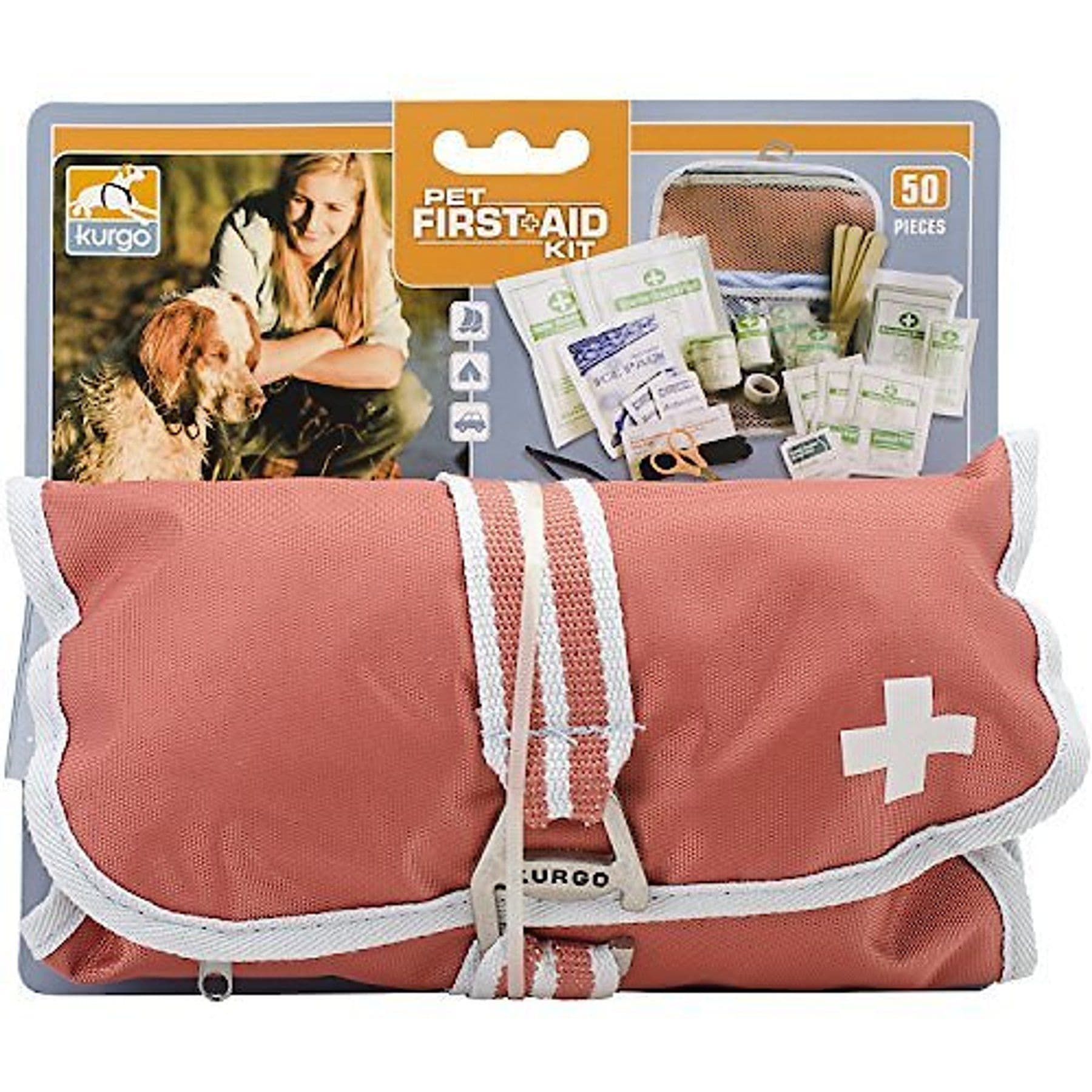
A compact first-aid kit sized for dogs and cats: gauze, wrap, saline, tweezers, and a tick key in one pouch. It handles a thorn scratch or a cut paw on the spot; anything your pet swallowed still needs a vet or a poison line, not a kit.
Webvet may earn a commission when you click through to Chewy, at no extra cost to you.
This damage can result in more serious complications, such as peritonitis (inflammation of the abdominal lining) or sepsis (a severe infection). This usually results in the need for immediate veterinary care.
Signs of Bone-Related Issues and When To Seek Veterinary Care
It is crucial for dog owners to be vigilant and aware of the signs and symptoms of bone-related problems in their canine companions. Prompt recognition and action can help mitigate potential complications.
Here are some key indicators to watch for:
- Excessive drooling and discomfort
- Choking or gagging
- Vomiting and diarrhea
- Abdominal pain and distension
- Lethargy and decreased appetite
Prioritize your dog's well-being and seek veterinary care promptly if you notice these signs or symptoms after bone consumption. A veterinarian can perform a thorough examination, conduct diagnostic tests if necessary, and provide appropriate treatment.
Compare coverage choices for your pet, then request a quote directly on Lemonade.
- Check a price for your pet
- Review available coverage choices
- See the terms before you decide
Eligibility, waiting periods, limits and exclusions apply.
Webvet may earn a commission when you click through to Lemonade, at no extra cost to you.
Remember, timely intervention can prevent complications and help ensure the best possible outcome for your furry friend.
Alternative Option: Chews and Treats
As dog owners, we want our dogs to be happy. Bones may be a good distraction, but as you can see, they are not a safe option. Thankfully, there are healthy alternatives we can rely on, such as:
- Rubber Toys. These toys are designed to withstand strong chewing and can provide mental stimulation as well.
- Dental Chews. Chews are specifically formulated to promote dental health while satisfying your dog's chewing instinct. They often have a textured surface that helps remove plaque and tartar, contributing to better oral hygiene.
- Edible Treats. Edible treats, such as specially formulated dental treats or natural chews made from digestible ingredients like bully sticks or antlers, can be a safer alternative. It’s important to choose treats that are appropriate for your dog's size and chewing habits.
By providing appropriate alternatives, you can fulfill your dog's chewing needs while minimizing the potential dangers associated with bones.
Responsible Dog Ownership: Tips to Safeguard Your Dog’s Health
Although chewing alternatives are a great alternative to bones, it’s also important to be a responsible dog owner, as we must prioritize our canine companions' safety and well-being.
Here are some key practices to follow:
- Supervision During Chewing. Always supervise your dog when they are chewing on any type of chew. This allows you to intervene immediately if any issues arise, such as choking, gagging, or excessive discomfort. Combine this with supervising the chews as well, as they might develop sharp edges that could injure your dog.
- Choose Safe Alternatives. Ensure the chosen options are suitable for your dog's size, age, and chewing habits. Go for products that are made from non-toxic materials and that don’t have a high risk of splintering or causing injury. You can check this site for more guidance.
- Regular Veterinary Check-ups. Schedule routine check-ups with your veterinarian to monitor your dog's overall health and dental condition. Regular dental examinations can help identify any dental issues or signs of bone-related complications early on.
Feature photo by Istock
FAQs
What should I do if my dog has swallowed a bone?
A: If your dog swallows a bone, it’s important to monitor them closely for any signs of distress or discomfort. If you notice something is wrong, contact your veterinarian immediately for guidance. They may recommend further observation, X-rays, or other diagnostic tests to assess the situation. Do not induce vomiting without consulting your vet, as this can potentially cause more harm to tissues and organs.
Are there any bones that are safe for dogs?
While no bone is entirely risk-free, some veterinarians may recommend certain raw, large, and weight-bearing bones for dogs, such as raw beef marrow bones. However, it is essential to consult with your veterinarian before to know what bones are safe for dogs. They can provide guidance based on your dog's specific needs and help you choose the safest options available. You can also visit this article for more guidance on the matter.
Are there any specific dog breeds that are more prone to bone-related complications?
While all dogs are susceptible to the risks associated with bones, certain breeds with aggressive chewing tendencies or smaller mouth sizes may be at a higher risk. It’s important to consider your individual dog's chewing habits and consult with your veterinarian for personalized advice.

Editor
Nico Chereque is an entrepreneur specializing in pet health, behavior, and lifestyle. With a background in research-driven journalism and a passion for helping pet parents make informed decisions, Nico creates educational websites with clarity, credibility, and heart.
Veterinarian · BVMS MRCVS
Dr. Pippa Elliott, BVMS, MRCVS, is a veterinarian with nearly 30 years of experience in companion animal practice. Dr. Elliott earned her Bachelor of Veterinary Medicine and Surgery from the University of Glasgow. She was also designated a Member of the Royal College of Veterinary Surgeons. Married with 2 grown-up kids, Dr. Elliott has a naughty Puggle named Poggle, 3 cats and a bearded dragon.