Hot Pavement and Dog Paws: How Hot Is Too Hot?
Hot pavement and dog paws are a dangerous summer combination, and the ground can burn your dog at air temperatures as low as 77 degrees. Learn the 7-second test, the air-to-pavement temperature chart, the signs of burnt paw pads, simple first aid, and how to protect your dog's paws.

BVMS MRCVS
Medically reviewed by Dr. Pippa Elliott, BVMS MRCVS · Last reviewed

This article contains affiliate links. Webvet may earn a commission when you buy through them, at no extra cost to you.
When it comes to hot pavement and dog paws, the safe rule is simpler than most owners expect: if you would not press your bare hand to the ground for seven seconds, it is too hot for your dog to walk on.
Pavement can scorch a dog's paw pads at air temperatures as low as 77 degrees Fahrenheit (25 degrees Celsius), long before the day feels dangerously hot to you. The ground is almost always hotter than the air, and asphalt soaks up the sun like a frying pan.
This guide gives you the go or no-go answer, the temperatures that matter, how to spot burnt paw pads, and exactly how to protect your dog's paws all summer.
- 1The 7-second test: press the back of your hand flat on the pavement. If you cannot hold it there comfortably for 7 seconds, it is too hot for your dog's paws.
- 2Pavement can burn paws at air temps as low as 77F (25C). At 87F (31C) air, asphalt can reach 143F (62C), hot enough to cause burns in under a minute.
- 3Walk early morning or after dark, stick to grass and shade, and consider paw wax or dog boots for unavoidable hot surfaces.
- 4Blisters, raw or peeling pads, limping, or refusing to walk are warning signs. Cool the paws with cool (not icy) water and call your vet.
- 5Brachycephalic, senior, small, and recently groomed dogs are at higher risk, both for paw burns and for heatstroke.
How Hot Is Too Hot for a Dog's Paws?
The honest answer to how hot is too hot for dogs' paws is that there is no single magic number, because the temperature that matters is the temperature of the ground, not the air on the forecast.
A dog's pads can suffer thermal injury once a surface reaches roughly 120 to 125 degrees Fahrenheit (49 to 52 degrees Celsius). The problem is that pavement reaches those temperatures on days that feel only mildly warm to us.
The simple answer: the 7-second hand test
Before any summer walk, place the back of your hand flat against the pavement and hold it there. If it is too hot to keep your hand comfortably in place for seven full seconds, it is too hot for your dog.
Use the back of your hand rather than your palm, because the skin there is thinner and more sensitive, closer to how delicate your dog's pads really are. Some owners prefer an even stricter five-second version on humid or sunny days, and that is a perfectly reasonable margin of safety.
This single habit answers the question "is it too hot to walk my dog" faster and more reliably than any thermometer, because it measures the exact surface your dog is about to stand on.
Air temperature vs. pavement temperature
Here is the gap that catches owners off guard: dark asphalt can run 40 to 60 degrees Fahrenheit hotter than the surrounding air. So a pleasant 87-degree afternoon can mean a road surface near 143 degrees.
Pavement also absorbs heat all day and releases it slowly, which is why a sidewalk can stay dangerously hot well into the evening even after the sun drops and the air starts to cool.
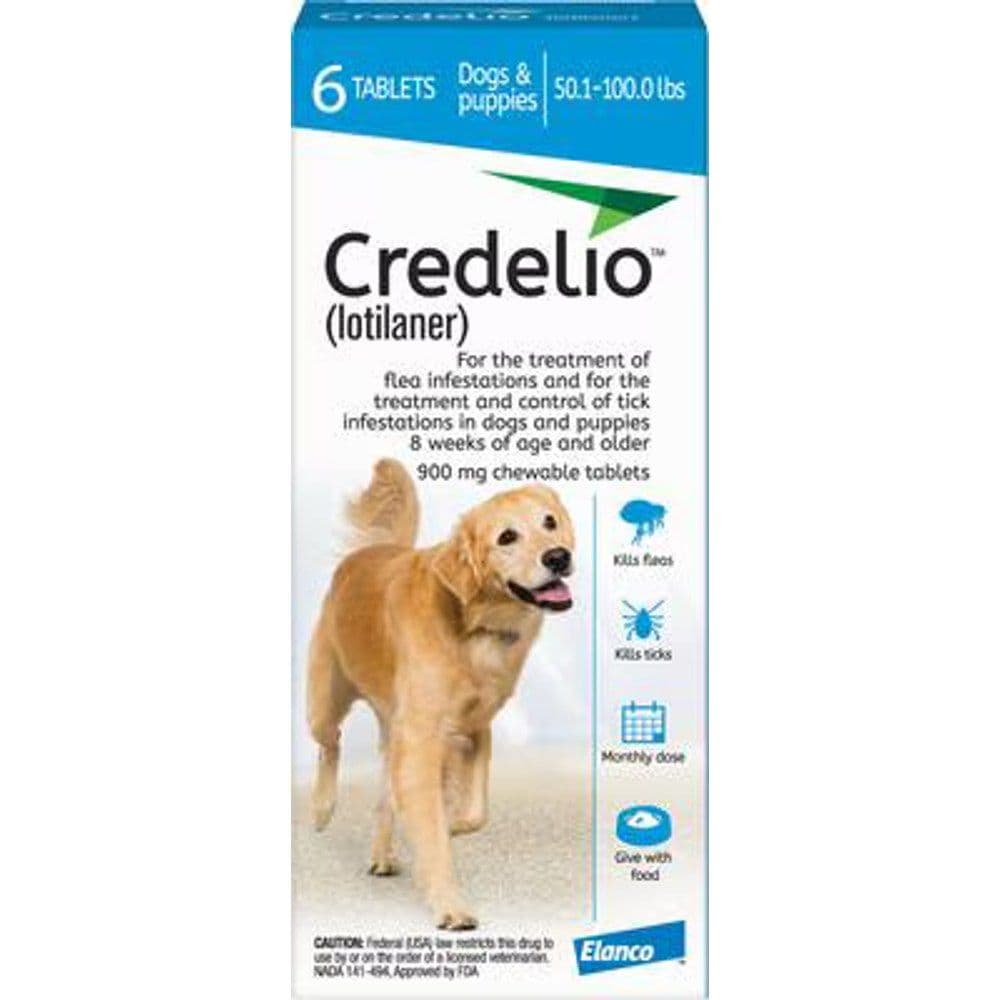
Monthly prescription chew that kills fleas and ticks on dogs, including the black-legged (deer) ticks that can spread Lyme disease.
Webvet may earn a commission when you click through to Chewy, at no extra cost to you.
Air-to-pavement temperature chart
| Air temperature | Approx. asphalt temperature | Risk to dog's paws |
|---|---|---|
| 77F (25C) | Up to 125F (52C) | Burns possible with extended contact |
| 86F (30C) | Up to 135F (57C) | Burns likely; limit time on pavement |
| 87F (31C) | Up to 143F (62C) | Skin can burn in under 60 seconds |
| 90F (32C) | Up to 140-150F (60-65C) | Dangerous; avoid pavement entirely |
These figures are typical estimates for dark asphalt in direct sun and will vary with humidity, cloud cover, surface color, and how long the surface has been baking. Treat them as a warning range, not a guarantee, and always confirm with the hand test.
How fast can pavement burn a dog's paws?
Faster than most people imagine. Skin in direct contact with a 125-degree Fahrenheit surface can sustain a burn in about 60 seconds, and hotter pavement does the damage even quicker.
A short trip across a parking lot to the car, or a few minutes waiting at a crosswalk, can be enough to blister a paw pad. With hot pavement and dog paws, you rarely get a second warning, so the time to make the call is before you step off the grass.
Which Surfaces Get Dangerously Hot? (Asphalt Isn't the Only One)
Asphalt gets the most attention, but it is far from the only surface that can hurt your dog. Knowing which ground heats up fastest helps you plan a safer route for hot-pavement dogs in summer.
Asphalt vs. concrete vs. brick vs. sand vs. artificial turf
Dark asphalt is the worst offender because its black surface absorbs the most solar heat. Light-colored concrete runs cooler but can still reach burning temperatures in full sun. Brick and pavers sit somewhere in between.
Sand at a sunny beach or playground can climb well above 120 degrees Fahrenheit. Artificial turf is a sneaky danger: many owners assume it is as cool as grass, but synthetic grass can heat to 150 degrees or more, far hotter than real, living lawn.
- Coolest: shaded grass, dirt, and packed earth.
- Moderate but still risky in sun: light concrete, brick, pavers.
- Hottest: dark asphalt, sand, artificial turf, and bare metal.
The surfaces owners forget
Some of the most severe paw burns happen on surfaces people never think to check. Metal truck beds and trailer floors can become genuinely scalding, so never let a dog stand or ride on bare metal in the sun.
The same goes for metal manhole covers, storm grates, and sun-heated car interiors and floor mats. At the beach, both the dry sand and dark wooden boardwalks can burn, and splash-pad concrete is often deceptively hot right at the edges where the water does not reach.
Why shade and time of day change everything
A shaded sidewalk can be 20 to 40 degrees cooler than the sunny stretch right next to it. Because pavement stores heat, the danger does not end at sunset. On a hot day, asphalt that baked since noon can still burn paws at 8 or 9 p.m.
Plan walks for the coolest, shadiest part of the day, and recheck the ground with your hand even in the evening rather than assuming the cooler air means a cooler surface.
Why Hot Pavement Is a Serious Dermatology Issue
It is tempting to think of paw pads as natural shoes, but the link between hot pavement and dog paws is a real skin-and-soft-tissue injury. Burned pads are painful wounds that can blister, peel, and become infected, and they sit at the intersection of dermatology and emergency care.
What a dog's paw pad is actually made of
Paw pads are made of thick, fatty, keratinized skin designed to cushion and grip. They are tougher than the skin on the rest of the body, and they can build up a protective callus with regular use on natural ground.
But tougher is not the same as heatproof. The pad is still living tissue with nerves and blood supply, and extreme heat damages it just as it would any skin. No amount of conditioning makes a pad immune to a 140-degree surface.
Paws also help dogs regulate body temperature
Dogs do not sweat through their skin the way people do. They cool themselves mainly by panting, with a small assist from sweat glands in their paw pads.
When those pads are pressed against scorching ground, that minor cooling route is overwhelmed, and the paws actually become a channel for heat to flow into the body rather than out of it.
The link between hot pavement and heatstroke
Hot pavement does not just threaten the paws. Radiant heat rising off the ground sits in the exact zone where a dog lives, only inches above the surface, and it pushes up the body temperature of a dog who is already working hard to stay cool.
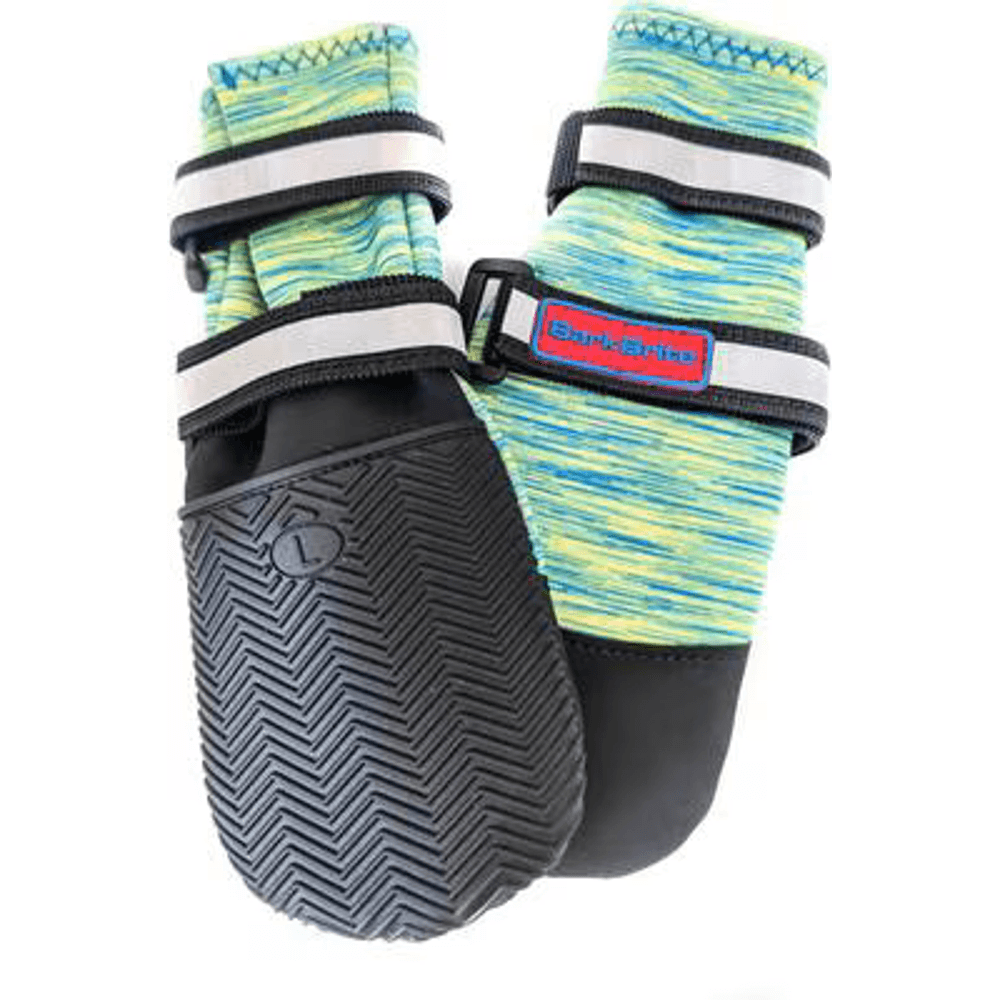
All-weather neoprene dog boots with grippy rubber tread soles that protect paws from cold, ice, and hot pavement and add traction on slick floors. Reflective straps aid visibility, with a secure hook-and-loop fit.
Webvet may earn a commission when you click through to Chewy, at no extra cost to you.
That is why a walk on blazing asphalt can tip a dog toward heatstroke, a true medical emergency. Get to a vet immediately if you see any of these warning signs:
- Heavy panting
- Drooling
- Bright red gums
- Weakness
- Vomiting
- Collapse
Which Dogs Are Most at Risk?
Any dog can burn their paws, but some are far more vulnerable than others. If your dog falls into one of these groups, be extra conservative about hot surfaces.
Puppies and senior dogs
Puppies have soft, thin pads that have not toughened yet, and senior dogs often have thinner, more fragile skin along with slower healing. Both burn more easily and recover more slowly than a healthy adult dog.
Small and short-legged breeds
Dogs built low to the ground, such as Dachshunds, Corgis, and many small breeds, have their entire body closer to the radiating heat. They absorb more reflected warmth and reach a dangerous body temperature faster than a tall, leggy dog walking the same route.
Flat-faced (brachycephalic) breeds
Brachycephalic dogs like Bulldogs, Pugs, Boxers, and Frenchies cannot cool themselves through panting nearly as well because of their shortened airways. They can overheat dangerously before their paws ever signal a problem, which makes hot pavement a double threat for them.
Indoor, pampered, or recently groomed paws
A dog who spends most of the day indoors on carpet and tile has soft pads with little protective callus, so the first hot walk of the season hits especially hard.
Dogs whose paw fur was just trimmed close at the groomer also lose a bit of natural buffer between pad and pavement.
Dogs with allergies, diabetes, or existing pad conditions
Dogs with diabetes or other conditions that affect circulation and nerve sensation may not feel a burn quickly or heal as well. Dogs with chronically irritated pads, including those already prone to constant licking or chewing at the paws, start from a weaker baseline, so cracked or inflamed pads burn faster and are slower to recover.
Paws that stay red, swollen, and licked raw even away from hot pavement have a name. Our pododermatitis in dogs guide covers the causes, testing, and treatment.
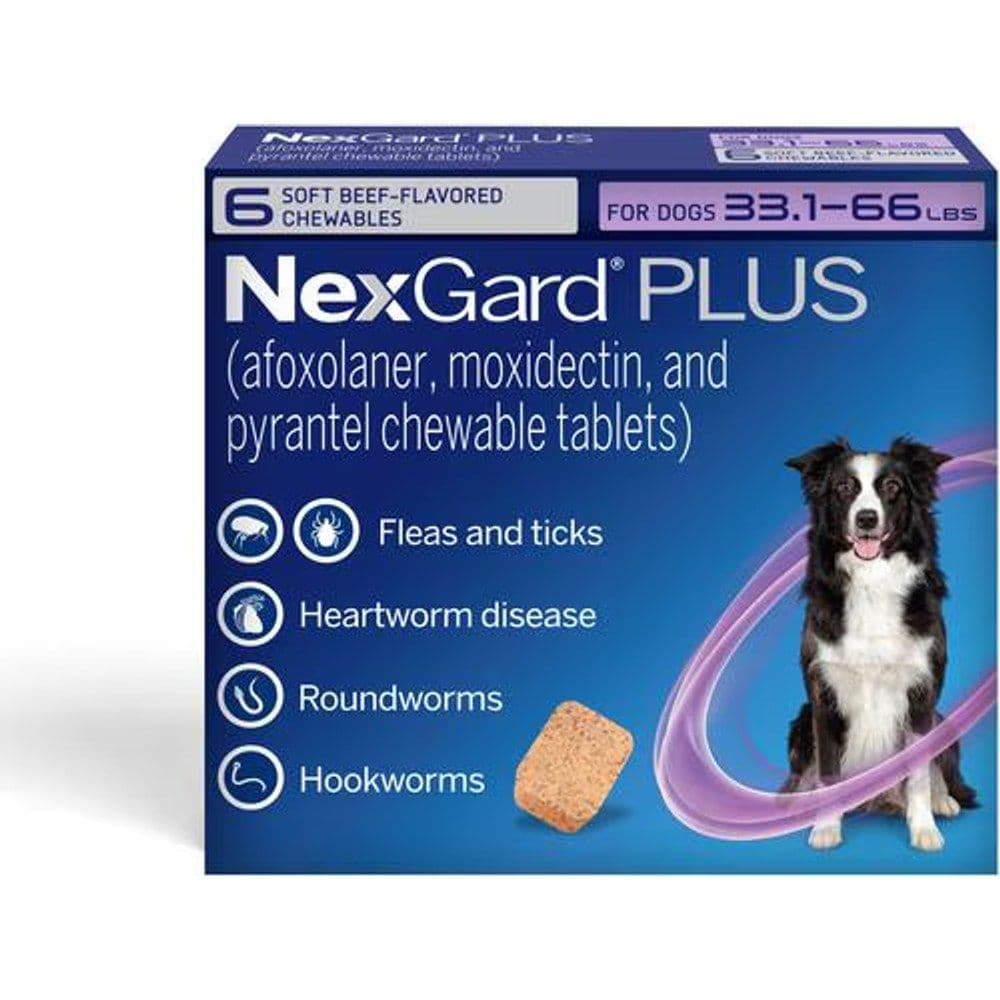
Beef-flavored monthly chew that protects dogs from fleas, ticks, heartworm disease, roundworms, and hookworms.
Webvet may earn a commission when you click through to Chewy, at no extra cost to you.
Signs Your Dog's Paws Are Burned
Catching burnt paw pads early makes a real difference. Some signs appear instantly on the walk, while others show up hours later as the damage develops.
In-the-moment signs during a walk
If the ground is hurting your dog, you will often see it happen. Watch for these mid-walk signals:
- Sudden stopping
- Lifting or shaking paws
- Hopping from foot to foot
- Walking gingerly
- Trying to stand only on grass
- Whining, or flatly refusing to move forward
Any of these mid-walk is your cue to get your dog onto a cool surface immediately.
Early or subtle damage
Milder burns can be easy to miss at first. Check the pads for areas that look darker than usual, feel unusually rough or tender, or appear slightly swollen. Persistent licking and chewing at the feet afterward is a common signal of discomfort, and constant licking can lead to irritated, inflamed skin and paws that take even longer to heal.
Severe burns
More serious burns are unmistakable: blisters, raw or red exposed areas, peeling or sloughing skin, and in the worst cases, missing chunks of pad tissue. Bleeding, swelling, and obvious pain mean your dog needs veterinary care without delay.
How Bad Is the Burn? A Severity and Triage Guide
Burns are classified by depth. Use the table below to gauge what you are looking at and how urgently to act, then follow the first-aid steps in the next section.
First-, second-, and third-degree paw burns
| Severity | What you see | What to do |
|---|---|---|
| First-degree (mild) | Pad looks red or darker, dry, tender; mild limping; no broken skin | Cool the paw, rest indoors, monitor. Call your vet if it worsens or does not improve in a day. |
| Second-degree (moderate) | Blisters, swelling, raw or weepy spots, clear pain, persistent licking | Cool the paw, protect it loosely, and call your vet promptly for same-day care. |
| Third-degree (severe) | Peeling or missing pad tissue, charred or white skin, deep wounds, bleeding | Emergency now. Wrap loosely in a clean, damp cloth and go straight to an emergency vet. |
Treat at home vs. call the vet vs. emergency now
A mild, first-degree burn with intact skin can usually be managed at home with cooling and rest, as long as it is clearly improving. Any blistering, raw tissue, swelling, limping that lasts more than a day, or signs of infection such as pus, odor, or fever warrants a call to your veterinarian.
Burns that expose deep tissue, involve multiple paws, or come with signs of heatstroke are emergencies. When in doubt, call your vet, because paw wounds are easy to underestimate and prone to infection.
What to Do If Your Dog Burns Their Paws (First Aid)
If you suspect a burn, act calmly and quickly. These steps stabilize the paw and ease pain while you decide whether you need the vet.
In the moment: get off the hot surface
Move your dog onto grass, shade, or indoors right away. If you can safely lift or carry your dog off the pavement, do it, even a short distance reduces further damage. Get them somewhere cool before you do anything else.
Cool the pads with cool (not ice-cold) water
Run cool (not freezing) water over the affected paws, or hold them in a basin of cool water, for about 10 to 15 minutes. This stops the burn from going deeper and soothes the pain. Avoid ice and ice-cold water, which can cause additional cold injury to already-damaged tissue.
Clean, protect, and rest the paw
Gently pat the paw dry and keep it clean. You can loosely cover it with a clean, non-stick gauze to keep dirt out while you contact your vet. Keep your dog calm and off their feet, and discourage licking.
Do not apply human burn creams, antibiotic ointments, or home remedies unless your veterinarian tells you to, because many human products are unsafe if a dog licks them off.
When to see a vet and what treatment to expect
See your veterinarian for anything beyond a mild, intact-skin burn. Depending on severity, treatment may include:
- Pain medication
- A thorough cleaning of the wound
- Antibiotics to prevent or treat infection
- Professional bandaging that is changed regularly
- Sometimes an e-collar to stop licking
Severe burns occasionally need sedation for proper care or, rarely, surgery. Pads are slow to heal because dogs walk on them constantly, so follow your vet's rest-and-recheck plan closely.
Hot Pavement and Dog Paws: How to Protect Your Dog
The best burn is the one that never happens. Here is how to protect your dog's paws from hot pavement through the whole summer.
Always do the 7-second test before you go
Make the hand test an automatic habit, like clipping on the leash. It takes five seconds and prevents the vast majority of pavement burns.
Walk early morning or after dark
Shift walks to the cooler edges of the day, generally before 10 a.m. and after 7 p.m., and avoid the midday peak from late morning through late afternoon. On a true scorcher, remember that even an evening sidewalk may still hold heat, so test before you commit.
Stick to grass, dirt, and shaded paths
Route your walks along grassy verges, dirt trails, and shaded sidewalks. Living grass and earth stay dramatically cooler than asphalt, and a little planning often turns a risky walk into a safe one.
Paw wax: how to apply it correctly
Paw wax (a balm-style protectant) adds a thin barrier and helps keep pads supple so they resist cracking. Apply it to clean, dry pads before a walk, working a small amount into the pad and between the toes.
For the winter version, salt and ice instead of heat, see our dog paw balm guide on barrier waxes before walks and repair balms for cracked pads.
Wax is helpful for brief or moderate exposure, but understand its limit: it conditions and shields, it does not make truly dangerous, blistering-hot pavement safe.
Dog boots and booties: choosing and acclimating
Well-fitted dog boots offer the strongest physical protection from hot surfaces. Look for a snug (not tight) fit, a flexible rubber sole, and a secure strap.
Introduce them gradually indoors with treats and short sessions so your dog learns to walk naturally in them before the first hot outing. Make sure boots are breathable, since trapping too much heat against the paw creates its own problem.
For help comparing fit and materials, our dog boots guide explains paw measurements, traction, and weather-use limits. Boots do not make an unsafe surface or dangerously hot outing safe.
Boots vs. wax vs. socks vs. peel-and-stick pads: which is right for your dog?
Each option has a different strength. Use this quick comparison to pick what fits your dog and your routine.
| Option | Best for | Keep in mind |
|---|---|---|
| Dog boots / booties | Strongest heat protection; long or unavoidable pavement walks | Needs correct fit and an acclimation period; must stay breathable |
| Paw wax / balm | Light barrier plus pad conditioning for short or moderate exposure | Not enough on its own for truly dangerous, blistering surfaces |
| Dog socks | Indoor traction and grip; light coverage | Thin and slippery outdoors; little real heat protection |
| Peel-and-stick pad pads | Quick, low-profile coverage when boots are refused | Temporary, can detach, and offer less protection than boots |
Dog boots at a glance
Pros
- Best physical barrier against hot pavement, sharp gravel, and ice melt
- Reusable season after season
- Also protect against cold and chemical de-icers in winter
Cons
- Require a proper fit and patient acclimation
- Some dogs resist wearing them at first
- Can trap heat if not breathable, so choose the right pair
Condition and moisturize paws year-round
Healthy, supple pads handle stress better than dry, cracked ones, because splits in the pad expose tender tissue that burns and tears more easily. A dog-safe paw balm and regular gentle exercise on natural surfaces help build a protective callus.
If pads are persistently cracked, flaky, or irritated, ask your vet, since underlying allergies or skin disease may be involved.
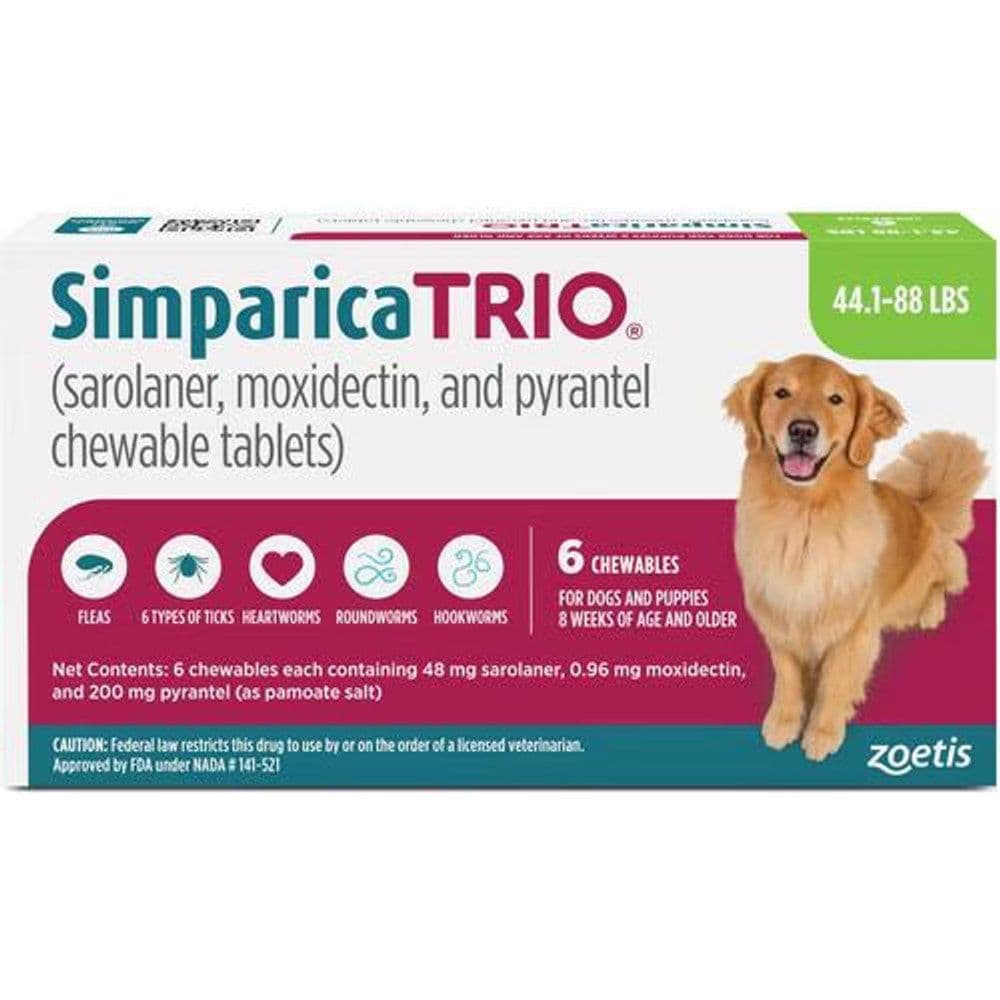
Monthly chew that protects dogs from fleas, six species of ticks, heartworm disease, roundworms, and hookworms.
Webvet may earn a commission when you click through to Chewy, at no extra cost to you.
Skip the walk: safe indoor ways to burn energy
On extreme days, the safest choice is to skip the pavement walk entirely. Burn your dog's energy indoors with these options:
- Tug
- Fetch down a hallway
- Food puzzles
- Scent games
- Training sessions
- A stair workout
A short potty break on the nearest patch of grass plus enrichment at home beats a dangerous walk every time.
If you are arranging a separate indoor activity area, our dog playpen guide compares floor-space and enclosure choices.
The Other Extreme: Cold Pavement, Ice Melt, and Winter Paw Burns
Heat is not the only surface danger to paws. Winter brings its own mirror-image risks, and the protective gear that helps in summer often helps in the cold too.
Frostbite and freezing-surface damage
Frozen ground, ice, and packed snow can damage pads at the other end of the thermometer. Prolonged contact in deep cold can lead to frostbite, especially on the paws, ears, and tail.
Limit time on frozen surfaces in extreme cold, and watch for limping, pale or gray skin, or paws that are painful to the touch.
Rock salt and chemical de-icers
Rock salt and chemical de-icers can cause irritation and chemical burns that look a lot like heat injury, with raw, inflamed, painful pads. They are also harmful if your dog licks them off.
For the winter version of this decision, our pet-safe ice melt guide compares the common deicer ingredients by paw and ingestion risk and names the products we would use.
After winter walks, wipe and rinse the paws, and consider boots or balm here too. The same instinct that protects against hot pavement, check the surface and shield the paws, keeps your dog safer year-round.
Hot-Pavement Myths That Get Dogs Hurt
"His paws are tough, he'll be fine"
Pads are tough, but they are living skin, not rubber. A callus helps with wear and traction, not with 140-degree heat. Even working dogs with hardened pads can be badly burned on scorching asphalt.
"It's a quick walk, the pavement can't hurt him"
Burns happen fast. A surface at 125 degrees Fahrenheit can injure skin in about a minute, so even a quick dash across a parking lot can blister a pad. Short does not mean safe.
"It's cloudy or evening, so the ground is cool"
Pavement holds heat for hours. Asphalt that baked all afternoon can still be dangerously hot well after sunset, and even on overcast days surfaces in earlier sun can stay warm. Do not assume, test the ground with your hand.
Frequently Asked Questions
How hot is too hot for a dog's paws?
A dog's pads can burn once a surface reaches roughly 120 to 125 degrees Fahrenheit (49 to 52 degrees Celsius), which pavement can hit on days when the air is only in the high 70s. The simplest rule is the 7-second test: if you cannot hold the back of your hand on the ground comfortably for seven seconds, it is too hot for your dog.
At what temperature does pavement burn dog paws?
Burns become a real risk once pavement reaches about 125 degrees Fahrenheit. Because dark asphalt can run 40 to 60 degrees hotter than the air, an 86 to 87 degree day can push a road surface to 135 to 143 degrees, hot enough to burn a paw in under a minute.
Is it too hot to walk my dog?
If the pavement fails the 7-second hand test, or the air is in the high 80s or above, it is likely too hot to walk on hard surfaces. Move the walk to early morning or after dark, stick to grass and shade, or skip it and exercise your dog indoors on extreme days.
How do I know if the pavement is too hot for my dog?
Press the back of your hand flat against the pavement for seven seconds. If it is too hot or uncomfortable to keep it there, it is too hot for your dog's paws. Use the back of your hand rather than your palm, since that skin is thinner and closer to the sensitivity of a paw pad.
How long does it take for hot pavement to burn a dog's paws?
It can happen in as little as 60 seconds on a 125 degree Fahrenheit surface, and faster on hotter pavement. That is why even a quick walk across a parking lot can cause burns. The safest approach is to keep your dog off any surface that fails the hand test entirely.
What are the signs of burnt paw pads on a dog?
Look for limping, lifting or licking the paws, and refusing to walk. On the pads themselves you may see redness, darker color, blisters, swelling, raw or peeling skin, or missing tissue in severe cases. Persistent licking or chewing afterward is also a common sign of pain.
How do you treat a dog's burnt paw pads at home?
Get your dog off the hot surface, then cool the pads with cool (not ice-cold) water for 10 to 15 minutes. Gently pat dry, keep the paw clean, and discourage licking. Avoid ice and human ointments unless your vet approves them. Mild, intact-skin burns can be rested and monitored at home, but call your vet for anything more serious.
Should I take my dog to the vet for burned paw pads?
Yes, for anything beyond a mild burn with unbroken skin. Blisters, raw or peeling pads, swelling, limping that lasts more than a day, or signs of infection all need veterinary care. Deep wounds, multiple affected paws, or any signs of heatstroke are emergencies. When in doubt, call your vet, since paw burns are easy to underestimate and prone to infection.
How can I protect my dog's paws from hot pavement?
Do the 7-second test before every walk, go out in the early morning or after dark, and stick to grass, dirt, and shaded paths. For unavoidable hot surfaces, use well-fitted dog boots or a protective paw wax, keep pads conditioned year-round, and on extreme days exercise your dog indoors instead.
Do dog booties or paw wax actually work for hot pavement?
Yes, with different strengths. Well-fitted boots give the strongest physical barrier against hot surfaces and are best for longer or unavoidable pavement walks. Paw wax adds a lighter barrier and keeps pads supple, which helps for short or moderate exposure, but it will not make truly dangerous, blistering-hot pavement safe. Neither replaces the hand test and smart timing.
Is asphalt or concrete hotter for a dog's paws?
Dark asphalt is usually hotter than light-colored concrete because its black surface absorbs more solar heat. That said, concrete in full sun can still reach burning temperatures, so test any hard surface before letting your dog walk on it. Artificial turf and sand can be hotter still.
What time of day is safest to walk my dog in summer?
Early morning before about 10 a.m. and later in the evening after about 7 p.m. are generally safest, when both the air and the ground are coolest. Avoid the midday and afternoon peak. On very hot days, remember that pavement holds heat into the evening, so still test the surface with your hand before you go.
The Bottom Line
When you are weighing hot pavement and dog paws, let one rule decide it: if you cannot hold the back of your hand on the ground for seven seconds, neither can your dog.
Assume the surface is hotter than the air, walk in the cool of the day, favor grass and shade, and reach for boots or paw wax when you must cross hot ground. If your dog does get burned, cool the paws and call your vet.
And if your dog has ongoing paw or pad trouble, rule out other causes like allergies, food sensitivities, or fleas with your veterinarian. A few seconds of caution before each walk keeps your dog's paws safe all summer long.
Veterinarian · BVMS MRCVS
Dr. Pippa Elliott, BVMS, MRCVS, is a veterinarian with nearly 30 years of experience in companion animal practice. Dr. Elliott earned her Bachelor of Veterinary Medicine and Surgery from the University of Glasgow. She was also designated a Member of the Royal College of Veterinary Surgeons. Married with 2 grown-up kids, Dr. Elliott has a naughty Puggle named Poggle, 3 cats and a bearded dragon.
Related reading

Matted Cat Fur: How to Remove Mats Safely

Pet Safe Roach Killer: What Works Without Poisoning Your Pet

Pet Safe Pest Control: What Is Safe to Use Around Dogs and Cats
