Dehydration in Dogs: Signs, Causes, and How to Help
Dehydration in dogs happens when your dog loses more fluid and electrolytes than it takes in. Learn the signs of dehydration in dogs, the home skin-pinch test, what causes it, how to safely rehydrate your dog, and when it is a vet emergency.

BVMS MRCVS
Medically reviewed by Dr. Pippa Elliott, BVMS MRCVS · Last reviewed

This article contains affiliate links. Webvet may earn a commission when you buy through them, at no extra cost to you.
Dehydration in dogs happens when your dog loses more water and electrolytes than it takes in, leaving the body without enough fluid to work normally. It is most often triggered by vomiting, diarrhea, hot weather, fever, or simply not drinking enough, and it can turn serious quickly.
The fastest way to spot a dehydrated dog at home is to check for tacky, dry gums and skin that is slow to snap back after a gentle pinch.
This vet-reviewed guide covers the signs of dehydration in dogs, what causes it, exactly how to rehydrate a dog safely, and when it crosses the line into an emergency.
- 1Dehydration in dogs means a shortage of body water and electrolytes, usually from vomiting, diarrhea, heat, fever, or not drinking enough.
- 2Two quick home checks: pinch the skin over the shoulder blades (it should snap back fast) and feel the gums (they should be slick and wet, not dry or tacky).
- 3For a mildly dehydrated dog that is alert and not vomiting, offer small amounts of cool water often, never one large bowl at once.
- 4Skip human sports drinks. Only use a plain electrolyte solution like unflavored Pedialyte if your vet advises it, and never force fluids into a vomiting dog by mouth.
- 5Sunken eyes, weakness, collapse, repeated vomiting or diarrhea, or suspected heatstroke are emergencies. Get to a vet now for IV or subcutaneous fluids.
What Is Dehydration in Dogs?
Dehydration in dogs is a loss of body water along with the electrolytes, mainly sodium, potassium, and chloride, that keep cells, nerves, and muscles working.
Water makes up roughly 60 percent of an adult dog's body, and it does an enormous amount of behind-the-scenes work. It cushions the joints, carries nutrients into cells, flushes waste through the kidneys, supports digestion, and helps regulate body temperature.
A dog stays hydrated by balancing the water it takes in, through drinking and food, against the water it loses through urine, stool, panting, and a small amount through the paws.
Because dogs do not sweat like we do and shed most of their heat by panting, they can lose fluid fast on a hot day.
When losses outpace intake, the body pulls water out of the bloodstream and tissues to compensate, and dehydration sets in.
Why Dehydration in Dogs Can Be a Medical Emergency
It is tempting to treat a little dehydration as no big deal, but in dogs it can spiral. As fluid drains out of the bloodstream, blood volume drops, the heart has to work harder, and less oxygen reaches the organs.
Left unchecked, this can progress to hypovolemic shock, where circulation begins to fail.
The kidneys are especially vulnerable. Without enough fluid moving through them, they cannot filter waste, and severe or prolonged dehydration can lead to kidney damage.
Electrolyte imbalances can also disrupt the heart's rhythm and the nervous system. This is why a dehydrated dog that is also weak, vomiting repeatedly, or collapsing is a true emergency rather than a wait-and-see situation.
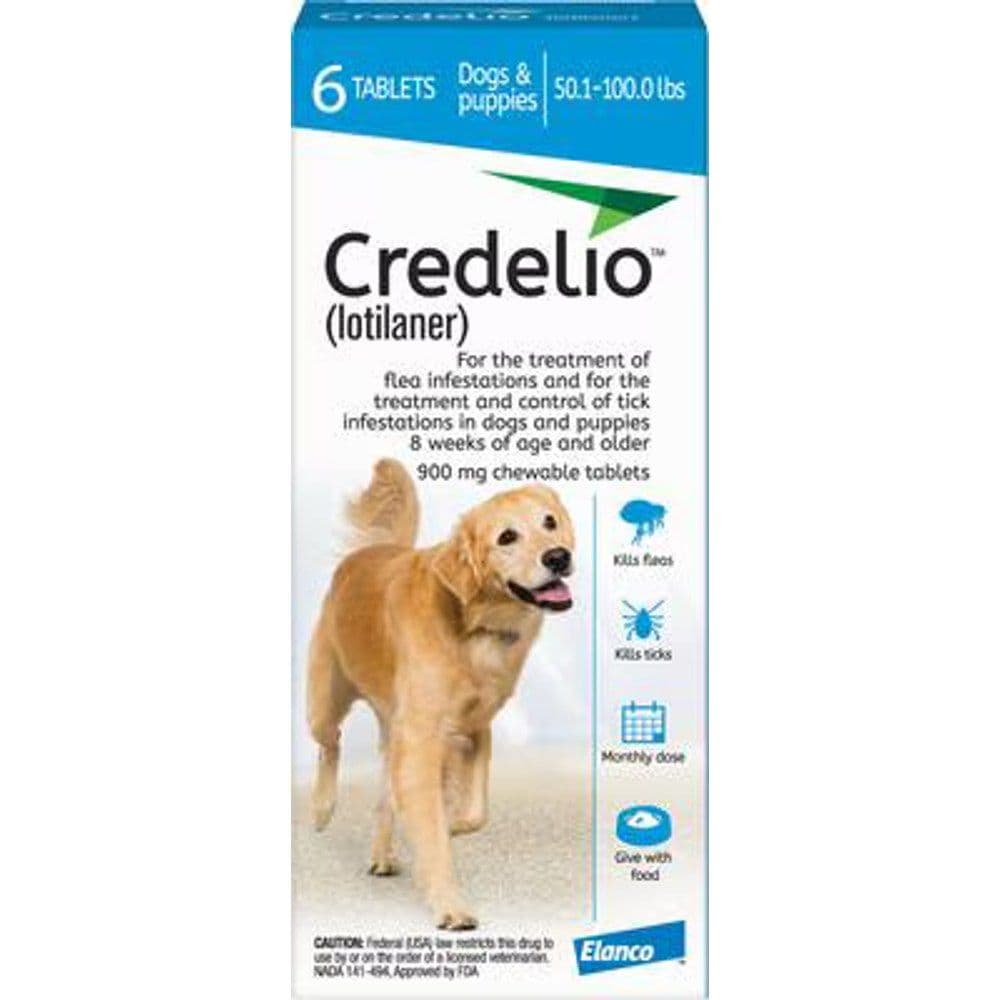
Monthly prescription chew that kills fleas and ticks on dogs, including the black-legged (deer) ticks that can spread Lyme disease.
Webvet may earn a commission when you click through to Chewy, at no extra cost to you.
Signs and Symptoms of Dehydration in Dogs
Dog dehydration symptoms range from subtle to dramatic depending on how much fluid has been lost. Learning to recognize the early signs of dehydration in dogs lets you act before things become dangerous. Watch for these clues.
Early and mild signs
In the early stages, the signals are easy to miss unless you are looking. Common mild symptoms include:
- Dry, sticky, or tacky gums instead of slick and wet ones
- Thick, ropy, or stringy saliva
- A dry or cracked nose
- Mild lethargy or less interest in play
- Reduced appetite and skin that is a touch slow to spring back
Moderate to severe signs
As dehydration deepens, the symptoms become more obvious and more alarming. A more seriously dehydrated dog may show:
- Sunken, dull-looking eyes
- Noticeable weakness or wobbliness, and a fast heart rate
- Heavy panting and a dazed or depressed demeanor
- In advanced cases, collapse or unresponsiveness
Skin that stays tented after a pinch, rather than snapping back, points to significant fluid loss. These signs mean your dog needs veterinary care without delay.
What different degrees of dehydration look like
Veterinarians estimate dehydration as a percentage of body weight lost as fluid. You cannot measure this precisely at home, but the rough tiers help you understand how urgent things are. As a general guide:
| Estimated fluid loss | What you may see |
|---|---|
| Less than 5 percent | Often hard to detect; possibly slightly tacky gums and subtle low energy |
| About 5 to 6 percent | Mild skin tenting, dry and tacky gums, lethargy |
| About 8 percent | Obvious skin tenting, dry gums, sunken eyes, weakness, slow capillary refill |
| 10 percent or more | Severe and life-threatening: collapse, shock, very weak pulse; emergency |
The practical message is simple. Subtle changes mean watch closely and offer water. Sunken eyes, marked weakness, or a failed skin pinch mean get to a vet right away.
How to Check If Your Dog Is Dehydrated at Home
Two simple tests let you check a dog for dehydration in seconds, and they are worth learning before you ever need them. Neither one replaces a vet exam, but together they give you a fast read on how your dog is doing.
For related guidance, see normal dog heart rate and normal respiratory rate for dogs.
The skin-pinch (skin-tent) test, step by step
This checks skin elasticity, which drops as a dog loses fluid. Here is how to do it:
- Find the loose skin. With your dog standing or sitting calmly, locate the loose skin over the shoulder blades or the back of the neck.
- Gently lift and release. Pinch a small fold of that skin between your finger and thumb, lift it up, then let go.
- Watch how fast it falls. Well-hydrated skin snaps back almost instantly. If it returns slowly or stays tented like a little tepee, that suggests dehydration.
The gum and capillary refill time (CRT) test, step by step
Your dog's gums tell you a lot about hydration and circulation. To check them:
- Feel the gums. Lift your dog's lip and touch the gum above a tooth. Healthy gums feel wet and slippery. Dry or tacky gums are a warning sign.
- Press and release. Press a fingertip gently on the gum until it blanches to a pale white, then lift your finger.
- Count the refill. The pink color should return within about 2 seconds. A refill that takes longer than 2 seconds can signal dehydration or poor circulation and warrants a vet call.
Why these tests can give false readings
Home tests are useful, but they are not foolproof, and knowing their limits keeps you from being falsely reassured. The skin pinch can mislead you in both directions.
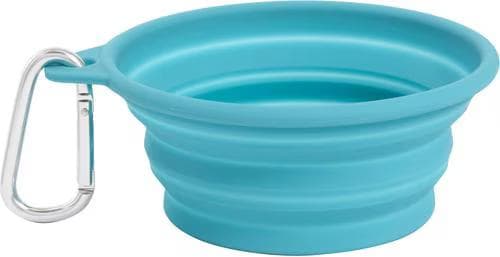
Collapsible silicone travel bowl with a carabiner that clips to a leash or bag, so your dog always has fresh water on walks, hikes, and car trips.
Webvet may earn a commission when you click through to Chewy, at no extra cost to you.
Overweight dogs have fatty tissue that springs the skin back quickly even when they are dehydrated, hiding the problem. Very thin, older, or large-breed dogs with looser skin may tent a little even when properly hydrated.
Gum color has its own catch. Dogs with naturally black or heavily pigmented gums make the capillary refill test hard to read, so look for an unpigmented patch if you can.
Because of these quirks, treat the home tests as one piece of the picture, alongside your dog's energy, appetite, and overall behavior. When the results are unclear and your dog seems off, call your vet.
What Causes Dehydration in Dogs?
Dehydration is usually a symptom of something else going on. Pinning down the cause matters, because it tells you whether you are dealing with a hot afternoon or a serious underlying illness.
Vomiting and diarrhea
This is the most common cause. Vomiting and diarrhea flush large volumes of water and electrolytes out of the body fast, and a dog that feels too nauseated to drink cannot replace what it is losing.
Even a single bad bout can dehydrate a small dog or a puppy surprisingly quickly.
Heatstroke and hot weather
On hot or humid days, heavy panting and outdoor activity drain fluid quickly, and dehydration and heatstroke often go hand in hand.
A parked car is the classic danger: on a warm day the inside can heat to deadly levels in just 15 to 20 minutes, even with the windows cracked. Never leave a dog in a parked car, and bring water on warm-weather walks.
Not drinking enough or limited water access
Sometimes the issue is simply intake. A tipped-over bowl, a frozen outdoor water dish in winter, or a dog left without easy access can all lead to dehydration.
Picky drinkers, dogs in pain, and those feeling unwell may also turn away from the water bowl just when they need it most.
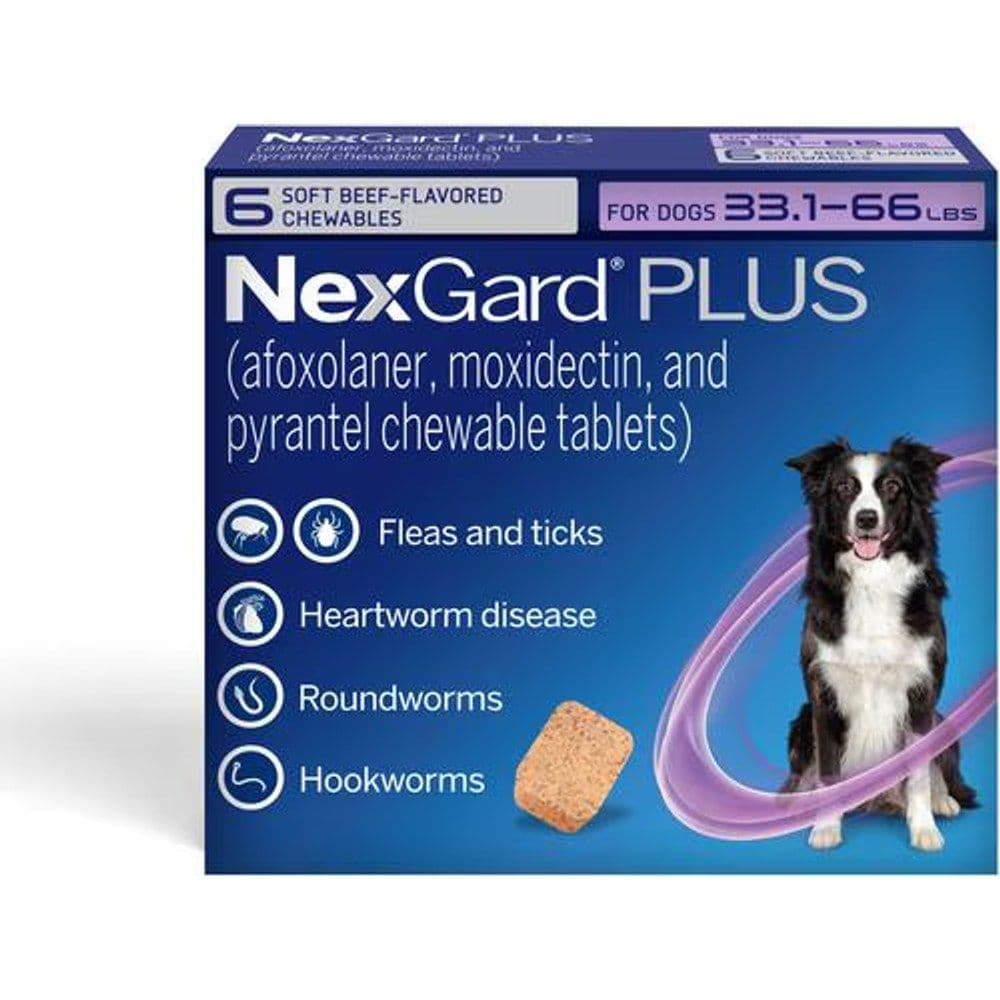
Beef-flavored monthly chew that protects dogs from fleas, ticks, heartworm disease, roundworms, and hookworms.
Webvet may earn a commission when you click through to Chewy, at no extra cost to you.
Fever and infection
A fever raises body temperature and fluid demand at the same time, and many infections come with reduced appetite and thirst. The result is a dog that is both losing more water and taking in less.
Any illness that makes your dog feel rough can quietly tip it toward dehydration.
Chronic illness
Several long-term conditions cause ongoing fluid loss. Kidney disease, diabetes, and Cushing's disease all tend to increase urination, while some cancers and other chronic illnesses suppress appetite and thirst.
Dogs with these conditions can hover on the edge of dehydration, which is one reason regular veterinary monitoring matters so much for them.
Causes specific to puppies
Puppies dehydrate faster than adults and have specific triggers worth knowing:
- Parvovirus causes severe vomiting and diarrhea and is a veterinary emergency.
- Heavy intestinal worm burdens can drive diarrhea and poor nutrient absorption.
- A curious puppy that swallows a toy or other object can develop a foreign-body obstruction, which causes vomiting and rapid fluid loss.
Any sick, listless puppy that will not drink needs to be seen quickly.
Dogs at Higher Risk of Dehydration
Any dog can become dehydrated, but some are far more susceptible and deserve extra vigilance, especially in hot weather or during illness:
- Puppies and senior dogs, who have less fluid reserve and tire faster
- Pregnant and nursing dogs, whose fluid demands are much higher
- Toy and small breeds, which dehydrate quickly because of their size
- Flat-faced (brachycephalic) breeds like Bulldogs and Pugs, who overheat easily
- Overweight, very active, and working dogs
- Dogs with chronic conditions such as kidney disease or diabetes
How to Help a Dehydrated Dog (Step by Step)
If your dog is mildly dehydrated, alert, and not vomiting, you can often start rehydrating at home while you decide whether a vet visit is needed. The guiding rule for how to rehydrate a dog is slow and steady, never fast and forceful.
Mild cases at home: small amounts of cool water, often
Offer cool, fresh water in small amounts and let your dog sip rather than gulp. A dehydrated dog that drinks a huge volume all at once may vomit it right back up, which only worsens the fluid loss.
If your dog is reluctant, try tempting it with a few ice cubes to lick, a splash of low-sodium broth with no onion or garlic, or some watered-down wet food.
How much water to offer by dog size
When you are coaxing a recovering dog back to drinking, small, frequent offers work best. Use this as a rough starting guide, and adjust based on how your dog tolerates it:
| Dog size | Amount to offer every few hours |
|---|---|
| Small dog (under 20 lb) | About 1 to 2 teaspoons at a time, sipped slowly |
| Medium dog (20 to 50 lb) | About 1 tablespoon up to a small handful at a time |
| Large dog (over 50 lb) | About a quarter cup or so at a time, offered frequently |
Once your dog keeps small amounts down without vomiting, you can gradually let it drink more freely. If it cannot hold even small sips down, stop and call your vet.
Electrolyte solutions and Pedialyte
A plain, unflavored pediatric electrolyte solution such as Pedialyte is sometimes used to help a mildly dehydrated dog replace lost electrolytes, but only with your veterinarian's guidance on whether and how much to use. Flavored or colored versions and sugary additives are best avoided.
Plain water is perfectly fine for most mild cases, and electrolyte solutions are not a substitute for veterinary fluids when a dog is moderately or severely dehydrated.
What NOT to do
A few well-meaning mistakes can make things worse. When you are helping a dehydrated dog, avoid the following:
- Do not force water into your dog's mouth with a syringe if it is groggy or unable to swallow well, as it can go down the windpipe and into the lungs.
- Do not give fluids by mouth to a dog that is actively vomiting; let the vet rehydrate it instead.
- Do not use human sports drinks; they are high in sugar and sodium and can contain caffeine, none of which your dog needs.
- Do not let a very large dose of water be gulped at once, which can trigger more vomiting.
- Do not simply wait it out if your dog is clearly unwell, sunken-eyed, weak, or getting worse. That is the moment for the vet, not for more home remedies.
Veterinary Treatment for Dehydration
When you are wondering how to treat dehydration in dogs that is beyond mild, the answer is a veterinary visit. Vets can rehydrate a dog far more effectively than oral water alone, and they can find and treat whatever caused the problem.
Subcutaneous and IV fluids
For mild to moderate dehydration, a vet may give fluids under the skin, called subcutaneous fluids, which absorb slowly over a few hours.
For moderate to severe cases, intravenous fluids delivered through a catheter into a vein restore blood volume and electrolytes quickly and are closely monitored. IV fluids are the gold standard when a dog is seriously dehydrated or in shock.
Diagnostics and treating the underlying cause
Because dehydration is a symptom, your vet will work to identify the root cause. That may include bloodwork and a urinalysis to assess the kidneys, electrolytes, and blood sugar, and sometimes x-rays or ultrasound to look for an obstruction or other problem.
Treating the underlying issue, whether that is an infection, parvovirus, a swallowed object, or a chronic disease, is what keeps the dehydration from coming straight back.
When to Take Your Dog to the Vet
Mild dehydration in an otherwise healthy, alert dog can often be managed at home with careful rehydration and a close watch. But some situations call for prompt or emergency veterinary care.
Contact your vet, or head to an emergency clinic, if your dog shows any of these:
- A failed skin-pinch test combined with lethargy or weakness
- Repeated vomiting or diarrhea, or any vomiting that prevents drinking
- Suspected heatstroke, or collapse, disorientation, or seizures
- A dog that simply will not drink, or sunken, dull eyes
- A puppy, a senior, or a dog with a chronic illness showing any dehydration
When in doubt, call. A quick phone conversation with your veterinary team can tell you whether to keep monitoring at home or come in right away.
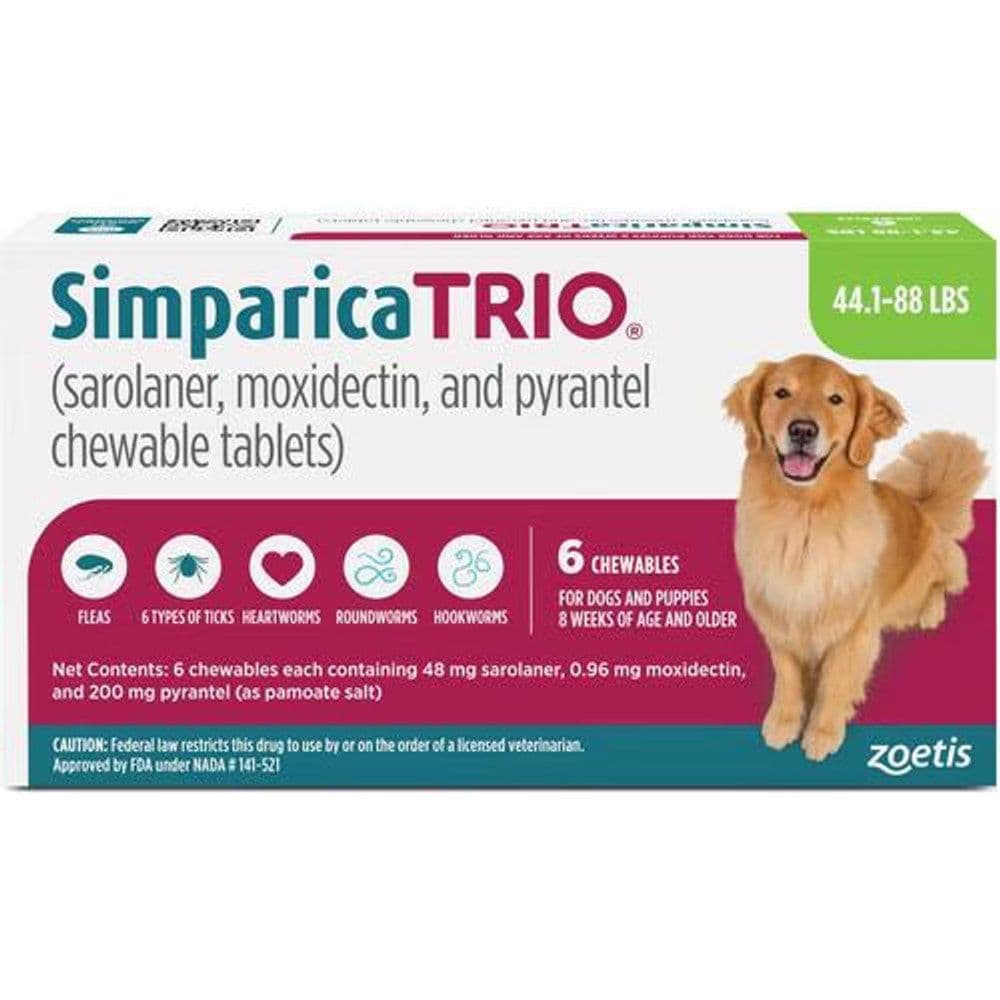
Monthly chew that protects dogs from fleas, six species of ticks, heartworm disease, roundworms, and hookworms.
Webvet may earn a commission when you click through to Chewy, at no extra cost to you.
How to Prevent Dehydration in Dogs
Preventing dehydration is mostly about making water easy to get and paying attention on hot or active days. A few simple habits go a long way:
- Always provide clean, fresh water and refill the bowl daily.
- Set out multiple bowls around the home and yard, and consider a pet water fountain, which entices some dogs to drink more.
- Add water or a little wet food to meals to boost moisture intake, especially for kibble-fed dogs.
- On warm days, bring water and a collapsible bowl on walks, offer ice cubes, and rest in the shade.
- Stay current on parasite prevention and core vaccines, including parvovirus, to head off illnesses that cause fluid loss.
- Keep up with routine checkups so chronic conditions are caught and managed early.
Good hydration also supports healthy skin and coat. A well-hydrated dog is generally more comfortable in the heat, which can mean less scratching and fewer of the moisture-related skin flare-ups that lead to irritated, itchy skin and hot spots.
How Much Water Should a Dog Drink per Day?
A common guideline is that a healthy dog drinks roughly 1 ounce of water per pound of body weight each day. That is a starting point, not a strict rule; the right amount shifts with size, heat, activity level, diet, and any illness.
Dogs eating wet food take in more water through their meals and may drink a bit less, while active dogs and those in hot climates need more.
Using that rough rule, here is what daily water intake looks like for a few sizes:
| Dog weight | Approximate daily water |
|---|---|
| 10 lb | About 10 oz, a little over 1 cup |
| 50 lb | About 50 oz, a bit over 6 cups |
| 100 lb | About 100 oz, around 12 cups |
A sudden, lasting jump or drop in how much your dog drinks is worth a vet call.
Drinking far more than usual can be an early sign of conditions like kidney disease or diabetes, while drinking much less may point to nausea, pain, or dehydration setting in.
Frequently Asked Questions
How can I tell if my dog is dehydrated at home?
Use two quick checks. Pinch the loose skin over the shoulders and watch how fast it falls back; slow or tented skin suggests dehydration. Then feel the gums, which should be wet and slick, not dry or tacky. Pair these with your dog's energy and appetite for the full picture.
What are the first signs of dehydration in a dog?
The earliest signs of dehydration in dogs are often subtle: dry or tacky gums, thick ropy saliva, a dry nose, mild lethargy, and a reduced appetite. Skin may be slightly slow to spring back. Catching these early signs lets you offer water before the dehydration becomes serious.
How do you rehydrate a dehydrated dog?
For a mild case, offer small amounts of cool, fresh water frequently so your dog sips rather than gulps. Ice cubes, low-sodium broth, or watered-down wet food can help. If your dog is vomiting, very weak, or not improving, skip home care and let a vet give subcutaneous or IV fluids.
Can I give my dog Pedialyte for dehydration?
Plain, unflavored Pedialyte is sometimes used for mild dehydration, but only with your vet's go-ahead on whether and how much to give. Avoid flavored or sugary versions and human sports drinks. For most mild cases, plain water is enough, and electrolyte drinks do not replace veterinary fluids.
How much water should a dog drink per day?
A useful rule of thumb is about 1 ounce of water per pound of body weight per day. A 50-pound dog needs roughly 50 ounces, a bit over 6 cups. Adjust for heat, activity, diet, and illness, and call your vet if intake suddenly rises or falls a lot.
How long can a dog go without water?
Most dogs can survive a couple of days without water, but they begin to suffer serious effects well before that, and small dogs, puppies, sick dogs, and dogs in heat decline much faster. Water deprivation is never safe to test. Always keep fresh water available at all times.
What happens if a dog gets too dehydrated?
Severe dehydration drops blood volume so the heart and organs get less oxygen, which can progress to hypovolemic shock. The kidneys may be damaged when too little fluid passes through them, and electrolyte imbalances can affect the heart and nerves. At this stage it is life-threatening and needs emergency veterinary fluids.
How quickly can a vet fix dehydration in a dog?
With intravenous fluids, a vet can begin restoring hydration within hours, though full recovery depends on the cause and severity. Subcutaneous fluids absorb more gradually over several hours. The vet also treats the underlying problem, so a dog with ongoing vomiting or illness may need to stay for monitoring.
Why won't my dehydrated dog drink water?
A dehydrated dog may refuse water because nausea, pain, fever, or general illness has killed its thirst, or because it feels too weak. This is a warning sign, not stubbornness. Try broth or ice, but if your dog still will not drink or seems unwell, contact your vet promptly for fluids.
The Bottom Line
Dehydration in dogs is common, usually tied to vomiting, diarrhea, heat, fever, or low water intake, and it can become serious fast.
Learn the skin-pinch and gum tests so you can spot trouble early, and for a mild, alert case, offer small amounts of cool water often while you watch your dog closely.
Save human sports drinks for yourself, never force fluids into a vomiting or groggy dog, and lean on prevention by keeping fresh water always available.
If your dog has sunken eyes, stays weak, keeps vomiting, or shows any sign of heatstroke, treat it as an emergency and call your veterinarian right away.
Veterinarian · BVMS MRCVS
Dr. Pippa Elliott, BVMS, MRCVS, is a veterinarian with nearly 30 years of experience in companion animal practice. Dr. Elliott earned her Bachelor of Veterinary Medicine and Surgery from the University of Glasgow. She was also designated a Member of the Royal College of Veterinary Surgeons. Married with 2 grown-up kids, Dr. Elliott has a naughty Puggle named Poggle, 3 cats and a bearded dragon.
Related reading

Matted Cat Fur: How to Remove Mats Safely

Pet Safe Roach Killer: What Works Without Poisoning Your Pet

Pet Safe Pest Control: What Is Safe to Use Around Dogs and Cats
