Do Cats Sweat? How Cats Really Stay Cool (and When to Worry)
Cats sweat mainly through their paw pads, and it barely cools them. Here is how cats really shed heat, why panting in a cat is a warning sign, and the first-aid steps to take if your cat overheats.


BVMS MRCVS
Medically reviewed by Dr. Pippa Elliott, BVMS MRCVS · Last reviewed

This article contains affiliate links. Webvet may earn a commission when you buy through them, at no extra cost to you.
Do cats sweat? Yes, but only a little, and almost entirely through their paw pads, not their fur. That sweat helps with grip and scent marking and does very little to cool the body. Cats rely on grooming, cool surfaces and rest to shed heat, which is why a panting cat is a warning sign.
If damp paw prints on the floor got you wondering, this guide covers where cat sweat comes from, why paws get sweaty at the vet, how cats cool down instead, and what to do if your cat overheats.
How Do Cats Sweat? Inside the Paw Pads
Cats perspire, but not the way people do. The glands that make watery sweat sit only in the paw pads, the thick hairless skin that touches the ground. So a sweating cat leaves damp prints behind instead of a damp coat.
It is normal for cats to sweat a little, and sweaty paws more often point to excitement than to overheating. The Merck Veterinary Manual notes that sweating in dogs and cats is limited and may play only a minor role in cooling.
- 1Cats sweat through their paw pads, and that sweat does little to cool them.
- 2Grooming, lying on cool surfaces and resting do most of a cat's cooling work.
- 3Damp paw prints on a cool day usually mean excitement or stress, not heat.
- 4Panting is not a routine way for cats to cool off. It signals heat stress, illness or severe stress.
Why do cats' paws sweat?
Paw sweat has several jobs, and only one of them is about heat. That's why sweaty cat paws can show up in a cool room.
- Grip: a thin layer of moisture helps the pads hold smooth surfaces when a cat runs, jumps or climbs.
- Scent: paw secretions leave scent marks that other cats can read.
- Nerves: Merck notes that cats sweat through their paws especially when excited, so fear, excitement or stress can leave damp prints.
- Heat: on a hot day the pads may sweat a little more, but it's a minor cooling aid.
That's why sweaty paws at the vet are so common in cats. The AAFP and ISFM Cat Friendly veterinary environment guidelines even list sweaty paw prints on the examination table among the scent marks clinics should clean between feline patients. A nervous kitten can leave the same damp prints.
If sweaty paws are part of every vet trip, a familiar carrier can help. The same guidelines suggest keeping the carrier out at home as everyday furniture, covering it during travel, and spraying or wiping the bedding with a synthetic feline pheromone about 15 minutes before your cat goes in.
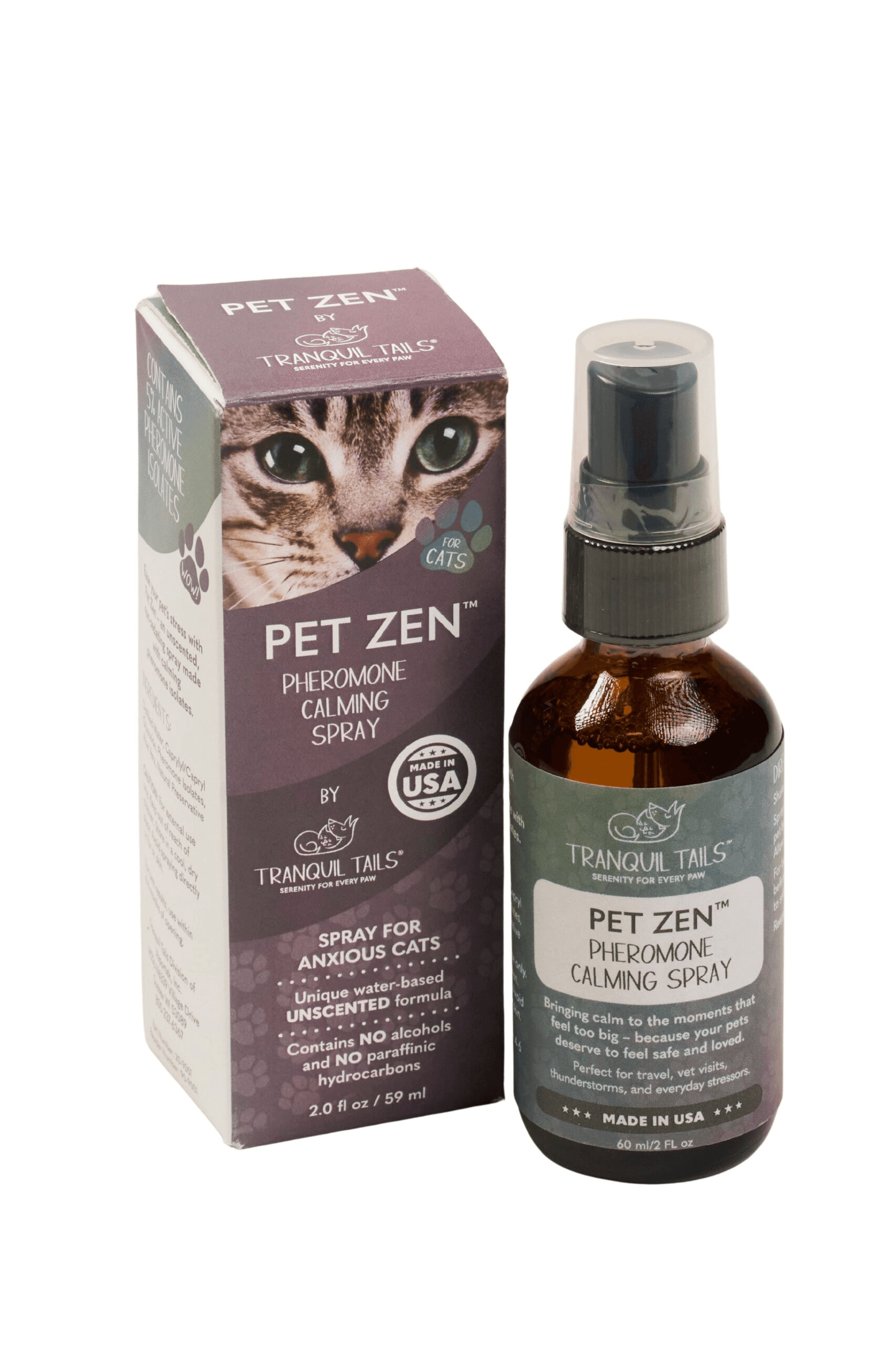
Unscented, alcohol-free pheromone spray for cat bedding, blankets and carriers. Apply to surfaces rather than directly to your cat.
Webvet may earn a commission when you click through to Chewy, at no extra cost to you.
For more ways to lower travel and household stress, see our guide to cat stress relief.
Paws that feel hot are a separate question. Paw pads can feel warm after a nap in the sun or a play session, and touch can't tell you a cat's body temperature. If warm paws come with lethargy, poor appetite or fast breathing, call your veterinarian.
Where are a cat's sweat glands?
Cats have two kinds of sweat glands. The Merck Veterinary Manual explains that atrichial glands, formerly called eccrine glands, are present only on the footpads. Epitrichial glands, formerly called apocrine glands, sit with hair follicles across the coat but produce little noticeable sweat in cats.
A histology study of cat foot pads from the Hannover veterinary school found signs of high metabolic activity in the paw-pad glands and concluded their normal job is to improve the paw's grip and leave scent marks. So when people ask where cats sweat from, the honest answer is the paws.

What about the chin, lips and tail base you may have read about? Those areas are packed with oil (sebaceous) glands. The Merck cat skin guide describes them as part of a cat's scent-marking system, which is why your cat rubs its face on furniture. They make an oily film, not sweat.
How can you tell if your cat is sweating?
You usually can't watch a cat sweating, but you can see where the sweat went: small damp paw prints on smooth floors, countertops, the vet's exam table or the carrier floor. The pads themselves may feel slightly moist while the coat stays dry, so a wet coat points to something other than sweat.
Can Cats Sweat Through Their Fur?
Not in any way you'd notice. Cats can't sweat through their fur the way a person sweats through a shirt. The epitrichial glands in haired skin don't produce the kind of sweat that soaks a coat or does much to cool a cat, so fur that looks sweaty is almost always damp from something else.
The coat itself does real temperature work, though. Merck explains that a cat's warm-weather coat has shorter, thicker hairs and fewer fine secondary hairs, which lets air move through it and helps cool the skin. Cats normally shed in early spring and early fall, and may also shed in response to temperature changes and daylight.
That is where you can help. Brushing out hair that has already shed keeps a long or dense coat closer to that lighter summer version. The Royal Veterinary College lists thick coats among the traits that raise heatstroke risk and advises regular grooming for pets whose breed needs it. For long-haired cats in warm months:
- Brush in short, regular sessions rather than one long one, which is easier on your cat.
- Use a deshedding tool made for long hair to reach loose undercoat that a soft brush tends to skim over.
- Work gently around tangles, and ask a groomer or your veterinarian to deal with tight mats.
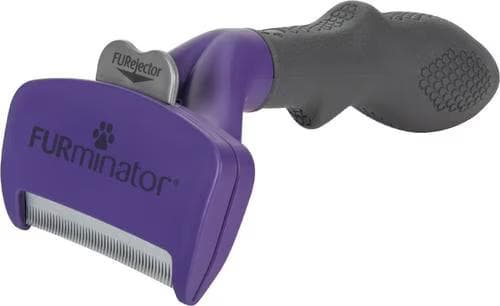
Webvet may earn a commission when you click through to Chewy, at no extra cost to you.
Do hairless Sphynx cats sweat?
Do hairless cats sweat more? Cats Protection notes that Sphynx cats sweat just like other cats. What owners often call Sphynx cat sweat is skin oil. With no coat to absorb it, the oil sits on the skin and can leave greasy marks, the so-called sweat stains, on bedding and furniture.
VCA Animal Hospitals recommends daily sponging for the breed because the skin's natural oils leave oily spots where the cat lies. Between sponge baths, a gentle wipe-down with HICC PET Deodorizing Cat & Dog Glove Wipes can lift surface oil from healthy skin. VCA also advises limiting sun exposure, since hairless skin can sunburn.
The Cat Fanciers' Association adds that human shampoos can be too harsh for Sphynx skin. It also notes the breed gets cold easily and is most comfortable in a home around 70°F, so a hairless cat hunting for warm spots is normal.
What about their skin, nose or belly?
Cats can't sweat through their skin in a meaningful way either, and you won't find sweat on a cat's nose, ears, belly or tongue, or under their arms. Merck notes that neither type of sweat gland is found on the bare leather of the nose, so a damp nose comes from licking or the environment.
Heat still leaves the body through the skin. Blood vessels in the skin help regulate body temperature, and grooming turns the coat into a cooling surface. That process works without any sweat at all.
Why does my cat feel wet or sweaty?
If your cat feels wet or sweaty, the moisture rarely comes from sweat glands in the coat. These are the usual explanations:
- Grooming saliva: cats spread saliva over their fur to cool off, so a freshly groomed patch can feel damp.
- Water: some cats dip a paw in the bowl, splash while drinking or brush against a wet sink or tub.
- Drool: heavy drooling on a hot day is an early heatstroke sign, and drooling at other times can point to a mouth or dental problem.
- Skin oil: hairless cats can feel tacky or greasy from skin oil, not sweat.
So why is my cat sweating a lot, or at least seeming to? Damp paws on a nervous cat are stress sweat. A cat sweating and drooling on a hot day, or panting and restless, is overheating.
Do cats sweat when sick? PetMD's veterinary team lists fever among the causes, so a cat that seems sweaty and unwell needs a veterinary check.
How to Keep Your Cat Cool in Hot Weather
Most heat trouble in cats is preventable. These steps draw on the Cornell Feline Health Center's heat safety advice and the Royal Veterinary College's heatstroke guidance.
Keep fresh water flowing
Water matters more than any gadget. Cornell advises keeping fresh water available at all times, indoors and out, and notes that a running water source like a fountain may encourage some cats to drink more. Preferences vary, so keep a regular bowl out too.
Cornell's hydration guidance puts a cat's needs at about 4 ounces of water per 5 pounds of lean body weight a day, roughly a cup for a 10-pound cat. Our guide to how much water a cat should drink explains how to check intake at home.
In a home with several pets, a larger stainless fountain that holds 128 ounces runs dry less often during a heat wave.
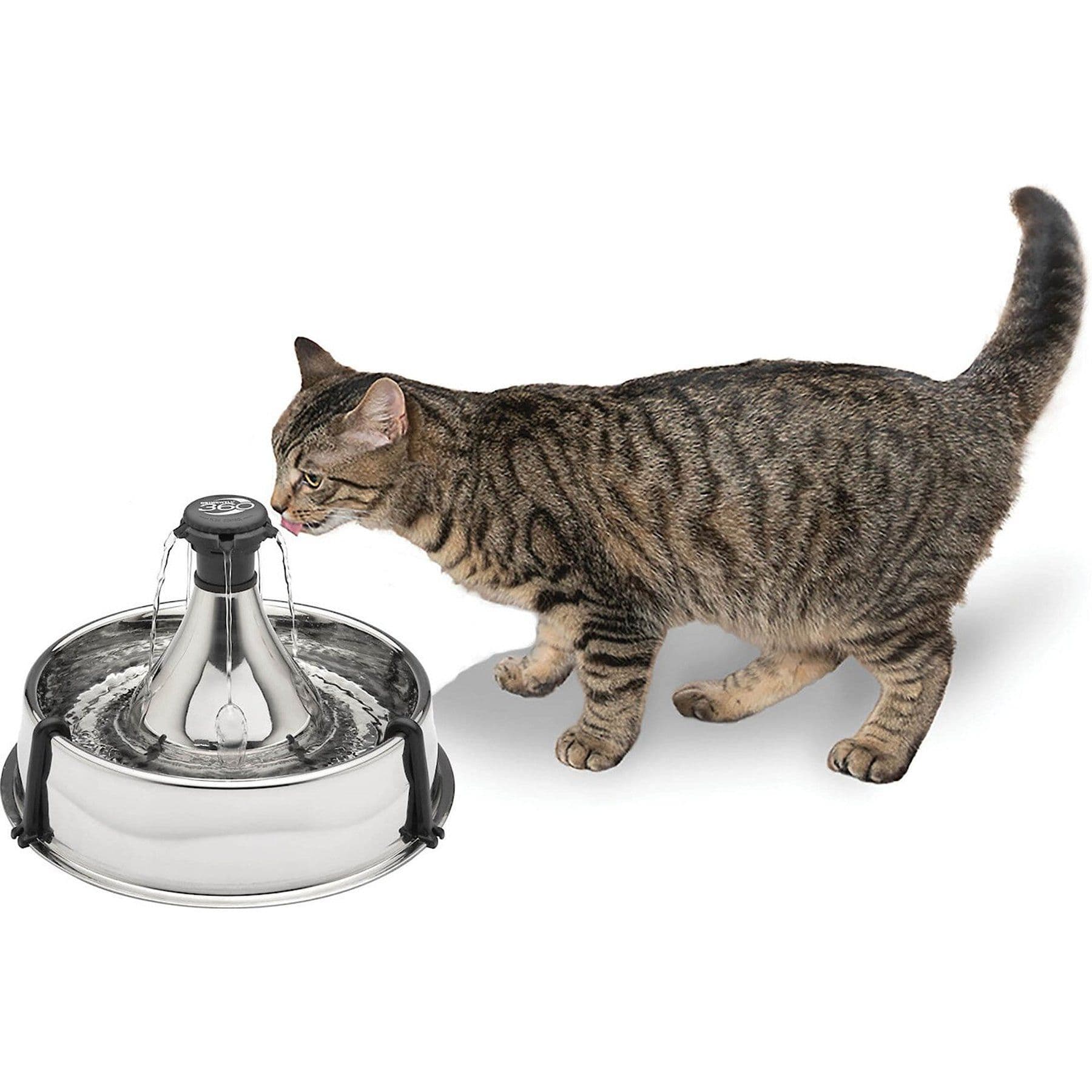
Webvet may earn a commission when you click through to Chewy, at no extra cost to you.
If you prefer a fountain designed just for cats, the Catit Flower LED Nightlight Cat Fountain is another option. The Royal Veterinary College also suggests adding ice to keep drinking water cool on hot days. Compare more options in our cat water fountain guide.

Make cool resting spots
Cats find cool places on their own when you give them options. Cornell suggests cooling mats, ice packs wrapped in a blanket to create a cool spot, and ice cubes to bat around. It also recommends keeping cats indoors in air-conditioned rooms when extreme heat is forecast.
- Leave tiled rooms such as a bathroom open so your cat can stretch out on a cool floor.
- Close blinds on sunny windows and run fans or air conditioning during the hottest hours.
- Shade outdoor areas with trees, umbrellas or sun sails for cats that go outside.
- Check sheds, garages and greenhouses before closing them so no cat gets trapped in the heat.
Protect cats that overheat easily
Some cats need extra margin in hot weather. The Royal Veterinary College names these higher-risk groups:
- Flat-faced breeds such as Persians
- Overweight cats
- Cats with thick coats
- Very young kittens and older cats
- Cats with heart, lung or airway problems
Light-colored cats and hairless breeds face a second summer risk: sunburn. Cornell recommends a pet-safe sunscreen on the ear tips and nose of cats with light-colored fur to help prevent skin cancer.
Add moisture with wet food
Food counts toward water intake too. Cornell points out that wet food can contain up to 80% water, so cats that eat it may drink less from the bowl, while cats on dry food take in more of their daily water by drinking. Adding water to food is another option Cornell suggests.
If your cat eats mostly kibble, mixing in a moist food such as The Honest Kitchen Minced Turkey in Bone Broth Gravy Cat Food during a heat wave is an easy way to add fluid. Introduce any new food gradually over several days so your cat's stomach can adjust.
Cats on a prescription diet should stick with foods their veterinarian has approved, so ask before adding anything new.
Check on your cat when you're away
Heat waves and power outages don't wait for you to get home. Before you leave, close off sunny rooms, leave extra water and confirm the air conditioning is working.
A Wi-Fi pet camera lets you check from your phone whether your cat is resting calmly or restless during the hottest part of the day, so you know when to head home or ask a neighbor to step in.

A 360-degree Wi-Fi pet camera you can check from your phone to see whether your cat is resting comfortably on a hot day while you're out.
Webvet may earn a commission when you click through to Chewy, at no extra cost to you.
Never leave a cat in a parked car
VCA notes that most heatstroke cases in cats happen when a cat is left in its carrier in an unventilated car. A Merck Veterinary Manual summer safety note adds that on an 85°F day, the inside of a car can top 100°F in 10 minutes and 120°F in 35 minutes. Take your cat with you at every stop.
 $65 · no membership
Have a health question about your cat?
A licensed vet can assess your cat over video and prescribe online when it's appropriate.
 Talk to a vet
- Licensed vets
- All 50 states
- same-day Rx
Webvet may earn a commission if you book.
How Do Cats Cool Down Without Sweating?
Since sweat does so little, cats rely on other tools to regulate their body temperature. Merck's cat skin guide names grooming as the main one: cats spread saliva on their skin and fur, and as it evaporates, it carries heat away. Watch a cat on a warm afternoon and you'll see the rest of the plan.
| Cooling method | How it works | What you'll notice |
|---|---|---|
| Grooming | Saliva spread on the coat evaporates and cools the skin | More licking on hot days and damp-looking patches of fur |
| Cool surfaces | Tile, stone or a porcelain sink draws body heat away | Stretched-out naps on bathroom or kitchen floors |
| Rest | Less movement means less body heat produced | Long naps in shade during the hottest hours |
| Warm-weather coat | Shorter hairs and less undercoat let air reach the skin | Extra shedding in spring and early fall |
| Paw-pad sweat | A small amount of evaporation from the pads | Damp paw prints on smooth floors |
| Nasal brain cooling | Blood cooled in the nose chills blood headed to the brain | Nothing visible at rest |
| Panting | Moves heat out through the mouth and airways | A heat stress or illness signal, not routine cooling |
One lesser-known trick sits behind the nose. In a 1972 physiology study, cats kept their brains cooler than the rest of the body. A network of arteries called the carotid rete traded heat with blood cooled in the nasal passages.
When the air around those cats reached 104 to 113°F, the effect grew, and blood headed to the brain ran up to 1°C (about 1.8°F) cooler than the aorta. The cats were thermal panting at that heat load. Their breathing rate rose about tenfold and core temperature still climbed 2 to 2.5°C (roughly 4°F).
That's the key lesson for owners. Panting shows up when grooming, rest and cool surfaces are no longer enough to keep a cat cool.

Do Cats and Dogs Sweat the Same Way?
Mostly, yes, which surprises many owners. Do cats and dogs sweat? Both sweat mainly through their paw pads, and neither can sweat enough to cool off the way people do. The difference is the backup plan.
Dogs rely heavily on panting, so a panting dog after a walk is normal. Our guide to how dogs sweat and cool off covers that side. Do cats sweat like dogs? Their sweat is similar, but cats lean on grooming and rest instead of panting, so a panting cat deserves a closer look. For dog owners, Petful's guide to how hot is too hot for dogs has the temperature thresholds.
| Animal | Where it sweats | Main way it sheds heat |
|---|---|---|
| Cat | Paw pads, plus minimal sweat from haired skin | Grooming saliva, cool surfaces and rest |
| Dog | Mainly paw pads | Panting |
| Human | Nearly all of the skin | Evaporating sweat |
| Horse | Haired skin across the body | Evaporating sweat, often in large amounts |
| Pig | Limited sweat glands | Water or mud |
| Chicken | No sweat glands | Panting |
Which animal sweats the most?
If you're wondering which animal is the most sweaty, horses and humans top the list among familiar animals. Merck notes that sweat evaporation is the primary cooling mechanism for horses and primates.
It also reports that horses exercising for long periods in hot conditions can lose 10 to 15 liters of body fluid an hour through sweat, and that horse sweat is more concentrated in salts than human sweat.
Which animals don't sweat?
Birds are the best-known animals with no sweat glands at all, which a review of heat stress in chickens cites as one reason they are so sensitive to heat; they pant instead. Pigs have too few sweat glands for sweating to cool them, so they seek water or mud.
Cats aren't sweatless, but with sweat confined mostly to the paws, they need other ways to shed heat, and your help when those fall short.
Why Panting Is a Warning Sign in Cats
Why don't cats pant like dogs? Dogs use panting as a main cooling system. Cats depend on grooming, cool surfaces and rest, and a healthy cat at rest breathes with its mouth closed. In the heat study above, the cats panted under a heavy heat load, so a panting cat is telling you its quieter defenses aren't keeping up.
So panting is not a routine way for cats to cool off. Cats Protection notes that, unlike dogs, cats don't normally pant in response to heat, so a cat panting in the heat is far too hot. VCA advises that a cat having trouble breathing, especially with open-mouth breathing or panting, needs a veterinarian right away.
PetMD notes that a short bout can follow hard play or a stressful car ride, but it should stop once your cat calms down and cools off.
Before a problem starts, learn what normal looks like for your cat. Our guides cover a normal cat breathing rate, fast breathing in cats, belly breathing in cats and open-mouth breathing in a cat, which is usually a sign of distress that needs a vet.
How Do You Tell If a Cat Is Too Hot?
Cats hide discomfort, and the Royal Veterinary College notes that heatstroke signs in cats are often more subtle than in dogs. So how do you tell if a cat is hot? Check behavior first, then breathing, gums and coordination, and use this ladder to decide how fast to act.
| Stage | What you may see | What to do |
|---|---|---|
| Warm but coping | Resting stretched out on a cool floor, grooming more, moving less, occasional damp paw prints | Offer water and a cooler room, then keep watching |
| Heat stress | Restlessness, pacing, constantly seeking shade or water, panting, drooling, red gums or tongue, fast heart rate, vomiting or diarrhea | Start cooling now and call your veterinarian |
| Heatstroke emergency | Lethargy, weakness, confusion, wobbling, collapse or seizures | Keep cooling and get to a vet immediately |
Hot-feeling skin is another clue, but it can't tell you your cat's actual temperature. Merck puts a normal rectal temperature for cats at about 101.5 to 102°F and warns that heatstroke can push it to 106°F or higher. Don't delay cooling to take a reading; your veterinarian will check it.
Heatstroke in Cats: What to Do Right Now
Heatstroke is an emergency, and Cornell warns it can become life-threatening very quickly. If your cat shows heat-stress signs, start these steps and call your veterinarian or the nearest emergency clinic while you work.
- Move your cat to a cool, shaded place with moving air, such as an air-conditioned room or a spot in front of a fan.
- Gently wet the fur with cool, not very cold, water, especially on the belly and head, and keep air moving over the damp coat.
- Skip ice baths and ice-cold water. The Royal Veterinary College explains that very cold water reduces blood flow to the skin, which slows cooling and can cause shivering.
- Offer small sips of water if your cat is alert and wants them, but never force water into its mouth.
- Drive to the vet with the air conditioning on. VCA suggests wrapping your cat in a cool, wet towel for the trip.
- Get a checkup even if your cat seems to recover, because the serious effects of heatstroke may not show right away.
Cat Sweat Questions, Answered
Frequently Asked Questions
What is a normal body temperature for a cat?
About 101.5 to 102°F (38.6 to 38.9°C) taken rectally, according to the Merck Veterinary Manual. Heatstroke can raise it to 106°F (41.1°C) or higher. A true fever is different: the brain resets its thermostat, often because of an infection. If your cat feels hot and seems unwell, call your veterinarian rather than guessing.
Can indoor cats overheat?
Yes. The Royal Veterinary College notes that heatstroke doesn't require a scorching day; a warm, humid or poorly ventilated space can be enough, and it warns against leaving pets in hot rooms such as conservatories. Indoor cats are at risk when the air conditioning fails or they get shut in a sunny room, garage or shed.
Is it safe to put ice cubes in my cat's water?
Yes. The Royal Veterinary College suggests adding ice to keep drinking water cool, and Cornell suggests giving cats ice cubes to play with on hot days. Ice is for keeping water and play cool. A cat that already shows heat-stress signs needs its coat cooled with cool, not ice-cold, water and a call to the vet.
Can cats get sunburned?
Yes, especially cats with white or pale fur on the ears and nose, and hairless breeds. Cornell recommends a pet-safe sunscreen on the ear tips and nose of light-colored cats to help prevent skin cancer, and VCA advises limiting sun exposure for Sphynx cats. Use only products labeled safe for cats, and give outdoor cats plenty of shade.
$65 · no membershipHave a health question about your cat?
A licensed vet can assess your cat over video and prescribe online when it's appropriate.
Talk to a vet- Licensed vets
- All 50 states
- same-day Rx
Webvet may earn a commission if you book.

Wendy Toth is an entrepreneurial writer, editor, and mom of two humans, two dogs and one cat. She’s currently Content Director here at PetFul. For the last 15 years she has held positions at Parents Magazine, NBC, PetSmart, and GreatPetCare, where she was co-founder. Her writing has appeared in many national outlets including Pet Lab Co., Retail Me Not, Ask Men, Wild Society Nutrition, and The New York Times. Because she loves her work so much, she’s obsessed with helping others find career fulfillment, and covers it regularly at PowerSuiting.
Veterinarian · BVMS MRCVS
Dr. Pippa Elliott, BVMS, MRCVS, is a veterinarian with nearly 30 years of experience in companion animal practice. Dr. Elliott earned her Bachelor of Veterinary Medicine and Surgery from the University of Glasgow. She was also designated a Member of the Royal College of Veterinary Surgeons. Married with 2 grown-up kids, Dr. Elliott has a naughty Puggle named Poggle, 3 cats and a bearded dragon.


