Do Cats Think You Are Their Mother? Understanding Feline Bonding and Behavior
The Formation of Feline Bonds: Early Socialization and Nurturing Connections


BVMS MRCVS

This article contains affiliate links. Webvet may earn a commission when you buy through them, at no extra cost to you.
You may be curious if your cat sees you as their mother. Cats have a special knack for forming close ties with their human caregivers, often displaying behaviors akin to parent-child relationships.
In this article from Webvet, we’ll explore the fascinating topic of feline bonding and delve into the question, “Do cats look at their owners as parents?”
The Unique Bond Between Cats and Humans: Understanding the Feline-Human Connection
The connection between cats and humans is a fascinating and multifaceted relationship that has evolved over thousands of years.
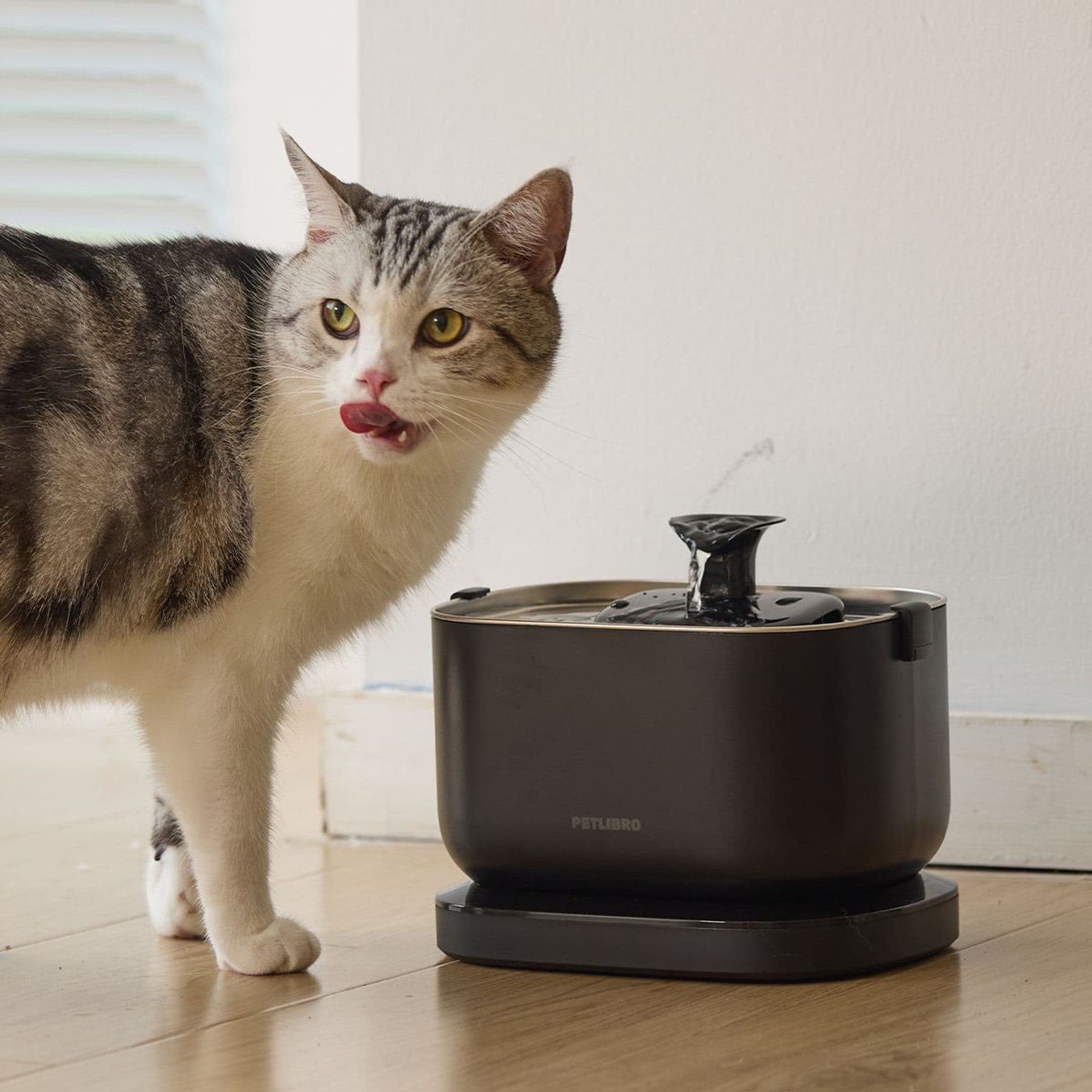
Webvet may earn a commission when you click through to Chewy, at no extra cost to you.
- Cats' Coexistence with Humans: Cats have a long history of cohabiting with humans, dating back to ancient civilizations. Their domestication journey began as they were welcomed into human communities to assist with pest control, leading to a symbiotic relationship.
- Cultural Significance: Throughout history, cats have been celebrated and revered in various cultures for their mysterious nature and hunting prowess. From Egyptian deities to Japanese folklore, cats have been integral to myths, stories, and even religious beliefs.
- Unique Personalities: Cats have distinct and individual personalities, ranging from aloof and independent to affectionate and social. Their ability to form strong emotional connections with humans adds to the depth of the feline-human bond.
- Mutual Respect: Unlike some other domesticated animals, cats are known for their independence. They value their freedom and appreciate human companions who respect their boundaries and allow them to express their natural behaviors.
- Mutual Comprehension: Over time, cats and their human caregivers often develop a unique form of non-verbal communication, where both parties understand each other's cues and signals.
- Emotional Bonds: Cats can form deep emotional bonds with their human caregivers, exhibiting signs of attachment and affection. They may seek comfort, security, and companionship from their trusted humans.
- Dependence on Caregivers: While cats are independent creatures, they rely on their human caregivers for food, shelter, and emotional support. In return, they offer their loyalty and companionship.
Parental-Like Behaviors in Cats
Driven by their innate nurturing instincts, cats often display behaviors reminiscent of parental care toward their people. Understanding these tender gestures provides insight into the depth of their affection and the unique bond they form with their human caregivers.
Compare coverage choices for your pet, then request a quote directly on Lemonade.
- Check a price for your pet
- Review available coverage choices
- See the terms before you decide
Eligibility, waiting periods, limits and exclusions apply.
Webvet may earn a commission when you click through to Lemonade, at no extra cost to you.
Grooming: A Symbol of Affection and Care
Grooming is not just about maintaining a cat’s pristine appearance; it is also a gesture of love and care. Cats engage in grooming behaviors not only to keep themselves clean but also to display their affection toward their human family:
- Mutual Grooming: Some cats reciprocate grooming with their owners, signifying a deep bond and the role of mutual trust and respect in their relationship.
- Licking as a Bonding Gesture: When a cat licks you, it’s a way of expressing affection and marking you as a part of their social group.
- Relaxation and Stress Relief: Grooming also provides cats with a sense of relaxation and stress relief, making it a comforting experience for both felines and humans.
Kneading and Nursing Behaviors: Nurturing Gestures
Kneading and nursing are behaviors rooted in a cat’s early kittenhood, when they would knead their mother’s belly to stimulate milk flow. These nurturing gestures often continue into adulthood and are directed towards their human caregivers:
- Kneading as a Bonding Ritual: When a cat kneads against you with their paws, it’s a sign of trust, comfort, and a desire to form a close bond.
- Suckling and Nursing Behaviors: Some cats may display suckling behaviors, often accompanied by kneading, as an instinctual response to feeling safe and secure.
Seeking Comfort and Security
Cats seek comfort and security from their human owners, mirroring the behavior they exhibit towards their feline mothers. Recognizing this inherent need for reassurance and comfort enables the provision of a nurturing environment for feline companions:
- Snuggling and Cuddling: Cats often seek physical closeness and warmth through snuggling and cuddling, which reinforces the sense of security and affection in their bond with humans.
- Sleeping on or Near Their Owners: Sleeping close to their human caregivers is a behavior that reflects the trust and contentment cats feel in their presence.
These parental-like behaviors strengthens the bond with cats, fostering an even deeper and more loving relationship. Embracing these gestures of affection becomes a testament to the unique connection shared with cherished feline friends.
The Role of Early Life Experiences
Early life experiences play a significant role in shaping a cat's ability to form attachments and bonds with their human caretakers. Understanding the impact of these experiences allows for the provision of necessary care and support, strengthening the bond between cats and their human families.

Webvet may earn a commission when you click through to Chewy, at no extra cost to you.
Kittenhood Socialization and Its Impact
Kittenhood is a critical period during which a cat learns to socialize and develop trust with humans and other animals. Positive experiences during this stage can profoundly influence their ability to form strong and secure attachments later in life:
- Positive Interactions: Gentle handling, positive social experiences, and exposure to various environments during kittenhood contribute to a well-socialized and confident adult cat.
- Creating Positive Associations: Early exposure to different people, sounds, and stimuli helps cats view the world with curiosity and openness, making them more receptive to forming bonds with their future human companions.
Adopted Cats and Bonding Wwith New Owners
Adopting a cat comes with its own set of opportunities and challenges. The cat has to acclimate to a new environment and a new family. Learning about how to form a bond with your adopted cat can greatly facilitate this transition and make it a more fulfilling experience:
- The Adjustment Period: Give your newly adopted cat time and space to acclimate to their new environment, as this adjustment period is essential for building trust and familiarity.
- Patient Bonding: Bonding with an adopted cat may take time and patience, but providing consistent care and attention will help them feel secure and loved.
- Interactive Play and Bonding: Engaging in interactive play and spending quality time together strengthens the bond between you and your adopted feline friend.
Rescued Cats: Building Trust and Attachment
Rescued cats, often coming from challenging or traumatic backgrounds, may require special care and understanding to build trust and form attachments. Compassion and patience are essential in this delicate process:
- Safe and Secure Environment: Provide a safe and nurturing space where your rescued cat can feel protected and begin to heal from past experiences.
- Slow and Gradual Approach: Allow your rescued cat to set the pace for bonding and interaction, respecting their boundaries and offering reassurance when needed.
- Positive Reinforcement: Use positive reinforcement techniques to encourage and reward your cat’s progress, helping them build confidence and trust in their new environment.
Acknowledging the significance of early life experiences allows for the cultivation of a nurturing and supportive environment for feline companions, strengthening the bond between humans and cats and ensuring their emotional well-being and happiness.
Feline-Human Bond: Do Cats Think You Are Their Mother?
While cats may display behaviors similar to those exhibited towards their mothers, it’s essential to understand that the human-cat relationship is distinct. Cats may show affectionate behaviors like kneading or seeking comfort from their human caregivers, but they don’t perceive humans as their biological mothers.
Instead, cats form a unique bond of trust and attachment, viewing their human companions as trusted caregivers and members of their social group. Providing love, care, and support, cats reciprocate with their own form of companionship, making the connection truly special and rewarding for both parties involved.
Links/Sources:
FAQs
Why does my cat knead me?
Kneading is a natural behavior that stems from kittenhood when cats knead their mother’s belly to stimulate milk flow. When adult cats knead, it often signifies feelings of contentment, security, and affection. They may knead on soft surfaces or even on their owners as a way to demonstrate trust and seek comfort.
My cat brings me “"gifts.”" What does it mean?
When cats present you with “"gifts,”" such as toys or small prey items, they are expressing their deep affection and regard. In the wild, mother cats provide food for their kittens to teach them hunting skills. By offering you these items, your cat sees you as part of their family and demonstrates their trust and appreciation.
Does my kitten think I'm its mom?
While your kitten may display behaviors that resemble interactions with its biological mother, it's essential to remember that the feline-human relationship is different. Kittens form strong attachments to their human caregivers, seeking comfort and security much like they would from their mother. Although they don't perceive you as their biological mom, they develop a unique bond with you, viewing you as a trusted caregiver and a source of love and protection.

Wendy Toth is an entrepreneurial writer, editor, and mom of two humans, two dogs and one cat. She’s currently Content Director here at PetFul. For the last 15 years she has held positions at Parents Magazine, NBC, PetSmart, and GreatPetCare, where she was co-founder. Her writing has appeared in many national outlets including Pet Lab Co., Retail Me Not, Ask Men, Wild Society Nutrition, and The New York Times. Because she loves her work so much, she’s obsessed with helping others find career fulfillment, and covers it regularly at PowerSuiting.
Veterinarian · BVMS MRCVS
Dr. Pippa Elliott, BVMS, MRCVS, is a veterinarian with nearly 30 years of experience in companion animal practice. Dr. Elliott earned her Bachelor of Veterinary Medicine and Surgery from the University of Glasgow. She was also designated a Member of the Royal College of Veterinary Surgeons. Married with 2 grown-up kids, Dr. Elliott has a naughty Puggle named Poggle, 3 cats and a bearded dragon.


