Hot Spots on Dogs: What They Are and How to Treat Them Fast
Hot spots on dogs are painful, fast-spreading skin sores that can worsen within hours. A vet explains what causes them, what healing looks like stage by stage, and how to treat them safely at home and at the clinic.

BVSc MRCVS
Medically reviewed by Dr. Grace Mee, BVSc MRCVS · Last reviewed

This article contains affiliate links. Webvet may earn a commission when you buy through them, at no extra cost to you.
You're petting your dog and suddenly feel a wet, scabby patch under the fur: red, sticky, and sore. That is the classic first sign of hot spots on dogs, which are painful, fast-spreading skin infections triggered by irritation, moisture, or self-trauma from licking and scratching.
The good news is that hot spots respond quickly once treated, and most simple lesions settle within about a week of proper care. The catch is speed: a hot spot can double in size within hours, so early action matters more than with almost any other skin problem.
This vet-written guide explains what hot spots look like, why they appear (sometimes suddenly), what actually helps at home versus what makes things worse, and when your veterinarian needs to step in with prescription treatment.
- 1Hot spots, also called acute moist dermatitis or pyotraumatic dermatitis, are painful bacterial infections of the surface layers of the skin.
- 2They appear quickly and can worsen within hours, spreading as your dog licks, chews, and scratches the area.
- 3Common triggers include flea and environmental allergies, trapped moisture, matted coats, insect bites, and stress or boredom licking.
- 4Safe home care means trimming, gentle cleaning with a dog-safe antiseptic, drying, and a cone. Apple cider vinegar, alcohol, and human creams can do real harm.
- 5Most hot spots need veterinary care: your veterinarian may prescribe topical or oral antibiotics plus anti-itch medication, and will treat the underlying trigger.
What Are Hot Spots on Dogs?
Hot spots are localized patches of inflamed, infected skin: moist, red, and intensely itchy or painful. The medical term is acute moist dermatitis, describing a sudden (acute) area of moist skin inflammation. Veterinarians also call them pyotraumatic dermatitis, because self-trauma from licking and scratching drives the infection.
These lesions look as nasty as they sound: typically round, wet, oozing sores with hair loss over the area. The Merck Veterinary Manual classifies them as a surface pyoderma, most often involving Staphylococcus pseudintermedius, a bacterium that normally lives harmlessly on canine skin.
Hot spots on dogs can crop up anywhere, but the most common sites are the neck, cheeks, hips, tail base, and thighs. Because they are painful, some dogs will guard the area or flinch when touched.
One common worry has a reassuring answer: hot spots are not contagious to other pets or people. The bacteria involved are normal skin residents, and the sore itself cannot spread between animals, although an underlying trigger such as fleas certainly can.
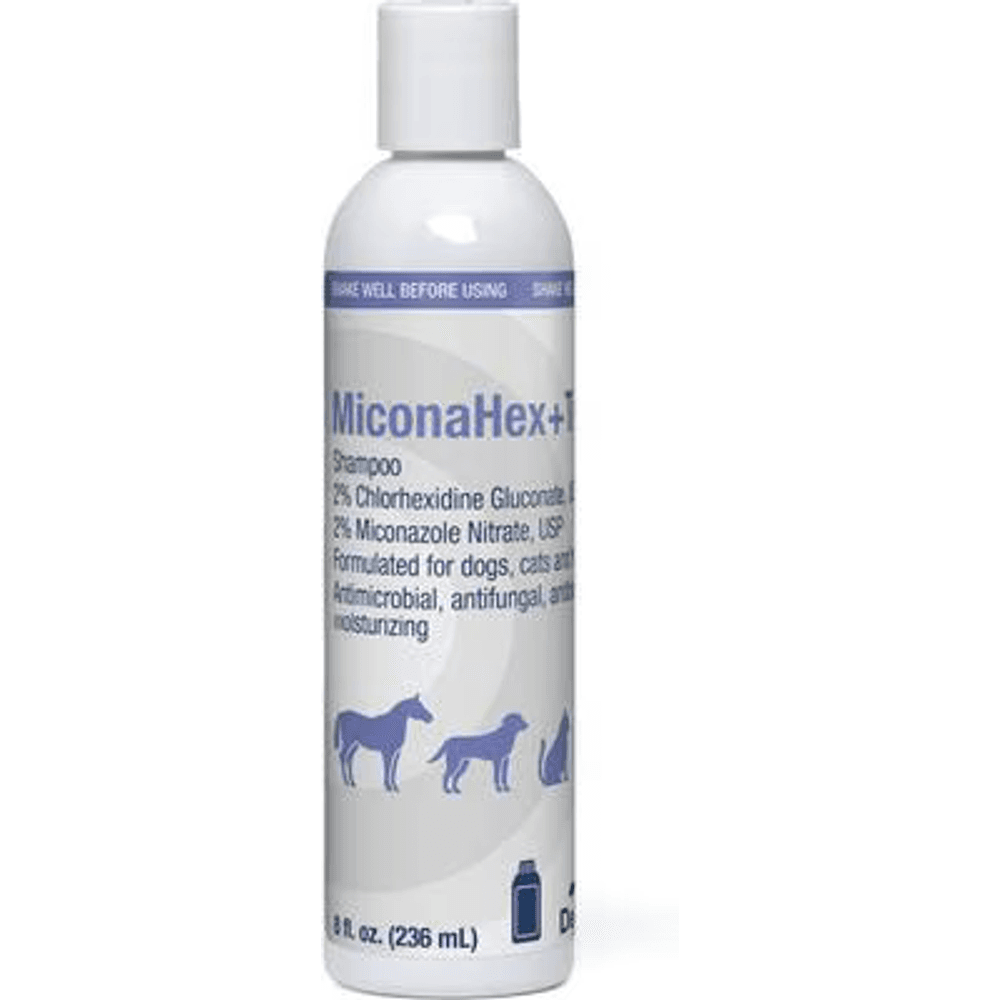
A vet-strength medicated shampoo pairing 2% chlorhexidine and 2% miconazole, a potent antifungal and antibacterial combination widely used to help clear ringworm and yeast or bacterial skin infections.
Webvet may earn a commission when you click through to Chewy, at no extra cost to you.
What Hot Spots Look Like: Healing Stages
A fresh hot spot looks like a red, raw, weeping circle of skin, often ringed by moist, matted fur. As it heals, the surface dries, scabs, and gradually flattens. Knowing the stages helps you judge whether treatment is working or the lesion is quietly getting worse.
| Stage | What you see | Typical timeline |
|---|---|---|
| Fresh lesion | Red, moist, oozing sore that spreads; hair loss; constant licking and pain | First 24 to 48 hours; can enlarge within hours |
| Drying | Oozing stops and redness fades as the surface starts to dry | Days 2 to 4 of treatment |
| Scabbing | A dry crust forms and the itch settles; leave healthy scabs alone | Days 4 to 7 |
| Skin repair | Scab lifts to reveal smooth pink skin with no discharge | About 1 to 2 weeks for simple hot spots |
| Fur regrowth | New coat gradually fills in over the healed patch | A few weeks after the skin heals |
If a hot spot is still spreading, weeping, or smelling worse after 24 to 48 hours of home care, the infection runs deeper than home care can reach. That is your cue to book a veterinary visit rather than trying another remedy.
What Causes Hot Spots?
According to the Cornell Riney Canine Health Center, allergies and external parasites such as fleas are the leading causes, and thick-coated breeds like Golden Retrievers, German Shepherd Dogs, and Newfoundlands are most susceptible. Anything that makes skin itchy, damp, or damaged can start the itch-scratch cycle.

1. Allergies
Dogs can be allergic to flea bites, foods, and environmental triggers such as dust mites, pollen, and grasses. Flea allergic dermatitis is the single most common trigger for hot spots: sensitized dogs overreact to flea saliva, scratch hard, and break the skin. Food sensitivities can show up as itchy skin, too.
If your dog is itchy all over rather than in one spot, start with our guide to why your dog is so itchy and learn how to tell food allergies from flea allergies.
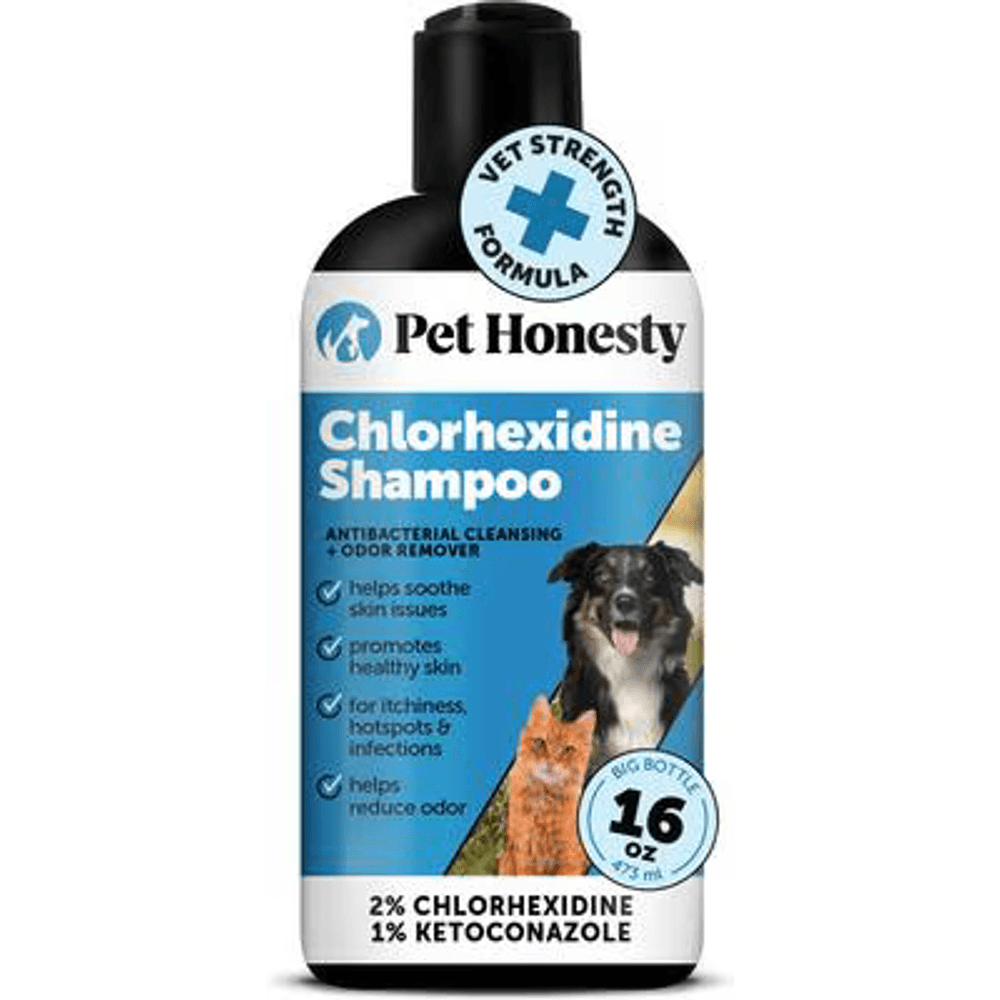
A vet-strength medicated shampoo with 2% chlorhexidine and 1% ketoconazole, the antifungal and antibacterial combination vets use to help clear ringworm and skin infections and to cut fungal spore shedding during treatment.
Webvet may earn a commission when you click through to Chewy, at no extra cost to you.
2. Moisture and Heat
Rain, swimming, and humidity all trap water against the skin, especially in dense double coats. Warm, damp skin is the perfect incubator for bacteria, which is why hot spots peak in summer and after lake or beach days. Always dry your dog thoroughly, right down to the undercoat.
3. Skin Irritation or Poor Grooming
Matted fur and trapped debris chafe the skin underneath and hold moisture against it. Under a tight mat, bacteria multiply undisturbed, and a hot spot can be well established before you ever see it. Regular brushing is genuinely preventive medicine here.
4. Insect Bites or Wounds
A mosquito bite, bee sting, or small scrape can look innocent at first. The niggling itch prompts licking and chewing, self-trauma opens the skin, and bacteria move in. Flea bites are the classic example: see our guide to what fleas on dogs look like and how to stop them.
5. Stress or Boredom
Some dogs lick or chew themselves to self-soothe when anxious, frustrated, or under-stimulated. That repeated licking creates a moist, damaged patch that infects easily. If licking is your dog's habit, our article on dog licking paws explains when it signals a problem worth treating.
Why Is My Dog Suddenly Getting Hot Spots?
Sudden hot spots almost always mean a new or seasonal trigger: fleas becoming active, pollen season starting, a swim that left the undercoat damp, a fresh mat, or a brewing ear infection. Recurring hot spots are a pattern worth investigating; your veterinarian can test for allergies and rule out parasites.
Signs and Symptoms to Watch For
Curious how to tell if a dog has a hot spot? Look out for:
- Red, moist, or weeping skin
- Hair loss or shaved-looking patches
- Foul odor or sticky discharge
- Constant licking, biting, or scratching at one spot
- Sudden sensitivity or crying when touched
- Scabs or crusted skin as the lesion begins to dry
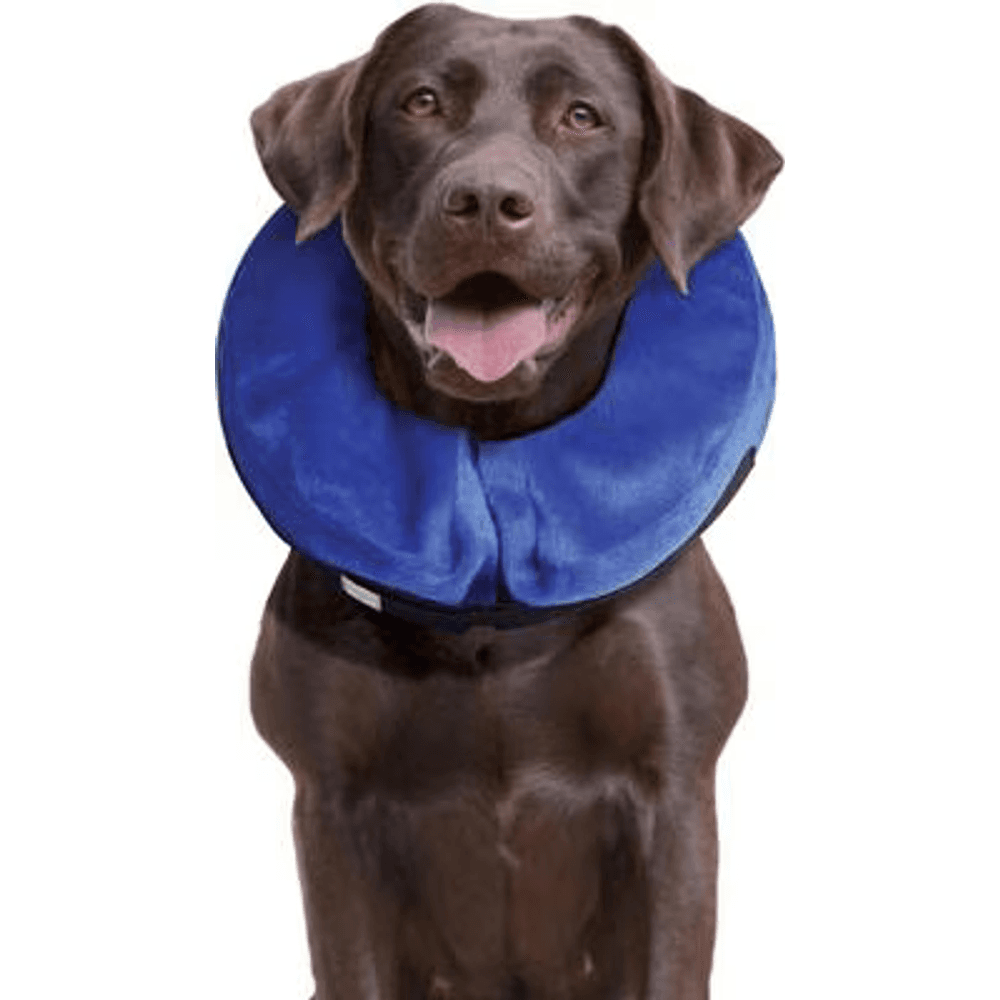
A soft, inflatable donut-style recovery collar that keeps many pets from licking or biting at a healing surgical incision or hot spot while still letting them eat, drink, and sleep in comfort.
Webvet may earn a commission when you click through to Chewy, at no extra cost to you.
 $65 · no membership
Is your dog's itching or skin issue getting worse?
A licensed vet can examine your dog over video and prescribe treatment online when it's appropriate.
 Talk to a vet
- Licensed vets
- All 50 states
- same-day Rx
Webvet may earn a commission if you book.
How Vets Diagnose Hot Spots on Dogs
Diagnosis is usually straightforward and starts with a physical examination. Your veterinarian will often clip the fur over and around the lesion, which frequently reveals a sore larger than it first appeared. Clipping doubles as step one of treatment, because air reaching the skin helps it dry and heal.
Your vet may take a swab or skin scrape to rule out parasites such as mites and to check whether bacteria or yeast are driving the infection. For dogs with repeated episodes of acute moist dermatitis, environmental allergy testing or a food elimination trial may be recommended to find the underlying cause.

How to Treat Hot Spots on Dogs (Fast and Safely)
VCA Animal Hospitals describes treatment as a two-part job: stop the self-trauma and treat the infection, then address whatever started the itching. Home care buys comfort and slows the spread; veterinary care clears the infection for good.
At Home (Immediate Care Before the Vet Visit)
Once you have booked a veterinary appointment, start first aid. Trim the fur around the lesion so air reaches the skin, if your dog tolerates it safely. Clean gently with a dog-safe antiseptic: chlorhexidine solution diluted in lukewarm water works well and is what most clinics use. Pat dry; never rub.
Then stop the licking. An Elizabethan cone or inflatable collar breaks the itch-lick cycle that keeps the wound moist and inflamed. This single step does more than any ointment, because a hot spot cannot dry and heal while it is being licked.

Safe vs. Harmful Home Remedies
The internet is full of hot spot home remedies, and several popular ones actively damage healing skin. The safest rule: nothing goes on an open, raw sore unless your veterinarian has approved it for dogs.
| Home remedy | Verdict | Why |
|---|---|---|
| Trimming fur and cleaning with dilute chlorhexidine | Safe | Dog-safe antiseptic that lets the skin dry and start healing |
| Cone or inflatable collar | Safe | Stops the licking that keeps the wound moist and infected |
| Cool saline compress | Generally safe | Soothes and loosens crust; check with your vet on very raw sores |
| Apple cider vinegar | Harmful | Acidic; stings badly and damages open, raw tissue |
| Hydrogen peroxide or rubbing alcohol | Harmful | Kills healing cells and delays skin repair |
| Tea tree oil | Harmful | Toxic to dogs, especially when licked |
| Human creams and ointments | Ask your vet first | Some are toxic when swallowed, and dogs lick treated skin |
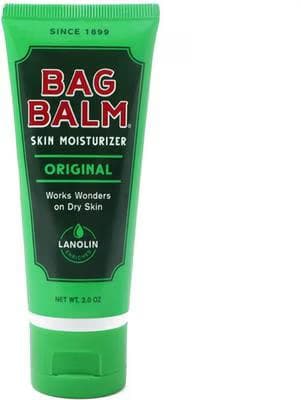
Webvet may earn a commission when you click through to Chewy, at no extra cost to you.
Veterinary Treatment: Medication and Antibiotics
At the clinic, your veterinarian will clip and clean the area professionally, often under sedation if the sore is very painful. For most surface hot spots, your veterinarian may prescribe a combined topical antibiotic and steroid product, which treats the infection and calms inflammation exactly where it lives.
For large, deep, or spreading lesions, your veterinarian may prescribe a course of oral antibiotics, continued until a recheck confirms the skin has fully healed. Stopping treatment early is a common reason a hot spot seems to come back in the same place.
Anti-itch medication is often the difference-maker. Your veterinarian may prescribe a short course of corticosteroids or another prescription itch-relief medication to break the itch-scratch cycle fast, plus pain relief for deeper sores. Finally, the underlying trigger, such as fleas, allergies, or an ear infection, gets its own treatment plan.
Preventing Future Hot Spots
Prevention is better than cure with hot spots on dogs, and most of it is simple coat and parasite care done consistently.
Brush regularly to prevent mats and keep air moving through the coat. Dry your dog thoroughly after swimming, baths, and rainy walks, paying attention to the undercoat, ears, and skin folds. Check high-risk spots weekly: under the collar, behind the ears, the tail base, and the hips.
Keep veterinary-recommended flea and tick prevention going year-round, since flea allergy is the most common trigger. Work with your veterinarian on allergy management, and give itchy or anxious dogs extra exercise and enrichment so licking never becomes their hobby.

Conclusion
Hot spots on dogs are common, but they should never be ignored. Skin is rich in nerve endings, so these infections genuinely hurt, and they grow by the hour. Trim, clean, cone, and call your vet: prompt treatment means faster healing, less pain, and a much smaller sore to fix.
Do not hesitate to reach out to your veterinarian, who can clear the infection and, just as importantly, track down the allergy, parasite, or habit that started it, so this hot spot is also the last one.
A moist, raw hot spot is not the only skin change you might find. If what you are seeing is a firm bump rather than a wet sore, start with our vet guide to lumps on dogs to narrow it down. Common culprits include cysts, mast cell tumors, benign histiocytomas in young dogs, and harmless skin tags.
Frequently Asked Questions
What is a good home remedy for hotspots on dogs?
The safest home remedy is simple first aid: trim the fur around the sore, clean gently with a dog-safe antiseptic such as dilute chlorhexidine, keep the area dry, and fit a cone to stop licking.
Skip apple cider vinegar, hydrogen peroxide, alcohol, and human creams. They sting, damage raw tissue, and can be toxic when licked, so see your vet promptly instead.
Why is my dog suddenly getting hotspots?
Sudden hot spots usually mean a new itch trigger: fleas becoming active, seasonal pollen, a swim or bath that left the undercoat damp, a fresh mat, or an ear infection.
Warm, humid months are peak season. If hot spots keep recurring, ask your veterinarian to test for allergies and rule out parasites, because treating the trigger is what stops the cycle.
Will Benadryl help dog hot spots?
Benadryl (diphenhydramine) may take the edge off mild allergic itching in some dogs, but it does not treat the bacterial infection driving a hot spot, so it rarely resolves one on its own.
Always ask your veterinarian before giving it. They will confirm whether it is safe for your dog and prescribe treatment that actually clears the infection.
Can dog hotspots heal on their own?
Rarely. Trapped bacteria and constant licking keep the wound moist and inflamed, so most hot spots grow rather than heal without treatment, sometimes deepening within hours.
A very small, early lesion may settle with clipping, cleaning, and a cone, but if it is not clearly improving within a day or two, your dog needs veterinary care.
How long do hot spots on dogs take to heal?
With proper treatment, simple hot spots typically dry and scab within a few days and heal in about 7 days. Larger or deeper lesions can take a few weeks.
Fur regrows over the following weeks once the skin has closed. If the sore is still spreading or weeping after 48 hours of care, go back to your vet.
Are hot spots on dogs contagious?
No. Hot spots are not contagious to other dogs, cats, or people. The bacteria involved, usually Staphylococcus pseudintermedius, normally live on your dog's skin and only cause trouble once the skin barrier is damaged.
The underlying trigger can spread, though: fleas in particular will happily bite every pet in the house, so treat all animals and the home environment.
Feature image: istockphoto
$65 · no membershipIs your dog's itching or skin issue getting worse?
A licensed vet can examine your dog over video and prescribe treatment online when it's appropriate.
Talk to a vet- Licensed vets
- All 50 states
- same-day Rx
Webvet may earn a commission if you book.

Veterinarian · BVSc MRCVS
Grace graduated from the University of Liverpool in 2022. She works as a small animal vet in London and has published research in the Veterinary Record. She enjoys consulting and operating on dogs, cats, and exotic pets. Beyond clinical practice, she applies her expertise as a veterinary writer and mentors aspiring veterinary students.


