Dog Snoring: Why It Happens & When to Worry (Vet Guide)
Dog snoring is usually harmless, but sometimes it signals an airway problem. A vet explains why dogs snore, which breeds snore most, the red flags, and how to help your dog breathe quieter.

BVMS MRCVS
Medically reviewed by Dr. Pippa Elliott, BVMS MRCVS · Last reviewed

This article contains affiliate links. Webvet may earn a commission when you buy through them, at no extra cost to you.
Is dog snoring normal?
For most dogs, dog snoring is completely normal and nothing to worry about. Plenty of healthy dogs snore softly during deep sleep. It often has more to do with breed, sleeping position, and age than with any disease.
That said, snoring is not always harmless. It is the sound of turbulent air moving past a partially narrowed airway. A sudden change, a very loud rasping sound, or snoring paired with labored breathing can point to a real problem.
This guide covers why dogs snore, which breeds snore most, how to tell normal snoring from concerning snoring, and exactly when to call your vet.
- 1Occasional soft snoring during deep sleep is normal for most dogs, especially flat-faced breeds.
- 2Snoring is turbulent airflow past a narrowed airway; the sound itself is not dangerous, but the cause sometimes is.
- 3Flat-faced (brachycephalic) breeds like Pugs, Bulldogs, and Shih Tzus snore the most because of their airway anatomy.
- 4See a vet if snoring starts suddenly, gets much louder, or comes with gasping, blue gums, coughing, or exercise intolerance.
- 5Weight loss, allergy control, a raised bed, and treating infections can all reduce snoring.
Why do dogs snore? How the airway makes the sound
Snoring happens when air cannot move smoothly through the nose and throat. As a dog relaxes into deep sleep, the muscles of the soft palate and throat loosen. If the airway is even slightly narrowed, air rushing past those soft, floppy tissues makes them vibrate, and that vibration is the snore you hear.
Anything that narrows the airway or adds extra soft tissue can turn a quiet sleeper into a snorer. The most common contributors are:
- Breed anatomy (short muzzles and long soft palates in flat-faced dogs)
- Extra weight adding fatty tissue around the neck and throat
- Inflammation from allergies, infections, or irritants
- Sleeping position that kinks the neck or lets the tongue fall back
Because sleep is when the airway is most relaxed, snoring shows up during rest even in dogs who breathe silently when awake. Dogs also spend a lot of their day asleep, which gives snoring plenty of opportunity to appear. If you are curious about typical rest patterns, see our guide on how much dogs sleep.

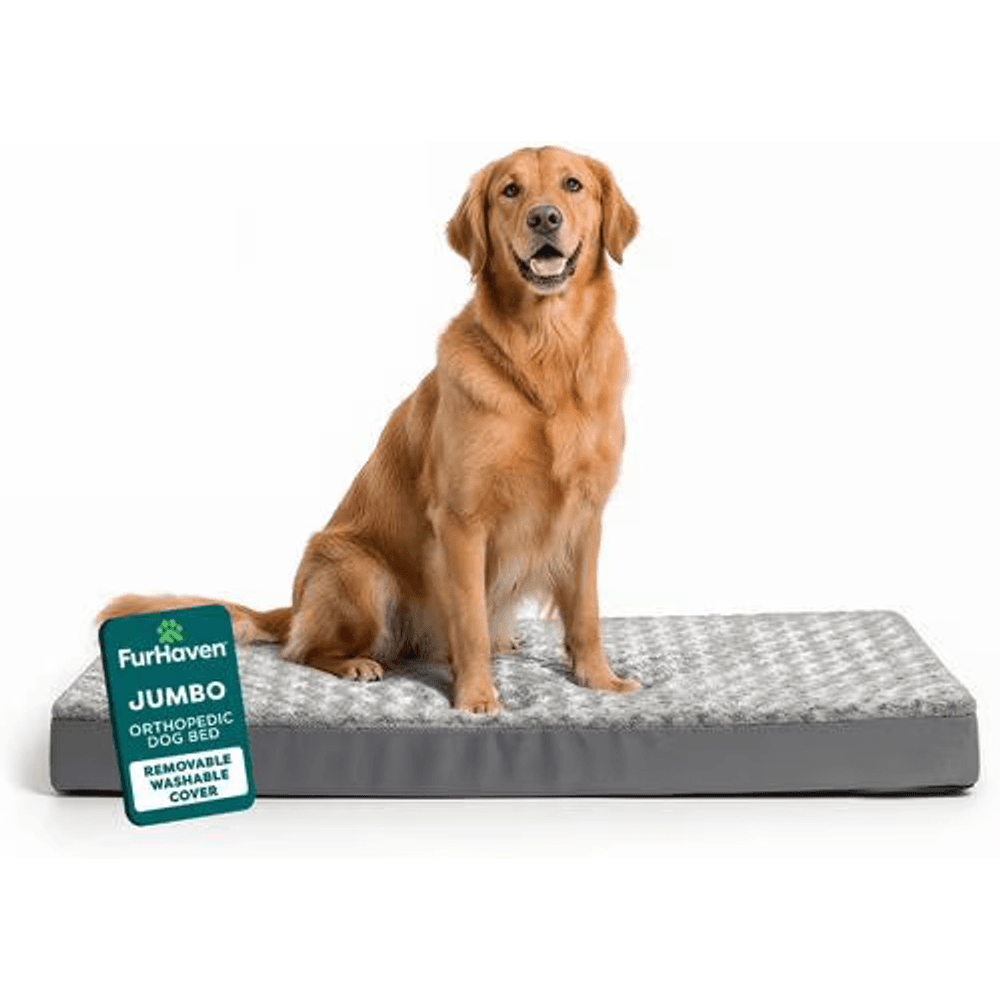
A plush orthopedic foam mattress that cushions aging joints and pressure points, giving a stiff or trembling senior dog warm, supportive rest.
Webvet may earn a commission when you click through to Chewy, at no extra cost to you.
Normal snoring vs. concerning snoring: how to tell the difference
The single most useful thing you can do is know your dog's baseline. A dog who has snored softly for years is very different from a dog who suddenly starts snoring loudly or struggling to breathe. The key questions are: Is this new? Is it getting worse? And is your dog breathing comfortably otherwise?
Signs your dog's snore is probably harmless
- The snoring is soft, rhythmic, and consistent with how your dog has always slept
- It only happens during sleep and stops when your dog wakes up
- Your dog breathes quietly and easily while awake and during exercise
- Energy, appetite, and gum color are all normal
- It changes with sleeping position and settles when your dog shifts
Red-flag snoring that warrants a vet visit
- Snoring that starts suddenly in a dog who never snored before
- A rapid increase in loudness or a harsh, rasping, or honking quality
- Snoring plus gasping, choking, or pauses in breathing during sleep
- Noisy breathing while awake, coughing, or gagging
- Blue, gray, or very pale gums, or getting tired easily on walks
- Nasal discharge, a bloody nose, facial swelling, or a bad smell from the nose
 $65 · no membership
Have a health question about your dog?
A licensed vet can assess your dog over video and prescribe online when it's appropriate.
 Talk to a vet
- Licensed vets
- All 50 states
- same-day Rx
Webvet may earn a commission if you book.
What causes dogs to snore? The 8 most common reasons
Snoring is a symptom, not a disease. Here are the eight most common reasons dogs snore, from the very common and benign to the ones that need veterinary attention.
1. Brachycephalic (flat-faced) anatomy and BOAS
Flat-faced (brachycephalic) breeds are the champion snorers of the dog world. Selective breeding gave them a normal amount of soft tissue packed into a much shorter skull, which crowds the airway.
This bundle of features is called brachycephalic obstructive airway syndrome (BOAS). It commonly includes narrow (stenotic) nostrils, an overlong soft palate, and a narrowed windpipe.
For these dogs, some snoring and snorting is expected. But BOAS exists on a spectrum, and severely affected dogs can struggle to breathe, overheat easily, and tire quickly. Loud, effortful snoring in a Pug, Bulldog, or Frenchie is worth a conversation with your vet, because BOAS is treatable.
2. Allergies and nasal inflammation
Just like people, dogs can react to pollen, dust mites, mold, cigarette smoke, and household irritants. These allergens inflame the nasal lining, which swells the passages and narrows the airway, so a dog who normally sleeps quietly may start snoring seasonally or after moving to a dusty room.
Allergy-related snoring often comes with sneezing, a runny nose, watery eyes, or itchy skin. Reducing dust, washing bedding, and using an air purifier can help, and your vet can recommend allergy treatment if it is a recurring problem.
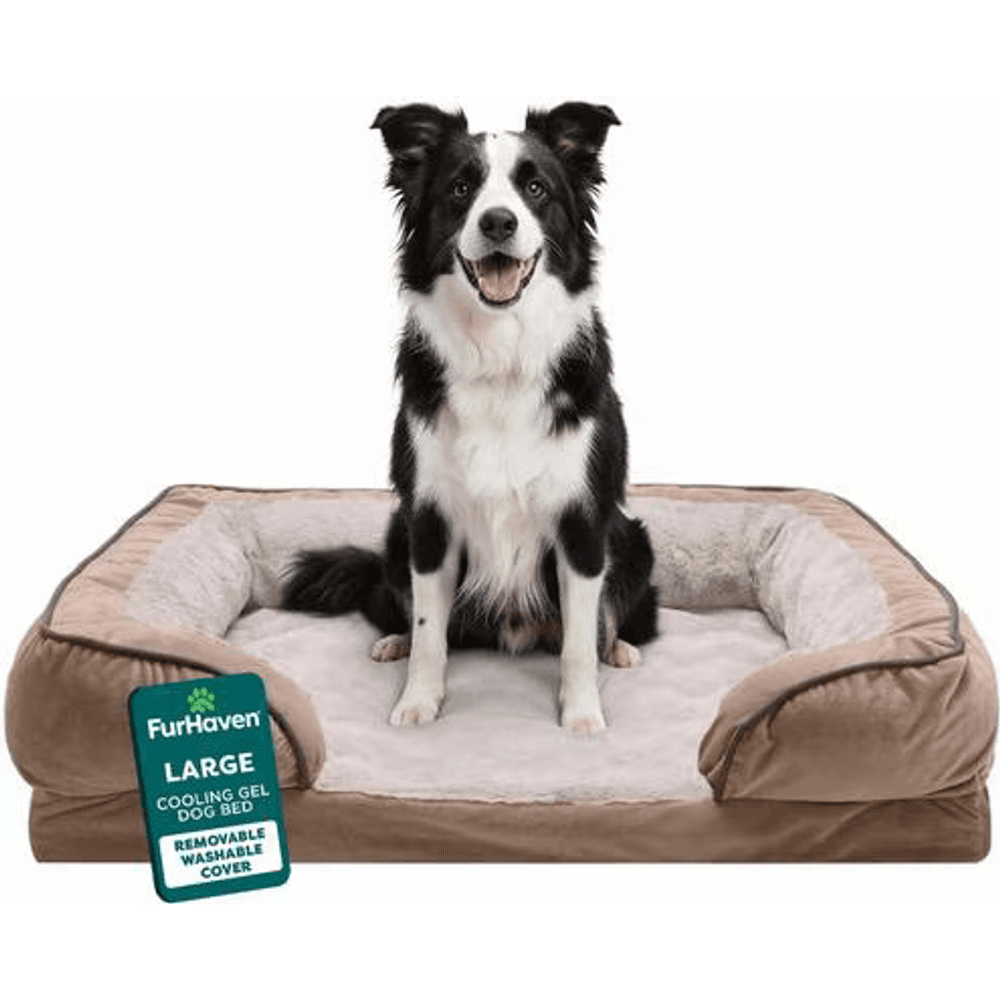
An orthopedic sofa bed with three bolstered sides for dogs who like to rest their head and joints against a cushion. The supportive foam base cradles hips and elbows, a comforting spot for an older or shaky dog to settle.
Webvet may earn a commission when you click through to Chewy, at no extra cost to you.
3. Obesity and weight gain
Excess weight is one of the most common and most reversible causes of snoring. Fat deposits build up in and around the neck and throat, crowding the airway and making the tissues more likely to vibrate during sleep. Even a few extra pounds can tip a quiet sleeper into a snorer.
The good news is that weight loss frequently reduces or eliminates snoring. If your dog has been slowly gaining weight and the snoring has grown along with it, a vet-guided diet and exercise plan is often the single most effective fix.

4. Sleeping position
Sometimes snoring is purely mechanical. When a dog sleeps on its back with the neck bent, the tongue and soft tissues can fall backward and partially block the airway, exactly the way back-sleeping makes some people snore.
Position-related snoring is the most reassuring kind. It comes and goes, and it usually stops the moment your dog rolls onto its side or curls up. If gently repositioning your dog stops the sound, position is the likely culprit.
5. Respiratory infections and dental disease
Kennel cough, canine flu, sinus infections, and other respiratory illnesses produce mucus and swelling that narrow the airway and cause temporary snoring. Infection-related snoring usually appears alongside coughing, nasal discharge, sneezing, or lethargy, and it should improve as the illness resolves.
Advanced dental disease can also play a role. A severe tooth-root infection in the upper jaw can spread into the nasal passages and sinuses, driving inflammation and new-onset snoring. This is one more reason routine dental care matters.
Odd respiratory noises are common in dogs, and not all of them are snoring. Brief, repetitive spasms may be dog hiccups rather than an airway problem.
6. Foreign objects, polyps, and masses
Dogs explore with their noses, and a grass seed, blade of grass, or other small object can lodge in a nasal passage. Nasal polyps, cysts, and tumors can also grow in the nose or throat and physically block airflow.
These causes typically produce snoring on one side, along with sneezing, pawing at the face, nasal discharge, or a nosebleed.
Snoring that appears suddenly and only seems to come from one nostril deserves prompt veterinary evaluation, since a lodged object or mass will not resolve on its own.
7. Age-related changes in senior dogs
As dogs age, muscle tone in the throat and soft palate relaxes, and the tissues become a little floppier. That softening makes older dogs more prone to snoring even if they slept silently in their younger years. Weight gain, which is common in less active seniors, adds to the effect.
Mild new snoring in an older dog is often just age. Still, seniors are also more likely to develop the serious causes on this list, so a new snore in a gray-muzzled dog is worth mentioning at the next checkup. Our senior dog health guide covers what else to watch for as dogs get older.

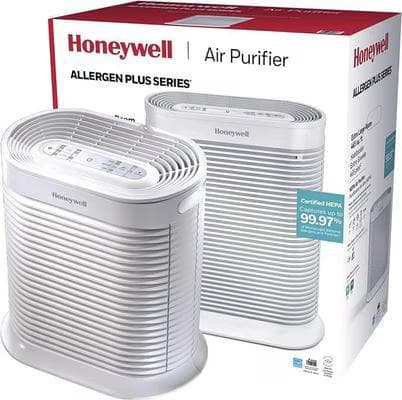
Certified True HEPA air purifier that captures 99.97% of airborne dust, dander, pollen, and smoke, reducing the airborne triggers behind feline asthma and respiratory irritation.
Webvet may earn a commission when you click through to Chewy, at no extra cost to you.
8. Medications and sedatives
Certain medications relax the muscles of the airway and throat, which can cause temporary snoring. Sedatives, some pain medications, and muscle relaxants are common examples, and you may notice extra-loud snoring after a procedure that required anesthesia or sedation.
This type of snoring is usually short-lived and fades as the medication wears off. If your dog is on a long-term medication and snoring has become a persistent issue, mention it to your vet, who may be able to adjust the plan.
Which dog breeds snore the most? (breed table)
Flat-faced breeds dominate the list of heavy snorers because their airway anatomy is built for it. Below are the breeds most likely to snore, and why. If you own one of these dogs, some snoring is part of the package, but sudden or severe changes still deserve attention.
| Breed | Snoring risk | Main reason |
|---|---|---|
| Pug | Very high | Extremely short muzzle, narrow nostrils, long soft palate |
| English Bulldog | Very high | Compact skull, crowded airway, often overweight |
| French Bulldog | Very high | Flat face, stenotic nostrils, narrow windpipe |
| Boston Terrier | High | Brachycephalic build with a short nose |
| Shih Tzu | High | Short muzzle and abundant soft tissue in the throat |
| Pekingese | High | Flat face and narrow nasal passages |
| Boxer | Moderate to high | Shortened muzzle and elongated soft palate |
| Cavalier King Charles Spaniel | Moderate | Semi-flat face and soft-tissue crowding |
| Mastiff and other giants | Moderate | Loose jowls and heavy soft tissue around the throat |
Why is my dog suddenly snoring loudly all of a sudden?
A snore that appears out of nowhere, or gets dramatically louder over a few days, is the pattern most worth paying attention to. Unlike lifelong breed-related snoring, sudden loud snoring usually points to a specific, recent change in the airway.
The most common triggers for sudden-onset snoring are:
- A respiratory infection causing fresh swelling and mucus
- A seasonal allergy flare that inflames the nasal lining
- A foreign object such as a grass seed lodged in one nostril
- Recent weight gain crowding the throat
- A new medication or sedation relaxing the airway
- A growing polyp or mass (more likely in middle-aged and senior dogs)
Because a few of these are serious, sudden loud snoring is a good reason to book a vet visit, especially if it comes with nasal discharge, sneezing, or any change in your dog's breathing while awake.
If the new nighttime noise is really heavy, open-mouthed breathing rather than a snore, our guide to dog panting at night can help you tell the two apart.
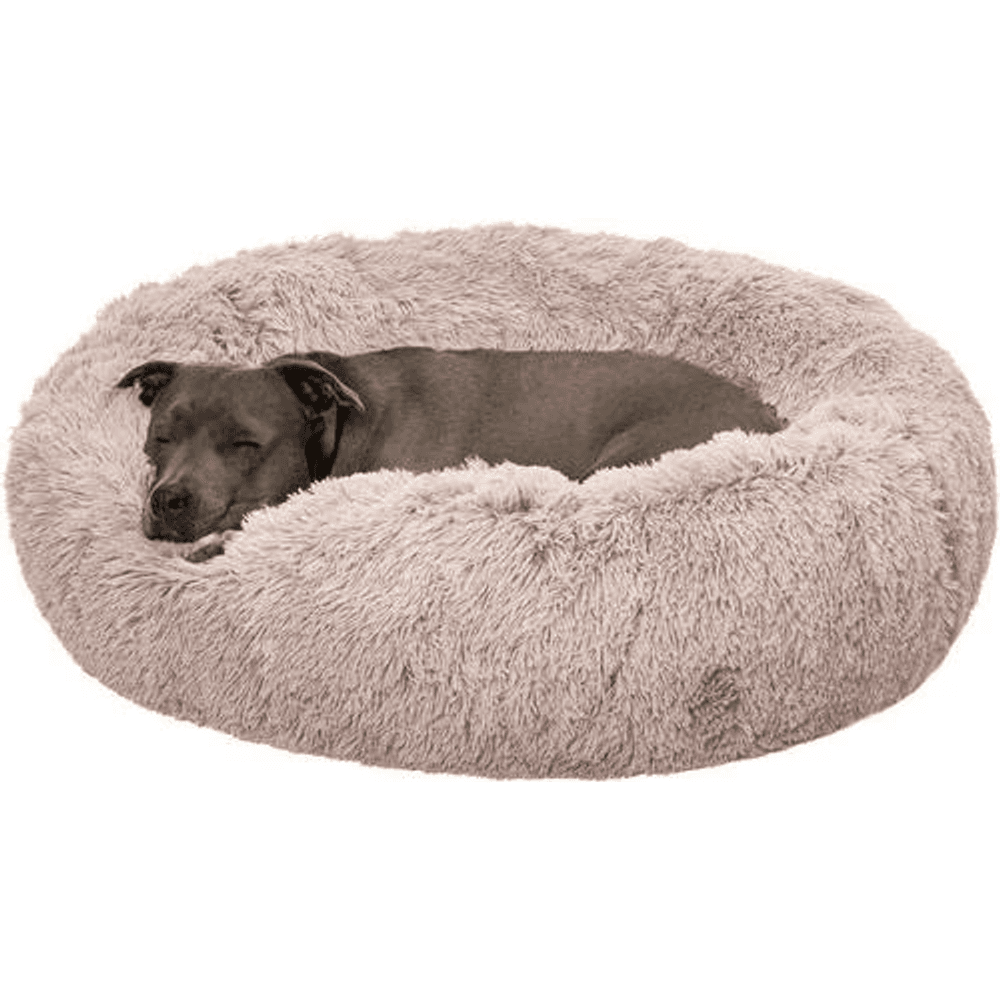
A plush, long-fur donut bolster bed with a raised rim that gives a recovering pet a secure, cushioned place to curl up during the crucial 10 to 14 days after surgery.
Webvet may earn a commission when you click through to Chewy, at no extra cost to you.
When to see a vet about your dog's snoring
You do not need a vet visit for a dog who has always snored gently and is otherwise healthy. You should book an appointment if the snoring is new, worsening, one-sided, or accompanied by any other symptom. Trust changes from your dog's normal baseline more than the absolute loudness of the sound.
Call your vet if you notice snoring plus any of the following:
- Coughing, gagging, or noisy breathing while awake
- Nasal discharge, a bloody nose, or facial swelling
- Reduced energy, reluctance to exercise, or tiring quickly
- Weight gain that has tracked alongside the new snoring
- Pauses in breathing or gasping awake during sleep
Emergency signs of airway distress (do not wait)
Some airway problems are emergencies. Seek immediate care if your dog has blue, gray, or purple gums, is breathing with obvious effort or open-mouthed panic, is making a loud rasping or honking sound while awake, or collapses.
Flat-faced breeds are especially vulnerable in heat and stress, and airway swelling can escalate fast. Overheating can push a brachycephalic dog into a crisis, so know the signs of heatstroke in dogs and act quickly.

How to stop a dog from snoring: vet-backed fixes and home remedies
How you reduce snoring depends on the cause, so the goal is to address the underlying reason rather than just quiet the sound. Many dogs improve with simple at-home changes, while others need medical care. Here is where to start.
Home remedies and management you can try tonight
- Offer a supportive, raised bed so your dog can sleep with its head slightly elevated instead of on its back
- Encourage side-sleeping by choosing a round or bolster bed that invites curling up
- Clean up the air with regular dusting, washed bedding, an air purifier, and a smoke-free home
- Run a humidifier in dry rooms to keep nasal passages from drying out
- Manage weight with a vet-guided diet and daily activity, since this is often the biggest lever
- Keep flat-faced dogs cool and avoid overexertion, which worsens airway swelling

Medical and surgical treatments (BOAS surgery, allergy care, weight loss)
When snoring has a medical cause, your vet has effective options. The right treatment depends entirely on the diagnosis:
- BOAS surgery can widen narrow nostrils and trim an overlong soft palate, dramatically improving breathing in severely affected flat-faced dogs
- Allergy management with medication, allergen avoidance, or immunotherapy calms nasal inflammation
- Treating infections with the appropriate antibiotics or antivirals clears the swelling that drives snoring
- A structured weight-loss plan removes the fatty tissue crowding the airway
- Removing a foreign object, polyp, or mass restores normal airflow
- Dental treatment resolves snoring that stems from tooth-root infections spreading toward the sinuses
Snoring vs. reverse sneezing vs. sleep apnea: what's the difference?
Snoring is easy to confuse with a couple of other noisy-breathing events. Knowing which is which helps you decide whether to worry.
| Sound | When it happens | What it is |
|---|---|---|
| Snoring | During sleep | Steady vibration of relaxed airway tissue as air passes |
| Reverse sneezing | Usually while awake | Sudden, repeated snorting inhales; often triggered by excitement or irritants, and typically harmless |
| Sleep apnea | During sleep | Brief pauses in breathing followed by gasping; rare in dogs and most common in obese, flat-faced breeds; needs a vet |
Reverse sneezing is dramatic but usually resolves in seconds and needs no treatment. Snoring is a steady sleep sound. True sleep apnea, with repeated breathing pauses and gasping, is the one to take seriously, since it can disrupt oxygen levels and warrants a veterinary workup.
Frequently asked questions about dog snoring
Frequently Asked Questions
Should I be concerned with dog snoring?
Usually not. Soft, steady snoring during sleep is normal for most dogs, especially flat-faced breeds and back-sleepers. Be concerned only if the snoring is new, suddenly louder, one-sided, or paired with coughing, nasal discharge, gasping, blue gums, or tiring easily. Those changes warrant a vet visit.
Is a snoring dog a happy dog?
Often, yes. A dog who snores softly while deeply relaxed is typically comfortable in its sleep, and the snore is simply a byproduct of relaxed airway muscles. Snoring by itself is not a sign of distress.
It only becomes a concern alongside labored breathing or other symptoms, so a healthy dog snoring peacefully is usually a happy one.
Does dog snoring mean deep sleep?
Frequently, yes. Snoring tends to happen during the deeper, more relaxed stages of sleep, when the throat and soft-palate muscles loosen and let the airway tissues vibrate. So a snoring dog is often in a nice deep sleep.
Deep sleep is healthy. But if the snoring is unusually loud or comes with gasping or breathing pauses, the airway is the concern, not the sleep.
Do dogs start snoring as they get older?
Yes, many do. As dogs age, muscle tone in the throat and soft palate relaxes and the tissues become floppier, making snoring more likely even in dogs who slept silently when young. Age-related weight gain adds to it.
Because seniors are also more prone to serious causes, mention any new snore at your dog's next checkup.
What are signs your dog is going to pass away?
Snoring is not a sign that a dog is dying, so try not to read too much into it. Genuine end-of-life signs include a marked loss of appetite, extreme lethargy or inability to get up, labored or irregular breathing, incontinence, confusion, and withdrawal from family.
If you see these signs, contact your vet promptly to discuss your dog's comfort and quality of life.
What dog breeds are more prone to snoring?
Flat-faced (brachycephalic) breeds are by far the most prone to snoring. This includes Pugs, English and French Bulldogs, Boston Terriers, Shih Tzus, Pekingese, Boxers, and Cavalier King Charles Spaniels. Their short muzzles, narrow nostrils, and elongated soft palates crowd the airway. Overweight dogs and some heavy, jowly giant breeds also snore more than average.
What is "I love you" in dog language?
Dogs show affection through body language rather than sound, so there is no snore or bark that means "I love you." Instead, dogs express love with soft eye contact and slow blinks, leaning against you, relaxed posture, a loose wagging tail, bringing you toys, and choosing to sleep near you.
A dog who feels safe enough to fall into a deep, snoring sleep beside you is showing trust, which is its own kind of affection.
What breed of dog snores the most?
The Pug is widely considered the champion snorer, thanks to its extremely short muzzle, narrow nostrils, and long soft palate. English Bulldogs and French Bulldogs are close behind for the same reasons. Any brachycephalic breed snores heavily, and the tendency worsens with excess weight, so weight control matters even for breeds built to snore.
$65 · no membershipHave a health question about your dog?
A licensed vet can assess your dog over video and prescribe online when it's appropriate.
Talk to a vet- Licensed vets
- All 50 states
- same-day Rx
Webvet may earn a commission if you book.

Editor
The Webvet Editorial Team is the in-house group of pet-care editors and writers behind Webvet, operated by Smart Pet Collective. The team researches, writes, and maintains Webvet's pet health, behavior, and medication content. Every article follows a defined editorial process: research from reputable veterinary and scientific sources, careful drafting, mandatory review of medical content by a credentialed veterinarian, and dated publication. Health and medication articles are medically reviewed by a licensed veterinary professional before they go live and are kept current over time.
Veterinarian · BVMS MRCVS
Dr. Pippa Elliott, BVMS, MRCVS, is a veterinarian with nearly 30 years of experience in companion animal practice. Dr. Elliott earned her Bachelor of Veterinary Medicine and Surgery from the University of Glasgow. She was also designated a Member of the Royal College of Veterinary Surgeons. Married with 2 grown-up kids, Dr. Elliott has a naughty Puggle named Poggle, 3 cats and a bearded dragon.


