Dog Panting at Night: Normal vs. Emergency (Vet Guide)
A vet-reviewed guide to dog panting at night: what is normal, the warning signs of pain, heart disease, or Cushing's, and exactly when nighttime panting is an emergency.

BVMS MRCVS
Medically reviewed by Dr. Pippa Elliott, BVMS MRCVS · Last reviewed

This article contains affiliate links. Webvet may earn a commission when you buy through them, at no extra cost to you.
A dog panting at night is one of the most common worries owners bring to the vet, partly because it happens when the house is quiet and your mind has time to spin. Sometimes it is completely harmless: your dog is warm, winding down, or dreaming. Other times, nighttime panting is the first clue to pain, anxiety, heart disease, or a hormonal condition like Cushing's. This vet-reviewed guide walks you through what is normal, the red flags that mean call the vet, and simple steps to help your dog rest.
- 1Occasional light panting at night is often normal, especially after activity, in a warm room, or during dreaming.
- 2Panting that is new, heavy, or paired with restlessness, coughing, or a swollen belly deserves a vet visit.
- 3A resting (sleeping) breathing rate over 30-35 breaths per minute is a red flag, especially with heart disease.
- 4Pale, blue, gray, or brick-red gums plus labored breathing is an emergency: go to the ER now.
- 5Senior dogs pant more at night from pain, cognitive decline, and conditions like Cushing's, so do not write it off as 'just old age.'
Is it normal for a dog to pant at night?
Short answer: some nighttime panting is normal, but a sudden change is not. Panting is how dogs cool themselves and release stress, so a little panting after a walk, after a warm dinner, or while settling into bed is usually nothing to fear.
What matters is the pattern. Panting that is brand new for your dog, that keeps them (or you) from sleeping, or that comes with other symptoms is worth investigating. Think about whether this is your dog's normal, or a change from it.
Normal vs. concerning nighttime panting: how to tell the difference
The easiest way to sort harmless panting from a warning sign is to look at the whole picture: is your dog otherwise comfortable, or clearly struggling? The table below sums up the difference.
| Likely normal | Worth a vet visit or emergency |
|---|---|
| Brief panting that settles once your dog cools down or relaxes | Panting that will not stop or keeps getting worse |
| Happens after exercise, excitement, or a warm room | Happens at rest in a cool room for no clear reason |
| Dog is otherwise bright, eating, and comfortable | Restless, pacing, cannot get comfortable, or whining |
| Quiet, easy breaths with a relaxed body | Loud, raspy, or clearly labored effort to breathe |
| Gums stay a healthy pink | Gums look pale, blue, gray, or brick-red |
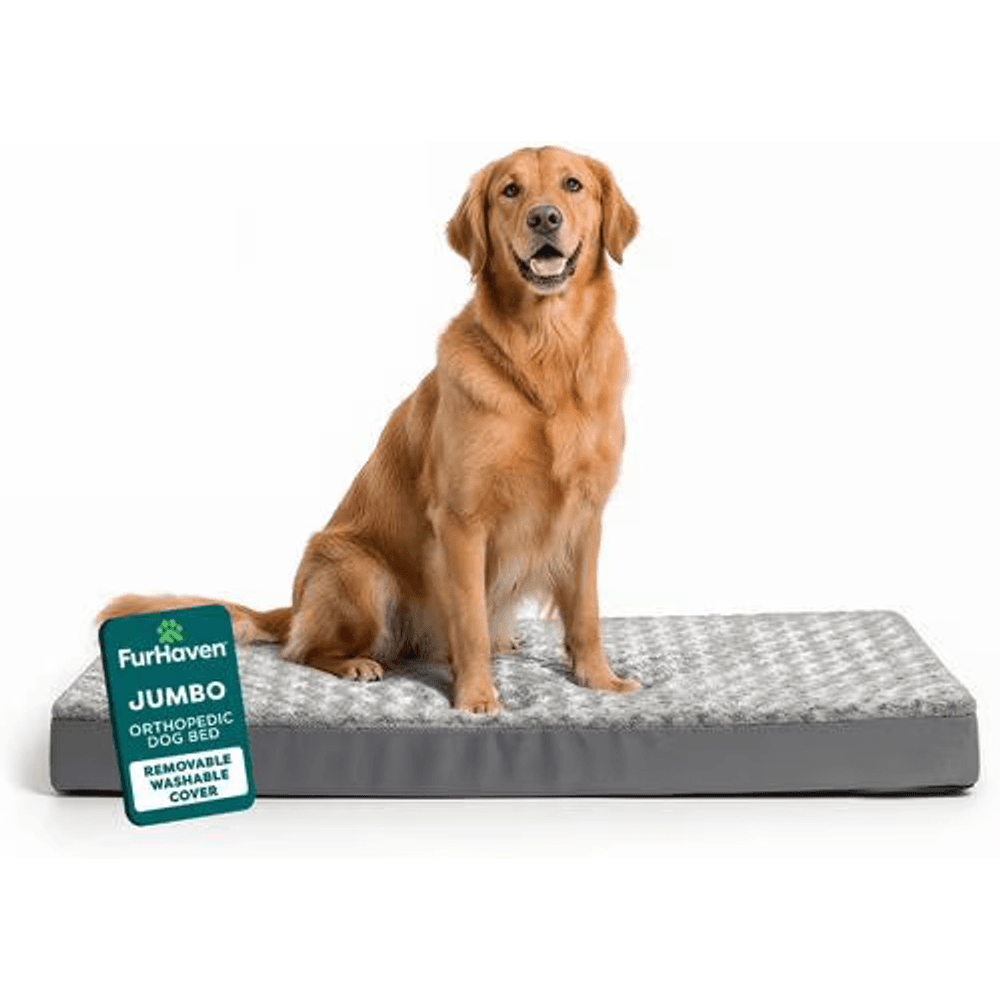
A plush orthopedic foam mattress that cushions aging joints and pressure points, giving a stiff or trembling senior dog warm, supportive rest.
Webvet may earn a commission when you click through to Chewy, at no extra cost to you.
When to worry about dog panting at night (red-flag checklist)
Call your vet (or an emergency clinic if it is after hours) if your dog's nighttime panting comes with any of these signs:
- Restlessness or pacing, unable to lie down or get comfortable
- A resting or sleeping breathing rate over 30-35 breaths per minute
- Coughing, gagging, or a soft belly that looks swollen or bloated
- Drinking and urinating far more than usual alongside the panting
- Signs of pain: hunching, reluctance to move, licking a joint, or crying out
- Loss of appetite, vomiting, weakness, or a distended (bloated) abdomen
If you are ever unsure, it is always reasonable to call. Vet teams would rather reassure you at midnight than have you wait on a dog who needed help.
Emergency signs: call the vet or ER now
Some signs alongside panting are true emergencies. Do not wait until morning. Get to an open veterinary clinic right away if you see:
- Gums that are pale, white, blue, gray, or brick-red instead of healthy pink
- Labored breathing, or belly and chest heaving with each breath
- Rapid, shallow breaths, or breathing with the head and neck stretched out
- Collapse, fainting, staggering, or extreme weakness
- A swollen, hard belly with retching but nothing coming up (possible bloat)

What counts as a normal breathing rate at rest?
One of the most useful things you can do at home is count your dog's resting respiratory rate (RRR). This is the number of breaths per minute while your dog is calm or asleep, not panting. It is one of the earliest ways to catch heart trouble at home.
How to count breaths per minute at home
- Wait until your dog is fully relaxed or sleeping, and not panting.
- Watch the chest rise and fall. One rise plus one fall equals one breath.
- Count the breaths for 30 seconds, then multiply by two to get breaths per minute.
- Jot down the number and the date so you can spot trends over time.

A healthy resting rate is usually under 30-35 breaths per minute for most dogs. Numbers that climb above that at rest, or that steadily rise night over night, are worth a same-week vet call, especially in a dog with a known heart murmur. If you want more detail on breathing effort, our guide to why a dog might tremble or shift breathing when unwell covers related resting-state changes.
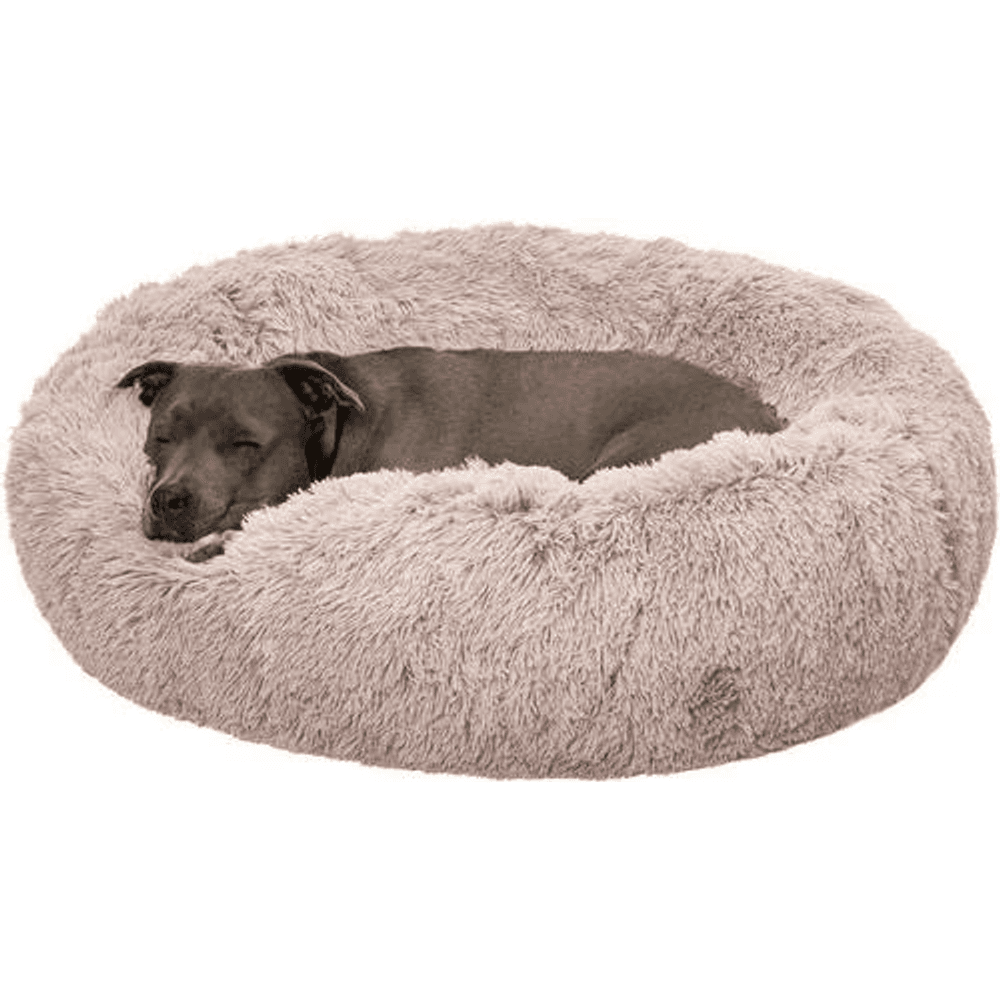
A plush, long-fur donut bolster bed with a raised rim that gives a recovering pet a secure, cushioned place to curl up during the crucial 10 to 14 days after surgery.
Webvet may earn a commission when you click through to Chewy, at no extra cost to you.
 $65 · no membership
Have a health question about your dog?
A licensed vet can assess your dog over video and prescribe online when it's appropriate.
 Talk to a vet
- Licensed vets
- All 50 states
- same-day Rx
Webvet may earn a commission if you book.
Common causes of dog panting at night
Nighttime panting has a long list of possible causes, from a too-warm bedroom to serious internal illness. Here are the ones vets see most often.
Heat, poor airflow, or a too-warm bed
The simplest cause is temperature. A thick bed, a heated blanket, a closed room, or a warm summer night can all push a dog to pant to cool off. Dogs do not sweat through their skin the way we do, so panting is their main cooling tool.
Anxiety, stress, storms, fireworks, and separation anxiety
Panting is a classic stress response. Thunderstorms, fireworks, a new home, or being alone at night can all trigger it. Anxious dogs often pace, whine, cling to you, or seem unable to settle. The panting usually rises and falls with the trigger and eases once the dog feels safe.
Pain (arthritis, dental disease, injury) that flares when the house goes quiet
Pain is one of the most overlooked causes of nighttime panting. During the day, activity and distraction mask discomfort. At night, when everything is still, arthritis, dental pain, or an injury becomes harder to ignore, and panting is often the only outward sign. Suspect pain if your dog is stiff, slow to rise, or reluctant to lie down. Restlessness that looks like anxiety can actually be why an older dog trembles or shifts around at night. See WebVet’s guide to dog anxiety at night.
Heart disease and congestive heart failure (why panting worsens lying down)
This is the cause vets most want owners to catch early. With heart disease, fluid can back up into the lungs, which makes breathing harder, especially when lying down. Dogs may pant, breathe faster at rest, cough (often at night), or seem unable to get comfortable. A rising resting respiratory rate is frequently the first home clue, which is why the breath count above matters so much.
Respiratory problems (collapsing trachea, laryngeal paralysis, lung disease)
Airway and lung conditions make moving air harder and can drive panting or noisy breathing. A collapsing trachea often causes a honking cough in small breeds. Laryngeal paralysis, common in older large-breed dogs, causes noisy, raspy breathing that worsens with heat and stress. If breathing sounds musical, harsh, or snoring-like even while awake, that is worth a vet check, and different from ordinary dog snoring during sleep.
Cushing's disease and other hormonal or metabolic causes
Cushing's disease (an overproduction of cortisol) is a classic cause of panting in middle-aged and older dogs. It often comes with a bigger appetite, increased thirst and urination, a pot-bellied look, thinning hair, and yes, panting, including at night. Other metabolic issues, such as thyroid disease, can also change breathing and energy. Bloodwork is needed to confirm these.
Our guide to canine Cushing disease explains the symptom pattern, diagnostic testing, treatment choices, and daily monitoring.
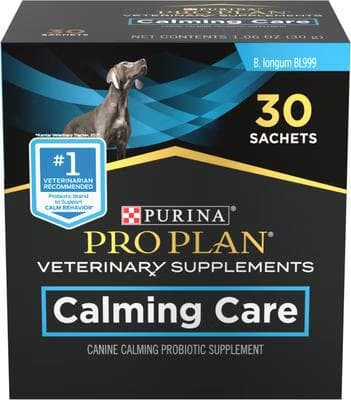
Probiotic supplement formulated to help dogs maintain calm behavior, with the BL999 strain. Liver-flavored powder in 30 daily sachets.
Webvet may earn a commission when you click through to Chewy, at no extra cost to you.
Cognitive dysfunction (canine dementia) and disrupted sleep in senior dogs
Older dogs can develop canine cognitive dysfunction, the dog version of dementia. It scrambles the sleep-wake cycle, so dogs wake at night, pace, seem disoriented, and pant from confusion or anxiety. This is a real medical condition with management options, not simply your dog being difficult.
Medication side effects (steroids, opioids, and others)
Some medications cause panting as a side effect. Steroids like prednisone are a common culprit, and certain pain medications (including opioids) can do it too. If panting started soon after a new prescription, tell your vet. Do not stop the medication on your own, as some drugs must be tapered.
Fever, infection, anemia, or pain from internal illness
A raised body temperature from fever or infection makes dogs pant, as does anemia (too few red blood cells), which reduces oxygen delivery and often shows up as pale gums. Internal pain from problems like pancreatitis or an abdominal issue can also drive panting. These usually come with other signs, such as poor appetite, lethargy, or vomiting.
Why senior dogs pant more at night specifically
Senior dogs stack up several of the causes above at once. An older dog may have arthritis pain, an early heart murmur, the start of Cushing's, and some cognitive decline, all at the same time. That combination makes nighttime the hardest part of their day.

The key message: do not dismiss a senior dog's new nighttime panting as just getting old. Old age is not a diagnosis, and most of these conditions are manageable when caught early. A checkup with bloodwork can find treatable problems that dramatically improve an older dog's comfort. Our overview of senior dog health covers what to watch for as dogs age.
Why is my dog panting at night but not hot?
When the room is cool and your dog still pants, temperature is off the table, which shifts suspicion to pain, anxiety, or a medical cause. This is exactly the scenario where you should slow down and look closer, not relax.
Panting in a cool room most often points to:
- Pain (especially arthritis in older dogs)
- Anxiety or stress from noise, change, or being alone
- Heart or respiratory disease making breathing less efficient
- Hormonal conditions like Cushing's disease
Panting when it is genuinely not hot is one of the clearest reasons to book a vet exam rather than wait and see.
Dog panting at night and drinking lots of water: what that combo can mean
Panting plus a sharp increase in thirst and urination is a combination vets take seriously. Together, they can point to specific medical conditions rather than simple overheating.
- Cushing's disease: excess cortisol drives thirst, urination, appetite, and panting
- Diabetes: increased thirst and urination, sometimes with weight change
- Kidney disease: greater thirst and urine output as the kidneys work harder
- Steroid medications: prednisone and similar drugs raise both thirst and panting
If your dog is emptying the water bowl and panting at night, note how much they drink and mention it to your vet. Bloodwork and a urine test can usually sort out which condition is responsible.
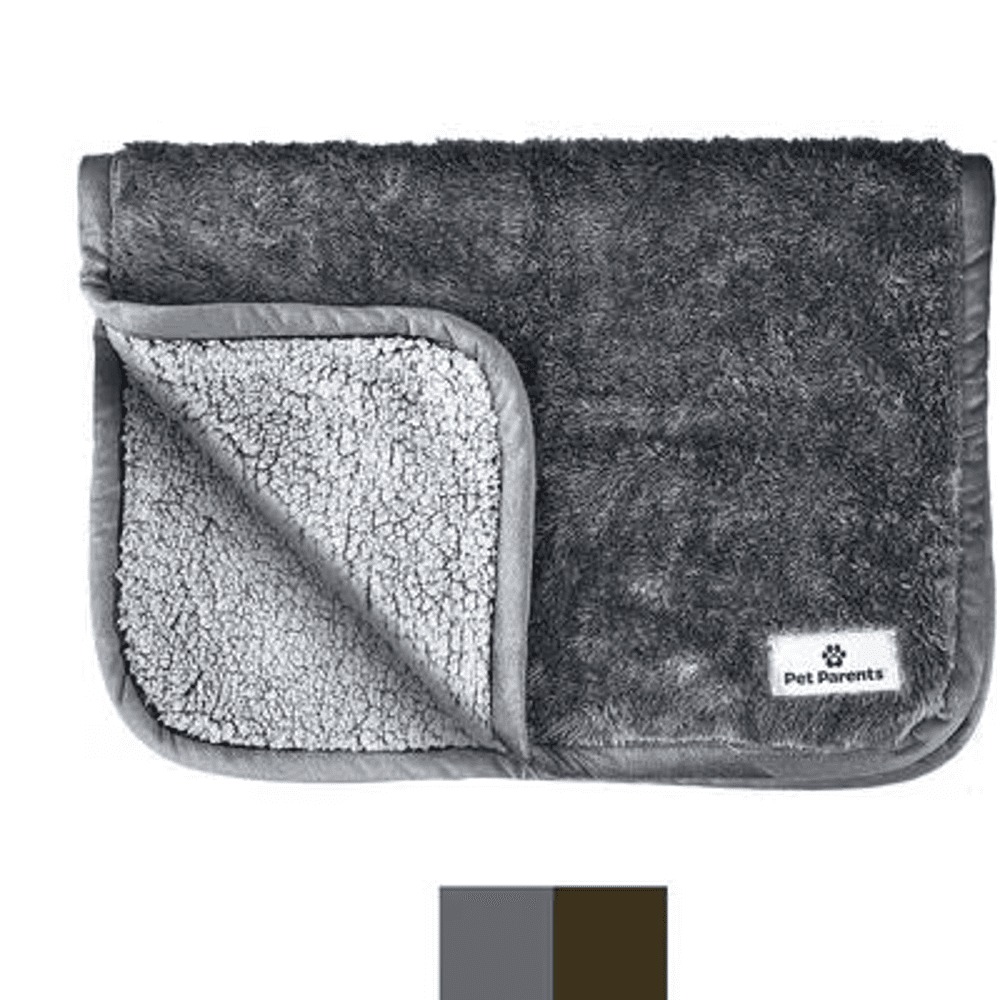
A plush, waterproof sherpa blanket that gives a cold or shivering dog a warm, cozy layer to curl into. The hidden waterproof lining protects the bed, couch, or car seat, and the whole thing is machine washable.
Webvet may earn a commission when you click through to Chewy, at no extra cost to you.
How a vet diagnoses the cause of nighttime panting
Because so many conditions cause panting, your vet works through them step by step. A typical workup includes:
- A physical exam, including listening to the heart and lungs and checking gum color
- Bloodwork and a urine test to screen for Cushing's, diabetes, kidney disease, anemia, and infection
- Chest x-rays to look at the heart size and check for fluid in the lungs
- Blood pressure measurement, and sometimes an echocardiogram (heart ultrasound)

Bring notes: when the panting happens, how long it lasts, your dog's resting breath count, and any other changes. That history helps your vet narrow the list quickly and order the right tests.
How to calm a panting dog at night: at-home steps that actually help
Once true emergencies are ruled out, these steps can help a mildly panting dog settle. They are comfort measures, not a substitute for a vet visit if the panting is new or worsening.
Cool, quiet, well-ventilated sleep setup
- Lower the room temperature and improve airflow with a fan or open window
- Offer fresh, cool water and a cooling mat instead of thick, heat-trapping bedding
- Dim the lights and reduce noise to signal that it is time to rest

Calming routines and anxiety support
- Keep a consistent bedtime routine so nights feel predictable
- Use white noise, calm music, or a covered crate for anxious dogs
- Ask your vet about anxiety wraps, pheromone diffusers, or, in some cases, medication
Pain management and comfort for senior dogs
- Provide a supportive orthopedic bed to ease arthritic joints
- Keep the bed within easy reach so a stiff dog does not have to climb or jump
- Ask your vet about safe, vet-prescribed pain relief. Never give human painkillers, which can be toxic to dogs
When at-home care isn't enough: what to tell your vet
If comfort measures do not help within a day or two, or the panting is getting worse, it is time for a vet visit. Come prepared with details that speed up the diagnosis:
- When the panting started and whether it is getting better or worse
- Your dog's resting breathing rate (breaths per minute while asleep)
- Any change in thirst, appetite, energy, coughing, or bathroom habits
- A list of current medications and when each one started
A short phone video of the panting can be extremely helpful, since your dog may not do it in the exam room. If you notice your dog also seems to sleep far less or far more than usual, our guide to how much dogs should sleep can help you gauge what is typical.
Key takeaways
- A little panting at night can be normal, but a new or worsening pattern is not.
- Count the resting breathing rate: over 30-35 breaths per minute at rest is a red flag.
- Pale, blue, or gray gums with labored breathing is an emergency: go now.
- Common causes include heat, anxiety, pain, heart disease, Cushing's, and medications.
- In senior dogs, never chalk new panting up to old age; get a checkup with bloodwork.
Frequently asked questions
When should I worry about dog panting at night?
Worry when nighttime panting is new, heavy, or does not stop, or when it happens at rest in a cool room for no clear reason. Also worry if it comes with restlessness, coughing, a resting breath rate over 30-35 per minute, increased thirst, signs of pain, or a swollen belly. Pale, blue, or gray gums, labored breathing, or collapse are emergencies. Call your vet right away in those cases.
What is the 7 second rule for dogs?
There is no official veterinary '7 second rule' for panting or breathing. The phrase circulates online attached to various unrelated dog claims (from training timing to memory), none of which are established veterinary guidance. For nighttime panting, ignore internet rules of thumb and rely on real signs instead: your dog's resting breathing rate, gum color, comfort level, and whether the panting is new. Those tell you far more than any catchy number.
What are the first signs of heart failure in dogs?
Early signs of heart failure in dogs include a cough (often worse at night or when lying down), faster breathing or a rising resting breath rate, panting, reduced stamina or tiring on walks, and restlessness at night. Some dogs faint or have a swollen belly as fluid builds up. Because these can be subtle, tracking your dog's resting respiratory rate at home is one of the best early-warning tools. Report any of these to your vet promptly.
How to calm a panting dog at night?
First rule out heat and emergencies: cool the room, offer water, and check that gums are pink and breathing is easy. For a mildly anxious or warm dog, lower the temperature, add a fan, offer a cooling mat, dim the lights, and keep a calm, consistent bedtime routine. White noise, a covered crate, or a pheromone diffuser can help anxious dogs. If panting is new, heavy, or paired with any red flag, skip the home fixes and call your vet.
What are the signs that a dog is about to pass away?
Signs that a dog may be nearing the end of life can include extreme weakness or inability to stand, loss of appetite and interest in water, labored or irregular breathing, a much lower body temperature and cool limbs, disorientation, incontinence, and withdrawal from the family. Panting can be part of this picture, often from discomfort or difficulty breathing. If you see these signs, contact your veterinarian right away to discuss comfort care and humane options. You do not have to face those decisions alone.
What is the 7 7 7 rule for dogs?
The '7 7 7 rule' is a socialization guideline for puppies, not a health or panting rule. It suggests exposing a young puppy to 7 new surfaces, 7 new places, 7 new people, and so on, to build confidence. It has nothing to do with breathing or nighttime panting. If your dog is panting at night, base your decisions on real medical signs (breathing rate, gum color, and other symptoms) and talk to your vet, rather than any numbered internet rule.
This article is for general education and is not a substitute for veterinary care. If you are worried about your dog's breathing, contact your veterinarian or an emergency clinic.
$65 · no membershipHave a health question about your dog?
A licensed vet can assess your dog over video and prescribe online when it's appropriate.
Talk to a vet- Licensed vets
- All 50 states
- same-day Rx
Webvet may earn a commission if you book.

Editor
The Webvet Editorial Team is the in-house group of pet-care editors and writers behind Webvet, operated by Smart Pet Collective. The team researches, writes, and maintains Webvet's pet health, behavior, and medication content. Every article follows a defined editorial process: research from reputable veterinary and scientific sources, careful drafting, mandatory review of medical content by a credentialed veterinarian, and dated publication. Health and medication articles are medically reviewed by a licensed veterinary professional before they go live and are kept current over time.
Veterinarian · BVMS MRCVS
Dr. Pippa Elliott, BVMS, MRCVS, is a veterinarian with nearly 30 years of experience in companion animal practice. Dr. Elliott earned her Bachelor of Veterinary Medicine and Surgery from the University of Glasgow. She was also designated a Member of the Royal College of Veterinary Surgeons. Married with 2 grown-up kids, Dr. Elliott has a naughty Puggle named Poggle, 3 cats and a bearded dragon.


