Old Dog Trembling: 11 Causes and When to Worry
An old dog trembling can be harmless aging or an early warning of pain, nausea, or illness. Here are 11 causes, a when-to-worry triage, and what to do at home.

BVMS MRCVS
Medically reviewed by Dr. Pippa Elliott, BVMS MRCVS · Last reviewed

This article contains affiliate links. Webvet may earn a commission when you buy through them, at no extra cost to you.
You walk into the room and your gray-muzzled companion is quivering on his bed. It is one of the most unsettling things a senior pet owner can see. An old dog trembling can mean almost nothing, just a chilly room or a deep nap, or it can be the first quiet signal of pain, nausea, or illness that deserves a vet's attention.
The hard part is that trembling looks the same whether the cause is trivial or serious. The clues live in the details: when it happens, what else is going on, and whether anything changed suddenly. This guide walks through 11 real causes of an old dog trembling, a clear triage for when to worry, and exactly what to do at home while you sort it out. It is vet-reviewed, but it does not replace a hands-on exam from your own veterinarian.
Trembling alone is rarely an emergency. Trembling plus a second sign, such as not eating, vomiting, collapse, disorientation, or labored breathing, is the combination that should send you to a vet. When in doubt with a senior dog, call. The downside of an unneeded visit is small; the downside of waiting on pain or kidney disease is not.
Is It Normal for an Old Dog to Tremble?
Some trembling in older dogs is genuinely normal. As dogs age, muscle mass declines, nerves conduct a little less crisply, and fine tremors, especially in the back legs, become more common. Many owners notice an old dog shaking and trembling slightly while standing still or just after exertion. On its own, with a bright, eating, normal dog, that is usually benign.
The phrase owners search most is "old dog trembling for no reason." In reality there is almost always a reason; it is just not obvious from the couch. Cold, mild anxiety, low-grade arthritis pain, excitement, or simple age-related muscle fatigue all produce dog trembling old age patterns that look like "nothing."
Here is the useful way to frame it. Trembling is a symptom, not a diagnosis. Your job is not to identify the exact cause yourself. Your job is to notice the pattern and decide whether it crosses into see-a-vet territory.
This article is the deep dive on senior trembling specifically. For the broader picture of why dogs of any age shake, see our anchor guide, why is my dog shaking.
11 Reasons Your Senior Dog Is Trembling
Most cases of an old dog trembling and shaking trace back to one of the causes below. They range from harmless to urgent. We will go deeper on the highest-search subtopics (back legs, at-rest trembling, symptom combos, and end-of-life) in their own sections.

1. Pain, especially arthritis
This is the single most common reason a senior dog trembles. Osteoarthritis (degenerative joint disease) is extremely common in older dogs and produces a deep, aching pain that often shows up as trembling rather than a yelp. Dogs are stoic, so a fine, persistent shake, particularly in the hind end, is frequently the only outward sign of chronic pain (AAHA).

The number-one veterinarian-recommended joint supplement brand. Glucosamine, chondroitin, and MSM support cartilage and cushion the joints, easing the stiffness and hind-end weakness that can leave an older or arthritic dog trembling.
Webvet may earn a commission when you click through to Chewy, at no extra cost to you.
2. Cold
Senior dogs lose body heat faster than they used to. Less muscle, thinner coats, and slower metabolism mean a temperature that is fine for you can leave your dog shivering. This is the most benign cause on the list. A sibling topic covers it in detail: dog shivering: cold vs. not cold.
3. Nausea
Nausea makes dogs tremble, drool, lip-lick, and turn away from food. In seniors, nausea can stem from kidney or liver disease, pancreatitis, or medication side effects, so persistent old dog trembling and vomiting or refusing meals is worth a call.
4. Anxiety, fear, or stress
Fear and stress trigger a clear adrenaline tremble. Storms, fireworks, a new house, or even the disorientation of aging eyes and ears can do it. Our sibling guide goes deep on this: dog shaking from being scared or anxious.
5. Canine cognitive dysfunction (dog dementia)
Aging brains can develop canine cognitive dysfunction, the dog version of dementia. Signs include disorientation, pacing, staring at walls, disrupted sleep, and sometimes tremors or twitching (Cornell Riney Canine Health Center).
6. Generalized tremor and neurological conditions
Some older dogs develop generalized tremor syndromes or other neurological issues affecting the nerves and brain. These cause rhythmic, often whole-body shaking that does not stop when the dog is warm, calm, and resting (Merck Veterinary Manual).
7. Weakness and muscle loss
Sarcopenia, the age-related loss of muscle, leaves senior legs less able to hold a position. The result is a fatigue tremor, most visible in the back legs after standing or walking.
8. Metabolic problems (kidney, liver, low blood sugar)
Kidney disease, liver disease, and low blood sugar can all cause trembling along with other signs like increased drinking, weight loss, or lethargy. We cover the kidney and end-of-life angle in its own section below.
9. Fever or infection
A rising fever can cause shivering as the body tries to generate heat, exactly like a person with the chills. Fever-related trembling usually comes with lethargy and reduced appetite.
10. Toxins and medications
Certain toxins (some human medications, xylitol, chocolate, specific plants) and even prescribed drugs can cause tremors. Sudden, unexplained whole-body shaking with possible exposure is an emergency (AVMA).
11. Excitement and learned behavior
Not every tremble is bad news. Plenty of seniors shake with excitement at dinner, a walk, or your return home. If it appears only in happy moments and stops quickly, it is almost certainly behavioral.
Below is a quick decoder to match the trembling pattern to likely culprits.
| Trembling pattern | Most likely causes | Worry level |
|---|---|---|
| Back legs only, after activity | Arthritis, muscle loss, weakness | Low to moderate |
| Whole body, in a cold room | Cold | Low |
| With drooling or lip-licking, off food | Nausea, GI or organ issue | Moderate |
| During storms or fireworks | Anxiety, fear | Low (treat the trigger) |
| With pacing, confusion, staring | Cognitive dysfunction | Moderate |
| Sudden whole-body, acting strange | Toxin, pain crisis, neurological | High, call now |
| With vomiting, not eating, lethargy | Organ disease, serious illness | High |
Old Dog Trembling in the Back Legs: Arthritis, Pain and Weakness
When owners describe an old dog trembling back legs or notice their old dog's back legs shaking, the answer is usually a mix of two things: arthritis pain and age-related muscle weakness. Both concentrate in the hind end, which carries a lot of load and tends to lose muscle first.

There is a meaningful difference between old dogs' back legs shaking while lying down versus old dogs' back legs shaking while standing.
- Shaking while standing: Often a strength and fatigue issue. The muscles are working to hold position and tire quickly, producing a tremor. Arthritis pain in the hips, knees, or spine adds to it.
- Shaking while lying down: When the legs shake at rest, it points more toward pain (the dog cannot get comfortable), neurological signals, or sometimes simple twitching. A senior dog shaking and back legs weak that also struggles to rise or slips on floors needs a mobility workup.
The good news is that hind-leg trembling from arthritis is very treatable. Dog back leg shaking treatment and old dogs' back legs shaking while lying down treatment generally center on a vet-built plan: pain medication (often NSAIDs designed for dogs), joint supplements, weight management, controlled exercise, and home modifications like ramps and non-slip rugs. Never give human pain relievers; many are toxic to dogs.

A plush, waterproof sherpa blanket that gives a cold or shivering dog a warm, cozy layer to curl into. The hidden waterproof lining protects the bed, couch, or car seat, and the whole thing is machine washable.
Webvet may earn a commission when you click through to Chewy, at no extra cost to you.
 $65 · no membership
Have a health question about your dog?
A licensed vet can assess your dog over video and prescribe online when it's appropriate.
 Talk to a vet
- Licensed vets
- All 50 states
- same-day Rx
Webvet may earn a commission if you book.
Trembling While Lying Down or Resting
A surprising amount of senior trembling shows up at rest, which is why "old dog shaking while lying down" and "why is my dog shaking while lying down" are such common searches (and rising fast in interest). Trembling at rest is more informative than trembling during activity, because it removes exertion as the explanation.

Common reasons for dog shaking while lying down awake include:
- Pain. A dog that cannot find a comfortable position may tremble while settled.
- Cold. Lying on a hard or cool floor pulls heat from a thin senior coat.
- Dreaming or light twitching. During REM sleep, paddling and twitching are normal. This is distinct from sustained, awake trembling.
- Nausea or organ disease. Quiet trembling with reduced appetite belongs to your vet.
- Anxiety. Some dogs tremble while resting in a stressful environment.
You will see a lot of "old dog shaking while lying down reddit" threads swapping anecdotes. Treat them as moral support, not medical advice. The old dog shaking while lying down treatment that actually works depends entirely on the cause, which is why a diagnosis comes first.
Trembling With Other Symptoms: Panting, Not Eating, Vomiting
This is the section that matters most for safety. Trembling by itself is usually low-stakes. Trembling combined with another sign is what turns a wait-and-watch into a call-the-vet. Here is how to read the most-searched combinations.
Old dog trembling and panting (also senior dog trembling and panting): Panting plus trembling is a classic pain-and-stress signature. Dogs in pain pant and shake together. It can also signal a fever, anxiety, or in worst cases heatstroke or a cardiac or respiratory problem. Same-side panting at rest, in a cool room, is not normal and deserves attention.
Old dog shaking and not eating: Appetite loss with trembling raises the index of suspicion considerably. Causes include nausea, organ disease (kidney, liver, pancreas), dental pain, and many systemic illnesses. A senior that skips more than one meal and trembles should be seen.
Dog shivering and not eating but drinking water: Increased thirst with shivering and no appetite is a pattern that can point to kidney disease or other metabolic problems in seniors. If your dog is also peeing more, read our companion guide on a dog drinking a lot of water and peeing a lot, then book a vet visit.
My dog is shaking and acting weird and not eating / my dog is shaking and lethargic: "Acting weird" plus trembling, especially if it came on suddenly, is a genuine red flag. Lethargy means the body is fighting something. Pair either with trembling and you call your vet the same day.
| Symptom combo | What it often means | Action |
|---|---|---|
| Trembling + panting | Pain, fever, anxiety | Vet visit, same day if at rest |
| Trembling + not eating | Nausea, organ or dental disease | Vet within 24 hours |
| Trembling + thirst + not eating | Possible kidney or metabolic disease | Vet visit, soon |
| Trembling + lethargy | Systemic illness | Same-day vet |
| Trembling + acting weird suddenly | Toxin, pain crisis, neurological event | Emergency, call now |
| Trembling + vomiting | GI upset, pancreatitis, organ disease | Vet within 24 hours |
Could It Be Kidney Failure or End-of-Life Decline?
This is the fear behind a lot of senior-dog searches, so let us address it plainly and gently.
Is shivering a symptom of kidney failure in dogs? It can be, but it is rarely the first or only sign. Chronic kidney disease usually shows up as increased drinking and urination, weight loss, reduced appetite, vomiting, and bad breath. Trembling can appear as the disease advances and the dog feels nauseated or unwell (Merck Veterinary Manual). Shivering alone, in an otherwise normal dog, is not a reliable kidney sign. Bloodwork and a urine test are how kidney disease is actually diagnosed, and early detection meaningfully changes outcomes.
Do dogs shiver at the end of life? Some do. As the body weakens, temperature regulation falters, pain may increase, and trembling can be part of the picture. But trembling is not by itself a sign that the end is near.
End-of-life symptoms in elderly dogs tend to cluster, not appear in isolation. The recognized signs are a marked loss of appetite and interest in water, profound lethargy or weakness, difficulty standing or walking, incontinence, withdrawal from family, labored breathing, and a general loss of engagement with the world (AKC). Signs your dog is going to pass away are about that whole constellation, not one quivering leg.

360-degree Wi-Fi pet camera so you can watch your cat's resting breathing rate and behavior from your phone and catch worrying changes early.
Webvet may earn a commission when you click through to Chewy, at no extra cost to you.
When to Worry: Emergency Signs That Mean See a Vet Now
If you are asking "should I be worried if my dog is shaking" or "when should I worry about my dog trembling," use this triage. Trembling alone, in a bright, eating, normal senior, can usually wait for a routine appointment. The signs below cannot.

Call your vet or an emergency clinic immediately if trembling comes with any of these:
- Collapse, inability to stand, or sudden weakness
- Repeated vomiting or diarrhea
- Suspected toxin exposure (medications, chocolate, xylitol, plants)
- Labored, fast, or open-mouth breathing
- Seizure activity (paddling, loss of awareness, loss of bladder control)
- Severe disorientation or a sudden change in mental state
- Pale or bluish gums
- Refusing all food and water
- Intense, unrelenting pain (crying out, guarding the belly)
My dog is shaking and acting weird all of a sudden belongs in this category. Sudden onset is the word that matters. A tremor that appears over weeks is usually chronic; a tremor that appears in an hour with strange behavior is urgent.
The simplest senior-dog rule: trembling plus normal behavior is a watch-and-note situation. Trembling plus any second red-flag sign is a call-the-vet situation. Sudden onset always raises the urgency. You will never be faulted for getting a shaking senior checked.
What to Do at Home for a Trembling Senior Dog
Once you have ruled out the emergency signs above, there is plenty you can do at home while you arrange a vet visit. Here is how to stop old dog trembling and what to do when your dog is shaking in a calm, sensible order.

- Run the red-flag checklist. If any emergency sign is present, stop and call the vet. If not, continue.
- Warm and settle. Offer a warm, soft, orthopedic bed in a quiet spot away from drafts. A light blanket helps a cold or anxious senior. This is the core of any old dog shaking while lying down home remedies approach.
- Reduce stress. Lower the noise, dim the lights, and stay nearby. Your calm presence lowers an anxious dog's arousal.
- Check comfort and footing. Add non-slip rugs and make sure water and bed are easy to reach without stairs or slick floors.
- Do not medicate on your own. Never give human painkillers or sedatives. Many are dangerous for dogs. Pain control comes from your vet.
- Record and log. Film an episode and note timing, triggers, appetite, and any other changes to show your vet.
What to do when your dog is shaking and lethargic is different: lethargy moves this from home-care to vet-care. Do the comfort steps, but make the call the same day.
Good senior nutrition supports muscle and joint health, which can reduce weakness-related trembling. Our guide to the best senior dog food covers formulas built for joints and cognition.
How Your Vet Diagnoses and Treats Trembling
Because trembling has so many causes, your vet works like a detective, ruling things in and out. Knowing the path ahead makes the visit less stressful.

Diagnosis usually includes:
- A thorough history (your video and symptom log shine here) and a hands-on physical and orthopedic exam to localize pain.
- A neurological exam if a brain or nerve cause is suspected.
- Bloodwork and a urinalysis to screen for kidney disease, liver disease, low blood sugar, and infection.
- Imaging (X-rays for arthritis; sometimes ultrasound or advanced imaging) when indicated.
Treatment targets the cause, not the tremble:
- Arthritis and pain: Dog-specific pain medication, joint supplements, weight management, controlled exercise, and sometimes physical therapy. This is also the answer for dog back leg shaking arthritis and old dogs' back legs shaking while lying down treatment.
- Nausea or organ disease: Treating the underlying condition, anti-nausea medication, and a tailored diet.
- Cognitive dysfunction: Diet, supplements, environmental enrichment, and in some cases medication.
- Anxiety: Behavior modification, environmental changes, and anti-anxiety support when appropriate.
For the worrying combination of old dog shaking and not eating and lethargic, expect your vet to prioritize bloodwork early, since that trio frequently signals a treatable internal problem caught faster with labs.
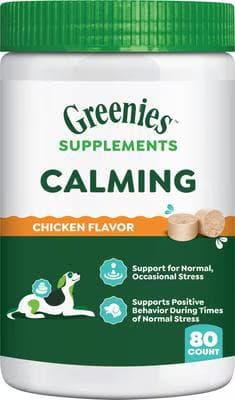
Chicken-flavored soft chew that supports normal, occasional stress and positive behavior during times of normal stress.
Webvet may earn a commission when you click through to Chewy, at no extra cost to you.
Muscle Loss and Weakness in Senior Dogs
As dogs age they lose muscle mass, especially over the hindquarters. Weaker muscles fatigue faster, so they can tremble when your old dog holds a position, rises from the floor, or finishes a short walk. This is usually a fine, low-grade shake that worsens with effort and eases with rest.
Muscle-loss trembling rarely travels alone. You may also notice a slower rise from lying down, a narrower or wobbly stance, or new hesitation on stairs and slick floors. On its own it is seldom an emergency, but it is a clear signal that your senior needs more joint and muscle support.
What helps: keep your dog lean, maintain gentle and consistent activity to preserve the muscle they still have, add rugs or runners for traction on hard floors, and ask your vet about joint supplements, physical rehabilitation, or a senior-appropriate exercise plan. A sudden jump in weakness, though, is not normal aging and deserves a vet visit within a few days.
Kidney, Liver, and Metabolic Disease
Trembling in an older dog can also start inside the body. Chronic kidney disease, liver disease, and electrolyte imbalances all grow more common with age, and each can cause muscle tremors, weakness, or generalized shakiness as waste products build up and mineral levels drift out of their normal range.
The giveaway is the company the trembling keeps: increased thirst and urination, a change in appetite, weight loss, vomiting, or unusual lethargy alongside the shaking. None of these causes are visible from the outside, which is exactly why bloodwork matters for a trembling senior.
If your old dog is trembling and showing any of those whole-body signs, your vet will likely recommend blood and urine testing to look for organ or metabolic disease. Catching a problem like kidney disease early gives you far more options to slow it down and keep your dog comfortable for longer.
New lumps are another common finding in senior dogs. Most turn out to be harmless lipomas, but any new or changing mass deserves a vet check, and illnesses like lymphoma can also start with subtle changes such as swollen lymph nodes or low energy.
Frequently Asked Questions
Why is my old dog trembling for no reason?
There is almost always a reason, even when it is not obvious. The common invisible causes are mild cold, low-grade arthritis pain, age-related muscle weakness, anxiety, and early nausea. If your dog is otherwise bright and eating, monitor and note the pattern. If trembling is frequent or paired with any other sign, see your vet.
Why are my senior dog's back legs shaking while lying down?
Back-leg shaking at rest usually points to pain (the dog cannot get comfortable), age-related muscle loss, or nerve signaling rather than simple fatigue. Arthritis is the most common driver in seniors. If your dog also struggles to rise or slips on floors, ask your vet for a mobility and pain workup.
Is it normal for an old dog to shake while sleeping or breathing?
Twitching, paddling, and small tremors during deep (REM) sleep are normal and harmless. Trembling that happens while your dog is awake and resting, or shaking tied to breathing in, is different and worth mentioning to your vet, especially if breathing looks labored.
How can I stop my old dog from trembling at home?
First rule out emergency signs. Then warm and settle your dog with a soft orthopedic bed and a blanket, reduce noise and stress, improve footing with non-slip rugs, and never give human medications. These steps ease cold, anxiety, and minor discomfort. Persistent trembling still needs a vet to find the cause.
Why is my old dog trembling and not eating?
Trembling plus appetite loss raises concern. Likely causes include nausea, organ disease (kidney, liver, pancreas), dental pain, and systemic illness. A senior that skips more than one meal while trembling should be seen by a vet, ideally within 24 hours.
Why is my old dog trembling and panting at the same time?
Panting and trembling together most often signal pain or stress, and can also indicate fever, anxiety, or more serious heart or respiratory issues. Panting at rest in a cool room is not normal. Treat the combination as a reason to call your vet, the same day if your dog seems uncomfortable.
Why is my 14-year-old dog twitching?
In a dog this age, twitching can come from cognitive dysfunction (dog dementia), neurological changes, muscle fatigue, normal sleep movement, or pain. Occasional twitching in an otherwise normal dog is usually benign, but new, frequent, or worsening twitching deserves a veterinary exam to rule out treatable causes.
Can arthritis cause my old dog to tremble?
Yes. Arthritis is one of the most common reasons senior dogs tremble, especially in the back legs. Dogs hide pain well, so a fine, persistent shake is often the main visible sign. The good news is that arthritis pain is very treatable with a vet-built plan, and treating it often reduces the trembling.
Why is my old dog's jaw trembling or chattering?
Jaw trembling or chattering in seniors can come from dental pain, nausea, cold, anxiety, or focal tremors and neurological causes. Because dental disease is so common and painful in older dogs, jaw chattering paired with bad breath, drooling, or reluctance to eat is worth a dental and oral exam.
Does trembling in an old dog always mean pain?
No. Trembling can be pain, but it can equally be cold, excitement, anxiety, nausea, or normal aging. Pain is the most common cause, which is why a vet check matters when trembling is frequent or new, but a single shiver in a happy, eating dog is often nothing to worry about.
What is the 7 7 7 rule for dogs?
The 7 7 7 rule is an informal puppy socialization guideline (expose a young puppy to 7 surfaces, 7 sounds, and 7 new experiences, among other lists) and has nothing to do with senior trembling. If you are searching it alongside an old dog trembling, focus instead on the symptom-combo triage in this guide, which is what actually guides when to worry.
$65 · no membershipHave a health question about your dog?
A licensed vet can assess your dog over video and prescribe online when it's appropriate.
Talk to a vet- Licensed vets
- All 50 states
- same-day Rx
Webvet may earn a commission if you book.

Editor
The Webvet Editorial Team is the in-house group of pet-care editors and writers behind Webvet, operated by Smart Pet Collective. The team researches, writes, and maintains Webvet's pet health, behavior, and medication content. Every article follows a defined editorial process: research from reputable veterinary and scientific sources, careful drafting, mandatory review of medical content by a credentialed veterinarian, and dated publication. Health and medication articles are medically reviewed by a licensed veterinary professional before they go live and are kept current over time.
Veterinarian · BVMS MRCVS
Dr. Pippa Elliott, BVMS, MRCVS, is a veterinarian with nearly 30 years of experience in companion animal practice. Dr. Elliott earned her Bachelor of Veterinary Medicine and Surgery from the University of Glasgow. She was also designated a Member of the Royal College of Veterinary Surgeons. Married with 2 grown-up kids, Dr. Elliott has a naughty Puggle named Poggle, 3 cats and a bearded dragon.


