Dog Shivering Cold vs. Something Wrong (Vet Guide)
A dog shivering in the cold is usually doing exactly what your body does when it's chilly. But shivering that shows up without a clear cold trigger, or alongside panting, vomiting, or lethargy, can be the first clue something is wrong. Here is how to tell the difference, fast.

BVMS MRCVS
Medically reviewed by Dr. Pippa Elliott, BVMS MRCVS · Last reviewed

This article contains affiliate links. Webvet may earn a commission when you buy through them, at no extra cost to you.
A dog shivering cold on a frosty morning is one of the most reassuringly normal sights in pet ownership. Shivering is the body's built-in furnace: rapid muscle contractions generate heat when the temperature drops. The problem is that the exact same trembling can also be the first visible sign of pain, fear, nausea, poisoning, or a metabolic crisis. So the real question is not "why is my dog shivering" so much as "is this cold, or is this something wrong?"
This guide walks you through that single decision. You will learn what harmless cold-related shivering looks like, the warning signs that mean shivering is not about temperature, how shivering pairs with other symptoms like panting and vomiting, and exactly when trembling becomes an emergency that needs a veterinarian now.
Cold shivering stops when your dog warms up and is paired with cold-seeking behavior (curling up, tucking paws, hunching). Shivering that continues in a warm room, or comes with panting, vomiting, lethargy, or not eating, is a symptom, not a temperature response. When in doubt, call your veterinarian.
Quick answer: cold shivering vs. something wrong
When your dog shivering in cold weather, in a draft, or right after getting wet, the trembling is almost always a normal heat-generating reflex. It should ease within minutes of warming up. That is the textbook picture of a dog shivering from cold.
It is something wrong when the shivering dog is in a comfortable, warm environment and still trembles, or when shivering arrives with other symptoms. So what does shivering in a dog mean in plain terms? It means the muscles are firing rapidly, and the cause is either thermal (cold), emotional (fear or excitement), or medical (pain, nausea, toxins, low blood sugar, neurological disease).
Use this 10-second triage:
- Likely cold: It is chilly, wet, or windy. Your dog is small, thin-coated, very young, or senior. The shivering stops once warm.
- Likely something wrong: The room is warm, the shivering will not stop, or it comes with panting, vomiting, limping, hiding, drooling, or refusing food.
If you are starting from the broader "my dog is trembling and I don't know why" question, our hub on why your dog is shaking maps every major cause. This article zooms in on the single most common fork: cold versus not cold.
How to tell if your dog is actually cold

Before assuming illness, rule cold in or out. Dogs lose heat faster than we expect, especially small breeds and those with thin coats. A small dog shivering in a 65°F house is genuinely cold far more often than its owner realizes, because a Chihuahua has very little body mass to hold warmth.
Here is how to tell if your dog is cold rather than sick:
- Cold extremities: Gently feel the ear tips, paw pads, and tail base. Cool-to-cold skin in these areas points to genuine chilling.
- Cold-seeking posture: A cold dog hunches, tucks its tail, lifts its paws off cold ground, and curls into a tight ball to conserve heat.
- Warmth-seeking behavior: Burrowing under blankets, pressing against you, or hovering by a heat source.
- It stops when warm: This is the clincher. Cold shivering resolves within minutes once your dog is dry and warm.
A classic trigger is the dog shivering after bath scenario. Wet fur strips body heat fast through evaporation, so post-bath trembling is normal and harmless. Towel-dry thoroughly, keep your dog out of drafts, and the shivering should fade as the coat dries.
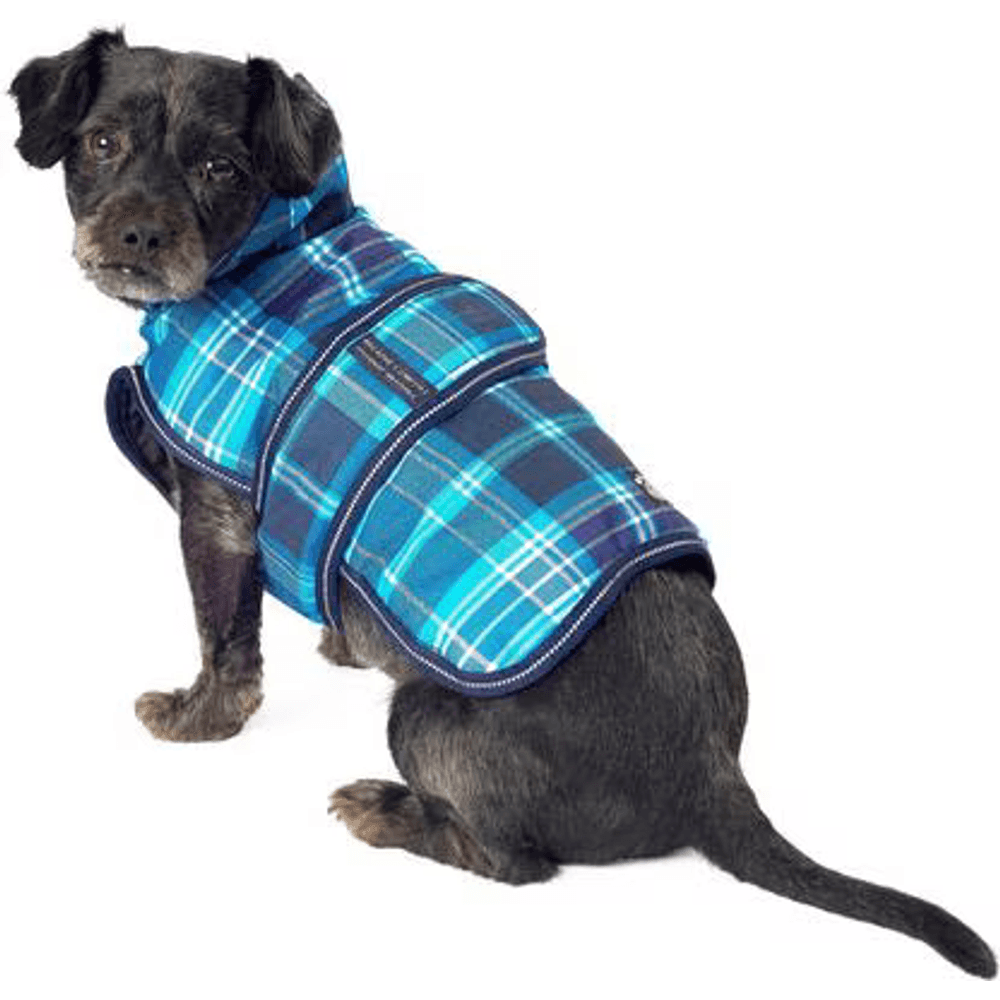
An insulated, quilted dog coat that traps body heat so a cold-sensitive dog stops shivering on winter walks. The high collar and full-back coverage keep small, thin, and senior dogs warm, with an easy step-in design and adjustable fit.
Webvet may earn a commission when you click through to Chewy, at no extra cost to you.
According to the Merck Veterinary Manual, a dog's normal body temperature runs roughly 101 to 102.5°F, higher than ours, which is part of why dogs that feel "fine" to us can still be working to stay warm.
Shivering when it is NOT the cold: warning signs
This is the section most worried owners are searching for. A dog shivering not cold is the pattern that deserves attention, because trembling in a warm dog is a symptom rather than a thermostat response. If you have a dog is shivering not cold, or you keep asking why is my dog shivering but not cold, run through the medical causes below.
When a shivering dog not cold keeps trembling, the usual suspects are:
- Pain: Back pain, abdominal pain, dental pain, and pancreatitis all commonly cause trembling. A dog shivering pain response often comes with a hunched back, reluctance to move, or flinching when touched.
- Anxiety or fear: Thunderstorms, fireworks, vet visits, and new environments trigger adrenaline-driven trembling. This overlaps heavily with our guide on a dog shaking from fear and anxiety, so if the trigger is clearly emotional, start there.
- Nausea: Dogs often tremble right before vomiting, and may lip-lick, drool, or swallow repeatedly.
- Low blood sugar (hypoglycemia): Especially in tiny breeds and young puppies, who can drop dangerously low if they skip meals.
- Toxin exposure: Chocolate, xylitol, certain plants, nicotine, and some medications cause tremors. The Merck Veterinary Manual lists tremor as a hallmark of many canine poisonings.
- Neurological conditions: Generalized tremor syndrome, certain breed-specific disorders, and early seizure activity can all present as shaking.
A dog shivering but not cold that also seems "off" (quiet, clingy, not themselves) should be evaluated. A dog is shivering but not cold and otherwise bright and eating may simply be excited or mildly anxious, but a vet check removes the guesswork.
 $65 · no membership
Have a health question about your dog?
A licensed vet can assess your dog over video and prescribe online when it's appropriate.
 Talk to a vet
- Licensed vets
- All 50 states
- same-day Rx
Webvet may earn a commission if you book.
Cold vs. concerning: a side-by-side comparison

When a dog keeps shivering or you have a dog constantly shivering, this side-by-side helps you sort harmless from worrying at a glance. It is the difference between dog shivering cold and shaking that resolves and trembling that escalates.
| Feature | Likely cold (reassuring) | Likely something wrong |
|---|---|---|
| Environment | Cold, wet, windy, or draft | Warm, comfortable room |
| Body parts | Cold ears, paws, tail | Normal-temperature ears and paws |
| Posture | Hunched, tucked, curled to conserve heat | Hunched from pain, collapsed, or rigid |
| Stops when warmed | Yes, within minutes | No, continues regardless |
| Other symptoms | None, otherwise bright and normal | Panting, vomiting, lethargy, drooling, limping |
| Appetite | Normal | Often reduced or absent |
| Onset | Tied to cold exposure | Sudden, or with no clear trigger |
The terms owners use, dog shivering uncontrollably, why is my dog shivering so much, dog constantly shivering, all describe intensity, and intensity matters. Brief, mild trembling that stops with warmth is reassuring. Violent, dog shivering uncontrollably that you cannot interrupt belongs in the emergency column, regardless of room temperature.
The single most useful test is reversibility. Cold shivering reverses when you warm the dog. Medical shivering does not. If warming up does not stop the trembling within 15 minutes, stop troubleshooting at home and contact your veterinarian.
Shivering plus other symptoms (and what each combo can mean)

Shivering rarely travels alone when something is wrong. The combination of symptoms is what points toward a cause and an urgency level. Below is a decoder for the most common pairings.
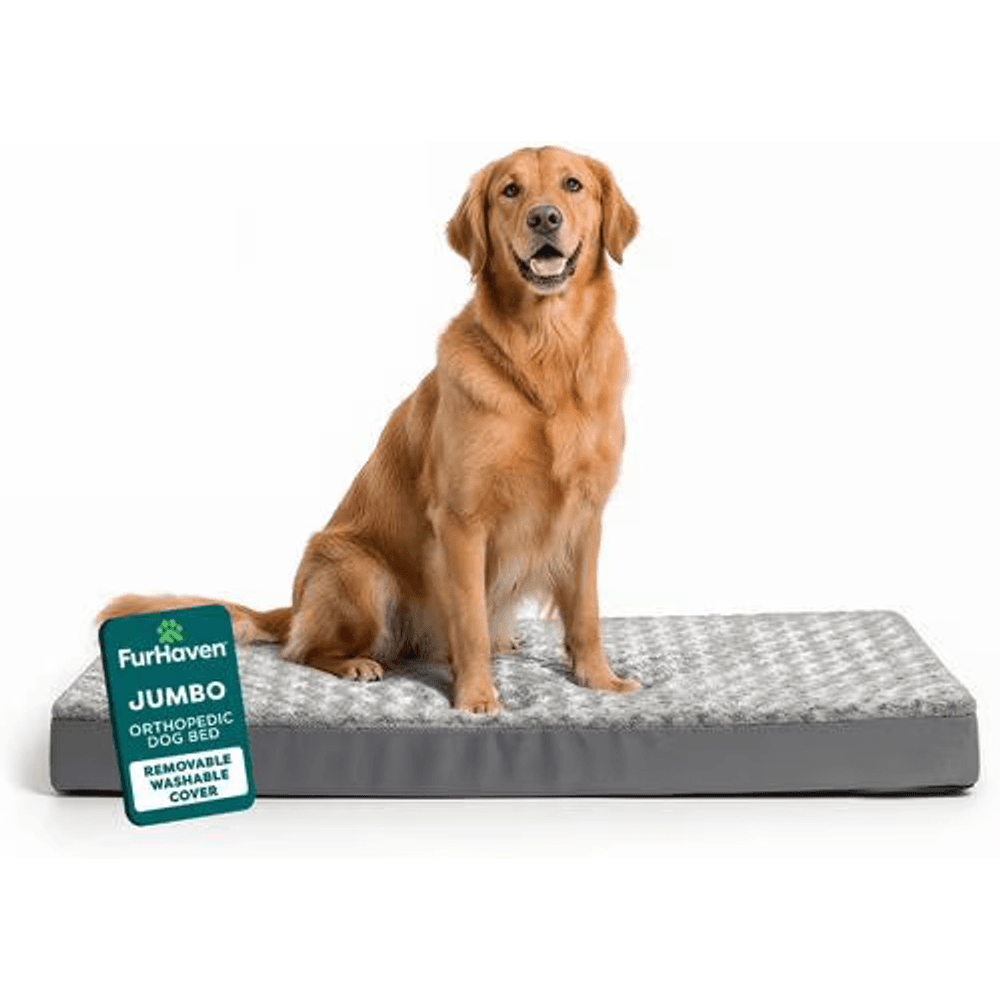
A plush orthopedic foam mattress that cushions aging joints and pressure points, giving a stiff or trembling senior dog warm, supportive rest.
Webvet may earn a commission when you click through to Chewy, at no extra cost to you.
| Shivering plus... | What it can mean | Urgency |
|---|---|---|
| Panting | Pain, anxiety, fever, or overheating | Moderate to high |
| Vomiting | Nausea, GI upset, pancreatitis, toxin | High |
| Lethargy | Fever, infection, pain, systemic illness | High |
| Not eating | Pain, nausea, fever, dental disease | Moderate to high |
| Drooling | Nausea, toxin exposure, oral pain | High |
| Limping or hunching | Musculoskeletal or abdominal pain | Moderate to high |
Shivering and panting. A dog shivering and panting at the same time is one of the most-searched combos, and for good reason: panting is how dogs cool down and also how they respond to pain, stress, and fever. A dog is panting and shivering in a warm room is usually telling you it is anxious, in pain, or running a fever. Take its temperature if you can, note any other signs, and call your vet if the dog seems distressed.
Shivering and lethargy. A dog shivering and lethargic is a worrying pair. A dog lethargic shivering who also will not get up, hides, or seems weak may have a fever or systemic illness brewing. This combination warrants a same-day vet call.
Shivering and vomiting. A dog shivering and vomiting, or a dog shivering throwing up, often means nausea, dietary indiscretion, pancreatitis, or a toxin. Repeated vomiting plus trembling is a same-day emergency, especially if you suspect your dog ate something it should not have.
Shivering and not eating. A dog shivering and not eating but drinking water is sending a clear signal that something hurts or makes it feel sick. A dog shivering not eating that still drinks may have an upset stomach, dental pain, or early illness. Our guide on a dog not eating but drinking water breaks down that specific pattern in depth.
Shivering while sleeping or lying down
A dog shivering while sleeping alarms a lot of owners, but it is often completely normal. Dog shivering sleeping behavior frequently reflects dreaming: dogs cycle through REM sleep just like we do, and twitching, paddling, soft barks, and trembling are normal dream activity.
A dog shivering cold while sleeping may simply be cold, especially overnight when the house thermostat drops. Offer a warm bed away from drafts and a blanket, and the trembling often disappears.
The important distinction is dog twitching in sleep or seizure. Here is how to tell them apart:
- Normal dream twitching: Small, intermittent, and easy to interrupt. Gently say your dog's name and they wake normally, oriented and calm.
- Possible seizure: Stiff or rhythmic full-body movements, sometimes with drooling, urination, or loss of awareness. You usually cannot rouse the dog, and they may seem disoriented afterward.
A dog shivering at night that is awake, restless, and trembling (not asleep and dreaming) is more likely cold, anxious, or in pain. The same cold-vs-not logic from this guide applies: warm them, watch for other symptoms, and call your vet if it persists.
Puppies, senior dogs, and small breeds
Age, size, and coat all change how readily a dog shivers and what that shivering means.
Puppies. Very young puppies cannot regulate body temperature well and chill easily, so an 8 week old puppy shaking in sleep is often just dreaming or slightly cold. But puppies, especially toy breeds, are also prone to hypoglycemia (low blood sugar), which causes trembling, weakness, and wobbliness. If you are wondering why is my 2-month old puppy shaking and the puppy also seems weak or has not eaten recently, offer food and call your vet, because a sugar crash can escalate fast.
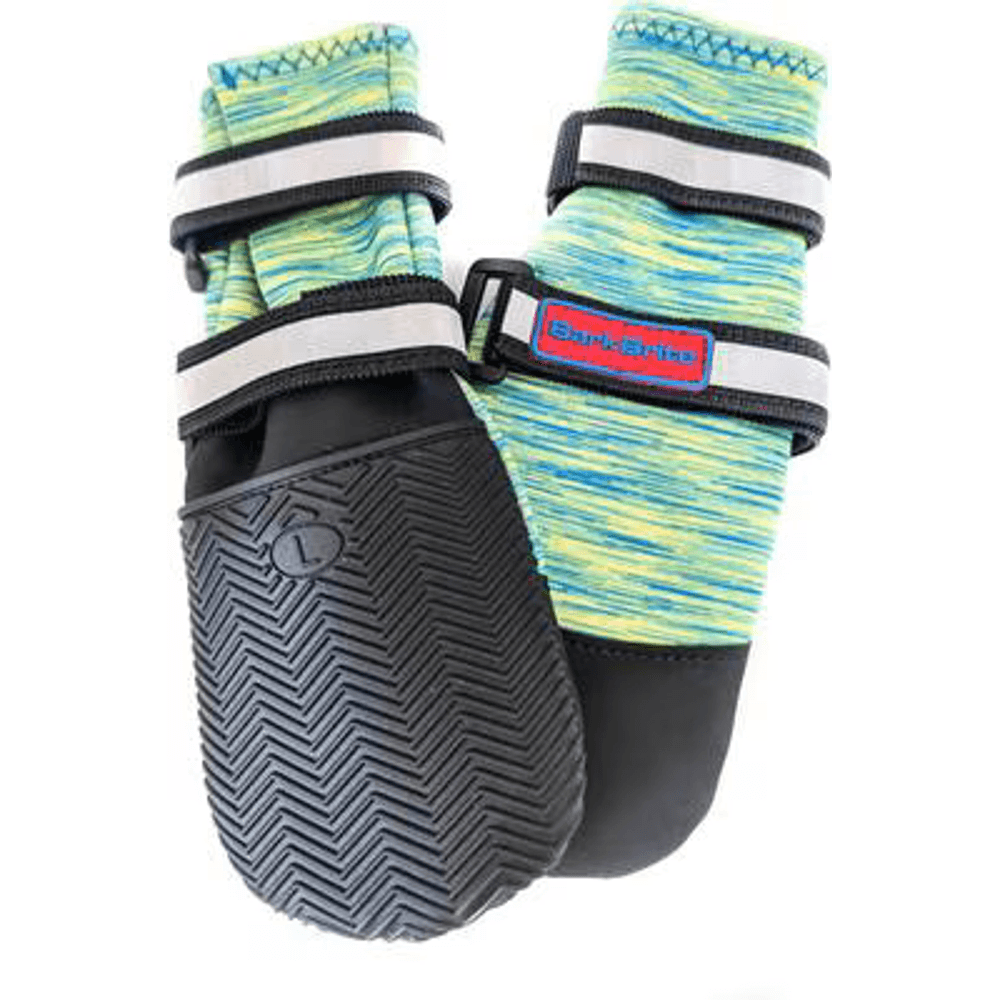
All-weather neoprene dog boots with grippy rubber tread soles that protect paws from cold, ice, and hot pavement and add traction on slick floors. Reflective straps aid visibility, with a secure hook-and-loop fit.
Webvet may earn a commission when you click through to Chewy, at no extra cost to you.
Small breeds. A small dog shivering is the rule rather than the exception. Chihuahuas, Italian Greyhounds, Miniature Pinschers, and similar breeds run "hot" metabolically but lose heat quickly and often tremble from cold or excitement. Many also shiver when anxious. It is usually benign, but the same warning signs apply: warm room plus persistent trembling plus other symptoms equals a vet call.
Senior dogs. A senior dog shivering cold is common, since older dogs regulate temperature less efficiently and may have less muscle mass and thinner coats. But aging dogs are also more prone to pain (arthritis), organ disease, and cognitive decline. An old dog shivering and panting together deserves a closer look, because that combination can signal pain or illness rather than simple cold. Our dedicated guide on an old dog trembling covers the senior-specific causes in detail.
For puppies and tiny breeds, low blood sugar is a real shivering cause, not just cold. For seniors, pain and organ disease climb the list. Match your suspicion to your dog's life stage, and never assume "it is just cold" in a very young, very old, or unwell dog without warming them and watching closely.
When shivering is an emergency: call the vet now

Most shivering is benign. But certain pictures mean you should not wait. So, should I be worried if my dog is shaking? Yes, when any of the following are present.
| Red flag | Why it matters |
|---|---|
| Shivering uncontrollably | May signal severe pain, toxin, or neurological crisis |
| Collapse or extreme weakness | Possible shock, cardiac, or metabolic emergency |
| Vomiting or diarrhea with trembling | Toxin, pancreatitis, or serious GI illness |
| Will not eat or drink | Significant pain or systemic illness |
| Cannot be warmed up | Not simple cold; an underlying medical cause |
| Suspected poisoning | Tremor is a hallmark of many toxins |
| Trembling after a fall, injury, or surgery | Pain or complication needing assessment |
If your dog is shivering uncontrollably, knowing what to do when your dog is shaking matters: stay calm, remove any obvious hazard or suspected toxin, keep your dog warm and quiet, and call your veterinarian or the nearest emergency clinic immediately. If you suspect poisoning, have the product or plant name ready.
A note on a dog shivering after surgery: some trembling as anesthesia wears off is expected, but shivering that is severe, prolonged, or paired with pain signs should be reported to your surgical team, since it can indicate pain or a complication.
For owner-facing guidance on recognizing emergencies, the AKC's health advice library is a reliable starting point, and the AVMA's cold-weather pet safety resources cover hypothermia prevention specifically.
What you can do at home (and what not to do)

For shivering you are confident is cold-related, and only after ruling out the red flags above, here is the right dog shivering treatment at home. This is essentially how to warm up a cold dog safely.
Do:
- Dry your dog completely. Towel off thoroughly after baths, swims, or rain. This is the fix for most dog shivering after bath cases.
- Add layers. A well-fitted sweater or coat helps small, thin-coated, and senior dogs hold heat, indoors and out.
- Provide a warm, draft-free bed. Move the bed away from cold floors and windows, and add a blanket to burrow into.
- Use gentle, indirect heat. A blanket warmed in the dryer, a wrapped warm (not hot) water bottle, or simply your own body heat works well.
- Limit cold exposure. Shorten winter walks for vulnerable dogs and avoid leaving any dog out in the cold.
Do not:

Probiotic supplement formulated to help dogs maintain calm behavior, with the BL999 strain. Liver-flavored powder in 30 daily sachets.
Webvet may earn a commission when you click through to Chewy, at no extra cost to you.
- Do not use a hair dryer on hot or a heating pad directly against skin. Both can burn. Always put a barrier between heat and your dog, and keep heat gentle.
- Do not give human medications. Many pain and anti-anxiety drugs are toxic to dogs.
- Do not ignore persistent or worsening shivering. What to do when your dog is shaking and it will not stop is simple: stop home care and call your vet.
This article is educational and is not a substitute for veterinary care. If you are worried about your dog's shivering, especially if it is sudden, severe, or paired with other symptoms, contact your veterinarian. You know your dog's normal better than anyone, and acting on that instinct is rarely wrong.
Frequently Asked Questions
Should I be worried if my dog is shivering?
Not always. If it is cold, wet, or your dog is small or senior, shivering that stops once warm is normal. Be worried if the shivering happens in a warm room, will not stop, or comes with panting, vomiting, lethargy, or not eating. When trembling cannot be explained by cold, contact your veterinarian.
Is it normal for dogs to shiver when they are cold?
Yes. Shivering is the body generating heat through rapid muscle contractions, exactly like humans. A dog shivering in cold weather, a draft, or after getting wet is doing something completely normal, and it should ease within minutes of warming up.
How cold is too cold for a dog?
It depends on size, coat, age, and health. Many dogs are comfortable down to around 45F, but temperatures below about 32F start to pose a risk for small, thin-coated, young, old, or sick dogs, and below roughly 20F can be dangerous for most dogs. When in doubt, limit exposure and watch for shivering and cold-seeking behavior.
How can I tell if my dog is cold or sick?
Check the environment and the ears, paws, and tail. Cold dogs have cool extremities, hunch and curl up, seek warmth, and stop shivering once warmed. A sick dog often keeps shivering in a warm room and shows other signs such as panting, vomiting, lethargy, or refusing food. Reversibility with warmth is the key test.
Why is my dog shivering but not cold?
Shivering in a warm dog is a symptom, not a temperature response. Common causes include pain, nausea, anxiety, low blood sugar, toxin exposure, and neurological conditions. If you cannot identify a cold or emotional trigger and the trembling persists, treat it as a medical sign and call your veterinarian.
Why is my dog shivering and panting at the same time?
Panting and shivering together commonly point to pain, anxiety, fever, or overheating. In a comfortable room, the pairing usually means your dog is hurting, stressed, or running a temperature. If your dog seems distressed, take its temperature if possible and call your veterinarian.
Why does my dog shiver while sleeping?
Most sleep shivering is normal dream activity during REM sleep, often with twitching, paddling, or soft sounds. A dog may also shiver in its sleep simply because the room is cold overnight. Watch for stiff, rhythmic shaking you cannot interrupt, which can indicate a seizure rather than dreaming and warrants a vet call.
Why does my small dog shiver so much?
Small breeds have little body mass to hold heat, so they chill quickly and shiver from cold or excitement far more readily than larger dogs. It is usually benign. The warning signs are the same as for any dog: persistent trembling in a warm room, or shivering paired with other symptoms.
Do senior dogs shiver more in the cold?
Yes. Older dogs regulate body temperature less efficiently and often have less muscle and thinner coats, so they feel cold more easily. But seniors are also more prone to pain and organ disease, so do not automatically assume cold. An old dog shivering and panting together, or trembling that will not warm away, deserves a vet visit.
Why is my dog shivering after a bath?
Wet fur loses heat rapidly through evaporation, so post-bath shivering is normal. Towel-dry thoroughly, keep your dog warm and out of drafts, and the trembling should fade as the coat dries. If it continues well after your dog is dry and warm, look for another cause.
How do I warm up a cold dog safely?
Dry your dog completely, add a sweater or blanket, move it to a warm, draft-free spot, and use gentle indirect heat such as a dryer-warmed blanket or a wrapped warm water bottle. Never apply direct high heat or a heating pad against the skin, and never give human medications. If warming does not stop the shivering, call your vet.
When is dog shivering an emergency?
Treat shivering as an emergency if it is uncontrollable, your dog collapses or is very weak, you suspect poisoning, or trembling comes with repeated vomiting, refusal to eat or drink, or trembling that cannot be warmed away. In these cases, contact your veterinarian or an emergency clinic immediately.
Can pain make a dog shiver even when warm?
Yes. Pain is one of the most common reasons a warm dog trembles. Back pain, abdominal pain (including pancreatitis), dental pain, and injuries all commonly cause shivering, often with a hunched posture, reluctance to move, or flinching when touched. Persistent trembling in a comfortable dog should be evaluated by a veterinarian.
$65 · no membershipHave a health question about your dog?
A licensed vet can assess your dog over video and prescribe online when it's appropriate.
Talk to a vet- Licensed vets
- All 50 states
- same-day Rx
Webvet may earn a commission if you book.

Editor
The Webvet Editorial Team is the in-house group of pet-care editors and writers behind Webvet, operated by Smart Pet Collective. The team researches, writes, and maintains Webvet's pet health, behavior, and medication content. Every article follows a defined editorial process: research from reputable veterinary and scientific sources, careful drafting, mandatory review of medical content by a credentialed veterinarian, and dated publication. Health and medication articles are medically reviewed by a licensed veterinary professional before they go live and are kept current over time.
Veterinarian · BVMS MRCVS
Dr. Pippa Elliott, BVMS, MRCVS, is a veterinarian with nearly 30 years of experience in companion animal practice. Dr. Elliott earned her Bachelor of Veterinary Medicine and Surgery from the University of Glasgow. She was also designated a Member of the Royal College of Veterinary Surgeons. Married with 2 grown-up kids, Dr. Elliott has a naughty Puggle named Poggle, 3 cats and a bearded dragon.


