Why Is My Dog Shaking? 12 Causes & When to Worry
Shaking in dogs ranges from harmless shivering to a medical emergency. Here are the 12 most common causes of trembling, how to read the symptoms alongside it, and the exact red flags that mean you should call your vet right now.

BVMS MRCVS
Medically reviewed by Dr. Pippa Elliott, BVMS MRCVS · Last reviewed

This article contains affiliate links. Webvet may earn a commission when you buy through them, at no extra cost to you.
If you are watching your dog tremble and asking yourself why is my dog shaking, you are not overreacting. Shaking is one of the most common reasons people call a vet, and it can mean anything from "she is a little cold" to "this is an emergency." The hard part is that the trembling looks the same either way. What changes the picture is everything happening around it.
This guide walks through the 12 most common reasons dogs shake, how to read shaking alongside other symptoms, and the specific red flags that mean you should stop reading and call your veterinarian. We keep it calm and practical, because that is exactly what your dog needs from you right now.
Shaking itself is a symptom, not a diagnosis. A warm, happy dog who shakes with excitement is very different from a dog who is shaking, drooling, and refusing to eat. Watch the whole picture: energy, appetite, gum color, breathing, and whether the shaking stops when you comfort or warm your dog.
Why Is My Dog Shaking? The Quick Answer
When you ask why is my dog shaking, the honest answer is that trembling has a long list of possible causes, and they fall into two broad buckets: benign and medical. Most shaking is the harmless kind. Your dog is cold, excited, anxious, or shaking water off after a bath. It passes quickly and your dog otherwise looks and acts normal.
The other bucket matters more. Trembling can also signal pain, low blood sugar, fever, poisoning, or a neurological problem. According to the Merck Veterinary Manual, tremors and shaking can stem from neurological, metabolic, and toxic causes, which is why context is everything.
So if you are wondering why my dog is shaking, why is my dog trembling and shaking, or simply my dog is shaking why, start by asking three questions:
- Is my dog otherwise acting normal? Eating, drinking, playing, alert.
- Did something just change? Cold room, a thunderstorm, a new food, a possible toxin, a recent surgery.
- Are there other symptoms? Vomiting, panting, limping, hiding, not eating, collapse.
A "yes" to the first question usually points to the benign bucket. A "yes" to the third question, especially with vomiting, collapse, or suspected poisoning, points to the medical one.
Is It Normal for a Dog to Shake?
A lot of dog shaking is completely normal. Dogs shake water off, shake during a big stretch, shiver when they are cold, and tremble when they are over-the-moon excited to see you. So if you are asking is it normal for your dog to shake, the answer is often yes, especially when it is brief and your dog looks relaxed and happy.
The question shifts when the shaking is new, frequent, or paired with other signs. If you find yourself wondering why is my dog always shaking, that pattern deserves attention. Constant or recurring tremors are not a normal baseline, and they are worth a vet visit even if your dog seems otherwise fine.
Should I be worried if my dog is shaking? Not automatically. Use the whole picture. A bright, hungry, playful dog who shivers for a minute is rarely an emergency. A dull, hiding, or vomiting dog who is shaking is a different story.
Harmless Reasons Dogs Shake (Cold, Excitement, Anxiety)
Let us start with the good news, because most shaking lands here. These causes are uncomfortable for your dog at worst, and they usually resolve once you remove the trigger.

Probiotic supplement formulated to help dogs maintain calm behavior, with the BL999 strain. Liver-flavored powder in 30 daily sachets.
Webvet may earn a commission when you click through to Chewy, at no extra cost to you.
Cold
The simplest answer to why is my dog shaking when cold is the same reason you shiver: muscles contract rapidly to generate heat. Small dogs, thin-coated breeds, puppies, and seniors chill fastest. A sweater, a blanket, and a warm room usually fix it within minutes. Cold-related shivering deserves its own deep dive, so if your dog shivers a lot we cover the difference between cold shivering and something more in our guide to dog shivering: cold vs. not.
Excitement and anticipation
If you are asking why is my dog shaking with excitement, watch the tail and the eyes. A dog vibrating before a walk, a meal, or your arrival home is flooded with adrenaline. This trembling is happy, brief, and stops the moment the exciting thing happens.
Fear, stress, and anxiety
Fear is a huge driver of trembling. Thunderstorms, fireworks, vet visits, and car rides are classic triggers. If your dog is shaking in the car, shaking and hiding, or my dog is shaking and acting scared, anxiety is the likely culprit. The AKC notes that noise aversion and stress are common behavioral causes of shaking.
Why is my dog shaking and hiding usually points the same direction: your dog is overwhelmed and trying to get small and safe. For a full toolkit on calming an anxious, trembling dog, see our guide to shaking from being scared or anxious. You can also find practical at-home strategies in our piece on anxiety relief for dogs.
Medical Causes of Shaking and Trembling

This is the bucket that worries owners most, and rightly so. When you are searching why is my dog shaking for no reason, why is my dog shaking uncontrollably, or why is my dog shaking so much, a medical cause is often hiding behind the "no reason." There usually is a reason. It is just not visible from the outside.
Here are the most important medical causes of trembling.
| Cause | What is happening | Other signs to look for |
|---|---|---|
| Pain | Injury, arthritis, abdominal pain, or back pain | Limping, stiffness, guarding, whining, reluctance to move |
| Low blood sugar (hypoglycemia) | Blood glucose drops, common in toy breeds and puppies | Weakness, wobbliness, glazed look, collapse |
| Fever or illness | Infection or inflammation raising body temperature | Lethargy, warm ears, not eating, low energy |
| Poisoning or toxin | Ingestion of a toxic food, plant, or chemical | Drooling, vomiting, agitation, disorientation |
| Nausea | GI upset before vomiting | Lip licking, drooling, restlessness |
| Neurological disease | Tremor syndromes, seizures, inner-ear or brain issues | Head tremor, uncontrolled jerking, loss of balance |
If your dog is shaking randomly, shaking out of nowhere, or trembling so much it interrupts normal activity, do not wait it out for days. The Merck Veterinary Manual emergencies guidance lists hypoglycemia, pain, fever, anxiety, and toxin exposure among the causes of trembling that warrant prompt evaluation.
Shaking Plus Other Symptoms: What the Combination Means
Shaking on its own is hard to interpret. Shaking plus a second symptom is far more informative. This is where most of your worry, and most of the real answers, will come from. Use the decoder below to map what you are seeing.
| What you see | Common meaning | Urgency |
|---|---|---|
| Shaking and panting | Pain, anxiety, fever, overheating, or heart issues | Moderate to high; urgent if also lethargic |
| Shaking and vomiting / throwing up | Nausea, toxin, GI illness, pancreatitis | High; same-day vet |
| Shaking and not eating | Pain, nausea, fever, systemic illness | High if it lasts more than a meal or two |
| Lethargic and shaking | Fever, pain, low blood sugar, serious illness | High; do not wait |
| Drooling and shaking | Nausea, toxin exposure, dental pain | High; suspect poisoning |
| Whining and shaking | Pain or acute distress | High; find the source |
| Limping and shaking | Injury or orthopedic pain | Moderate to high |
| Breathing heavy and shaking | Pain, heat, anxiety, or cardiac/respiratory issue | High; urgent if gums are pale or blue |
A few of these deserve a closer look.
Why is my dog shaking and panting is one of the most searched combinations for a reason. Panting plus trembling often means pain or significant stress. It can also signal overheating, so rule out a hot environment first. If your dog is panting and shaking with no obvious trigger, treat it as a reason to call your vet, especially in a senior dog.
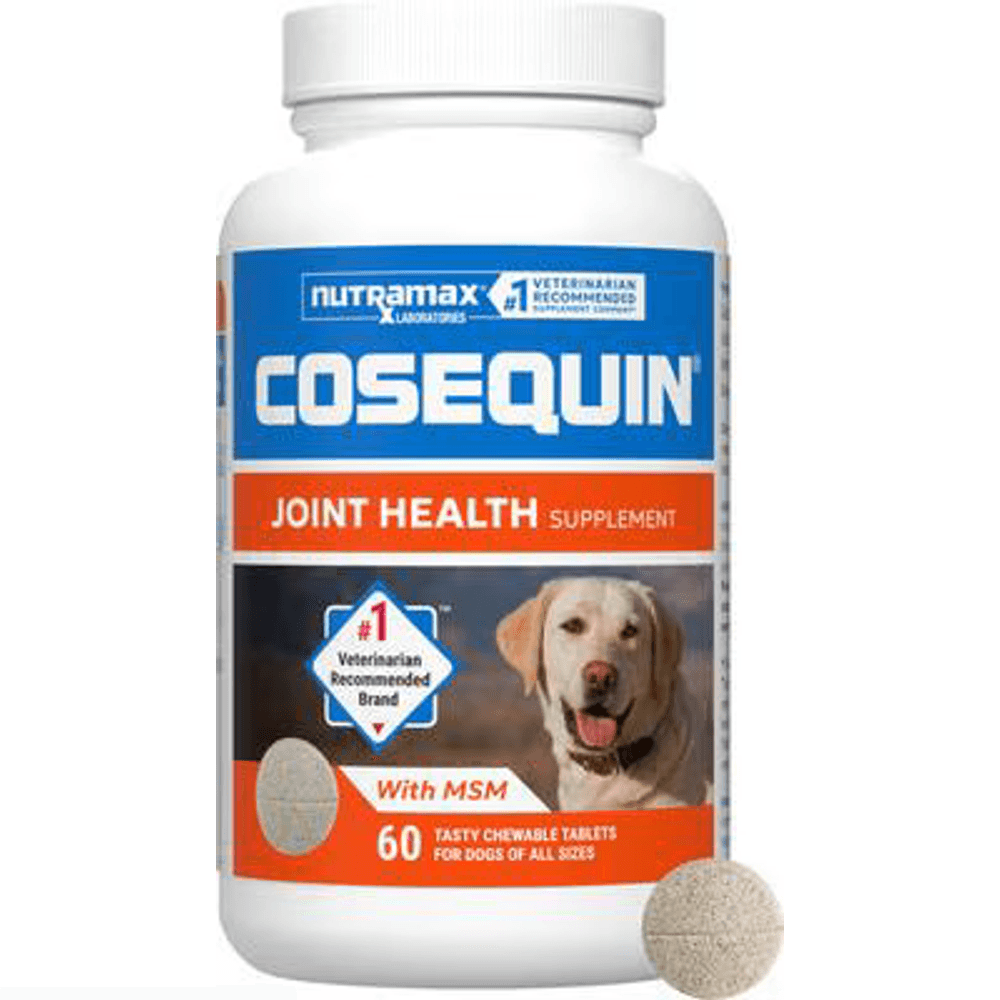
The number-one veterinarian-recommended joint supplement brand. Glucosamine, chondroitin, and MSM support cartilage and cushion the joints, easing the stiffness and hind-end weakness that can leave an older or arthritic dog trembling.
Webvet may earn a commission when you click through to Chewy, at no extra cost to you.
Why is my dog shaking and vomiting or shaking and throwing up usually points to the gut. Nausea makes dogs tremble, and repeated vomiting risks dehydration. If vomiting continues, your dog cannot keep water down, or you see blood, that is a same-day emergency.
Why is my dog shaking and not eating, lethargic and shaking, or my dog is shaking and acting weird and not eating together suggest your dog feels genuinely unwell. Appetite loss plus trembling is a meaningful combination. If a dog skips meals and trembles, something systemic is usually going on.
Why is my dog drooling and shaking should raise your guard for nausea or toxin exposure. Why is my dog limping and shaking points to pain. Why is my dog breathing heavy and shaking can be benign after exercise but is urgent if the gums are pale, bluish, or your dog seems weak.
The single most useful thing you can do is note what shaking is paired with and how your dog's energy and appetite look. "Shaking but bright, hungry, and playful" and "shaking, dull, and off food" lead to completely different decisions. Write down the combination before you call your vet.
 $65 · no membership
Have a health question about your dog?
A licensed vet can assess your dog over video and prescribe online when it's appropriate.
 Talk to a vet
- Licensed vets
- All 50 states
- same-day Rx
Webvet may earn a commission if you book.
Why Is My Dog Shaking His Head?
Head shaking is a different beast from whole-body trembling, and people search it constantly: why is my dog shaking his head, why is my dog shaking his head constantly, why is my dog shaking his head so much, and why is my dog shaking his ears. When the shaking is isolated to the head and ears, the cause is usually local, not systemic.
The most common reasons a dog shakes its head are:
- Ear infection. Itchy, painful, or inflamed ears trigger vigorous head shaking, often with odor, redness, or dark discharge.
- Ear mites or debris. Especially in younger dogs.
- A foreign object. A grass seed or foxtail in the ear canal causes sudden, frantic shaking.
- Allergies. Skin and ear allergies make ears itchy and inflamed.
- An aural hematoma. Repeated shaking can rupture a blood vessel in the ear flap, causing a swollen, fluid-filled ear.
If your dog is shaking his head constantly or so much that the ear flaps slap audibly, look inside the ear (gently) for redness, discharge, or smell, and book a vet visit. Head shaking is rarely an emergency, but persistent shaking usually means an infection that needs treatment, and an untreated ear can get worse fast.
Shaking in Sleep vs. a Seizure: How to Tell

This one scares owners more than almost anything. You are watching your sleeping dog twitch and paddle and you are asking why is my dog shaking in his sleep, why is my dog shaking while sleeping, or the bigger fear: dog twitching in sleep or seizure. The good news is that the two usually look quite different once you know what to watch for.
Most sleep twitching is dreaming. Dogs cycle through REM sleep just like we do, and their legs paddle, lips quiver, and bodies jerk. The defining feature: you can wake them. Say their name, touch them gently, and a dreaming dog rouses, looks at you, and settles. This is normal at any age, including an old dog shaking while sleeping or a dog shaking while lying down in deep rest.
A seizure is different. Use this comparison.
| Feature | Dreaming / sleep twitch | Seizure |
|---|---|---|
| Can you wake the dog? | Yes, easily | No, the dog is unresponsive |
| Body involvement | Loose paddling, gentle twitches | Stiff, violent, whole-body jerking |
| Awareness | Wakes and recognizes you | Glazed, "not there," unaware |
| Other signs | None | Drooling, urinating, loss of bowel control |
| After it ends | Wakes refreshed | Confused, disoriented, wobbly for minutes |
According to the Cornell Riney Canine Health Center, seizures and neurologic disease warrant urgent veterinary evaluation. If you cannot wake your dog, if the jerking is violent and whole-body, or if there is loss of bladder or bowel control, that is a seizure, not a dream. Time it, keep your dog safe from furniture and stairs, and call your vet. A first-ever seizure always warrants a call.
Senior, Small-Breed, and Special Cases

Some dogs shake more because of who they are, not because something is acutely wrong. Still, these groups deserve their own attention because the causes differ.
Senior dogs
Why is my old dog shaking, why is my elderly dog shaking, and why is my senior dog shaking are among the most common questions we hear. Older dogs tremble for several reasons: muscle weakness, arthritis pain, declining temperature regulation, and age-related neurological changes. A senior dog trembling and panting together is worth a vet visit, since that pairing can signal pain or a heart problem rather than simple aging.
Hind-end weakness is especially common in older dogs. If your senior is trembling specifically in the back legs, we cover that pattern in detail in our guides to old dog trembling and trembling in the back legs.
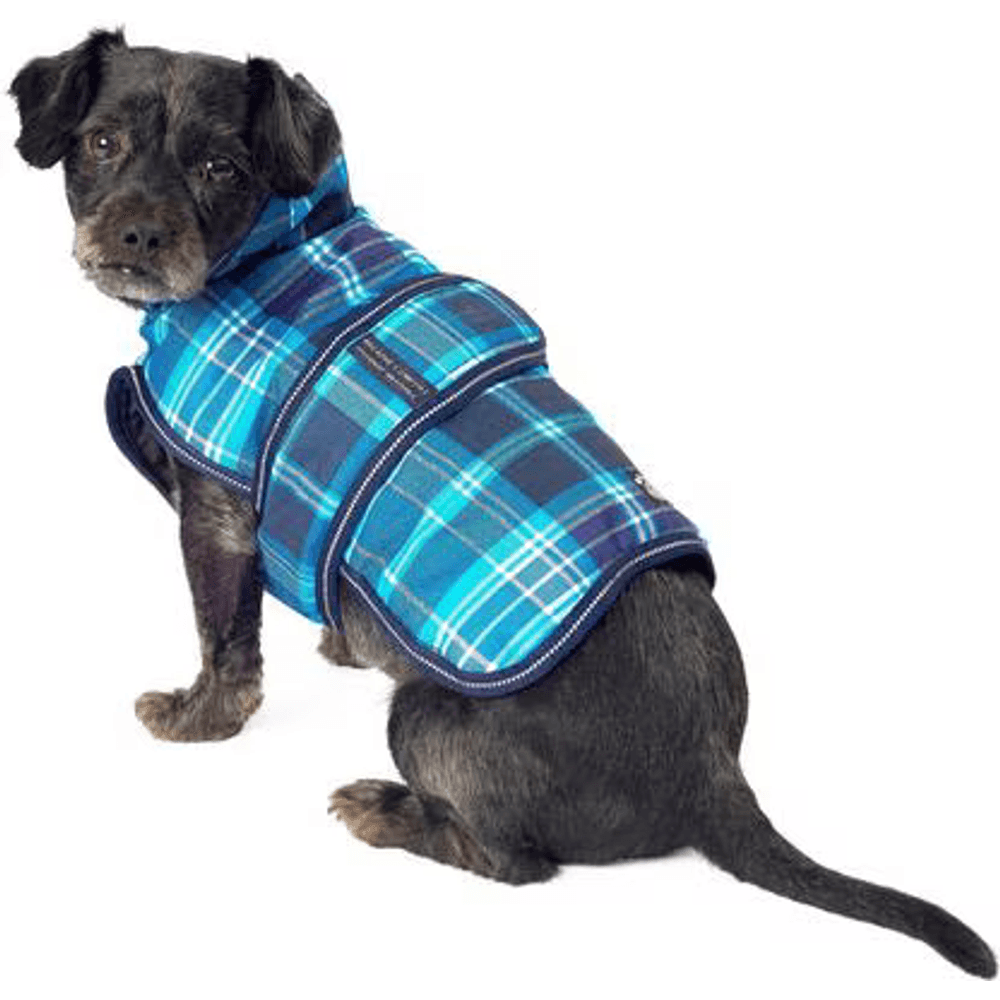
An insulated, quilted dog coat that traps body heat so a cold-sensitive dog stops shivering on winter walks. The high collar and full-back coverage keep small, thin, and senior dogs warm, with an easy step-in design and adjustable fit.
Webvet may earn a commission when you click through to Chewy, at no extra cost to you.

Small and toy breeds
Why is my small dog shaking has a few breed-specific answers. Toy breeds like Chihuahuas chill quickly, run hot emotionally, and are prone to low blood sugar. Some small dogs simply tremble more as a baseline. But hypoglycemia in a tiny dog or puppy is genuinely dangerous, so pair small-breed shaking with weakness or a glazed look and treat it as urgent.
Pregnancy and post-surgery
Why is my pregnant dog shaking can be normal late in pregnancy, but trembling near or after whelping can signal eclampsia (low calcium), which is an emergency. Why is my dog shaking after surgery is also common: anesthesia recovery, lower body temperature, and pain medications all cause post-op trembling. Mild shivering as anesthesia wears off is expected; trembling paired with whining, not settling, or refusing to eat warrants a call to the surgical team.
Sudden Shaking and Acting Weird: Is It an Emergency?

Sudden onset changes everything. Why is my dog shaking all of a sudden, my dog is shaking and acting weird all of a sudden, why is my dog shaking and acting weird, why is my dog suddenly shaking, and why does my dog suddenly start shaking for no reason all describe the same frightening scenario: your normal dog became a trembling, off dog in a matter of minutes.
Abrupt shaking plus odd behavior is a higher-stakes situation than gradual, occasional trembling. The most concerning sudden causes are:
- Poisoning. A fast change after possible toxin access is a poisoning until proven otherwise.
- Pain or injury. A sudden internal pain (back, abdomen, joint) can trigger immediate trembling.
- Low blood sugar. Especially in small dogs and puppies, this comes on fast.
- A seizure or pre-seizure state. Disorientation plus shaking can be neurological.
- Acute fear. A loud noise or trauma can flip a calm dog instantly, though this resolves as the dog calms.
The deciding factor is your dog's mental state. A dog who is shaking but bright, responsive, and recovers as they calm down is usually frightened. A dog who is shaking and "not right," disoriented, glazed, or unsteady, needs to be seen now.
Sudden shaking plus acting weird (disoriented, wobbly, hiding, or unresponsive) is your cue to call the vet rather than wait. The faster the change, the lower your threshold for picking up the phone, especially if a toxin is even remotely possible.
What to Do When Your Dog Is Shaking (and When to Call the Vet)

Here is your practical playbook. When you are figuring out what to do when your dog is shaking, work through these steps in order.
- Stay calm and observe. Your dog reads your energy. Note when the shaking started, how long it lasts, and what else is happening.
- Check the environment. Is your dog cold, frightened, or excited? Remove the trigger. Warm a cold dog, soothe a scared one.
- Run a quick body scan. Look at the gums (should be pink and moist), feel for warmth, check for limping, and watch the breathing.
- Look for red-flag symptoms. Vomiting, collapse, suspected toxin, pale gums, unresponsiveness, or violent jerking.
- Decide. Bright, hungry, recovering dog: monitor at home. Any red flag, or shaking that will not stop: call your vet.
For how to soothe a trembling dog, the basics work well: create a warm, quiet, dim space, use a calm voice, offer gentle physical contact if your dog wants it, and remove whatever is frightening or chilling them. For more on the role of touch and reassurance, see our guide to how to comfort a dog.
Should I be worried if my dog is shaking and panting? Yes, enough to call your vet, particularly if your dog is also lethargic, in pain, or a senior. Panting plus trembling is one of the combinations that most often means real discomfort.
When in doubt, call. Your veterinary team would always rather hear from you about a trembling dog than have you wait through a worsening emergency. A phone call is free, and they can help you decide whether this is a "watch at home" or a "come in now."
This article is for general education and is not a substitute for veterinary care. If your dog is shaking and you are worried, especially with any red-flag symptom, contact your veterinarian or an emergency clinic right away.

360-degree Wi-Fi pet camera so you can watch your cat's resting breathing rate and behavior from your phone and catch worrying changes early.
Webvet may earn a commission when you click through to Chewy, at no extra cost to you.
Frequently Asked Questions
Should I be worried if my dog is shaking?
Not always. A dog who shakes briefly but stays bright, hungry, and playful is usually fine, especially if they were cold, excited, or scared. Be worried if the shaking is paired with vomiting, lethargy, not eating, collapse, or suspected poisoning, or if it will not stop. Those combinations warrant a vet call.
Do dogs show pain by shaking?
Yes. Trembling is a very common way dogs express pain, whether from arthritis, injury, abdominal pain, or post-surgical discomfort. Pain-related shaking often comes with other signs like limping, stiffness, guarding a body part, reluctance to move, or whining. If you suspect pain, do not give human painkillers and call your vet.
Is it normal for your dog to shake?
Some shaking is completely normal: shivering when cold, trembling with excitement, shaking water off, and brief fear responses. It becomes abnormal when it is frequent, constant, or paired with other symptoms. Brief shaking in an otherwise happy, healthy dog is usually nothing to worry about.
Why does my dog suddenly start shaking for no reason?
There is almost always a reason, even if it is not obvious. Sudden shaking can be triggered by pain, low blood sugar, nausea, fear, a toxin, or a neurological event. If the onset is abrupt and your dog is also acting strange, disoriented, or unwell, treat it as a reason to call your vet promptly.
What is the silent killer of dogs?
The phrase often refers to conditions that progress quietly with few early signs, such as kidney disease, heart disease, or certain cancers. In the context of shaking, the relevant silent danger is often toxin ingestion or low blood sugar, both of which can escalate fast. Trembling can be one of the few outward clues, which is why unexplained shaking deserves attention.
How do I soothe a trembling dog?
Create a warm, quiet, dimly lit space, speak in a calm voice, and offer gentle contact if your dog seeks it. Remove whatever is frightening or chilling them, whether that is a thunderstorm, a cold floor, or a stressful environment. If the trembling is from fear, do not punish it. If it persists or your dog seems unwell, call your vet.
Why is my dog shaking and panting at the same time?
Panting plus trembling most often means pain, anxiety, overheating, or fever, and sometimes a heart or respiratory problem. Rule out a hot environment first. If there is no obvious trigger, the combination is significant enough to warrant a vet call, especially in older dogs or if your dog is also lethargic.
Why is my dog shaking his head so much?
Excessive head shaking usually points to the ears: an ear infection, mites, allergies, or a foreign object like a grass seed. Look for redness, odor, or discharge. Persistent head shaking can rupture a blood vessel in the ear flap (an aural hematoma), so a dog shaking its head constantly should be seen by a vet.
Is my dog shaking in his sleep a seizure or just dreaming?
Most sleep twitching is dreaming, and the key test is whether you can wake your dog. A dreaming dog rouses easily, recognizes you, and settles. A seizing dog is unresponsive, stiff or violently jerking, and confused afterward. If you cannot wake your dog or there is loss of bladder or bowel control, it is a seizure and you should call your vet.
Why is my old dog shaking in the back legs?
Hind-leg trembling in seniors commonly comes from muscle weakness, arthritis, and age-related nerve changes. It can also reflect pain or fatigue. While some mild trembling is part of aging, new or worsening back-leg shaking deserves a vet exam to check for arthritis, pain, or neurological causes that can be managed.
Can pain make a dog shake?
Yes, absolutely. Pain is one of the leading causes of trembling in dogs. The shaking may be generalized or localized to a painful area, and it is often paired with limping, stiffness, guarding, or whining. Never give human pain medication. Instead, have your vet identify the source and prescribe safe relief.
Why does my small dog shake so much?
Toy and small breeds tremble more for several reasons: they lose body heat quickly, tend to be more emotionally reactive, and are prone to low blood sugar. A lot of small-dog shaking is benign shivering or excitement. But pair it with weakness or a glazed look and suspect hypoglycemia, which is an emergency in tiny dogs.
Why is my dog shaking and won't leave my side?
A dog who is trembling and clinging is usually frightened, anxious, or feeling unwell and seeking comfort. Fear (storms, fireworks) and pain or illness can both cause this. If your dog is otherwise bright, focus on calm reassurance. If they also seem lethargic, off their food, or in pain, call your vet.
Can anxiety alone make a dog tremble?
Yes. Anxiety and fear are major, standalone causes of trembling. Thunderstorms, fireworks, separation, vet visits, and car rides commonly trigger it. Anxiety-driven shaking typically resolves once the stressor passes or the dog is comforted. If anxiety is frequent or severe, talk to your vet about a behavior plan and possible support.
Why is my dog shaking after surgery or anesthesia?
Post-surgical trembling is common and usually due to anesthesia wearing off, lowered body temperature, and the effects of pain medication. Mild shivering during recovery is expected. Call the surgical team if the trembling is paired with whining, an inability to settle, refusing food beyond the expected window, or signs of significant pain.
Why is my dog shaking and drooling?
Drooling plus shaking should raise concern for nausea, toxin exposure, or dental and mouth pain. Nausea makes dogs hypersalivate and tremble before vomiting. If a toxin is even remotely possible, treat it as urgent and call your vet or an emergency clinic right away rather than waiting.
What should I do if my dog is shaking uncontrollably?
Uncontrollable, non-stop shaking is a reason to contact your vet immediately. First check for red flags: unresponsiveness, collapse, pale gums, vomiting, or suspected poisoning. Keep your dog safe and warm, do not give any medication, and head to a vet or emergency clinic, especially if you cannot interrupt the shaking or your dog seems not there.
$65 · no membershipHave a health question about your dog?
A licensed vet can assess your dog over video and prescribe online when it's appropriate.
Talk to a vet- Licensed vets
- All 50 states
- same-day Rx
Webvet may earn a commission if you book.

Editor
The Webvet Editorial Team is the in-house group of pet-care editors and writers behind Webvet, operated by Smart Pet Collective. The team researches, writes, and maintains Webvet's pet health, behavior, and medication content. Every article follows a defined editorial process: research from reputable veterinary and scientific sources, careful drafting, mandatory review of medical content by a credentialed veterinarian, and dated publication. Health and medication articles are medically reviewed by a licensed veterinary professional before they go live and are kept current over time.
Veterinarian · BVMS MRCVS
Dr. Pippa Elliott, BVMS, MRCVS, is a veterinarian with nearly 30 years of experience in companion animal practice. Dr. Elliott earned her Bachelor of Veterinary Medicine and Surgery from the University of Glasgow. She was also designated a Member of the Royal College of Veterinary Surgeons. Married with 2 grown-up kids, Dr. Elliott has a naughty Puggle named Poggle, 3 cats and a bearded dragon.


