How to Comfort a Dog: How Physical Comfort Affects Your Dog's Behavior and Focus
Learning how to comfort a dog combines stable routines, calm environments, and gentle interaction. See stress signs, calming techniques, and what helps most.

This article contains affiliate links. Webvet may earn a commission when you buy through them, at no extra cost to you.
Learning how to comfort a dog involves recognizing signals of stress or physical unease and responding with supportive care, stable routines, and a calm environment. Dogs rely on predictable surroundings, familiar schedules, and gentle human interaction to feel safe and stable. Physical ease supports emotional balance, attention, and engagement with daily activities.
Discomfort often influences mood, attention span, and responsiveness to training or interaction. Restlessness, irritability, or withdrawal often reflect underlying stress or physical discomfort rather than defiance. Understanding the relationship between comfort and behavior allows pet parents to improve stability, encourage focus, and promote healthier daily routines.
- 1Comfort and behavior are tightly linked: physical ease supports emotional balance and focus.
- 2Common stress signs include pacing, whining, hiding, reduced appetite, and difficulty focusing.
- 3Stable routines, calm environments, and gentle interaction are the foundational tools for comforting a dog.
- 4Common stress triggers include travel, vet visits, household changes, loud noises, and illness or injury.
- 5Persistent behavioral changes alongside appetite loss or lethargy warrant a veterinary check.
How Physical Comfort Influences Behavior
Physical comfort influences emotional regulation and behavior in dogs. A relaxed body fosters calm attention, readiness to learn, and positive interactions, while discomfort reduces concentration and increases dog stress behaviors such as pacing and irritability. Veterinary research shows a strong connection between physical wellness and cognitive focus in dogs.
Several behavioral patterns often reflect reduced comfort. Frequent position changes or pacing indicate physical unease. Difficulty maintaining attention during training or daily activities may indicate distraction by discomfort. Increased sensitivity to touch or interaction reflects emotional strain linked to physical tension. Sudden changes in temperament, engagement, or play interest suggest underlying stress.
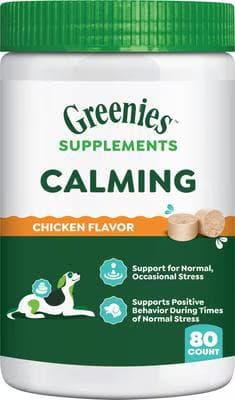
Chicken-flavored soft chew that supports normal, occasional stress and positive behavior during times of normal stress.
Webvet may earn a commission when you click through to Chewy, at no extra cost to you.
Signs of Stress in Dogs
Dogs communicate emotional and physical needs through subtle behavioral cues. Pacing or restlessness reflects unease or difficulty settling. Whining or vocalizing expresses distress, anxiety, or discomfort. Hiding or withdrawal indicates emotional overwhelm or fatigue. Lower interest in food frequently accompanies stress or illness. Limited engagement during play or training may indicate mental distraction due to discomfort. Early recognition of these signals supports prompt comfort strategies and prevents escalation.

Vet-formulated fresh meals delivered to your door. Custom portions tailored to your dog. No fillers, no by-products.
- 50% off your first box
- Custom portion plans tailored to your dog
- Vet-formulated fresh meals made
Trusted by hundreds of thousands of dog parents
Webvet may earn a commission when you click through to Farmers Dog, at no extra cost to you.
Common Situations Where Dogs Need Comfort
Certain situations frequently challenge a dog's sense of safety and predictability. Vehicle motion, new locations, and unfamiliar scents disrupt routine stability during travel. Clinical environments at veterinary visits introduce unfamiliar handling and sensory stimulation. Moving homes, new household members, or altered schedules disrupt predictability. Thunderstorms, fireworks, and construction noise elevate stress responses. Physical discomfort from illness or injury reduces tolerance for stimulation and interaction. Supportive routines, reassurance, and environmental stability promote emotional recovery during these experiences.
Common Stress Triggers and Responses
| Trigger | Typical Stress Response | First Comfort Step |
|---|---|---|
| Travel (car, plane) | Panting, drooling, restlessness | Familiar bedding, gradual exposure, calm voice |
| Veterinary visit | Trembling, panting, hiding | Treats, fear-free clinic, owner presence |
| Loud noises (thunderstorms, fireworks) | Pacing, hiding, hyperalertness | Safe quiet room, white noise, vet-prescribed support if severe |
| Household changes | Withdrawal, appetite changes | Maintain feeding and walking routines, increased reassurance |
| Illness or injury | Hiding, irritability, reduced play | Veterinary evaluation, quiet rest area, gentle interaction |
Calming an Anxious Dog at Night
Night anxiety in dogs is its own pattern: pacing, panting, whining, restlessness, or wandering during normal sleep hours. The most common causes are senior cognitive dysfunction (sundowning), unaddressed pain that's worse when lying still, separation anxiety from owners sleeping in another room, environmental triggers (storms, fireworks, neighborhood noise), and sometimes simple boredom in dogs that aren't getting enough daytime mental enrichment.
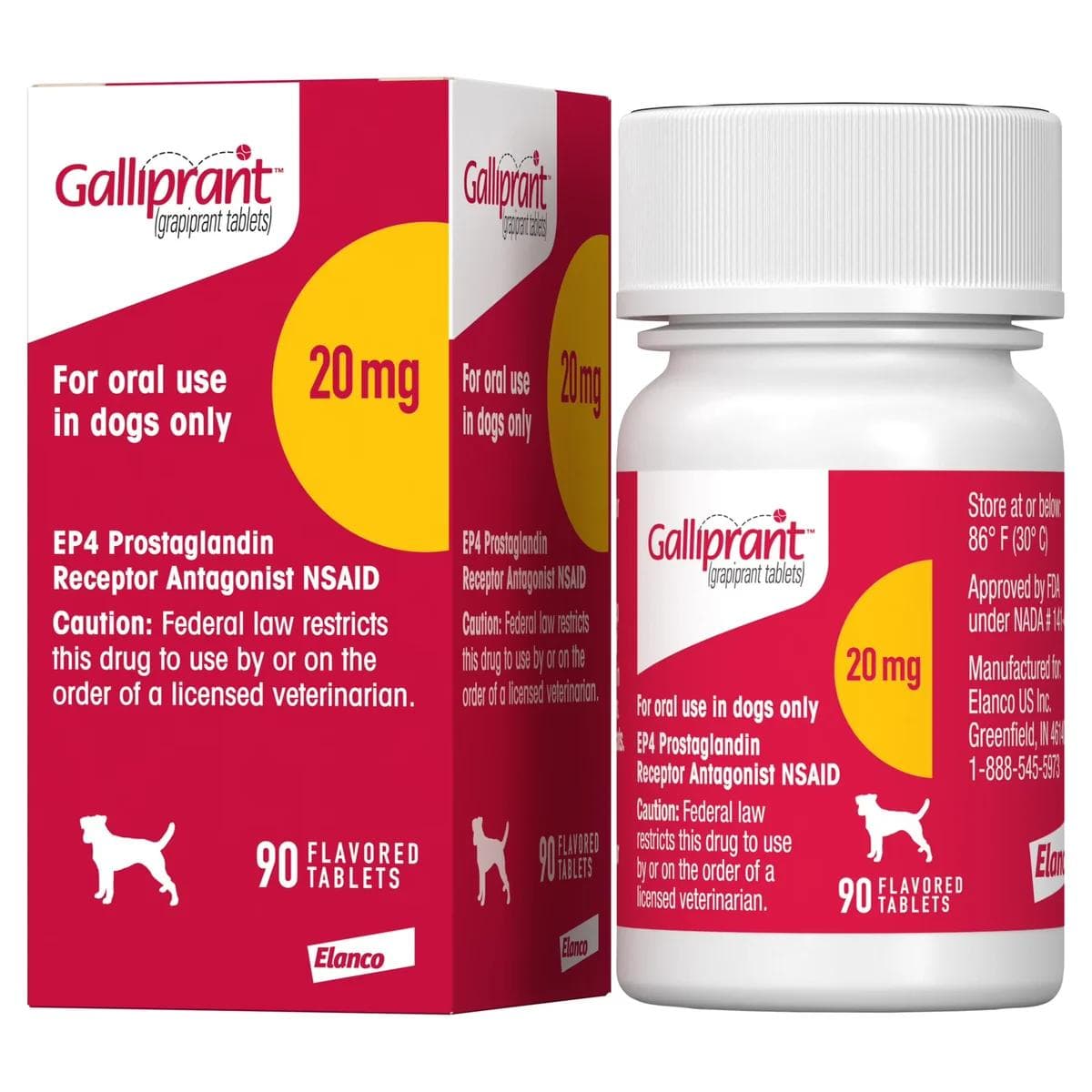
A prescription anti-inflammatory made specifically for arthritis pain in dogs. It needs a vet's diagnosis and script, and it is precisely why you never reach into your own medicine cabinet: human pain relievers are toxic to dogs.
Webvet may earn a commission when you click through to Chewy, at no extra cost to you.
Practical responses include a quiet familiar sleeping spot near family rooms, white noise or calming music to mask outdoor sounds, a tiring evening walk plus 10 minutes of scent work to spend mental energy before bed, and a consistent bedtime routine. For senior dogs with possible cognitive dysfunction, melatonin (vet-guided dose) helps some dogs sleep through. For severe night anxiety that doesn't respond to environmental fixes, ask your vet about anti-anxiety medications or, in seniors, a CCD assessment.
How to Calm an Anxious Dog Instantly
When a dog is in acute distress (storm, fireworks, sudden loud noise, an unexpected stressor), the goal is rapid de-escalation, not long-term training. The fastest at-home interventions: move the dog to the smallest, quietest, most enclosed space available (interior bathroom, closet, basement) with familiar bedding. Stay calm and quiet yourself; dogs read your tone more than your words, and excited 'it's okay!' often makes things worse. Use white noise or calming music to mask outdoor sound. If you have one, put a ThunderShirt on; if you have prescription anti-anxiety meds for storms (trazodone, gabapentin), give the prescribed dose.
What NOT to do: don't punish the anxiety, don't force the dog into the open, don't use cheerful high-pitched 'reassurance' (it amplifies stress), don't open the door and let them run (lost-dog risk spikes during storms and fireworks). For dogs with documented severe noise phobia, work with a veterinarian during the off-season to build a behavior modification plan AND have prescription rescue medications on hand for the next event. Acute interventions are bridges, not solutions; the long-term work is desensitization.
Ways to Comfort a Dog
Calming Techniques That Work
Effective comfort strategies focus on stability, calm surroundings, and gentle interaction. Predictability reduces uncertainty and strengthens emotional regulation. Maintain consistent routines: regular feeding, walking, and rest schedules reinforce stability and security. Create a calm environment with quiet resting spaces, reduced noise exposure, and predictable household activity. Provide a comfortable resting area with supportive bedding and a temperature-appropriate space. Offer gentle interaction and reassurance through calm petting, quiet companionship, and a reassuring presence. Encourage exercise and mental enrichment, since structured walks, play sessions, and puzzle activities improve mood and focus.

Calming Aids: Pheromones, ThunderShirts, and What Actually Works
Several non-prescription calming aids have research backing for dogs. Adaptil pheromone diffusers and collars release a synthetic version of the dog appeasing pheromone (DAP) released by nursing mother dogs; multiple studies show modest but real reduction in stress behaviors. ThunderShirts use steady gentle pressure to produce a calming effect (the same principle as swaddling babies); they work for some dogs and not others. Calming music designed for dogs (Through a Dog's Ear and similar) reduces stress in shelter studies. Lavender essential oil (diffused, never applied directly) shows mild calming effects in research.

Unscented surface spray for dog bedding, blankets and carriers. Alcohol-free formula; do not spray directly on your dog.
Webvet may earn a commission when you click through to Chewy, at no extra cost to you.
Calming Aids: What Each Does and When It Helps
| Aid | How It Works | Best For | Limitations |
|---|---|---|---|
| Adaptil (DAP pheromone) | Synthetic appeasing pheromone, diffuser or collar | General anxiety, new home, multi-pet households | Subtle effect; takes days to weeks |
| ThunderShirt | Steady gentle pressure | Storm anxiety, fireworks, separation anxiety | Doesn't work for all dogs; trial-and-error |
| Calming music for dogs | Slower tempo, simplified instrumentation | Background calm during stressful events | Best as adjunct, not solo solution |
| Lavender (diffused) | Mild olfactory calming effect | Background calm in safe spaces | Never apply oil directly to dog; toxicity risk |
| Calming chews (L-theanine, chamomile) | Mild dietary calming compounds | Daily mild anxiety, predictable stress events | Not strong enough for severe anxiety |
| Prescription anti-anxiety medication | Two categories. Daily long-term SSRIs (fluoxetine, sertraline) take several weeks to reach full effect. Event-based rescue meds (trazodone, gabapentin) work within hours and are used situationally for storms, vet visits, fireworks, etc. | Severe anxiety, separation anxiety, storm phobia (different drugs for different patterns) | Requires vet diagnosis and monitoring |
The Role of Nutrition in Supporting Comfort
Nutrition contributes significantly to physical wellness, energy balance, and emotional stability. Digestible, balanced diets support gastrointestinal comfort, steady energy levels, and consistent mood regulation. Nutrient-dense meals strengthen immune resilience, muscle recovery, and overall physiological balance, all of which influence behavior and comfort. Fresh dog food options such as The Farmer's Dog provide gently cooked meals formulated for high digestibility and balanced nutrition. Within a broader wellness routine that includes environmental stability, physical care, and emotional reassurance, balanced nutrition supports improved focus and stronger emotional comfort.
Creating a Comforting Environment
A comforting environment starts with a designated safe space where the dog can retreat without interruption. Soft, supportive bedding in a quiet corner away from foot traffic gives most dogs a stable retreat. Temperature matters: dogs cool off and warm up less efficiently than people, so keep their resting area within a comfortable range. Reduce loud, sudden noises where possible. Predictable household activity (meals, walks, family routines) acts as the most powerful environmental signal of safety.

Vet-formulated fresh meals delivered to your door. Custom portions tailored to your dog. No fillers, no by-products.
- 50% off your first box
- Custom portion plans tailored to your dog
- Vet-formulated fresh meals made
Trusted by hundreds of thousands of dog parents
Webvet may earn a commission when you click through to Farmers Dog, at no extra cost to you.
When to Seek Veterinary Advice
Persistent discomfort or behavioral change often signals underlying medical concerns. Veterinary evaluation provides diagnostic insight and targeted care for conditions affecting comfort, mood, or attention. Situations that require veterinary consultation include ongoing behavioral changes such as continued irritability, withdrawal, or restlessness; sustained appetite loss or refusal to eat; reduced activity levels or persistent fatigue; and signs of pain or illness like limping, vocalization, digestive upset, or visible distress. Understanding how to comfort a dog is a vital skill, but a professional evaluation can identify health issues affecting behavior and ensure appropriate medical treatment.
For information on stroke in dogs, see our guide to signs, veterinary assessment, and recovery care.
How to Comfort a Dog in Pain: Vet-Recommended Approaches
Comforting a dog in pain requires a different toolkit than comforting an anxious dog. Pain reduces a dog's tolerance for handling, sound, and even familiar interactions. The first priority is identifying that pain is the cause: signs include reluctance to move or lie down, panting that doesn't match temperature, hunched posture, trembling, restlessness at night, snapping when touched in a previously normal area, and changes in eating or grooming. If you suspect pain, a vet visit is the first step, since untreated pain often gets worse and untreated underlying conditions usually do too.
Once pain is being managed by a vet (with prescription NSAIDs, gabapentin, or other medications), at-home comfort focuses on minimizing physical demands: orthopedic bedding, ramps to avoid stairs and jumping, raised food and water bowls, gentle slow walks rather than long ones, and consistent quiet handling. Avoid picking up or moving a painful dog without supporting both ends of the body. Never give human pain medications without veterinary guidance. The most loving thing you can do for a painful dog is treat the underlying pain, not just soothe around it.
Vet-formulated fresh meals delivered to your door. Custom portions tailored to your dog. No fillers, no by-products.
- 50% off your first box
- Custom portion plans tailored to your dog
- Vet-formulated fresh meals made
Trusted by hundreds of thousands of dog parents
Webvet may earn a commission when you click through to Farmers Dog, at no extra cost to you.
Frequently Asked Questions
How do I know if my dog is uncomfortable or stressed?
Common signs of dog stress behavior include pacing, whining, hiding, reduced appetite, or difficulty focusing during normal activities. Subtler cues include excessive lip-licking, frequent yawning, panting that doesn't match temperature, and whites of eyes showing. Observing sudden behavior changes helps identify discomfort that needs attention.
What are the best ways to comfort a dog during stressful situations?
Effective comfort techniques include maintaining routine, providing a quiet resting space, and offering calm interaction. Gentle reassurance and a predictable environment support calming a stressed dog and improve emotional stability.
Can changes in routine make a dog anxious?
Routine disruption often triggers stress behaviors in dogs because they rely on predictable schedules for security. Consistent feeding, walking, and rest schedules support stability and improve emotional comfort.
Does nutrition influence a dog's comfort or mood?
Balanced nutrition supports digestive health, steady energy levels, and improved emotional balance. Fresh dog food options like The Farmer's Dog provide highly digestible meals that support overall wellness and relaxation as part of daily care.
When should I consult a veterinarian about my dog's behavior?
Veterinary consultation becomes necessary when behavioral changes persist alongside appetite loss, lethargy, or signs of pain. A professional evaluation identifies underlying medical causes linked to stress behavior or physical discomfort.
How do I comfort a dog during thunderstorms or fireworks?
Create a quiet safe space (an interior room, basement, or closet with familiar bedding), use white noise or calming music to mask outdoor sounds, and stay calm yourself. Thundershirts work for some dogs. For severe noise phobia, talk to your veterinarian about prescription options before the next storm season.
How do I comfort a dog with separation anxiety?
Build up alone-time gradually with short departures that grow over weeks. Establish low-key arrivals and departures (no big greetings). Provide enrichment puzzles before you leave. Severe separation anxiety often benefits from professional training and sometimes veterinary support.
How do I comfort a dog in pain?
First, get a vet diagnosis and pain medication. Then minimize physical demands at home: orthopedic bedding, ramps to avoid stairs, raised food bowls, gentle short walks, and consistent quiet handling. Support both ends of the body when lifting. Never give human pain medications (ibuprofen, acetaminophen, aspirin) without vet approval; all are toxic to dogs.
How can I calm an anxious dog instantly?
Move the dog to the smallest enclosed quiet space available (interior bathroom, closet) with familiar bedding. Use white noise or calming music to mask outdoor sounds. Stay calm yourself (dogs amplify your tone). Use a ThunderShirt if available, give prescription rescue meds if your vet prescribed them. Don't use high-pitched reassurance or punishment.
Are anti-anxiety medications safe for dogs?
Vet-prescribed anxiety medications are safe and effective for dogs with diagnosed anxiety conditions. They fall into two main categories with very different timelines: daily long-term SSRIs (fluoxetine, sertraline) take several weeks to reach full effect and treat ongoing anxiety, while event-based rescue medications (trazodone, gabapentin) work within hours and are used situationally for storms, fireworks, vet visits, or other predictable stressors. Never use human anti-anxiety medications without veterinary guidance; doses and safety profiles differ.
Final Thoughts on How to Comfort a Dog
Understanding how to comfort a dog enhances emotional balance and behavioral stability. Physical comfort affects mood and social interaction, improving quality of life. Stable routines, calm environments, and supportive human interaction help reduce dog stress behavior.
Balanced nutrition, such as fresh dog food options like The Farmer's Dog, contributes to overall well-being. A thoughtful combination of stability, attentive care, and consistency promotes emotional comfort and long-term behavioral health for dogs.

Veterinarian · DVM
Athena Gaffud, DVM, is a licensed veterinarian and writer based in the Cagayan Valley of the northern Philippines. She runs the website countryvetmom.com. Dr. Gaffud earned her Doctor of Veterinary Medicine degree from the University of the Philippines Los Baños in 2011, ranking in the top 10 and receiving the Best Undergraduate Thesis Award in Large Animals. With over a decade of experience, she has worked as a researcher, a practitioner for small and large animals, and in veterinary technical sales, marketing, and pet insurance. A published author, Dr. Gaffud promotes responsible pet ownership and combats misinformation on animal care through her platforms, including the DocAthena Facebook Page and DocAthena YouTube channel. She is a writer and editor for various pet-related websites such as Total Vet, Honest Paws, PangoVet, Dogster, Catster, My Best PH, Paw Origins, Bully Max, Not a Bully, Paws and Claws CBD, many others. She was also cited in different pet-related media articles such as The Dog People, USA Today, Newsweek, New York Post, Reader’s Digest, Smithsonian Magazine, Woman’s World, Dog Time, Patch, Kinship, Martha Stewart, and many others. Moreover, she is also a published fiction author on Kindle.


