Dog Burrowing: Why Dogs Hide Under Blankets
Dog burrowing is often a normal comfort ritual, but sudden or frantic digging deserves a closer look. Learn why dogs hide under blankets, which breeds are prone to it, and how to create a safe burrowing spot.

This article contains affiliate links. Webvet may earn a commission when you buy through them, at no extra cost to you.
Why Dogs Burrow
What does it mean when a dog burrows? Dog burrowing means pushing beneath blankets, nosing into cushions, circling into bedding, or trying to make a small enclosed resting space. Most dog burrowing is an instinctive comfort behavior. It can reflect a denning instinct, inherited hunting behavior, thermoregulation, a self-soothing ritual, or a search for familiar scent. The important question is not simply why do dogs burrow, but whether the behavior is relaxed, voluntary, easy to interrupt, and typical for that individual dog.
A comfortable burrowing dog usually has loose muscles, normal breathing, soft eyes, and the freedom to leave. The dog may turn several times, paw briefly, settle, and sleep. A normal versus concerning decision framework starts with onset, intensity, context, interruption, and companion signs. Concern rises when the behavior appears as a sudden change, becomes frantic or repetitive, damages the mouth or paws, occurs with whining or panting, or replaces eating, walking, and social contact.
- 1Relaxed, familiar burrowing is often an instinctive comfort behavior.
- 2Lightweight bedding must leave a clear, self-directed exit.
- 3Sudden or frantic burrowing can accompany fear, pain, overheating, cognitive change, or compulsion.
- 4Breed tendencies explain preferences, not a new behavior change.
Dogs also burrow for scent. A blanket that smells like home or a trusted person can become a predictable resting cue. That explains why a dog may choose yesterday's sweatshirt instead of the newest bed. It does not prove separation anxiety, but a dog that cannot settle without destroying fabric or showing panic needs a broader behavior assessment. Separating blanket, bed, crate, person, and yard contexts prevents every digging motion from being treated alike. Learn to read dog body language before labeling the behavior.
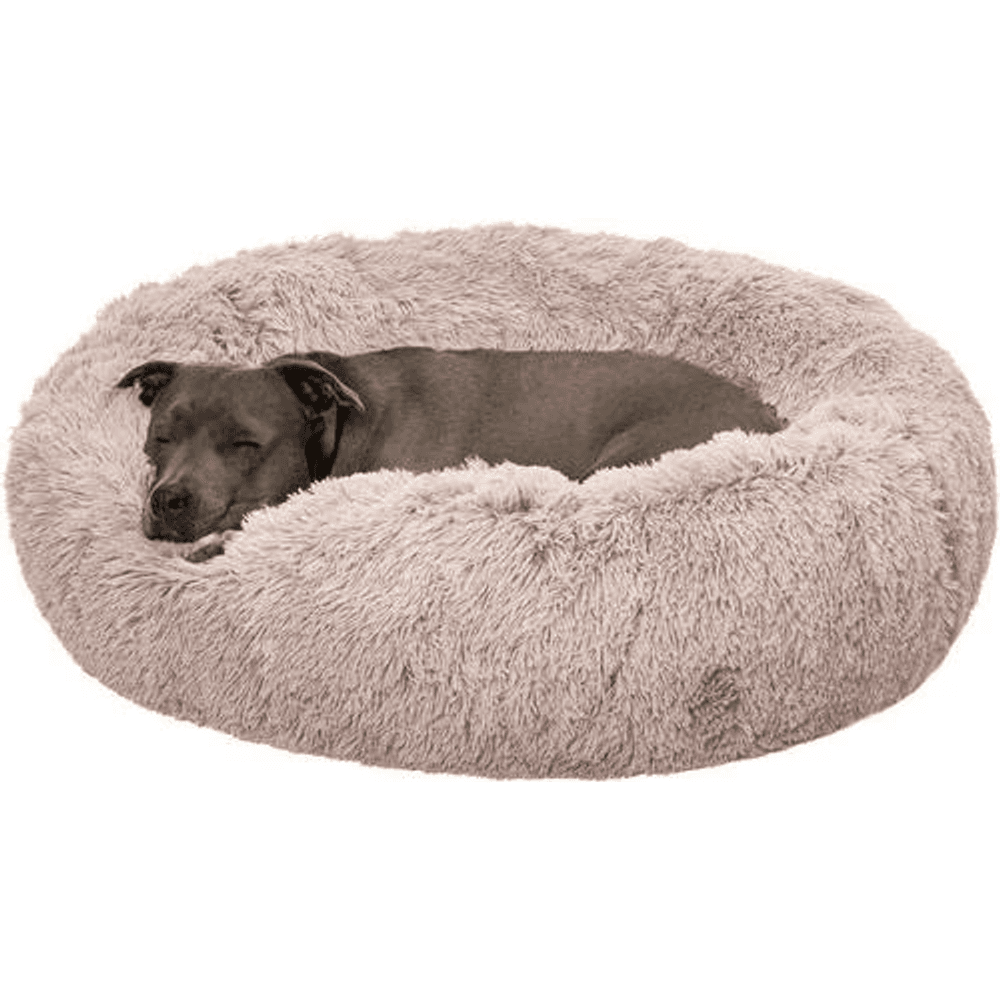
A plush, long-fur donut bolster bed with a raised rim that gives a recovering pet a secure, cushioned place to curl up during the crucial 10 to 14 days after surgery.
Webvet may earn a commission when you click through to Chewy, at no extra cost to you.
Why Dogs Burrow Under Blankets
Why does my dog burrow under blankets? A blanket combines warmth, gentle pressure, darkness, and familiar household scent. For many dogs, slipping underneath becomes part of the sleep routine. Small dogs lose heat faster than larger dogs, and short-coated dogs may seek an extra layer in a cool room. Others enjoy the boundary around their body even when the temperature is comfortable.

The same action can have different meanings in different moments. A terrier calmly disappearing under a throw at bedtime is different from a dog clawing under a blanket during fireworks. Watch what happens before and after the burrow. A dog that pants, paces, startles, freezes, refuses food, or follows a person frantically may be seeking escape from stress rather than ordinary sleep comfort. WebVet's guide to anxiety relief for dogs covers the broader pattern.
Why is my dog burrowing on my bed? A human bed concentrates warmth, soft layers, and the strongest household scents, so it can feel like a large familiar den. The behavior is usually ordinary when the dog settles loosely and leaves easily. Check the same hazards as any blanket burrow: heat, heavy covers, gaps beside a wall or headboard, loose threads, and whether a sleeping person could roll onto a very small dog.
Is It Safe for a Dog to Burrow Under Blankets?
Why Is My Dog Burrowing Under Blankets?
Why is my dog burrowing under blankets, and is it safe? It is usually safe for a healthy dog to burrow under a light, breathable blanket when the dog chooses the spot, can uncover its face, and has an unobstructed exit. Dog burrowing in bed is safest when blanket heat and exit safety are checked together. Avoid weighted blankets, tight tucks, loose threads, electric blankets, and piles that collapse around a small dog.
Lightweight bedding and self-exit access form a practical bedding safety matrix. Pair that matrix with the sudden-onset decision tree below rather than treating blanket use as automatically safe or automatically anxious. Check fabric weight, room temperature, loose threads, breathing, mobility, and the dog's ability to uncover its own face. Recheck the setup whenever weather, health, or behavior changes.
Can Dogs Breathe Under Blankets Safely?

Most healthy dogs will reposition when they become warm or short of air, but that is not a guarantee. A brachycephalic dog, very young puppy, senior dog, dog with heart or lung disease, or dog with weak mobility deserves closer supervision. Keep the face uncovered, the room cool, and the exit wide. Remove the blanket if breathing becomes noisy or rapid, the dog feels hot, or the dog seems confused or unable to get out.
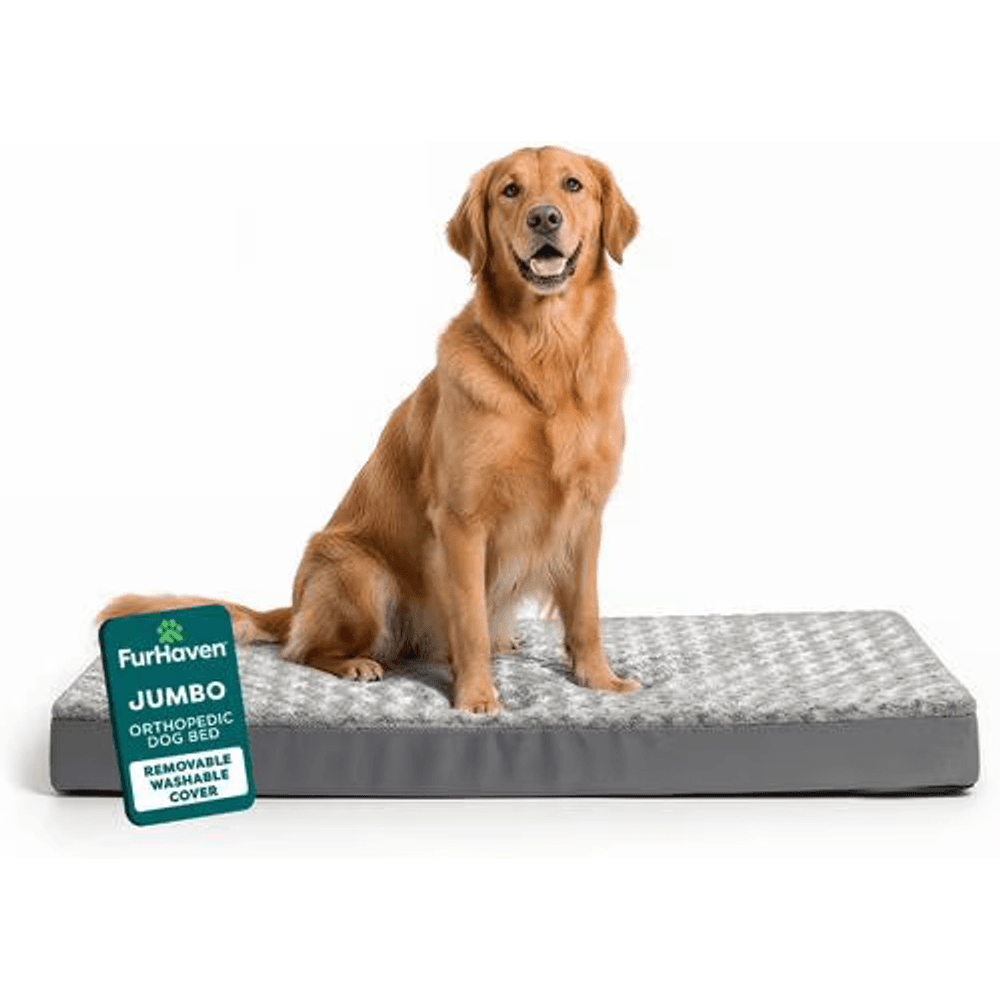
A plush orthopedic foam mattress that cushions aging joints and pressure points, giving a stiff or trembling senior dog warm, supportive rest.
Webvet may earn a commission when you click through to Chewy, at no extra cost to you.
Dog Breeds Most Likely to Burrow
Breed history without stereotyping can make burrowing easier to understand. Dachshunds were developed to follow quarry into tunnels. Many small terriers worked around dens and tight spaces. Chihuahuas and other small, short-coated dogs may combine heat-seeking with a preference for covered rest. Whippets, Italian Greyhounds, and other lean, thin-coated dogs often appreciate warmth. A breed tendency can explain a lifelong preference, but it cannot explain away a sudden change.
Breeds Most Likely to Burrow

Dachshunds and terriers
Tunnel and den work can make digging, nosing into tight spaces, and pushing beneath fabric especially rewarding.
Chihuahuas and toy breeds
Small body size, short coats, familiar scent, and close contact can make a light covered resting place appealing.
Whippets and other thin-coated sighthounds
Low body fat and a fine coat can increase preference for warm, soft layers in cool rooms.
Beagles and scent hounds
Nosing into bedding can be part of following an interesting scent before settling.
Mixed-breed dogs
Any dog can burrow. Individual history, room temperature, age, coat, and personality matter more than a label.
What breeds of dogs like to burrow? The honest answer includes individuals across every breed group. Age, coat, room temperature, learning history, and personality often matter as much as breed. Choose bedding for the dog in front of you, and investigate new intensity rather than assuming genetics explains everything.
Why Do Dachshunds and Wiener Dogs Burrow?
Why do wiener dogs burrow? Dachshunds were developed to pursue quarry through underground tunnels, so digging, nosing into tight spaces, and pushing beneath fabric can still be rewarding behaviors. That Dachshund tunnel work helps explain why many long-bodied dogs investigate couch cushions and blankets even when they are warm. The common misspelling in searches, why do weiner dogs burrow, points to the same breed question.
A breed history is not a diagnosis. A Dachshund that has always slept beneath a loose throw may simply prefer enclosure, while a new frantic pattern can accompany back pain, fear, cold, or another change. Because the breed is vulnerable to spinal problems, call a veterinarian if burrowing appears with yelping, reluctance to jump, a hunched posture, weakness, or altered walking.
Why Do Chihuahuas Burrow?
Chihuahua burrowing often combines warmth seeking with a preference for close contact and a small protected boundary. Chihuahuas have little body mass, and many have short coats, so a cool room may make a light blanket or covered resting place attractive. Chihuahua warmth seeking is most convincing when the behavior changes with room temperature and the dog relaxes after settling.
The answer to why does a Chihuahua burrow is still individual. Some burrow beside a person for scent and contact, while others choose an empty bed. Taken together, these Dachshund and Chihuahua patterns show why breed-specific answers can explain Dachshund tunnel work and Chihuahua warmth seeking without stereotyping either breed. Use a light layer, leave the face and exit clear, and seek veterinary advice for persistent shivering, weakness, pain, or a sudden behavior change.
Why Dogs Burrow Into You or Bury Their Head
Why does my dog burrow into me? Your body offers warmth, pressure, and familiar scent. A dog may push its head beneath an arm or lean into a lap while seeking contact. If the dog stays loose and can disengage, this can be ordinary affiliation. Some dogs also learn that nudging under a hand reliably produces petting.
A dog burrowing its head into you while trembling, panting, or trying to climb higher may be asking for help during fear or discomfort. Stay calm, reduce the trigger if possible, and give the dog a nearby choice of open bed, crate, or quiet room. How to comfort a dog explains why choice and calm presence are more useful than holding a frightened dog in place.
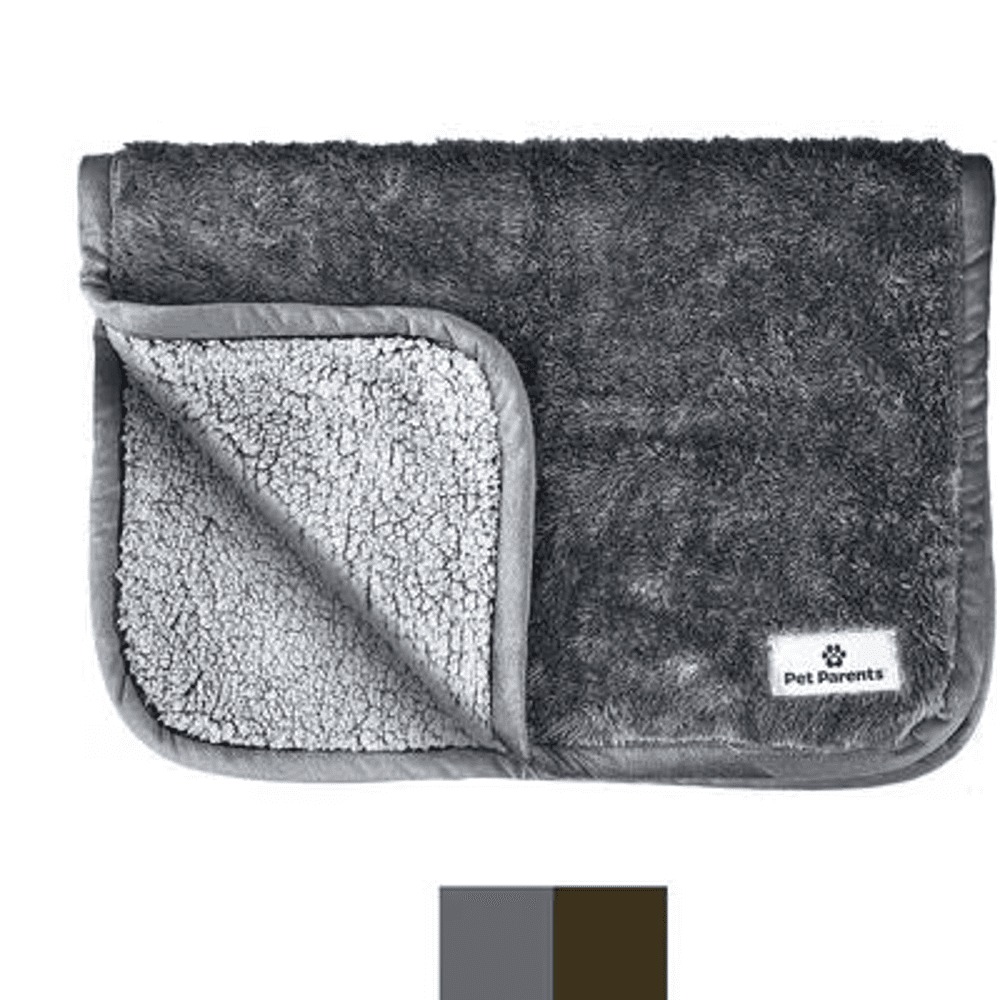
A plush, waterproof sherpa blanket that gives a cold or shivering dog a warm, cozy layer to curl into. The hidden waterproof lining protects the bed, couch, or car seat, and the whole thing is machine washable.
Webvet may earn a commission when you click through to Chewy, at no extra cost to you.
When Sudden Burrowing Can Signal a Problem
Why is my dog suddenly burrowing? Start with what changed. New construction noise, visitors, weather, a colder room, a new pet, altered medication, pain, pregnancy-related nesting, vision or hearing loss, and cognitive change can all shift resting behavior. Sudden-onset red flags and frantic repetition matter more than whether the dog belongs to a burrowing breed.
When Burrowing May Signal a Problem

Why is my dog burrowing so much? Frequency is concerning when the dog cannot settle, injures itself, eats fabric, guards the burrow, or repeatedly abandons normal activities. Panting at rest, shaking, hiding, appetite loss, vomiting, stiffness, yelping, disorientation, and nighttime pacing add medical or emotional context. Record a short video and note the time, trigger, duration, and whether the dog can respond to a familiar cue.
Do not punish hiding or drag the dog out of a safe resting spot. Block only spaces that are physically unsafe, then offer a safer alternative nearby. If panic is severe, if the dog may have swallowed fabric, or if pain or breathing trouble is possible, contact a veterinarian promptly.
How to Give a Dog a Safe Place to Burrow
Safe burrowing station and redirection begin with choice. A safe station lets the dog make and undo the enclosure. Start with a stable bed in a low-traffic area, add one lightweight washable layer, and keep food, cords, heaters, and closing doors away. Check the space daily for loose threads, torn foam, dampness, and swallowed pieces. Wash bedding often enough to control dirt without removing every familiar scent at once.

No-stuffing squeaky plush toys that satisfy a dog's urge to shake and carry prey, with no stuffing to shred and scatter.
Webvet may earn a commission when you click through to Chewy, at no extra cost to you.
Build a Safe Burrowing Spot

For dogs that like an enclosed edge, a FurHaven calming cuddler bed offers a soft bolster, but it should be treated as a rest option rather than an anxiety cure. A dog that needs an easier step-in surface may suit a washable FurHaven orthopedic bed. These are veterinary-safe selection criteria rather than product claims: match dimensions to the dog's stretched-out length and confirm that the dog can stand, turn, and exit easily.
A washable waterproof dog blanket can protect a bed while providing a light layer, provided the blanket remains loose and the dog does not chew fabric. For boredom-related digging, rotate supervised activities such as no-stuffing squeaky dog toys instead of leaving the dog to shred bedding. No product replaces exercise, toilet breaks, social contact, or treatment for pain and anxiety.
- Keep the layer light, breathable, and free of loops or fringe.
- Leave at least one wide exit and never tuck the dog under the material.
- Put the station away from direct sun, space heaters, and busy walkways.
- Supervise puppies, fabric chewers, flat-faced dogs, and dogs with limited mobility.
- Choose machine-washable materials and inspect seams after every wash.
What Is a Dog Burrowing Bed, and Which Type Is Safest?
A dog burrowing bed is a bed with a soft hood, pocket, raised edge, or loose layer that lets a dog create partial enclosure. Searchers also call it a burrowing dog bed, snuggle bed for a burrowing dog, or dog bed for dogs that like to burrow. The safest style is not one universal model. It is the setup that gives that dog enough room to stand and turn, a breathable surface, stable footing, and an exit the dog can open without help.
This bed-style comparison explains which setup fits warmth, easy exit, fabric chewing, and mobility needs. The live merchant SERP for dog burrowing beds is acknowledged instead of disguising an untested product roundup inside behavior advice. A future tested roundup can compare individual products. Here, the useful decision is whether a covered cave bed, open bolster bed, loose blanket, or supervised tunnel fits the dog's body and habits.
Do Dogs Like Burrow Beds?
Many dogs like burrow beds because the raised or covered boundary holds warmth and muffles activity around them. Preference is not guaranteed. A dog may sleep on top, avoid the hood, or choose a cooler open floor. Introduce the bed without pushing the dog inside, keep an open alternative nearby, and watch whether the dog enters, rests, and exits voluntarily. That choice is more informative than the product label.
Can Digging in Bed Mean My Dog Is Cold?
Digging in bed can mean a dog is trying to make a warmer pocket, especially when the room is cool and the dog is small, lean, short-coated, young, or old. It can also be a normal settling ritual that occurs in every season. Check the room temperature and the dog's body language. Persistent shivering, weakness, stiffness, or unusual sleepiness calls for veterinary guidance, not an increasingly heavy pile of covers.
Dog Burrowing Bed Selection Framework
Use this dog burrowing bed selection framework before considering a particular brand. The best dog bed for burrowing is the one that passes the self-exit test, stays cool enough, resists the dog's chewing pattern, and supports current mobility. Dog beds for burrowing dogs should also be easy to wash and inspect.
| Bed style | Best fit | Main safety check |
|---|---|---|
| Covered cave bed | Dogs seeking warmth and enclosure | Hood stays breathable, flexible, and easy to push away |
| Open bolster bed | Seniors or dogs with limited mobility | Low entry and unobstructed exit |
| Loose light blanket over an open bed | Dogs that prefer an adjustable layer | Snag-free fabric that is never tucked around the dog |
| Fabric tunnel or pocket bed | Strong tunneling preferences | Enough room to turn, plus supervised introduction |
Burrowing Toys and Crate Enrichment
Burrowing dog toys can provide a legal place to nose, search, and pull without turning bedding into a shredding project. A dog burrowing toy may be a fabric puzzle with removable pieces, a supervised tunnel, or a box filled with safe paper and hidden food for a dog that does not swallow paper. Match the activity to chewing style, remove loose parts, and stop if the dog begins eating fabric, foam, or filling. Burrowing toys and crate safety depend on active supervision during the first sessions.
- Choose pieces too large to swallow and inspect every seam before use.
- Use food only when it fits the dog's diet and does not create competition with another pet.
- Rotate activities so repetitive digging is not the dog's only outlet.
Dog burrowing in a crate can be safe when the crate remains ventilated, the dog enters willingly, and one loose light layer cannot block the door or wrap around the body. Do not drape heavy bedding inside, crowd the floor, or use a fabric tunnel with a dog that chews when left alone. A crate should remain a predictable resting choice, not a place where a frightened dog is trapped beneath covers.
How to Redirect Unsafe or Destructive Burrowing
How do I stop my dog from burrowing? Do not try to stop a harmless comfort ritual. Redirect only behavior that is unsafe, destructive, compulsive, or happening in the wrong place. First meet basic needs: toilet access, exercise appropriate for health, sniffing, social time, sleep, and a predictable routine. A consistent dog training schedule makes the replacement easier to learn.
Block access to the couch seam or bedding the dog swallows, then guide the dog to its approved station before digging escalates. Reward settling on or inside that station. If the dog begins to mouth fabric, offer a safe activity and remove torn material without chasing. Increase difficulty gradually. A dog that panics when access is blocked needs professional help, not stricter correction.
- Identify the trigger and the exact unsafe outcome.
- Prevent access with a gate, closed room, or furniture arrangement.
- Provide a nearby bed, light blanket, tunnel, or supervised toy that serves the same need.
- Reward calm use and release the dog before frustration builds.
- Ask a veterinarian or credentialed behavior professional for persistent or escalating behavior.
Burrowing Indoors Versus Digging Outdoors
The difference between indoor burrowing and outdoor digging matters. Indoor dog burrowing usually rearranges fabric or seeks enclosure. Outdoor digging moves soil and may be driven by scent, prey, temperature, escape, food caching, or learned fun. The same dog may do both, but the safety plan differs. Never fill a hole with irritants, chemicals, sharp material, or feces.
For outdoor hole management, improve fencing, supervise yard time, provide shade and water, redirect to a designated digging area, and review WebVet's guide to creating a dog-friendly yard. That page owns the question about what to put in a dog's hole to stop digging. This guide stays focused on indoor resting and blanket safety.
Nooking Versus Burrowing
Nooking is an adjacent soothing behavior in which a dog gently mouths, suckles, or kneads a soft item without necessarily getting beneath it. Burrowing means pushing under, into, or through material to make an enclosed space. A dog may do both, but they are not identical.

Gentle, occasional nooking can be harmless. Watch for swallowed threads, damaged teeth, skin irritation, guarding, or an inability to stop. Remove deteriorating fabric and ask a veterinarian about any sudden repetitive behavior, especially when it appears with other neurologic, gastrointestinal, or anxiety signs.
Frequently Asked Questions
What does it mean when a dog burrows?
It usually means the dog is creating a warm, enclosed, scent-rich resting spot. Context decides whether it is normal. Relaxed posture, normal breathing, easy exits, and a familiar pattern support comfort. Sudden, frantic, destructive, or painful behavior deserves veterinary attention. When a dog burrows more often, the change may mean its comfort, stress, or health needs have shifted; a short behavior log can help a veterinarian decide whether veterinary attention is needed.
Why is my dog burrowing under blankets?
Blankets provide warmth, pressure, darkness, and familiar scent. Allow it only with a light, breathable layer, a clear exit, and supervision appropriate for the dog's age, breathing, mobility, and chewing habits. A dog burrowing under blankets should be able to uncover its face and leave without help; remove access if it cannot.
Why is my dog burrowing so much?
More burrowing can follow cold weather, household change, boredom, fear, pain, cognitive change, or a learned routine. Track onset, triggers, duration, and companion signs. Call a veterinarian for a sudden or difficult-to-interrupt change. If a dog is burrowing much more than usual, record room temperature, recent household changes, body language, appetite, sleep, and signs of pain.
What breeds of dogs like to burrow?
Dachshunds and terriers often enjoy tunnel-like spaces, while Chihuahuas, Whippets, Beagles, and many mixed-breed dogs may also burrow for warmth, scent, or comfort. Breed can suggest a tendency, but coat, age, history, room temperature, and individual preference matter more. Coat, age, home history, and the individual dog's preferences still matter more than a breed label.
How do I stop my dog from burrowing?
Do not punish normal settling behavior. Block unsafe locations, remove snag or chewing hazards, provide a safe bed or light blanket, redirect the dog there, and reward calm use. Ask a veterinarian about sudden, frantic, painful, or compulsive-looking behavior before treating it as a training problem. The goal is to stop unsafe dog burrowing while preserving the dog's choice and teaching a safer settling routine.
What is the best bed for a dog that burrows?
Choose a correctly sized cave, pocket, or flexible hooded bed that stays breathable and lets the dog turn around and exit without help. Match warmth and entry height to the dog's coat, mobility, and breathing, and inspect the bed regularly for torn fabric, loose filling, or trapped heat. The best bed for a dog that burrows is one the dog can uncover and leave comfortably during every supervised trial.
The Bottom Line
Dog burrowing is usually an instinctive comfort ritual, not a behavior that must be eliminated. Safe bedding is lightweight, washable, snag-free, cool enough, and easy for the dog to exit. Breed history can shape preference, but sudden intensity carries more diagnostic weight than ancestry.
Watch the whole dog. Normal breathing, loose posture, predictable timing, and easy interruption support a benign pattern. Panic, pain, overheating, swallowed fabric, or a major behavior change call for veterinary guidance. A purpose-built station and calm redirection can protect both the dog and the furniture without taking away a valued way to settle.

Editor
The Webvet Editorial Team is the in-house group of pet-care editors and writers behind Webvet, operated by Smart Pet Collective. The team researches, writes, and maintains Webvet's pet health, behavior, and medication content. Every article follows a defined editorial process: research from reputable veterinary and scientific sources, careful drafting, mandatory review of medical content by a credentialed veterinarian, and dated publication. Health and medication articles are medically reviewed by a licensed veterinary professional before they go live and are kept current over time.


