Dog Hiccups: Causes, Remedies & When to Worry
Dog hiccups are usually harmless diaphragm spasms triggered by fast eating, excitement, or gulping air. Learn the causes, safe home remedies, puppy vs adult differences, and the red flags that mean it is time to call your vet.

BVMS MRCVS
Medically reviewed by Dr. Pippa Elliott, BVMS MRCVS · Last reviewed

This article contains affiliate links. Webvet may earn a commission when you buy through them, at no extra cost to you.
Dog hiccups are the same reflex you get yourself: a sudden, involuntary spasm of the diaphragm, the dome-shaped muscle under the lungs that drives breathing. Most of the time dog hiccups are completely normal and harmless, and they pass on their own within a few minutes. This vet-reviewed guide explains why they happen, how to recognize them, safe ways to stop them, and the specific red flags that mean it is time to call your veterinarian.
- 1Dog hiccups are involuntary diaphragm spasms and are usually harmless, especially in puppies.
- 2The most common triggers are eating or drinking too fast, excitement, rapid breathing, gulping air, and sudden temperature changes.
- 3Most hiccups stop on their own within a few minutes; calm, slow water and a gentle belly rub can help.
- 4Reverse sneezing, gagging, choking, coughing, and tremors are often mistaken for hiccups.
- 5Call your vet if hiccups last more than an hour, keep coming back, or come with vomiting, coughing, wheezing, drooling, or trouble breathing.
What Are Dog Hiccups?
A hiccup is a sudden, involuntary contraction of the diaphragm, the sheet of muscle that separates the chest from the abdomen and does most of the work of breathing. When the diaphragm spasms, your dog takes a quick, sharp breath in, and the space at the back of the throat (the glottis) snaps shut. That sudden closure makes the classic hic sound.
Dogs have a diaphragm just like people do, so yes, dogs absolutely get hiccups. A bout usually lasts anywhere from a few seconds to a few minutes. In the vast majority of cases the reflex is benign, meaning it happens for no worrying reason and resolves without any treatment at all.
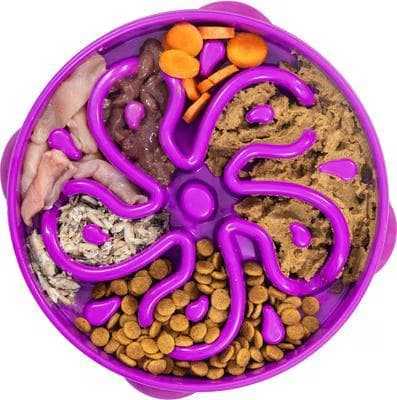
A maze-pattern slow-feeder bowl that makes fast eaters work for each bite, reducing the gulping and swallowed air that trigger regurgitation and vomiting. Holds up to 4 cups.
Webvet may earn a commission when you click through to Chewy, at no extra cost to you.
Why Do Dogs Get Hiccups? (Common Causes)
The exact reason any single hiccup happens is not always obvious, but a handful of everyday triggers irritate or overstimulate the diaphragm. Here are the causes vets see most often.
Eating or drinking too fast
This is the number one cause. A dog that inhales its dinner swallows a lot of air along with the food, and the stretched, gassy stomach presses on the diaphragm and sets off spasms. The same thing happens with fast, greedy water drinking. If your dog also breathes hard or pants at night after big meals, slowing the eating down often helps both.

Excitement, stress, or overexcitement
A burst of excitement, whether happy or anxious, speeds up breathing and can trigger a spasm. Many dogs hiccup right after a wild play session, during a car ride, or when a visitor arrives. Emotional arousal changes the breathing rhythm, and the diaphragm sometimes catches.
Rapid breathing and exercise
Hard play, running, and heavy panting all push air in and out quickly. That fast, irregular airflow can irritate the diaphragm and lead to a short run of hiccups once your dog settles down. This is very common in energetic young dogs after a play session.
Cold temperatures and temperature changes
A quick swing in temperature, such as coming inside from cold air or gulping very cold water, can prompt hiccups in some dogs. The chill can cause the muscles involved in breathing to contract more sharply than usual.
Swallowing air (gulping)
Any behavior that makes a dog swallow extra air, such as chewing toys with the mouth wide open, barking a lot, or nervous panting, can fill the stomach with gas. That extra pressure on the diaphragm is a classic hiccup trigger, and it overlaps with the fast-eating cause above.
Are Dog Hiccups Normal?
Yes. In a healthy dog, an occasional bout of hiccups is completely normal and nothing to worry about. They are especially normal in puppies. A short episode that starts after eating, drinking, or playing and fades on its own within a few minutes is the textbook harmless hiccup.
Hiccups only become a concern when they are frequent, long-lasting, or paired with other symptoms such as coughing, vomiting, or labored breathing. We cover exactly where that line is in the when-to-worry section below.
Puppy Hiccups vs. Adult Dog Hiccups
Puppies hiccup far more often than grown dogs, and it is almost always harmless. There are a few reasons young dogs are so prone to them:
- Immature systems: A puppy's diaphragm and nervous system are still developing, so the reflex fires more easily.
- Fast eating and drinking: Puppies tend to gulp food and water, swallowing lots of air.
- Big feelings and big energy: Puppies swing quickly between zoomies and rest, and those rapid changes in breathing set off spasms.
Most puppies simply grow out of frequent hiccups as they mature. An adult dog that suddenly starts hiccuping often, when it never used to, is worth a closer look, because a new pattern in an older dog is more likely to point to an underlying issue than the same thing in an eight-week-old puppy.

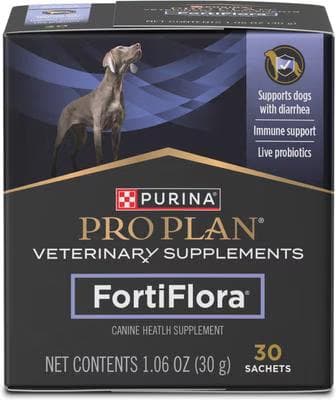
The #1 vet-recommended probiotic for dogs. Daily powder sachets with live probiotics support healthy digestion and firmer stools, and can help dogs coping with diarrhea or GI upset.
Webvet may earn a commission when you click through to Chewy, at no extra cost to you.
What Do Dog Hiccups Look and Sound Like?
Dog hiccups look and sound a lot like human hiccups. You will usually notice:
- A rhythmic twitch or jerk of the chest and belly, repeating every few seconds.
- A small, sharp sound with each spasm, a soft hic, chirp, or squeak, sometimes almost silent.
- A steady, regular rhythm, not a random one-off cough or gag.
- An otherwise normal, comfortable dog that keeps sitting, standing, or lying as usual between spasms.
The key feature is the steady rhythm and the fact that your dog seems unbothered. A true hiccup does not distress a dog. If your dog looks panicked, struggles to breathe, or makes repeated retching motions, that is not a simple hiccup, and the next section explains what else it might be.
 $65 · no membership
Have a health question about your dog?
A licensed vet can assess your dog over video and prescribe online when it's appropriate.
 Talk to a vet
- Licensed vets
- All 50 states
- same-day Rx
Webvet may earn a commission if you book.
What Can Be Mistaken for Hiccups in Dogs?
Several other reflexes and behaviors get confused with hiccups. Telling them apart matters, because some are harmless and some need a vet. Here is how the common look-alikes differ.
| What you see | What it usually is | Concern level |
|---|---|---|
| Rhythmic chest twitch, soft hic sound, dog relaxed | True hiccups | Low, usually harmless |
| Head down, elbows out, loud snorting inhales | Reverse sneezing | Low to moderate, usually resolves |
| Repeated heaving with nothing or foam coming up | Retching or dry heaving | Moderate to high, can signal bloat |
| Pawing at mouth, panic, no air moving | Choking on an object | Emergency, call your vet now |
| A harsh, honking, or wet cough | Coughing (many causes) | Moderate, get it checked if persistent |
| Whole-body or leg shaking, no breathing pattern | Tremors or shivering | Depends, see a vet if it repeats |
Reverse sneezing vs. hiccups
Reverse sneezing is the look-alike people confuse with hiccups the most. During a reverse sneeze, a dog stands with its head and neck stretched forward and elbows braced out, then makes loud, rapid snorting inhales through the nose. Hiccups, by contrast, are a quiet, rhythmic chest twitch. Reverse sneezing usually stops within a minute, and like the airway noises behind dog snoring, it is common in small breeds and is rarely serious.

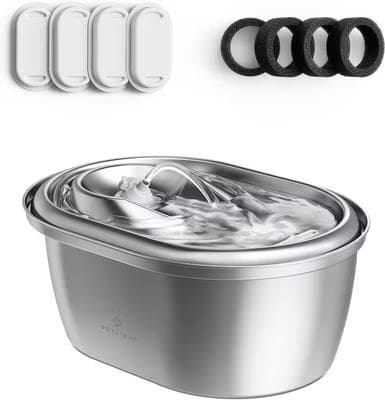
304 food-grade stainless steel pet water fountain, 101 oz. The circulating, filtered water encourages cats to drink more, which supports urinary tract and kidney health.
Webvet may earn a commission when you click through to Chewy, at no extra cost to you.
Choking or gagging vs. hiccups
Choking and gagging are not rhythmic and they distress the dog. A choking dog may paw at its mouth, gag, retch, drool, or panic, and in a true airway blockage no air moves at all. This is an emergency. Hiccups, in contrast, are calm and rhythmic and never block breathing. If you cannot tell the difference and your dog seems in distress, treat it as urgent and contact your vet or an emergency clinic.
How to Stop Dog Hiccups (Safe At-Home Remedies)
Most hiccups stop on their own, and doing nothing is a perfectly fine choice. If you want to help them along, these gentle, vet-approved approaches are safe. The goal is always to slow your dog's breathing and calm the stomach, never to startle or force anything.
Encourage calm, slow water drinking
Offer a small amount of fresh water at room temperature and let your dog sip slowly. A few calm swallows can reset the breathing rhythm and settle the diaphragm. Do not flood the bowl or rush it, since fast gulping is what caused the hiccups in the first place.

Slow down eating (slow-feeder bowls)
If meals set off the hiccups, a slow-feeder or maze bowl forces your dog to eat around ridges, which cuts down the gulping and the air swallowed. A food-dispensing puzzle toy or simply feeding smaller portions more often works too. This is prevention and cure in one.
Gentle belly rub and calm activity
A slow, gentle massage of the chest and belly can help the diaphragm relax. Pair it with a quiet, low-key moment, a calm cuddle or a short, easy leash walk, to steady the breathing. Redirecting an overexcited dog into something soothing often ends the bout faster than anything else.
What NOT to do
Skip the human hiccup tricks. They range from useless to dangerous for a dog.
- Do not scare or startle your dog, which stresses them and can make breathing worse.
- Do not pull the tongue, cover the nose, or force the mouth open.
- Do not give human medications, sugar, lemon, or vinegar, and never give any medicine without asking your vet first.
- Do not pour water down the throat or hold the muzzle shut, which risks choking.
Grain-free dog treats made with real beef as the #1 ingredient, with bison. Soft-textured burger morsels.
Webvet may earn a commission when you click through to Chewy, at no extra cost to you.
Dog Hiccups at Night and During Sleep
Plenty of owners notice hiccups at night or even while their dog is asleep, and this is usually harmless. Given how much dogs sleep, it is not surprising that a spasm sometimes shows up during a nap. A relaxed, sleeping body can twitch as breathing slows and deepens, and a late-evening meal or a big play session before bed can leave a little extra air in the stomach.
Nighttime hiccups that pass in a few minutes and do not wake or distress your dog are nothing to worry about. To cut them down, feed the evening meal a little earlier, keep pre-bed play calm, and make sure water is available so your dog is not gulping a huge drink right before settling. If hiccups repeatedly disrupt sleep or come with coughing or gagging at night, mention it to your vet.
How to Prevent Dog Hiccups
You cannot prevent every hiccup, but a few simple habits cut down how often they happen:
- Slow down meals with a slow-feeder bowl, a puzzle feeder, or smaller, more frequent portions.
- Manage water intake so your dog sips rather than gulps, especially after exercise.
- Keep excitement in check by building calm breaks into high-energy play and easing your dog down afterward.
- Avoid sudden chills by not offering ice-cold water right after your dog comes in from the cold.
When to Worry: Signs Hiccups Signal a Problem
Ordinary hiccups are brief and self-limiting. What turns a harmless reflex into a reason to worry is duration and company: hiccups that will not stop, or hiccups that arrive alongside other symptoms. Rarely, persistent or recurring hiccups can be linked to respiratory issues (such as asthma, pneumonia, or bronchitis), gastrointestinal upset, heart or nerve problems, or, in puppies, intestinal parasites.
Treat these as red flags:
- Hiccups that last more than about an hour or keep coming back through the day.
- Hiccups with vomiting, gagging, or repeated retching.
- Coughing, wheezing, or any sign of labored or noisy breathing.
- Excessive drooling, loss of appetite, lethargy, or a bloated, hard belly.
- Signs of pain or distress during the episodes.
Frequently Asked Questions
Should I be concerned if my dog has hiccups?
Usually not. A short bout of hiccups in an otherwise happy, comfortable dog is normal and harmless, especially in puppies, and it typically passes on its own within a few minutes. You should only be concerned if the hiccups last more than about an hour, keep coming back, or come with other symptoms such as vomiting, coughing, wheezing, drooling, or labored breathing. In those cases, call your veterinarian.
What can be mistaken for hiccups in dogs?
Several things are mistaken for hiccups in dogs: reverse sneezing (head-extended, elbows-out snorting inhales), retching or dry heaving, gagging, choking on an object, coughing, and body tremors or shivering. True hiccups are a quiet, rhythmic chest and belly twitch in a relaxed dog. If your dog looks distressed, paws at its mouth, heaves repeatedly, or struggles to breathe, it is not a simple hiccup and may need urgent veterinary attention.
What to do if your dog has hiccups?
In most cases, do nothing and let the hiccups pass on their own within a few minutes. If you want to help, stay calm, offer a small amount of room-temperature water to sip slowly, give a gentle chest and belly rub, and redirect an overexcited dog into a quiet, low-key activity. Do not startle your dog, pull its tongue, cover its nose, or use human hiccup cures or medications. If the hiccups will not stop or come with other symptoms, contact your vet.
What does a dog hiccuping look like?
A dog hiccuping looks like a rhythmic twitch or jerk of the chest and belly that repeats every few seconds, paired with a small, sharp sound such as a soft hic, chirp, or squeak (sometimes almost silent). The rhythm is steady and regular, and the dog stays relaxed and comfortable between spasms, continuing to sit, stand, or lie down as normal. A true hiccup does not distress the dog or interfere with its breathing.
Are hiccups a warning?
Occasional hiccups are not a warning sign; they are a normal reflex, particularly in puppies. They can act as a warning only when they are persistent (lasting more than about an hour), recurring, or accompanied by other symptoms like vomiting, coughing, wheezing, drooling, or breathing trouble. In those situations, hiccups may point to an underlying respiratory, digestive, heart, or nerve issue (or parasites in puppies), and you should have your vet check your dog.
Should I be worried if my dog has hiccups?
No, in most cases you should not be worried. Hiccups are usually a harmless, short-lived diaphragm spasm triggered by eating or drinking too fast, excitement, rapid breathing, or swallowing air, and they resolve without treatment. Be worried only if the hiccups are long-lasting, frequent, or paired with warning signs such as vomiting, coughing, wheezing, drooling, appetite loss, a bloated belly, or difficulty breathing, all of which are reasons to call your veterinarian.
If the movements you are seeing are not really rhythmic hiccups, it helps to read up on why a dog shakes and on dog head tremors and shaking, which can look similar but have very different causes and answers.
$65 · no membershipHave a health question about your dog?
A licensed vet can assess your dog over video and prescribe online when it's appropriate.
Talk to a vet- Licensed vets
- All 50 states
- same-day Rx
Webvet may earn a commission if you book.

Editor
The Webvet Editorial Team is the in-house group of pet-care editors and writers behind Webvet, operated by Smart Pet Collective. The team researches, writes, and maintains Webvet's pet health, behavior, and medication content. Every article follows a defined editorial process: research from reputable veterinary and scientific sources, careful drafting, mandatory review of medical content by a credentialed veterinarian, and dated publication. Health and medication articles are medically reviewed by a licensed veterinary professional before they go live and are kept current over time.
Veterinarian · BVMS MRCVS
Dr. Pippa Elliott, BVMS, MRCVS, is a veterinarian with nearly 30 years of experience in companion animal practice. Dr. Elliott earned her Bachelor of Veterinary Medicine and Surgery from the University of Glasgow. She was also designated a Member of the Royal College of Veterinary Surgeons. Married with 2 grown-up kids, Dr. Elliott has a naughty Puggle named Poggle, 3 cats and a bearded dragon.


