Ringworm in Dogs Treatment: The Vet-Backed Plan That Actually Clears It
A vet-reviewed guide to ringworm in dogs treatment: the oral antifungals, topical dips, and home cleaning that actually clear the infection, what to skip, and how long it takes to know your dog is cured.

BVMS MRCVS
Medically reviewed by Dr. Pippa Elliott, BVMS MRCVS · Last reviewed

This article contains affiliate links. Webvet may earn a commission when you buy through them, at no extra cost to you.

Effective ringworm in dogs treatment is not one product. It is a combination: a prescription oral antifungal, a topical therapy that treats the whole coat, and rigorous home decontamination so your dog does not get reinfected from spores in the environment. That three-part approach is the standard of care confirmed by VCA Animal Hospitals, and it works far more reliably than any single cream or home remedy.
Before you treat anything, one rule matters most: do not treat a round, crusty patch as ringworm until a veterinarian confirms it. Ringworm (medically, dermatophytosis) is highly contagious to people and other pets, and many common skin problems look almost identical to it. Guessing wrong wastes weeks and lets a spreading, zoonotic infection get worse.
This is the treatment guide for the whole ringworm cluster. It covers the full oral-plus-topical-plus-environmental protocol, a drug and duration chart, honest over-the-counter and natural-remedy answers, and how you actually know your dog is cured. For what lesions look like and full human-transmission detail, we point you to the sibling guides along the way.
Ringworm in dogs treatment: what actually works (quick answer)
If you want the short version of ringworm in dogs treatment, here it is: the reliable, vet-backed cure combines three things, used together for several weeks.
- Oral antifungal medication (prescription): usually itraconazole or terbinafine, taken daily to clear the fungus from inside the hair follicles.
- Topical therapy on the coat: lime sulfur dips, a miconazole or ketoconazole medicated shampoo, or antifungal cream on individual lesions, to kill fungus on the skin and reduce shedding of infective spores.
- Environmental decontamination: cleaning and disinfecting your home so spores do not reinfect your dog.
That combined approach (topical plus systemic plus cleaning) is exactly what VCA Animal Hospitals describes as standard care. There is no single product that reliably answers "what cures ringworm fast in dogs" or "what kills ringworm fast on dogs" on its own. The honest answer: nothing clears it overnight, but the full protocol, started early and finished completely, is what shortens the course and prevents relapse.
Ringworm treatment is oral + topical + environmental cleaning, run for weeks and confirmed by your vet. Skipping any leg of the tripod is the most common reason treatment fails.
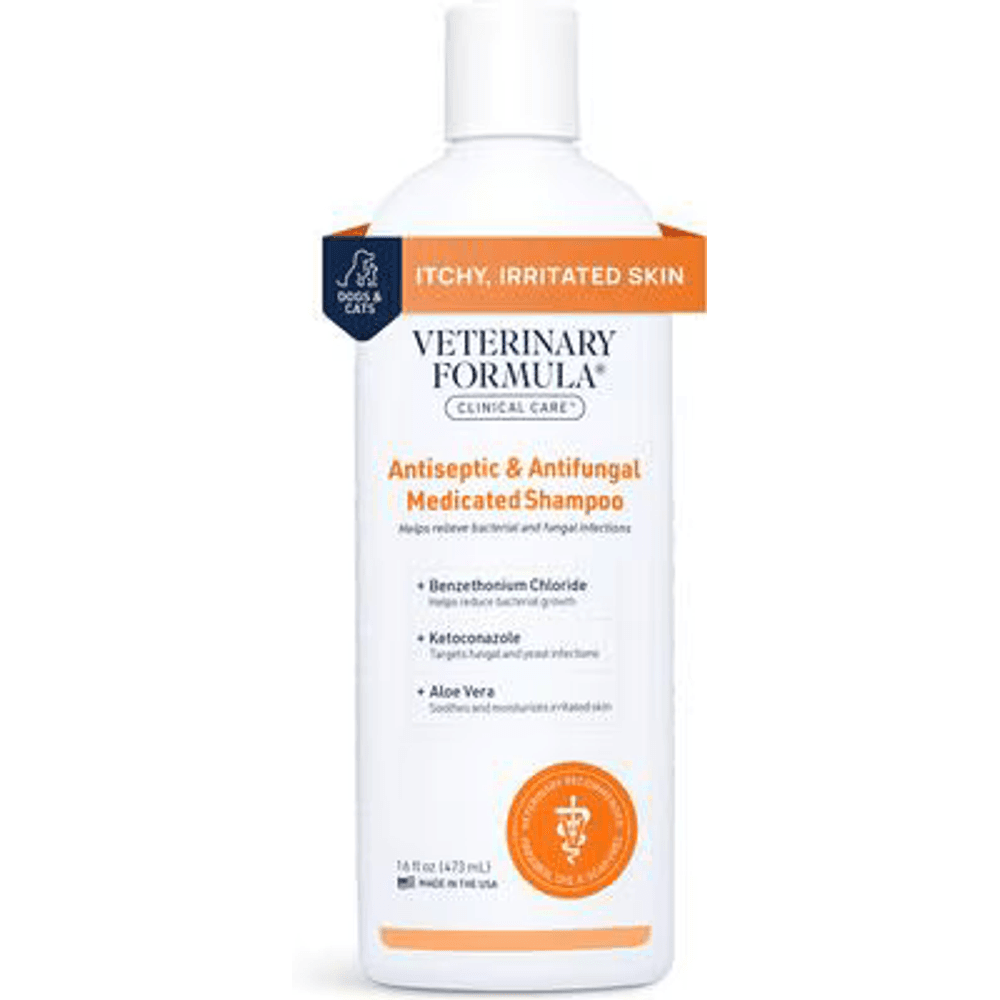
A budget-friendly medicated shampoo with ketoconazole and benzethonium chloride that helps control the fungal and bacterial skin infections behind ringworm, with aloe to soothe irritated skin.
Webvet may earn a commission when you click through to Chewy, at no extra cost to you.
First, confirm it IS ringworm: don't treat a round lesion blind

A circular patch of hair loss is the classic image of ringworm, but a round lesion is not a diagnosis. Plenty of conditions mimic it, which is why how to test for ringworm in dogs should always come before any treatment.
Your vet confirms ringworm using one or more of these methods. The Merck Veterinary Manual notes ringworm is diagnosed by fungal culture, examination with an ultraviolet lamp, and direct microscopic examination, and calls fungal culture the most accurate method. Veterinary Partner (VIN) describes each test in more detail:
- Fungal culture on a specialized dermatophyte test medium (DTM) is the most reliable single test. It grows the fungus from a hair or skin sample; per VIN, fungi require at least 10 days to grow out and false negatives are not unusual, so it is not instant.
- Wood's lamp (ultraviolet light): some strains of Microsporum canis glow apple-green. VIN notes there is genuine controversy over what share fluoresces (a commonly published figure is about half, while other evidence suggests essentially all Microsporum infections fluoresce at some point in their course) and that fluorescence can be difficult to find and is confounded by topical products and debris. Because a lesion can be missed on the lamp, a negative Wood's lamp does not rule ringworm out and further testing is often needed.
- Direct microscopic exam of plucked hairs and skin scrapings, and increasingly PCR testing, which VIN calls much faster than culture and able to confirm the infection and identify the fungal species (though because PCR detects fungal DNA even from killed fungus, culture is preferred for confirming the end of treatment).
What could be mistaken for ringworm in dogs
Because "what could be mistaken for ringworm in dogs" is such a common question, here is the short list of look-alikes a vet rules out: bacterial folliculitis (a pyoderma), demodex or sarcoptic mange, allergic skin disease, hormonal hair loss, and hot spots (acute moist dermatitis). A hot spot in particular is often confused with an early ringworm lesion.
We keep the differential brief here because it is owned by a sibling guide. For the full side-by-side, see our ringworm vs hot spot on dogs comparison. For what lesions and the stages of ringworm in dogs actually look like, and general ringworm in dogs symptoms, see the photo guide and the main ringworm in dogs pillar.
Prescription treatment: oral antifungals + topical therapy

The core of any serious ringworm in dogs treatment plan is prescription antifungal medication, because dermatophytes live inside the hair follicle where creams alone cannot reach.
Oral (systemic) antifungals
The two oral antifungals primarily recommended for dogs are itraconazole and terbinafine, with griseofulvin as an older alternative, per Veterinary Partner (VIN). These are the backbone of oral treatment for ringworm in dogs and the honest answer to "best treatment for ringworm in dogs": a vet-selected systemic drug, dosed for your dog, run for weeks, and monitored.
A quick word on ketoconazole treatment for ringworm in dogs: ketoconazole is another azole antifungal a vet may consider, but itraconazole and terbinafine are generally preferred today for efficacy and tolerability. This is a prescription decision, not an at-home one.
These drugs are prescription-only for good reasons. They can be hepatotoxic (hard on the liver), and griseofulvin is teratogenic and must never be given to pregnant dogs. Systemic antifungals often require baseline and follow-up bloodwork so your vet can monitor liver values. This is not an over-the-counter call.
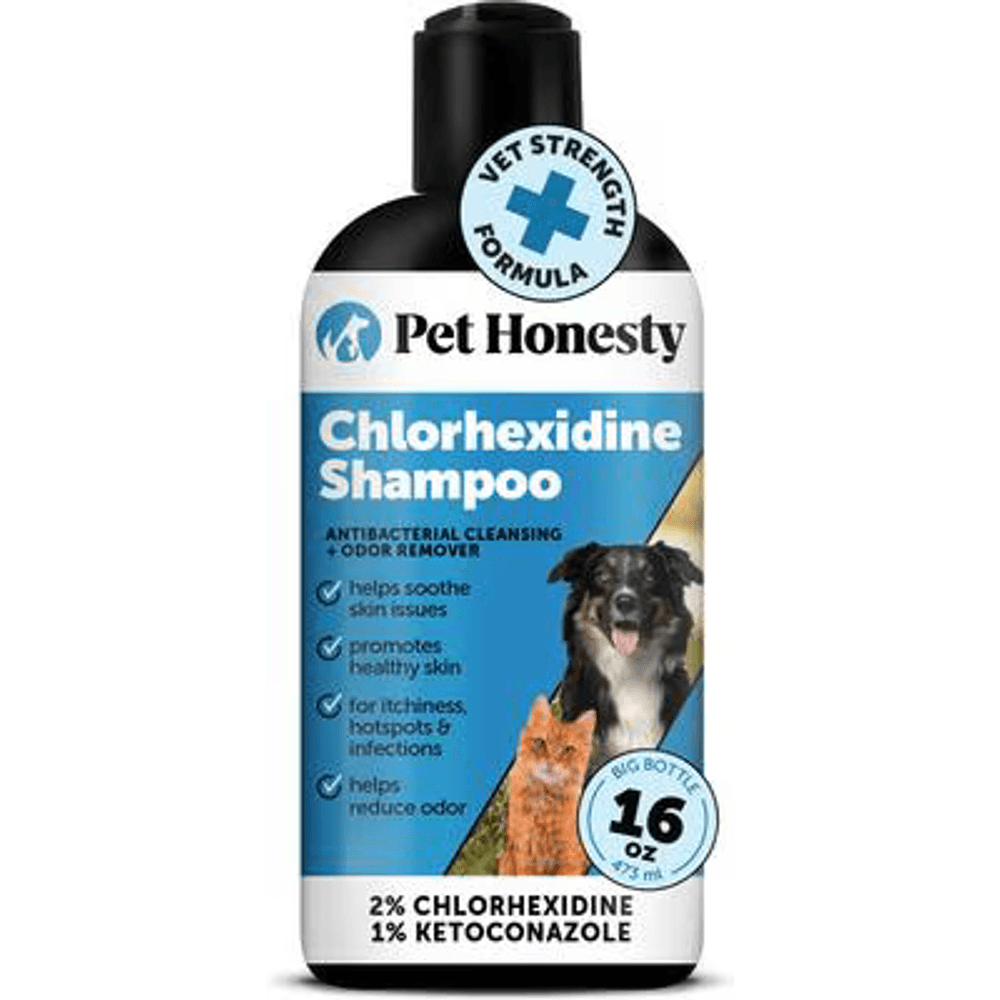
A vet-strength medicated shampoo with 2% chlorhexidine and 1% ketoconazole, the antifungal and antibacterial combination vets use to help clear ringworm and skin infections and to cut fungal spore shedding during treatment.
Webvet may earn a commission when you click through to Chewy, at no extra cost to you.
Topical therapy
Topical treatment attacks the fungus on the skin and coat and cuts down the infective spores your dog sheds into your home. Common options in topical treatment for ringworm in dogs:
- Lime sulfur dips, applied to the whole body (they smell strong but are highly effective).
- Medicated shampoos containing miconazole or ketoconazole.
- Antifungal creams or ointments on individual, localized lesions.
- Clipping or shaving fur around lesions so medication reaches the skin (do this carefully, since clipping can spread spores if done roughly).
Topical therapy works best on the whole coat, not just the visible spot, because spores scatter well beyond the lesion. Used together, systemic plus topical antifungal treatment for ringworm in dogs is what reliably clears the infection.
 $65 · no membership
Have a health question about your dog?
A licensed vet can assess your dog over video and prescribe online when it's appropriate.
 Talk to a vet
- Licensed vets
- All 50 states
- same-day Rx
Webvet may earn a commission if you book.
Ringworm treatment chart: drugs, forms, and typical duration

Owners searching "ringworm medicine for dogs" or "itraconazole terbinafine griseofulvin dogs" want it laid out plainly. Here is a summary chart of the main options. Exact drug, dose, and length are always set by your veterinarian.
| Treatment | Type | Form | Prescription? | Typical duration | Notes |
|---|---|---|---|---|---|
| Itraconazole | Oral antifungal | Capsule / liquid | Yes | Several weeks | Commonly preferred; monitor liver values |
| Terbinafine | Oral antifungal | Tablet | Yes | Several weeks | Commonly preferred alongside itraconazole |
| Griseofulvin | Oral antifungal | Tablet | Yes | Several weeks | Older option; never in pregnant dogs (teratogenic) |
| Ketoconazole | Oral antifungal | Tablet | Yes | Several weeks | Azole option; less preferred than itraconazole/terbinafine |
| Lime sulfur dip | Topical | Rinse/dip | Often OTC, use per vet | Often twice weekly during course | Whole-body; strong odor; very effective |
| Miconazole / ketoconazole shampoo | Topical | Medicated shampoo | OTC/vet | Repeated over the course | Treats whole coat; reduces spore shedding |
| Antifungal cream | Topical | Cream/ointment | OTC/vet | Daily on lesions | Spot use only; not a whole-body cure |
The oral drug list (itraconazole, terbinafine, griseofulvin) reflects the antifungals named by Veterinary Partner (VIN). Systemic therapy is typically continued for weeks and monitored to a confirmed cure, not stopped the moment the skin looks better.
How long does ringworm treatment take in dogs? VCA Animal Hospitals puts it at a minimum of six weeks, and often longer, and expect your vet to confirm clearance with a follow-up culture rather than by eye. More on timing below.
Can you treat ringworm at home or over the counter?
This is where owners get into trouble, so let's be direct. You can and should do a lot of the home treatment for ringworm in dogs yourself, but "at home" means carrying out the vet's plan at home, not skipping the vet.
What genuinely belongs in ringworm in dogs treatment at home:
- Giving the prescribed oral medication exactly as directed.
- Applying topical dips, shampoos, or creams on schedule.
- Doing the environmental cleaning (covered below).
- Keeping the dog quarantined and handling it with gloves.
Where over the counter treatment for ringworm in dogs falls short: OTC antifungal shampoos and creams can support treatment, but they do not reach the fungus inside the hair follicles the way an oral prescription does. So ringworm in dogs over the counter treatment alone rarely clears a true, confirmed case. If you are picking up an antifungal shampoo (the practical meaning of "ringworm in dogs treatment petsmart"), treat it as an adjunct to a vet plan, not a replacement for one.
Most of the actual work happens at home, but the oral prescription and the diagnosis have to come from a vet. "At home" is where you execute the plan, not where you diagnose it.
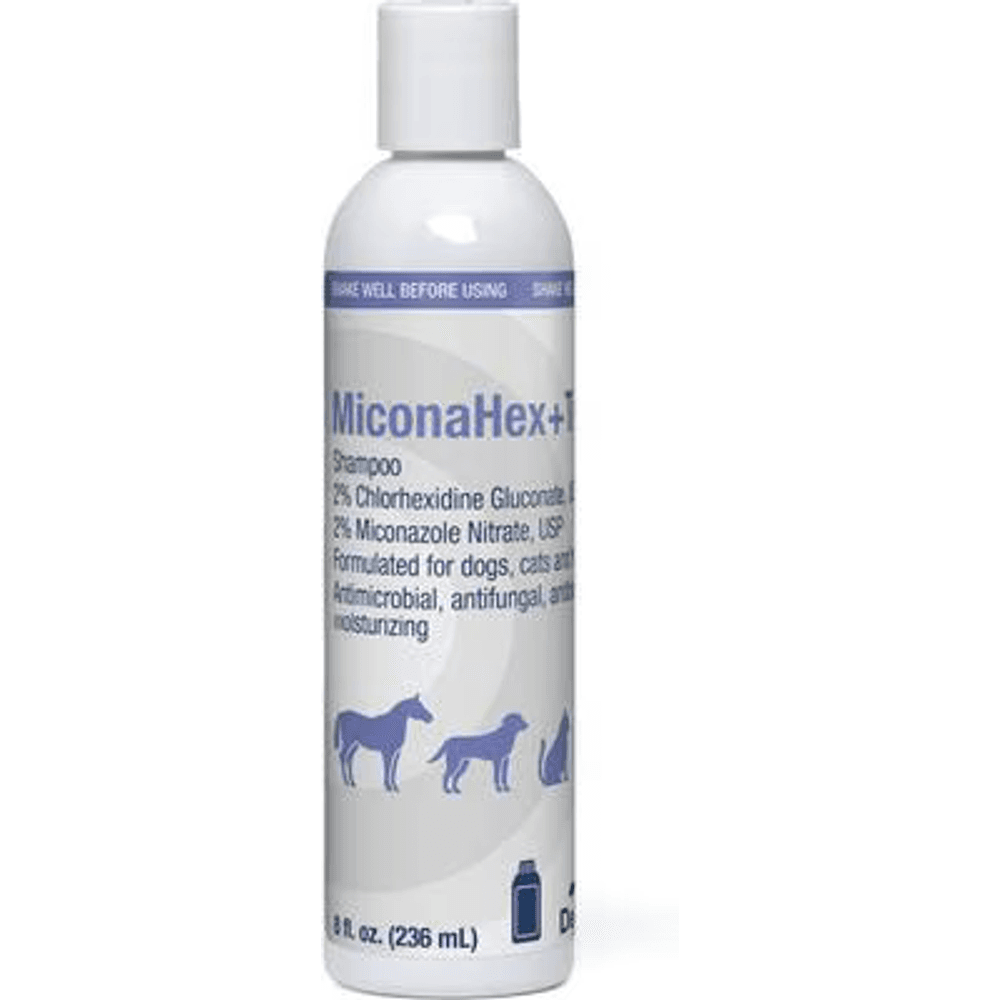
A vet-strength medicated shampoo pairing 2% chlorhexidine and 2% miconazole, a potent antifungal and antibacterial combination widely used to help clear ringworm and yeast or bacterial skin infections.
Webvet may earn a commission when you click through to Chewy, at no extra cost to you.
Natural remedies: what's safe, what's a myth (ACV, rubbing alcohol)
The internet is full of ringworm in dogs home remedies and natural treatment for ringworm in dogs. Here is the honest breakdown.
- Apple cider vinegar (ACV): There is no reliable evidence that apple cider vinegar treatment for ringworm in dogs cures dermatophytosis. On broken, inflamed skin it can sting and irritate. It is not a substitute for antifungal medication.
- Rubbing alcohol: People ask "will rubbing alcohol dry out ringworm." It may feel like it dries the surface, but it does not reliably kill fungus in the follicle, it stings, and it damages already-inflamed skin. Not a cure.
- Tea tree oil and undiluted essential oils: Can be toxic and irritating to dogs. Avoid.
- Bleach on skin: Diluted bleach is for surfaces and the environment, never for your dog's skin.
The evidence-based cure is antifungal therapy plus cleaning, the combined protocol VCA Animal Hospitals describes. Frame natural options honestly: at best they are minor comfort measures, never a reliable treatment, and some are unsafe.
Decontaminate your home so your dog doesn't get reinfected

Environmental cleaning is the leg of the tripod owners most often skip, and it is why some dogs seem to "keep getting ringworm." Dermatophyte spores are extremely hardy: Veterinary Partner (VIN) states the ringworm fungus can remain infective in the environment for up to 18 months, maybe longer, and VCA Animal Hospitals likewise notes spores may stay dormant for up to 18 months on brushes, bowls, furniture, bedding, and carpet. That is why decontamination is required alongside medication to prevent reinfection.
A practical four-step version of how to clean house after dog ringworm:
- Quarantine your dog to one easy-to-clean room (tile or hard floor is ideal) to contain spores.
- Wash bedding, towels, and soft items weekly in hot water; discard anything that cannot be thoroughly cleaned. This is the answer to wash bedding ringworm.
- Vacuum daily and dispose of the vacuum contents, since spores ride on shed hair.
- Disinfect hard surfaces with a diluted bleach solution. The Merck Veterinary Manual notes diluted bleach can be used to clean the pet's environment. Veterinary Partner (VIN) specifies the working details: a 1:10 solution of bleach (one part bleach to ten parts water) on bleach-safe surfaces, left wet for a full 10 minutes to kill the spores. Crucially, VIN stresses bleach will not work on a dirty surface, so clean with soap and water first, then bleach (and spot-test, ventilate, and keep it off your dog).
That covers the essentials of ringworm spores months bleach cleanup. For the full, room-by-room deep-cleaning protocol, follow our dedicated spoke: how to clean house after dog ringworm.
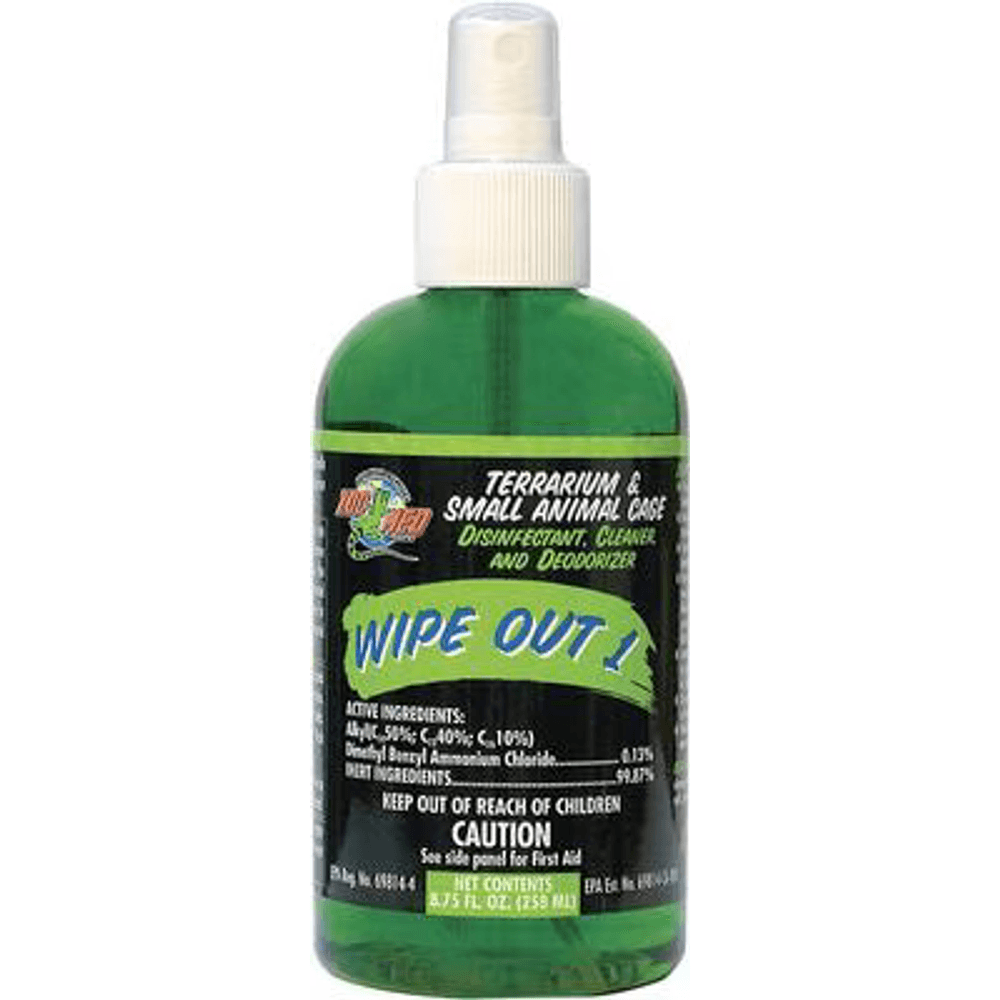
A spray-and-wipe disinfectant, cleaner, and deodorizer for crates, floors, bowls, and other hard surfaces the pet uses.
Webvet may earn a commission when you click through to Chewy, at no extra cost to you.
It's contagious to you and other pets: handling safely
Ringworm is zoonotic, meaning it spreads readily from dogs to people, and it also spreads to other household pets. Merck is explicit that people can be readily infected. Wearing gloves, washing hands, and isolating the affected pet reduce spread, and immunocompromised people are at higher risk.
Practical handling during ringworm in dogs treatment:
- Wear disposable gloves when medicating, bathing, or handling your dog, then wash your hands.
- Keep children, elderly, and immunocompromised household members from close contact until your dog is improving and cleared.
- Separate other pets where possible; your vet may want to check or treat in-contact animals.
- If any person in the home develops a spreading, itchy, ring-shaped rash, see a human doctor. Do not self-treat a person's lesion.
Is ringworm due to poor hygiene? No. This is a myth. Ringworm is a fungal infection caught by contact with an infected animal, person, or contaminated environment. A clean, well-cared-for dog can absolutely get it. Hygiene helps limit spread, but a spotless house does not make your dog immune.
We keep zoonotic detail focused here. For the full human-transmission guide, including how contagious is ringworm from dog to human and how do dogs get ringworm from humans, see is dog ringworm contagious to humans.
How long is treatment, and how do you know it's cured?
Owners badly want a fast finish line, but ringworm rewards patience. Veterinary Partner (VIN) puts a typical course at one to two months, and VCA Animal Hospitals states treatment usually lasts a minimum of six weeks, sometimes much longer. In practice, plan on around six weeks or more in many cases, dosed and monitored to a confirmed cure.
The single most important rule: do not stop treatment when the lesions look healed. Skin can look normal while spores are still present. Veterinary Partner (VIN) is explicit that oral treatment typically should not be discontinued until the pet tests negative, and that stopping when the pet "simply looks well visually frequently invites the recurrence of the disease." VCA Animal Hospitals agrees, running periodic cultures during treatment and defining success as two consecutive negative fungal cultures. Stopping early is the classic cause of recurrence.
On the contagious window: your dog is generally considered infectious until treatment has cleared the infection and follow-up cultures confirm it. That is the realistic frame for "how long is ringworm contagious in dogs after treatment" and "how long is ringworm in dogs contagious after starting treatment," starting treatment reduces shedding over time, but only confirmed clearance ends the risk.
What about untreated ringworm in dogs? In many healthy adult dogs, ringworm can eventually self-resolve over months as the immune system responds, but leaving it untreated means prolonged discomfort and, more importantly, months of spreading a zoonotic infection to your family and other pets. That is why treatment is recommended rather than waiting it out.
| Milestone | Typical timing | How you know |
|---|---|---|
| Start of improvement | 1 to 2 weeks | Lesions stop spreading, less crusting |
| Full treatment course | ~6 weeks (often longer) | Set by your vet, do not stop early |
| Confirmed cure | After follow-up culture(s) | Negative fungal culture, not just clear skin |
When to see the vet (and why you shouldn't skip it)
Let's answer the questions owners actually type: do I need to take my dog to the vet for ringworm and can you treat ringworm without going to the vet.
Yes, you need the vet, and here is why skipping it backfires. You cannot reliably confirm ringworm at home, the effective oral antifungals are prescription-only and need monitoring, and treating the wrong condition lets a contagious infection spread. Attempting to "treat ringworm without going to the vet" with only OTC creams usually means a longer, messier course and a higher chance of reinfecting your household.
See a veterinarian promptly, not eventually, if:
- Lesions are spreading rapidly or covering large areas.
- Your dog is a puppy, pregnant, senior, or immunocompromised (these dogs need vet-supervised, dose-adjusted medication).
- People or other pets in the home develop lesions.
- There is no improvement after about 2 to 4 weeks of treatment.
Is ringworm in dogs dangerous? For an otherwise healthy adult dog, ringworm is rarely life-threatening, but it is genuinely contagious to humans and other animals and can become widespread and stubborn if mismanaged. In puppies and immunocompromised dogs it is more serious. Treat it as a real infection that needs a real diagnosis, not a cosmetic patch you can wait out.
Frequently Asked Questions
What cures ringworm fast in dogs?
There is no true overnight cure, but the fastest reliable path is the full vet-backed protocol started early: a prescription oral antifungal (usually itraconazole or terbinafine), topical therapy like lime sulfur dips or medicated shampoo on the whole coat, and home decontamination. Used together and finished completely, this clears the infection faster than any single product and prevents relapse.
Do I need to take my dog to the vet for ringworm?
Yes. A vet is needed to confirm the diagnosis (fungal culture, Wood's lamp, or PCR), because many conditions mimic ringworm, and to prescribe and monitor the oral antifungals that actually cure it. Trying to treat it without a vet often means a longer course, a wrong diagnosis, and a higher chance of spreading a contagious, zoonotic infection to your household.
What could be mistaken for ringworm in dogs?
Several conditions look like ringworm's round, crusty patch: bacterial folliculitis (pyoderma), demodex or sarcoptic mange, allergic skin disease, hormonal hair loss, and hot spots. A hot spot is especially easy to confuse with an early lesion. Because they overlap so closely, only a vet's test can reliably tell them apart, which is why you should not treat a round lesion blind.
Can you treat ringworm without going to the vet?
Not reliably. You can do the hands-on care at home, but confirming the diagnosis and getting effective oral antifungals both require a vet. Over-the-counter creams and shampoos do not reach the fungus inside the hair follicles, so OTC-only treatment usually fails to clear a confirmed case and lets the infection spread to people and other pets.
Can I treat my dog for ringworm without going to the vet?
You can carry out treatment at home, but you should not skip the vet visit. The vet confirms it is actually ringworm and prescribes the oral antifungal that does the real work, along with monitoring for side effects. Home-only care with OTC products tends to prolong the infection and increases the risk of reinfecting your family and other pets.
Will rubbing alcohol dry out ringworm?
Rubbing alcohol may make the surface feel dry, but it does not reliably kill the fungus living inside the hair follicle, so it is not a cure. It also stings and can damage already-inflamed skin. Skip it as a treatment and use vet-directed antifungal therapy instead; alcohol is not part of a proven ringworm protocol.
What kills ringworm fast on dogs?
The combination that works is a prescription oral antifungal (itraconazole or terbinafine) plus topical therapy on the whole coat (lime sulfur dips or a miconazole/ketoconazole shampoo), backed by home decontamination. No single product kills it instantly; the paired oral-plus-topical approach, run for the full course, is what clears it most effectively.
Is ringworm due to poor hygiene?
No. Ringworm is a fungal infection caught through contact with an infected animal, person, or contaminated environment, not from being dirty. A clean, well-cared-for dog can still get it. Good hygiene helps limit how far it spreads, but a spotless home does not make a dog immune to catching ringworm in the first place.
$65 · no membershipHave a health question about your dog?
A licensed vet can assess your dog over video and prescribe online when it's appropriate.
Talk to a vet- Licensed vets
- All 50 states
- same-day Rx
Webvet may earn a commission if you book.

Editor
The Webvet Editorial Team is the in-house group of pet-care editors and writers behind Webvet, operated by Smart Pet Collective. The team researches, writes, and maintains Webvet's pet health, behavior, and medication content. Every article follows a defined editorial process: research from reputable veterinary and scientific sources, careful drafting, mandatory review of medical content by a credentialed veterinarian, and dated publication. Health and medication articles are medically reviewed by a licensed veterinary professional before they go live and are kept current over time.
Veterinarian · BVMS MRCVS
Dr. Pippa Elliott, BVMS, MRCVS, is a veterinarian with nearly 30 years of experience in companion animal practice. Dr. Elliott earned her Bachelor of Veterinary Medicine and Surgery from the University of Glasgow. She was also designated a Member of the Royal College of Veterinary Surgeons. Married with 2 grown-up kids, Dr. Elliott has a naughty Puggle named Poggle, 3 cats and a bearded dragon.
Related reading

Best Cat Litter Mats for Tracking, Cleaning, and Sensitive Paws

Best Cat Harnesses: Fit, Adjustability, and Escape Resistance

Best Cat Carriers for Vet Visits, Travel, and Difficult Loaders
