Ringworm in Puppies: Symptoms, Pictures, Treatment, and When to Worry
Ringworm in puppies is a common fungal skin infection, not a worm. Learn the symptoms, how vets confirm it, safe vet-directed treatment, whether it spreads to people, and the red flags that mean call your vet now.

BVMS MRCVS
Medically reviewed by Dr. Pippa Elliott, BVMS MRCVS · Last reviewed

This article contains affiliate links. Webvet may earn a commission when you buy through them, at no extra cost to you.
Ringworm in puppies is one of the most common skin infections vets see in young dogs, and despite the name, it is not a worm at all. It is a fungal infection of the skin, hair, and nails. The good news: it is highly treatable and usually clears within a few weeks with the right care. The important news: it is contagious to you, your family, and your other pets, so it should never be ignored or self-treated at home.

This guide walks you through what ringworm looks like on a puppy, how a vet confirms it, how it is treated safely (puppies need special dosing), whether you can still pet your dog, and the red flags that mean you should call your vet right away.
What is ringworm in puppies? (it's a fungus, not a worm)
Ringworm in puppies is a fungal skin infection caused by dermatophytes, a group of fungi that feed on keratin in skin, hair, and nails. The medical name is dermatophytosis. The "ring" refers to the classic circular lesion the infection can leave behind, not to any parasite.
So what causes ringworm in puppies? The great majority of cases come from a single fungus. According to the Merck Veterinary Manual, about 70% of canine ringworm cases are caused by Microsporum canis, roughly 20% by Microsporum gypseum, and about 10% by Trichophyton mentagrophytes. M. canis is the same fungus that commonly infects cats, which is one reason multi-pet households and shelters see it so often.
Is ringworm in dogs dangerous? In an otherwise healthy puppy, it is rarely life-threatening. The Merck Veterinary Manual notes that ringworm infections in healthy adult dogs may clear up without treatment, but treatment can speed recovery and decrease the spread of the fungus in the environment. Puppies are a different story: their still-developing immune systems mean you should not simply wait it out. Left alone, an untreated infection can linger and keep shedding spores, and the bigger concerns are how easily it spreads and how uncomfortable widespread lesions can become. That is why prompt, vet-directed treatment shortens the course and protects your household.
Ringworm in newborn puppies deserves extra caution. Neonatal and very young puppies have immature immune systems and thin skin, so infections can spread quickly and treatment must be carefully dosed for their small size. If a nursing mother or littermate has ringworm, assume the whole litter has been exposed and call your vet.
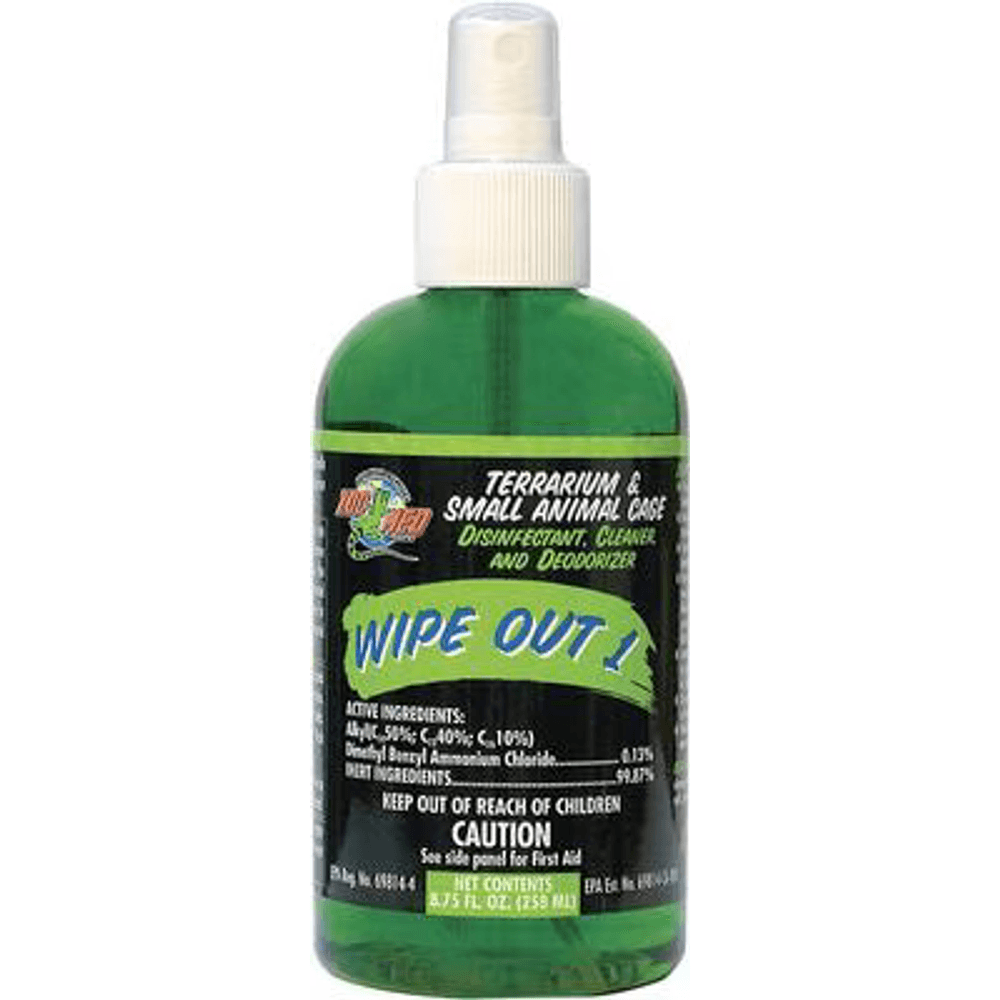
A spray-and-wipe disinfectant, cleaner, and deodorizer for crates, floors, bowls, and other hard surfaces the pet uses.
Webvet may earn a commission when you click through to Chewy, at no extra cost to you.
Why puppies get ringworm more than adult dogs
If you are wondering how did my puppy get ringworm, the answer usually comes down to age and exposure. The Merck Veterinary Manual notes that in young or debilitated animals, and in Yorkshire Terriers, the infection can become persistent and widespread, because their immune defenses are not at full strength. A puppy's developing immune system simply has a harder time fighting off the fungus and keeping it contained, which is one reason lesions on a young dog can multiply faster than they would on a healthy adult.
How do puppies catch ringworm? Transmission happens in a few predictable ways:
- Direct contact with an infected animal, including the mother, littermates, cats, or other dogs.
- Contaminated objects (fomites) like bedding, brushes, towels, crates, collars, and toys.
- The environment, because infective fungal spores shed off an infected animal and linger on household surfaces. VCA Animal Hospitals notes these spores may remain dormant for up to 18 months on combs, brushes, bowls, furniture, bedding, and carpet.
- Soil, in the case of Microsporum gypseum, which lives in dirt and can infect a puppy that digs or roots around outside.
So how do dogs get ringworm in the first place, and how do dogs get ringworm at home? Spores are the key. When an infected animal sheds hairs carrying spores, those spores settle into carpet, furniture, and bedding and stay infective for a long time. A new puppy entering that environment, or a puppy sharing a crate or grooming tools with an infected pet, is easily exposed. This is also why shelters, breeders, and pet stores are common sources: lots of young animals in close quarters.
The takeaway on how does a dog get ringworm: it is almost always contact-based, either animal to animal or through a contaminated environment. It is not caused by poor nutrition or dirtiness alone, though stress and a weak immune system make a puppy more susceptible.
What ringworm looks like on a puppy (symptoms + photos)

The most recognizable sign of ringworm in puppies is a circular patch of hair loss with red, crusty, or scaly skin. But ringworm is a great imitator, and the "perfect ring" is not always present, especially early on.
Common ringworm in puppies symptoms and signs of ringworm in puppies include:
- Circular or irregular patches of hair loss (alopecia), often starting on the face, ears, paws, or tail.
- Red, inflamed skin around the edge of the lesion.
- Crusty, flaky, or scaly patches that may look like dandruff.
- Broken or stubbly hairs at the lesion border.
- Darkened or thickened skin in older lesions.
- Mild itching, though ringworm is often less itchy than mange or allergies.
- Brittle, deformed claws if the nails are involved (less common).
Early stage ringworm in dogs can be subtle: a small crusty bald spot or a bit of scaling before any ring shape develops. Because the stages of ringworm in dogs progress from a tiny inflamed spot, to a spreading circular lesion with central healing, and finally to a resolving patch as hair regrows, it is easy to mistake an early lesion for a minor scrape or dry skin.
For a fuller visual reference across the different stages, see our dedicated ringworm on dogs pictures gallery. Below is a quick guide to where lesions tend to appear on a puppy.
| Body area | What you may notice | Why it matters |
|---|---|---|
| Face and muzzle | Small bald, crusty spots near the eyes, nose, or lips | Very common first site; close to where kids kiss and pet |
| Ears and ear edges | Scaly, hairless margins | Easy to miss under fur |
| Paws and legs | Circular patches, sometimes with broken hairs | High-contact area for spreading spores |
| Belly and groin | Red, scaly rings on thin-haired skin | Often clearer to see; check during belly rubs |
| Tail base and back | Patchy hair loss | Can be mistaken for flea allergy |
If you are searching for ringworm in puppies pictures, ringworm in puppies photos, or ringworm in puppies images to compare against your dog, use them as a starting point only. Photos help you decide whether to call the vet, but they cannot confirm the diagnosis, because several other conditions look almost identical.

Wearable glove wipes that let you freshen and wipe down a dog's or cat's coat and skin without a full bath, while a fabric layer stays between your hand and the pet.
Webvet may earn a commission when you click through to Chewy, at no extra cost to you.
Ringworm vs. other puppy skin problems (when to suspect something else)

Do not assume every round bald spot is ringworm. The California Department of Public Health is explicit that many skin conditions in animals can look like ringworm, so it is important for a veterinarian to examine your pet rather than an owner self-diagnosing a round lesion.
So what can be mistaken for ringworm in dogs? Several common puppy skin problems can look nearly identical:
- Hot spots (acute moist dermatitis): a red, oozing, painful patch that appears and spreads fast, unlike the slower, drier ringworm lesion.
- Mange (demodex or sarcoptic): mite infections that also cause hair loss and crusting, often much itchier.
- Bacterial folliculitis: infected hair follicles that create small bumps and crusts.
- Allergies: environmental or food allergies that cause itching, redness, and secondary hair loss.
Owners often ask about hotspot vs early stage ringworm in dogs pictures because the two can look similar in a photo. The quick differentiator: hot spots are typically wet, painful, and rapidly enlarging, while ringworm tends to be dry, scaly, and slower to change. For a deeper side-by-side, see ringworm vs hot spot on dogs. Mange is a separate issue worth a vet's mite check, so if the lesion is intensely itchy, mention that to your veterinarian.
The bottom line: the visual overlap is exactly why the next step is diagnosis, not treatment.
 $65 · no membership
Have a health question about your dog?
A licensed vet can assess your dog over video and prescribe online when it's appropriate.
 Talk to a vet
- Licensed vets
- All 50 states
- same-day Rx

Webvet may earn a commission if you book.
How a vet confirms ringworm (Wood's lamp, culture, PCR): don't self-diagnose

A veterinarian confirms ringworm using laboratory and physical tests, not by eyeballing the lesion. Getting a real diagnosis matters because treating the wrong condition wastes time and lets the infection spread.
According to the Merck Veterinary Manual, vets confirm ringworm using:
- Fungal culture, described as the most accurate method. A hair or skin sample is grown on special media over days to weeks to identify the exact dermatophyte.
- Wood's lamp examination, a special ultraviolet light. Some strains of M. canis glow (fluoresce) apple-green, but not all ringworm fungi fluoresce, so a negative lamp test does not rule it out.
- Direct microscopic examination of plucked hairs or skin scrapings to look for fungal spores and infected hair shafts.
Many vets now also use PCR testing, which detects fungal DNA and returns results faster than a traditional culture, though a positive PCR can sometimes reflect dead spores rather than active infection, so your vet interprets it alongside the exam.
Because the signs of ringworm in puppies overlap so heavily with mange, allergies, and bacterial infections, resist the urge to diagnose from a symptom search. Confirming with your vet is what tells you whether you are dealing with ringworm at all, and it guides safe, effective treatment.
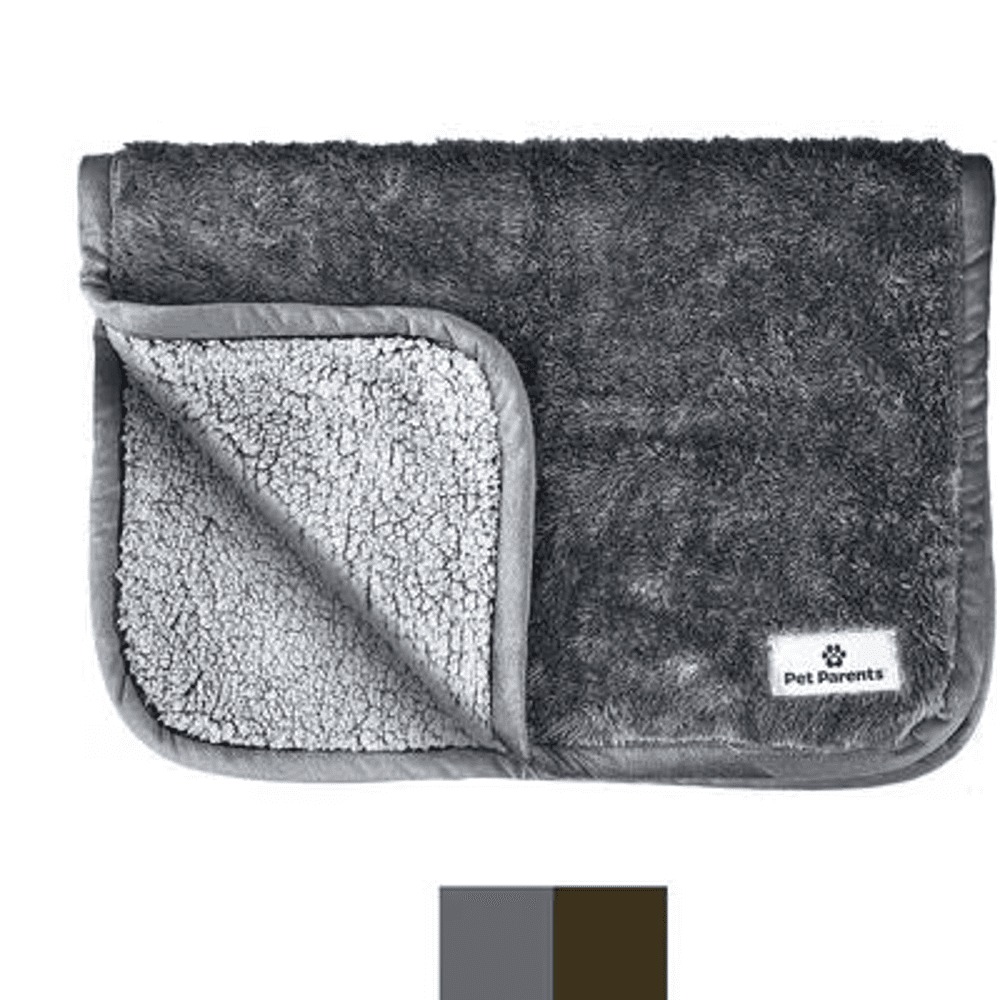
A plush, waterproof sherpa blanket that gives a cold or shivering dog a warm, cozy layer to curl into. The hidden waterproof lining protects the bed, couch, or car seat, and the whole thing is machine washable.
Webvet may earn a commission when you click through to Chewy, at no extra cost to you.
How to treat ringworm in puppies (vet-directed topical + oral)

Ringworm in puppies treatment usually combines a topical antifungal applied to the skin with an oral antifungal taken by mouth, always dosed and supervised by a veterinarian. This two-pronged approach clears the fungus on the coat while stopping it at the source.
According to VCA Animal Hospitals, effective treatment for ringworm in puppies typically includes:
- Topical therapy: antifungal creams, ointments, and medicated shampoos or lime-sulfur dips applied to affected areas, sometimes after clipping the surrounding hair.
- Systemic (oral) therapy: oral antifungal medication, most commonly itraconazole or terbinafine, to treat the infection from the inside.
- Full-course treatment: medication is continued to completion, even after lesions look healed, to prevent recurrence.
That last point is the one owners most often get wrong. Stopping early because the patch looks better is the fastest way to a relapse. Your vet may recheck with a follow-up culture to confirm the infection is truly gone before you stop.
So what kills ringworm on puppies and what can I give my puppy for ringworm? The honest answer is: whatever your vet prescribes, at the dose they calculate for your puppy's weight and age. Oral antifungals like itraconazole and terbinafine, and lime-sulfur dips, are effective but must be vet-supervised. This is not a place for guesswork. Avoid over the counter ringworm treatment for dogs and human antifungal creams unless your veterinarian specifically approves a product, because puppies are small, their skin absorbs medication differently, and some human products are unsafe for them.
This spoke keeps the treatment overview practical for puppy owners. For the complete drug-by-drug protocol, dosing considerations, and recheck schedule, see our full guide to ringworm in dogs treatment.
A quick treatment comparison
| Approach | What it is | Vet-directed? | Notes |
|---|---|---|---|
| Topical creams/ointments | Applied directly to lesions | Yes | Good for a few small, localized spots |
| Medicated shampoos / lime-sulfur dips | Whole-body antifungal wash | Yes | Reduces spore shedding into the home |
| Oral itraconazole or terbinafine | Systemic antifungal by mouth | Yes | Standard for widespread or stubborn cases |
| Clipping affected hair | Removing infected/contaminated fur | Yes | Helps topicals reach skin, cuts shedding |
| Human/OTC antifungals | Store-bought creams | No, unless approved | Dosing and safety not designed for puppies |
At-home care and safe home remedies (what actually helps vs. myths)
Once your vet has confirmed ringworm and started treatment, good at-home care speeds recovery and protects the rest of your household. When people search how to get rid of ringworm in puppies or how to treat ringworm in dogs at home, they are usually looking for the supportive steps that go alongside prescribed medication, and that is the right framing.
Helpful at-home measures:
- Apply prescribed topicals exactly as directed, wearing gloves.
- Wash your hands thoroughly after every session of handling or treating your puppy.
- Confine the puppy to one easy-to-clean room to limit spore spread.
- Launder bedding and towels in hot water and clean the puppy's area regularly.
- Finish the full course of oral medication and attend recheck appointments.
A word on myths. Searches like how to treat ringworm in dogs at home vinegar are popular, but apple cider vinegar, bleach applied to skin, tea tree oil, and other folk remedies are not reliable antifungal treatments and can irritate or burn a puppy's delicate skin. There is no strong evidence they cure ringworm, and they can delay real treatment while the infection spreads to people and pets. Stick with the products your veterinarian recommends.
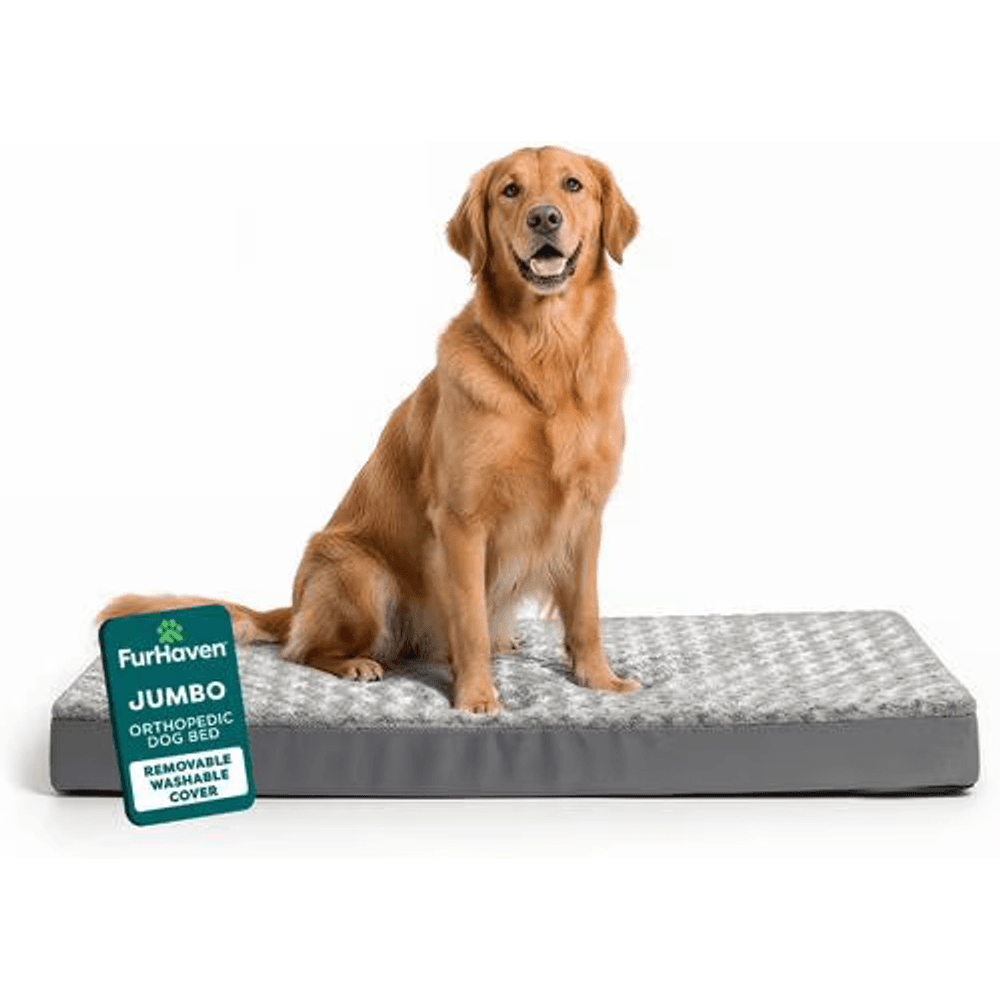
A plush orthopedic foam mattress that cushions aging joints and pressure points, giving a stiff or trembling senior dog warm, supportive rest.
Webvet may earn a commission when you click through to Chewy, at no extra cost to you.
Is puppy ringworm contagious to humans and other pets?
Yes. Ringworm in puppies is contagious to humans and to other pets, and this is the single most important thing to manage. It is a true zoonotic disease.
According to the California Department of Public Health, people and other animals get ringworm through contact with the skin or fur of an infected animal, and by touching contaminated objects such as blankets and towels the animal slept on. Those shed spores are hardy: VCA Animal Hospitals notes they can remain dormant for up to 18 months on bedding, brushes, furniture, and carpet. That is why hygiene and cleanup matter as much as the medication.
Owners commonly ask what happens if I touch a dog with ringworm. Touching an infected puppy does not guarantee you will catch it, but it is possible, especially if you have a cut, or if you are a child, elderly, or immunocompromised. On people, ringworm shows up as an itchy, red, ring-shaped rash. If you or a family member develops one, see a doctor.
Can I still pet my dog with ringworm? You can still care for and comfort your puppy, but do it thoughtfully: wear gloves when handling lesions, wash your hands immediately afterward, keep the puppy away from young kids and other pets, and change clothes if they have had close contact. Petting is not forbidden, but casual, unprotected snuggling should wait until treatment is well underway and your vet gives the go-ahead.
How contagious is ringworm from dog to human varies with the person's immune health and the amount of exposure, but treat every case as contagious until your vet confirms it has cleared. This puppy guide covers the household basics; for the full picture on human risk, symptoms, and prevention, read is dog ringworm contagious to humans.
Cleaning your home so ringworm doesn't come back

Because spores survive so long in the environment, treating the puppy without cleaning the home often leads to reinfection. This is also part of the answer to how do dogs get ringworm at home in the first place: lingering spores in bedding and carpet.
Here is the short version of household cleanup:
- Isolate the puppy to one room with washable surfaces during treatment.
- Wash all bedding, blankets, and soft toys in hot water, repeatedly.
- Vacuum thoroughly and often, then discard the vacuum bag or empty and disinfect the canister to remove infected hairs and spores.
- Disinfect hard surfaces, crates, and grooming tools with a vet-recommended antifungal cleaner.
That is a summary, not the full protocol. For step-by-step decontamination, the correct disinfectant and dilution, and how long to keep cleaning, see our complete guide to how to clean house after dog ringworm.
When to see a vet / how serious is it
How serious is ringworm in puppies? For most healthy puppies, ringworm is uncomfortable and contagious but very treatable, and it typically clears within about 4 to 8 weeks of full-course, vet-directed treatment. The Merck Veterinary Manual notes that ringworm in healthy adult dogs may clear up without treatment, but that does not mean you should wait it out with a puppy: untreated cases can linger, keep shedding spores, and spread through your home, so treatment speeds recovery and limits that environmental contamination.
Call or see your veterinarian promptly if:
- Your puppy is very young (neonatal), lethargic, or not eating well.
- The lesions are spreading quickly or covering a large area.
- Other pets or people in the home develop ring-shaped rashes or hair loss.
- The skin looks infected, with pus, swelling, odor, or increasing pain.
- You are not sure the spot is ringworm at all, since mange, allergies, and hot spots need different treatment.
Reassurance where it is due: with an accurate diagnosis and a completed treatment course, the outlook for a puppy with ringworm is excellent. The keys are confirming it with your vet, treating it fully rather than stopping early, and cleaning the environment so it does not return. This guide is the puppy-focused piece of our larger resource on ringworm in dogs; start there for the whole-picture overview.
- 1Ringworm in puppies is a contagious fungal infection (dermatophytosis), not a worm, and it is highly treatable with prompt care.
- 2About 70% of canine cases are caused by Microsporum canis; puppies are more susceptible because their immune systems are still developing.
- 3A vet confirms it with fungal culture (the most accurate method), a Wood's lamp, microscopy, or PCR, so do not self-diagnose a round bald spot.
- 4Treatment is vet-directed and usually pairs a topical antifungal with an oral one like itraconazole or terbinafine, finished to full course.
- 5Ringworm is zoonotic: wear gloves, wash your hands, isolate the puppy, and clean the home, since spores can survive up to 18 months.
Frequently asked questions
How do you treat ringworm in puppies?
Ringworm in puppies is treated with a combination of topical antifungals (creams, ointments, or medicated shampoos and lime-sulfur dips) and oral antifungal medication, most commonly itraconazole or terbinafine, per VCA Animal Hospitals. All of it should be vet-directed and dosed for the puppy's weight, and the full course must be finished, even after lesions look healed, to prevent recurrence.
How serious is ringworm in puppies?
For most healthy puppies, ringworm is uncomfortable and highly contagious but very treatable, usually clearing within about 4 to 8 weeks of full-course treatment. The Merck Veterinary Manual notes that ringworm in healthy adult dogs may clear up without treatment, but that does not mean you should wait it out with a puppy, whose immune system is still developing. See a vet promptly if the puppy is very young, lethargic, the lesions are spreading, or people or other pets develop rashes.
What happens if I touch a dog with ringworm?
Touching a dog with ringworm does not guarantee infection, but it is possible because ringworm is zoonotic and spreads through direct contact and shed spores, per the California Department of Public Health. Risk is higher if you have broken skin or are a child, elderly, or immunocompromised. Wash your hands right away, and see a doctor if you develop an itchy, red, ring-shaped rash.
How do puppies catch ringworm?
Puppies catch ringworm through direct contact with an infected animal (the mother, littermates, cats, or other dogs), through contaminated objects like bedding, brushes, and crates, and from environmental spores, which VCA Animal Hospitals notes can remain dormant for up to 18 months. Microsporum gypseum can also come from soil. The Merck Veterinary Manual notes that in young or debilitated animals the infection can become persistent and widespread, and a puppy's still-developing immune system makes it more vulnerable.
How did my puppy get ringworm?
Your puppy most likely got ringworm from contact with an infected animal or a contaminated environment, since it spreads animal-to-animal and through spores in bedding, carpet, and grooming tools. Shelters, breeders, and pet stores are common sources because many young animals share close quarters. The Merck Veterinary Manual notes that in young or debilitated animals, and in Yorkshire Terriers, the infection can become persistent and widespread because their immune defenses are not at full strength.
What can I give my puppy for ringworm?
Only give your puppy what your veterinarian prescribes, at the dose they calculate for its weight and age. Standard options include vet-prescribed oral antifungals such as itraconazole or terbinafine plus topical creams or medicated dips, per VCA Animal Hospitals. Avoid over-the-counter and human antifungals unless your vet specifically approves them, because puppies absorb medication differently and some products are unsafe for them.
What kills ringworm on puppies?
Vet-prescribed antifungal medication kills ringworm on puppies: topical creams, ointments, or lime-sulfur dips on the coat combined with oral antifungals like itraconazole or terbinafine, per VCA Animal Hospitals. Clipping affected hair and disinfecting the environment help too. Home remedies such as vinegar or tea tree oil are not reliable cures and can irritate a puppy's skin, so stick with your vet's plan.
Can I still pet my dog with ringworm?
You can still care for and comfort your dog, but do it carefully because ringworm is contagious to people and pets. Wear gloves when handling lesions, wash your hands immediately afterward, and keep the puppy away from young children and other animals until treatment is well underway. Casual, unprotected snuggling should wait until your vet confirms things are improving.
$65 · no membershipHave a health question about your dog?
A licensed vet can assess your dog over video and prescribe online when it's appropriate.
Talk to a vet- Licensed vets
- All 50 states
- same-day Rx
Webvet may earn a commission if you book.

Editor
The Webvet Editorial Team is the in-house group of pet-care editors and writers behind Webvet, operated by Smart Pet Collective. The team researches, writes, and maintains Webvet's pet health, behavior, and medication content. Every article follows a defined editorial process: research from reputable veterinary and scientific sources, careful drafting, mandatory review of medical content by a credentialed veterinarian, and dated publication. Health and medication articles are medically reviewed by a licensed veterinary professional before they go live and are kept current over time.
Veterinarian · BVMS MRCVS
Dr. Pippa Elliott, BVMS, MRCVS, is a veterinarian with nearly 30 years of experience in companion animal practice. Dr. Elliott earned her Bachelor of Veterinary Medicine and Surgery from the University of Glasgow. She was also designated a Member of the Royal College of Veterinary Surgeons. Married with 2 grown-up kids, Dr. Elliott has a naughty Puggle named Poggle, 3 cats and a bearded dragon.
Related reading

Best Cat Litter Mats for Tracking, Cleaning, and Sensitive Paws

Best Cat Harnesses: Fit, Adjustability, and Escape Resistance

Best Cat Carriers for Vet Visits, Travel, and Difficult Loaders
