IMHA in Cats: Signs, Causes, Treatment, and Survival
IMHA in cats is a serious condition where the immune system destroys red blood cells. The signs that matter, primary versus secondary causes, how vets diagnose and treat it, and what affects survival and relapse.

BVMS MRCVS
Medically reviewed by Dr. Pippa Elliott, BVMS MRCVS · Last reviewed

This article contains affiliate links. Webvet may earn a commission when you buy through them, at no extra cost to you.
IMHA in cats: what it is, the signs that matter, and why it needs a vet now
IMHA in cats, short for immune-mediated hemolytic anemia, is a condition in which the immune system destroys the cat's own red blood cells. The Cornell Feline Health Center explains that the body tags its red blood cells as foreign, and they are removed faster than the bone marrow can replace them.
Pale gums, weakness, and fast breathing in a cat with IMHA need a vet the same day. Vets then look for a trigger, such as an infection, a drug, or cancer, and treat the cat with prescription immunosuppressive medication, sometimes with a blood transfusion first.
- 1What IMHA does to red blood cells: the immune system marks them as foreign and destroys them.
- 2Signs that need a vet today: very pale or yellow gums, weakness, collapse, and fast breathing.
- 3Vets test for triggers such as Mycoplasma haemofelis, feline leukemia virus, drugs, and cancer.
- 4Treatment is prescription prednisolone, sometimes with a second immunosuppressant or a transfusion.
- 5Many cats with primary IMHA survive the first weeks, but relapse is common.
The Merck Veterinary Manual calls IMHA a very serious form of hemolytic anemia in which the immune system makes antibodies against red blood cells. VCA Animal Hospitals adds that the marrow keeps making red cells, but once released they live a shorter-than-normal life.

A cat with IMHA may become ill gradually or suddenly, Merck notes. The disease is less common in cats than in dogs, per the ACVIM consensus statement, and a Journal of Veterinary Internal Medicine study of 107 cats found cats aged 2.1 to 5.9 years were predisposed.
Once a cat is stable, treatment usually means daily tablets for months, and VCA notes that vets taper the medication over several months. A calm pilling routine from the first dose makes that long course easier.
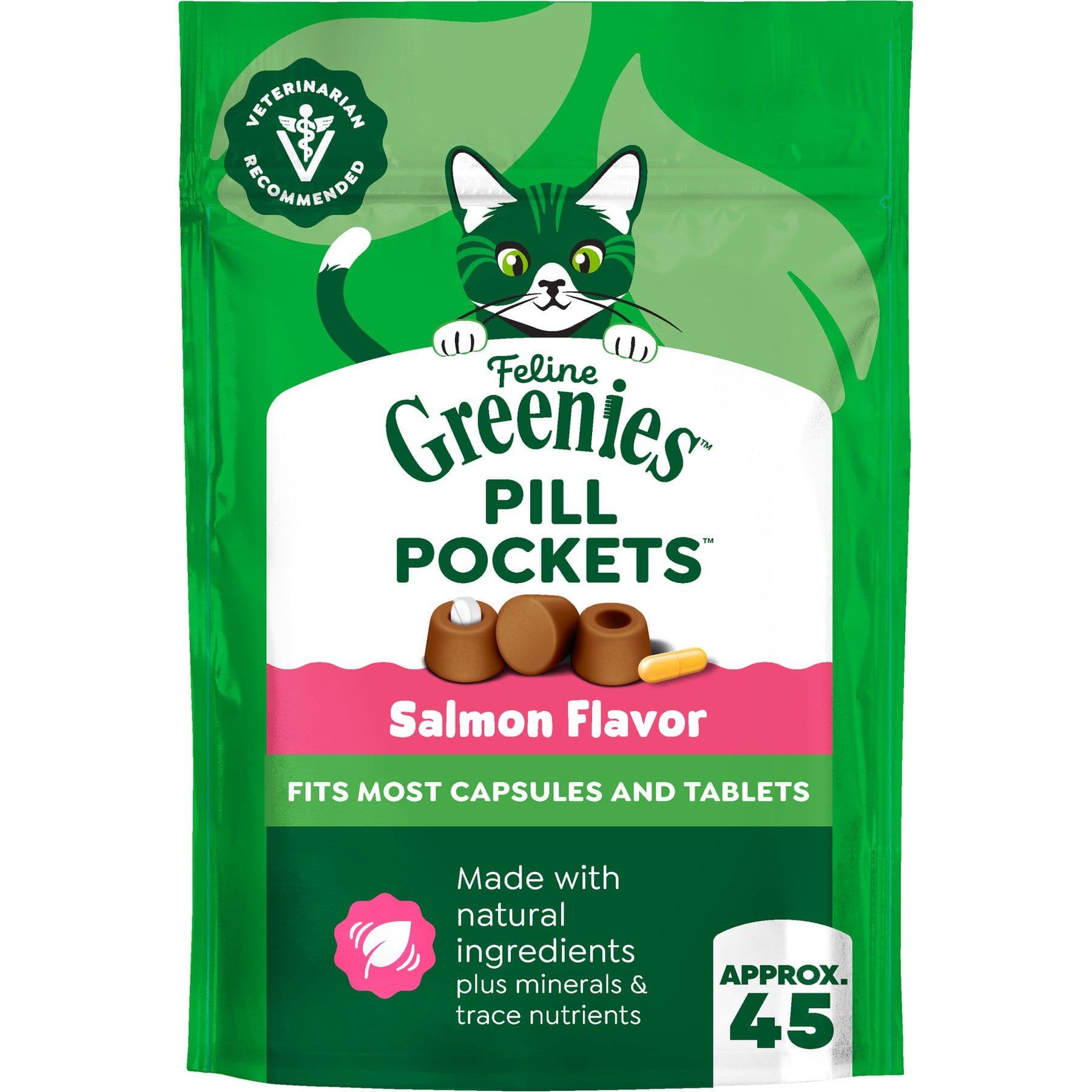
Soft salmon-flavor treats with a pocket for hiding the daily tablets a cat with IMHA takes for months.
Webvet may earn a commission when you click through to Chewy, at no extra cost to you.
Symptoms of IMHA in cats: pale gums, weakness, jaundice, and fast breathing
Symptoms of IMHA in cats come from too little oxygen reaching the tissues. Cornell notes the first sign is often lethargy. Signs that VCA, Cornell, and Merck describe include:
- Very pale, almost white gums
- Yellow gums, skin, or eye whites (jaundice)
- Weakness and tiring easily
- Fast breathing and a fast heart rate
- Poor appetite, sometimes with vomiting
- Dark urine from excess bilirubin
- Fever and an enlarged spleen
Appetite often drops early. A cat that is not eating and lethargic needs an exam, not a wait-and-see approach.
Some signs overlap with other illnesses, such as fever in cats from infection. A weak cat can also look like a cat in discomfort, and knowing how to tell if a cat is in pain helps owners describe changes clearly. Once your vet has seen the cat, ask whether calorie support at home makes sense during recovery.

A high-calorie gel your vet may suggest for a recovering cat with IMHA that is eating poorly.
Webvet may earn a commission when you click through to Chewy, at no extra cost to you.
What causes IMHA in cats: primary vs secondary triggers such as Mycoplasma, FeLV, and drugs
| Primary vs secondary IMHA causes in cats | How vets look for it | What finding it changes in treatment |
|---|---|---|
| Mycoplasma haemofelis trigger | PCR blood test | Antibiotics such as doxycycline |
| Feline leukemia virus or FIV | Retrovirus blood tests | Viral disease tends to respond less well |
| Recent drug, such as propylthiouracil | Medication and toxin history | Vet weighs stopping the drug |
| Cancer, such as lymphoma | X-rays, ultrasound, bone marrow | Poorer outlook for secondary IMHA |
| No trigger found | All tests negative | Primary IMHA: immunosuppression |
The causes of IMHA in cats fall into two groups. VCA describes primary IMHA, with no identifiable cause, as uncommon in cats. Secondary IMHA happens when a trigger alters the red cells so the immune system treats them as invaders. In the 107-cat study, 35 cats (32.7%) had an underlying disease that could explain secondary IMHA.

What causes autoimmune hemolytic anemia in cats?
It is caused by the immune system wrongly making antibodies against the cat's own red blood cells. In primary cases no cause is found, and Cornell notes there is no evidence it is hereditary in cats. In secondary cases, Cornell names a drug reaction, cancer, or infections such as feline leukemia virus or FIP as the trigger.
What can trigger autoimmune hemolytic anemia?
Merck states that IMHA can be triggered by tumors, infections, drugs, or vaccines, though the ACVIM panel found no reports linking vaccination to IMHA in cats. Named triggers include:
- Mycoplasma haemofelis, with a high level of evidence per ACVIM
- Feline leukemia virus, FIV, and FIP
- Propylthiouracil, an older antithyroid drug
- Cancer, common alongside IMHA though not proven to cause it
- Toxins and bee stings, listed by VCA
Cornell explains that Mycoplasma haemofelis is spread by fleas and ticks; see common parasites in cats and how to prevent them.
 Sponsored
Have a health question about your cat?
Talk to a licensed vet at Dutch over video or message, including nights and weekends.
Use code Pets60
Plans start at $12/month · covers up to 5 pets
- Licensed vets in most states
- Rx for 150+ conditions
- 4.7 on Trustpilot
How vets diagnose IMHA in cats: blood count, blood smear, and the search for a trigger
Testing for IMHA in cats starts with a complete blood count. VCA explains that a packed cell volume (PCV) below 25% means a cat is anemic. Next steps include:
- A blood smear checked for clumping, ghost cells, and parasites
- A saline agglutination test
- A Coombs test for antibodies on red cells
- A reticulocyte count
- PCR for Mycoplasma haemofelis plus FeLV and FIV tests, recommended by ACVIM for every cat with IMHA
- Imaging and organ blood tests

Reading a blood smear for IMHA is different in cats than in dogs: ACVIM uses spherocytes as a sign only in dogs, because cat red cells lack a consistent pale center. In the 107-cat study, autoagglutination that persisted after saline dilution appeared in 65.4% of cats.
What CBC results show hemolytic anemia?
Low red cell numbers with a high reticulocyte count point to hemolysis. Cornell calls this a regenerative anemia, typical of red cell destruction. Merck notes antibodies can also attack young red cells in the marrow, so some cats have nonregenerative anemia.
What test confirms autoimmune hemolytic anemia?
ACVIM recommends a firm diagnosis when at least two markers of immune destruction are positive (saline agglutination, Coombs test, or flow cytometry), or agglutination persists after washing, together with a sign of hemolysis such as jaundice.
A low reticulocyte count does not rule IMHA out: in a study of 19 cats, the anemia was nonregenerative in 11. Cornell names kidney disease in cats as a common cause of nonregenerative anemia to exclude. Testing in dogs is covered in anemia in dogs.
SponsoredVet care that's always there
Unlimited video calls and messaging with licensed vets for less than a typical vet visit. One membership covers up to five pets.
Use code Pets60
Plans start at $12/month · covers up to 5 pets
- Licensed vets in most states
- Rx for 150+ conditions
- 4.7 on Trustpilot
When pale gums or fast breathing in a cat is an emergency
VCA states that pale gums and lethargy call for blood tests, and that severe anemia raises the heart and breathing rates. A resting cat that is breathing fast may be short of oxygen, and Merck warns that sudden, severe anemia can lead to collapse and death.
Call the clinic on the way, and bring a list of the cat's medications, since Merck notes the vet will ask about drugs and vaccines. Never give a human pain reliever: Merck lists acetaminophen among drugs that destroy red blood cells in cats.
IMHA treatment in cats: prednisolone, other immunosuppressants, and transfusion
IMHA treatment in cats works by stopping the immune attack and treating any trigger. VCA notes primary IMHA is treated with immunosuppressive doses of prednisolone. It needs a veterinary prescription, and the vet sets the dose and monitoring.
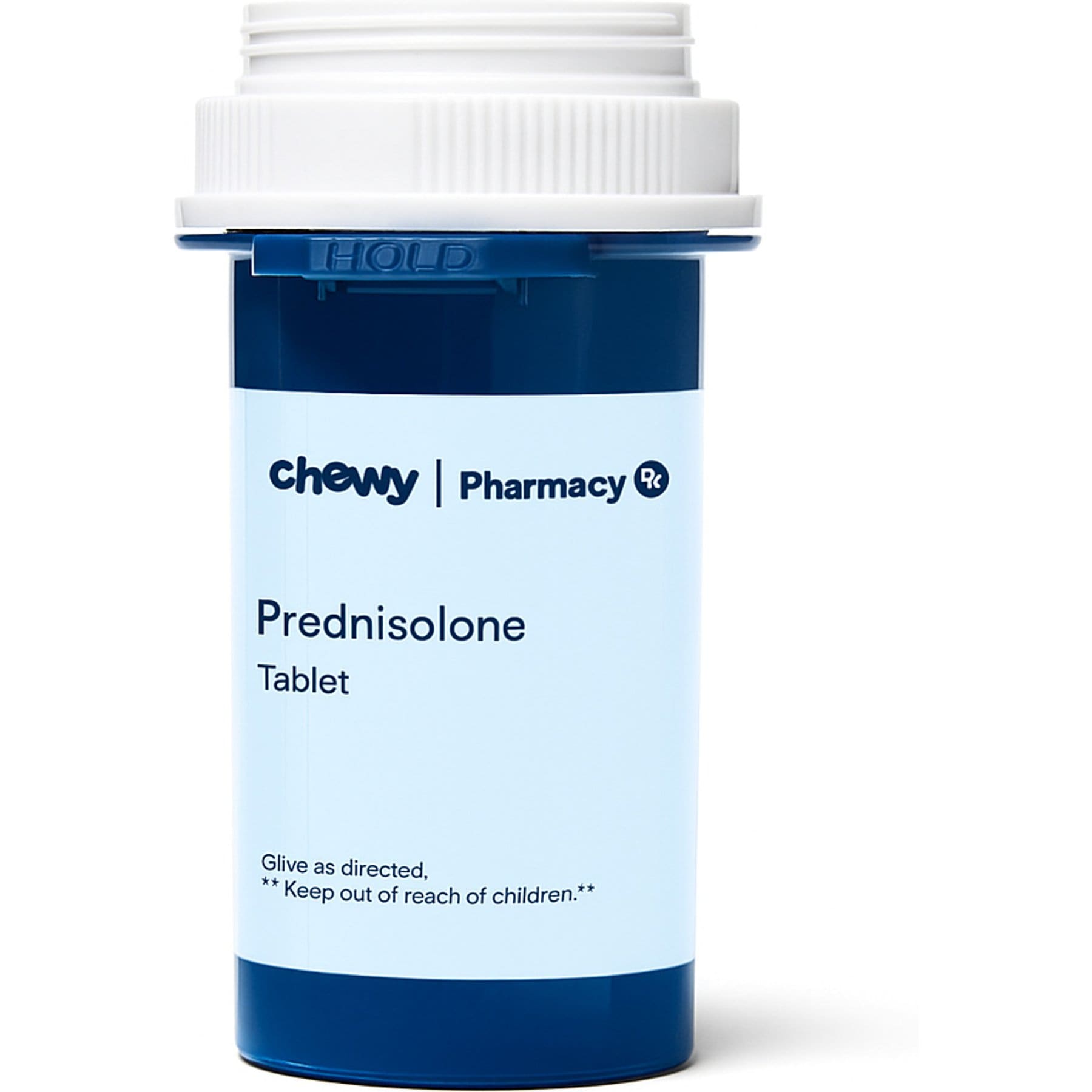
A prescription medication: prednisolone tablets, dispensed only with your vet's prescription, dose, and recheck plan.
Webvet may earn a commission when you click through to Chewy, at no extra cost to you.
Cats need prednisolone itself rather than prednisone. VCA explains that cats cannot complete the liver conversion from prednisone to prednisolone. For a cat with IMHA, the vet sets the prednisolone dose and adjusts it with repeat blood counts; it is not something to change at home.
VCA lists increased thirst, urination, and appetite as common side effects, and warns never to stop the drug abruptly; it must be tapered slowly. VCA also notes that some cats with idiopathic disease respond rapidly, and that once the anemia resolves or stabilizes, the taper usually runs over several months.
Whether a cat needs more than a steroid depends on how it responds. A 2026 study of 37 cats in Animals calls glucocorticoids first-line, with cyclosporine frequently added. Options vets use include:
- Prednisolone, the first-line steroid
- Cyclosporine, used off-label for IMHA
- Chlorambucil, given with prednisolone in the 107-cat study
- Mycophenolate mofetil, used as an add-on in a two-cat case report
Cyclosporine is also a prescription medication, and the vet sets its dose and rechecks. VCA advises caution in cats not evaluated for toxoplasma infection, so testing may come first.
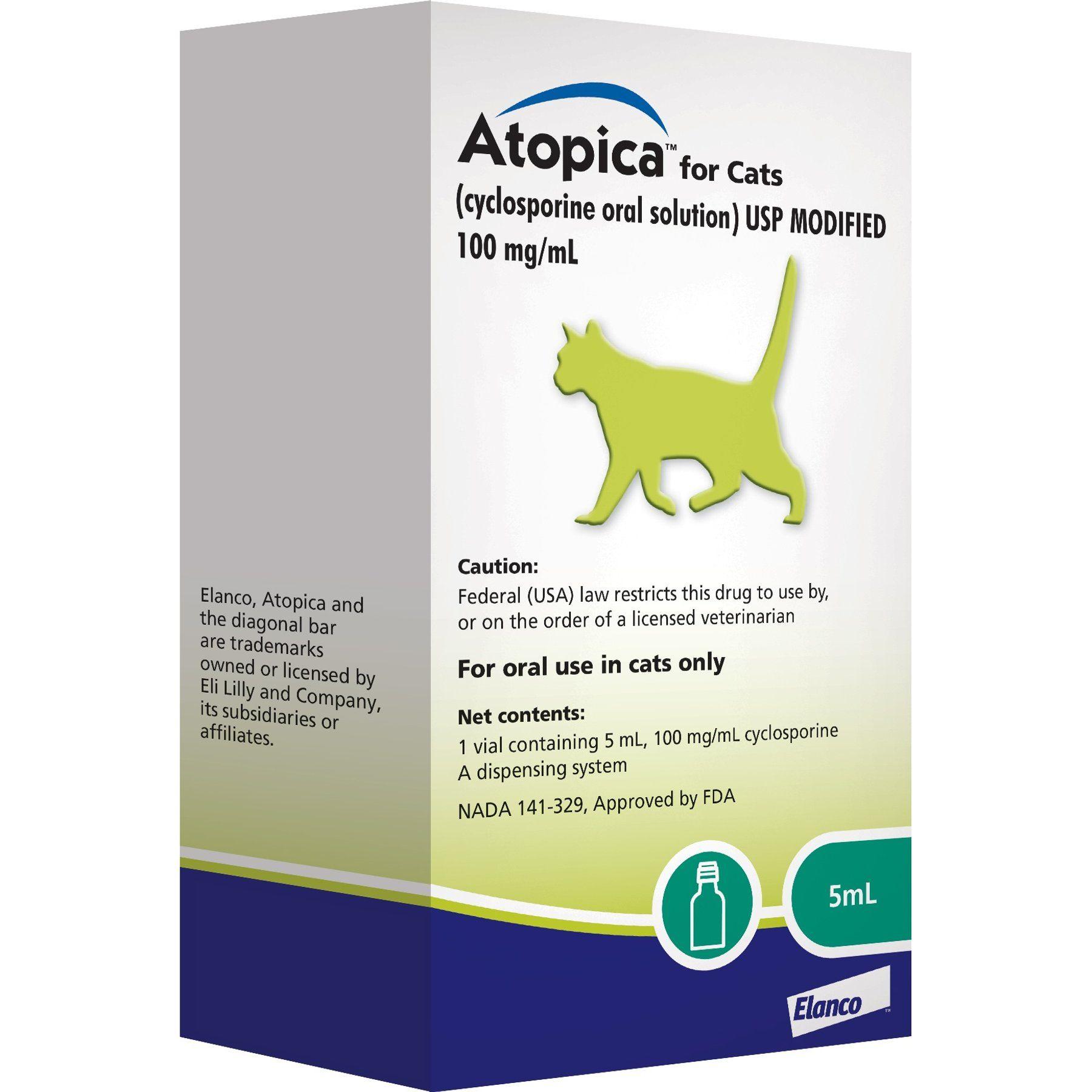
A prescription medication: cyclosporine oral solution for cats, used only as your vet prescribes and monitors.
Webvet may earn a commission when you click through to Chewy, at no extra cost to you.
Atopica (Cyclosporine) 5-mL Oral Solution for Cats, 100 mg/mL is one cat formulation a vet may prescribe, listed at $60.19 on Chewy when checked in November 2026. Prednisolone tablets were listed at $3.90 for 30 when checked the same month.
A blood transfusion is the bridge for a cat in crisis. VCA explains that a life-threatening anemia needs a transfusion, with blood taken first for cross matching, to stabilize the cat while the cause is found and the drugs take effect. In the 19-cat study, 10 cats received transfusions and all 19 received prednisolone and antibiotics.

How is feline infectious anemia treated?
Feline infectious anemia is caused by Mycoplasma haemofelis and is treated with antibiotics. VCA names doxycycline for mycoplasmosis and notes these cats may respond well. If the infection has triggered an immune attack, the vet may add immunosuppression or a transfusion, depending on the red cell count.
At home, the most important job is giving every dose on time. VCA advises giving a once-daily prednisolone dose to cats in the evening if possible and never stopping it abruptly. Helpful habits include:
- Hide tablets in a treat such as Greenies Pill Pockets Feline Natural Salmon Flavor Soft Adult Cat Treats, 45 count
- For cats that spit out treats, the JorVet Pet Pill Gun for Dogs & Cats, 12 Count passes a little water with the pill; ask the clinic team to show you how
- Give doses at the same time each day so none are missed
- On cyclosporine, report jaundice, signs of infection, or lethargy, as VCA advises
- Keep every recheck, since blood counts guide each dose change
If appetite stays poor, ask your vet before switching foods. Some vets suggest a recovery diet such as Lafeber EmerAid Sustain Feline Recovery Food, 14-oz bag or a calorie gel like Tomlyn Nutri-Cal Gel High Calorie Supplement for Cats, 4.25-oz tube. Complex cases may be referred to an internal medicine specialist, VCA notes.
IMHA in cats life expectancy, survival, and relapse
Life expectancy for a cat with IMHA depends most on whether a trigger is found. In the 107-cat Journal of Veterinary Internal Medicine study, median survival was 516 days for primary IMHA but 14 days for secondary IMHA. At six months, 59.3% of cats with primary IMHA were alive, compared with 25.8% of cats with secondary IMHA.
The first weeks are the riskiest. In the 2026 study of 37 cats, overall mortality was 24.3%, and every death happened within four weeks. The 19-cat study reported a 23.5% mortality rate and judged the outlook more favorable in cats than in dogs.

How long do cats live with IMHA?
Many cats with primary IMHA live well beyond the first month; in the 19-cat study one cat lived 2,160 days before euthanasia. Cats with secondary IMHA from cancer or viral disease tend to do worse, VCA notes, while Mycoplasma cases often respond well.
Can autoimmune hemolytic anemia go away?
Sometimes, but lasting remission without medication is uncommon. In the 2026 study, two cats reached treatment-free remission for 4.2 and 1.9 years, while most needed prolonged immunosuppression. Five cats relapsed, four of them while still on medication. VCA advises close monitoring as doses are reduced, because relapses are common.
Relapse and outcome findings worth knowing:
- Relapses were reported in 5 of 16 cats (31%) in the 19-cat study
- In a related condition that targets red cell precursors in the marrow, a Veterinary Record Open study found relapses in 77% of cats, yet 76% responded again after treatment was changed
- Higher bilirubin and older age predicted a poorer outcome in the 107-cat study, while higher lymphocyte numbers and globulin levels predicted a better one
- In the 107-cat study, 38.5% of cats with primary IMHA that survived past five days regained a normal red cell level within a month of discharge
At home, watch for the signs that appeared the first time: tiredness, a poorer appetite, or gums that look paler than usual. Relapses in the 2026 study occurred mainly during ongoing therapy rather than after it stopped, so rechecks matter even when a cat seems well.
Knowing when to consider euthanasia is a hard part of IMHA in some cats. VCA recommends tracking quality of life over days and weeks and keeping the vet informed. The Cornell Feline Health Center suggests asking whether the cat is comfortable and whether treatment will improve or worsen its quality of life.
IMHA in cats questions
Frequently Asked Questions
What is primary IMHA in cats?
Primary IMHA means the immune system destroys red blood cells and no underlying cause can be found after testing. Secondary IMHA has an identifiable trigger, such as Mycoplasma haemofelis, feline leukemia virus, a drug, or cancer. The primary label is only given once infection tests, a medication history, and imaging come back clear.
How is the prednisolone dose for a cat with IMHA decided?
The veterinarian sets the starting prednisolone dose for that individual cat and adjusts it as repeat blood counts show how the cat is responding. Once the red cell count is stable, the vet plans a slow taper over several months. Never stop or reduce it on your own, because VCA warns against stopping abruptly.
What does a blood smear show in a cat with IMHA?
A blood smear can show agglutination, where red cells clump together, and ghost cells, which the 107-cat study describes as partially burst red cells that keep their shape. It also lets the vet look for parasites and young red cells. Agglutination that persists after saline dilution supports IMHA, but the same study notes it can also occur with infections and inflammatory disease in cats.
What are the first signs of IMHA in a cat?
The first signs are often lethargy and less interest in play or food. Owners may then notice pale gums, which can look almost white, or yellow gums from jaundice. Cornell adds that a cat anemic for a long time may show no signs at home, so faster breathing at rest or weakness means a vet visit the same day.
When is euthanasia considered for a cat with IMHA?
Euthanasia is considered when a cat keeps relapsing, does not respond to treatment, or has a quality of life that is declining despite care. VCA notes your veterinarian can better judge the right time when kept informed about daily life at home. Appetite, comfort, and interest in surroundings are useful things to track and share.
Veterinarian · BVMS MRCVS
Dr. Pippa Elliott, BVMS, MRCVS, is a veterinarian with nearly 30 years of experience in companion animal practice. Dr. Elliott earned her Bachelor of Veterinary Medicine and Surgery from the University of Glasgow. She was also designated a Member of the Royal College of Veterinary Surgeons. Married with 2 grown-up kids, Dr. Elliott has a naughty Puggle named Poggle, 3 cats and a bearded dragon.
Related reading

Aspergillosis in Dogs: Nasal and Systemic Forms, Signs, and Treatment

Cryptococcosis in Cats: Nose Swelling, Diagnosis, and Treatment

Histoplasmosis in Dogs: Symptoms, Diagnosis, and Treatment
