Common Parasites in Cats and How to Prevent Them
Parasites in cats, from roundworms and tapeworms to fleas, ear mites, and heartworm, are common even indoors. Learn the signs, how vets diagnose and treat each one, the zoonotic risks, and year-round prevention that keeps your cat safe.
Medically reviewed by Dr. Athena Gaffud, DVM · Last reviewed

This article contains affiliate links. Webvet may earn a commission when you buy through them, at no extra cost to you.
Parasites in cats, both internal and external, remain extremely common in kittens and adult cats, including those living strictly indoors. These organisms disrupt digestion, irritate the skin, dull the coat, and drain the nutrients your cat needs. Some, such as roundworms and the protozoan behind toxoplasmosis, can also spread to people. Spotting worms in cats or other intestinal parasites early supports faster recovery and protects every animal and person in the household.
This vet-guided overview walks through the most significant parasites in cats, how each one enters a cat's body, the symptoms that signal a problem, the diagnostic steps a veterinarian uses, the treatments that clear infections, and the year-round prevention that keeps them from coming back.
- 1Parasites in cats fall into two groups: internal (roundworms, hookworms, tapeworms, coccidia, Giardia, and heartworm) and external (fleas, ticks, ear mites, and mange mites).
- 2Indoor-only cats still get parasites through tracked-in eggs, fleas, hunted prey, and mosquitoes, so lifestyle alone is not protection.
- 3Several feline parasites are zoonotic. Roundworms, hookworms, and Toxoplasma can infect people, with the highest stakes for pregnant women and immunocompromised individuals.
- 4Heartworm in cats has no approved treatment, which makes year-round prevention the only reliable defense.
- 5A fecal exam plus routine vet care catches most intestinal parasites early, and monthly broad-spectrum preventives stop the majority before they take hold.
What Are Parasites in Cats?
A parasite is an organism that lives on or inside a cat and takes nutrients or shelter at the cat's expense. Understanding the main groups helps you recognize trouble early, whether the culprit is a worm in the gut, a microscopic protozoan, or a biting insect on the skin.
- Internal parasites: roundworms, tapeworms, hookworms, whipworms, coccidia, Giardia, and heartworm. These live in the digestive tract, blood, or other internal tissues, and a few, including the organism behind toxoplasmosis, can pass to humans.
- External parasites: fleas, ticks, ear mites, and the mites that cause mange. These live on the skin surface or in the ears and trigger itching, hair loss, and secondary infections.
Parasite types differ in how they spread and the symptoms they cause. Infections in young kittens tend to escalate fastest, because a heavy worm burden can outpace a small body's reserves within weeks.
Common Types of Parasites in Cats
The common parasites in cats include both internal worms and protozoa and external biting pests. Many intestinal parasites are especially common in kittens and newly adopted cats, while fleas and mites affect indoor and outdoor cats alike. Knowing each one by name, and how it behaves, makes early recognition far easier.
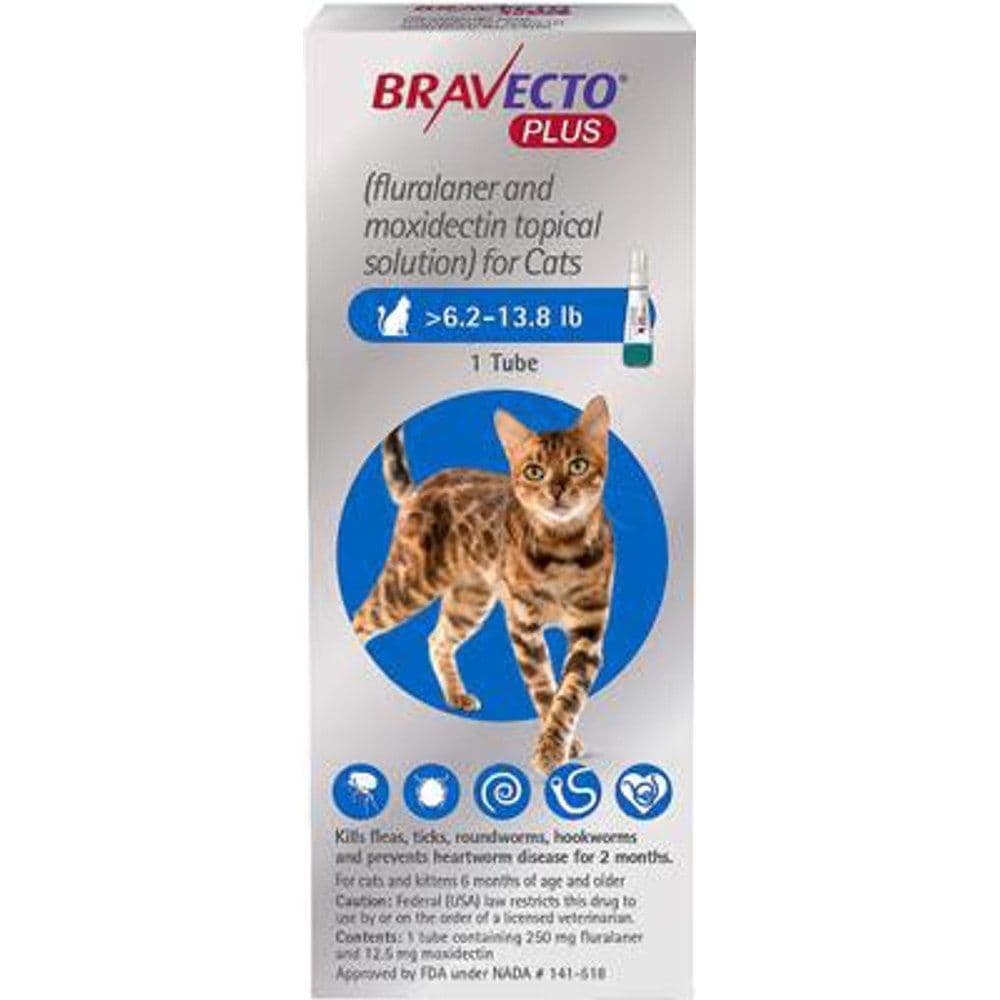
Long-lasting topical that protects cats from fleas, ticks, heartworm, roundworms, and hookworms for up to two months per dose.
Webvet may earn a commission when you click through to Chewy, at no extra cost to you.
Internal Parasites
Roundworms (Toxocara cati): the most common intestinal worm in cats. Spaghetti-like adults live in the small intestine, and kittens are frequently infected through their mother's milk. A pot-bellied kitten, vomiting, and diarrhea are classic signs. Roundworms are zoonotic, so we cover them in depth in our guide to hookworms and roundworms in cats.
- Tapeworms (Dipylidium caninum, Taenia taeniaeformis): acquired when a cat swallows an infected flea during grooming, or eats a rodent. Rice-like segments (proglottids) appear near the tail or in bedding.
- Hookworms (Ancylostoma species): blood-feeding worms that attach to the intestinal wall. Heavy infections cause weight loss, dark diarrhea, and anemia, which is most dangerous in kittens.
- Whipworms: uncommon in cats in North America, but when present they cause large-bowel diarrhea and straining.
- Coccidia (Cystoisospora): single-celled protozoa that trigger watery diarrhea, especially in kittens and stressed or crowded cats. These species are largely host-specific and do not infect people.
- Giardia: a protozoan spread through water, food, or surfaces contaminated with cysts. It causes soft, foul-smelling stools or diarrhea that can wax and wane.

- Heartworm (Dirofilaria immitis): a mosquito-borne worm that lodges in the lungs and heart. It is less common than intestinal worms but far harder to treat, and it gets its own section below.
External Parasites
Fleas (Ctenocephalides felis): the most common external parasite. They cause itching, scabs, and hair loss, can trigger flea allergy dermatitis, and pass tapeworms when swallowed. If you suspect them, start with our guide to fleas on cats.
- Ticks: less frequent on cats than dogs, but outdoor cats can pick them up and, with them, tick-borne diseases such as cytauxzoonosis.
Ear mites (Otodectes cynotis): highly contagious mites that produce intense ear itching and dark, coffee-ground debris. They are easy to confuse with other skin pests, so see ear mites or fleas: what's bugging your cat to tell them apart.
- Mange mites (Notoedres cati, Demodex, Cheyletiella): microscopic mites that burrow or crawl on the skin, causing intense itching, crusting, and hair loss. Some, such as Cheyletiella and Notoedres, can cause a temporary itchy rash in people.


Cat Parasite Comparison at a Glance
The table below sums up how each major parasite reaches your cat, the signs to watch for, and whether it can spread to people. Use it as a quick reference, not a substitute for a veterinary diagnosis.
| Parasite | How cats get it | Key signs | Zoonotic? |
|---|---|---|---|
| Roundworms | Mother's milk, eating infected prey or eggs | Pot belly, vomiting, spaghetti-like worms | Yes |
| Hookworms | Larvae in soil, ingestion, skin contact | Weight loss, dark diarrhea, anemia | Yes |
| Tapeworms | Swallowing an infected flea or rodent | Rice-like segments near the tail | Rare |
| Coccidia | Ingesting contaminated stool or environment | Watery diarrhea, mostly in kittens | No |
| Giardia | Contaminated water, food, or surfaces | Soft, foul-smelling stool, diarrhea | Low risk |
| Toxoplasma | Eating infected prey or raw meat | Usually none; risk is to people | Yes |
| Heartworm | Bite of an infected mosquito | Coughing, wheezing, sudden collapse | No |
| Fleas | Contact with pests or a flea-carrying pet | Itching, scabs, hair loss, flea dirt | Bites only |
| Ear mites | Direct contact with an infested animal | Ear itching, coffee-ground debris | No |
| Mange mites | Direct contact with an infested animal | Crusting, intense itch, hair loss | Some |
How Do Cats Get Parasites?
Understanding how parasites in cats spread makes prevention far more effective. Most exposures come from everyday situations that introduce worms, protozoa, or biting pests into a cat's world, and many of them apply even to pets that never step outside.
- Eating infected prey: mice, rats, and birds can carry roundworm, tapeworm, or Toxoplasma stages.
- Contaminated soil or litter: cats swallow microscopic eggs while grooming after contact with contaminated ground or a shared box.
- Fleas: swallowing an infected flea during grooming is the main route for the most common feline tapeworm.
- Nursing: kittens can receive roundworms directly through an infected mother's milk, which is why deworming starts early.
- Contaminated water: puddles, shared bowls, and standing water can transmit Giardia cysts.
- Mosquito bites: a single bite from an infected mosquito can transmit heartworm larvae, and mosquitoes readily get indoors.
Indoor cats are not exempt. Eggs ride in on shoes, fleas hitch a ride on visiting pets, prey wanders inside, and mosquitoes slip through doors and screens. For the full picture, read can indoor cats get fleas and worms. Awareness plus prevention is what keeps a strictly indoor cat protected.

Monthly topical that protects cats from fleas, ticks, ear mites, roundworms, hookworms, and heartworm.
Webvet may earn a commission when you click through to Chewy, at no extra cost to you.
 $65 · no membership
Need flea, tick, or heartworm prevention for your cat?
A licensed vet can recommend and prescribe the right preventive for your cat online when it's appropriate.
 Talk to a vet
- Licensed vets
- All 50 states
- same-day Rx

Webvet may earn a commission if you book.
Why Kittens Need Deworming on a Schedule
Kittens carry the heaviest parasite burdens of any age group, which is why they are dewormed on a set schedule rather than only when signs appear. Roundworms are almost expected in young litters, and a kitten can be infected before it ever steps outside.
One route is nursing. When a mother cat becomes infected with roundworms during lactation, larvae can pass into her milk and into the kittens, so a litter can be born clear and still pick up worms at the teat. For this reason, veterinarians treat the nursing mother alongside her litter.
Leading parasitology guidelines recommend deworming kittens beginning at two weeks of age, repeating every two weeks until they are roughly eight to nine weeks old, and then moving to a monthly broad-spectrum preventive that keeps working year-round. A follow-up fecal exam confirms the worms are gone.
The schedule matters because kittens escalate quickly. Their small bodies tolerate far less blood and nutrient loss than an adult cat, so a heavy worm load can cause a swollen pot belly, stunted growth, or anemia within days. Catching and clearing worms early protects the whole litter.
Signs of Parasites in Cats
Signs of parasites in cats vary with whether the problem is an external pest or an intestinal parasite, but early recognition always speeds treatment. Watch for the most common warning signs below.
- Digestive upset: diarrhea, vomiting, or unexplained weight loss.
- Visible worms: spaghetti-like roundworms in stool or vomit, or rice-like tapeworm segments near the tail.
- Pot-bellied appearance: especially in kittens carrying a heavy worm burden.
- Dull coat or poor growth: a downstream effect of ongoing nutrient loss.
- Itching, hair loss, or scabbing: usually caused by fleas or skin mites.
- Ear scratching or head shaking: with dark debris, a hallmark of ear mites.
- Coughing or wheezing: possible with heartworm-associated respiratory disease, sometimes mistaken for asthma.
- Pale gums or lethargy: signs of anemia from blood-feeding parasites, or of a heavier systemic infection.

Monthly chewable tablet that kills fleas and treats and controls tick infestations in cats and kittens.
Webvet may earn a commission when you click through to Chewy, at no extra cost to you.
Heartworm in Cats: The Parasite With No Cure
Heartworm deserves special attention because, unlike intestinal worms, it cannot be safely cleared once it arrives. According to VCA Animal Hospitals, there are no drugs approved to treat heartworms in cats. The medication used to kill adult worms in dogs is dangerously toxic to cats.
Cats catch heartworm from the bite of a mosquito already carrying larvae, so even one infected mosquito indoors is enough. The larvae migrate to the lungs and heart, where they can inflame the airways and cause heartworm-associated respiratory disease (HARD).
Signs range from coughing, wheezing, and intermittent vomiting to, in the worst cases, sudden collapse or death with no warning. Because treatment is not an option and diagnosis is difficult, veterinarians emphasize monthly heartworm prevention for cats, including indoor cats, all year long.
The disease is more familiar in dogs, where it behaves differently and can be treated. For that comparison, see our guide to heartworm in dogs. The takeaway for cat owners is simple: prevention is the entire strategy.

Diagnosis: How Vets Check for Parasites in Cats
Veterinarians use several methods to pin down which parasite is present, which is essential because the right treatment depends on the exact culprit. The Cornell Feline Health Center notes that many intestinal parasites are diagnosed by finding microscopic eggs in the stool, so a fresh fecal sample is often the first step.
- Fecal flotation and testing: detects eggs from roundworms, hookworms, whipworms, coccidia, and Giardia.
- Visual inspection: identifies tapeworm segments around the tail or in the stool, which do not always show on a fecal float.
- Ear swabs and skin scrapings: confirm ear mites and the mites responsible for mange under the microscope.
- Blood tests and imaging: antibody and antigen tests plus chest X-rays help evaluate suspected heartworm, which cannot be found on a fecal exam.

Routine stool testing is especially important for kittens and newly adopted cats, catching intestinal parasites before infections escalate. Because eggs are shed intermittently, a single negative result does not always rule out worms, and your vet may repeat the test.
Treatment for Parasites in Cats
Treatment targets the specific parasite present, and following the full course matters as much as starting it. Many worms require more than one dose to break the life cycle, and clearing the infection also protects other pets and people in the home.
- Deworming medications: prescription products tailored to roundworms, hookworms, or tapeworms, often given in repeat doses timed to the parasite's cycle.
- Flea and tick preventives: modern topicals and oral products control the pests that also transmit tapeworms and cause skin disease.
- Ear mite and mange treatments: prescription drops or systemic medications resolve the itching and debris and clear mite infestations.
- Protozoal therapies: targeted drugs treat coccidia or Giardia and restore normal digestion.
- Follow-up stool exams: confirm the parasite is gone and no ongoing risk remains to other pets or humans.


An L-lysine immune-support powder for cats that supports a healthy immune system and normal eye health, the go-to supplement for cats prone to sneezing and upper-respiratory flare-ups linked to feline herpesvirus.
Webvet may earn a commission when you click through to Chewy, at no extra cost to you.
Preventing Parasites in Cats
Preventing parasites in cats comes down to consistent, year-round care that reduces exposure to internal and external threats. A clean environment plus veterinarian-recommended preventive products protects both your cat and the wider household. These are the core habits to build.
- Year-round broad-spectrum preventives: many monthly products cover fleas, intestinal worms, and heartworm in one dose. Consistency matters more than the season.
- Flea control: treat every pet in the home and manage the environment, since fleas also seed tapeworm infections.
- Litter box hygiene: scoop daily and clean often to reduce the spread of parasite eggs and Toxoplasma oocysts.
- Limit hunting and raw prey: restrict access to rodents and birds, which carry several parasite stages. Hunting around rabbit and rodent burrows is also how cats pick up botfly larvae, which cause a lump with a small breathing hole, usually on the head or neck (see our guide to botfly warbles in cats and dogs).
- Routine veterinary care: annual wellness exams and fecal testing catch intestinal parasites early, before symptoms appear.

Consistent prevention lowers the odds of heavy infestations and helps you catch parasites in cats before severe symptoms develop. Because no single product covers every parasite, your veterinarian can match the right combination to your cat's age, lifestyle, and region.
Can Humans Get Parasites from Cats?
Yes. Several feline parasites are zoonotic, meaning they can infect people, usually through accidental ingestion of microscopic eggs or cysts from contaminated hands, soil, or surfaces. The risk is real but manageable with basic hygiene and routine prevention for the cat.
Roundworm and hookworm larvae are the classic concern. In people, roundworm larvae can migrate through tissue and, rarely, the eye, while hookworm larvae can cause an itchy skin reaction. Children who play in contaminated soil or sandboxes are most at risk, which is why deworming cats and covering sandboxes both help.
Toxoplasmosis is the most talked-about feline zoonosis. Cats are the definitive host for Toxoplasma gondii and shed oocysts in their stool for only a short window after a first infection. The CDC notes that people are most often infected through contaminated soil, undercooked meat, or cat feces, and that pregnant women and immunocompromised individuals face the most serious consequences.
For every household, the same simple measures reduce zoonotic risk: wash hands after handling the litter box or soil, keep the litter box away from food-prep areas, clean surfaces and bedding regularly, and keep your cat on year-round preventives with routine vet exams.

Frequently Asked Questions
How can you tell if your cat has a parasite?
Watch for diarrhea, vomiting, weight loss, a pot belly in kittens, a dull coat, itching or hair loss, dark ear debris, or visible worms in stool. Many cats show no signs at all, so the only reliable check is a veterinary fecal exam, often repeated because eggs are shed intermittently.
How do I get rid of parasites in my cat?
Have your vet identify the parasite, then use the medication that matches it: dewormers for worms, protozoal drugs for coccidia or Giardia, and topical or oral products for fleas and mites. Finish the full course, treat other pets when needed, and confirm the cat is clear with a follow-up stool test.
What is the 3-3-3 rule of cats?
The 3-3-3 rule describes a newly adopted cat's adjustment: about 3 days to decompress, 3 weeks to settle into a routine, and 3 months to feel fully at home. It is not a parasite rule, but that settling-in period is the ideal time to schedule a fecal test and start preventives.
How long can a cat live with parasites?
It varies widely. An adult cat may tolerate a light worm burden for months with few signs, while a heavy infestation can kill a kitten within weeks through anemia or intestinal blockage. Untreated heartworm can cause sudden death. Because the damage builds quietly, prompt treatment always beats waiting.
What are the most common parasites in cats?
The most common are internal parasites such as roundworms, hookworms, tapeworms, coccidia, and Giardia, plus external parasites such as fleas, ticks, ear mites, and mange mites. Heartworm is less common but far more serious. Intestinal worms are especially frequent in kittens and newly adopted cats.
How do indoor cats get parasites?
Parasite eggs ride in on shoes, fleas arrive on visiting pets, mice and insects wander inside, and mosquitoes carrying heartworm slip through doors and screens. Even a strictly indoor cat has real exposure, which is why veterinarians recommend year-round prevention regardless of lifestyle.
Can parasites in cats spread to humans?
Yes. Roundworms, hookworms, and Toxoplasma can infect people through accidental ingestion of eggs or cysts from litter, soil, or surfaces. Pregnant women and immunocompromised individuals are most at risk. Handwashing, daily litter scooping, and keeping cats on preventives sharply reduce the chance of transmission.
How often should cats be tested for parasites?
Most adult cats should have a fecal exam at least once a year, and kittens and newly adopted cats need testing more often. Any cat with digestive signs should be checked promptly, and a follow-up test after treatment confirms the parasite is fully cleared.
Do cats need parasite prevention year-round?
Yes. Fleas survive indoors in winter, mosquitoes that carry heartworm are active across seasons, and intestinal worms do not take a break. Because heartworm in cats has no cure, consistent monthly prevention all year is the only dependable protection.
How often should indoor cats be dewormed?
Most indoor cats do well on a year-round monthly broad-spectrum preventive that covers intestinal worms. Indoor cats are not fully protected: eggs ride in on shoes, fleas arrive on visiting pets, and stray prey brings worms indoors. Your vet may also suggest a fecal test once or twice a year.
Can cat parasites live in carpet?
Yes, some can. Fleas are the classic example: their eggs, larvae, and pupae drop off the cat and develop deep in carpet fibers, bedding, and floor cracks, so treating the home matters as much as treating the cat. Hardy roundworm and hookworm eggs can also persist there, so regular vacuuming and prompt litter cleaning help.
Protecting Cats from Parasites Year-Round
Parasites in cats are common, but they are also highly manageable when prompt action and steady prevention guide daily care. Routine veterinary exams, regular fecal testing, and dependable monthly preventives form the backbone of reliable protection against intestinal worms, external pests, heartworm, and zoonotic threats such as toxoplasmosis.
Noticing subtle changes early, in appetite, stools, coat, or energy, lets you step in before a mild problem becomes a serious one. With consistent habits and a good relationship with your veterinarian, every household can give its cats a safer, healthier, and largely parasite-free life.
Feature photo: Istock
$65 · no membershipNeed flea, tick, or heartworm prevention for your cat?
A licensed vet can recommend and prescribe the right preventive for your cat online when it's appropriate.
Talk to a vet- Licensed vets
- All 50 states
- same-day Rx
Webvet may earn a commission if you book.

Veterinarian · DVM
Athena Gaffud, DVM, is a licensed veterinarian and writer based in the Cagayan Valley of the northern Philippines. She runs the website countryvetmom.com. Dr. Gaffud earned her Doctor of Veterinary Medicine degree from the University of the Philippines Los Baños in 2011, ranking in the top 10 and receiving the Best Undergraduate Thesis Award in Large Animals. With over a decade of experience, she has worked as a researcher, a practitioner for small and large animals, and in veterinary technical sales, marketing, and pet insurance. A published author, Dr. Gaffud promotes responsible pet ownership and combats misinformation on animal care through her platforms, including the DocAthena Facebook Page and DocAthena YouTube channel. She is a writer and editor for various pet-related websites such as Total Vet, Honest Paws, PangoVet, Dogster, Catster, My Best PH, Paw Origins, Bully Max, Not a Bully, Paws and Claws CBD, many others. She was also cited in different pet-related media articles such as The Dog People, USA Today, Newsweek, New York Post, Reader’s Digest, Smithsonian Magazine, Woman’s World, Dog Time, Patch, Kinship, Martha Stewart, and many others. Moreover, she is also a published fiction author on Kindle.


