Cat Ear Mites or Fleas: What’s Bugging Your Cat?
Ear mites and fleas both make cats miserable, but they live in different places and need different treatments. Here is how to tell which parasite is bugging your cat, what vets prescribe, and how to keep both from coming back.
Medically reviewed by Dr. Athena Gaffud, DVM · Last reviewed

This article contains affiliate links. Webvet may earn a commission when you buy through them, at no extra cost to you.
Your cat will not tell you whether the problem is cat ear mites or fleas, but the clues are surprisingly easy to read once you know where to look. Both parasites cause frantic itching, and both are treatable, yet they live in different places and need different products.
Here is the short version: ear mites live inside the ear canal and produce dark, dry, coffee-ground debris, while fleas live in the coat and leave black pepper-like flea dirt, usually over the lower back and tail base. This guide walks you through telling them apart at home, what your vet will do, and the treatments that actually clear each one.
- 1Ear mites cause dark, dry, crumbly debris inside the ear plus head shaking; fleas cause itching over the back half of the body with black flea dirt in the coat.
- 2Ear mites are highly contagious between cats and dogs, and indoor cats can get them too.
- 3Revolution Plus is FDA-labeled to treat ear mites; Bravecto Plus is widely prescribed off-label for them. Over-the-counter oils and home remedies are not reliable.
- 4Fleas need a different plan: a vet-recommended flea treatment for every pet in the home plus environmental cleanup.
- 5See your vet before treating; ear mites, yeast infections, and bacterial ear infections look alike and need different medication.
Ear Mites or Fleas: The 60-Second Answer
Ask yourself two questions. First, where is your cat scratching? Constant digging at the ears and violent head shaking points to ear mites. Scratching and overgrooming along the spine, flanks, belly, and especially the tail base points to fleas.
Second, what do you actually see? Fold back the ear flap: dark, dry, crumbly discharge that looks like coffee grounds is the classic ear mite sign. Part the fur near the tail: tiny fast-moving brown insects or black specks that turn rusty red on a damp towel mean fleas.
| Clue | Ear mites | Fleas |
|---|---|---|
| Where it itches | Ears, head, and neck | Lower back, tail base, belly, and thighs |
| What you see | Dark, dry, coffee-ground debris in the ear canal | Live fleas in the coat and black flea dirt on the skin |
| Signature behavior | Head shaking, ear flicking, tilting | Sudden skin rippling, biting at the rear, overgrooming |
| Visible parasite? | No; mites are barely visible white specks | Yes; adult fleas are visible to the naked eye |
| Contagion | Highly contagious to other cats, dogs, and ferrets | Spreads between pets via the home environment |
| Treatment | Prescription topical or otic medication | Flea preventive for every pet plus home cleanup |


Monthly topical that protects cats from fleas, ticks, ear mites, roundworms, hookworms, and heartworm.
Webvet may earn a commission when you click through to Chewy, at no extra cost to you.
What Are Cat Ear Mites?
Ear mites (Otodectes cynotis) are tiny eight-legged parasites that live on the surface of the ear canal, where they feed on skin oils and wax. They are one of the most common causes of ear disease in cats, especially kittens, new adoptees, and outdoor cats.
A single infestation can hold hundreds of mites, and each mite's three-week life cycle keeps the colony replenishing itself until treatment breaks it. The irritation they cause is intense: affected cats can scratch hard enough to break skin and burst blood vessels in the ear flap.
Ear mites spread through direct contact. A quick nose-to-nose greeting, shared bedding, or a wrestling session between a new kitten and a resident cat is enough. Dogs and ferrets can catch and carry them too, which is why every pet in the home gets treated when one is diagnosed. Authoritative overviews from the veterinary references on our parasite hub and the Cornell Feline Health Center cover the biology in more depth.
What do ear mites look like?
Individual mites are pinhead-sized white specks, technically visible but easy to miss. What owners actually notice is what the mites leave behind: a dark brown to black, dry, crumbly discharge made of wax, blood, and mite debris. If the inside of your cat's ear looks like it is dusted with coffee grounds, think mites first.
The ear mite life cycle
Understanding the timeline explains why treatment works the way it does. Eggs hatch in about four days, and the mite matures to a breeding adult in roughly three weeks. Adults live around two months, laying eggs continuously the whole time.
That three-week egg-to-adult cycle is why effective products either persist long enough to outlast every unhatched egg or get repeated. It is also why stopping treatment early, or skipping a housemate, so often looks like a cure followed by a mysterious relapse.

Symptoms of Ear Mites in Cats
- Intense ear scratching, often to the point of scabs or hair loss around the ears
- Violent head shaking or holding the head tilted to one side
- Dark, dry, coffee-ground discharge inside one or, more often, both ears
- Red, inflamed ear canals that are sensitive to touch
- A crusted or scabby ear flap, sometimes with a soft swelling (an aural hematoma from burst blood vessels)
- Restlessness and irritability from the constant itch
Both ears are usually affected at once, which helps distinguish mites from a one-sided bacterial infection or a foreign body like a grass awn.
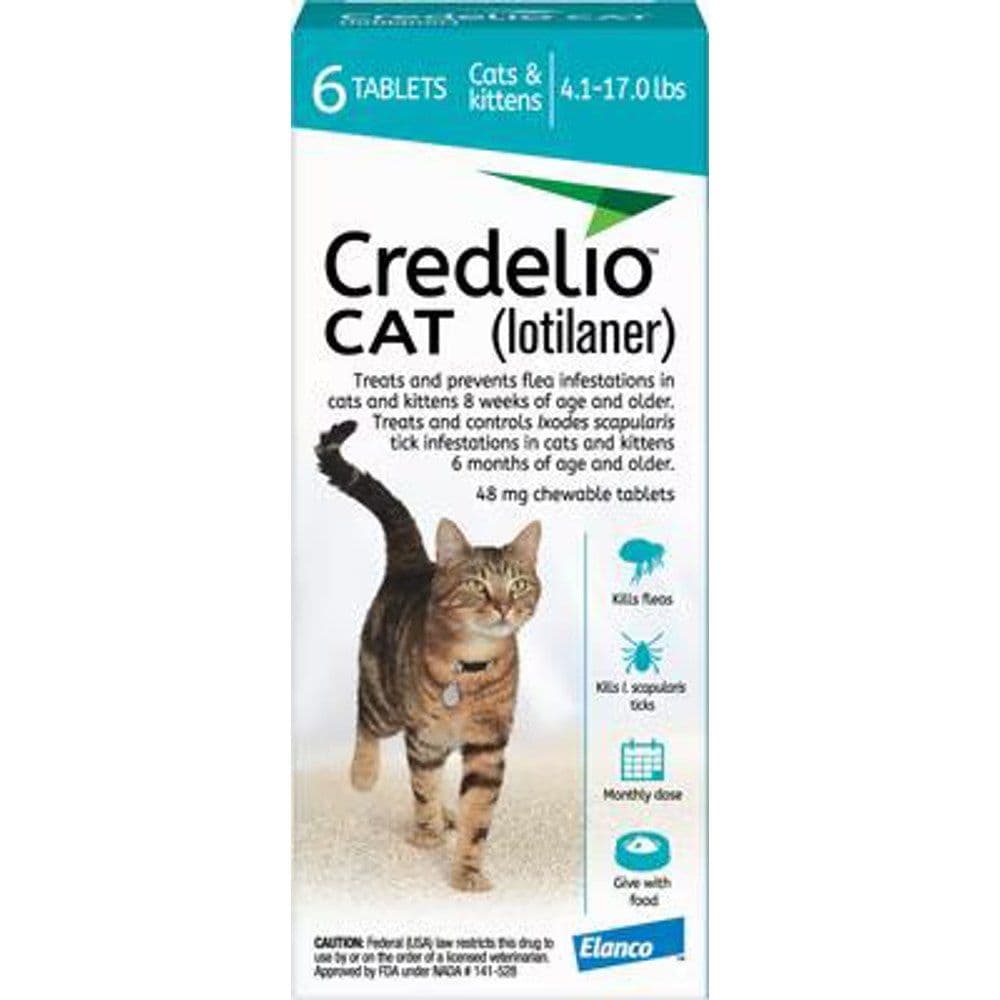
Monthly chewable tablet that kills fleas and treats and controls tick infestations in cats and kittens.
Webvet may earn a commission when you click through to Chewy, at no extra cost to you.
Symptoms of Fleas in Cats
Flea signs cluster over the back half of the body, not the ears. Watch for sudden skin rippling, biting at the rear, overgrooming that leaves thin patches or bald spots, and scabby bumps along the spine and neck (miliary dermatitis). Some cats develop full-blown flea allergy symptoms from a handful of bites.
You may also spot the fleas themselves: fast, reddish-brown, and about the size of a sesame seed. Our guide to spotting fleas on cats covers the full symptom picture, and remember that indoor cats get fleas too.
 $65 · no membership
Need flea, tick, or heartworm prevention for your cat?
A licensed vet can recommend and prescribe the right preventive for your cat online when it's appropriate.
 Talk to a vet
- Licensed vets
- All 50 states
- same-day Rx

Webvet may earn a commission if you book.
How to Tell the Difference at Home
The ear check
In good light, gently fold back each ear flap and look into the canal. Healthy feline ears are pale pink with a light film of golden wax. A heavy load of dark, dry, granular debris is the mite signature. A moist brown or yellow discharge with a strong odor points instead to a yeast or bacterial infection, which is a vet visit either way.
The flea comb test
Run a fine-toothed flea comb slowly through the coat at the tail base, then tap the comb onto a damp white paper towel. Black specks that dissolve into rusty red halos are flea dirt (digested blood), and that is a confirmed flea problem. Repeat over the lower back, belly, and neck.

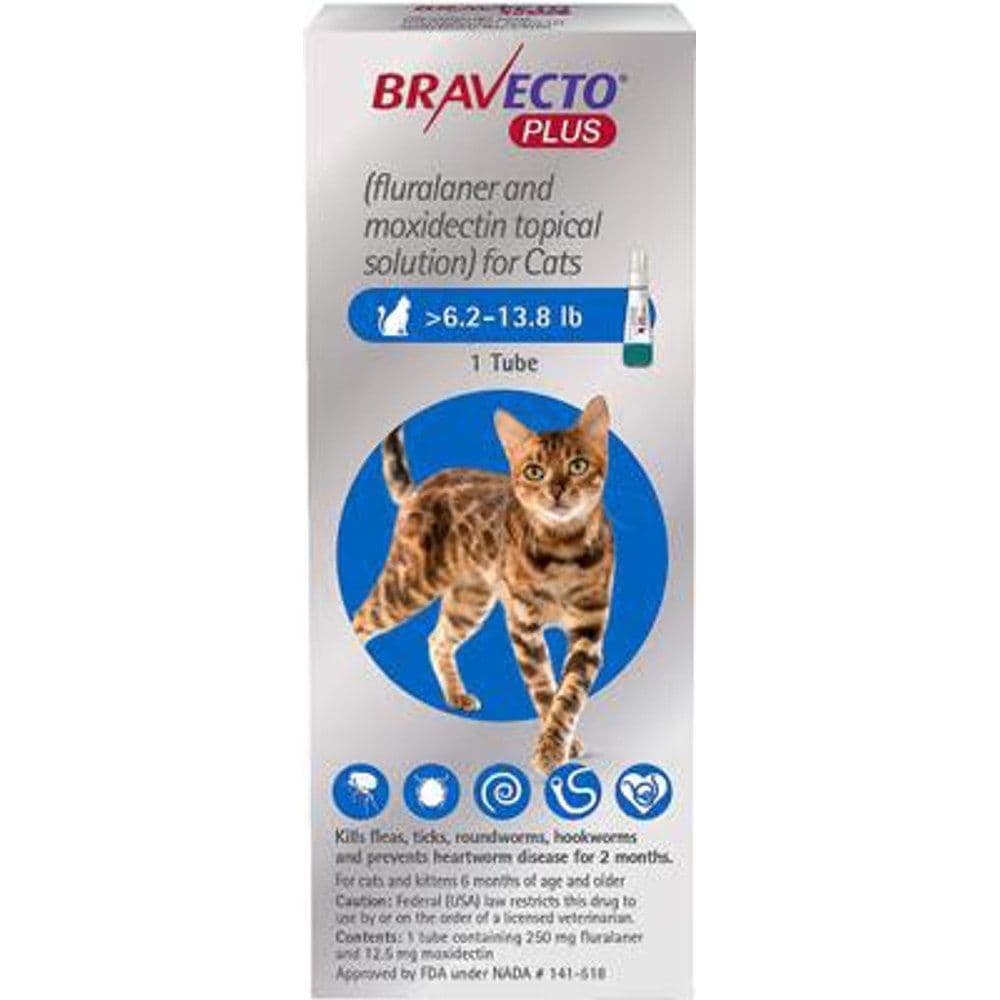
Long-lasting topical that protects cats from fleas, ticks, heartworm, roundworms, and hookworms for up to two months per dose.
Webvet may earn a commission when you click through to Chewy, at no extra cost to you.
Ear Mites vs Ear Wax vs Ear Infection
Not every dirty ear is mites, and this is where home treatment most often goes wrong. Normal feline ear wax is light golden brown, soft, and present in small amounts. Mite debris is much darker, dry, and granular, and it comes with dramatic itching.
Yeast and bacterial ear infections produce something different again: a moist, greasy, brown or yellow discharge, often with a distinct sour or foul odor and a red, swollen canal. Infections are usually one-sided; mites usually hit both ears.
The catch is that a heavy mite infestation frequently CAUSES a secondary infection, so many itchy ears have both problems at once. Each needs its own medication, which is why the microscope check matters more than any home guess.
How Vets Diagnose Ear Mites
Diagnosis is quick and painless. Your vet looks into the ear with an otoscope, where mites appear as moving white dots, then confirms by rolling a swab of debris onto a slide under the microscope. The exam also rules out the look-alikes: yeast otitis, bacterial infection, polyps, or a ruptured eardrum.
That last check matters more than most owners realize. Several ear medications are unsafe to use if the eardrum is ruptured, so confirming the canal is intact protects your cat's hearing. This is the main reason guessing at home with leftover drops can go wrong.

Ear Mites in Cats Treatment: What Actually Works
The good news: modern ear mite treatment is fast, safe, and usually a single application. The era of weeks of messy daily ear drops is over for most cats.
Prescription topicals that treat ear mites
Selamectin plus sarolaner (Revolution Plus) is a monthly spot-on that is FDA-labeled to treat ear mite infestations while also covering fleas, ticks, and other parasites. Fluralaner plus moxidectin (Bravecto Plus), a spot-on given every two months, is not FDA-labeled for ear mites in the US but is commonly prescribed off-label for them and is highly effective. With either product, one application to the back of the neck typically clears the colony, and your vet may recheck the ears in three to four weeks.
Prescription otic medications applied directly into the ear, such as milbemycin or ivermectin ear preparations, remain an option when your vet wants to treat the canal itself, usually after a professional ear cleaning removes the debris the mites hide under.
Cleaning and comfort
Your vet may perform or prescribe a gentle ear cleaning to clear the coffee-ground buildup so medication reaches the skin. If the scratching has triggered a secondary bacterial or yeast infection, an anti-inflammatory otic such as Zymox Plus Otic or a prescription equivalent calms the canal while the mite product does its job. Never push cotton swabs into the canal; clean only what you can see.

Webvet may earn a commission when you click through to Chewy, at no extra cost to you.
Why home remedies fall short
Olive oil, mineral oil, vinegar, and essential-oil mixes keep circulating online. Oils can loosen debris, but they do not reliably kill mites deep in the canal, they make a mess of the exam your vet still has to do, and some essential oils are outright toxic to cats. With single-dose prescription products this effective, smothering strategies are not worth the weeks of extra itching.
Treating Fleas If That Is the Culprit
Fleas need a different playbook because 95 percent of the infestation (eggs, larvae, and pupae) lives in your home, not on your cat. Start every pet in the household on a vet-recommended flea product: an oral option such as Credelio CAT or the same Revolution Plus topical that handles mites.
Then attack the environment: vacuum daily, wash bedding hot, and keep every pet treated for at least three consecutive months. A cat-safe flea bath with a product like Adams Plus Flea and Tick Shampoo can knock down a heavy adult load fast, but it offers no lasting protection on its own. Our step-by-step guide to getting rid of fleas on cats covers the full protocol.
One warning applies doubly in a mixed household: never use a dog flea product on a cat. Several dog formulas contain permethrin, which is toxic and potentially fatal to cats, whether applied directly or picked up by grooming a recently treated dog. Cat products, cat doses, cat labels, every time.
What Happens If Ear Mites Go Untreated
An untreated infestation escalates. Constant scratching opens the skin to bacterial infection, and violent head shaking can burst blood vessels in the ear flap, causing an aural hematoma that often needs surgical drainage. Chronic inflammation thickens the canal, trapping wax and infection in a cycle that gets harder to treat.
In severe, long-standing cases the eardrum can rupture and the infection can reach the middle ear, causing balance problems, a persistent head tilt, and even permanent hearing damage. None of this is inevitable: caught early, ear mites are one of the most fixable problems in feline medicine.
Ear Mites in Kittens
Kittens are the classic ear mite patients, usually infected by their mother or littermates before adoption. Suspect mites in any new kitten that scratches its ears or shakes its head, and have the first vet visit include an ear check.
Treatment is the same idea with stricter rules: every product has a minimum age and weight, commonly 8 weeks and around 1.2 to 2.8 pounds depending on the label. For very young or underweight kittens, vets can clean the ears and use otic medications safely until the kitten is big enough for a monthly topical. Never split an adult dose onto a kitten.
Preventing Reinfestation
- Treat every pet in the home, including dogs and ferrets; untreated housemates silently re-seed the mites
- Stay on a monthly preventive that covers ear mites, fleas, and ticks year-round
- Wash bedding and vacuum shared sleeping spots during and after treatment
- Recheck ears weekly for a month after treatment; returning debris means a follow-up visit
- Quarantine and check new arrivals, especially kittens and fosters, before they mingle
The single biggest prevention lever is the monthly preventive. Because the same topical dose that treats an active infestation also blocks the next one, most households never see a second round of mites once every pet is on a year-round product. That is a meaningful change from a decade ago, when treatment and prevention were separate purchases and reinfestation was routine.
If your cat goes outdoors, visits a groomer or boarder, or shares the house with a dog that hikes and socializes, treat year-round coverage as non-negotiable. The mites do not respect seasons, and the products protecting against them are the same ones already guarding against fleas, ticks, and heartworm.
What Ear Mite Treatment Costs
Budget-wise, ear mites are one of the cheaper parasite problems to fix. A typical path is an exam fee (often 50 to 75 dollars, more at emergency or urgent-care clinics), a possible ear cytology to rule out infection (roughly 25 to 50 dollars), and the medication itself.
A dose of a combination topical that treats mites while covering fleas, ticks, and heartworm generally runs 20 to 35 dollars per month, and many owners simply stay on it year-round afterward, which is the built-in relapse insurance. Skipping the visit to try over-the-counter drops often costs more in the end: wrong-target treatments, prolonged infestations, and a hematoma repair can turn a 150 dollar problem into a four-figure one.
When to See Your Veterinarian
Even for a textbook case, a quick exam is worth it. Confirming mites, checking the eardrum, and choosing a labeled product takes one short visit and usually one application, which is cheaper and kinder than weeks of guessing with the wrong treatment. Reference material from the Merck Veterinary Manual echoes the same advice: diagnosis first, then treatment.
Frequently Asked Questions
What kills ear mites in cats fast?
Single-dose prescription topicals are the fastest reliable option. Selamectin with sarolaner (Revolution Plus) is FDA-labeled to treat ear mites, and fluralaner with moxidectin (Bravecto Plus) is widely used off-label for them; both start killing mites within hours of application, with the colony typically cleared over the following days to weeks as eggs finish hatching.
Can a fully indoor cat get ear mites?
Yes. Indoor cats catch ear mites from new pets, foster animals, trips to the groomer or boarding facility, or contact with a dog that goes outside. The mites travel on animals rather than surviving long in the environment, so a new arrival is the most common source.
Can a human get ear mites from a cat?
It is rare. Otodectes cynotis is adapted to cats, dogs, and ferrets. Humans occasionally develop temporary itchy skin reactions after close contact with a heavily infested pet, and true human ear infestations are limited to a handful of case reports. Treating the pet resolves the exposure.
What happens if cat ear mites are left untreated?
The infestation worsens: secondary bacterial and yeast infections, aural hematomas from head shaking, thickened chronic ear canals, and in severe cases a ruptured eardrum with middle-ear involvement, balance problems, and permanent hearing damage. Early treatment prevents all of it.
Can I treat ear mites without going to the vet?
It is not recommended. The products that reliably clear ear mites are prescription medications, and mite debris looks nearly identical to yeast and bacterial infections that need different drugs. A vet also checks that the eardrum is intact, because a ruptured eardrum makes many ear medications unsafe.
How long does it usually take to get rid of ear mites in cats?
Most cats are mite-free within three to four weeks of a single application of a labeled prescription topical, which covers the full three-week mite life cycle. Itching usually improves within days. Your vet may recheck the ears at the one-month mark to confirm the colony is gone.
What kills ear mites in cats naturally?
No natural remedy is proven to clear an infestation. Oils may smother some surface mites but cannot reach deep in the canal, and several essential oils are toxic to cats. Given that modern treatment is a single vet-prescribed application, natural approaches mostly prolong the itching.
Can I cuddle my cat with ear mites?
Yes, with common sense. Human infestation is rare, so normal handling is fine. Wash your hands after ear checks, keep the cat's bedding clean, and remember the bigger risk is to your other pets: dogs, cats, and ferrets in the home should all be checked and treated.
The Bottom Line
Ears versus body: that is the fastest way to answer the cat ear mites or fleas question. Coffee-ground debris in the canal with head shaking means mites; flea dirt over the tail base with overgrooming means fleas; and a cat can absolutely have both.
Either way, the fix is a short vet visit and a modern parasite product, most of which now handle mites, fleas, and ticks in one monthly dose. Get the diagnosis confirmed, treat every pet in the house, and your cat's ears (and your sleep) will be back to normal within weeks.
And once the current problem is cleared, keep the preventive going. Twelve doses a year is a small price for never having to decode coffee grounds and flea dirt again, and it quietly protects against the heartworm, ticks, and intestinal parasites you cannot see at all.
$65 · no membershipNeed flea, tick, or heartworm prevention for your cat?
A licensed vet can recommend and prescribe the right preventive for your cat online when it's appropriate.
Talk to a vet- Licensed vets
- All 50 states
- same-day Rx
Webvet may earn a commission if you book.

Veterinarian · DVM
Athena Gaffud, DVM, is a licensed veterinarian and writer based in the Cagayan Valley of the northern Philippines. She runs the website countryvetmom.com. Dr. Gaffud earned her Doctor of Veterinary Medicine degree from the University of the Philippines Los Baños in 2011, ranking in the top 10 and receiving the Best Undergraduate Thesis Award in Large Animals. With over a decade of experience, she has worked as a researcher, a practitioner for small and large animals, and in veterinary technical sales, marketing, and pet insurance. A published author, Dr. Gaffud promotes responsible pet ownership and combats misinformation on animal care through her platforms, including the DocAthena Facebook Page and DocAthena YouTube channel. She is a writer and editor for various pet-related websites such as Total Vet, Honest Paws, PangoVet, Dogster, Catster, My Best PH, Paw Origins, Bully Max, Not a Bully, Paws and Claws CBD, many others. She was also cited in different pet-related media articles such as The Dog People, USA Today, Newsweek, New York Post, Reader’s Digest, Smithsonian Magazine, Woman’s World, Dog Time, Patch, Kinship, Martha Stewart, and many others. Moreover, she is also a published fiction author on Kindle.


