Can Indoor Cats Get Fleas or Worms? The Surprising Answer
Can indoor cats get fleas and worms? Yes, and it happens more than owners expect. A vet explains how parasites get inside, how to check your cat, and how to treat and prevent both.
Medically reviewed by Dr. Athena Gaffud, DVM · Last reviewed

This article contains affiliate links. Webvet may earn a commission when you buy through them, at no extra cost to you.
Can indoor cats get fleas? Yes, and they can pick up worms too, far more often than most families expect. Many cat parents assume four walls guarantee full protection from parasites, but that belief creates a false sense of security. Fleas ride in on clothing, shoes, dogs, or rodents, while worm eggs arrive on footwear, in potting soil, or with newly adopted kittens.
These risks matter because fleas trigger skin irritation, allergies, and anemia in severe cases, while intestinal worms affect digestion, weight, and overall health. Both parasites can also pass to people, which raises the stakes for every household with a feline family member.
This vet-reviewed guide explains how parasites reach indoor cats, how to check your cat step by step, why flea infestations linger, and how to treat and prevent both fleas and worms. The goal is simple: clear, practical information that keeps each cat safe, comfortable, and parasite-free.
- 1Indoor cats can get both fleas and worms; being inside lowers the risk but never removes it.
- 2Fleas enter on shoes, clothing, dogs, and rodents; worm eggs arrive in soil, on footwear, through prey, or from an infected mother to her kittens.
- 3Check your cat with a fine-toothed flea comb, then use the wet paper towel test: flea dirt smears reddish-brown because it is digested blood.
- 4The adult fleas you see are only about 5% of an infestation; eggs, larvae, and dormant pupae hide in carpets and bedding, which is why problems persist.
- 5Use only vet-approved flea and deworming products year-round, treat every pet in the home, and clean the environment to break the cycle.
Can Indoor Cats Get Fleas or Worms?
Indoor cats still face parasite exposure, so the answer to both questions is a clear yes. Flea eggs, larvae, and pupae enter homes on shoes, clothing, secondhand furniture, and delivery boxes. Outdoor dogs introduce adult fleas after yard time, and small gaps in window screens let insects or rodents carry in hidden stages of infestation.
Worms follow their own routes. Wildlife and household pests spread microscopic worm eggs that settle onto floors and fabrics, and cats swallow them during normal grooming. A cat that hunts an insect, a mouse, or even a stray flea can ingest a parasite along with it, which keeps indoor worms firmly on the table.
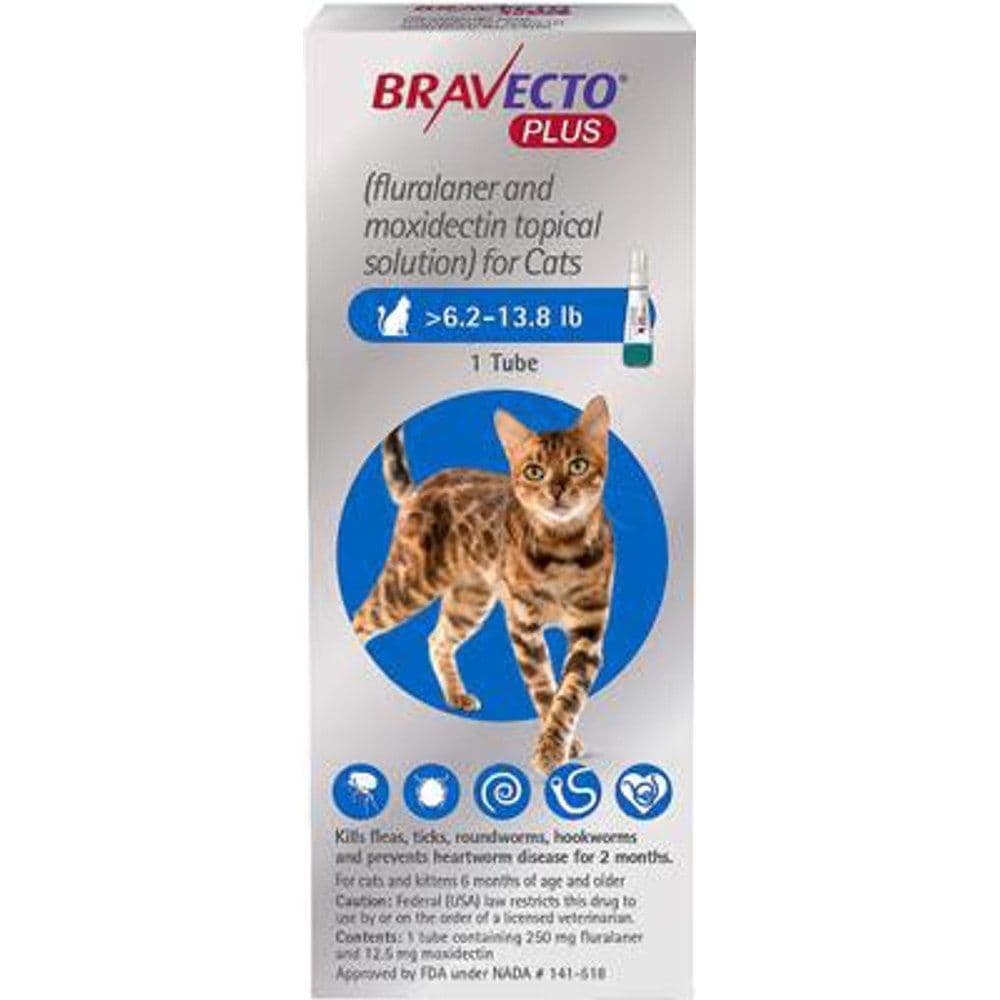
Long-lasting topical that protects cats from fleas, ticks, heartworm, roundworms, and hookworms for up to two months per dose.
Webvet may earn a commission when you click through to Chewy, at no extra cost to you.
How Fleas and Worms Get Into an Indoor Home
Indoor environments still support parasite activity, so households asking whether indoor cats can get fleas face several clear exposure routes. The most common ones are surprisingly ordinary.
- Shoes, clothing, visitors, and packages: footwear and delivered items transport flea eggs, larvae, and microscopic worm eggs indoors.
- Dogs and other pets: a dog that goes outside can bring adult fleas back to a strictly indoor cat within minutes.
- Rodents and prey insects: mice, rats, and even a stray cockroach carry flea and worm stages that a hunting cat may swallow.
- Screens, gaps, and shared hallways: fleas slip through damaged mesh or travel between apartment units through shared spaces.
- Potting soil and houseplants: garden soil often contains environmental worm eggs that transfer to paws and fur when a cat digs or brushes past.
- Moving or a new home: a previous tenant's pet can leave dormant flea pupae in carpets that hatch weeks later when your cat provides warmth and movement.
- New pets, fosters, and kittens: young kittens can acquire roundworms from their mother before birth or through nursing, and foster animals shed eggs into rugs and bedding.

How to Check Your Indoor Cat for Fleas, Step by Step
If you suspect fleas, a five-minute check at home tells you a lot before you ever call the vet. You only need a fine-toothed flea comb, a white paper towel, and a little water.
- Comb the hot spots. Run the flea comb slowly through the fur at the base of the tail, the lower back, and the back of the neck, where fleas gather most.
- Look for movement and specks. Adult fleas are fast and reddish-brown. More often you will find tiny black specks that look like ground pepper, which is flea dirt.
- Run the wet paper towel test. Tap the specks onto a damp white paper towel. If they smear rusty red or reddish-brown, that is digested blood, and it confirms fleas even when you never see a live one.

If your check turns up fleas, or if you want a fuller walkthrough of what to look for, see our guide to fleas on cats and what to do next. Not every itch is fleas, though; mites cause similar signs, which we compare in a separate article below.

Monthly topical that protects cats from fleas, ticks, ear mites, roundworms, hookworms, and heartworm.
Webvet may earn a commission when you click through to Chewy, at no extra cost to you.
The Flea Life Cycle: Why Indoor Infestations Persist
Understanding the flea life cycle explains why a small problem can explode indoors and why one dose rarely fixes it. Fleas move through four stages: egg, larva, pupa, and adult.
An adult flea lays eggs on your cat, and those eggs roll off into carpet, bedding, and floor cracks within hours. They hatch into larvae, spin into protected pupae, and emerge as new adults. According to the Cornell Feline Health Center, most fleas complete this cycle in about three to five weeks in typical indoor conditions.
The adult fleas on your cat are only about 5% of the total population. The other 95% live in the environment as eggs, larvae, and pupae. Pupae are the stubborn stage: they can stay dormant in a cocoon for weeks or even months and wait for warmth, vibration, or carbon dioxide before hatching.
That hidden reservoir is why an infestation seems to come back after you thought it was gone, and why treating the cat and the home together, for several months, is the only reliable way to break the cycle.
 $65 · no membership
Need flea, tick, or heartworm prevention for your cat?
A licensed vet can recommend and prescribe the right preventive for your cat online when it's appropriate.
 Talk to a vet
- Licensed vets
- All 50 states
- same-day Rx

Webvet may earn a commission if you book.
Signs Your Indoor Cat May Have Fleas or Worms
Flea signs usually show on the skin and coat, while worm signs show up in digestion and weight. Catching either early makes treatment simpler.
Flea signs
- Scratching, biting, or overgrooming: persistent irritation, often focused on the neck, lower back, and tail base.
- Black pepper-like specks: flea dirt in the coat is often visible before any adult flea, and it is one of the earliest reliable clues.
- Red, scabby, or thinning skin: flea allergy dermatitis causes crusty bumps and hair loss, especially near the tail.
- Pale gums in severe cases: heavy flea burdens can cause anemia, which is especially dangerous in kittens.


Crystal litter that changes color alongside some urinary changes, as a prompt to call your vet.
Webvet may earn a commission when you click through to Chewy, at no extra cost to you.
Worm signs
- Visible worms in stool or vomit: spaghetti-like roundworms or flat tapeworm pieces may appear after shedding.
- Rice-like segments near the tail: small, dried, white tapeworm segments stuck to fur or bedding are a classic sign.
- Diarrhea, vomiting, or a pot belly: digestive upset and a swollen abdomen are common, particularly in infected kittens.
- Weight loss, dull coat, or low energy: poor nutrient absorption over time drains condition and stamina.
Because swallowed fleas transmit the most common feline tapeworm, flea signs and worm signs often appear together. Clearing one without the other leaves the door open.
Diagnosis: How Vets Check Indoor Cats for Parasites
Veterinary diagnosis focuses on finding hidden parasites early, since many indoor infestations stay quiet until they are advanced.
- Fecal exam: microscopic evaluation of a stool sample for roundworms, hookworms, coccidia, or Giardia.
- Tapeworm check: inspection of visible segments near the tail, since tapeworm eggs do not always show on a routine fecal float.
- Flea comb assessment: a fine-toothed comb detects live fleas or flea dirt during the exam.
- Blood tests: used when a vet suspects anemia from heavy flea activity or chronic parasitic infection.

Kittens and newly adopted cats should be screened early, because hidden infestations are easy to miss. For a deeper look at the two most common intestinal worms, read our guide to hookworms and roundworms in cats.
Treatment for Indoor Cats With Fleas or Worms
Treatment aims to clear active infections and stop new ones. Veterinary-approved flea products give fast, reliable relief, and targeted dewormers remove roundworms, hookworms, and tapeworms with precise dosing based on your cat's weight and the parasite involved.
For fleas, fast-acting oral products can start killing adult fleas within about 30 minutes, but they do not touch eggs, larvae, or pupae. That is why a longer-acting monthly preventive is still needed to control the stages hiding in your home.
Every pet in the home needs flea treatment at the same time, not just the cat showing signs. Follow-up fecal testing confirms that intestinal worms have cleared, and consistent, year-round protection keeps both parasites from returning.
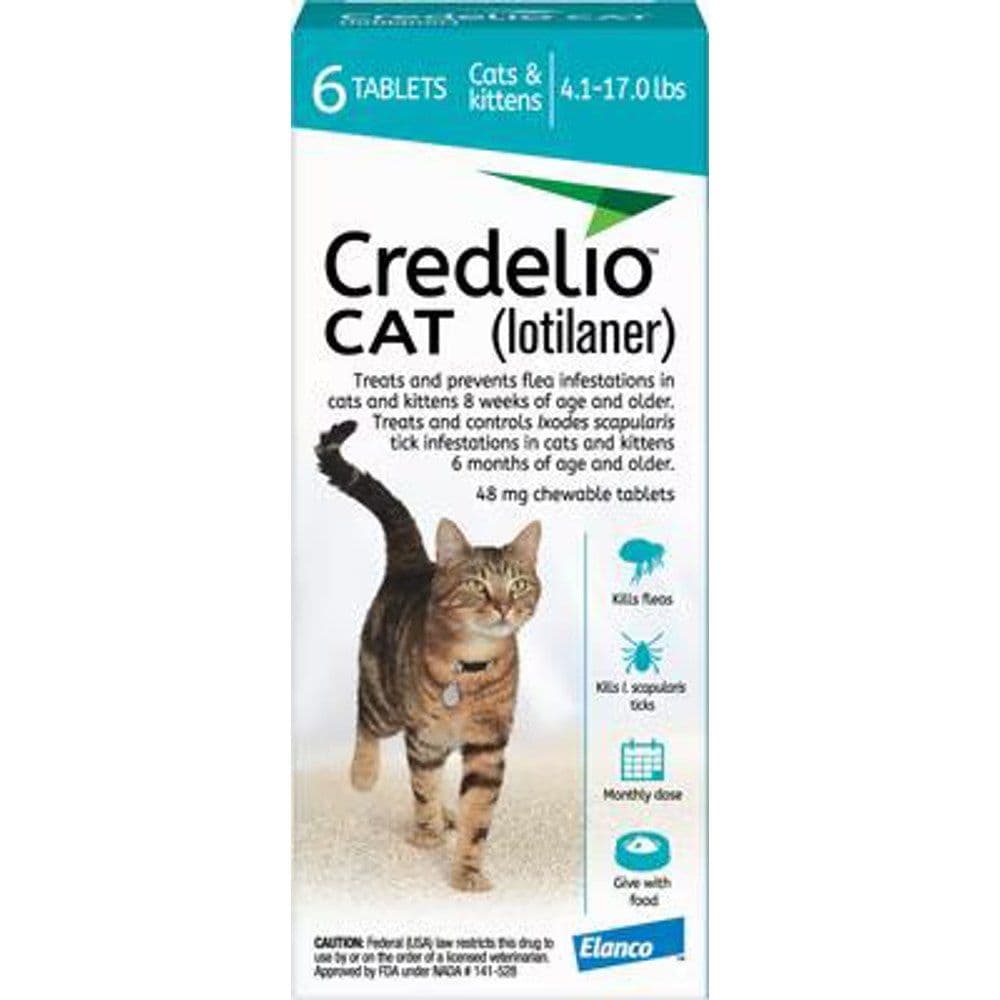
Monthly chewable tablet that kills fleas and treats and controls tick infestations in cats and kittens.
Webvet may earn a commission when you click through to Chewy, at no extra cost to you.
Home Decontamination: Clearing Fleas From Your Home
Because most of an infestation lives off the cat, treating the environment is not optional. A steady home routine over a few weeks removes eggs, larvae, and pupae before they mature.
| Step | Why it works |
|---|---|
| Vacuum daily, then throw out or seal the bag | Removes eggs, larvae, and flea dirt, and the vibration coaxes dormant pupae to hatch into treatable adults |
| Wash all pet bedding in hot water | Heat kills every flea stage; dry on high heat to finish the job |
| Treat every pet in the home together | One untreated animal keeps the cycle alive and reseeds the environment |
| Focus on carpet edges, cracks, and under furniture | These sheltered spots hold the most eggs and pupae |
| Keep up treatment for at least 3 months | Covers the full life cycle so late-hatching pupae are caught |

If the itching continues after a thorough flea treatment, the culprit may not be fleas at all. Our comparison of ear mites versus fleas helps you tell the two apart before you keep treating the wrong problem.
Do Indoor Cats Need Protection in Winter?
Winter feels like a safe season, but indoor heating keeps your home warm and humid enough for fleas to breed all year. Cold weather may slow fleas outdoors, yet the eggs and pupae already inside your carpets keep developing in a heated house.
Rodents also move indoors as temperatures drop, bringing fleas and worms with them. For these reasons, veterinarians recommend year-round parasite prevention for indoor cats rather than a seasonal pause, so a winter lull never becomes a spring infestation.
Preventing Fleas and Worms in Indoor Cats
Indoor cats stay safer when prevention is consistent. A few simple habits limit exposure and protect long-term health.
- Use year-round parasite prevention. Vet-approved products block both external and internal parasites in one routine.
- Vacuum and wash bedding regularly. Frequent cleaning removes eggs and larvae before they mature into adults.
- Treat every pet in the household. Dogs and other cats that go outside need protection too, or they will keep reintroducing fleas.
- Control rodents and manage houseplants. Sealing entry points and keeping soil covered reduces worm eggs and pests.
- Schedule routine checkups and fecal tests. Regular exams catch early infections and keep prevention plans effective.

For a broader prevention plan that covers the full range of feline parasites, see our overview of the common parasites in cats and how to prevent them.
Can Indoor Cats Spread Parasites to People?
Some feline parasites are zoonotic, meaning they can pass to humans. Roundworms and hookworms can infect people through contaminated soil or surfaces, and Giardia can spread through poor hygiene. The risk is highest for young children and anyone with a weakened immune system.
The reassuring part is that basic precautions work well. Routine handwashing, prompt litter box cleaning, keeping your cat on parasite prevention, and treating fleas quickly all lower the chance of transmission. Protecting your cat protects the whole household at the same time.
Frequently Asked Questions
Is it common for house cats to get fleas?
Yes, it is more common than most owners think. Fleas hitch rides indoors on shoes, clothing, dogs, and rodents, and dormant pupae can already be waiting in a new home. Indoor living lowers the risk but never eliminates it, so prevention still matters.
How can you tell if an indoor cat has fleas?
Comb the neck, lower back, and tail base with a fine-toothed flea comb and look for fast reddish-brown fleas or black pepper-like specks. Tap the specks onto a wet white paper towel: if they smear rusty red, that is flea dirt, and it confirms fleas even without a live one.
What should you do if your indoor cat has fleas?
Start a vet-approved flea product on your cat, then treat every pet in the home at once. Vacuum daily, wash all bedding in hot water, and keep treatment going for at least three months. Ask your vet about deworming too, since fleas transmit tapeworm.
What kills fleas on cats instantly?
Fast-acting oral products such as nitenpyram begin killing adult fleas within about 30 minutes. They only clear the adults on your cat, though, not the eggs or pupae in your home, so pair them with a monthly preventive. Always confirm the product with your veterinarian first.
Can indoor cats get worms without contact with other animals?
Yes. Microscopic worm eggs enter on footwear, hands, potting soil, or a stray insect, then settle on floors and fabric. A cat swallows them while grooming, and swallowing a single flea can pass on tapeworm, so no direct animal contact is needed.
Do indoor cats need parasite prevention year-round?
Yes. Indoor heating lets fleas breed through winter, and rodents move inside when it is cold. Flea and worm stages survive indoors all year, so veterinarians recommend continuous, year-round prevention rather than pausing during colder months.
Can humans get worms or fleas from an indoor cat?
Some parasites are zoonotic. Roundworms, hookworms, and Giardia can infect people, and the risk is highest for young children and immune-compromised individuals. Handwashing, prompt litter cleaning, and keeping your cat on prevention keep the risk low.
How often should indoor cats be tested for parasites?
Most adult cats should have a fecal test at their annual wellness exam. Kittens, newly adopted cats, and any cat with digestive signs need testing sooner and more often, since early infections are easy to overlook indoors.
Keeping Indoor Cats Protected From Parasites
Indoor cats still face fleas and intestinal worms, but simple, steady habits cut the risk dramatically. Regular checks with a flea comb, year-round prevention, routine fecal tests, and a clean home form a strong barrier against every stage of the parasite life cycle.
Watch for scratching, flea dirt, and digestive changes, act quickly with vet-approved products, and treat the whole household together. With consistent care, indoor cats stay healthy, comfortable, and fully protected all year long.
For authoritative background, the Cornell Feline Health Center on fleas, the Companion Animal Parasite Council flea guidelines, and the Merck Veterinary Manual on fleas in cats are excellent, vet-written resources.
$65 · no membershipNeed flea, tick, or heartworm prevention for your cat?
A licensed vet can recommend and prescribe the right preventive for your cat online when it's appropriate.
Talk to a vet- Licensed vets
- All 50 states
- same-day Rx
Webvet may earn a commission if you book.

Veterinarian · DVM
Athena Gaffud, DVM, is a licensed veterinarian and writer based in the Cagayan Valley of the northern Philippines. She runs the website countryvetmom.com. Dr. Gaffud earned her Doctor of Veterinary Medicine degree from the University of the Philippines Los Baños in 2011, ranking in the top 10 and receiving the Best Undergraduate Thesis Award in Large Animals. With over a decade of experience, she has worked as a researcher, a practitioner for small and large animals, and in veterinary technical sales, marketing, and pet insurance. A published author, Dr. Gaffud promotes responsible pet ownership and combats misinformation on animal care through her platforms, including the DocAthena Facebook Page and DocAthena YouTube channel. She is a writer and editor for various pet-related websites such as Total Vet, Honest Paws, PangoVet, Dogster, Catster, My Best PH, Paw Origins, Bully Max, Not a Bully, Paws and Claws CBD, many others. She was also cited in different pet-related media articles such as The Dog People, USA Today, Newsweek, New York Post, Reader’s Digest, Smithsonian Magazine, Woman’s World, Dog Time, Patch, Kinship, Martha Stewart, and many others. Moreover, she is also a published fiction author on Kindle.


