Hookworms and Roundworms in Cats: What to Know
Roundworms and hookworms rank among the most common intestinal parasites affecting kittens and adult cats. These roundworms in cats and hookworms in cats interfere with digestion, hinder healthy growth, and disrupt overall wellness.
Medically reviewed by Dr. Athena Gaffud, DVM · Last reviewed

This article contains affiliate links. Webvet may earn a commission when you buy through them, at no extra cost to you.
Roundworms and hookworms rank among the most common intestinal parasites affecting kittens and adult cats. These roundworms in cats and hookworms in cats interfere with digestion, hinder healthy growth, and disrupt overall wellness. Even indoor-only pets face exposure through contaminated soil, household pests, or debris tracked inside on shoes or clothing. Understanding these threats supports early recognition, prompt care, and long-term protection.
This article outlines what these parasites are, how they spread, early roundworm symptoms in cats or hookworm symptoms in cats, the diagnostic steps veterinarians perform, treatment options including deworming cats, and prevention strategies that strengthen health and safety. Cat parents gain practical, straightforward guidance that supports informed decisions and confident care at every stage of life.
What Are Roundworms in Cats?
Roundworms are long, spaghetti-like worms in cats that live freely in the intestines and rely on nutrients meant for the host. The two most common species are Toxocara cati and Toxascaris leonina, both of which release eggs that mature and persist in soil or litter for long periods. Cats generally become infected by accidentally ingesting these infective eggs during grooming or exploration.
Kittens face the highest risk, primarily through the ingestion of widespread environmental eggs. Toxocara cati infection can also occur through the mother's milk during nursing (transmammary transmission), especially if the mother cat acquires a new infection during late pregnancy or lactation. This leads to nutrient loss, slow growth, a dull coat, and the pot-bellied appearance often linked to roundworms in cats, making it one of the classic roundworm symptoms in cats. Toxascaris leonina, however, does not utilize this transmammary route.
What Are Hookworms in Cats?
Hookworms are tiny intestinal parasites that attach to the intestinal lining and feed on blood, creating a far greater risk for anemia than roundworms. The primary species infecting cats are Ancylostoma tubaeforme and Ancylostoma braziliense, which survive in warm, moist, contaminated environments. Larvae enter the cat's body through skin penetration or by accidental ingestion.
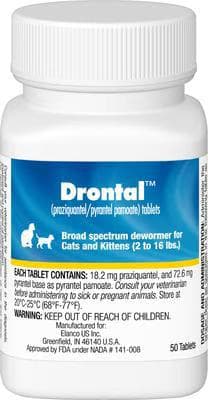
Broad-spectrum cat dewormer (praziquantel and pyrantel) that clears tapeworms, roundworms, and hookworms. For cats and kittens 2 to 16 lbs. Prescription required.
Webvet may earn a commission when you click through to Chewy, at no extra cost to you.
Unlike the larger, spaghetti-like appearance of roundworms in cats, hookworms in cats are not seen by the naked eye. Under the microscope, they appear to have large, hook-like mouthparts (buccal capsule) that attach to the intestinal walls, causing deeper tissue damage and blood loss. Young kittens are at the highest risk due to limited blood reserves, and early hookworm symptoms in cats often reflect weakness, pale gums, or poor growth.
How Cats Get Roundworms or Hookworms
There are several ways cats get roundworms or hookworms.
- Ingesting contaminated material: Eggs from soil, litter, or household surfaces enter the digestive tract during grooming or exploration.
- Rodents or insects: Small prey animals carry roundworm eggs or hookworm larvae and introduce infection when eaten.
- Tracked-in dirt: Soil on houseplants or debris brought indoors exposes pets to hardy parasite eggs linked to worms in cats.
- Nursing exposure: Kittens can acquire roundworms from an infected mother during nursing, leading to early roundworm symptoms in cats.
- Skin penetration: Hookworm larvae enter through the skin, a route associated with hookworm symptoms in cats.
Indoor cats remain at risk because microscopic eggs travel indoors on shoes, clothing, bags, and other items, leading to unexpected exposure to worms in cats, even in controlled environments.
 $65 · no membership
Need flea, tick, or heartworm prevention for your cat?
A licensed vet can recommend and prescribe the right preventive for your cat online when it's appropriate.
 Talk to a vet
- Licensed vets
- All 50 states
- same-day Rx

Webvet may earn a commission if you book.
Symptoms of Roundworms in Cats and Hookworms in Cats
Cat parents need to recognize the early and advanced symptoms of roundworms and hookworms in cats. These are briefly explained below.
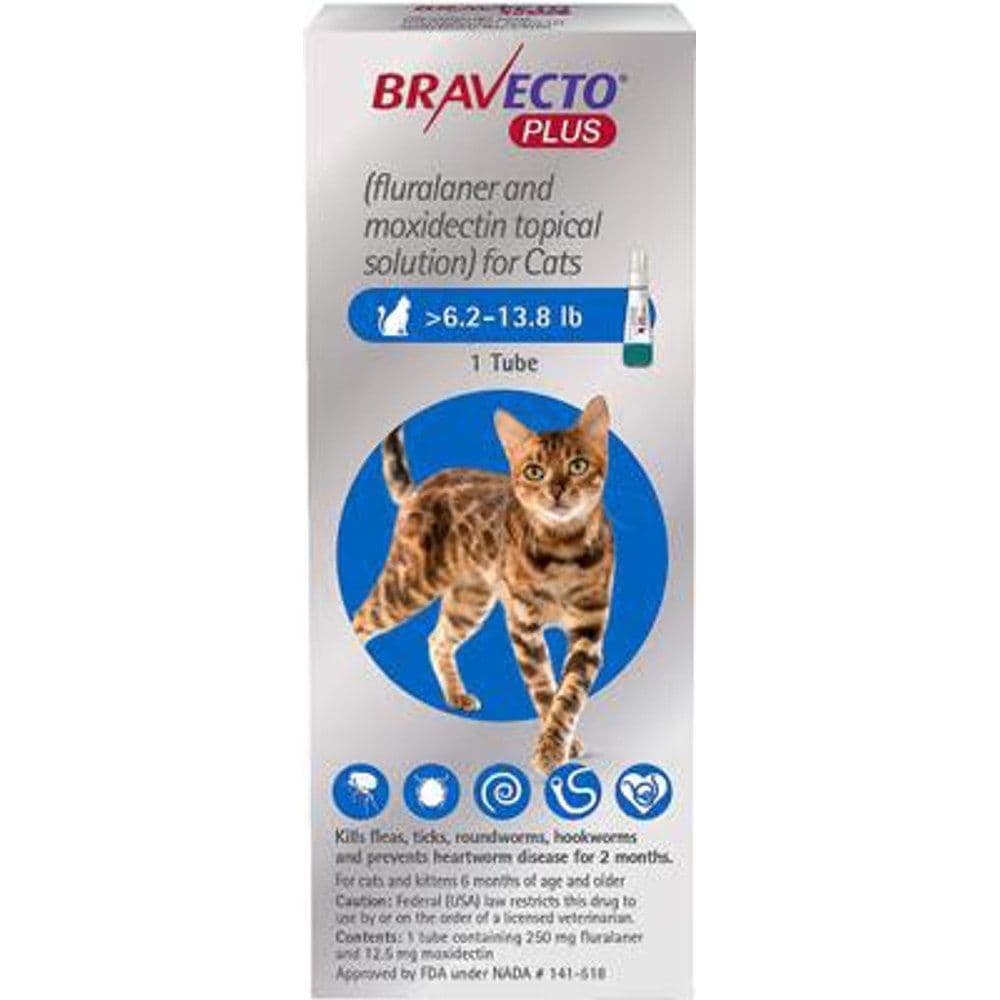
Long-lasting topical that protects cats from fleas, ticks, heartworm, roundworms, and hookworms for up to two months per dose.
Webvet may earn a commission when you click through to Chewy, at no extra cost to you.
Roundworm Symptoms:
- Pot-bellied appearance: Abdominal swelling linked to heavy roundworms in cats.
- Vomiting or diarrhea: Digestive upset associated with roundworm symptoms in cats.
- Visible worms: Long, spaghetti-like parasites seen in stool or vomit.
- Poor coat quality: Dull or rough fur due to nutrient loss.
- Weight loss: Reduced body condition despite regular eating patterns.
- Slow growth: Stunted development in kittens exposed to intestinal parasites.
Hookworm Symptoms:
- Pale gums: An Indicator of anemia associated with hookworms in cats.
- Weakness or lethargy: Low energy linked to blood loss.
- Bloody diarrhea: Intestinal irritation from the feeding activity of hookworms.
- Weight loss: Decline in body condition related to persistent blood loss.
- Rapid breathing: Increased effort during advanced anemia.
- Failure to thrive: Poor development in young kittens affected by hookworm symptoms in cats.
Some pets show subtle signs in early stages, making routine exams and prompt attention to mild changes significant for identifying worms in cats before progression.
Diagnosis: How Vets Check for Worms in Cats
Veterinarians diagnose worms in cats through fecal flotation tests that detect parasite eggs under a microscope, with repeat testing often required for kittens or newly adopted pets. A physical exam identifies anemia, muscle loss, poor coat quality, or other findings linked to roundworms in cats, hookworms in cats, or early hookworm symptoms in cats.

Never Scoop Again® with the Whisker Litter-Robot, the smart self-cleaning automatic litter box. Monitor visits and track weights for better overall care in the Whisker® app. Multi-cat friendly.
Webvet may earn a commission when you click through to Whisker, at no extra cost to you.
Discussion of the pet’s environment, exposure risks, and household factors supports accurate interpretation of results and guides the most effective approach to care, including deworming cats properly when needed.
Treatment for Roundworms and Hookworms in Cats
Treatment for worms in cats relies on veterinarian-prescribed deworming medications that eliminate adult parasites, while follow-up doses target developing larvae. Kittens follow structured schedules to address early infections linked to roundworms in cats and hookworms in cats, and severe cases involving anemia require supportive care such as fluids or nutritional support.
Follow-up fecal tests confirm full clearance, and avoiding over-the-counter products protects pets from ineffective or unsafe ingredients, ensuring thorough and responsible deworming for cats at every stage.
Preventing Hookworms and Roundworms in Cats
Preventing roundworms and hookworms in cats is possible through practical steps.
- Use year-round prevention. Veterinary parasite-control products protect cats against ongoing exposure to roundworms, hookworms, and other worms.
- Schedule regular fecal testing. Kittens and new adoptees benefit from routine checks that detect early infections before symptoms progress.
- Keep litter boxes clean. Frequent scooping reduces environmental contamination and lowers the risk of recurring parasite exposure.
- Limit access to rodents and soil. Blocking entry points and reducing contact with prey animals or contaminated soil help create safer indoor environments.
- Maintain consistent household hygiene. Cleaning floors, pet bedding, and common surfaces removes eggs that survive for long periods.
- Treat all pets when appropriate. Coordinating deworming cats and dogs in multi-pet homes prevents ongoing transmission between companions.
Can Cats Give Roundworms or Hookworms to People?
Some infections involving roundworms in cats are transmitted to humans when microscopic eggs are ingested through contaminated hands or surfaces. In rare cases, hookworm larvae penetrate human skin, causing irritation associated with exposure to the parasite. Consistent hygiene, proper litter box cleaning, and reliable parasite prevention reduce risk and support health for both pets and people, especially in households with ongoing deworming routines.
FAQs
What are the earliest signs of roundworms in cats?
Early indicators include a pot-bellied appearance, vomiting, diarrhea, visible parasites in stool, and dull coat quality. These findings align with classic roundworm symptoms in cats.
How can I tell whether a cat has roundworms or hookworms?
Roundworms appear as long, spaghetti-like parasites in stool or vomit, while hookworms in cats remain microscopic. Diagnosis relies on fecal testing performed by a veterinarian.
Can indoor cats get roundworms or hookworms?
Indoor pets are exposed to contaminated soil, insects, rodents, or tracked-in debris, increasing the risk of roundworms, hookworms, and other worms in cats.
How often should cats be dewormed?
Kittens follow structured schedules set by veterinarians, and adults receive routine parasite prevention with periodic testing as part of comprehensive deworming plans.
Can humans get roundworms or hookworms from cats?
Some roundworm eggs infect humans when swallowed, and hookworm larvae enter the skin in rare situations. Good hygiene and prevention reduce risk.
What is the safest treatment for roundworms in cats?
Veterinarian-prescribed medications offer the safest and most effective approach, providing targeted removal of roundworms in cats and supporting full recovery.
Keeping Your Cat Protected From Intestinal Parasites
Roundworms in cats and hookworms in cats remain common intestinal threats, yet both respond effectively to timely veterinary care and responsible prevention. Routine exams, stool testing, and year-round parasite protection support long-term health and limit the progression of worms in cats before discomfort develops. Early action promotes comfort, steady growth, and a thriving life at every stage, reinforced by consistently deworming cats and attentive monitoring at home.
Compare coverage choices for your pet, then request a quote directly on Lemonade.
- Check a price for your pet
- Review available coverage choices
- See the terms before you decide
Eligibility, waiting periods, limits and exclusions apply.
Webvet may earn a commission when you click through to Lemonade, at no extra cost to you.
Feature photo: Istock
$65 · no membershipNeed flea, tick, or heartworm prevention for your cat?
A licensed vet can recommend and prescribe the right preventive for your cat online when it's appropriate.
Talk to a vet- Licensed vets
- All 50 states
- same-day Rx
Webvet may earn a commission if you book.

Veterinarian · DVM
Athena Gaffud, DVM, is a licensed veterinarian and writer based in the Cagayan Valley of the northern Philippines. She runs the website countryvetmom.com. Dr. Gaffud earned her Doctor of Veterinary Medicine degree from the University of the Philippines Los Baños in 2011, ranking in the top 10 and receiving the Best Undergraduate Thesis Award in Large Animals. With over a decade of experience, she has worked as a researcher, a practitioner for small and large animals, and in veterinary technical sales, marketing, and pet insurance. A published author, Dr. Gaffud promotes responsible pet ownership and combats misinformation on animal care through her platforms, including the DocAthena Facebook Page and DocAthena YouTube channel. She is a writer and editor for various pet-related websites such as Total Vet, Honest Paws, PangoVet, Dogster, Catster, My Best PH, Paw Origins, Bully Max, Not a Bully, Paws and Claws CBD, many others. She was also cited in different pet-related media articles such as The Dog People, USA Today, Newsweek, New York Post, Reader’s Digest, Smithsonian Magazine, Woman’s World, Dog Time, Patch, Kinship, Martha Stewart, and many others. Moreover, she is also a published fiction author on Kindle.


