Fleas on Cats: How to Spot Them and What to Do Next
Fleas on cats cause more than itching. Learn to spot flea dirt, run a simple at-home test, understand the diseases fleas spread, and clear them from your cat, home, and yard for good.
Medically reviewed by Dr. Athena Gaffud, DVM · Last reviewed

This article contains affiliate links. Webvet may earn a commission when you buy through them, at no extra cost to you.
Fleas on cats are among the most common external parasites veterinarians treat, and they affect indoor and outdoor cats alike. These tiny insects cause itching, skin irritation, flea dirt, hair loss, and, in serious cases, anemia or allergic reactions. Because fleas breed so fast, a small problem becomes a big one quickly.
This vet-reviewed guide walks you through spotting fleas on cats, running a simple flea dirt test at home, understanding the diseases fleas spread, and choosing safe, effective treatment. You will also learn how to clear fleas from your home and yard so they do not come back.
- 1Fleas on cats are tiny brown-black insects. The easiest early sign is flea dirt, which looks like black pepper and smears reddish-brown on a damp white paper towel.
- 2Only about 5 percent of a flea problem is the adults you see on your cat. The rest (eggs, larvae, and dormant pupae) live in your home, which is why fleas keep coming back.
- 3Fleas do more than itch: they spread tapeworms, can cause life-threatening anemia in kittens, trigger flea allergy dermatitis, and carry the bacteria behind cat-scratch disease.
- 4Use a vet-recommended flea preventive on every pet in the home, year-round, and treat the environment at the same time.
- 5Plan on 3 to 6 months of consistent treatment to fully break the flea life cycle.
What Do Fleas on Cats Look Like?
Fleas on cats are small, fast-moving insects, roughly the size of a sesame seed, that look brown or black as they dart through the coat. Their flat bodies slip easily between hairs, so you may catch only a glimpse before they disappear.
The more reliable clue is flea dirt: tiny black, pepper-like specks of digested blood left on the skin. It collects most along the neck, lower back, and base of the tail. Because cats groom so thoroughly, even a few specks are strong evidence of fleas on cats.
The Flea Life Cycle and Why It Matters
Understanding the flea life cycle explains why fleas on cats are so hard to shake. Fleas move through four stages: egg, larva, pupa, and adult. The adults you see on your cat are only a small fraction of the total population.
A single female flea can lay around 20 eggs a day. Those eggs fall off your cat into carpet, bedding, and floor cracks, where they hatch into larvae, then spin cocoons and become pupae.
The pupa is the problem stage. Pupae can stay dormant inside protective cocoons for weeks to many months, shielded from most sprays, waiting for warmth and vibration that signal a host is near.
Per Cornell's Feline Health Center, the whole cycle takes about a month in ideal conditions but can stretch toward a year when it is cool and dry. That built-in delay is exactly why a single treatment is never enough.

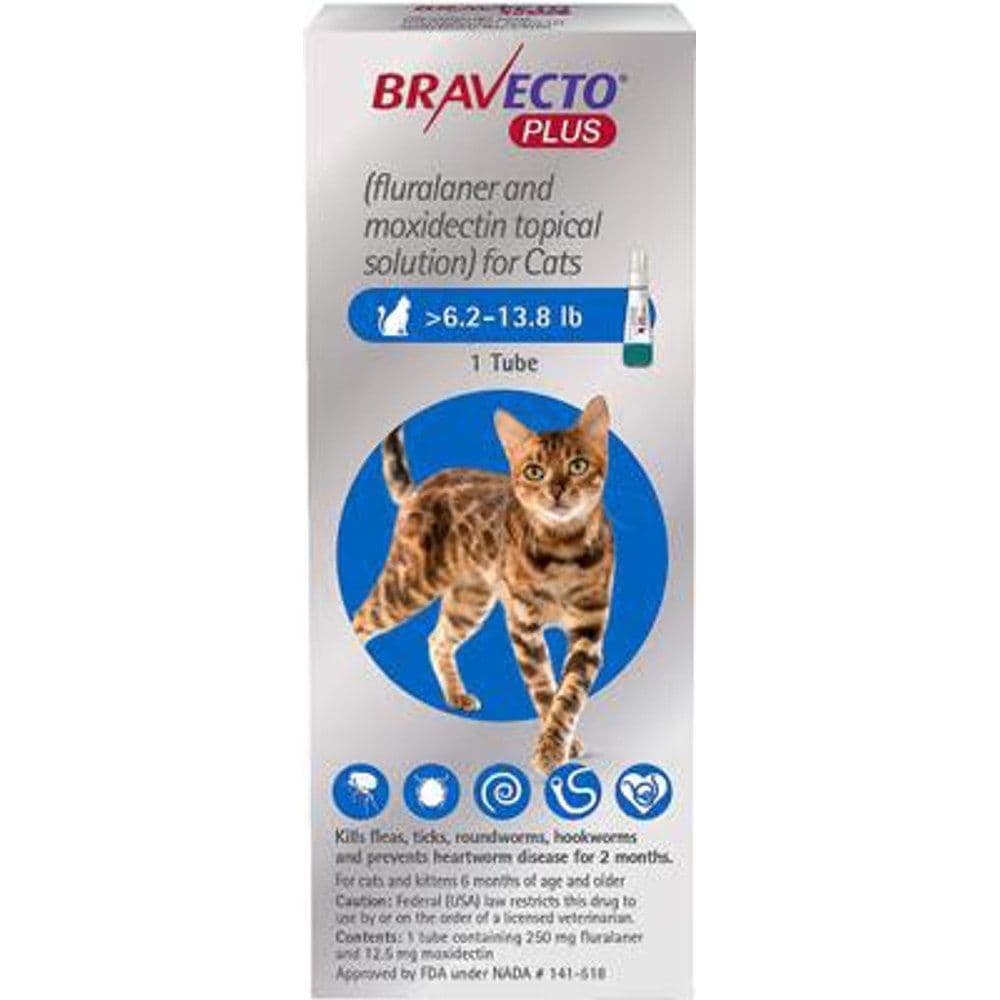
Long-lasting topical that protects cats from fleas, ticks, heartworm, roundworms, and hookworms for up to two months per dose.
Webvet may earn a commission when you click through to Chewy, at no extra cost to you.
How to Check for Fleas on Cats
To check for fleas on cats, you do not need special equipment. Work through these steps in good light, focusing on the neck, belly, back, and tail base where fleas gather.
- Use a flea comb. A fine-toothed comb drags live fleas and dark debris out of the coat. Comb over a sheet of white paper so anything that falls is easy to see.
- Run the flea dirt test. Take the specks you combed out, place them on a damp white paper towel, and wait a few seconds. If they smear reddish-brown, that is flea dirt (digested blood), and it confirms active fleas on cats.
- Look for scabs or hair loss. Irritated skin, thinning fur, or small scabs, especially near the tail base, point to flea allergy dermatitis.
- Inspect bedding and furniture. Dark specks or tiny hopping insects on blankets, resting spots, and upholstery show fleas are active in the environment, not just on your cat.

Frequent grooming removes much of the visible evidence, so even a trace of flea dirt is worth acting on. If you are unsure whether it is fleas or another skin problem, our guide on cat ear mites or fleas can help you tell them apart.

Monthly topical that protects cats from fleas, ticks, ear mites, roundworms, hookworms, and heartworm.
Webvet may earn a commission when you click through to Chewy, at no extra cost to you.
Signs of Fleas on Cats
The list below explains the subtle and obvious symptoms that help cat parents recognize fleas on their cats early.
- Frequent scratching or biting: Persistent skin irritation linked to active fleas on cats.
- Redness or small bumps: Inflammation focused around the neck or tail base.
- Poor coat quality or hair loss: Thinning fur or rough texture associated with ongoing irritation.
- Small scabs: Lesions typical of flea allergy dermatitis that benefit from prompt cat flea treatment.
- Restlessness or behavioral changes: Increased agitation or difficulty settling due to discomfort.
- Pale gums: A sign of significant blood loss in severe infestations, and a red flag in kittens.
- Excessive grooming: Repeated licking to soothe the itch, which also removes visible evidence such as flea dirt on cats.
 $65 · no membership
Need flea, tick, or heartworm prevention for your cat?
A licensed vet can recommend and prescribe the right preventive for your cat online when it's appropriate.
 Talk to a vet
- Licensed vets
- All 50 states
- same-day Rx

Webvet may earn a commission if you book.
How Do Indoor Cats Get Fleas?
It is a common myth that indoor cats are safe from fleas. In reality, fleas are expert hitchhikers, and an indoor-only cat can still end up infested.
Fleas and their eggs ride in on your clothes and shoes, on dogs and other pets that go outside, and on rodents or wildlife that slip into basements, garages, and attics. Once a few fleas get in, a warm home lets them breed year-round.
This is why indoor cats need flea prevention too. We cover the specifics in our guide on whether indoor cats can get fleas and worms.
Diseases Fleas Cause in Cats
Fleas on cats are more than an itchy nuisance. Beyond the constant scratching, they transmit parasites and disease, and heavy infestations can be dangerous, especially for kittens.
| Health problem | Why fleas cause it |
|---|---|
| Tapeworms | Cats swallow infected fleas while grooming. The flea carries Dipylidium caninum, the most common tapeworm in cats, so a cat with fleas very often has tapeworms too. |
| Anemia in kittens | Each flea takes repeated blood meals. In kittens or small, weak cats, a heavy infestation can drain enough blood to cause life-threatening anemia and pale gums. |
| Flea allergy dermatitis | Some cats are allergic to flea saliva. A single bite can trigger intense itching, crusty bumps, and hair loss, often around the lower back and tail base. |
| Cat-scratch disease (Bartonella) | Fleas spread Bartonella bacteria between cats. An infected cat can then pass it to a person through a scratch or bite, causing cat-scratch disease. |
Because fleas and intestinal worms so often travel together, it is worth reading up on the other parasites cats carry. See our overviews of common parasites in cats and hookworms and roundworms in cats.
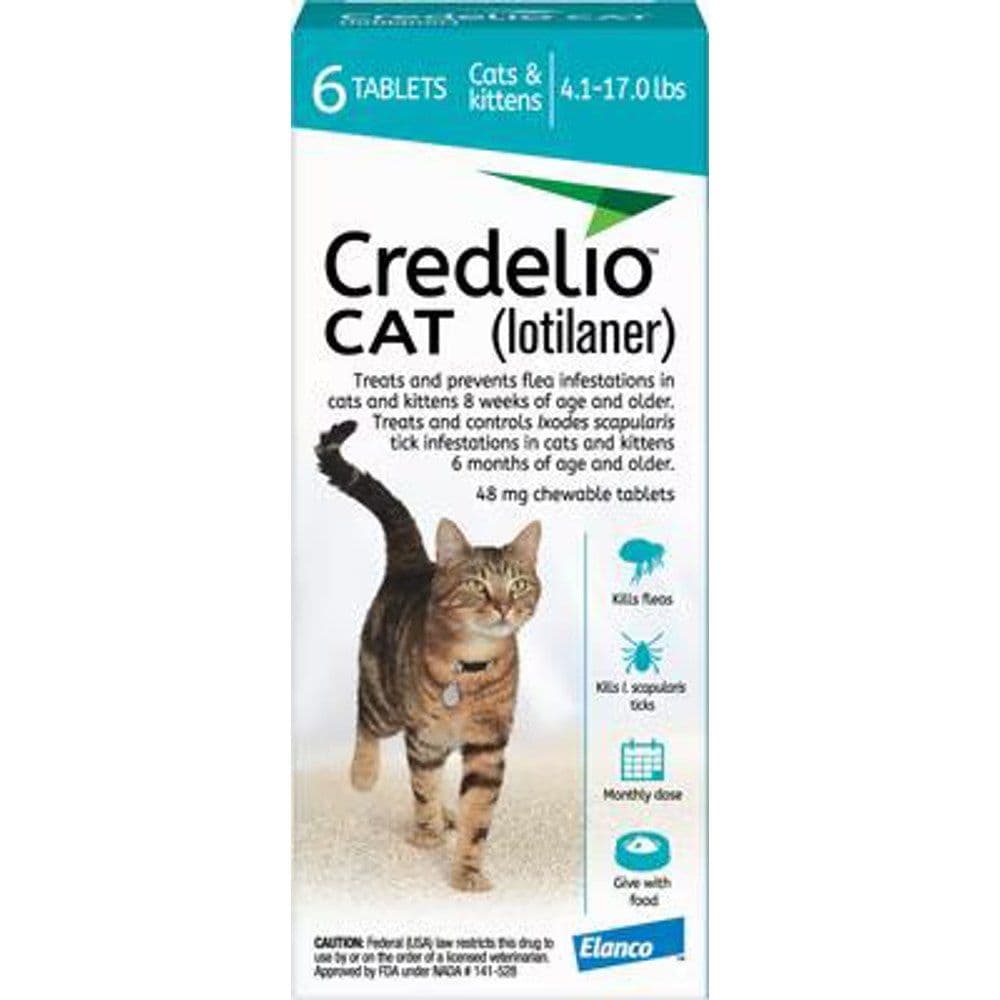
Monthly chewable tablet that kills fleas and treats and controls tick infestations in cats and kittens.
Webvet may earn a commission when you click through to Chewy, at no extra cost to you.
Diagnosis: How Vets Confirm Fleas on Cats
Veterinarians confirm fleas on cats through a focused examination that includes using a flea comb to detect live insects or flea dirt on cats, followed by a careful skin assessment for lesions linked to flea allergy dermatitis. In severe infestations, they check gum color and overall condition for signs of anemia, which is why blood tests are sometimes needed.
The appointment also includes a review of recent exposures, such as new environments or animals, along with a discussion of other pets in the home, to ensure a complete and coordinated approach to getting rid of fleas on cats using safe, effective cat flea treatment options.
Treatment for Fleas on Cats
There are several safe, effective flea treatment options for cats, and your veterinarian can match the right one to your cat's age, weight, and health.
- Veterinary topical or oral treatments: Prescription cat flea treatment or flea medicine for cats designed to eliminate active parasites safely and quickly.
- Treating all pets in the home: Coordinated parasite control that addresses every animal to stop the spread of fleas on cats.
- Environmental cleaning: Thorough vacuuming and washing of bedding and soft surfaces to remove eggs, larvae, and debris.
- Life-cycle control products: Treatments that target larvae and eggs to support long-term success in how to get rid of fleas on cats.
- Avoiding unsafe over-the-counter options: Some dog flea products contain permethrin, which is toxic to cats, so never use a dog product on a cat and confirm any purchase with your vet.

A complete treatment plan relies on precise dosing and proper application, making strict adherence to veterinary instructions essential for rapid, reliable results.
Treating Your Home and Yard (and Why Fleas Come Back)
Treating your cat is only half the job. Because most of the flea population lives in your home as eggs, larvae, and pupae, you have to treat the environment at the same time, or the fleas will return.
Vacuum thoroughly and often, focusing on carpets, along baseboards, under furniture, and anywhere your cat rests. Vacuuming lifts eggs and larvae, and the vibration coaxes dormant pupae to hatch so treatment can reach them. Empty the vacuum outside afterward.
Wash all pet bedding and any washable soft furnishings in hot water. For yards, keep grass short and treat the shaded, humid spots where pets rest, since that is where outdoor fleas concentrate.
Here is the part owners miss: fleas keep coming back because pupae keep hatching for weeks after you start. According to VCA Animal Hospitals, you should keep every pet on flea control for 3 to 6 months to let all the hidden stages emerge and be killed.
Dogs in the home need the same treatment. Our guide on fleas on dogs covers canine-safe options so the whole household is protected at once.

Wearable glove wipes that let you freshen and wipe down a dog's or cat's coat and skin without a full bath, while a fabric layer stays between your hand and the pet.
Webvet may earn a commission when you click through to Chewy, at no extra cost to you.
Preventing Fleas on Cats
Listed below are reliable and straightforward preventive measures against fleas on cats.
- Use year-round flea prevention. Consistent cat flea treatment or cat flea medicine supports ongoing protection, even through winter.
- Keep bedding clean. Regular washing and frequent vacuuming help reduce eggs, larvae, and lingering debris.
- Brush and check the coat often. Routine grooming helps detect fleas early and supports swift action to eliminate them.
- Limit access to wildlife. Securing windows, entry points, and outdoor-facing areas reduces exposure to pests that carry fleas indoors.
- Protect every pet in the home. Coordinated prevention stops shared infestations and maintains a consistent barrier against fleas on cats.
Using a multi-faceted approach that combines veterinary-approved preventatives and flea medicine for cats with regular environmental cleaning is the best way to protect your cat's health and keep the home free of fleas.
Can Fleas on Cats Spread to People or Other Pets?
Fleas bite humans but strongly prefer animal hosts, making fleas on cats a primary source of household exposure. An infested cat spreads parasites to other pets, and bites cause itching and irritation for people. Good hygiene, consistent cat flea treatment, and appropriate flea medicine for cats reduce ongoing transmission in shared environments.
FAQs
What are the earliest signs of fleas on cats?
Early indicators include scratching, overgrooming, small scabs, and specks of flea dirt near the neck or tail base. Because cats groom away much of the evidence, finding even a little flea dirt is often the first solid clue that fleas on cats are present.
How can I tell if my cat has flea dirt on their coat?
Comb debris from the coat onto a damp white paper towel. Flea dirt looks like black pepper-like specks that smear reddish-brown when wet, because it is digested blood. That reddish smear confirms active fleas, even if you never see the insects themselves.
Can indoor cats get fleas?
Yes. Indoor cats stay at risk through contact with visitors, clothing, other pets, or rodents and insects entering the home. Fleas are skilled hitchhikers, so routine cat flea treatment is essential even for cats that never go outside.
What is the safest flea treatment for cats?
Veterinary-prescribed flea medicine for cats is the safest and most reliable option, because it is formulated for feline physiology. Never use a dog flea product on a cat: some contain permethrin, which is toxic to cats. When in doubt, ask your veterinarian first.
How long does it take to get rid of fleas on cats?
Visible improvement starts soon after treatment, but full resolution takes longer. Because pupae keep hatching, plan on 3 to 6 months of consistent treatment plus environmental cleaning to break the flea life cycle and stop reinfestation for good.
Can fleas on cats spread to humans or other pets?
Yes. Fleas bite humans and transfer easily between pets, which is why preventive care and coordinated treatment across the whole household matter. Fleas can also pass tapeworms and cat-scratch bacteria, so clearing them protects people and other animals, not just your cat.
Can humans catch fleas from cats?
Not in the way you might think. Cat fleas prefer feline hosts and rarely live on people, but they will bite humans, causing itchy red bumps, often around the ankles. They can also pass tapeworms and cat-scratch bacteria, so clearing fleas from your cat protects the whole household.
Do I have to treat my house if my cat has fleas?
Yes. Only about 5 percent of fleas live on your cat; the other 95 percent (eggs, larvae, and pupae) are in your carpets, bedding, and floors. If you treat only your cat, the hidden stages keep hatching. Vacuum often, wash bedding in hot water, and continue treatment for 3 to 6 months.
Can you touch your cat if it has fleas?
Yes, you can safely handle and comfort a cat with fleas. The fleas may hop onto you briefly and bite, but they will not make a home on your skin. Wash your hands afterward, and start vet-approved flea treatment quickly so the infestation does not spread through your home.
Helping Your Cat Stay Comfortable and Flea Free
Fleas on cats remain a common issue, yet each infestation stays manageable through prompt recognition, targeted cat flea treatment, and consistent prevention. Year-round protection, paired with attention to early signs such as scratching or flea dirt, supports quick action and steady progress in getting rid of fleas on cats.
Veterinary guidance strengthens every treatment plan, and ongoing use of safe flea medicine for cats maintains long-term comfort. With proactive care, environmental cleanup, and dependable prevention, every cat stays healthier, more comfortable, and fully protected.
$65 · no membershipNeed flea, tick, or heartworm prevention for your cat?
A licensed vet can recommend and prescribe the right preventive for your cat online when it's appropriate.
Talk to a vet- Licensed vets
- All 50 states
- same-day Rx
Webvet may earn a commission if you book.

Veterinarian · DVM
Athena Gaffud, DVM, is a licensed veterinarian and writer based in the Cagayan Valley of the northern Philippines. She runs the website countryvetmom.com. Dr. Gaffud earned her Doctor of Veterinary Medicine degree from the University of the Philippines Los Baños in 2011, ranking in the top 10 and receiving the Best Undergraduate Thesis Award in Large Animals. With over a decade of experience, she has worked as a researcher, a practitioner for small and large animals, and in veterinary technical sales, marketing, and pet insurance. A published author, Dr. Gaffud promotes responsible pet ownership and combats misinformation on animal care through her platforms, including the DocAthena Facebook Page and DocAthena YouTube channel. She is a writer and editor for various pet-related websites such as Total Vet, Honest Paws, PangoVet, Dogster, Catster, My Best PH, Paw Origins, Bully Max, Not a Bully, Paws and Claws CBD, many others. She was also cited in different pet-related media articles such as The Dog People, USA Today, Newsweek, New York Post, Reader’s Digest, Smithsonian Magazine, Woman’s World, Dog Time, Patch, Kinship, Martha Stewart, and many others. Moreover, she is also a published fiction author on Kindle.


