Histoplasmosis in Dogs: Symptoms, Diagnosis, and Treatment
Histoplasmosis is a fungal infection dogs pick up from soil enriched with bird or bat droppings. The signs that matter, how vets confirm it, months of antifungal treatment, the outlook, and when to go in now.

BVMS MRCVS
Medically reviewed by Dr. Pippa Elliott, BVMS MRCVS · Last reviewed

This article contains affiliate links. Webvet may earn a commission when you buy through them, at no extra cost to you.
Histoplasmosis in dogs: what it is, the signs that matter, and why it needs a vet
Histoplasmosis in dogs is a fungal infection caused by Histoplasma capsulatum, a fungus that lives in soil enriched with bird or bat droppings. Dogs usually catch it by breathing in spores and less often by swallowing them, according to VCA Animal Hospitals and the Merck Veterinary Manual.
In the United States, histoplasmosis in dogs is most common in the Ohio and Mississippi River valleys. Long-lasting diarrhea with weight loss is a hallmark sign in dogs, along with cough, fever, and tiredness. It needs vet testing and months of prescription antifungal treatment, so a dog with these signs in fungus country should see a vet soon.
- 1Know what histoplasmosis is: a chronic fungal infection caught from the environment, not from other dogs.
- 2Know where the fungus lives: soil mixed with bird droppings or bat guano, mainly in the Mississippi, Ohio, and Missouri river valleys.
- 3Weeks of diarrhea, weight loss, poor appetite, cough, or fever in a dog from those areas deserve a vet visit and a fungal test.
- 4Labored breathing, bloody or tarry stools, pale or yellow gums, or collapse need a vet the same day.
- 5Treatment usually means at least 6 months of a prescription antifungal such as itraconazole, with rechecks.
The signs are often vague. Merck lists weight loss, fever, pale gums, and enlarged lymph nodes as the usual pattern. Fever matters because it helps your vet track the infection, and our guide to fever in dogs explains how to take a dog's temperature at home.
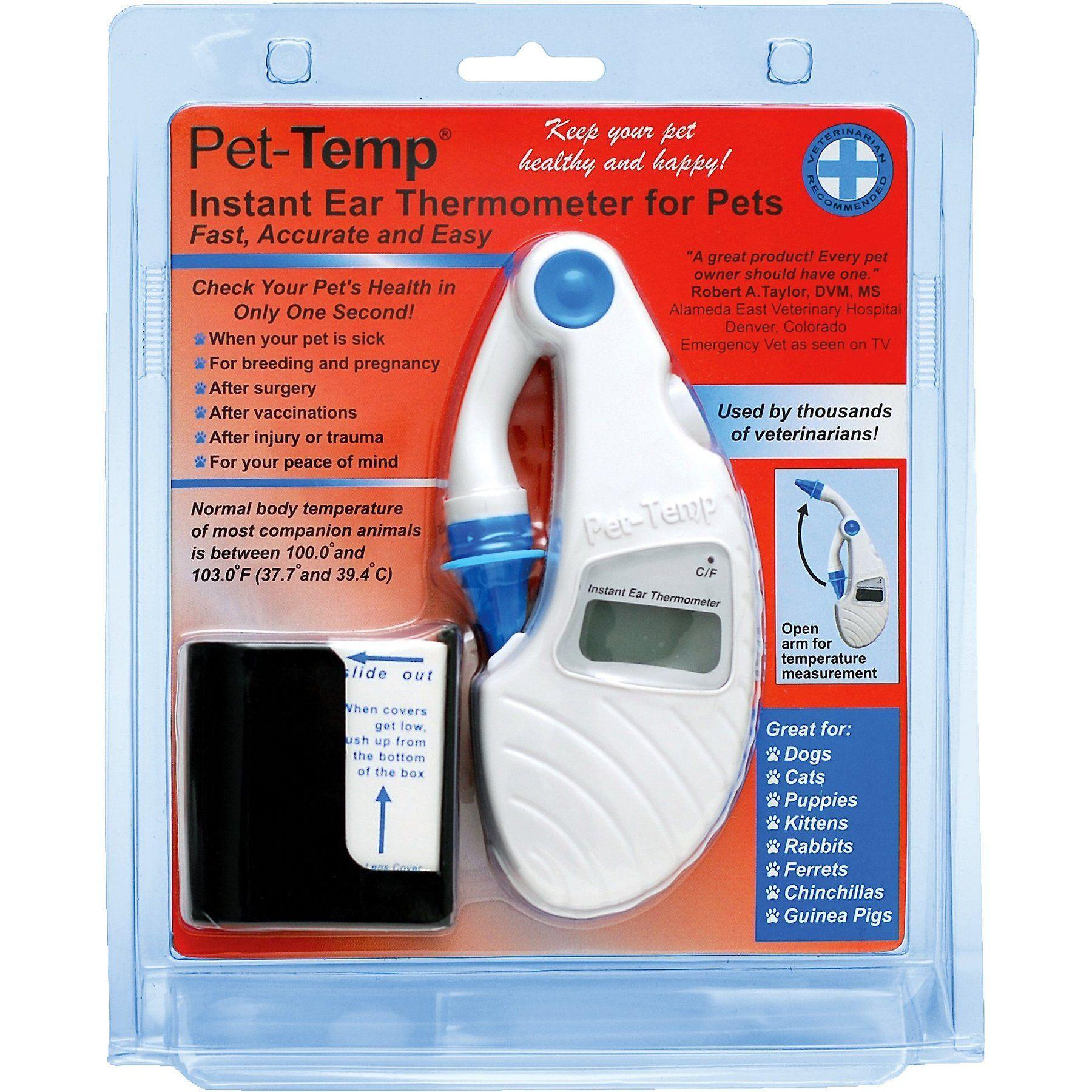
An ear thermometer for checking your dog's temperature at home and sharing the readings with your vet between visits.
Webvet may earn a commission when you click through to Chewy, at no extra cost to you.
Merck also notes that dogs are more likely than cats to have diarrhea, an enlarged liver, or fluid in the belly. A cough can look like ordinary pneumonia in dogs, and the CDC notes the same mix-up delays diagnosis in people.

Is histoplasmosis an infection?
Yes. Histoplasmosis is an infection caused by a living fungus, Histoplasma capsulatum. The CDC describes it as a lung infection caused by breathing in fungal spores from the environment. In dogs, VCA explains, the fungus can stay in the lungs or gut, or spread to the lymph nodes, spleen, liver, bone marrow, skin, or eyes. It does not pass from dog to dog.
Young dogs are affected most. VCA notes that most dogs that develop histoplasmosis are young, large-breed dogs, so a vet will consider histoplasmosis in puppies and young dogs from an endemic area that keep losing weight. Size shapes the pattern too: in a study of 79 dogs, working and herding breeds mostly had the disseminated form, while toy breeds mostly had the gut form.
If your dog is diagnosed, treatment is long. Merck recommends a minimum of 6 months of antifungal medicine and notes many dogs need more than 12 months. Most of that work happens at home, one capsule at a time, so a calm daily routine matters from the first dose.
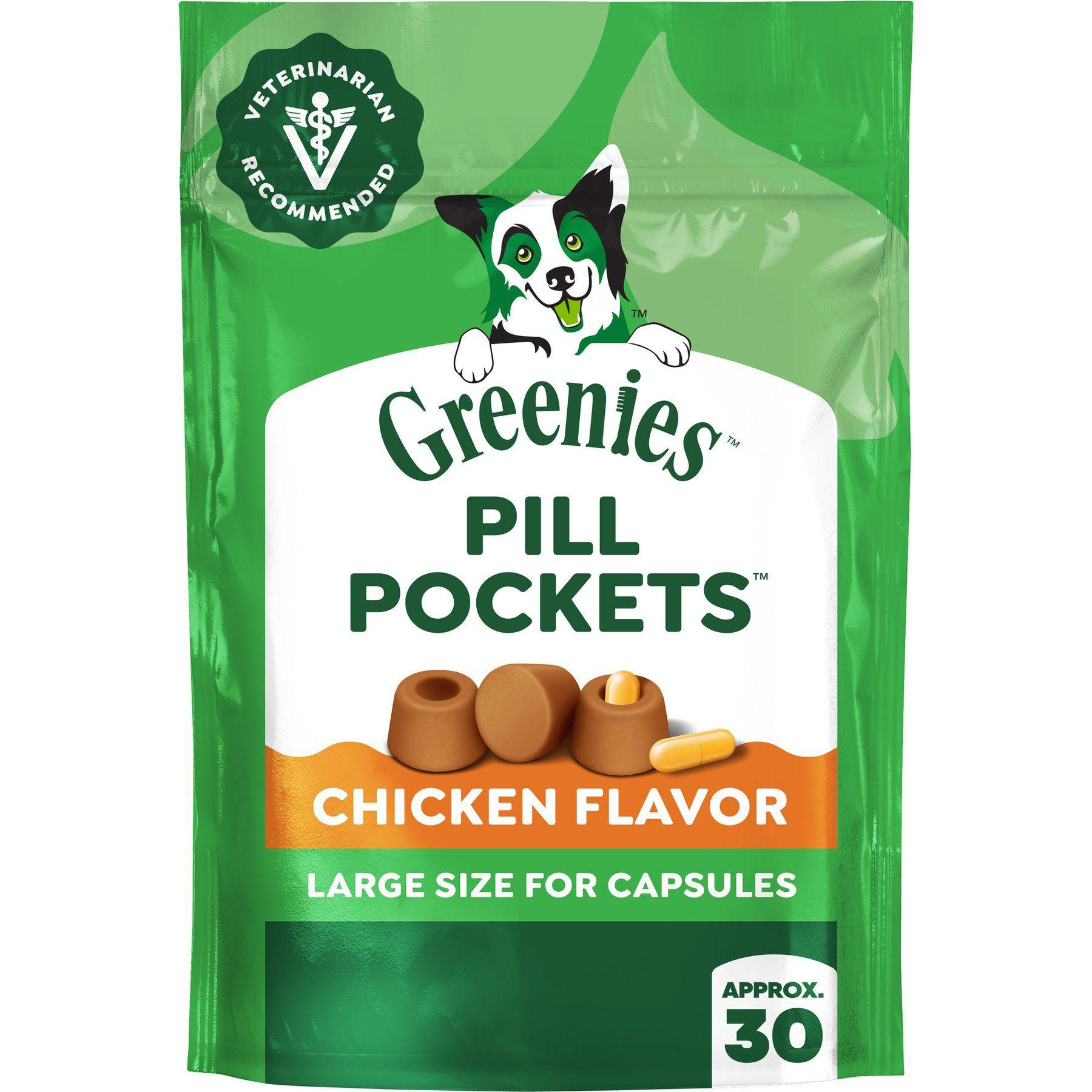
Capsule-size soft treats that can make a daily antifungal capsule easier to give over many months.
Webvet may earn a commission when you click through to Chewy, at no extra cost to you.
Where histoplasmosis occurs, how dogs get it, and whether it spreads to people
The fungus grows in warm, moist soil that contains bird or bat droppings, including soil fouled by chickens, pigeons, starlings, and blackbirds, per VCA. Merck notes it is especially concentrated in bat guano. The CDC explains that spores are released into the air when contaminated soil is disturbed.
Key North American regions, per VCA and Merck:
- The Mississippi River valley and the Ohio River valley, which Merck calls highly endemic
- The Missouri River valley
- In Canada, the southern Great Lakes, the St. Lawrence River, and Alberta

The main cause of histoplasmosis in dogs is inhaling spores, and swallowing them can start an infection in the intestines, per VCA. Heavy exposure raises the risk, likely why Pointers, Weimaraners, Brittany spaniels, and other hunting breeds appear more often.
How common is histoplasmosis in dogs?
Dogs and cats are the animals that usually get sick: Merck notes disease is uncommon to rare in all other species. Cases cluster in the river valleys above, and exposure is far more common than illness, because the CDC says many cats and dogs exposed to Histoplasma never get sick.
Can humans get histoplasmosis from dogs?
No. The CDC states that histoplasmosis does not spread between people or between people and pets, and VCA explains that the fungus changes inside an animal to a form that does not appear infectious to people. Wear gloves for draining sores, wash your hands, and tell your doctor about your dog's diagnosis, especially if anyone at home is very young, elderly, or immunocompromised.

 Sponsored
Have a health question about your dog?
Talk to a licensed vet at Dutch over video or message, including nights and weekends.
Use code Pets60
Plans start at $12/month · covers up to 5 pets
- Licensed vets in most states
- Rx for 150+ conditions
- 4.7 on Trustpilot
Histoplasmosis symptoms in dogs: gut, lung, and disseminated forms
| Form | Signs owners notice | How urgent | Typical treatment path |
|---|---|---|---|
| Gut (intestinal) | Weeks of diarrhea, bloody or tarry stools, straining, weight loss, poor appetite, sometimes vomiting | Vet visit within days; urgent same-day care for bloody or tarry stools or weakness | Cytology of a rectal scraping, then months of an oral antifungal |
| Lung | Chronic cough, fast or labored breathing, fever, tiredness | Urgent same-day care for labored breathing; prompt visit for a lingering cough | Chest X-rays and urine antigen testing, then months of an oral antifungal |
| Disseminated (spread through the body) | Weight loss, fever, pale gums, swollen lymph nodes, eye changes, limping, skin sores, swollen belly | Urgent, often same day; very sick dogs may need hospital care | Oral antifungal for at least 6 months, often over 12; amphotericin B added in severe cases |
VCA notes that intestinal involvement is more common in dogs. Signs of histoplasmosis in dogs follow where the fungus settles:
- Intestinal histoplasmosis: persistent diarrhea, tarry or bloody stools, and straining, per VCA, plus profound weight loss and vomiting, per a Kansas State ultrasound study
- Lung form: labored breathing or a chronic cough; our guide on why a dog is coughing covers other causes
- Disseminated histoplasmosis: enlarged liver, spleen, or lymph nodes, throat or gut ulcers, draining skin lesions, eye infection, and lameness, per VCA

Skin histoplasmosis in dogs is usually part of disseminated disease, with weeping, ulcerated, nodular lesions, per Merck. Eye involvement can mean optic nerve inflammation or retinal detachment, so a red or cloudy eye needs the same prompt care as uveitis in dogs. Pale gums can signal anemia in dogs.
What are the symptoms of canine histoplasmosis?
Weight loss and a poor appetite are the most common symptoms, per VCA, often with low energy and a mild fever. In dogs, diarrhea that lasts for weeks is especially typical. Breathing changes point to the lungs, while skin sores or eye changes suggest the infection has spread.
How vets diagnose histoplasmosis in dogs, and how it differs from blastomycosis
Travel history comes first: VCA notes vets suspect histoplasmosis when a dog was in an endemic area about 1–2 months before getting sick. After screening blood work, urinalysis, and X-rays, testing for histoplasmosis in dogs looks for the fungus itself:
- Cytology: a rectal scraping, lymph node, skin nodule, or blood smear; in the 79-dog study, rectal scrapings confirmed 24 diagnoses and blood films 15
- Urine antigen test: 89.47% sensitivity and 100% specificity in a study of 60 dogs
- Biopsy: when cytology is inconclusive
VCA stresses that cytology or histopathology confirms the diagnosis, since antigen tests can miss infection walled off in the lungs.

Does histoplasmosis show up on a PET scan? It can: a 2026 human case report described intensely active spots on FDG PET/CT that closely mimicked cancer. Dogs are usually imaged with X-rays and ultrasound, and any finding still needs cytology to confirm.
Histoplasmosis vs blastomycosis in dogs: both come from the environment and have urine antigen tests that cross-react, per Merck. Cytology tells them apart, since Histoplasma yeasts are tiny, 1–4 microns, while Blastomyces yeasts measure 8–25 microns. Compare blastomycosis in dogs, valley fever in dogs, and aspergillosis in dogs, other fungal infections a vet may consider.
 Sponsored
Vet care that's always there
Unlimited video calls and messaging with licensed vets for less than a typical vet visit. One membership covers up to five pets.
Use code Pets60
Plans start at $12/month · covers up to 5 pets
- Licensed vets in most states
- Rx for 150+ conditions
- 4.7 on Trustpilot
When to see a vet now: histoplasmosis signs that cannot wait
The 79-dog study linked breathing trouble, needing oxygen, yellow gums, and anemia to a worse outlook, and VCA notes that dogs in poor condition usually need hospital care until they stabilize.
Histoplasmosis treatment in dogs: itraconazole, how long it takes, and cost
Histoplasmosis treatment in dogs means months of prescription antifungal medicine, most often itraconazole. It needs a veterinary prescription; your vet sets the dose and schedules blood tests for side effects.
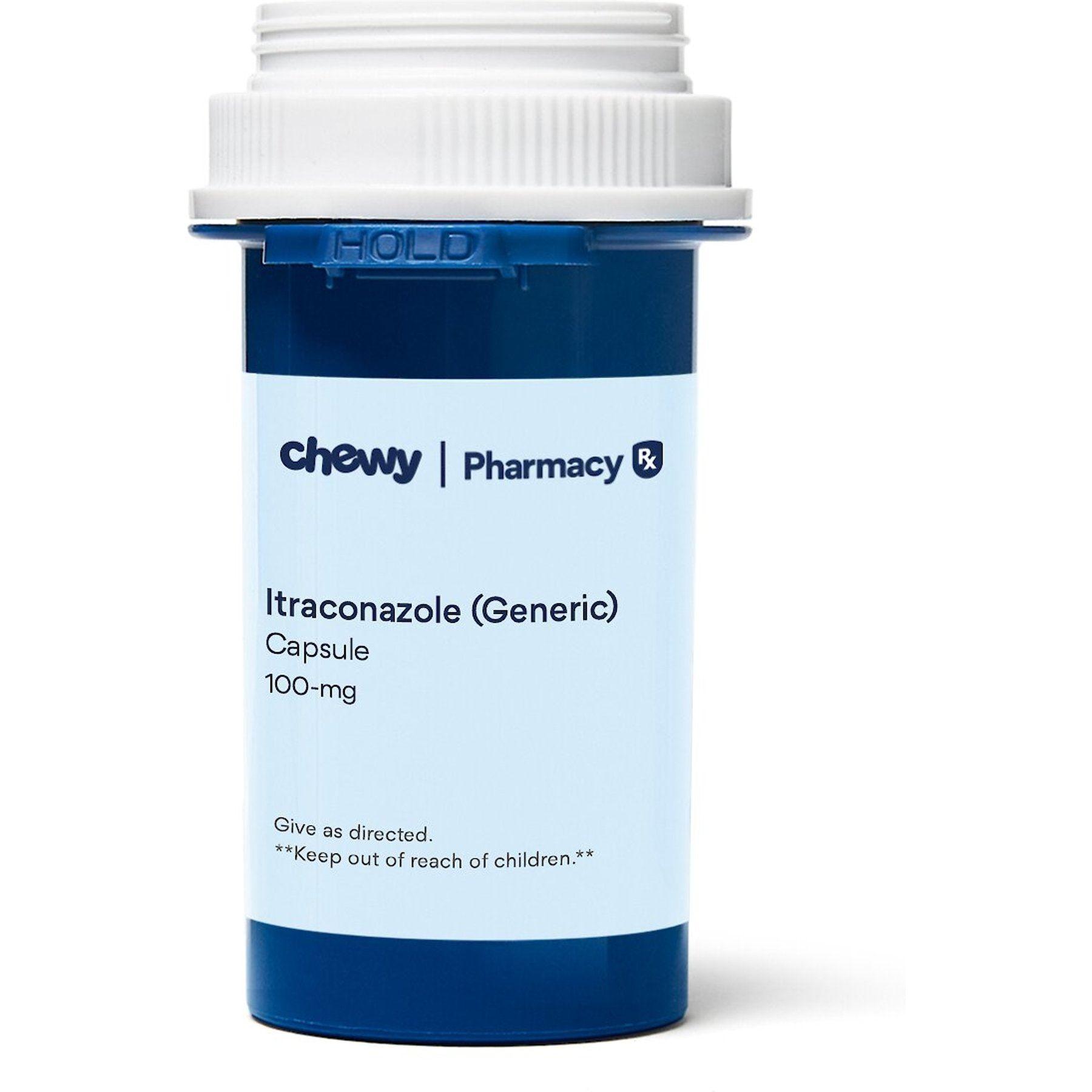
Prescription medication: generic itraconazole capsules, dispensed only with your vet's prescription and given at the dose your vet sets.
Webvet may earn a commission when you click through to Chewy, at no extra cost to you.
Merck names itraconazole as the treatment of choice, and fluconazole is also effective; the 79-dog study found no difference in survival, remission, or relapse between the two. VCA notes both are well tolerated by most dogs compared with older antifungals. Merck adds that ketoconazole may work in early or mild cases, though resistance has been documented.
How is histoplasmosis treated in dogs, step by step:
- Stabilize first: very sick dogs may be hospitalized, VCA notes a combination of medications may be needed, and Merck suggests adding amphotericin B for severe cases
- Daily antifungal at home: itraconazole or fluconazole, given exactly as prescribed
- Rechecks: repeat blood tests and X-rays, per VCA, and urine antigen tests to track response, per Merck
- Stop only on your vet's call: Merck says stopping should depend on signs resolving and urine antigen results
How long does it take? Merck recommends a minimum of 6 months, notes many dogs need more than 12 months, and says duration depends on how severe the disease is. VCA likewise says at least six months in most cases.
Many dogs with the gut form are thin and have a poor appetite when diagnosed. Ask your vet whether a calorie-dense recovery diet makes sense while the antifungal takes effect, and feed it only as your vet directs.
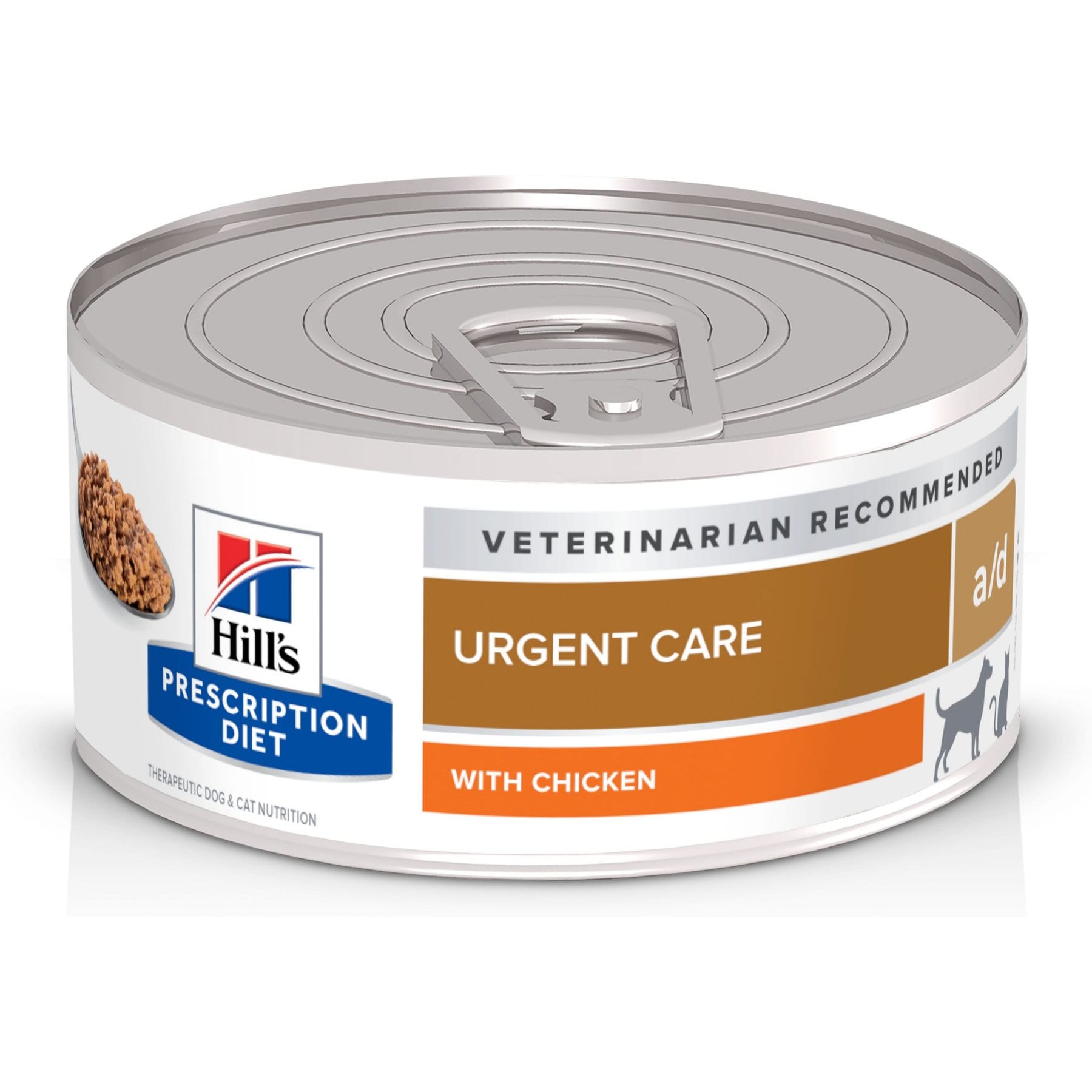
A vet-prescribed recovery food some vets use for dogs that have lost weight and appetite during a serious illness.
Webvet may earn a commission when you click through to Chewy, at no extra cost to you.
Stopping early because a dog looks better invites relapse, which Merck reports in 10%–40% of patients. Daily capsules for half a year or more are a real commitment, and hiding each one in a soft treat such as Greenies Pill Pockets, Chicken, for Capsules, 7.9 oz bag, listed at $8.79 on Chewy when checked in November 2026, can help, as long as your vet confirms how the drug should be given with food.

There is no natural treatment for histoplasmosis that replaces antifungal medicine. Merck and VCA describe only antifungal drugs as treatment, and the CDC notes that even antibiotics do not work against fungal infections.
The cost of treating histoplasmosis in a dog depends on how sick the dog is and how long treatment runs. The main costs are:
- The diagnostic workup: exam, blood work, urinalysis, X-rays, cytology, and antigen testing
- Months of antifungal medication
- Recheck visits with blood tests, X-rays, and urine antigen tests
- Hospital care for a dog that arrives very sick
As one reference point, Itraconazole (Generic) Capsules, 100-mg, 30 capsules are listed at $59.70 on Chewy when checked in November 2026; your dog's dose, set by your vet, decides how long a bottle lasts. Because dosing is based on body weight, a large dog's medication usually costs more each month than a small dog's. The 79-dog study authors note that diagnosis is often possible with noninvasive and inexpensive tests, such as cytology of a rectal scraping.
Histoplasmosis prognosis in dogs: survival, relapse, and recheck visits
Many dogs recover, but survival is not guaranteed. VCA says the disease can be treated, although not all pets will survive, and there is no way to set a prognosis before treatment begins. A dog in poor condition or with advanced disease is less likely to survive.
Sources differ on the gut form. The 79-dog study found diarrhea was a positive prognostic factor, while VCA states that dogs with disease limited to the lungs tend to respond better than those with intestinal or other body-system disease. VCA adds that infection in the eyes or nervous system is much harder to eliminate.
In the 79-dog study, clinical remission was reached in 17 of 24 dogs (71%) on itraconazole and 16 of 25 dogs (64%) on fluconazole. Factors linked to a poorer outlook in that study included:
- Labored breathing or needing oxygen
- Yellow gums (icterus)
- Enlarged abdominal organs the vet can feel
- Anemia, low platelets, or high blood calcium
- High liver enzyme or bilirubin values on blood work
- Great Pyrenees breed
Can a dog survive a fungal infection?
Yes. Many dogs survive histoplasmosis with prompt diagnosis and a full course of antifungal medicine. In the 79-dog study, about two-thirds or more of the treated dogs reached clinical remission. Dogs that are severely ill at diagnosis, with breathing trouble or advanced disease, are less likely to survive, per VCA, which is why early testing matters.
Can histoplasmosis be cured in dogs?
Many dogs reach clinical remission, meaning signs resolve and urine antigen results improve enough for the vet to stop treatment. Relapse is the catch: Merck reports relapses in 10%–40% of patients. A cure is something your vet judges over time with rechecks, not something a single test proves. Merck ties the stop date to both signs resolving and urine antigen results, which is why vets avoid stopping on symptoms alone.
Rechecks are how your vet decides when it is safe to stop and whether the infection is returning. Expect:
- Repeat blood tests to watch for drug side effects, per VCA
- Repeat X-rays to see whether the lungs or other organs are clearing, per VCA
- Urine antigen tests, which Merck says can monitor response to treatment
- A sooner visit if weight loss, diarrhea, cough, or fever comes back
At home during recovery:
- Track weight, appetite, stool, breathing, and temperature, and report changes to your vet
- For a thin dog with a poor appetite, ask your vet whether a calorie supplement such as Vetoquinol Nutri-Cal Gel High Calorie Supplement for Cats & Dogs, 4.25-oz tube fits the plan; it is listed at $18.49 on Chewy when checked in November 2026
- Give a weak dog a supportive place to rest, such as the BARK Orthopedic Dog Bed, Medium, Grey, listed at $35.49 on Chewy when checked in November 2026
- Keep your dog with the family: VCA says an infected pet usually does not need to be separated from people or other pets
- Finish every dose, even when your dog seems back to normal
A recovered dog can meet the fungus again, because VCA notes the real risk comes from the same soil where the first infection happened. Complete avoidance is hard, but the CDC says exposure can be reduced, and it lists places and activities that raise risk in people:
- Chicken coops
- Caves
- Old buildings being cleaned, remodeled, or torn down
- Landscaping, farming, gardening, and yardwork
Keeping your dog away from coops, bird roosts, and piles of droppings is a sensible step in an endemic area.
Histoplasmosis in dogs questions
Frequently Asked Questions
How do dogs get histoplasmosis?
Dogs pick it up from soil enriched with bird droppings or bat droppings, where Histoplasma grows. Digging, sniffing, and nosing through places like old chicken coops or bird roosts can stir spores into the air, and the dog inhales them. Swallowing spores can also seed the gut. Another sick dog is not the usual source, and the CDC says the infection does not spread between animals and people.
How do vets test a dog for histoplasmosis?
Vets start with a history, exam, blood work, urinalysis, and X-rays, then look for the organism. Merck notes the organisms are usually plentiful in affected tissue, so cytology of a needle sample often gives a definitive answer, and in disseminated disease they often appear in white blood cells on a routine blood smear. A urine antigen test, which detects part of the fungal cell wall, supports the diagnosis and is later used to track treatment. An antibody blood test can help too: in a 2023 study, it was positive in 17 of 22 dogs (77.3%) with histoplasmosis, including dogs whose urine antigen test was negative.
How much does histoplasmosis treatment cost for a dog?
There is no single price, because cost scales with how sick the dog is, its size, and how long treatment runs. Plan for the diagnostic workup, at least 6 months of itraconazole or fluconazole, and rechecks with blood work, X-rays, and urine antigen tests along the way. Hospital care for a very sick dog adds substantially. Ask your vet for an itemized estimate for the first month and for each recheck.
Is there a natural treatment for histoplasmosis in dogs?
No. Histoplasmosis needs a prescription antifungal chosen and dosed by a veterinarian. Supplements, special diets, and home comforts can support appetite and rest, but none replaces the antifungal, and delaying real treatment gives the fungus time to spread. If side effects are a worry, ask your vet about fluconazole, which the 79-dog study found worked about as well as itraconazole.
Can histoplasmosis affect a dog's skin?
Yes, though skin involvement usually means disseminated disease rather than a skin-only infection. Merck describes weeping, ulcerated, nodular skin lesions, and a published case report described a 4-year-old dog with skin and gum lesions alongside swollen lymph nodes. A sore that will not heal on a dog from an endemic area should be checked by a vet, since cytology of a needle sample from the sore often reveals the fungus, and gloves are sensible when cleaning a draining lesion.
Veterinarian · BVMS MRCVS
Dr. Pippa Elliott, BVMS, MRCVS, is a veterinarian with nearly 30 years of experience in companion animal practice. Dr. Elliott earned her Bachelor of Veterinary Medicine and Surgery from the University of Glasgow. She was also designated a Member of the Royal College of Veterinary Surgeons. Married with 2 grown-up kids, Dr. Elliott has a naughty Puggle named Poggle, 3 cats and a bearded dragon.
Related reading

IMHA in Cats: Signs, Causes, Treatment, and Survival

Aspergillosis in Dogs: Nasal and Systemic Forms, Signs, and Treatment

Cryptococcosis in Cats: Nose Swelling, Diagnosis, and Treatment
